

Tool sharpening for workshop and site use
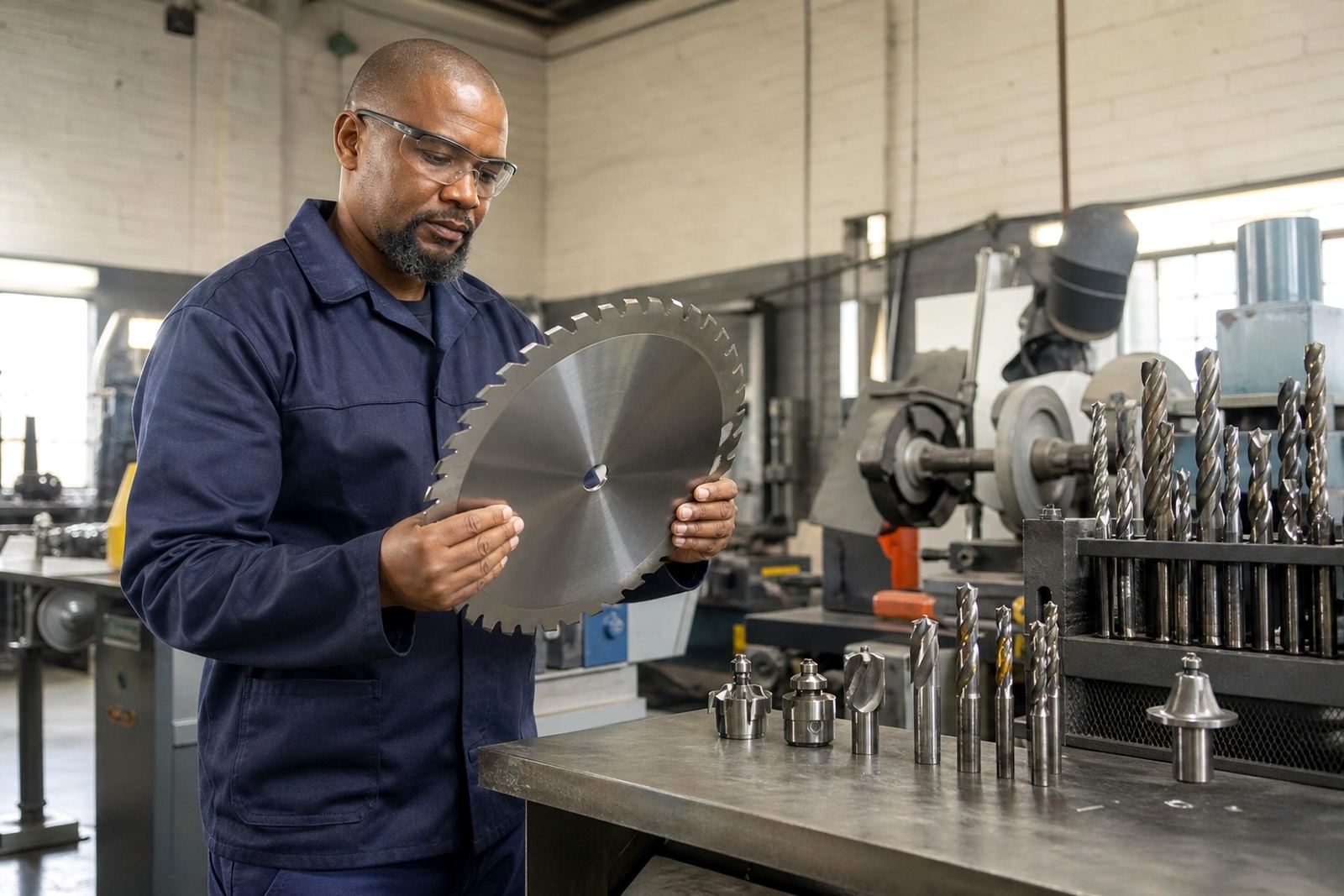
Different cutting tools need different grinding methods, and that is where proper sharpening makes the difference. A saw blade, a drill bit and a router bit all lose performance in different ways, so each one is checked and ground for the job it must do. The aim is to restore clean cutting, reduce strain on the machine and help the operator work with more control.
We handle tools used in woodworking, plastics work, light engineering and maintenance jobs. If you are cutting timber in Hillcrest, running batch work in Pinetown or sending tools in from a factory in Johannesburg, the process stays the same: inspect, identify wear, sharpen or regrind, then check the finish before release.
How to choose the right service
If a tool is only dull, it may need sharpening. If it has burns, chips, uneven wear or size changes, regrinding may be the better choice. Some tools also need correction work so they cut true again, especially where repeated use has caused the edge to drift or the diameter to change.
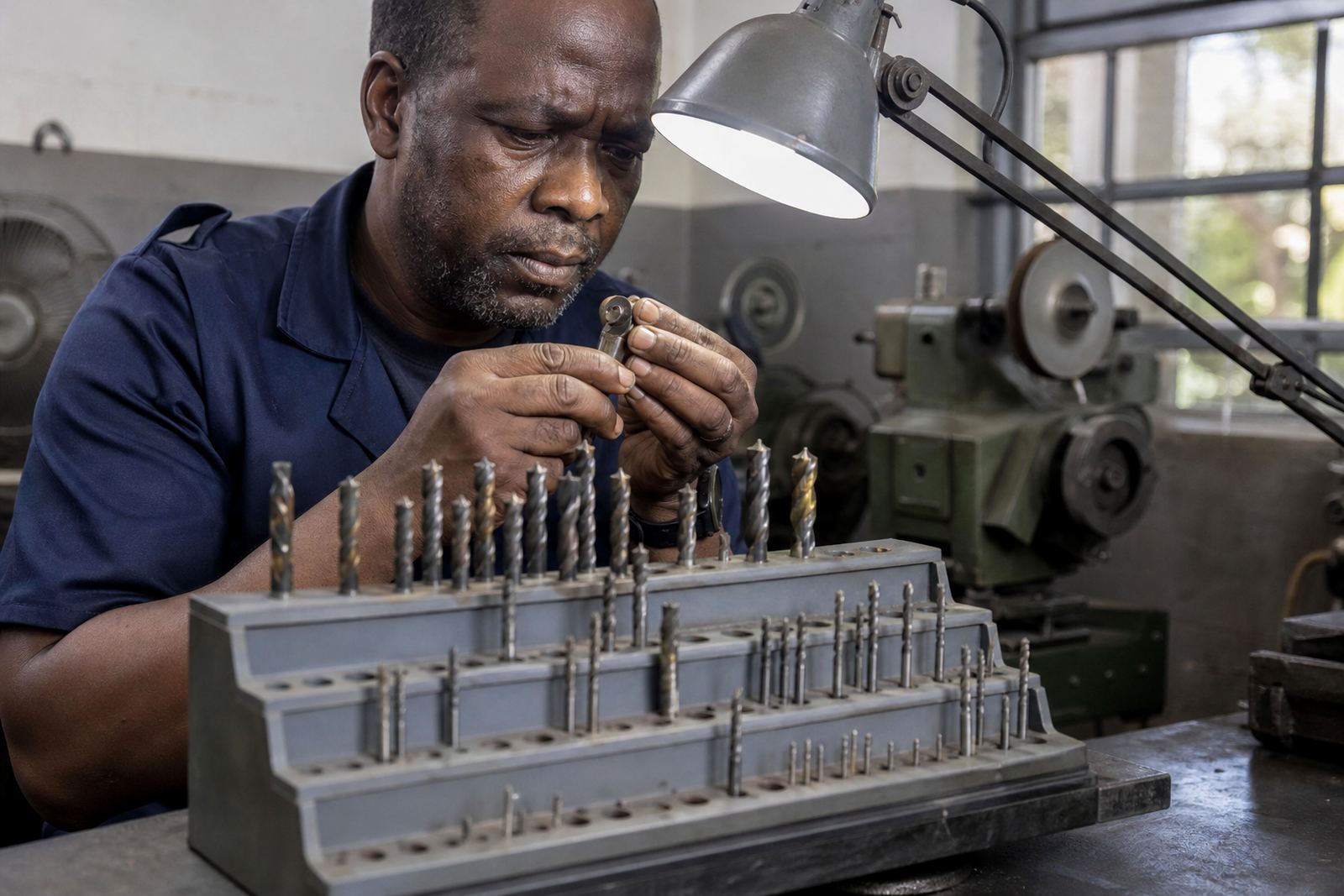
When you are not sure what the tool needs, send it in for assessment. We look at the cutting edge, the body, and any damage that could affect safe use. That helps you avoid over-grinding a tool that still has life left in it, and it also stops wasted downtime. On site jobs and workshop jobs often need diffrent fixes, so the first check matters.
- Sharp but slow cutting usually points to normal sharpening.
- Burn marks, chipped edges or rough finishes may need extra grinding work.
- Tools that wobble, cut off line or leave poor finish may need balance checking or angle reset.
- If several tools are due at once, batch tagging helps keep them sorted.
Saw blade sharpening and correction
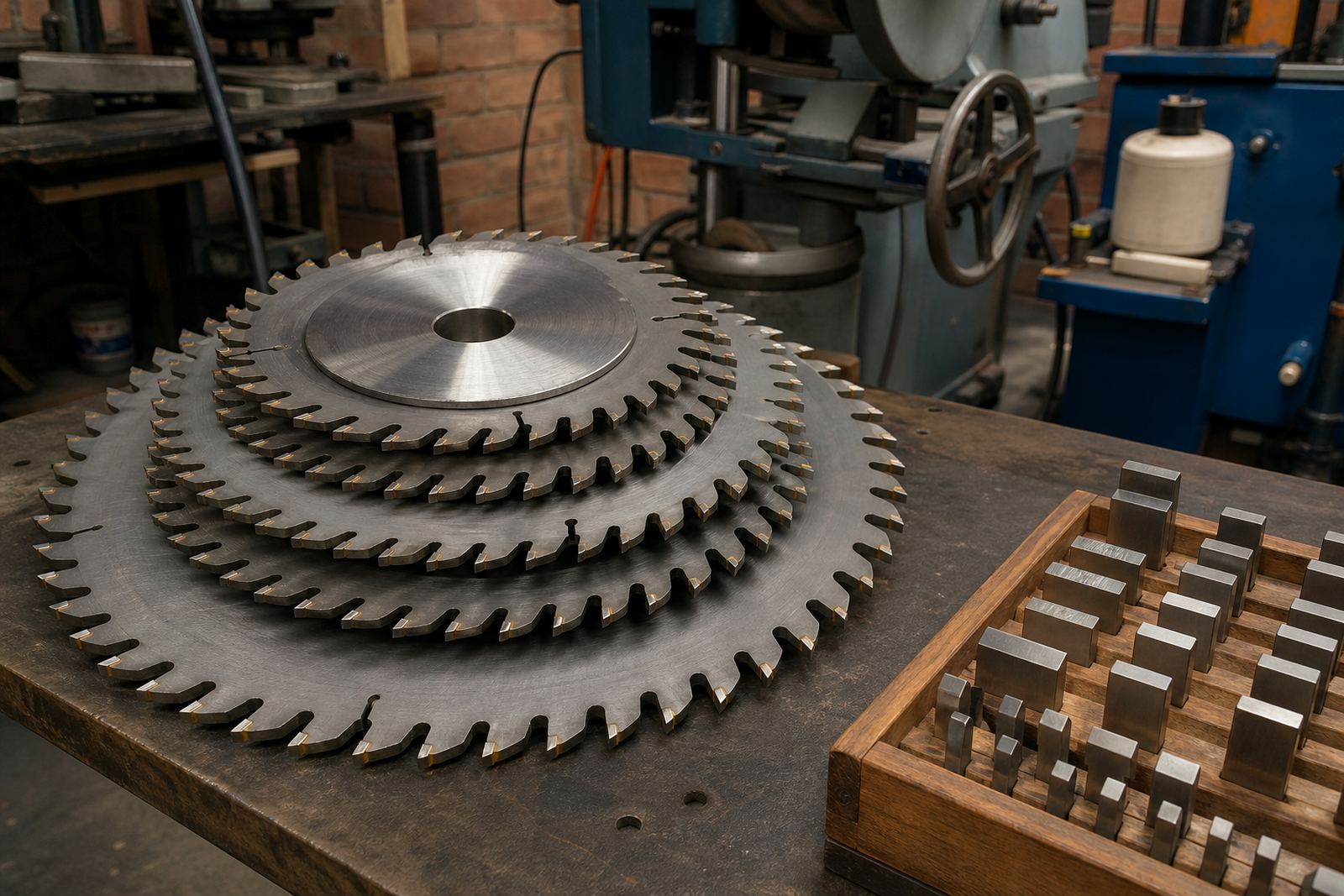
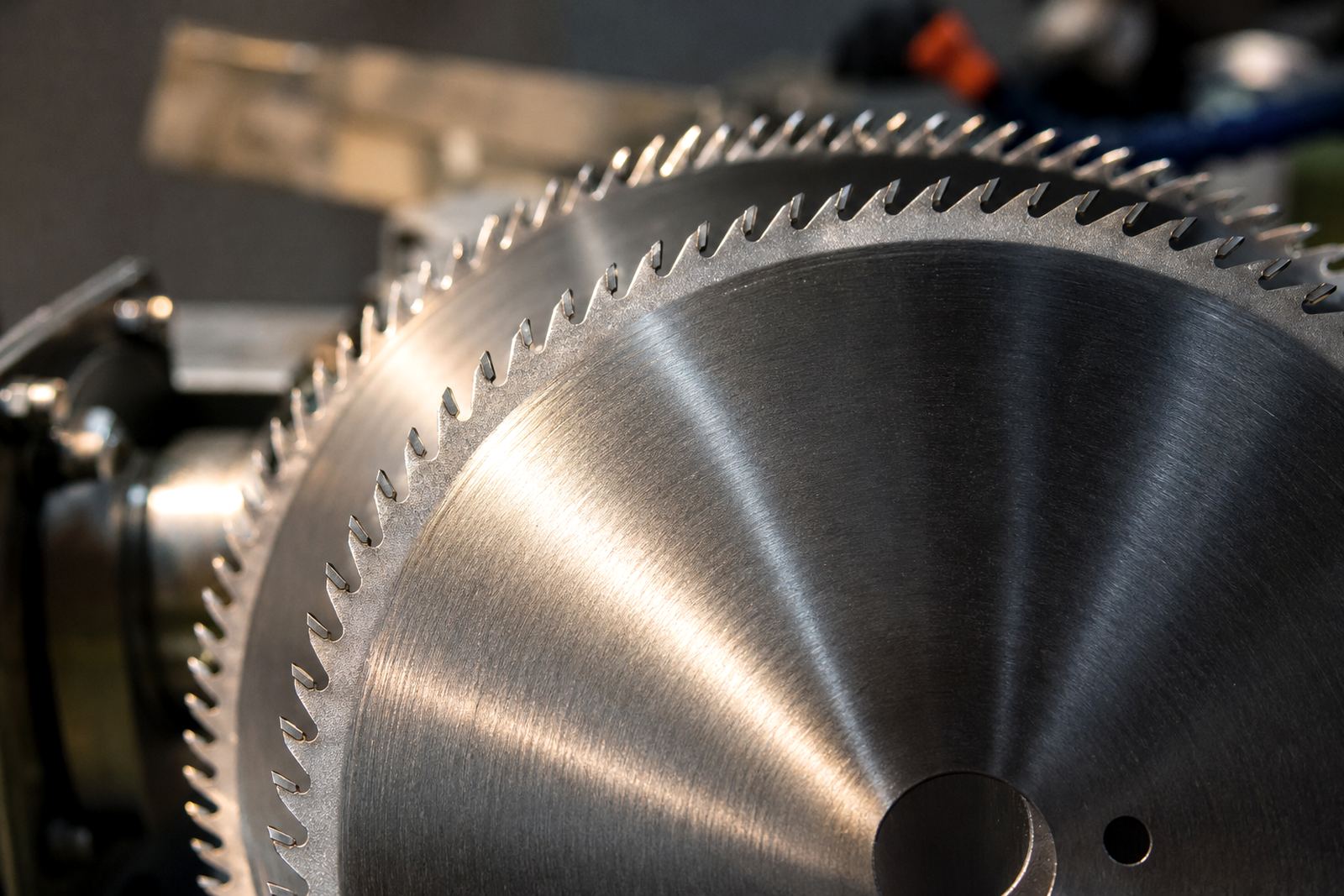
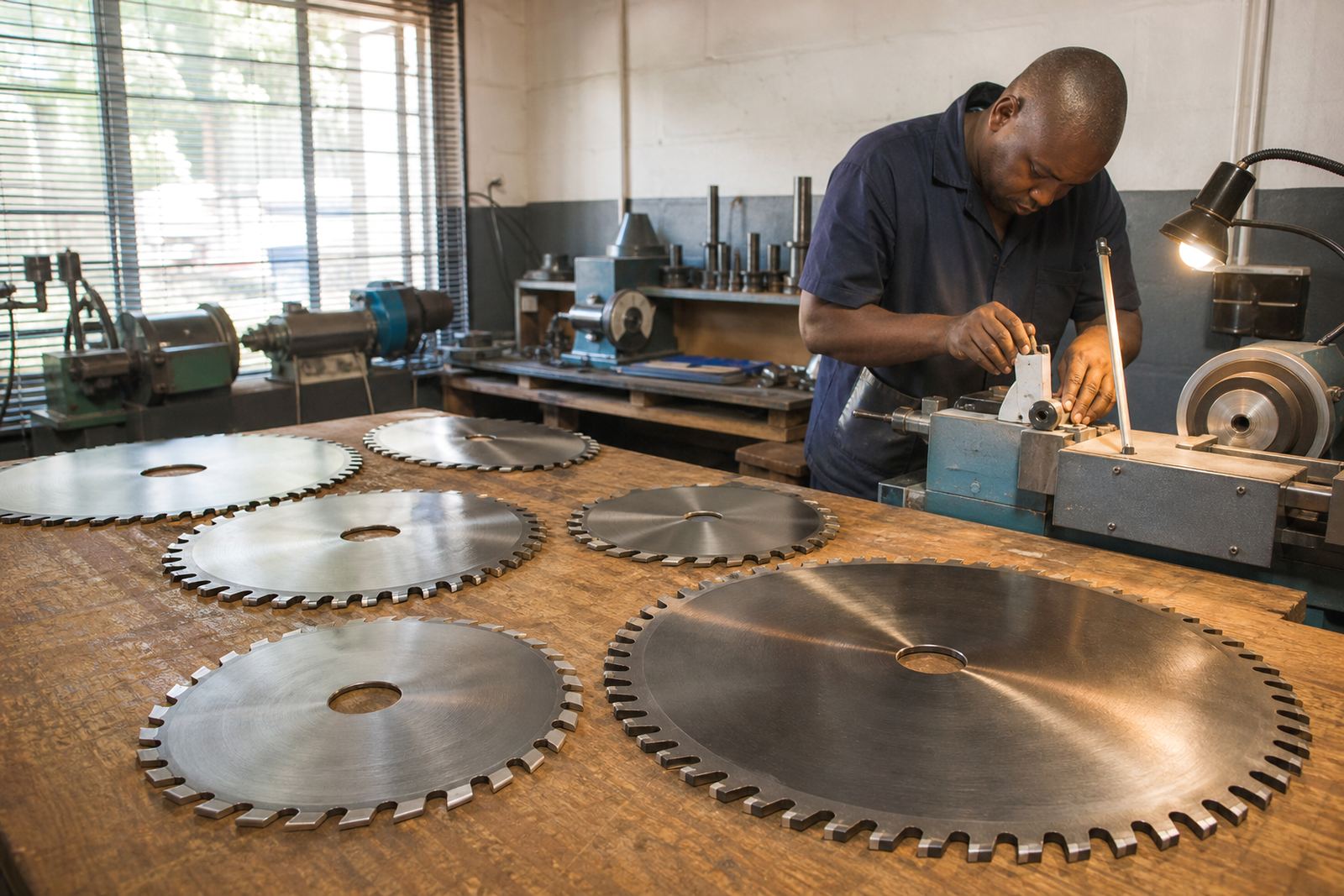
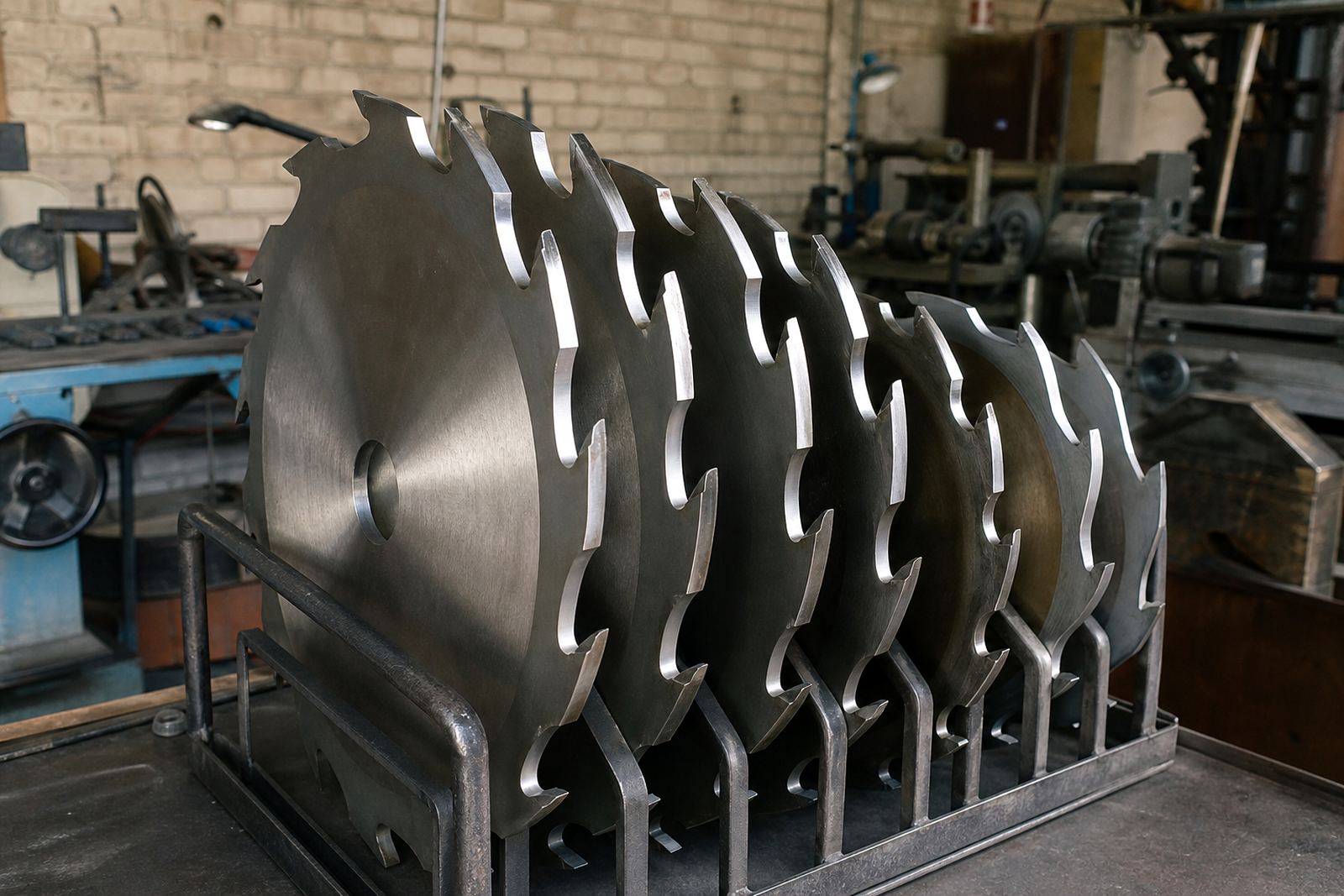
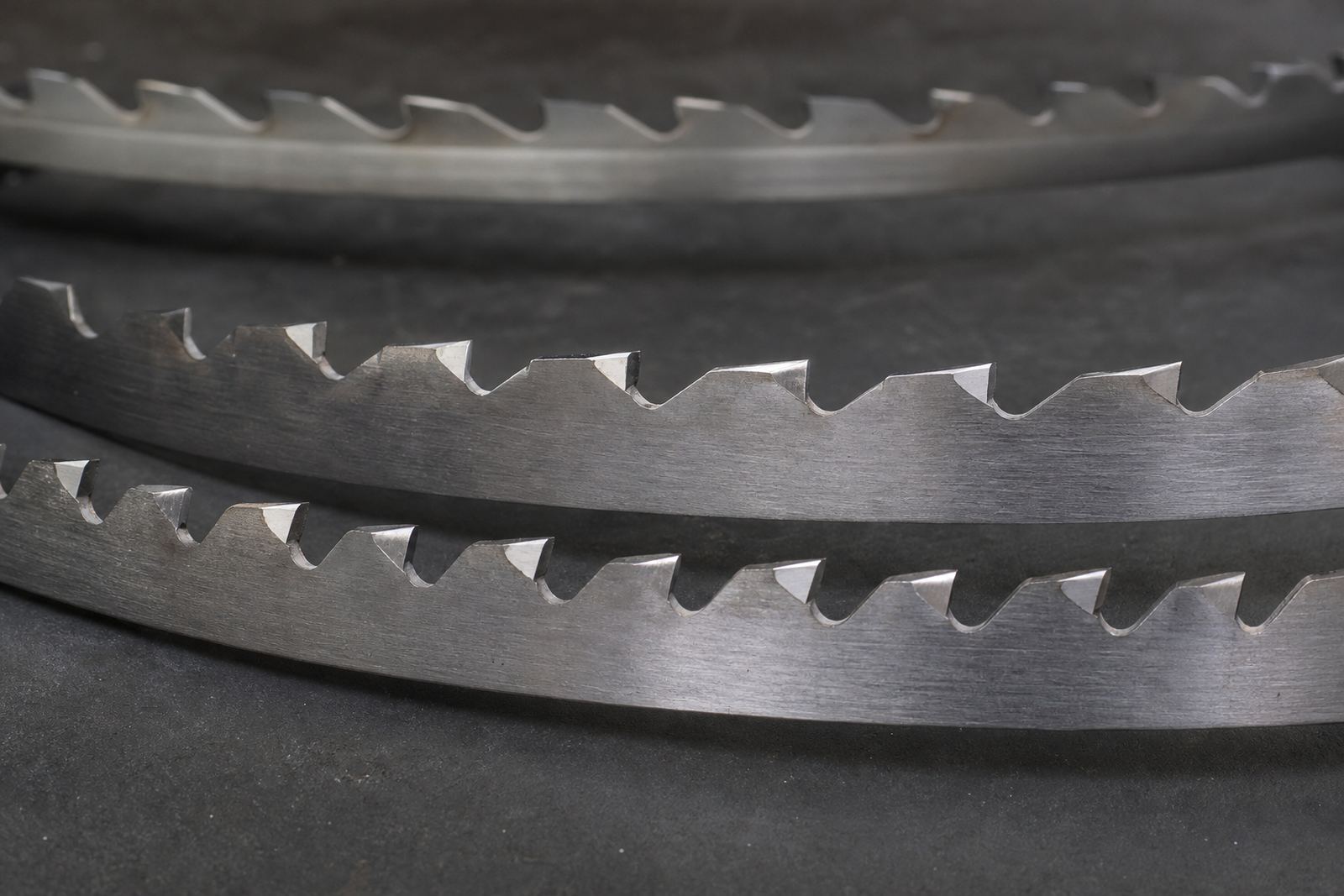
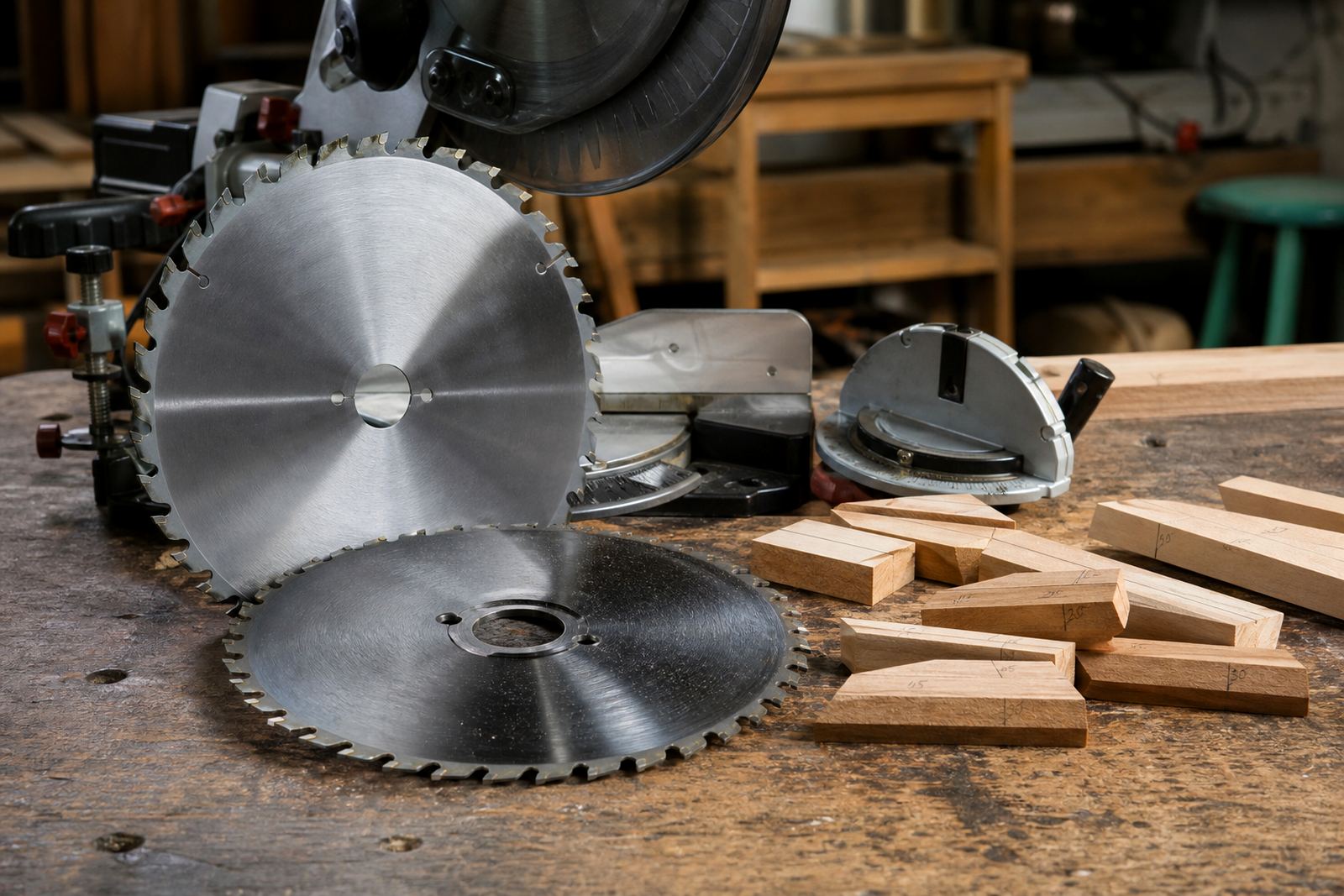
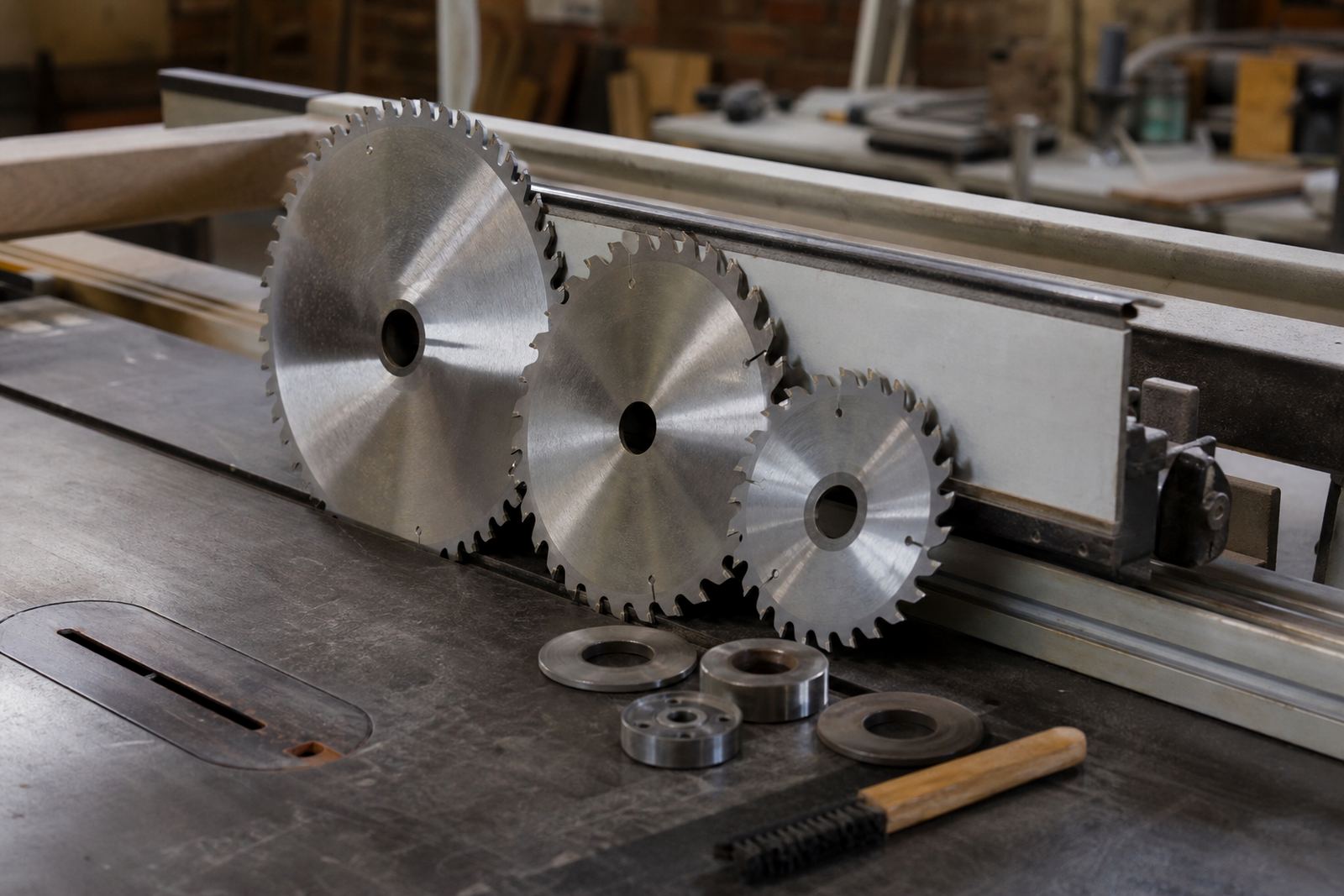
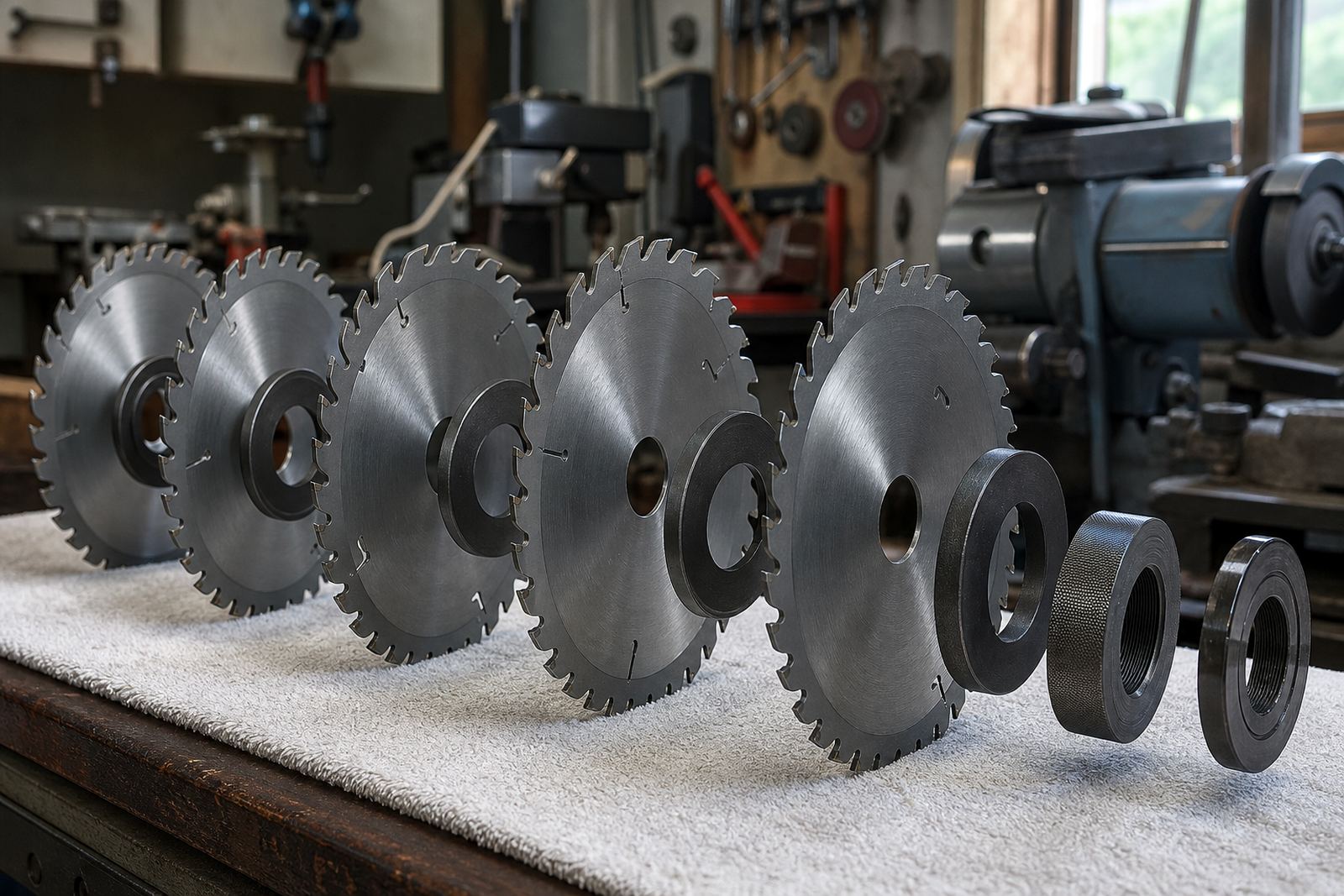
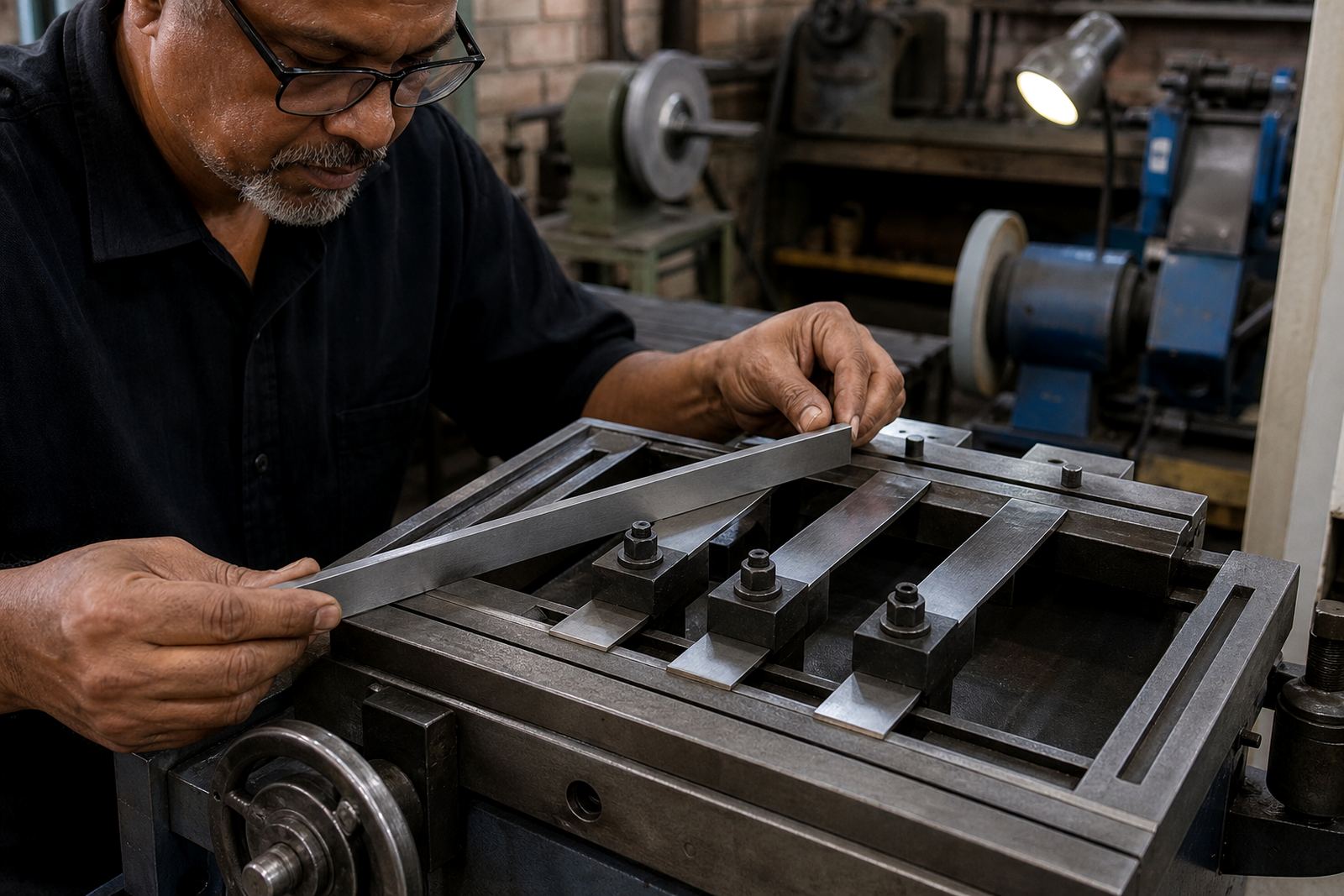
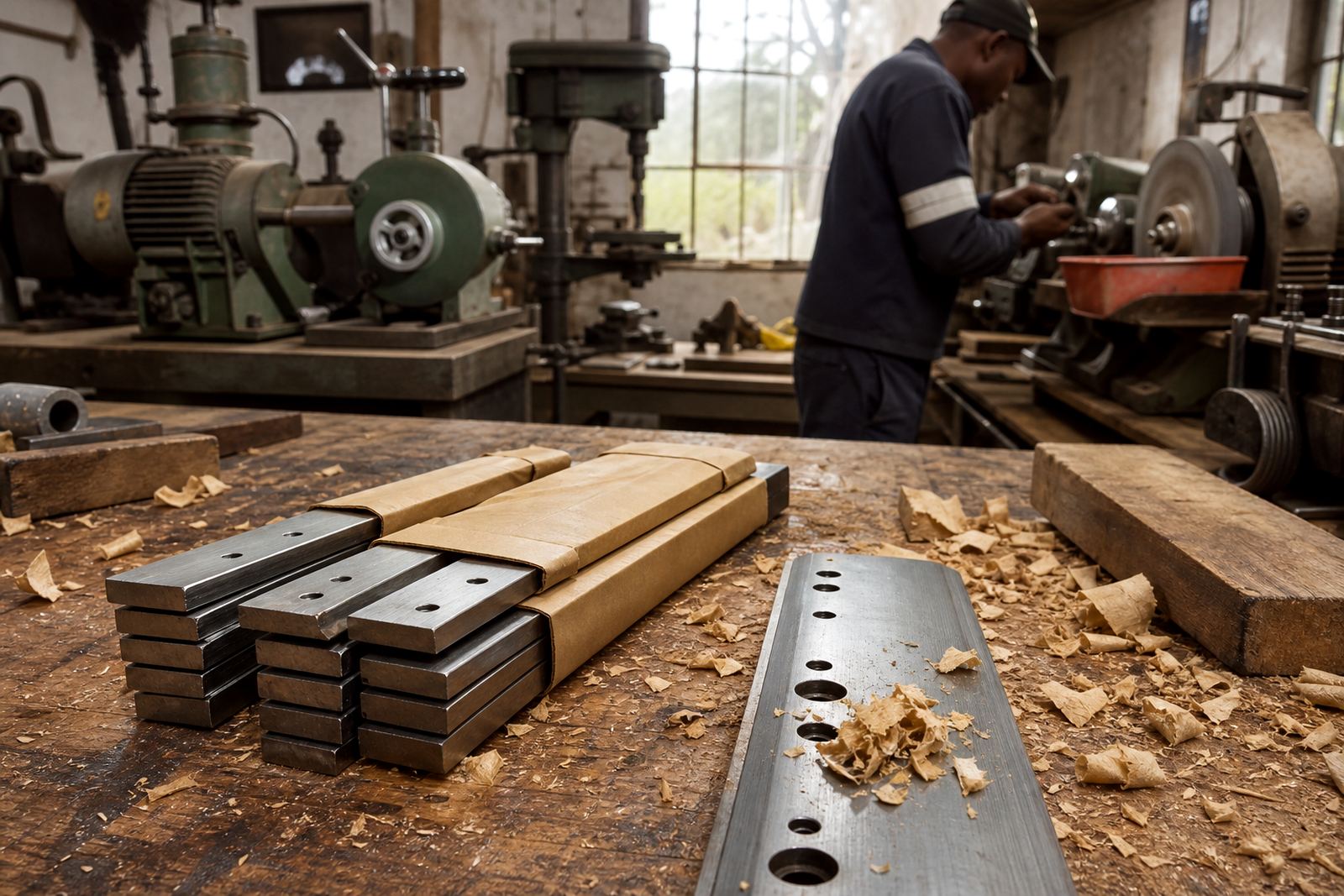
Saw blades are common in cabinet shops, maintenance rooms and small production lines, and they need consistent tooth geometry to cut well. We sharpen saw blades, correct tooth faces, carry out top grinding where needed and remove burn marks that can affect the cut quality. If a blade has a chipped tooth or uneven wear pattern, we work to restore a steady cutting line.
For customers along the coast, humidity can cause extra storage issues, especially when blades are left in damp rooms or vehicle canopies. Clean blades last longer, but once the teeth go dull or heat marks start showing, a proper grind is the better option. The machine then works easier and the cut needs less force from the operator.
Drill bits and router bits that cut cleanly
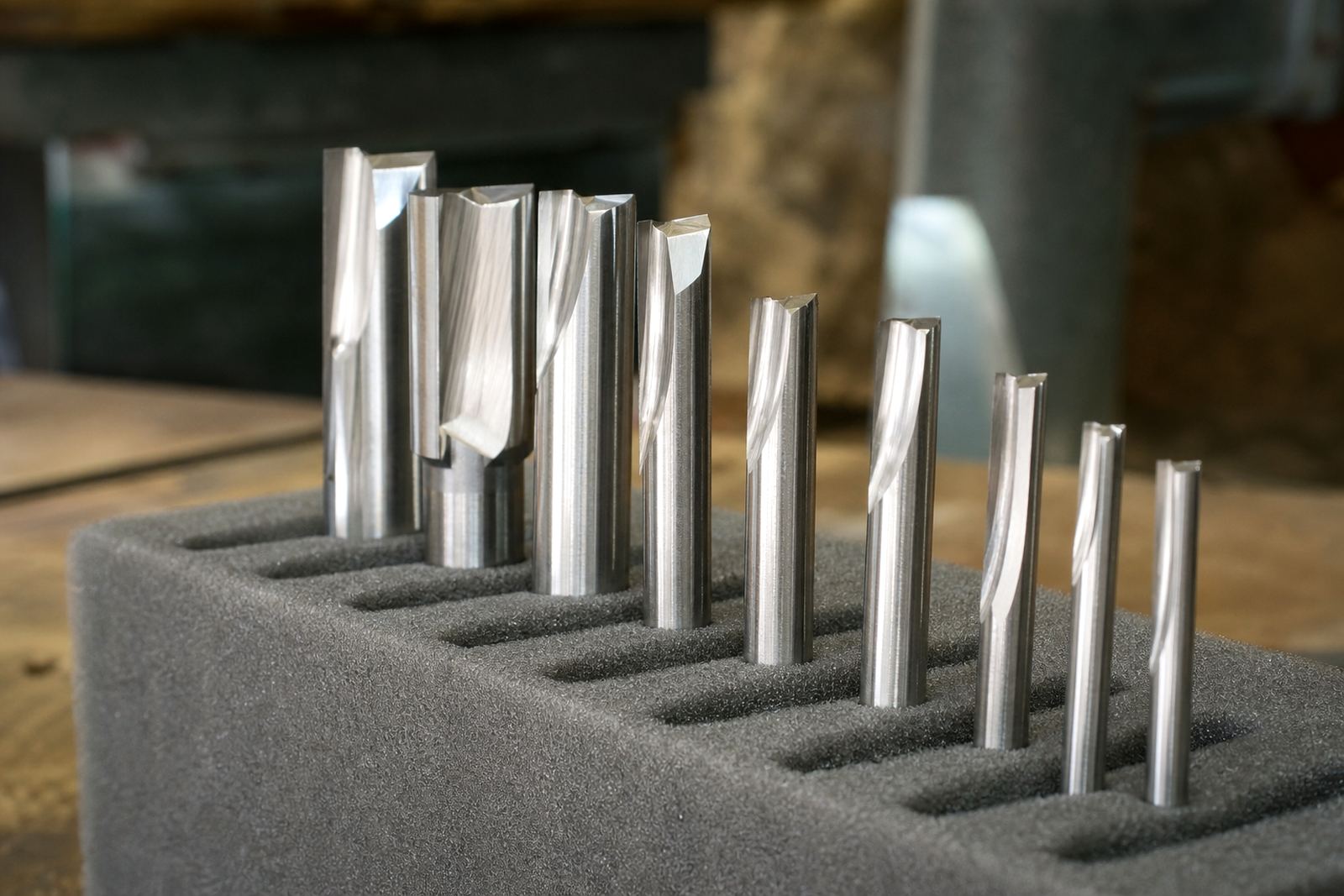
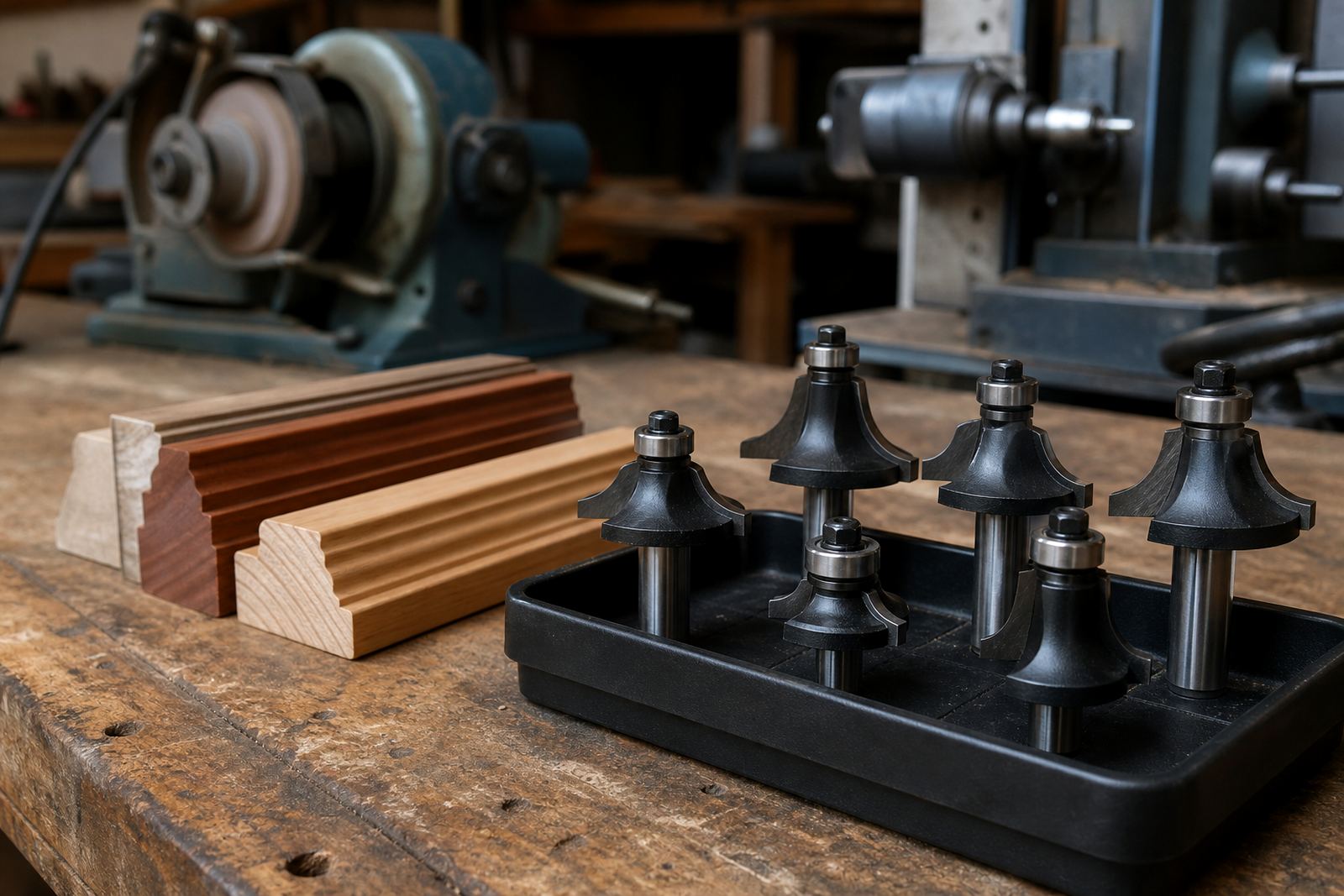
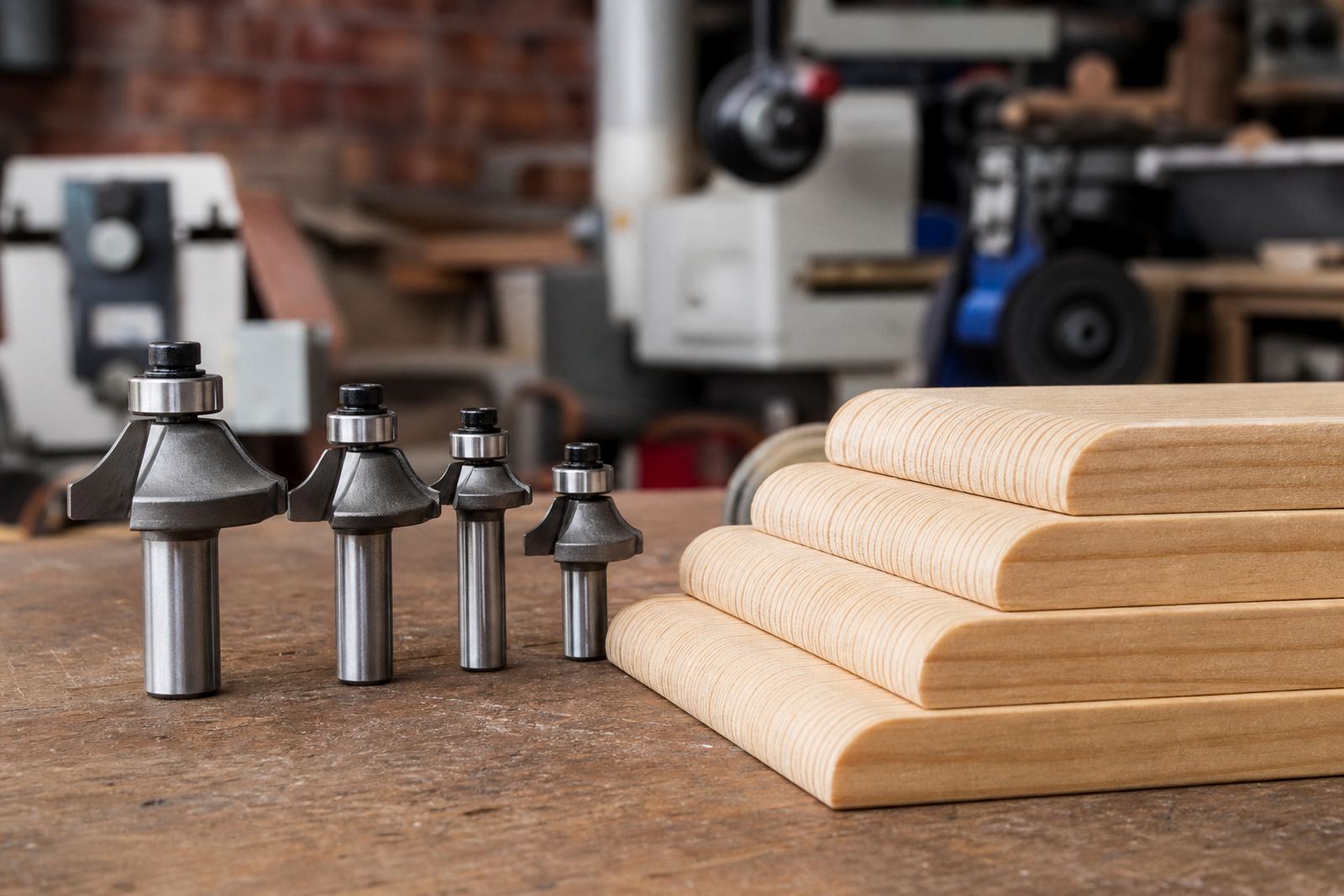
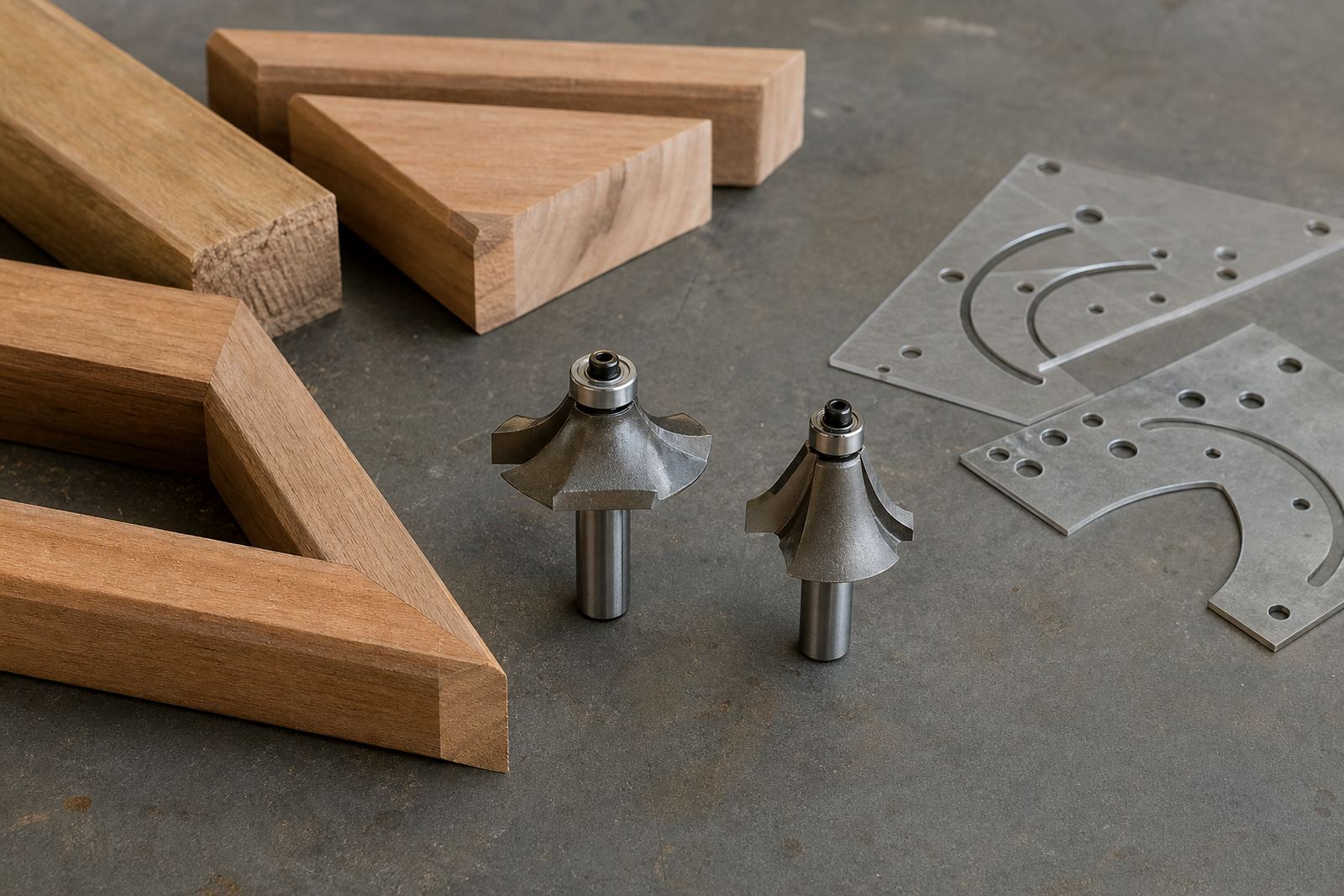
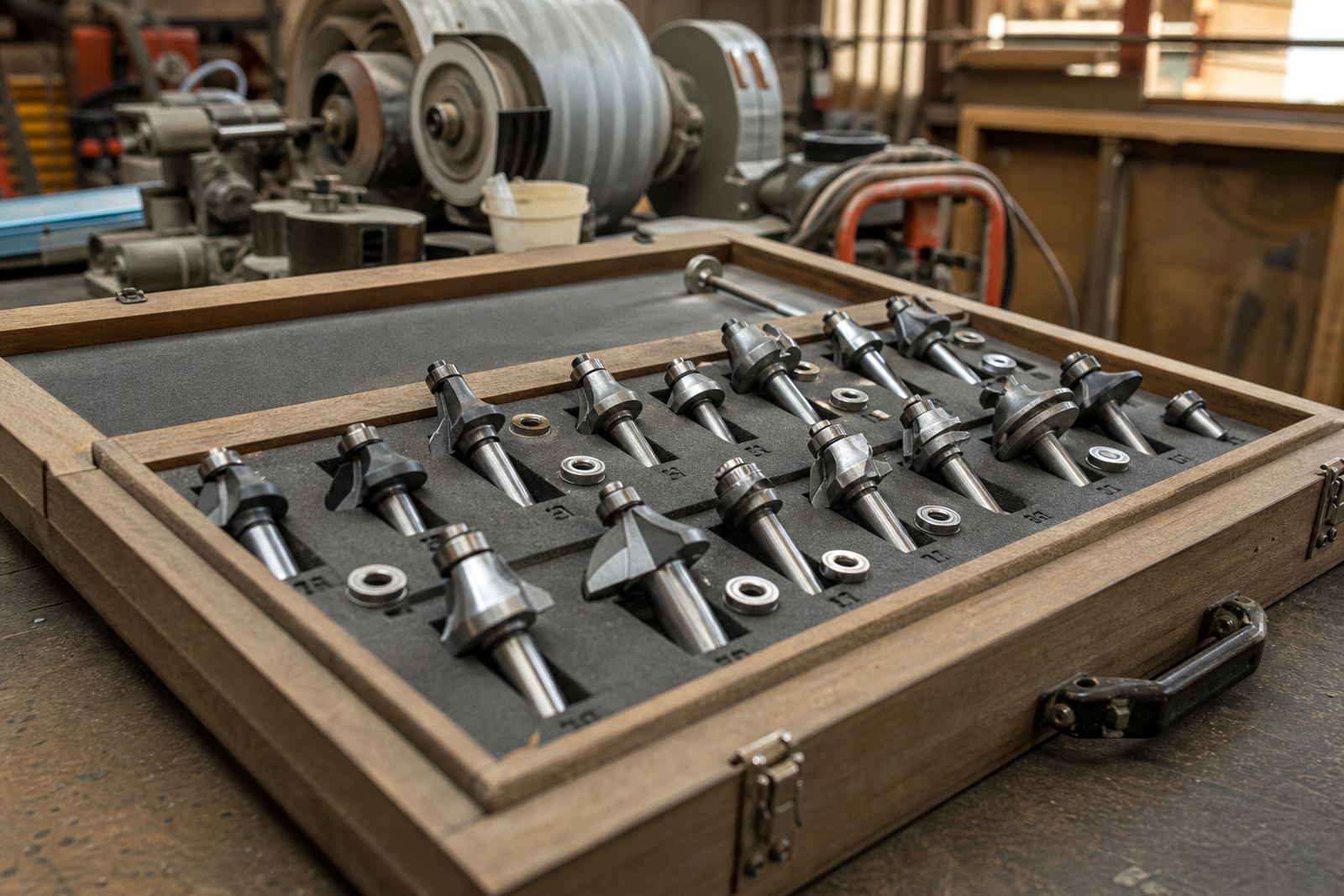
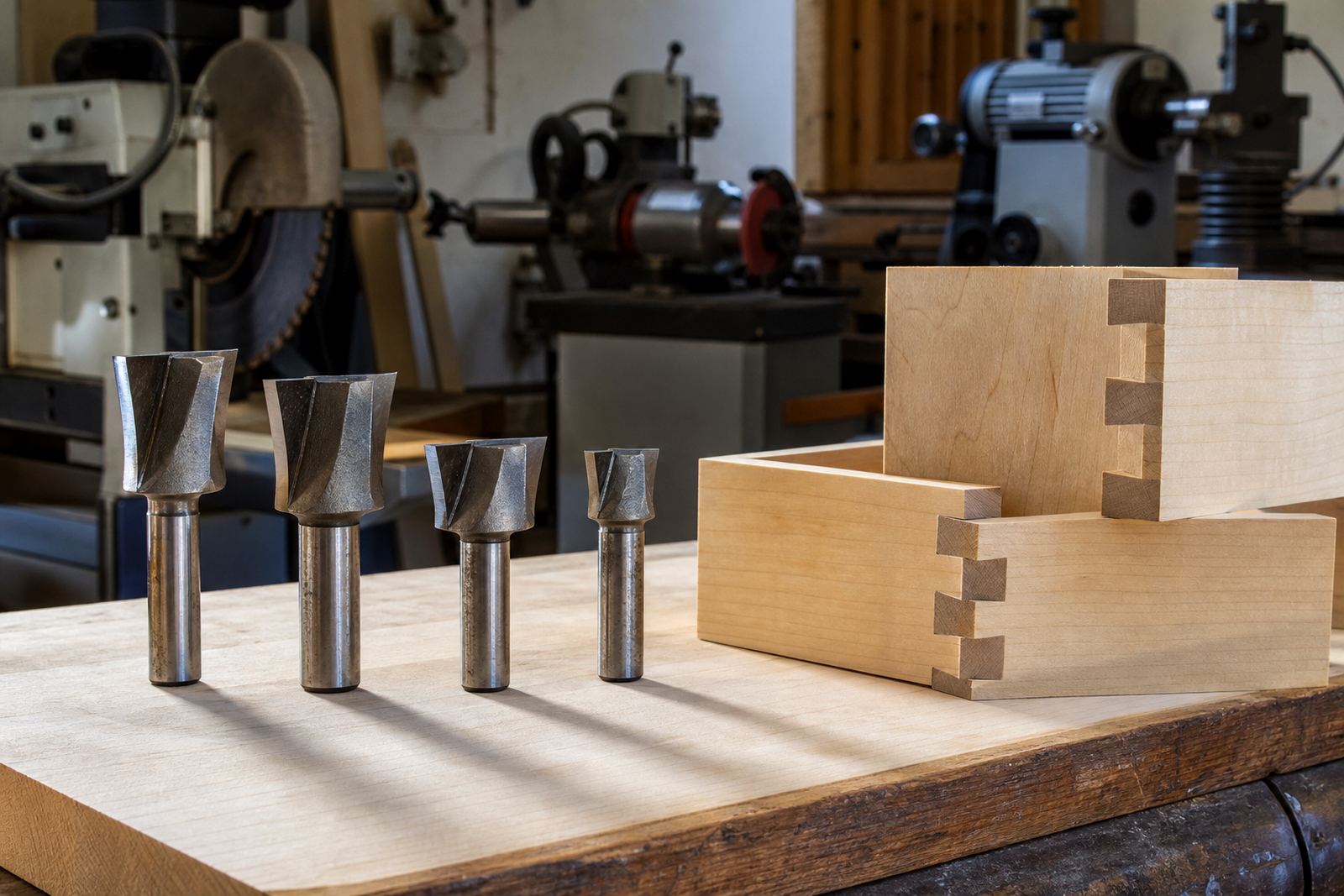
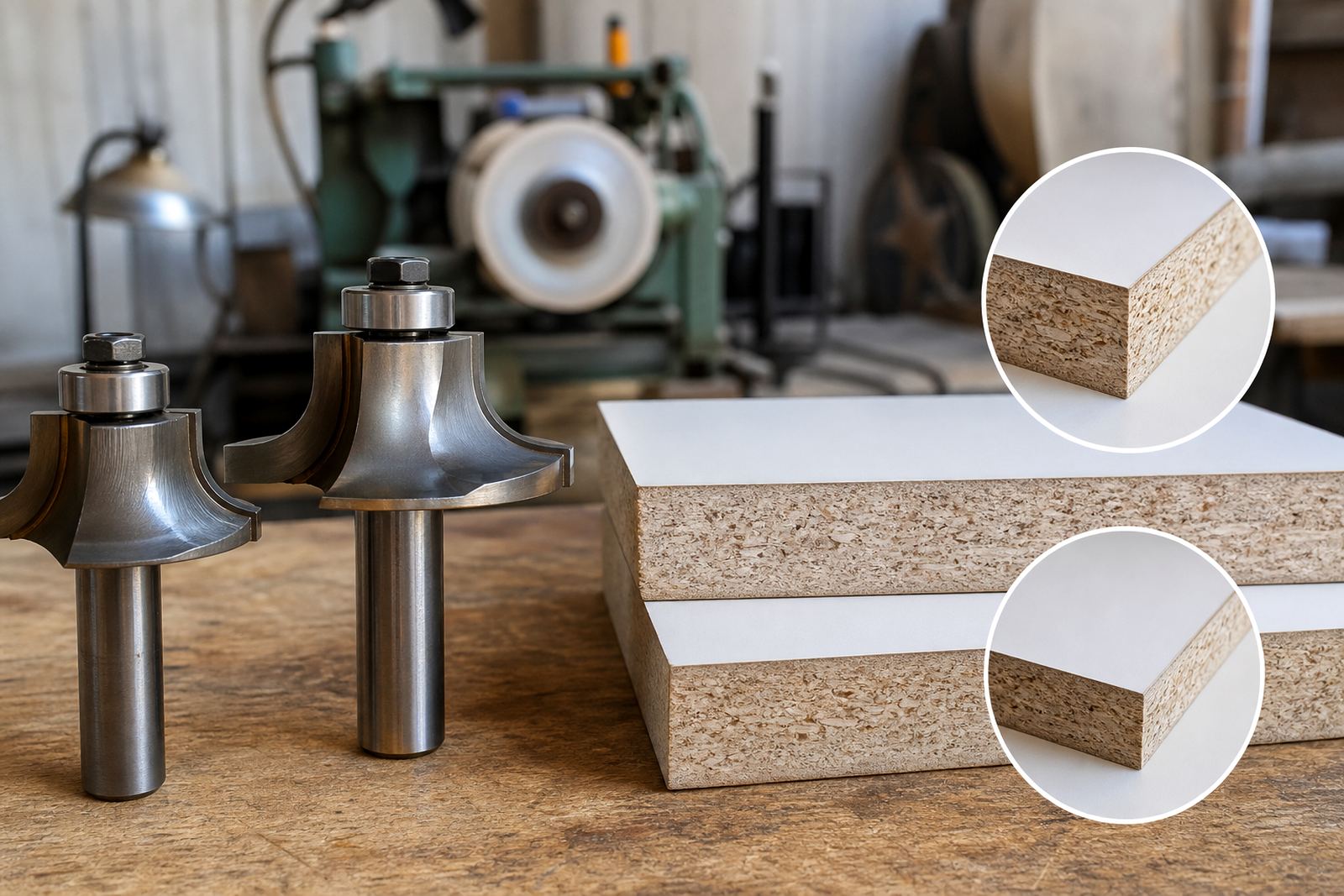
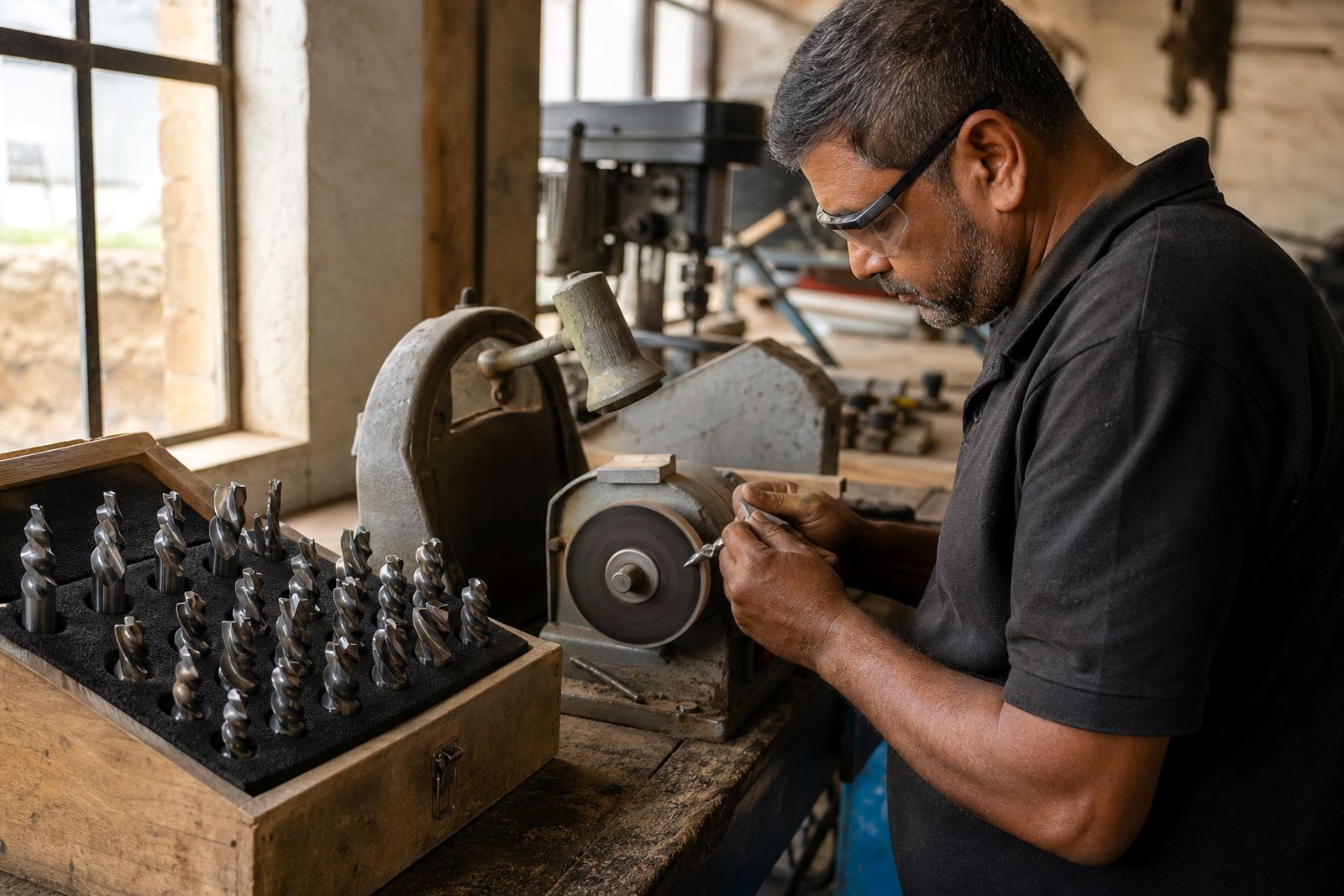
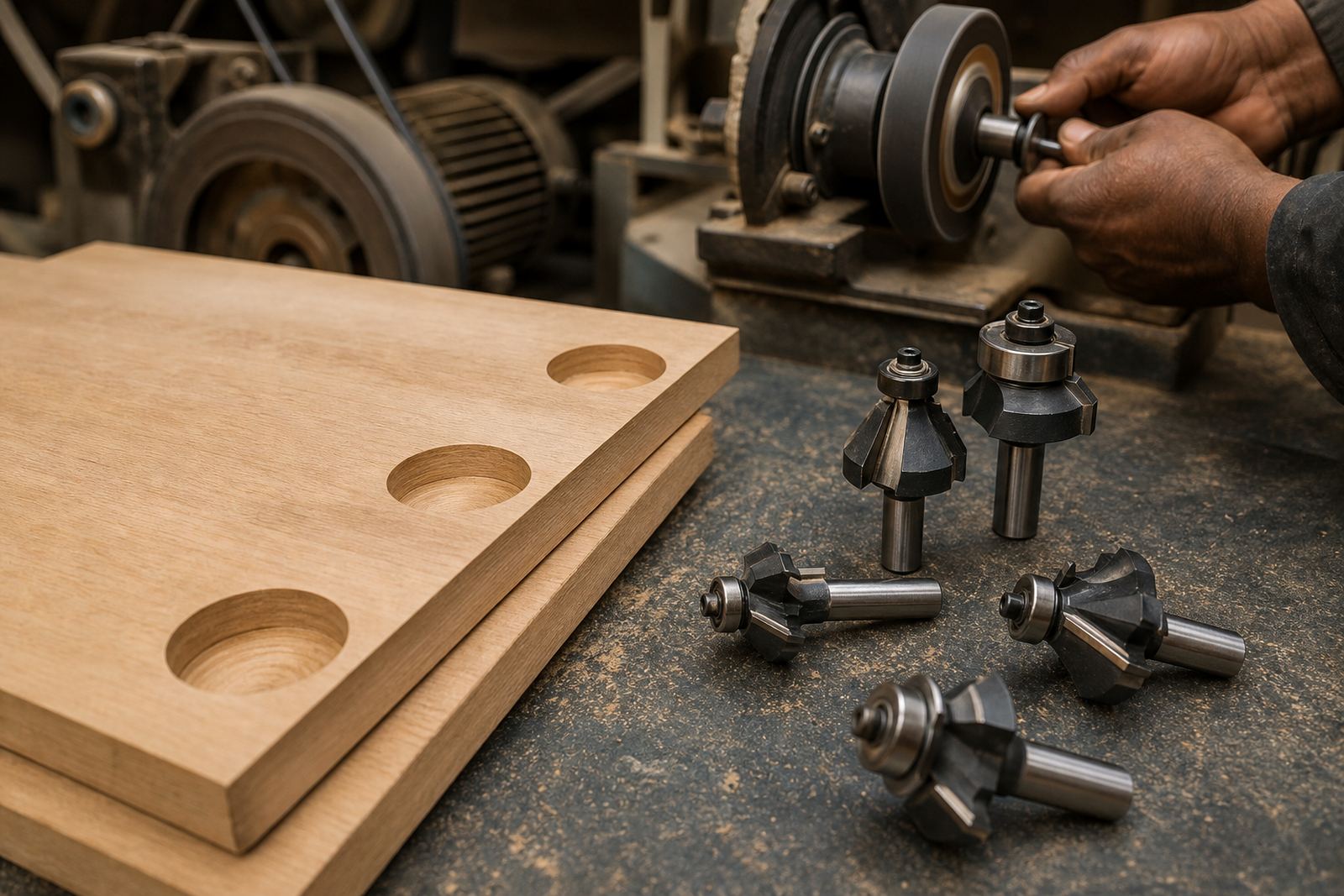
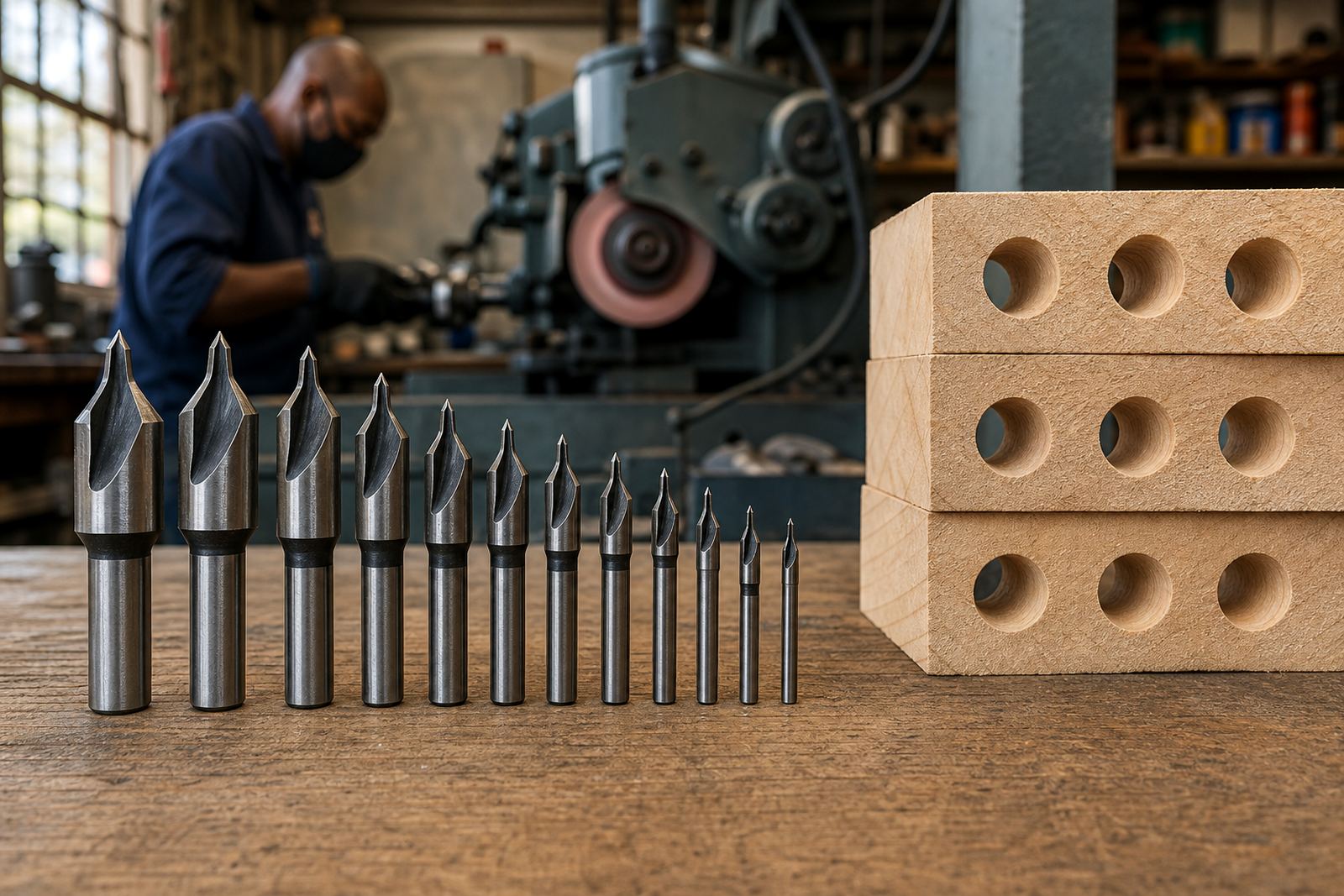
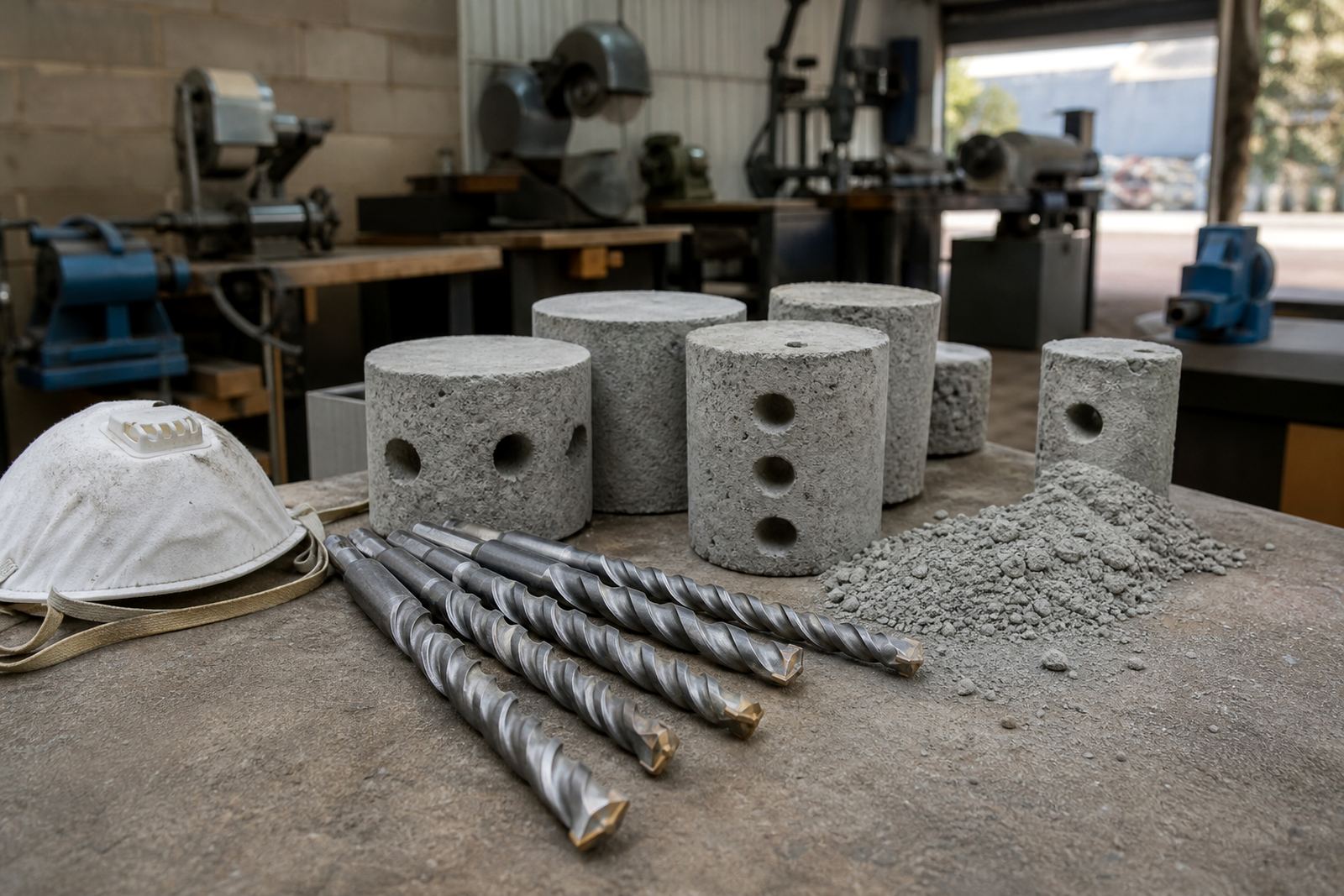
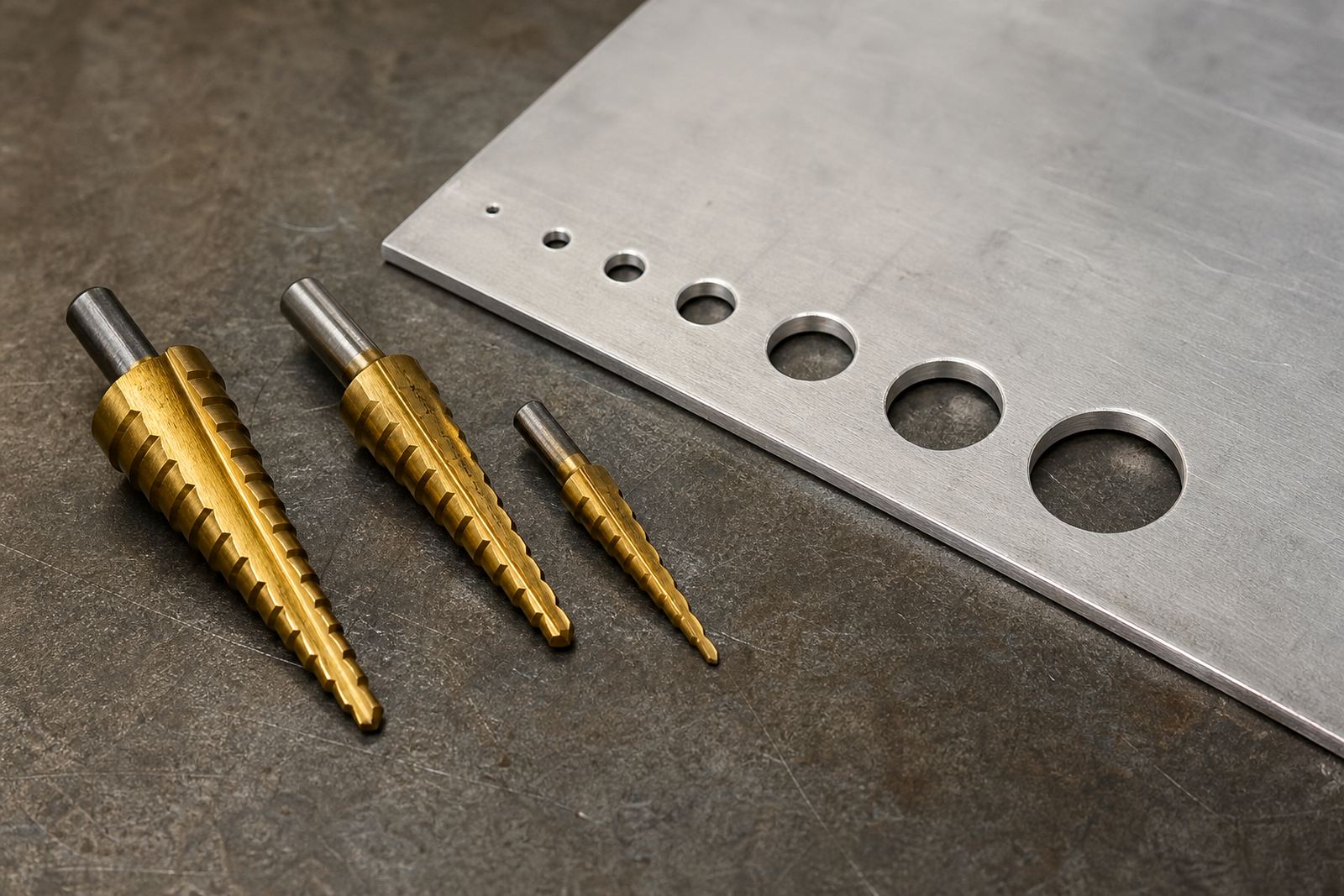
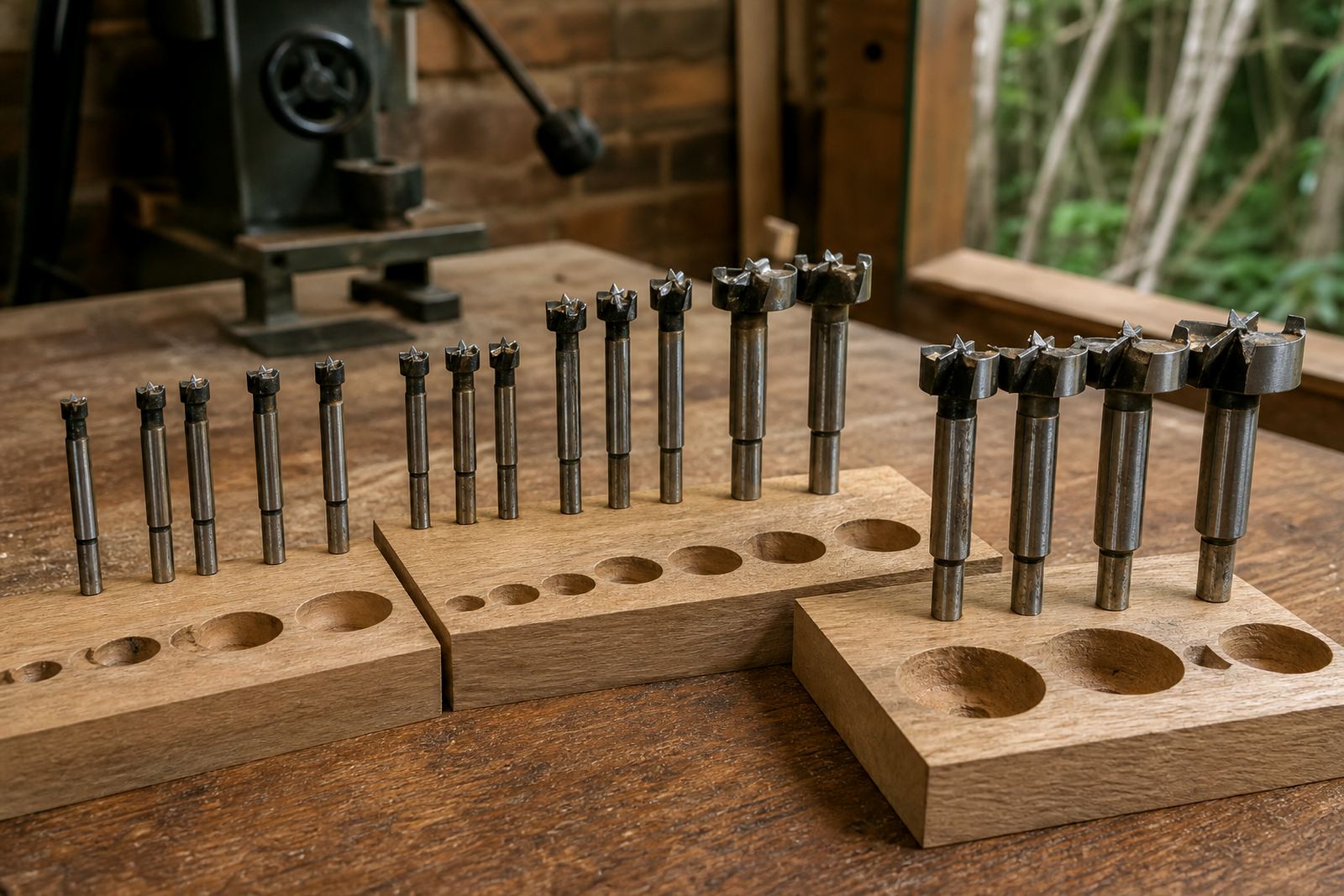
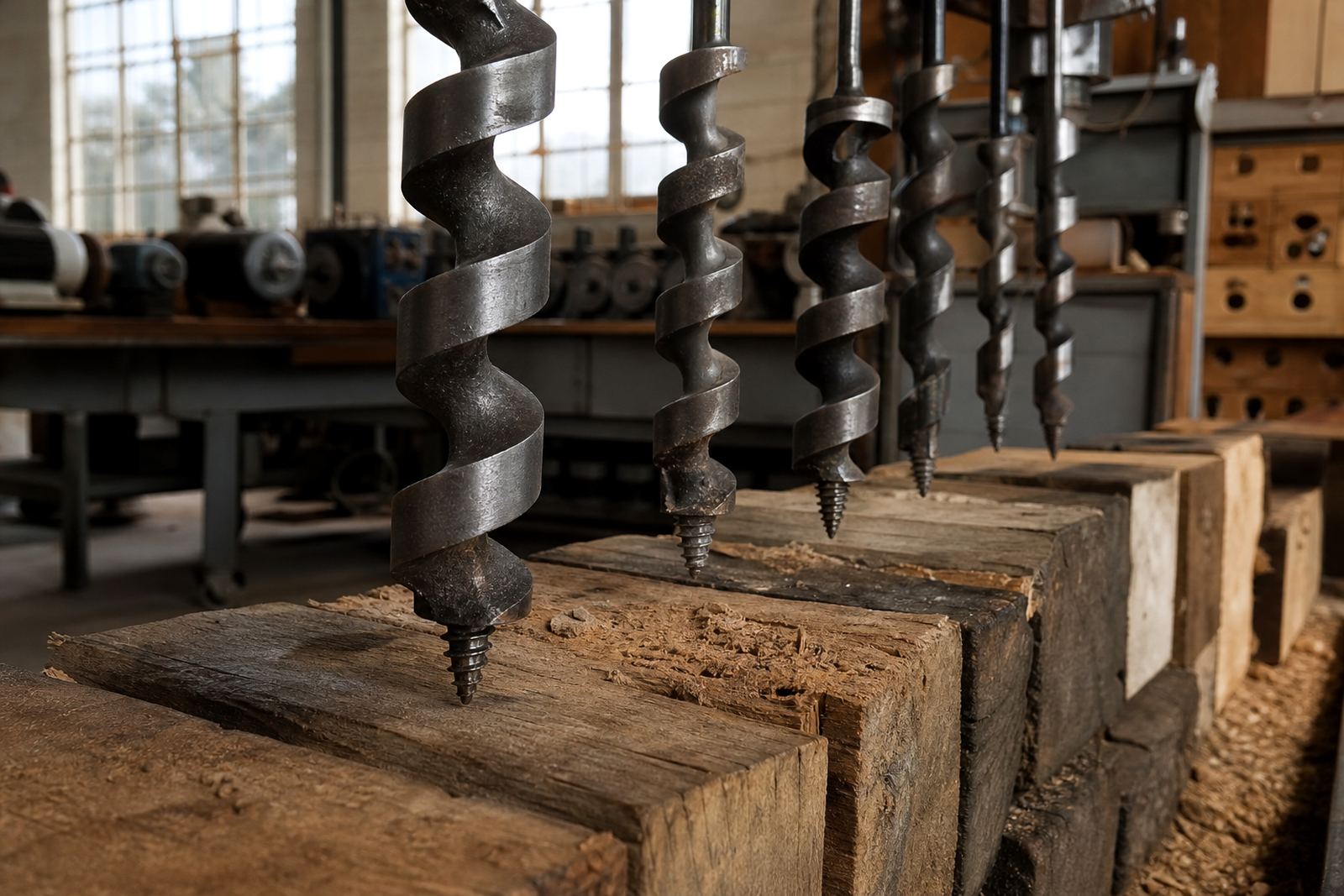
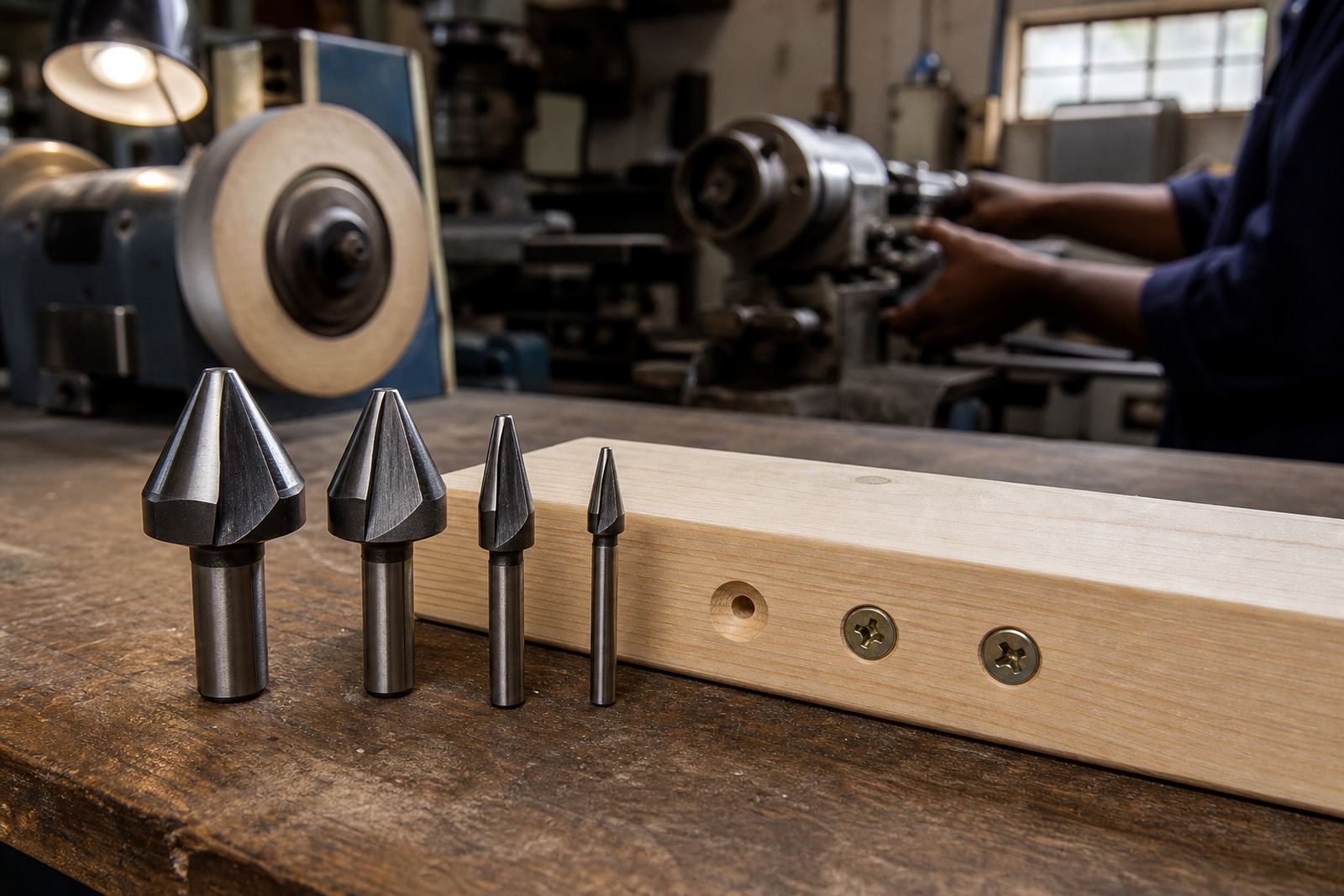
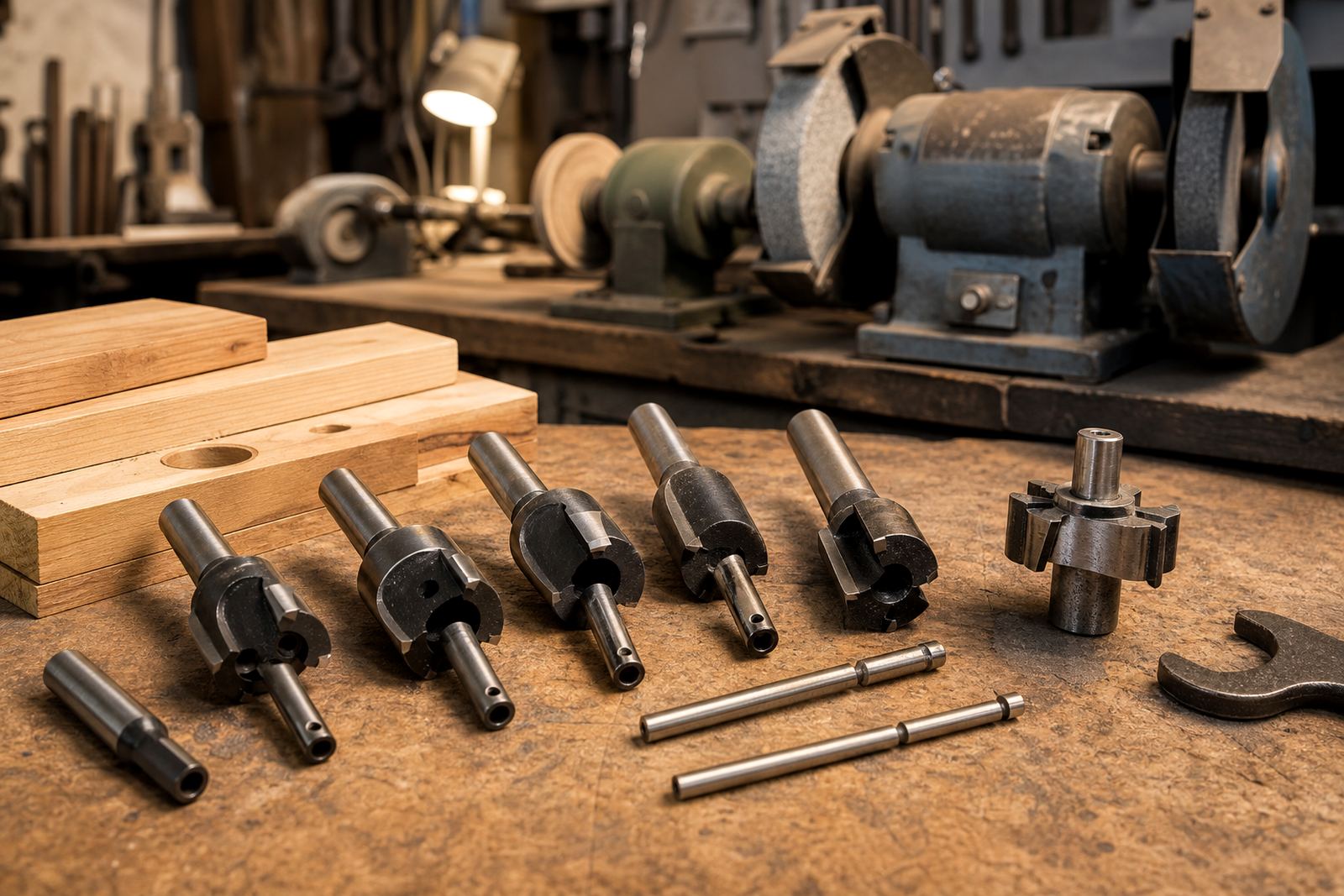
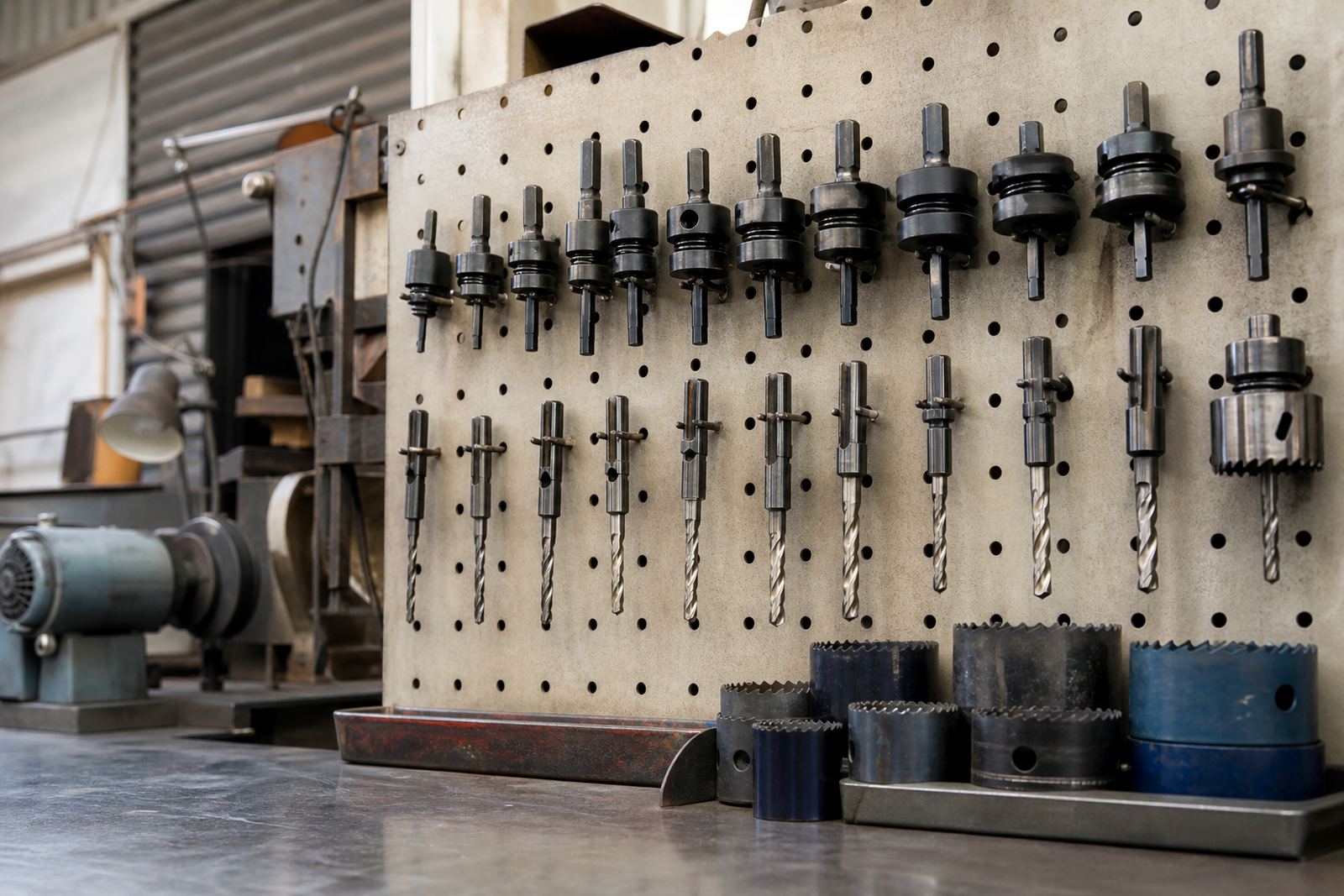
Drill sharpening and router bit sharpening are both precision jobs. A small change in angle can alter how the tool cuts, so the grinding has to suit the tool type and the material it is used on. We sharpen drills for workshop, site and maintenance use, and we regrind router bits so they hold a clean edge for repeat work.
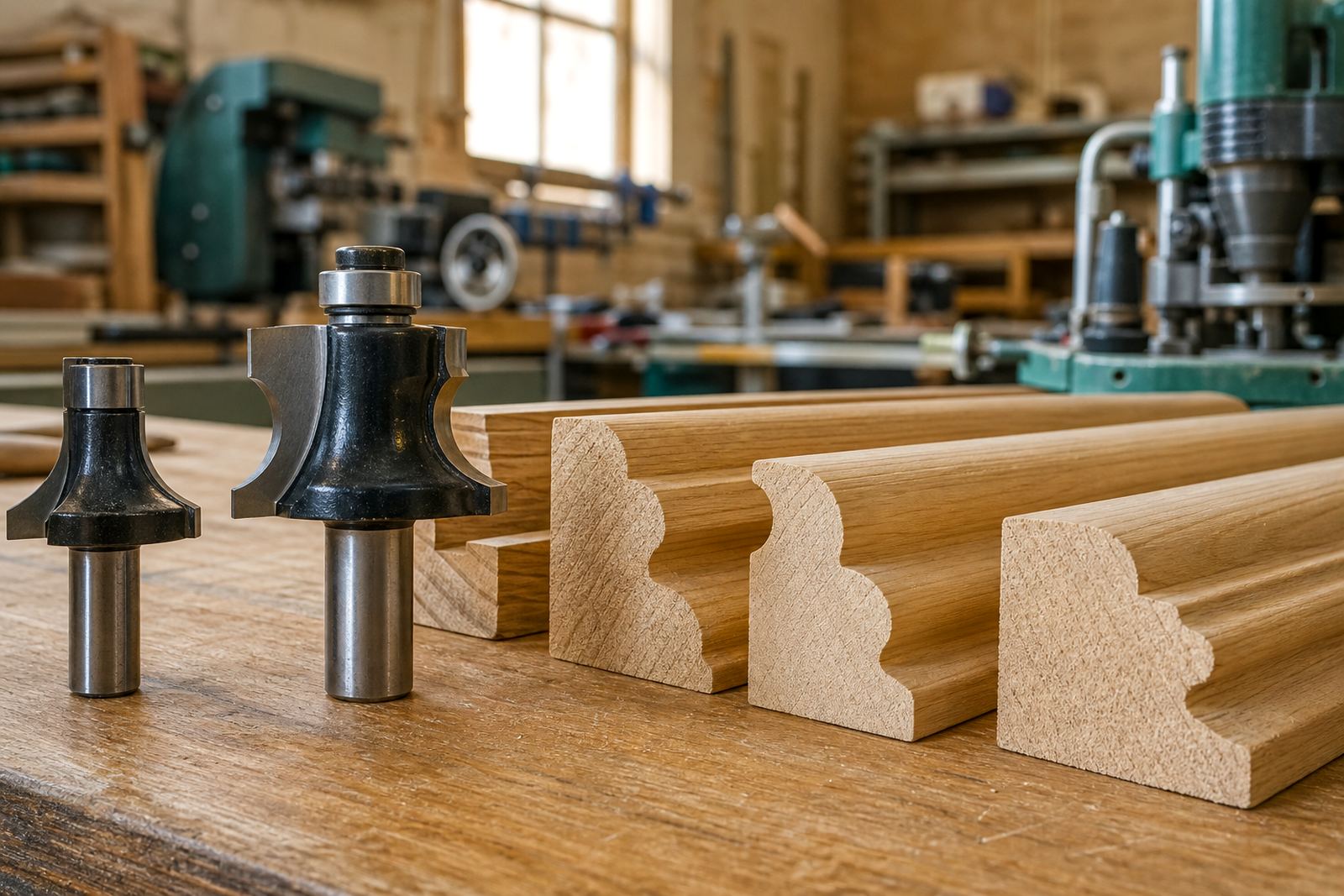
Router bits often need attention after long runs in timber or plastics, while drill bits may show wear at the tip or on the cutting lips. Once the edge is restored, the tool should feed more evenly and need less pressure. That is useful when load-shedding interrupts production and you need to get back up to speed quickly after the power returns.
- Angle accuracy helps with cleaner holes and smoother profiles.
- Chip damage can be repaired on many tools, depending on the wear.
- Sharper tools reduce heat build-up and help protect the workpiece.
Regrinding, balance and finish control
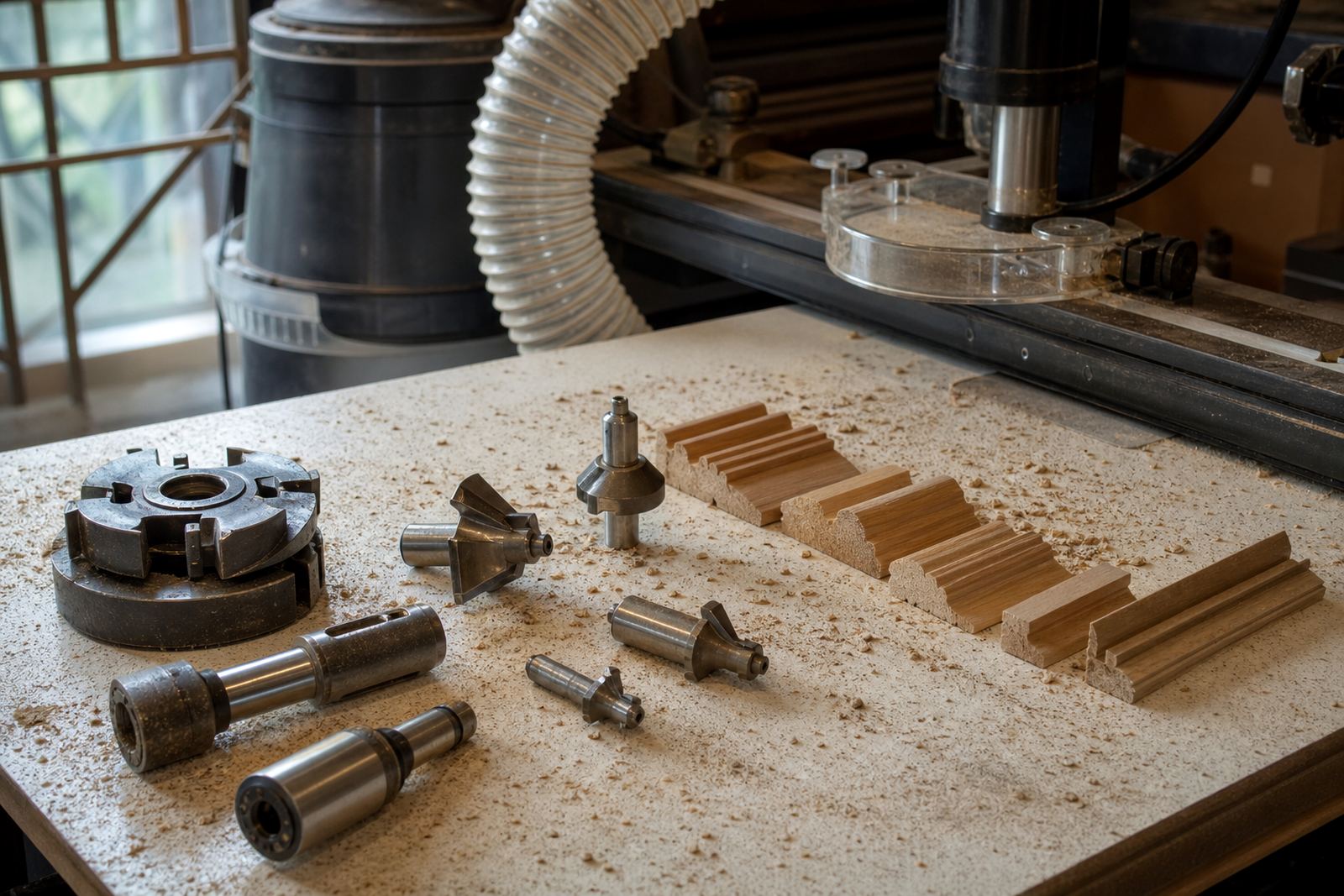
Some tools need more than a quick sharpen. Diameter correction, balance checking and angle resetting are often part of a full regrind where the tool has worn unevenly or needs to perform to a tighter standard. This is common in repeat production work, where a small fault can affect the whole batch.
We also handle chipped edge recovery and burn mark removal. Those tasks help when the tool has been pushed too long between services or stored poorly. The goal is not only a sharper edge, but a tool that behaves properly in the machine and gives a more predictable finish, job after job.
Courier collection from Pinetown and beyond
Customers can bring tools to our Pinetown base, or arrange courier collection through our contact page. We collect across South Africa, including Durban, Pietermaritzburg, Johannesburg, Pretoria and Cape Town. Local jobs from Westville and Hillcrest are also common, and we keep the process simple for both one-off pieces and regular workshop batches.
Batch tool tagging is useful when several departments or sites send in tools together. It helps us keep each group separate and return the right items to the right place. For business customers, this saves time at handover and makes repeat servicing easier to manage.
- Local drop-off for nearby customers in Pinetown and Durban.
- Courier booking for regional and national collections.
- Tagged batches for workshops, factories and maintenance teams.
Training and starter support for regular maintenance
Some customers want more than sharpening alone. We also offer training and starter kits for teams that handle routine tool care in-house. This is useful for workshops that want better control over maintenance cycles, or for new operators learning how to spot wear before it becomes a bigger problem. Good handling and storage can extend tool life quite a bit.
With the right basics, it becomes easier to know when to sharpen, when to regrind and when to stop using a tool until it has been checked. That kind of practical knowledge can reduce waste, improve cutting quality and keep the workshop moving. If you work with saws, drills or router bits regularly, having a clear maintenance routine pays off.