What a straight router bit does in the workshop
A straight router bit cuts a clean, parallel-sided path through timber, boards, plastic sheet and similar materials. It is the bit you reach for when you need a groove for panel joints, a rebate for fittings, or a quick trim on an edge that must stay square. On a busy bench, the bit often runs in handheld routers, trim routers and fixed-base machines, so the cutting edge sees heat, dust and vibration every day.
As the edges wear, the bit starts to burn, chatter or leave a ragged wall on the cut. That is when edge recovery becomes worthwhile. We regrind straight router bits to bring back the cutting profile and reduce the chance of tear-out, which helps when you are working pine, plywood, MDF and hardwoods. It is a practical service, not a replacement for a worn tool body that is bent or cracked.
Common sizes, shank options and cutting lengths
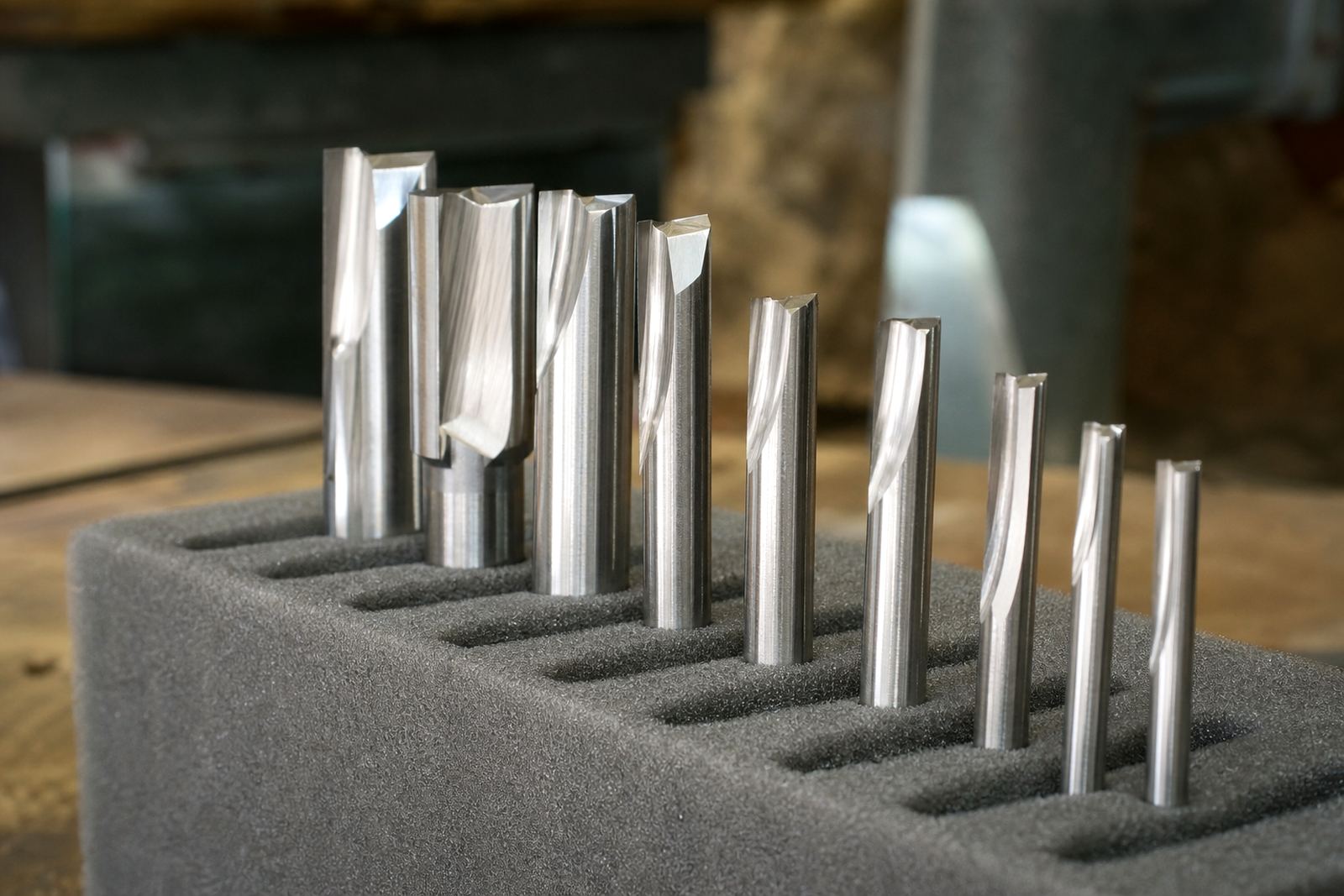
Straight router bits are supplied in a range of shank diameters and cutting lengths, and matching the bit to the machine matters. Smaller shanks suit lighter routers and detailed work, while larger shanks are better for heavier cuts and better control. We work on many common sizes used in South Africa, from compact workshop bits through to larger cutters used on production runs.
- Shank sizes commonly seen: 1/4 inch, 6 mm, 8 mm, 1/2 inch and 12 mm
- Cutting diameters often range from 3 mm to 25 mm, depending on the job
- Cutting lengths may be short for shallow grooves or extended for deeper passes
- Some bits have one flute, two flutes or multiple flutes for different feed rates
- Plain straight bits, bottom-cutting styles and plunge-friendly profiles may need slightly different treatment
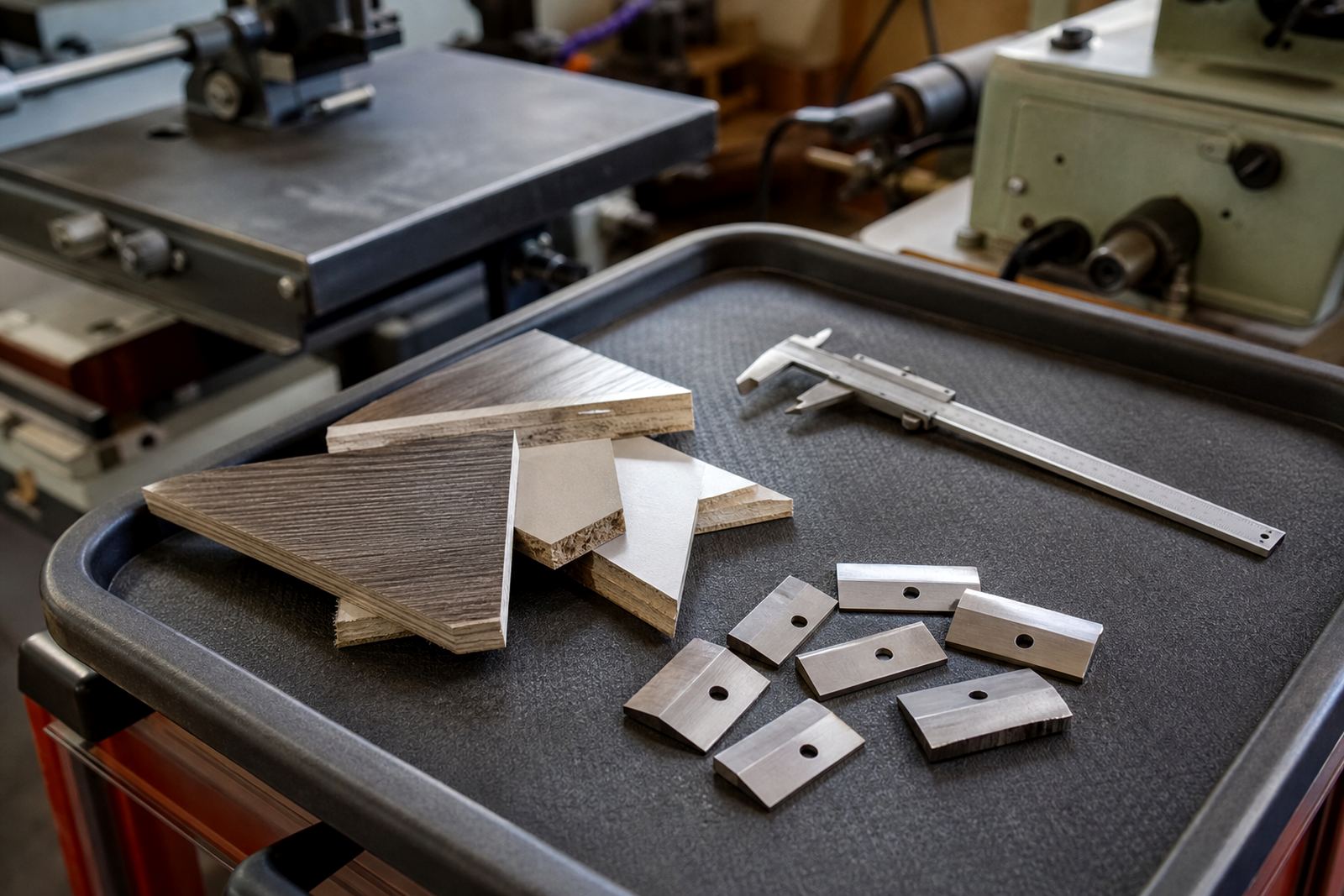
If you are not sure which size you have, check the shank marking and measure the cutting diameter with a vernier or caliper. A correct match helps the machine run smoother and keeps the cut true, especially when you are repeating the same setting on a batch of parts.
Where these bits suit timber, boards and trim work
Straight router bits suit cabinet work, joinery, fit-outs and general maintenance. They are handy for cutting hinge recesses, shelf grooves, cable paths and small housings for fittings. In workshop settings around Pinetown, Westville and Hillcrest, they are often used on MDF and plywood where the finish must stay neat and the groove width must stay consistent.
For site work in Durban, Pietermaritzburg, Johannesburg, Pretoria or Cape Town, a sharp bit makes a real difference when humidity, dust and power interruptions have already slowed the day down. A dull bit forces the operator to push harder, which can cause burning and a poor edge. Regrinding helps keep the cut easier to control and less likely to pull the router off line.
- Best for grooves, rebates, slotting and edge trimming
- Useful on furniture parts, template work and general assembly prep
- Suitable for both hobby workshops and commercial production
- Often used where a clean side wall and repeatable width matter
Installation, speed and power needs
These bits do not need gas or special site fuel. They need the right router collet, correct clamping and a machine that can hold speed under load. Before use, make sure the shank is fully seated in the collet but not bottomed out, then tighten properly. A loose fit can cause chatter, while an overlong clamped shank can mark the tool and reduce grip.
Use the router speed recommended for the bit diameter and material. Small-diameter bits can usually run faster, while wider bits need a lower setting and lighter feed. With load-shedding and voltage dips common in many areas, it helps to check that the router starts cleanly and does not labour at start-up. If the motor is struggling, the cut may burn on the first pass.
- Confirm shank diameter before fitting
- Set the depth in stages for deeper cuts
- Use a steady feed, not a forced push
- Keep extraction working where possible to reduce heat and packing
- Stop and inspect if the bit starts chattering or leaving scorch marks
Care, cleaning and when to send it for regrinding
Clean resin and dust off the bit after use, then store it so the edges do not knock against other steel tools. In coastal conditions around Durban and nearby towns, moisture can lead to surface rust if bits are left in an open tray. A light protective wipe and dry storage go a long way, especially for bits used only now and again.
Send the bit in for service when you see burning, a rough groove wall, chipped edges or a change in the sound of the cut. If the bit has been overheated, the cutting edge can lose its ability to hold a clean line. We inspect the body first, then regrind the cutting edge where the bit still has usable material. A small nip on the edge now is usually better than waiting until the tool is too far gone.
- Do not run damaged bits at higher speed to compensate
- Avoid hitting nails, screws and hidden fixings
- Keep a label on each bit if you run different widths in batches
- Store bits dry and separate to prevent edge damage
What to check before you place an order
Before sending straight router bits to CutTool Sharpening in Pinetown, check the shank size, overall length, cutting diameter and whether the bit is single or double flute. If the bit has been damaged, note where the chip is and whether the body is still straight. This helps us judge whether edge recovery, diameter correction or a full regrind is the right route.
If you are sending a batch, separate the bits by size and mark any that need the same return grouping. Our courier collection service covers Durban, Pietermaritzburg, Johannesburg, Pretoria and Cape Town, and we also assist workshops in Westville and Hillcrest. Batch tool tagging is useful when you have mixed jobs on one bench and need each bit back in the right order. It saves time, and keeps the workshop organised.
- Shank diameter and cutting diameter
- Cutting length and overall tool length
- Single flute or multi flute
- Any chips, burn marks or bent sections
- Whether you need one-off recovery or repeat batch servicing
Key facts
| Service type | Edge recovery and regrinding for straight router bits |
|---|---|
| Typical shank sizes | 1/4 inch, 6 mm, 8 mm, 1/2 inch, 12 mm |
| Typical cutting diameters | 3 mm to 25 mm, depending on the bit |
| Suitable materials | Timber, plywood, MDF, plastic sheet and similar workshop materials |
| Common use cases | Grooving, trimming, slotting, rebates and general routing |
| Service area | Pinetown with courier collection across South Africa |