

What These Workshop Stories Show
Not every tool arrives in the same condition, and that is why the right service depends on the edge, the material and how the tool is used. Some jobs need simple saw blade sharpening, while others call for tooth face grinding, top grinding, diameter correction or a full angle reset. In Pinetown and across KwaZulu-Natal, we see tools affected by load-shedding stops, coastal humidity and long production runs, so each story below shows the practical side of keeping cutters working.
If you are comparing services, use these examples to judge what you need. A blade with burn marks may need more than a quick touch-up, while a drill bit that has wandered on steel may need a proper point correction. The aim is to match the repair to the fault, not just remove metal for the sake of it.
Saws That Needed A Cleaner Cut
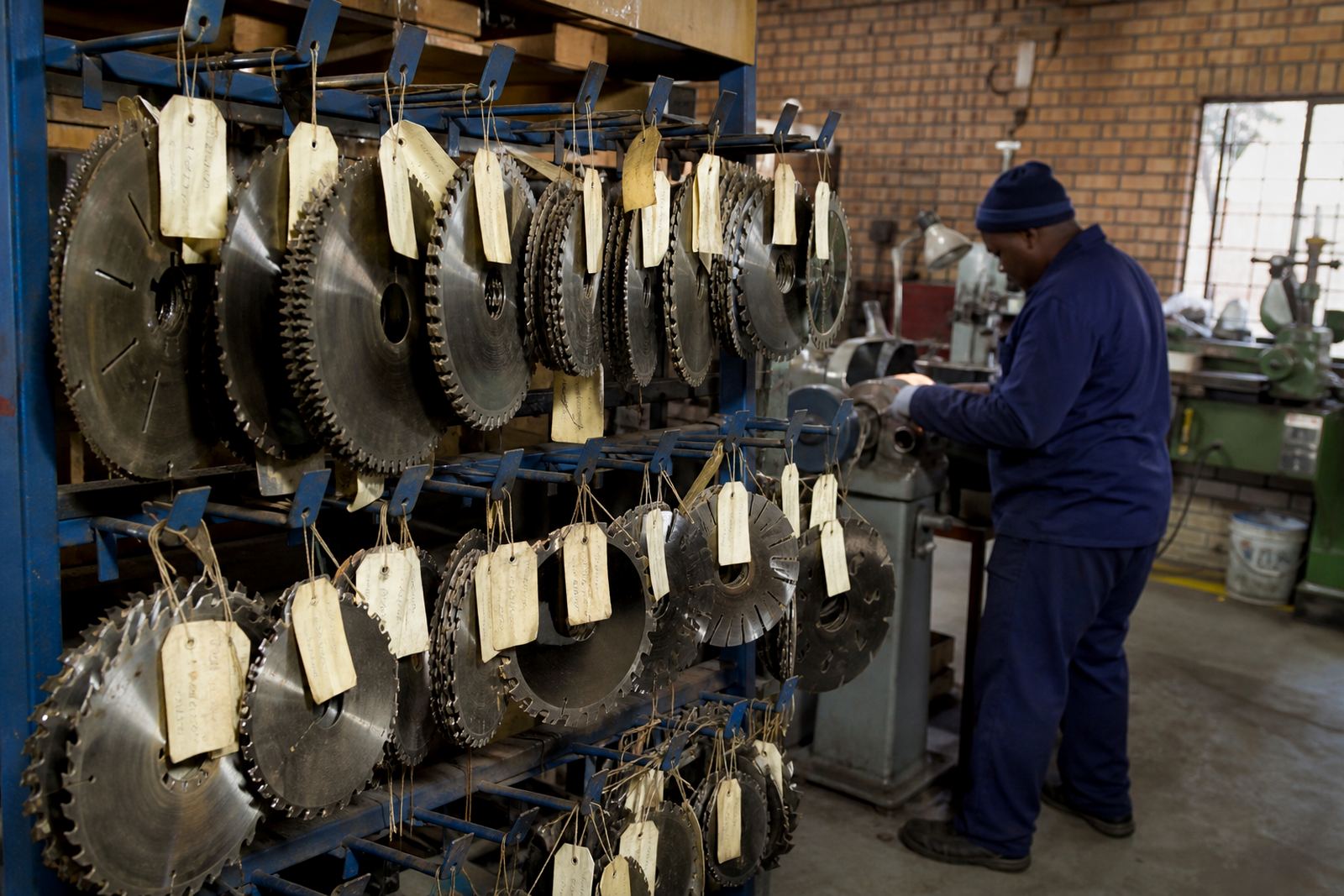
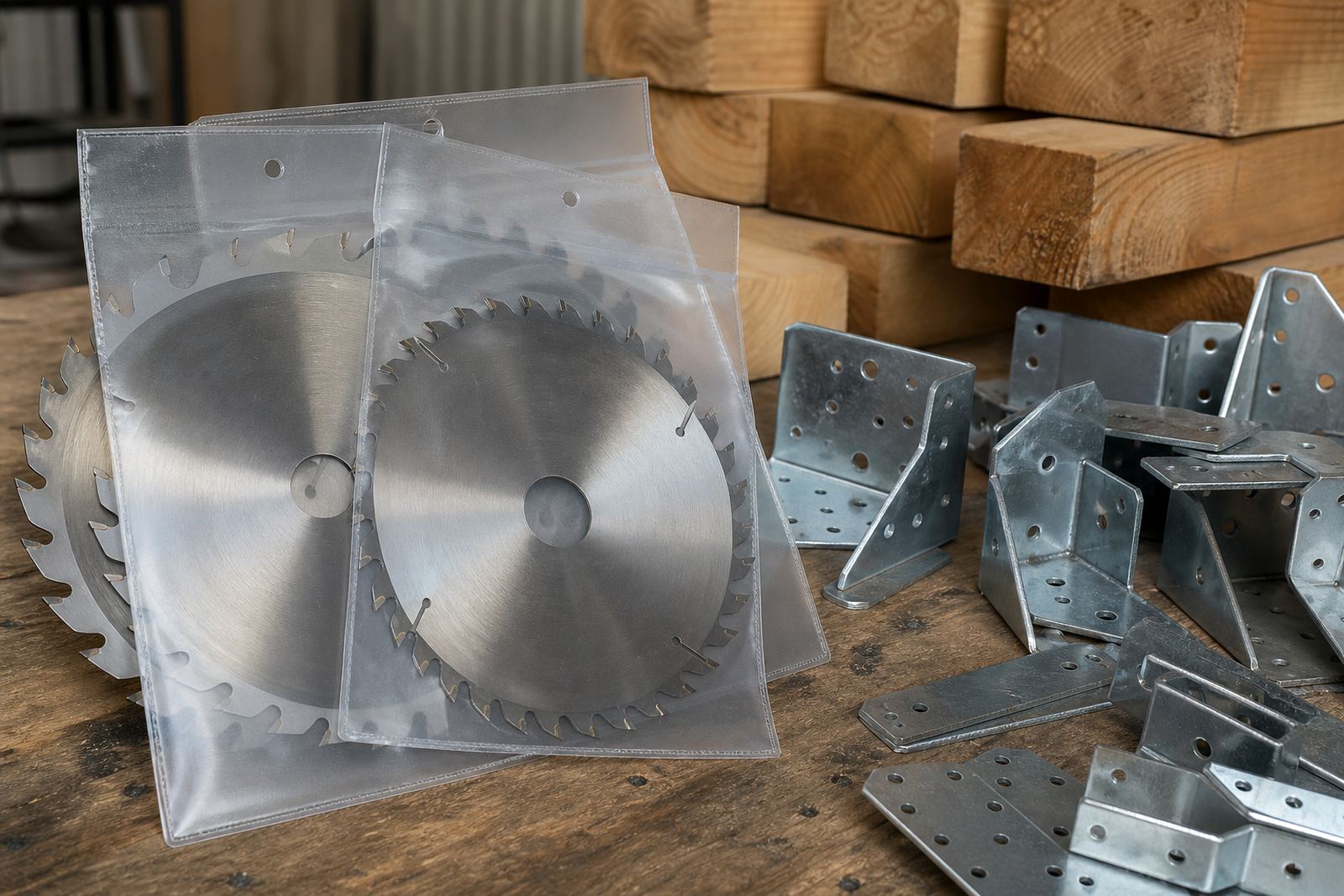
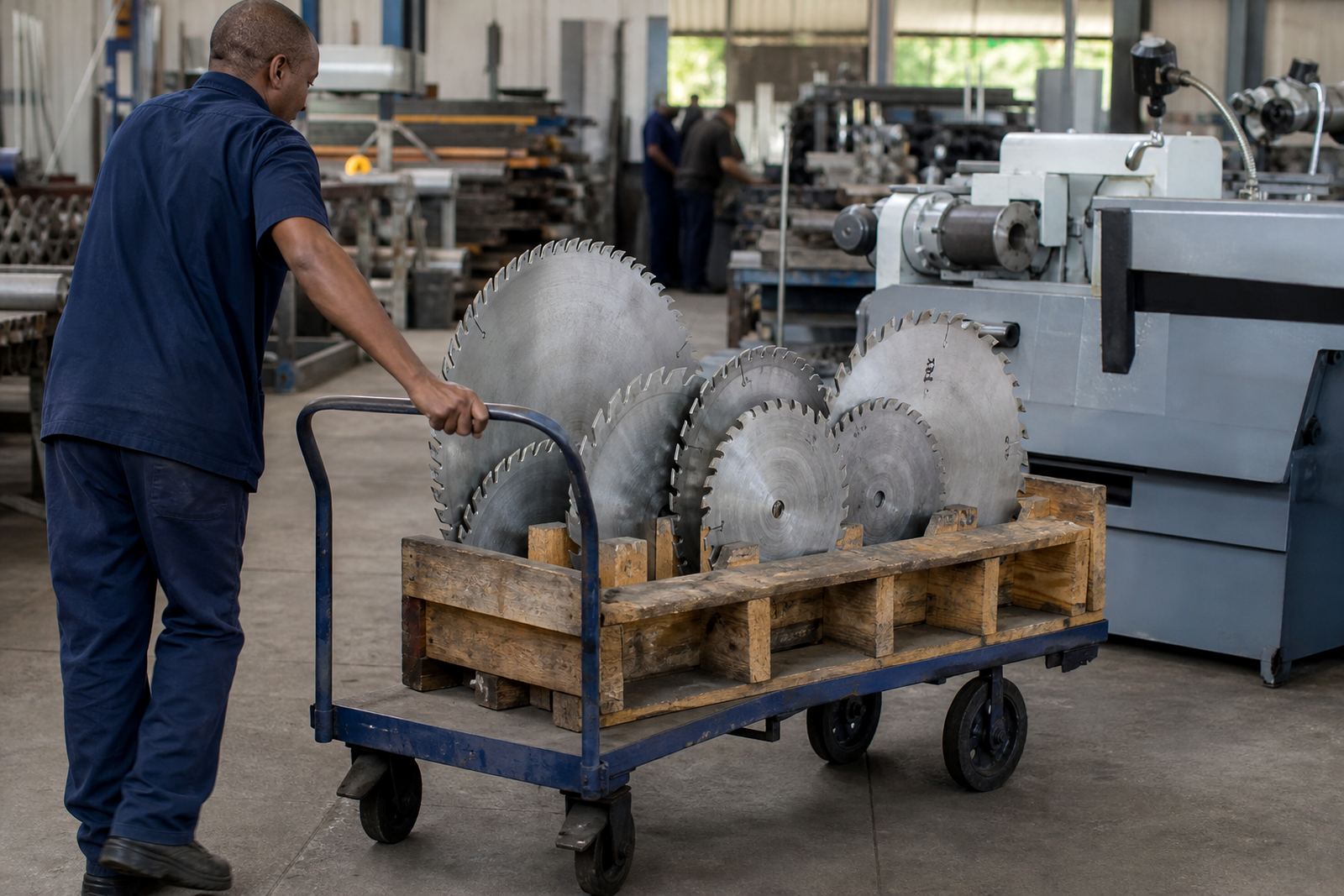
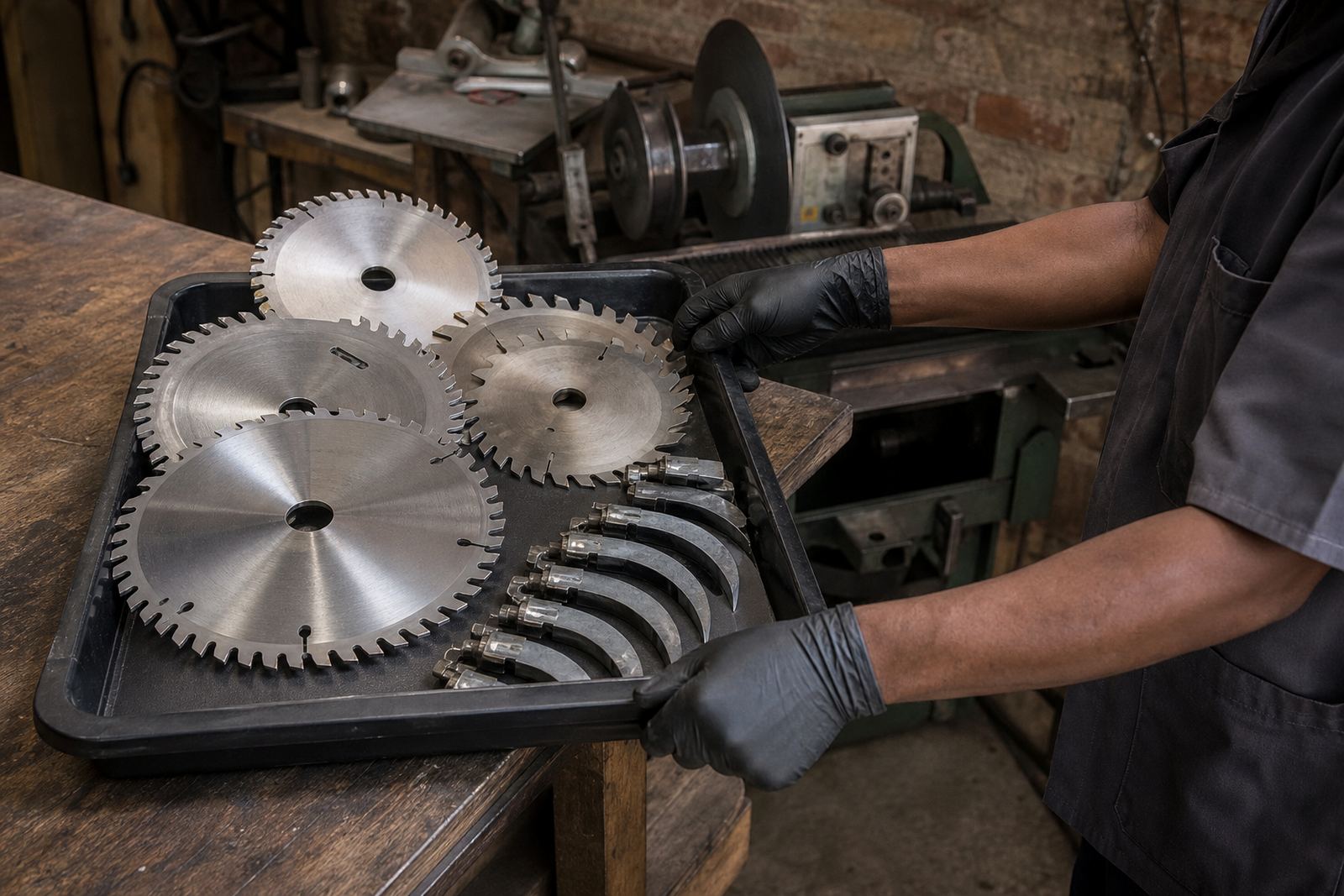
A joinery customer in Westville brought in a batch of circular saw blades after cut quality dropped and timber was showing scorch lines. We checked tooth wear, removed heat marks, corrected a slight wobble and carried out balance checking before return. The result was a cleaner cut and less strain on the machine, which matters when production stops mid morning for load-shedding.
- Burn mark removal for overheated teeth
- Diameter correction where blade wear had changed the cut
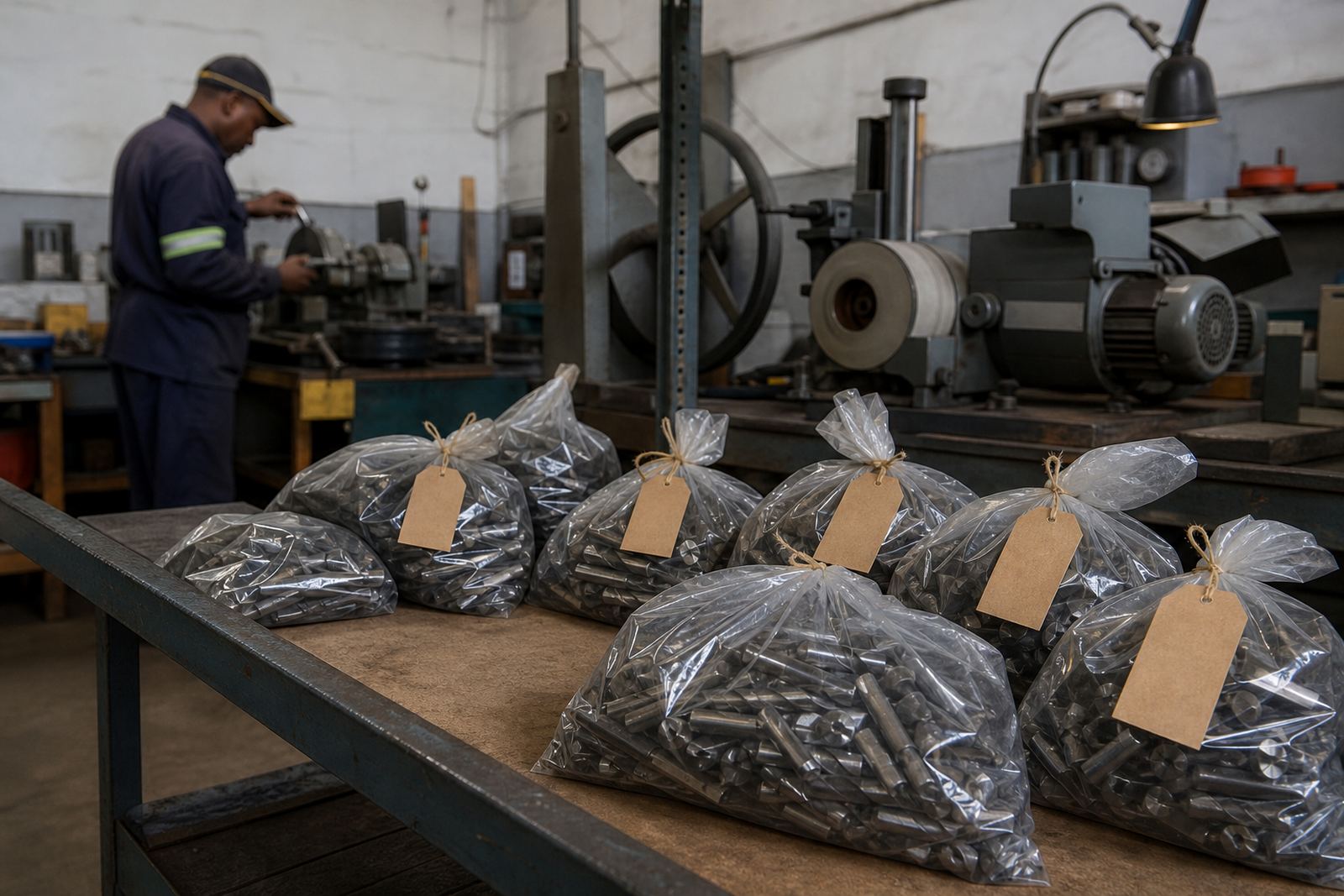
- Batch tool tagging so each blade returned to the right job
For customers who work in batches, this sort of planning saves time. It also helps when a workshop has a mix of softwood, board and hardwood work on the same week, because each blade can be set up for the next run, not just the last one.
Drills Restored For Site Work And Light Fabrication
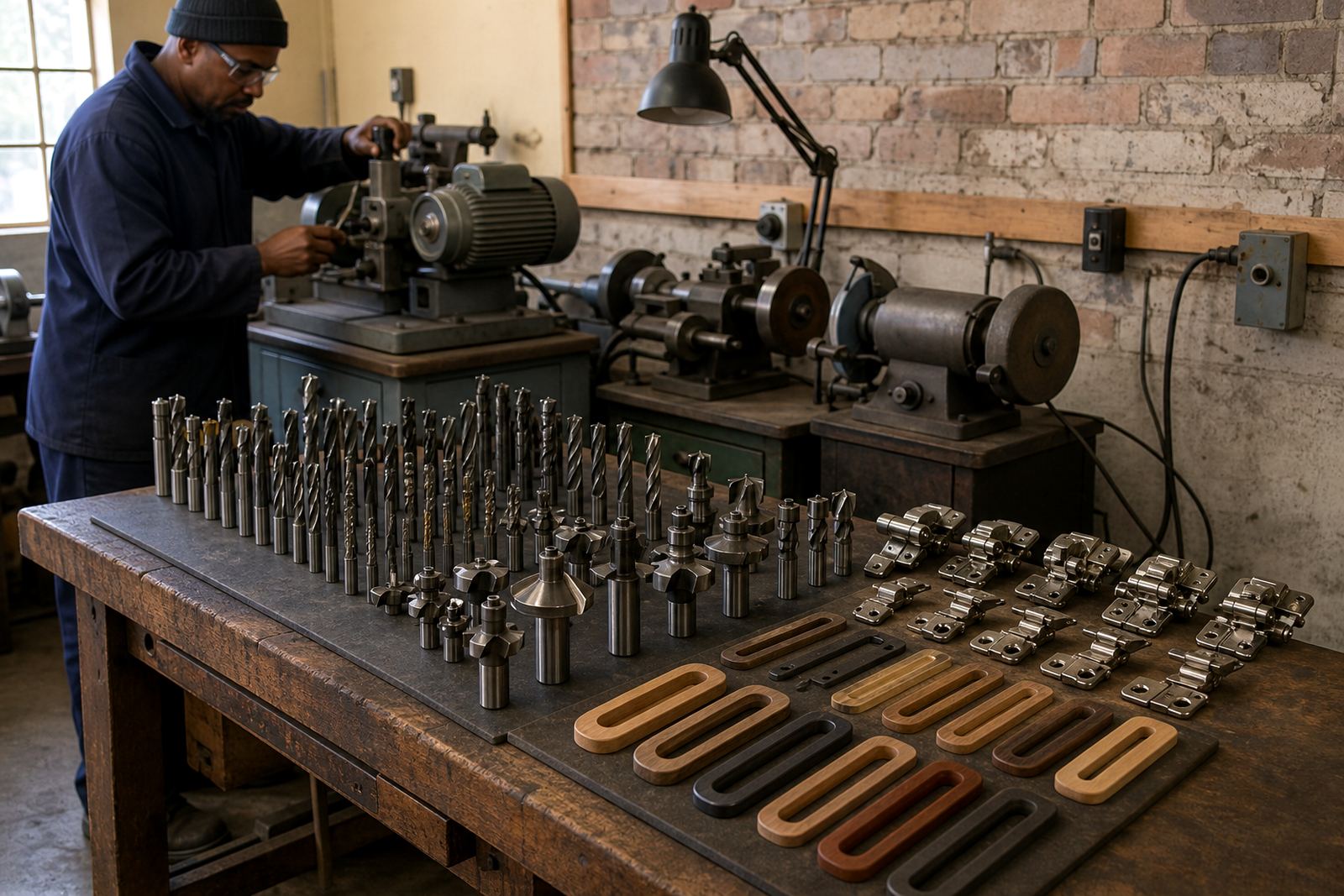
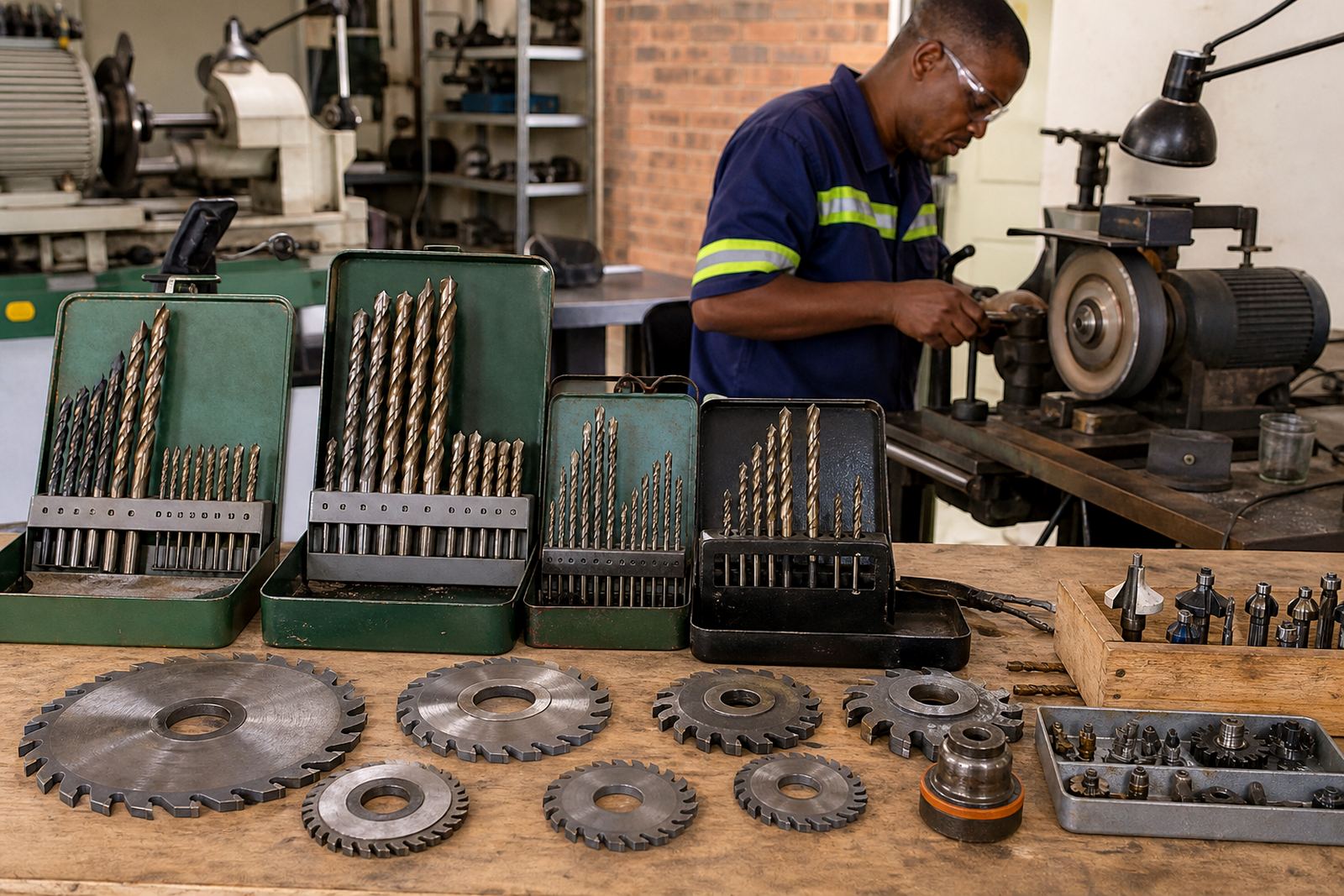
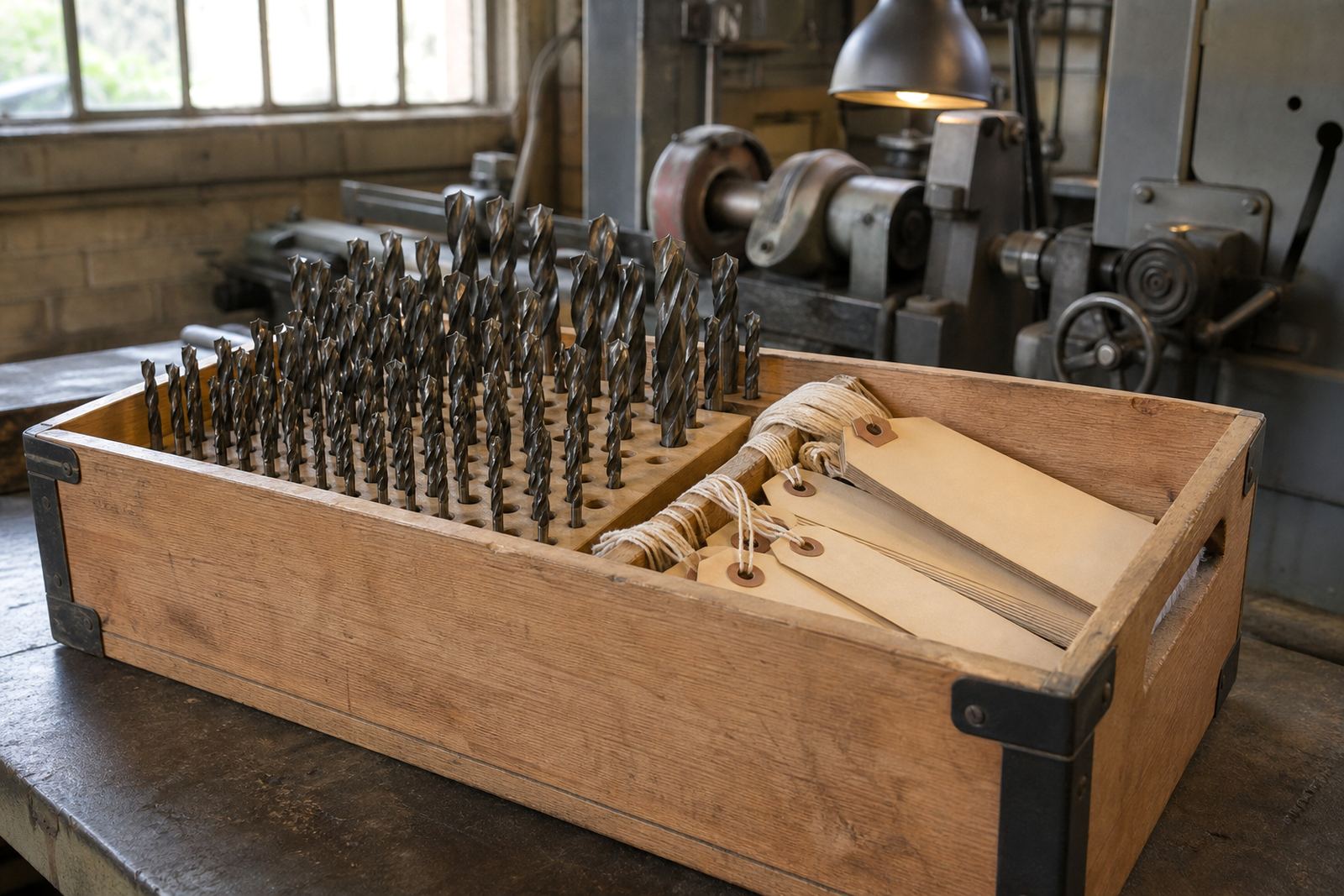
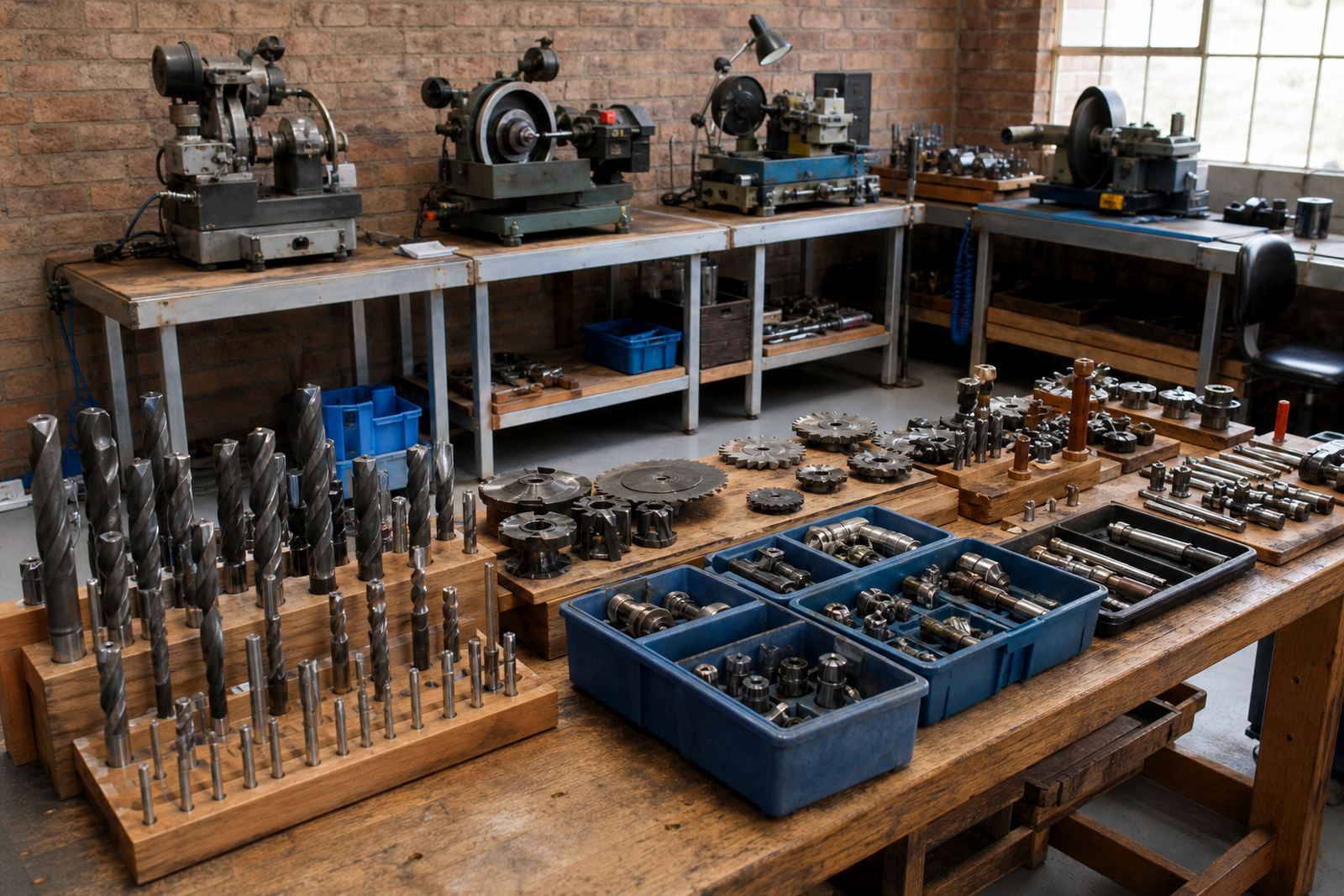
In Pietermaritzburg, a small fabrication shop sent through drill bits that were cutting slowly and walking on start-up. After inspection, some needed point regrinding while others needed angle resetting to match the material being drilled. A few had chipped edges from repeated use on metal with surface scale, so we recovered what could be saved and rejected the ones that were too far gone.
Good drill sharpening is about consistency. If the two cutting lips are not even, the bit overheats, snatches and leaves a poor hole. We see this often in shops that drill through mild steel, stainless sections and timber in the same week, because a wrong point can cost more than the sharpening fee.
- Drill sharpening for general workshop use
- Angle resetting for better penetration
- Chipped edge recovery where the cutting edge still has life left
Router Bits For Cabinet Work And Trim Details
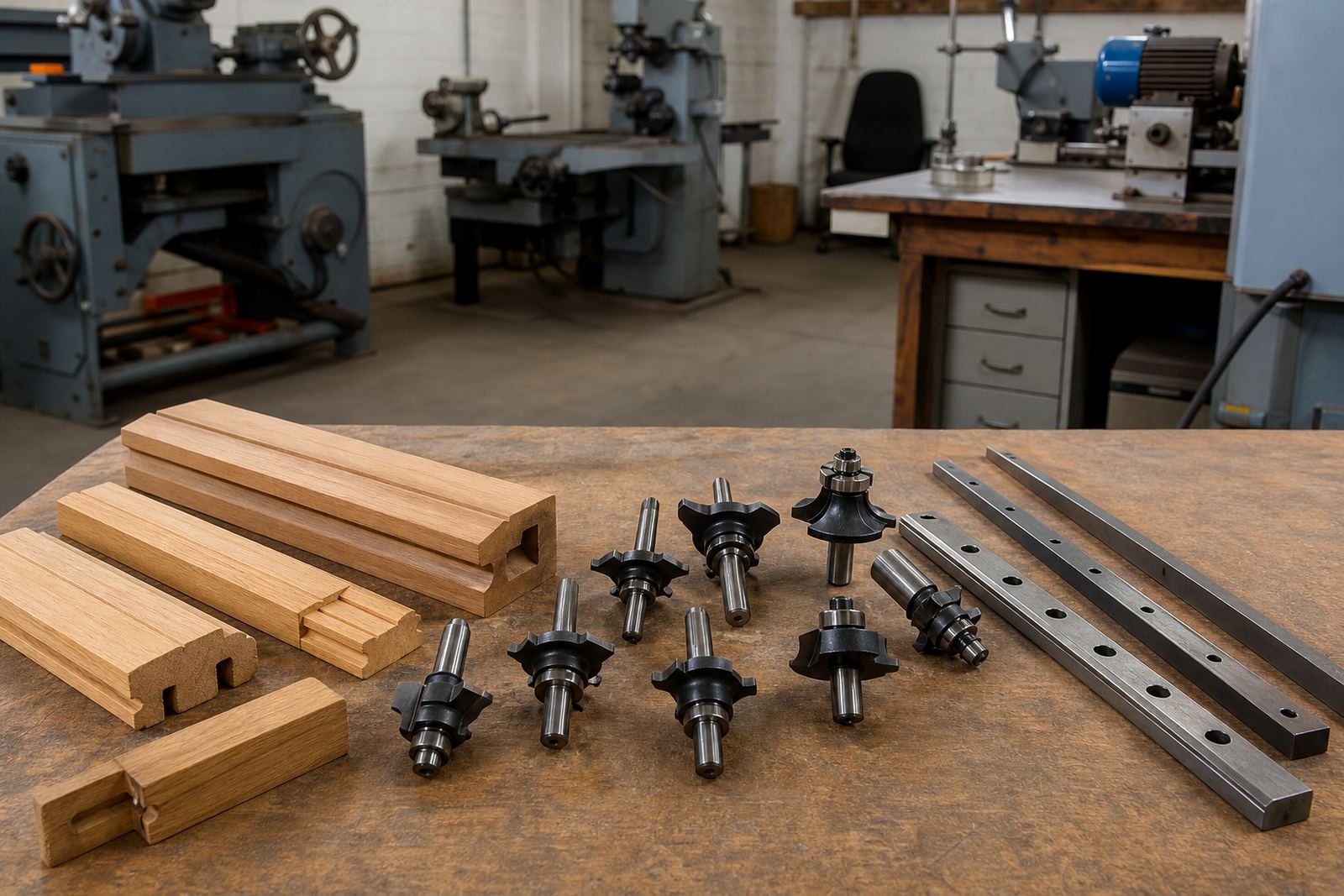
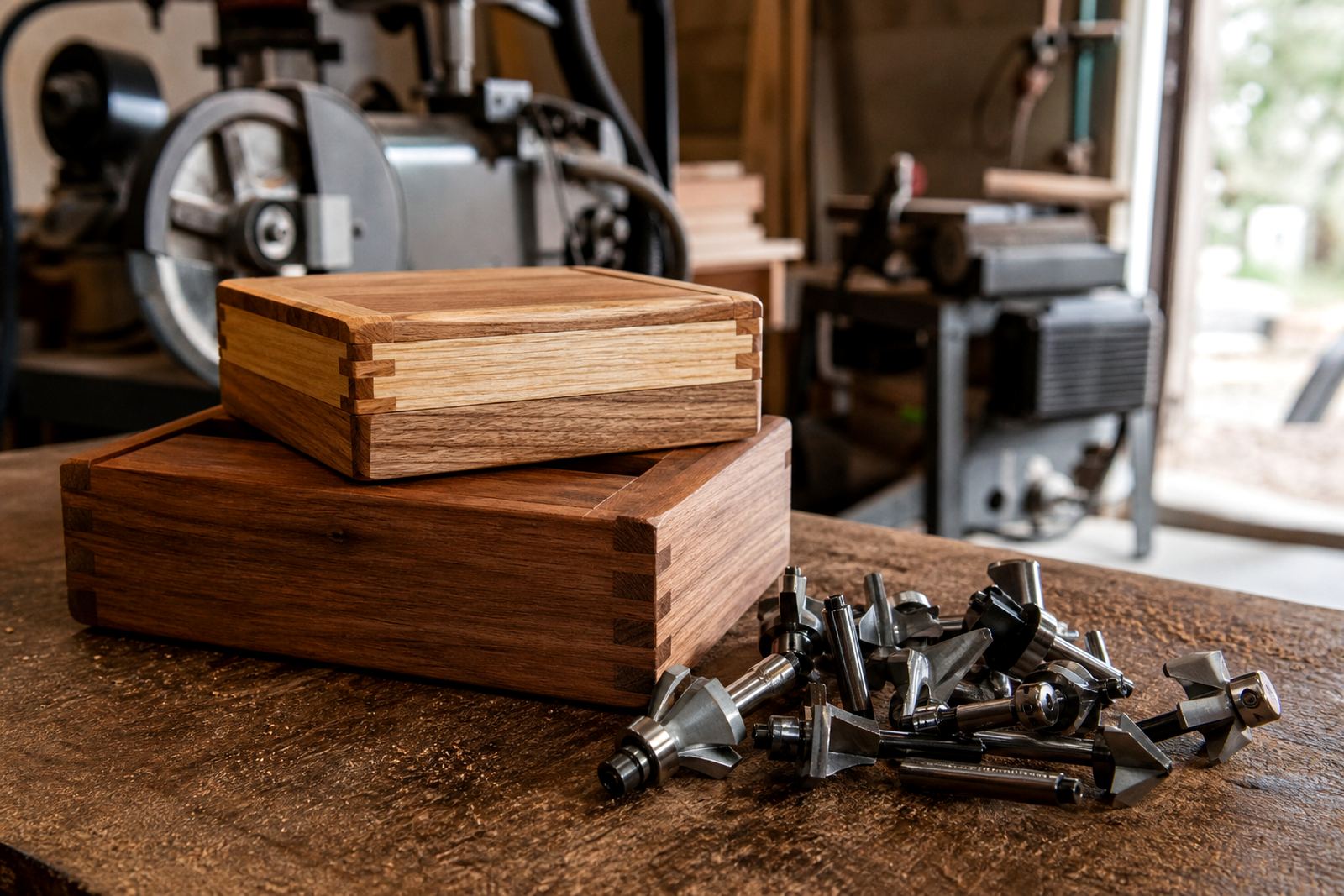
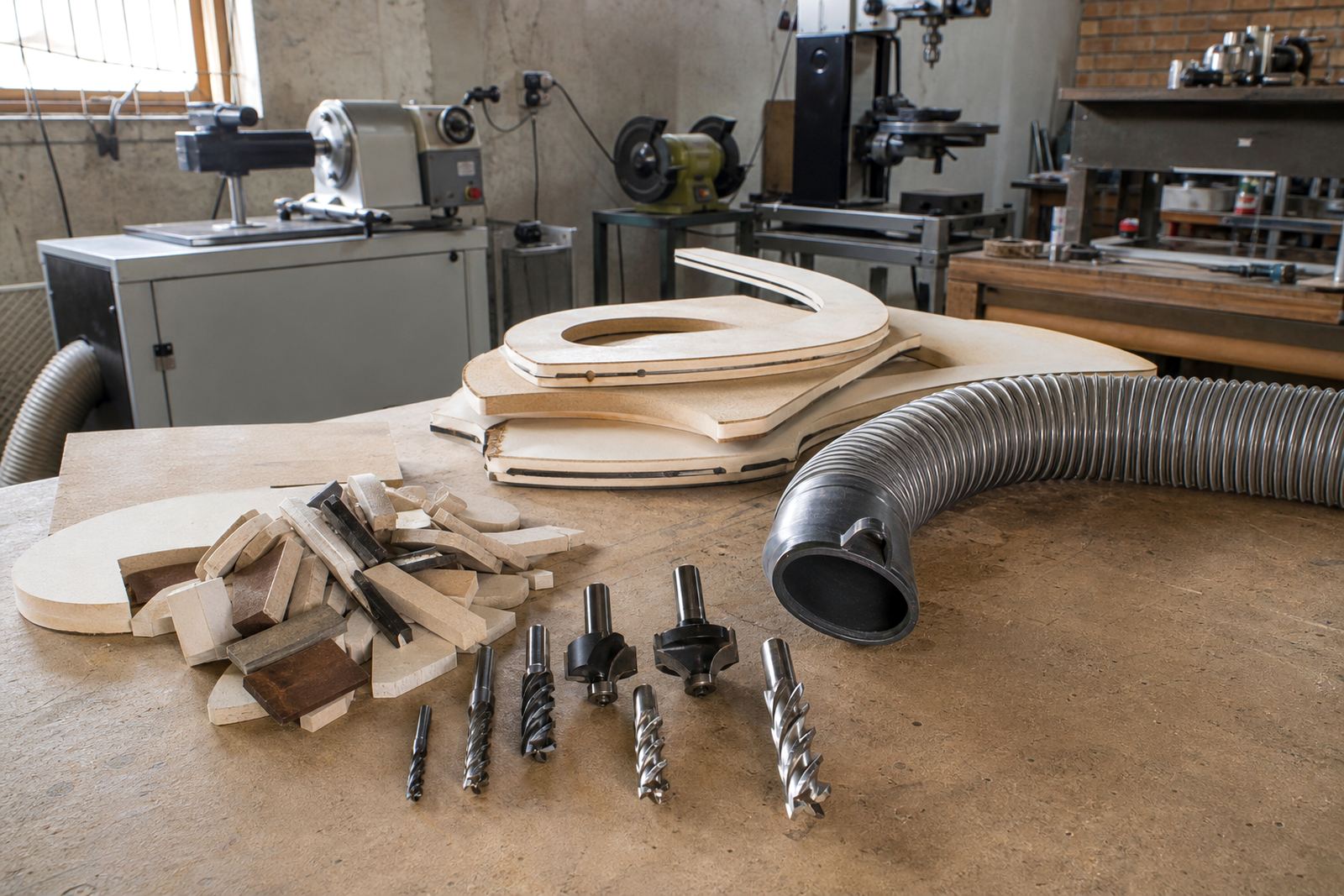
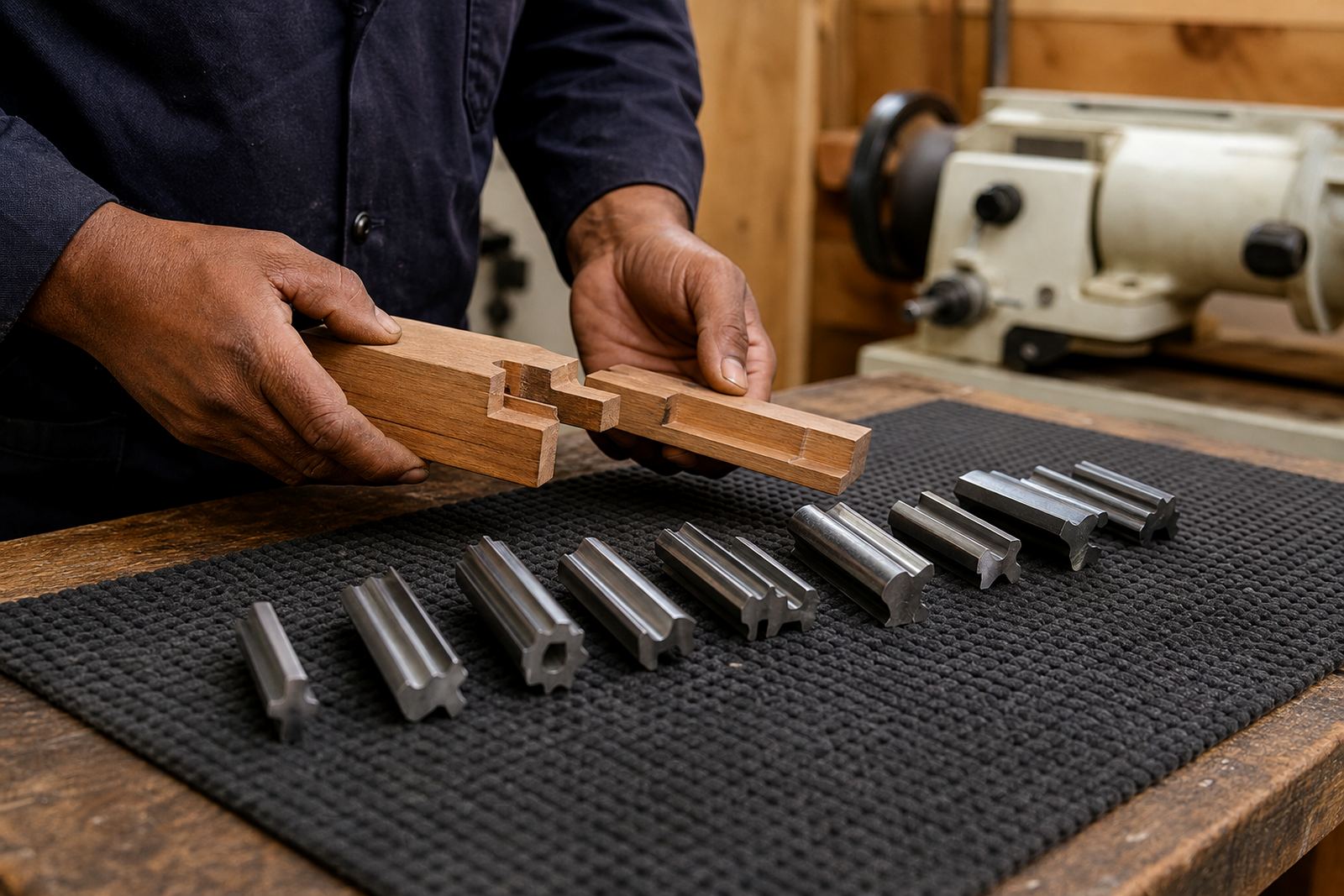
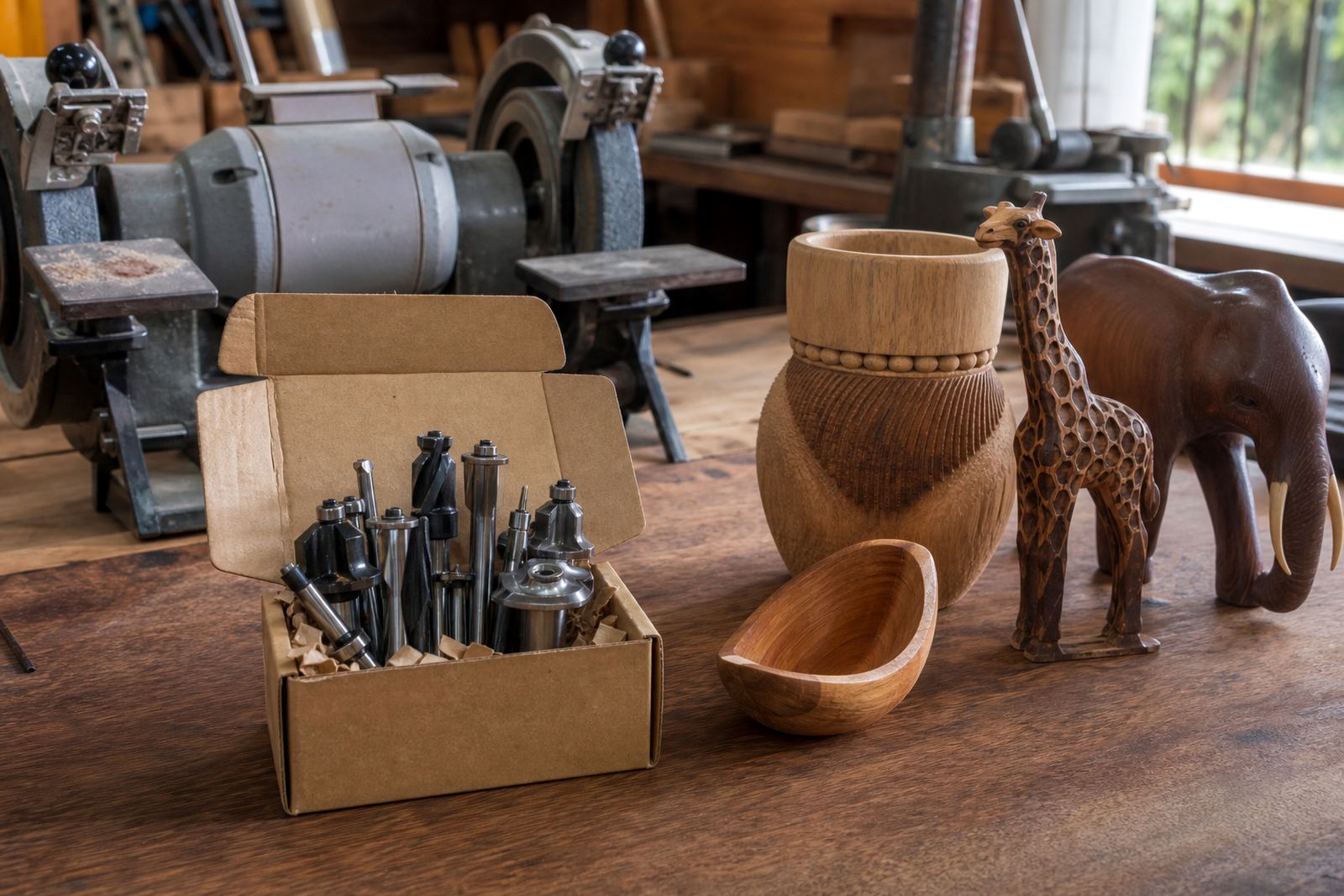
Cabinet makers in Cape Town often bring router bits that are still usable but no longer leaving a crisp profile. Edge wear shows up fast on MDF, laminated board and hardwood trim, especially where humidity and dust are part of the daily routine. We assess the cutter shape, clean up the profile and regrind where the edge can be brought back without changing the intended cut.
For these jobs, the small details matter. A slightly dull profile can cause tear-out, burning or extra sanding, and that slows the whole job down. When a bit is past recovery, we say so plainly. When it can be saved, we return it with a cleaner edge and a better chance of holding its line.
Courier Collections That Fit Around Busy Schedules
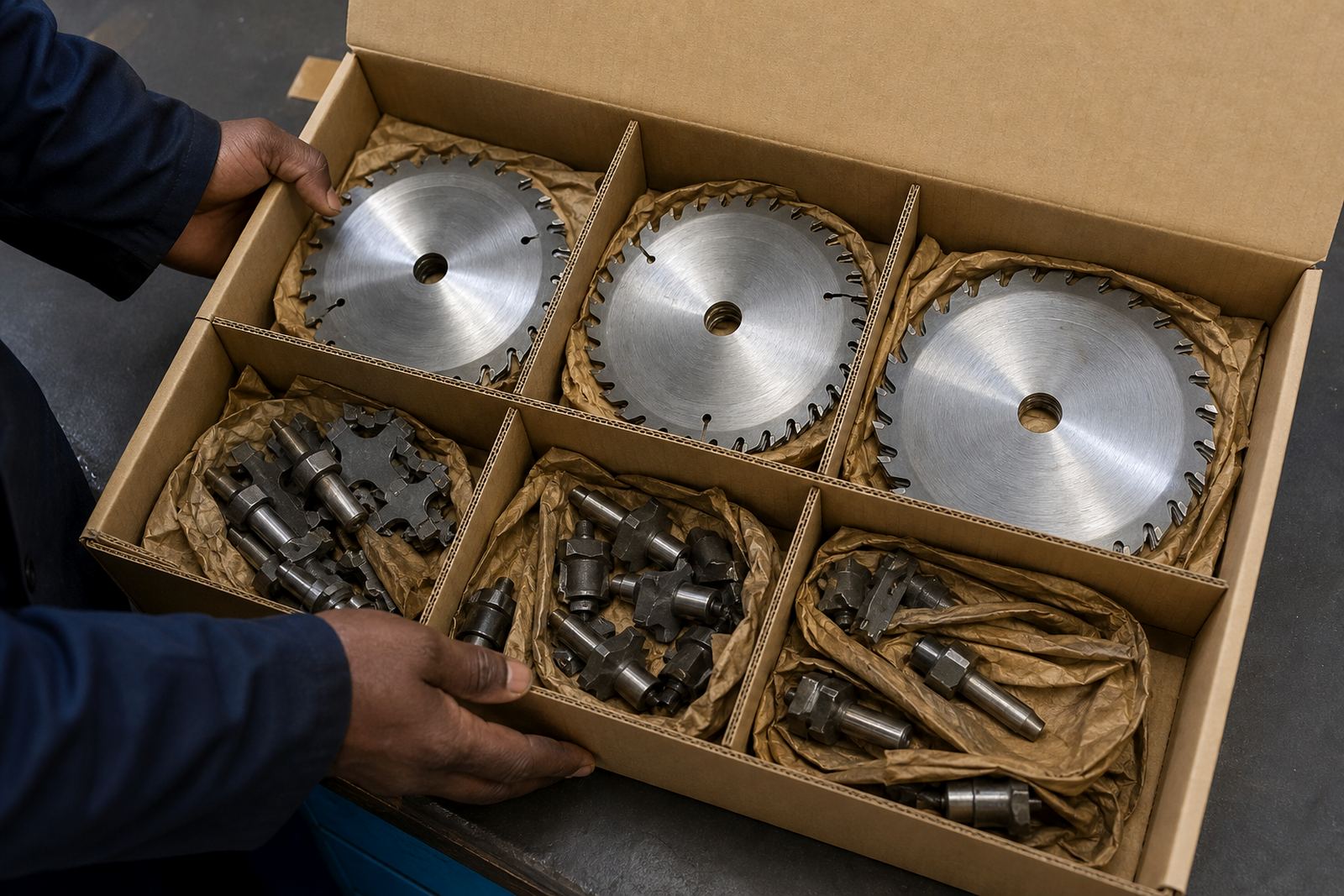
Many customers do not have time to drop off tools in person, especially if they are working between Durban, Johannesburg, Pretoria and Cape Town. That is why courier collection booking is part of the service. Tools are booked in, tagged and moved as a batch, which helps when a business needs a predictable turnround and does not want loose items mixed up.
- Courier collection booking for single items or bulk batches
- Batch tool tagging for easy tracking
- Collection support for Pinetown, Durban, Hillcrest and surrounding areas
This is useful for machine shops, joinery teams and small trade businesses that cannot stop work to chase one blade at a time. It also helps with planning around municipal schedules, supplier delays and power cuts, because the job can be prepared before the courier arrives.
Training And Starter Kits For Better Tool Care
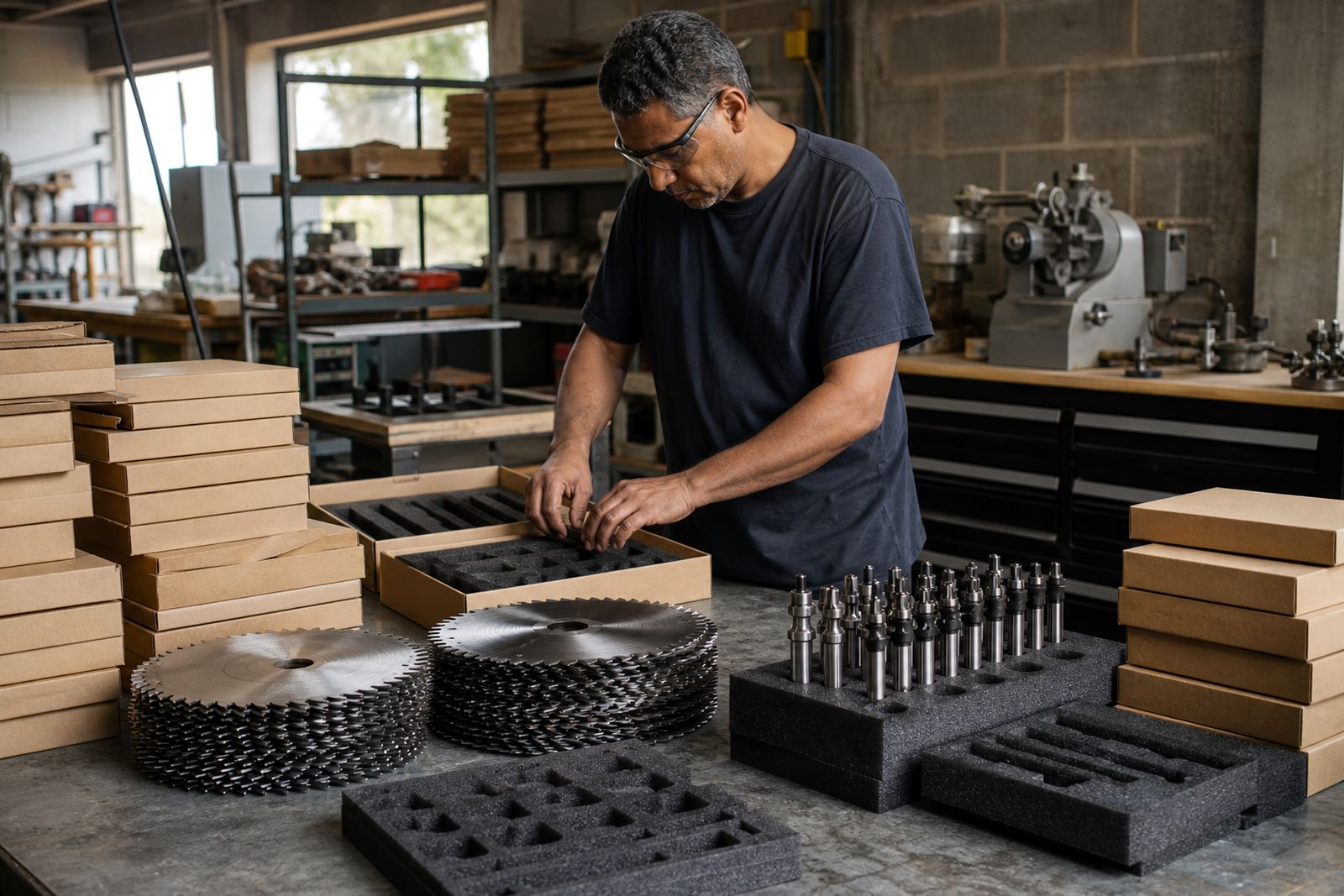
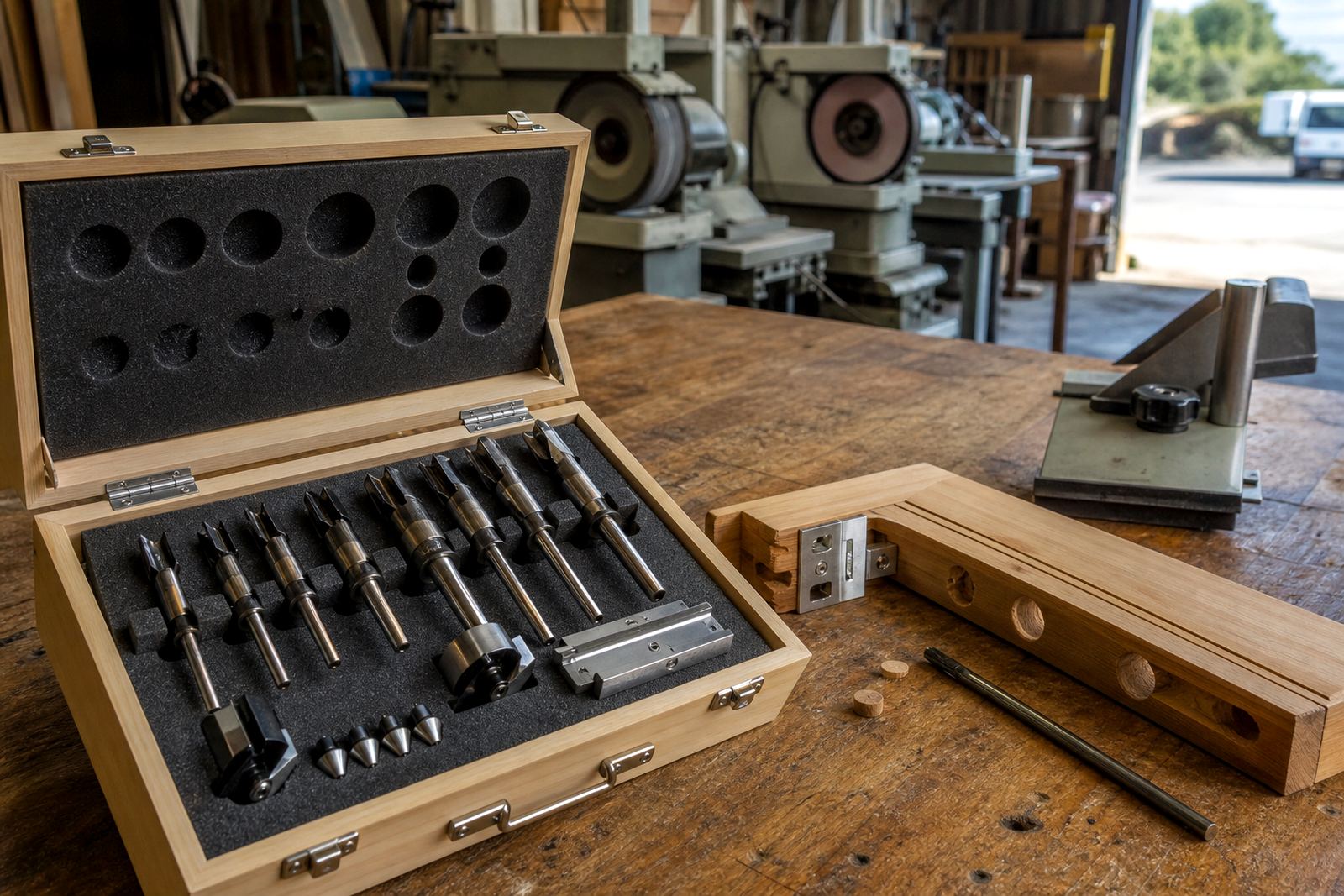
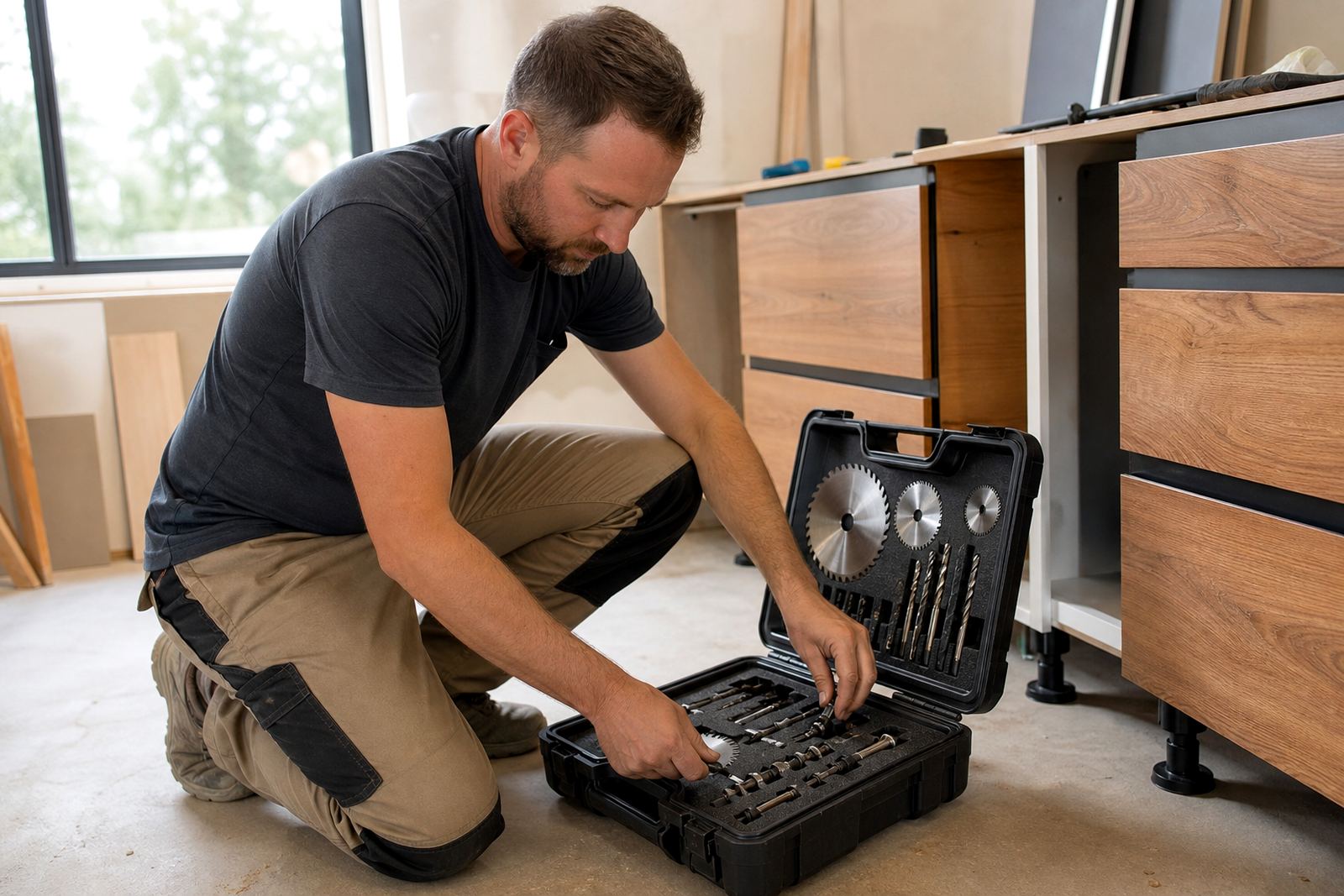
Some customers want more than a sharpened tool. They want to know how to store cutters, spot early wear and avoid damage between services. Our training support covers practical maintenance habits for saws, drills and router bits, with starter kits for teams that are setting up a basic care routine. It is straightforward, and it is aimed at people who want fewer surprises in the workshop.
In the field, small habits make a difference. Cleaning resin off a blade, checking for chipped teeth and keeping cutters dry in coastal conditions can extend service life. That means less downtime, fewer emergency jobs and better control over workshop costs.
How To Choose The Right Story For Your Job
If you are unsure which service applies to your tool, start with the symptom. Slow cutting, heat marks, vibration, wander, rough edges or repeated breakage all point to different fixes. A saw blade may need sharpening and balance checking, while a drill could need angle resetting or a router bit may need profile repair. The best result comes from matching the fault to the correction.
Use the enquiry form on our contact page to send through the basics: tool type, quantity, where you are based and what the problem looks like. We work with hobby users and professional workshops from Pinetown through to Johannesburg, Pretoria and Cape Town, and we keep the process practical from booking to return.