Centurion training centre brief and classroom pressures
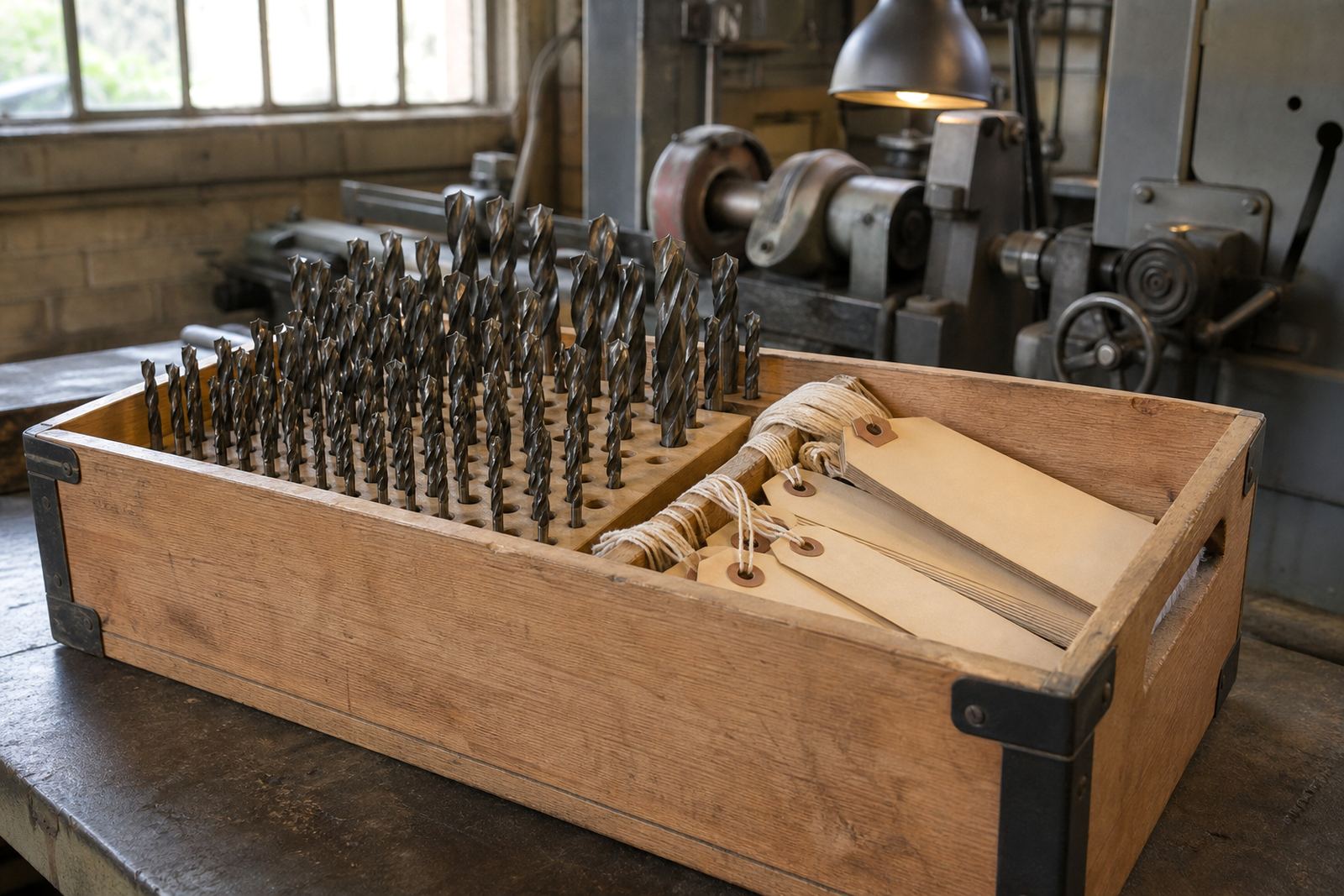
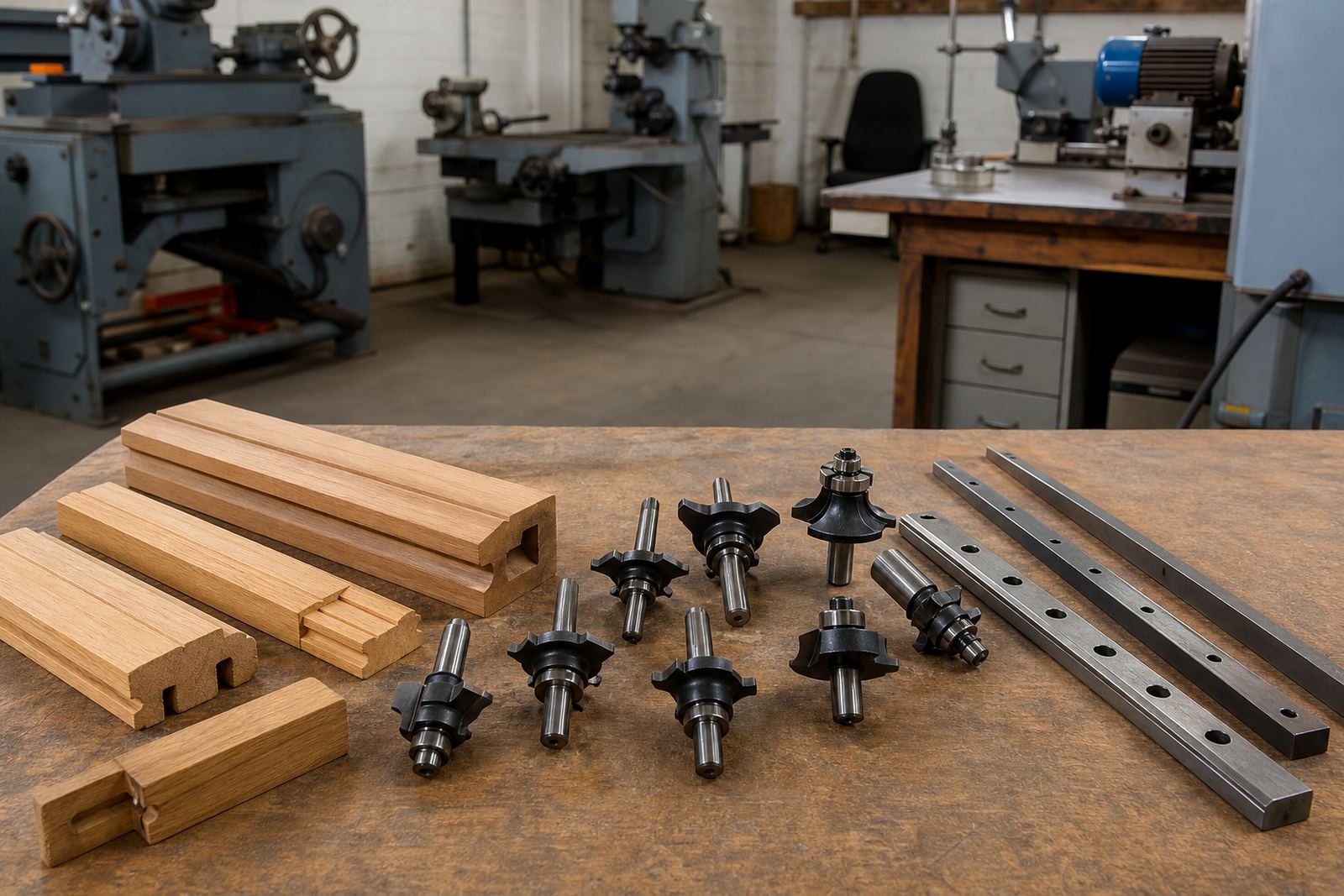
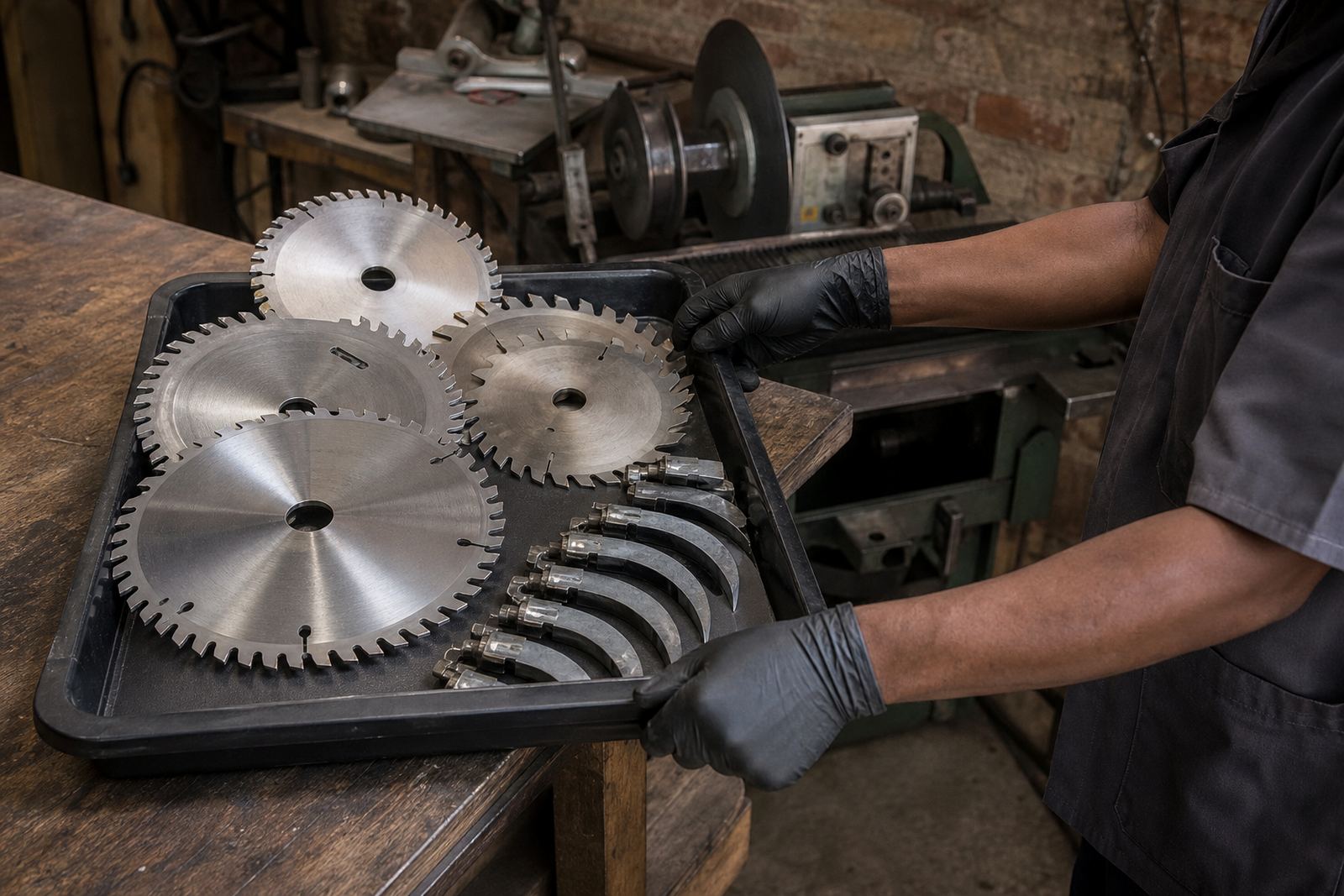
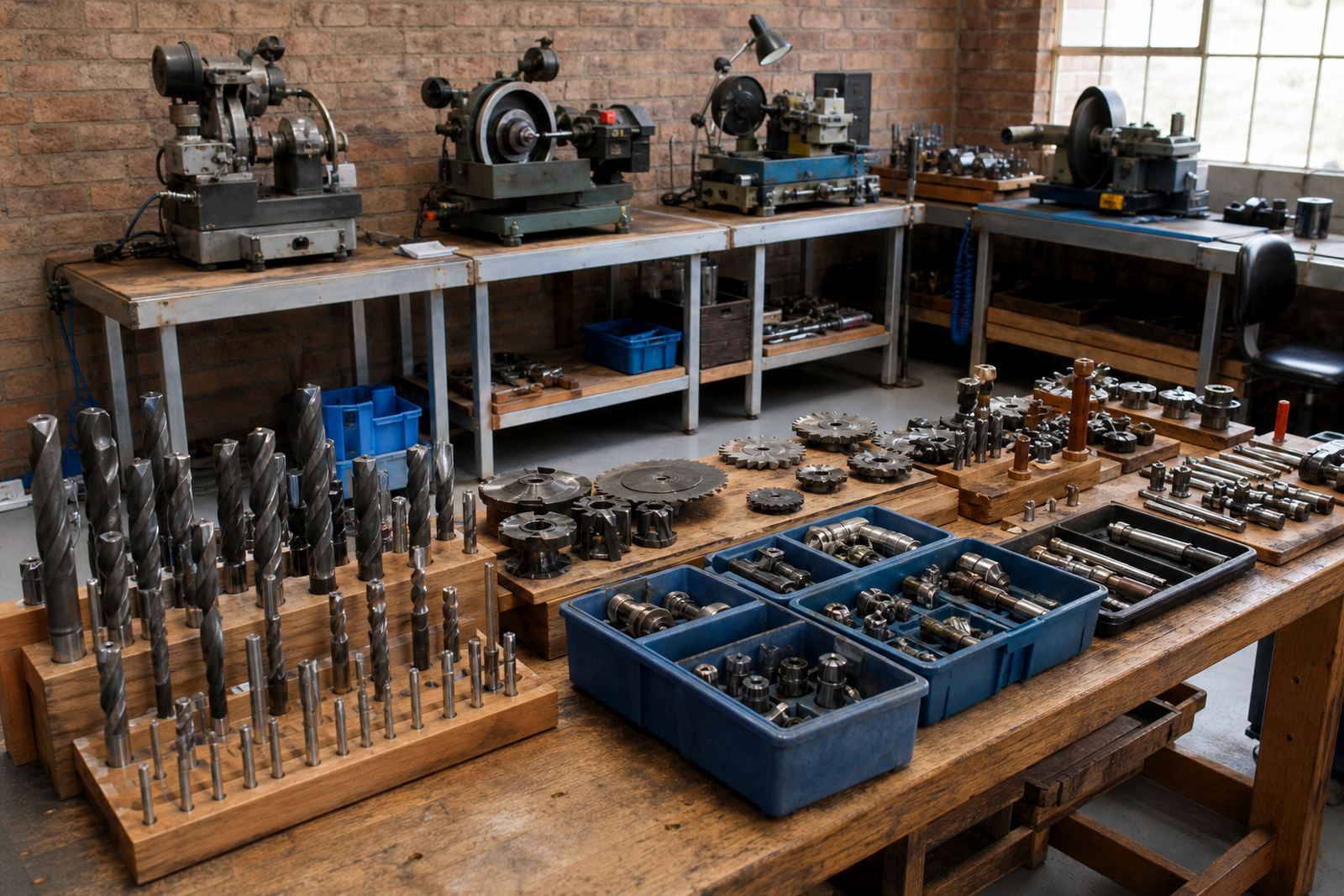
The project came from a training centre in Centurion, Gauteng where practical classes were running saws, drills and router bits on a steady cycle. The team needed clearer tool care methods that staff and learners could follow without slowing down lessons or sending worn cutters back into service too soon.
The brief was straightforward but specific: extend tool life, reduce burn marks and poor cut quality, and keep sharpened tools consistent across different classes. The centre also wanted a process that worked for mixed skill levels, because one class might be handling timber preparation while another was doing fine detail work on lighter material.
- Client type: school based training centre
- Town: Centurion, Gauteng
- Main tools: saw blades, drills and router bits
- Core need: longer tool life with safer, cleaner cutting
What was getting in the way of clean cuts
The main challenge was not one single fault. It was a mix of dull edges, inconsistent handling, and tools being used past the point where they should have been checked. In a busy learning enviroment that creates heat, noise and a lot of pressure on the cutting edge, especially when the same set is passed between classes.
There were also practical constraints. Classes could not stop for long. Learners had to keep working while staff managed stock, storage and tool sign out. Dust build up, accidental drops and poor cleaning after use were all shortening the life of cutters. In Centurion, where dry winter air and indoor storage can affect maintenance habits, the centre needed a routine that was simple and repeatable.
- Limited downtime between classes
- Mixed user experience across staff and learners
- Wear from repeated use on timber and board
- Need for clear storage and return checks
Sharpening and care guidance we put in place
We worked with the centre on tool care basics that could be taught quickly and kept in place through the term. That included what to check before use, how to clean and label tools, and when to remove a blade or bit from circulation instead of pushing for one more class. The aim was not fancy theory, just practical discipline that saves money and time.
We also explained how edge condition changes cutting behaviour. When a blade starts to burn, chatter or leave rough shoulders, it is already costing more in waste and effort. By giving staff a simple check list, the centre could make decisions faster and avoid sending learners onto tired tools that were already past their best.
- Pre use inspection for chips, wear and pitch build up
- Cleaning routines after class and before storage
- Clear marking for tools due for sharpening or regrinding
- Safe handling tips for passing tools between users
Training support for staff and learners
The training support focused on short, usable sessions rather than long formal talks. We showed staff how to recognise the early signs of dull edges, how to handle sharpened cutters properly, and how to keep records so the same tools were not being overused every week. That made a noticeable difference because the centre could train new learners quickly without starting from scratch each time.
We also covered the basics of matching the tool to the task. For example, a fine finish class does not need the same treatment as a rough cut workshop, and forcing one cutter to do both jobs is usually where problems begin. The centre valued that practical approach because it reduced confusion and helped learners understand why maintenance matters.
- Short refresher sessions for staff and assistants
- Clear explanations for first time learners
- Simple records for tool condition and turnaround
- Advice on when to sharpen, regrind or replace
Timeline, workflow and key facts
The project ran over 3 weeks from first discussion to handover of the care routine and training notes. Week 1 covered the brief, tool types and current issues. Week 2 focused on the handling system, inspection steps and storage practice. Week 3 was used to confirm the routine with staff and make sure it could be repeated across different class groups.
Because the centre was dealing with multiple tools at once, we kept the workflow simple. Items were grouped by type, checked for wear, then routed into the right maintenance path. This helped avoid mix ups and meant staff could see at a glance what needed attention. The process was easy to run even when classes were full and time was tight.
- Project length: 3 weeks
- Location: Centurion, Gauteng
- Tool types covered: saw blades, drills, router bits
- Support format: onsite training guidance and maintenance routine
Results in the workshop and classroom
After the new routine was in place, the centre reported fewer tools being pushed too far before maintenance. Cuts became cleaner, burn marks reduced and staff had a better handle on when to pull a tool from service. The biggest change was consistency across classes, which matters in a training centre because one rough edge can set back a whole lesson.
The centre also found that learners picked up better habits when the checks were built into the day. Tools were returned cleaner, labelled more clearly and handled with less rough treatment. That gave the centre better control over stock and a more predictable workflow. In practical terms, it meant less waste, fewer stoppages and better use of the tools already on hand.
- Longer service life from cutters in regular use
- Cleaner finish on class workpieces
- Less waste from avoidable edge damage
- Better control of tool rotation between classes
Key facts
| Client type | School based training centre |
|---|---|
| Town | Centurion, Gauteng |
| Project duration | 3 weeks |
| Tools covered | Saw blades, drills, router bits |
| Support provided | Sharpening care tips, handling checks, maintenance routine |
| Outcome | Longer tool life and more consistent class results |