
What the Johannesburg crew needed from the workshop
The client was a small but busy maintenance crew working across factories, office parks, and residential sites in Johannesburg. Their drill stock was taking a beating from steel fixing, masonry work, cable tray installs, and general service jobs, so the brief was simple: keep the drills cutting properly and reduce the time lost to blunt or chipped bits.
They did not need a once off clean-up. They needed a repeatable system that could cope with weekly use, mixed bit sizes, and pressure from call-outs. Their main concern was downtime. When a crew arrives on site and the drill keeps burning, slipping, or wandering, the job slows down fast and the client notices.
Their second concern was logistics. The team could not spare a technician to drive across the city for tool drop-offs every time the bits dulled. We set up a courier collection flow from Johannesburg, with return sent back after sharpening and checking, so the crew could keep working while the tools were off site.
Brief, constraints, and the workshop plan
The brief covered drill sharpening, edge recovery where possible, and a way to keep batches organised so that the same tools came back together. We also had to work around a few practical limits: mixed drill diameters, light damage from overheating, and the fact that some bits had already been re-used far past their best condition.
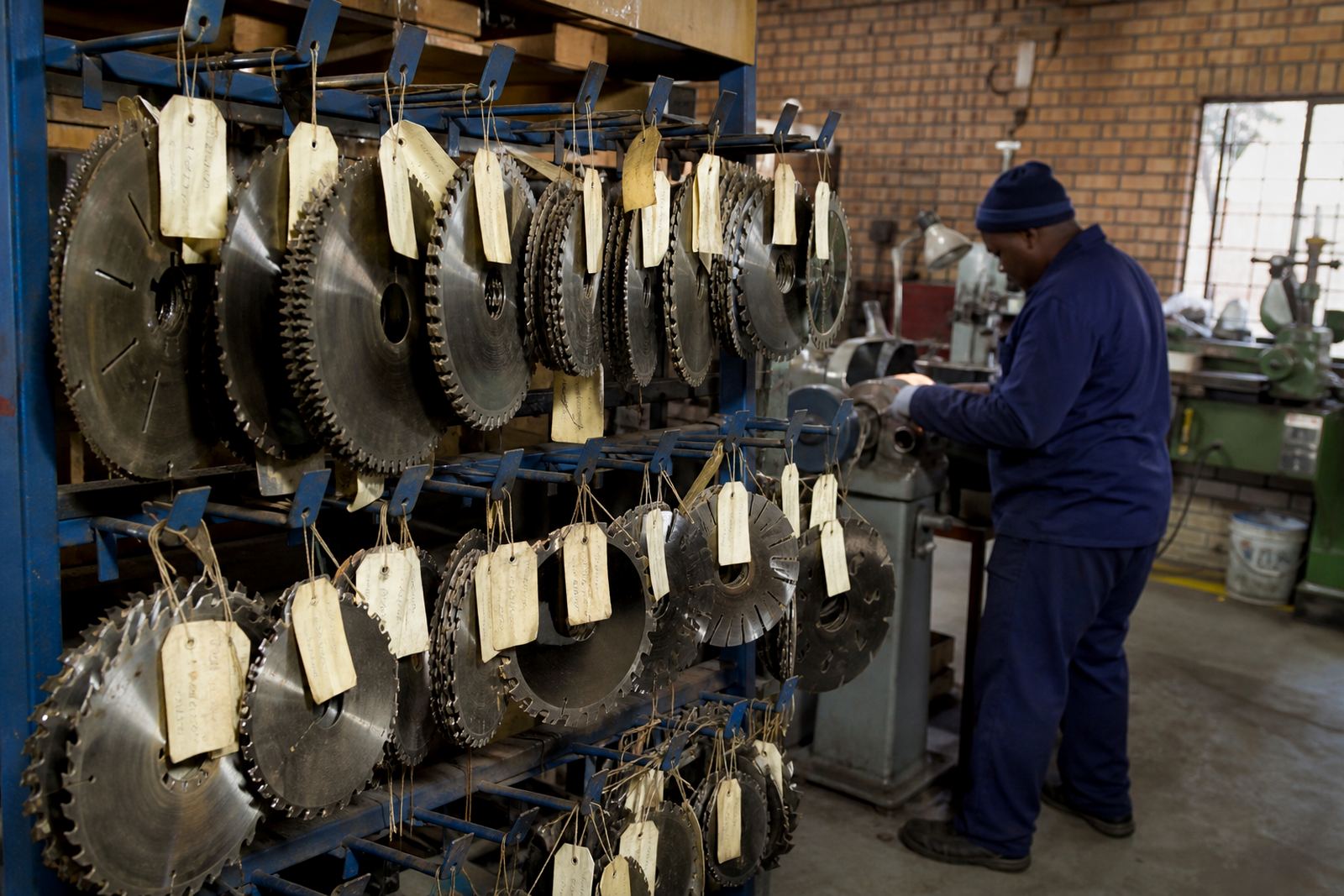
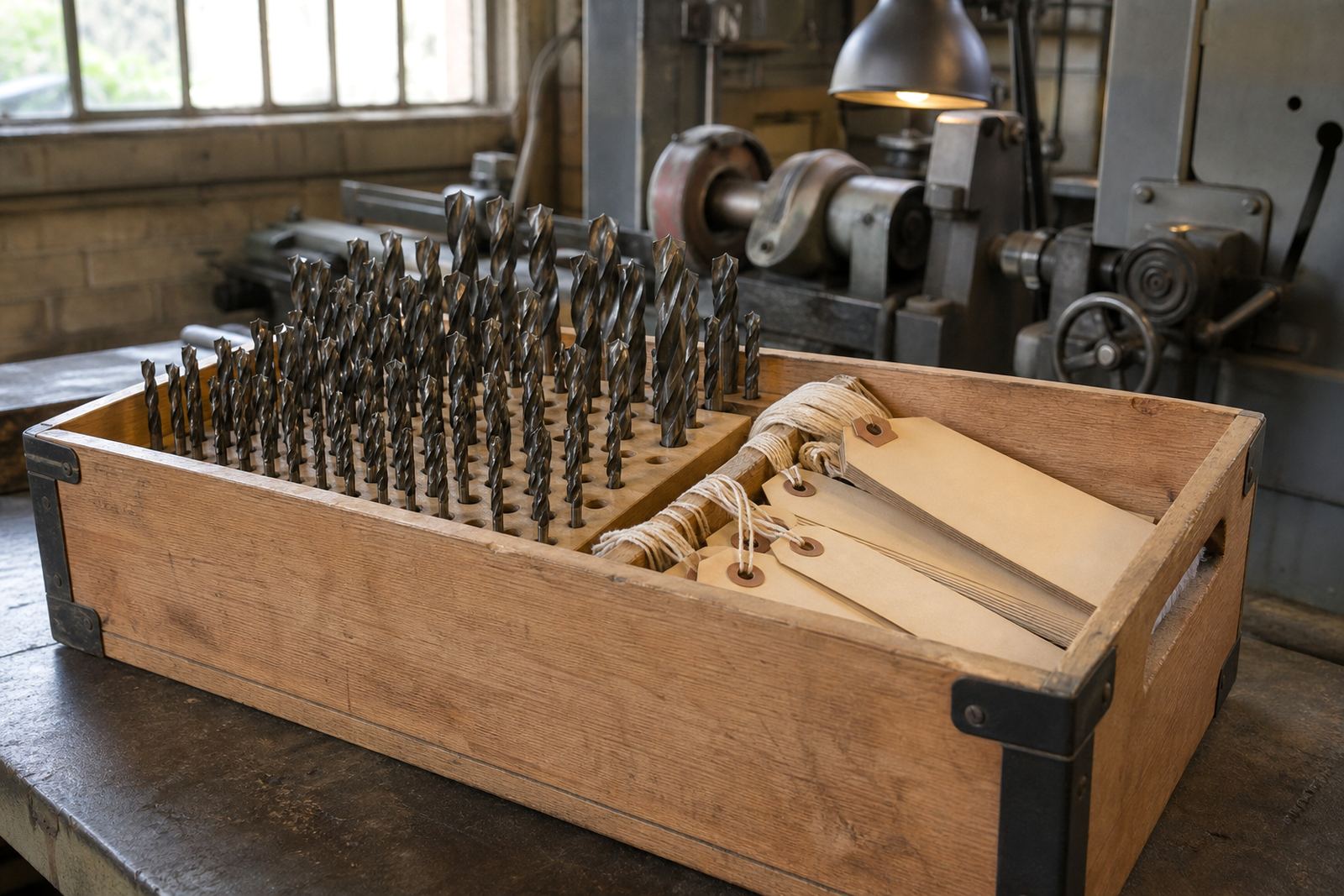
Because the tools were used on site, not in a machine shop, there was no guarantee of neat sorting when they arrived. We asked for batch grouping by size where possible, then used tag tracking in the workshop to keep each set together. That made the return cleaner for the crew and reduced mix-ups when the tools came back into circulation.
We also had to account for load-shedding and courier timing. The workshop plan used straightforward intake checks, grinding on suitable equipment, and a return schedule that did not leave the client waiting on one rushed same-day turnaround. That gave everyone a clearer handover window and avoided jobs sitting idle.
- Drill sizes ranged from small maintenance bits to larger site-use diameters
- Tools were inspected for burning, chipped tips, and uneven wear
- Damaged items were separated before sharpening to avoid wasted work
- Courier collection and return were kept on a simple batch schedule
What we supplied and how the process ran
We arranged courier collection from the Johannesburg area, brought the batch back to Pinetown for inspection, and processed the drills through sharpening and regrinding where the wear allowed it. The work included point correction, angle resetting, balance checking where required, and removal of burn marks from overheated cutting edges. In a few cases the drills needed diameter correction and chipped edge recovery before they could be put back into service.
Each batch was tagged on intake so the crew could get the same group back together. That sounds small, but for a maintenance team it matters. The fitter on site wants the right bit for the job, not a mixed bag of similar looking tools. We kept the sets tidy, labelled, and ready for collection in the same order they arrived.
The return process was just as important as the sharpening itself. Once the batch passed inspection, it was packed for courier return back to Johannesburg. The client then had a ready-to-use set of drills waiting for the next shift, instead of a box of tired tools sitting in a van or in the bottom of a spares cupboard.
- Courier collection booked from Johannesburg with return after processing
- Drill sharpening carried out for routine maintenance and heavier wear
- Angle resetting used where the cutting face had drifted off spec
- Balance checks done before release to help with cleaner drilling
Timeline and handover over three weeks
The project ran over three weeks from first contact to the first repeated return cycle. Week one covered the intake, sorting, and the first sharpening batch. Week two focused on the returned feedback from the client, including which bits were used on steel, which were for masonry, and which ones still needed more aggressive correction. Week three settled into the preferred batch rhythm for the maintenance crew.
That short timeline was enough to show the value of keeping drills in circulation instead of replacing them too quickly. The team got their tools back quicker than expected, and the crew kept moving with less stoppage. One small delay at the start was handled by moving the collection window by a few hours, which kept the rest of the schedule on track.
Because the work was repeatable, the client did not need a long onboarding period. Once the first batch had been through, the process became familiar: collect, sharpen, return, use, repeat. That practical rhythm suited the way a maintenance crew works in Johannesburg, where one day can include site visits in different parts of the metro.
Results seen on site in Johannesburg
The biggest result was consistency. The maintenance crew had a workable supply of sharpened drills instead of relying on whatever remained usable in the box. That meant fewer stops to fight with blunt bits and fewer complaints when a hole had to be drilled cleanly first time.
The second result was reduced waste. By regrinding and correcting drills that were still suitable for service, the crew got more life out of the tools they already owned. That is usually better value than rushing to replace bits that only need proper sharpening and set-up.
The third result was better control over stock. Batch tagging and simple tracking made it easier to see what had gone out, what had come back, and what still needed work. For a crew that moves between sites, this helped keep the workshop drawer and tool bags in order.
- Less downtime while waiting for replacement drills
- Improved cutting performance on repeat jobs
- More organised tool batches for the maintenance team
- Better use of existing drill stock instead of early replacement
What we would do again for a similar crew
For a Johannesburg maintenance team, we would set up the same courier-based drill handling again without changing much. The model works because it keeps the client on the tools and keeps the sharpening cycle predictable. If the crew grows, we would add tighter batch notes for drill type, site use, and wear pattern so the return pack is even easier to issue.
We would also keep the inspection stage strict. Some drills are worth regrinding, others are too far gone. Telling the difference early saves time and avoids sending back a bit that will fail after a few holes. That honest filter is part of the service and it is what makes the process practical for working crews.
For teams operating in Gauteng with frequent site movement, courier collection and return remains the cleanest option. It cuts down travel, keeps the workshop stocked with what needs attention, and gives the client a steady supply of sharpened drills without interrupting the day.
Key facts
| Project location | Johannesburg, Gauteng |
|---|---|
| Client type | Maintenance crew |
| Core services | Drill Sharpening, Regrinding, Angle Resetting, Balance Checking |
| Logistics | Courier collection and return |
| Timeline | 3 weeks from first collection to settled batch rhythm |
| Key outcome | Reduced downtime and steadier drill supply |