Westville Workshop Brief and Material Mix
The client was a small furniture maker in Westville, working on custom cupboards, table tops and fitted pieces for homes across Durban and the Upper Highway area. Their main issue was not a failed machine, but dull tooling that was costing time on finishing. The profile bits were leaving fuzzy edges on hardwood mouldings, while the planer knives were causing light ripple marks and extra sanding.
The brief was simple: restore the cutting edges, keep the original profiles true, and return the tools quickly enough to avoid a production delay. The workshop runs a mix of solid timber and board products, so the tools had to handle varied grain and occasional glued stock. In a humid coastal area like Westville, stored cutters can also pick up light surface corrosion if they are left unused for too long, so condition mattered just as much as sharpness.
The client wanted a practical turnaround, no unnecessary rework, and clear labelling so each tool set could go back into the correct machine without confusion. That meant we had to tag each item, separate the batches by cutter type, and keep the edge work consistent across the lot.
- Client type: furniture maker
- Town: Westville, KwaZulu-Natal
- Tools handled: profile bits and planer knives
- Main problem: rough finish on hardwood and extra sanding time
What Was Worn and What Had to Stay Accurate
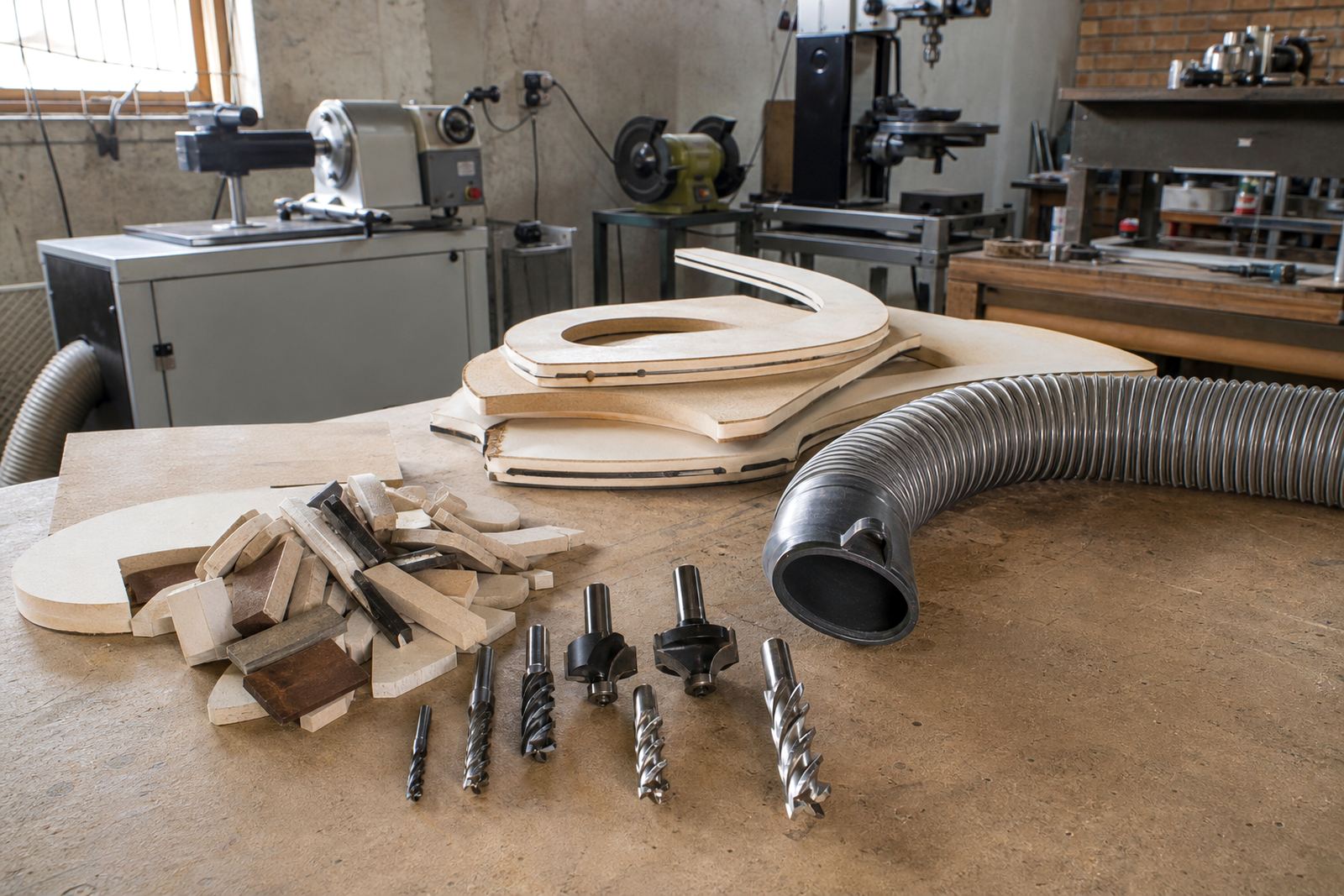
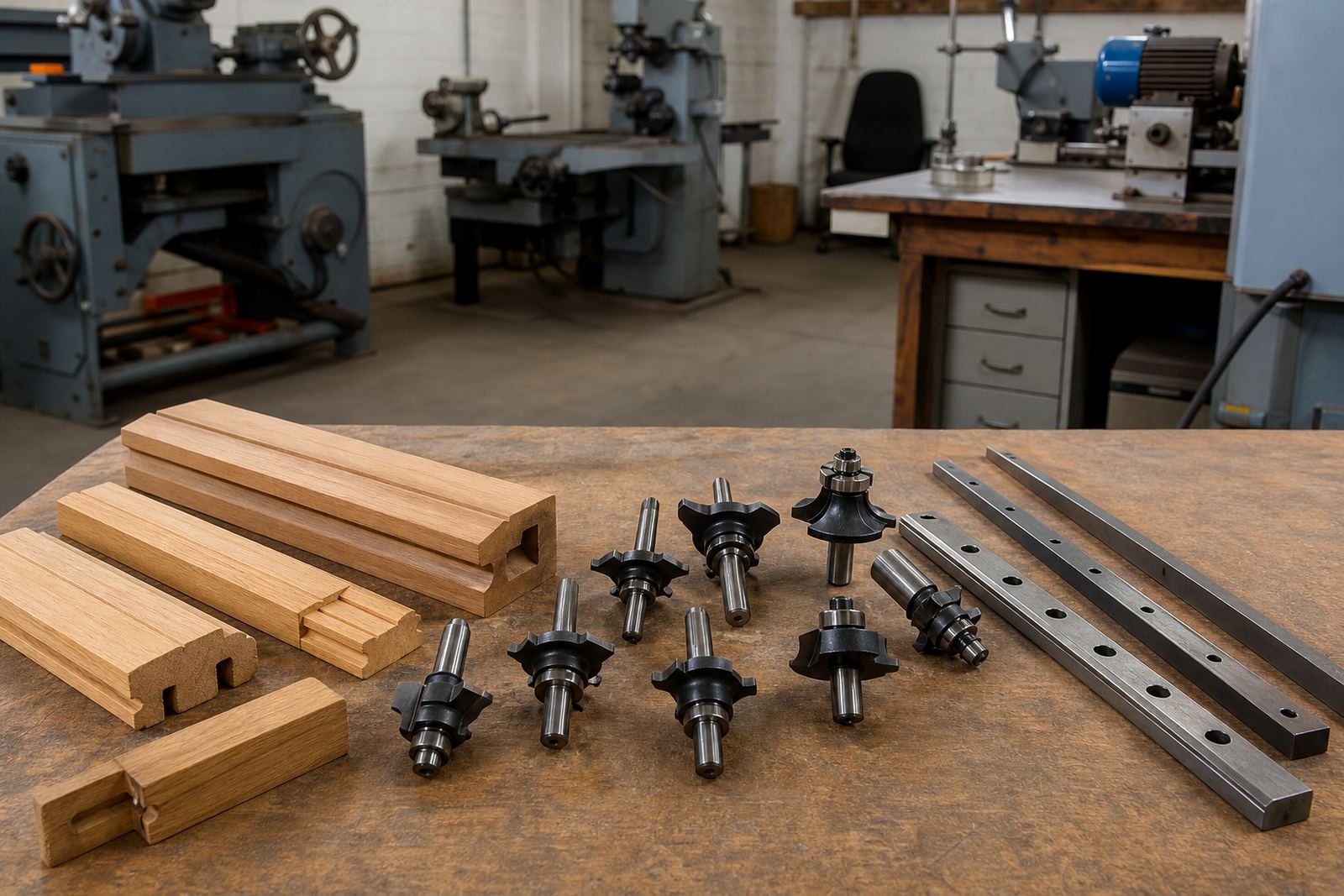
The profile bits came in with rounded cutting edges, minor burn marks and a few small chips on the working corners. The planer knives had uneven wear along the length, with one set showing slight edge roll from repeated passes on dense timber. None of the tools were scrap, but all of them needed accurate reconditioning to bring them back into service without changing the profile shape.
On this kind of job, the constraint is always balance between sharpness and geometry. Take too much off and the cutter loses life. Leave too much on and the machine keeps producing poor finish. We checked each cutter before work started, measured the visible wear, and marked the items that needed edge restoration only, rather than full profile correction.
There was also a timing constraint. The client needed the tools back within the same working cycle so their shop could keep to delivery dates. We planned the job in a single intake batch and kept the turnaround to 2 weeks from collection to return, including inspection, sharpening and final checking.
- Wear found: chipped edges, burn marks, edge roll and uneven cutting height
- Constraint: keep original profile and factory cutting angle where possible
- Turnaround: 2 weeks
- Handling: batch separation with tool tagging for easy return to the right machine
Regrinding Work Carried Out on the Batch
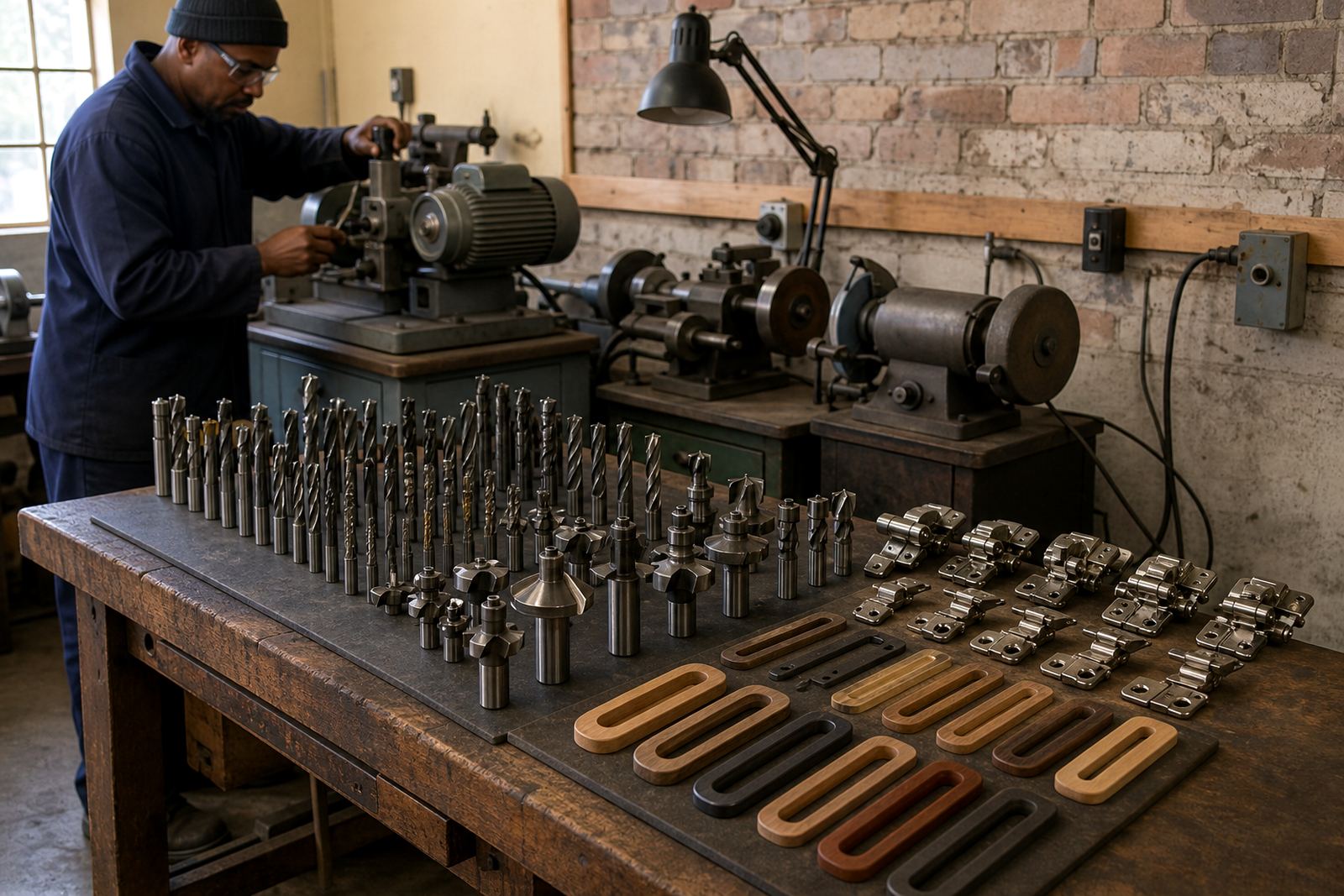
We started with a full inspection and batch tagging so each cutter could be tracked through the workshop. The profile bits were cleaned, then reconditioned with careful edge work to remove the dull section while preserving the cutting form. Where chips were small enough, we recovered the edge instead of removing excess material. Burn marks were cleaned off so the surface would not drag or heat up unnecessarily on the next run.
The planer knives were reground for even edge height and consistent bite across the full length. We checked the set for straightness and made sure the cutting line stayed true. A slight inconsistency can show up immediately in hardwood, especially on pale timber where every mark stands out. The aim was to reduce tear-out and cut down on the extra sanding that had been creeping into the finishing stage.
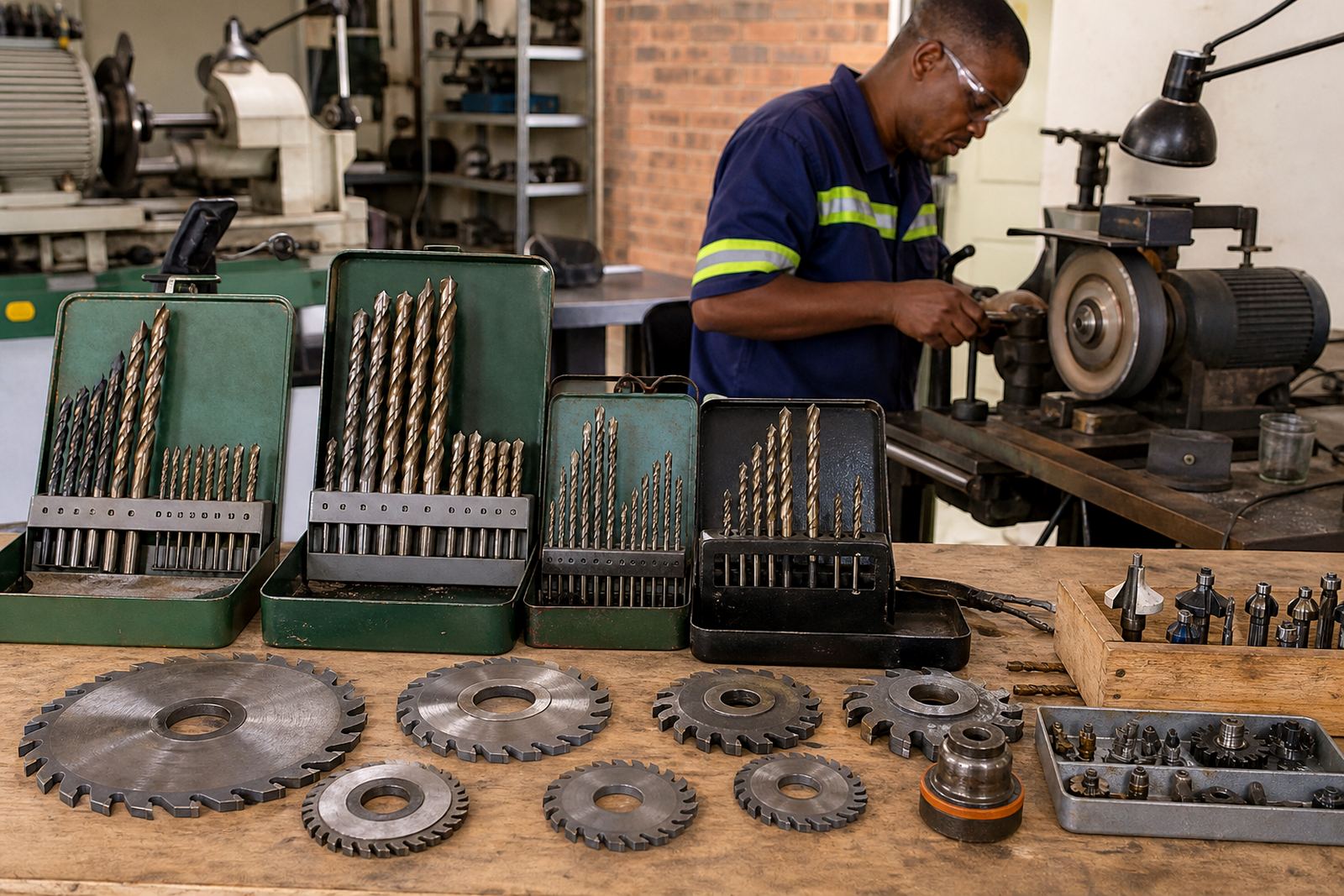
For both tool groups, we carried out balance checking where relevant and confirmed the cutting faces were returning cleanly to a usable state. The client asked for practical advice as well, so we also discussed storage, handling and when to send tools in before they become too far gone. That saves money over time and keeps the workshop moving.
- Profile bits: edge recovery, burn mark removal, angle reset where needed
- Planer knives: regrinding, straightness check, even edge height verification
- Additional checks: balance checking and tool tagging
- Outcome target: cleaner finish with less post sanding
Workshop Conditions and Practical Constraints
Westville workshops often deal with a combination of warm weather, coastal humidity and dust from repeated timber cutting. Those conditions affect both the machine and the cutters. Dull or slightly corroded tooling can leave marks sooner than expected, and if a cutter is stored badly during a load-shedding period it may pick up moisture before the next shift starts. We accounted for that by checking the storage condition on receipt and advising on safer packing between jobs.
The client also needed tools that would suit normal workshop use, not a one-off fine finish only. That meant the reconditioning had to hold up on repeated passes through hardwood, not just on a test cut. We kept the work practical and avoided over-polishing the cutting edges, because in a furniture shop the goal is consistent output, not just a pretty edge in the tray.
Collection and return were arranged through our courier system, which is useful for businesses outside Pinetown as well. For this job the process was straightforward, with clear labelling and a single return point so there was no mix-up at handover. That matters in busy shops where several saws, cutters and knife sets can be on the floor at once.
What the Client Saw After Reconditioning
Once the tools were back in service, the change showed up quickly in the finished timber. The profile bits ran cleaner along the edges and the planer knives reduced the visible marks that had been forcing extra sanding. The client reported a steadier finish on hardwood, less time spent touching up corners, and fewer interruptions during the day.
The other gain was consistency. When cutters are uneven, one operator can get good results while another struggles with the same stock. After the reconditioning, the workshop had a more predictable cutting action across the set. That helped with scheduling and made the finishing line easier to manage. It also reduced waste from pieces that would otherwise need more correction.
For a furniture maker, these gains may seem small at first, but they add up over a week of production. Less sanding means less labour and less dust. Better knife condition means fewer machine adjustments. It all supports a cleaner workflow from rough timber through to final assembly.
- Cleaner hardwood finish
- Less tear-out and fewer marks to sand out
- More even cutting across the batch
- Better machine consistency during repeated runs
What We Would Do Again for a Similar Westville Job
If we were handling the same type of order again, we would use the same approach: inspect first, separate by cutter type, and tag each item before any grinding begins. That keeps the work organised and avoids delays at return. We would also keep the client updated on condition during intake so they know which items can be recovered and which ones are near the end of service life.
For a furniture maker in Westville or any nearby town, the best plan is to send cutters in before they are badly chipped. Early attention usually means less material removal, better retention of the original profile and lower replacement costs. It also helps when a shop is trying to keep pace through a busy month, especially if power interruptions or humidity are already putting pressure on the schedule.
We would repeat the same final checks too: edge quality, straightness, balance where relevant, and clear batch tagging for the return trip. That is the sort of practical work that keeps a workshop moving without drama.
- Best practice: send cutters in before heavy chipping starts
- Suggested follow-up: regular sharpening cycles instead of waiting for failure
- Return method: labelled batches for simple reinstallation
Key facts
| Project location | Westville, KwaZulu-Natal |
|---|---|
| Client type | Furniture maker |
| Tools serviced | Profile bits and planer knives |
| Key work | Reconditioning, regrinding, burn mark removal, angle reset |
| Timeline | 2 weeks |
| Result | Smoother hardwood finishing with less sanding |