Project brief from an Umhlanga fit-out team
The job came from a small kitchen installation team working in Umhlanga, serving new homes and renovations where tight joinery work leaves very little room for error. Their main concern was that hinge bits were cutting poorly, trim cutters were leaving fuzzy edges on laminated board, and drills were taking too much pressure to start cleanly.
The brief was simple: get the cutters back to accurate working condition before the next round of site work. They wanted cleaner hinge recesses, straighter pilot holes and less touch-up with a chisel or sandpaper after installation. Because the team was moving between sites, they needed fast turnaround and a clear process for sending tools in and getting them back without extra admin.
This type of work is common on kitchen installs in coastal KwaZulu-Natal. Humid air can affect tool storage, and on busy fit-outs a blunt bit can slow the whole crew down. The team wanted the tools checked properly, not just touched up. That meant sharpening, regrinding and a quick inspection for wear on the cutting edges and shanks.
- Client type: kitchen installation team
- Area: Umhlanga, KwaZulu-Natal
- Tool set: hinge bits, trim cutters and drills
- Main issue: burn marks, dull edges and poor cut control
What was worn and what the workshop found
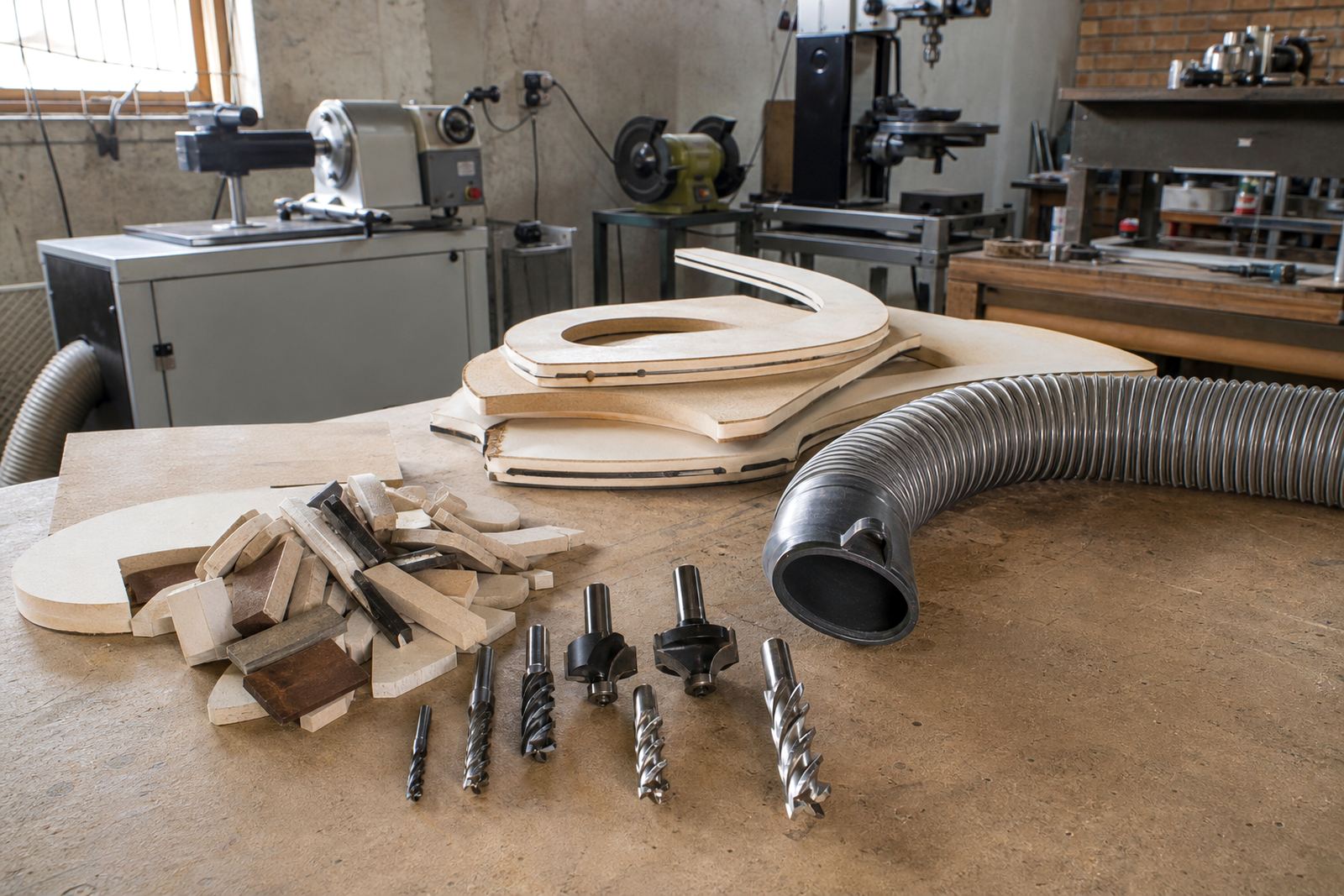
Once the tools reached our Pinetown workshop, we checked each item for edge condition, concentricity and visible damage. The hinge bits had dull cutting lips and slight edge chipping, which was causing breakout around the hinge cup recesses. Several trim cutters had lost their clean cutting line and were dragging on melamine board instead of slicing it properly.
The drills needed more than a light touch. A few had uneven point geometry, which made them wander on the surface before biting. In joinery work that usually means off-line holes, poor screw starts and extra time spent correcting positions. We also found a bit of heat tint on some edges, a sign they had been working hard and not clearing chips quickly enough.
We recorded the batch, marked the tools for return and separated those needing regrinding from those needing only sharpening. That makes a difference, because not every tool needs the same level of work. Some needed top grinding to restore the cutting face, while others needed diameter correction so they would finish to the right size for hinge and trim applications.
- Condition check included edge wear, chip damage and tip alignment
- Tools were sorted by sharpening need and regrinding need
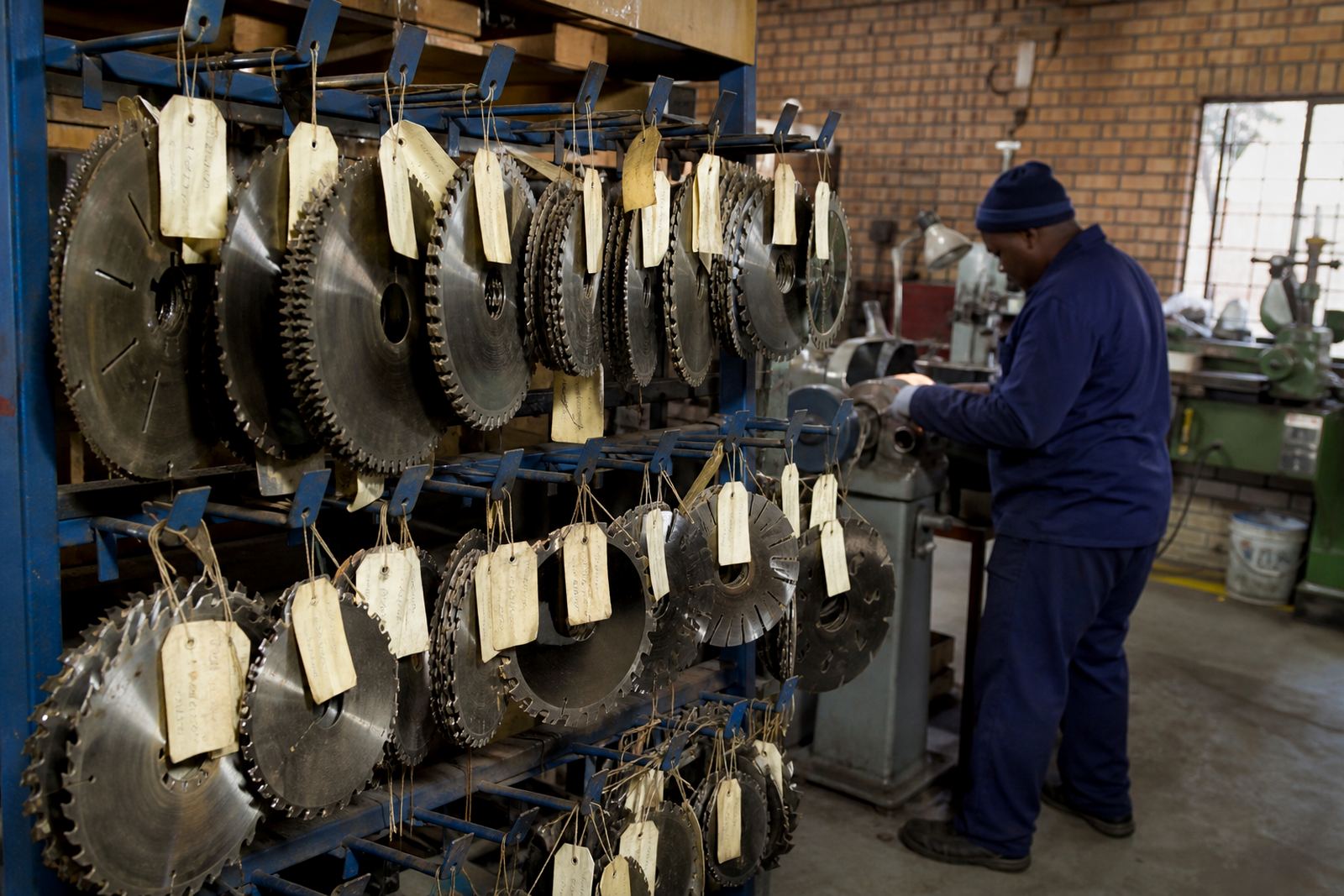
- Batch tool tagging was used so the set returned in order
- Any tool with excessive wear was flagged before work began
Sharpening process for cleaner fitting work
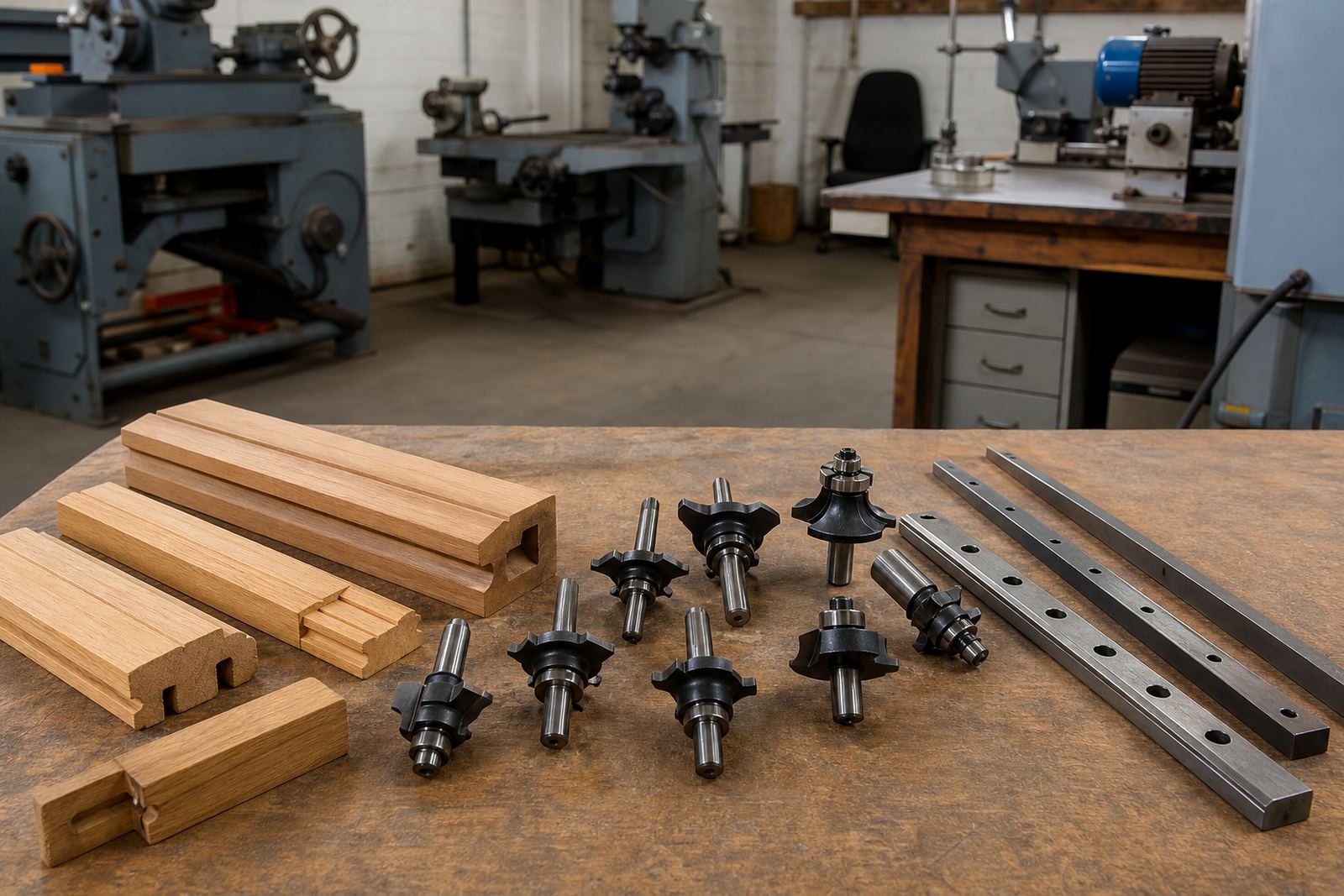
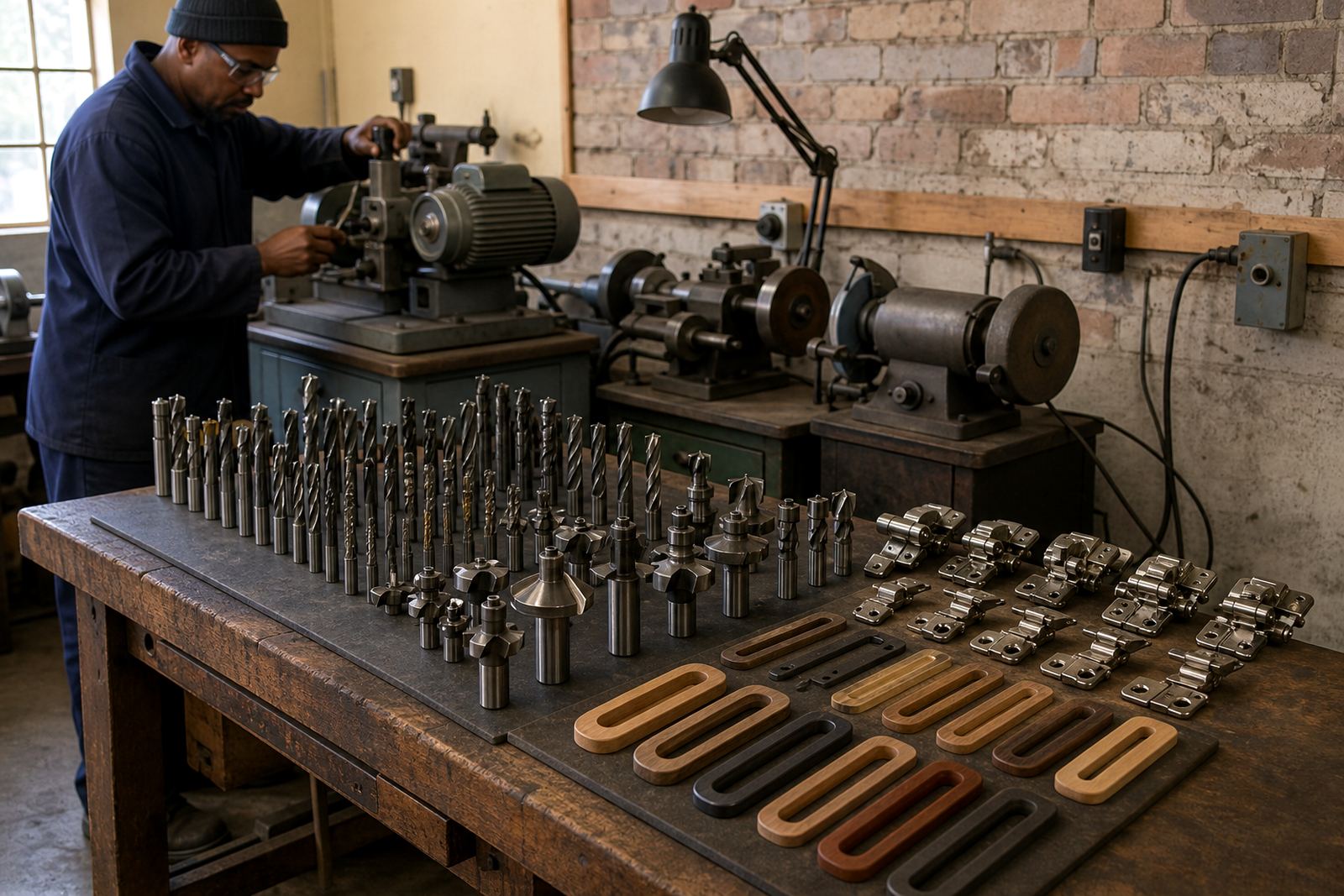
We carried out saw, drill and router bit style sharpening methods suited to cabinet and fit-out work, with care taken to keep the geometry true to the original application. For the hinge bits, the goal was a cleaner cutting action at the cup edge and a neat shoulder so the fitting sits flush. For the trim cutters, we focused on restoring the edge and reducing chatter marks that show up on finished panels.
The drills were sharpened for a more accurate start and a better chip path. Where needed, we adjusted the point angle and checked the lips so the bit would centre itself better on timber and board. On the router bits, top grinding was used where the edge had rounded off, and angle resetting was done where the cutting profile had shifted from repeated use.
After grinding, each tool was checked for balance and cutting consistency. That part matters because an imbalanced cutter can leave a poor finish even if the edge looks sharp. We also removed minor burn marks where heat had marked the tool body and cleaned up chipped edges where there was still enough material left for recovery.
- Shaping work included top grinding and tooth face grinding
- Angle resetting was done where the cutting profile had drifted
- Balance checking was carried out before release
- Burn mark removal was done on affected tools where suitable
Collection and turnaround for a busy site schedule
The client did not want to lose a full week waiting around, so the work was handled in a short turnaround window. Courier collection was arranged from the Umhlanga side and the tools were brought through to Pinetown for assessment, sharpening and return. That saved the team from trying to drop off tools during site hours and kept the job moving.
The full job took one week from collection to dispatch back to the installer. For a crew working on current fit-outs, that timing was important because they could plan around the tools being away and then put them straight back into use. We kept the communication practical, with one list of tools on intake and one return list on completion.
For installers working between Durban, Umhlanga, Hillcrest and Westville, this sort of arrangement is often the easiest way to keep tools moving. It also helps when teams are dealing with load-shedding or early starts, since they do not have to fit workshop visits into a packed day.
- Collection arranged through courier from the client site
- Workshop location: Pinetown, KwaZulu-Natal
- Turnaround time: 1 week
- Return order matched the original batch tag list
Results on site after the regrind
After sharpening, the installer reported cleaner hinge recesses, smoother drill starts and less edge tear-out on trim work. The cutters needed less pressure from the operator, which helped reduce fatigue over a long day on site. That in turn meant fewer corrections and a more even finish across cabinet doors and carcass panels.
The biggest improvement was in fitting accuracy. When hinge bits and trim cutters are cutting properly, installers spend less time fixing small defects and more time moving through the job. The tools also ran cooler, which is important in busy batch work where repeated cuts can quickly cause heat build-up.
In practical terms, the set went back into service with better cutting control and less wasted material. The client could carry on with its next installations without swapping between tired tools and backups. For a small team, that kind of consistency saves time and keeps the site cleaner too.
- Cleaner cut edges on laminate and timber components
- Better drill starting and less wandering
- Less burning and fewer follow-up corrections
- Improved tool life from correct regrinding
What we would do again for the next kitchen batch
If this team brought in another batch, we would follow the same process again: sort the tools by condition, sharpen the usable cutters, regrind the worn ones and tag everything for easy return. For kitchen installation work, that approach keeps the set organised and makes it easier to track which bits are due for replacement later on.
We would also recommend regular checks before a major install run. Tools used on laminated board, hardwood edging and repeated hinge drilling can drift out of spec faster than many crews expect. A small amount of maintenance between jobs is usually cheaper than forcing blunt cutters through a full week of fittings.
For teams working around Umhlanga and the wider Durban area, the best approach is to send tools in before they get too far gone. Once a bit has broken down badly, there is less cutting material left to recover. When tools are kept in good order, the work stays neater and the site runs better.
- Best practice: batch checks before a big install week
- Keep cutters tagged so the working set stays traceable
- Send in dull tools early for better recovery
- Use courier collection when site work leaves no time to travel
Key facts
| Project location | Umhlanga, KwaZulu-Natal |
|---|---|
| Client type | Kitchen installation team |
| Tools serviced | Hinge bits, trim cutters and drills |
| Workshop base | Pinetown, KwaZulu-Natal |
| Turnaround time | 1 week |
| Service methods | Sharpening, regrinding, angle resetting, balance checking |