









What To Read First For Better Edge Life
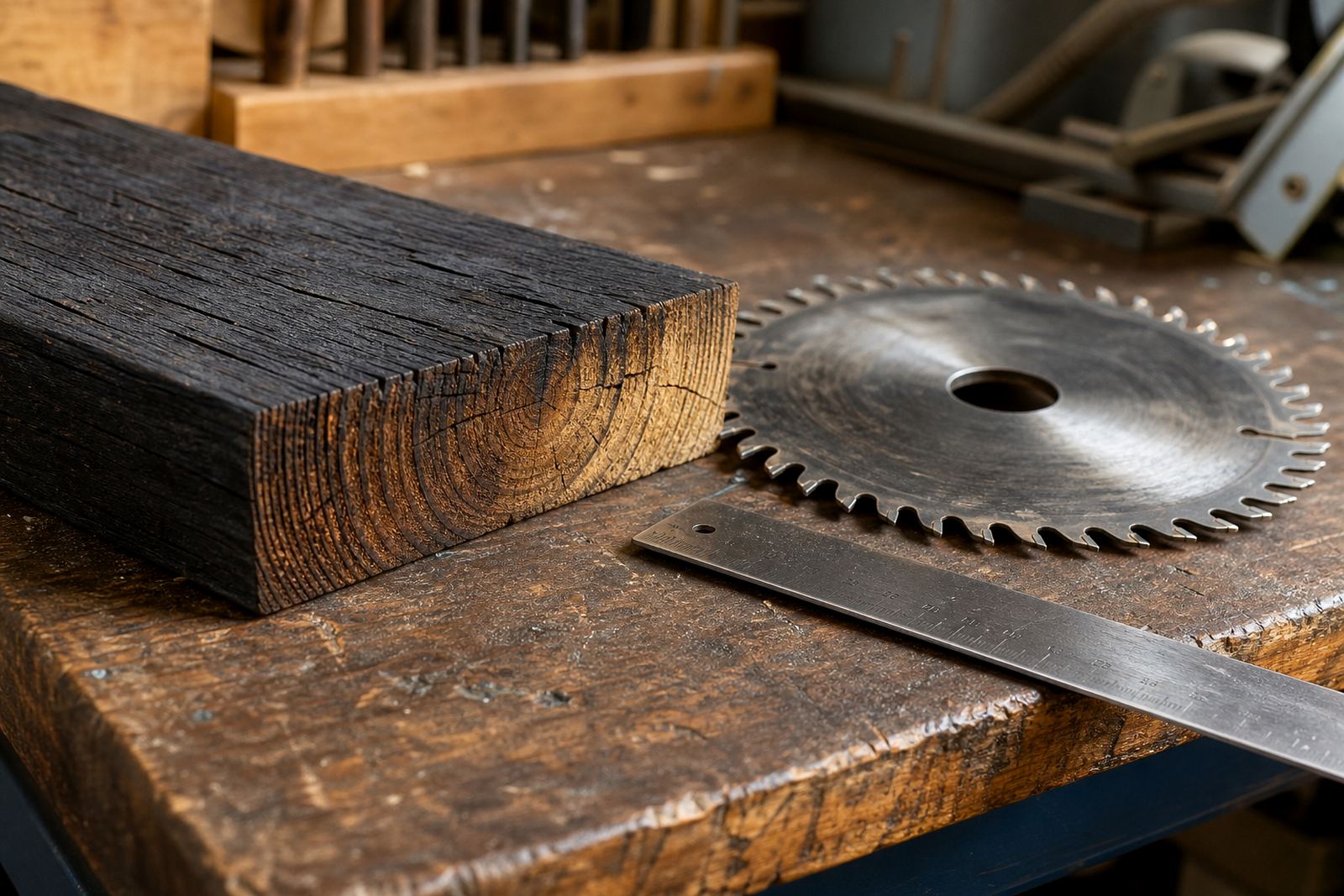
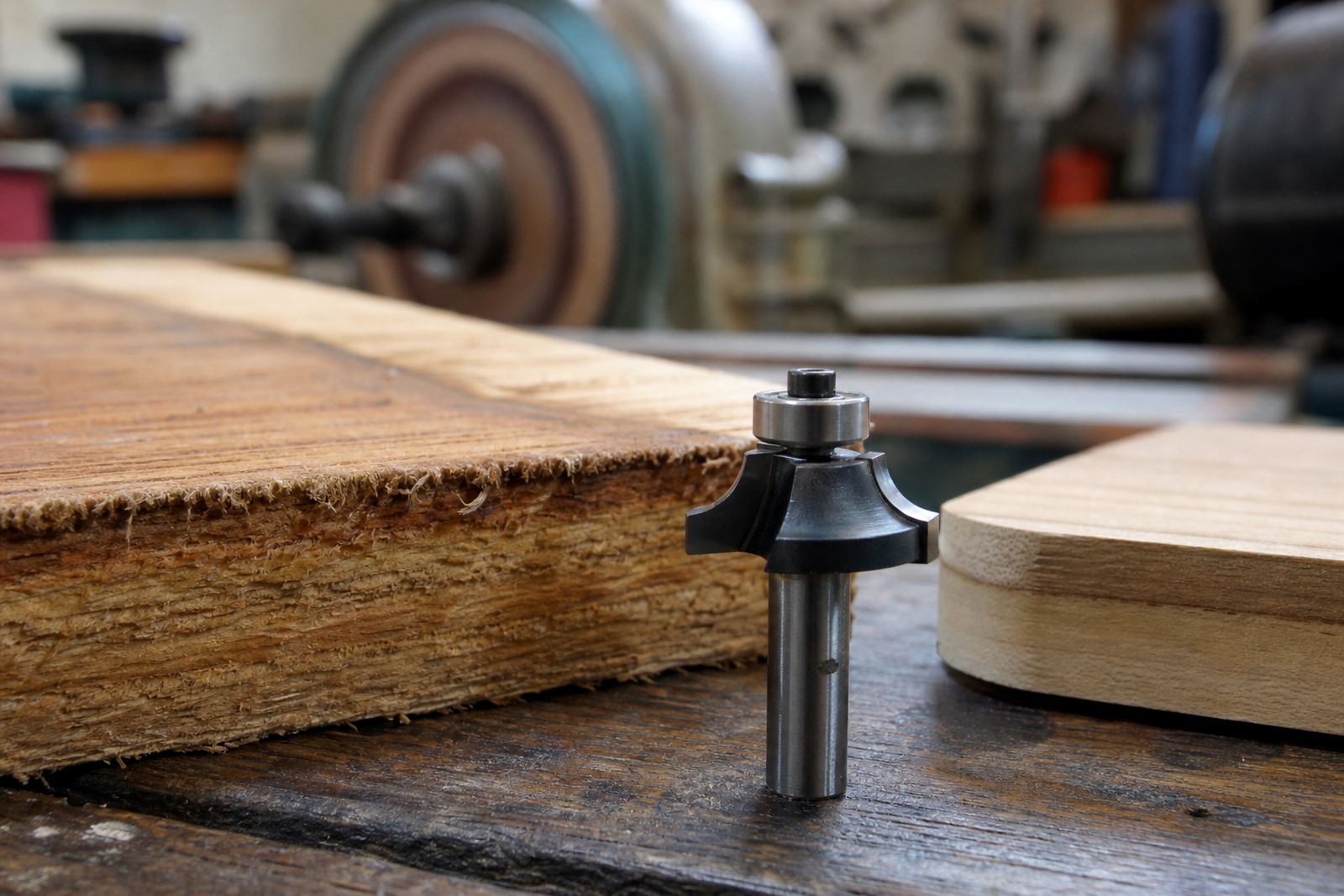
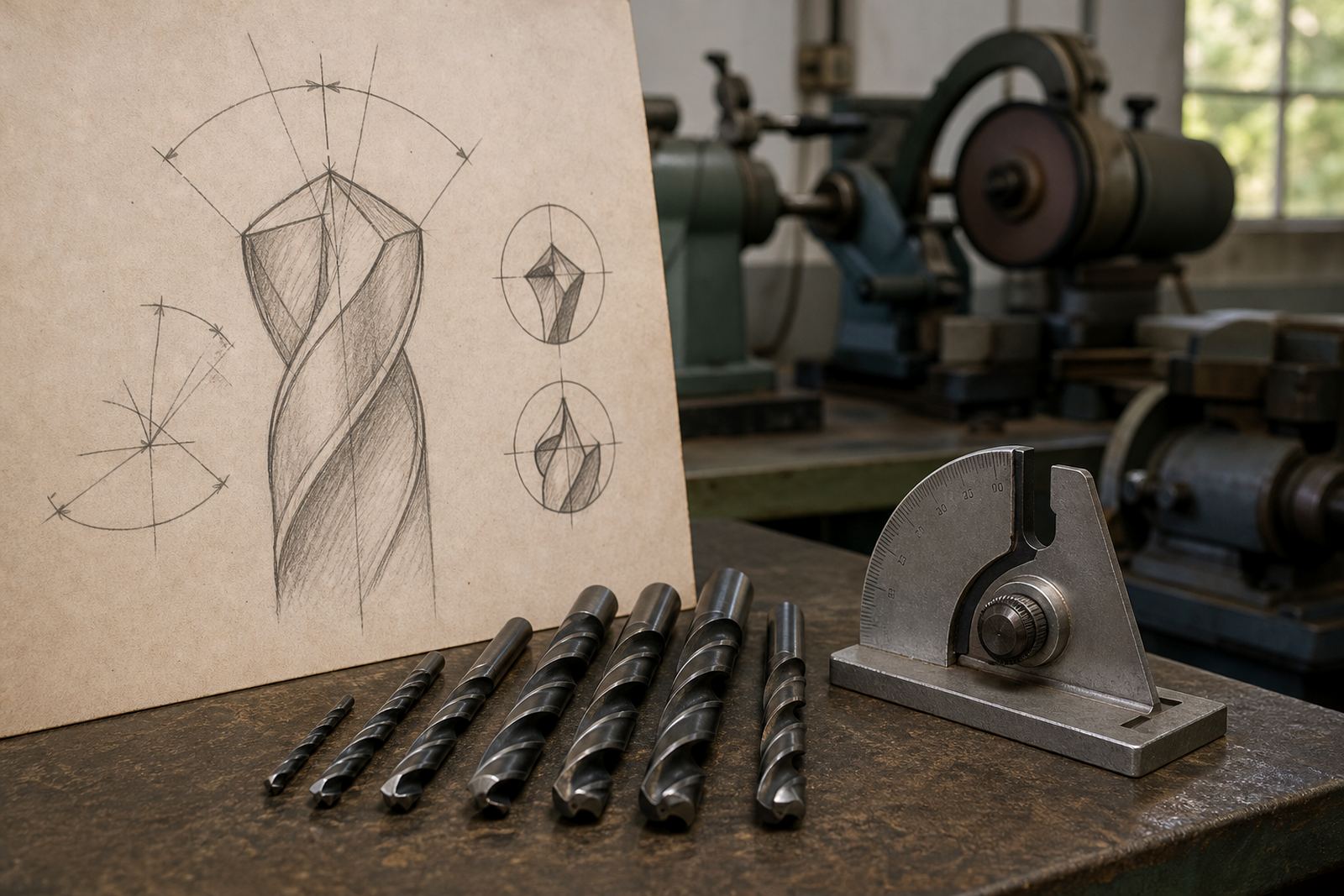
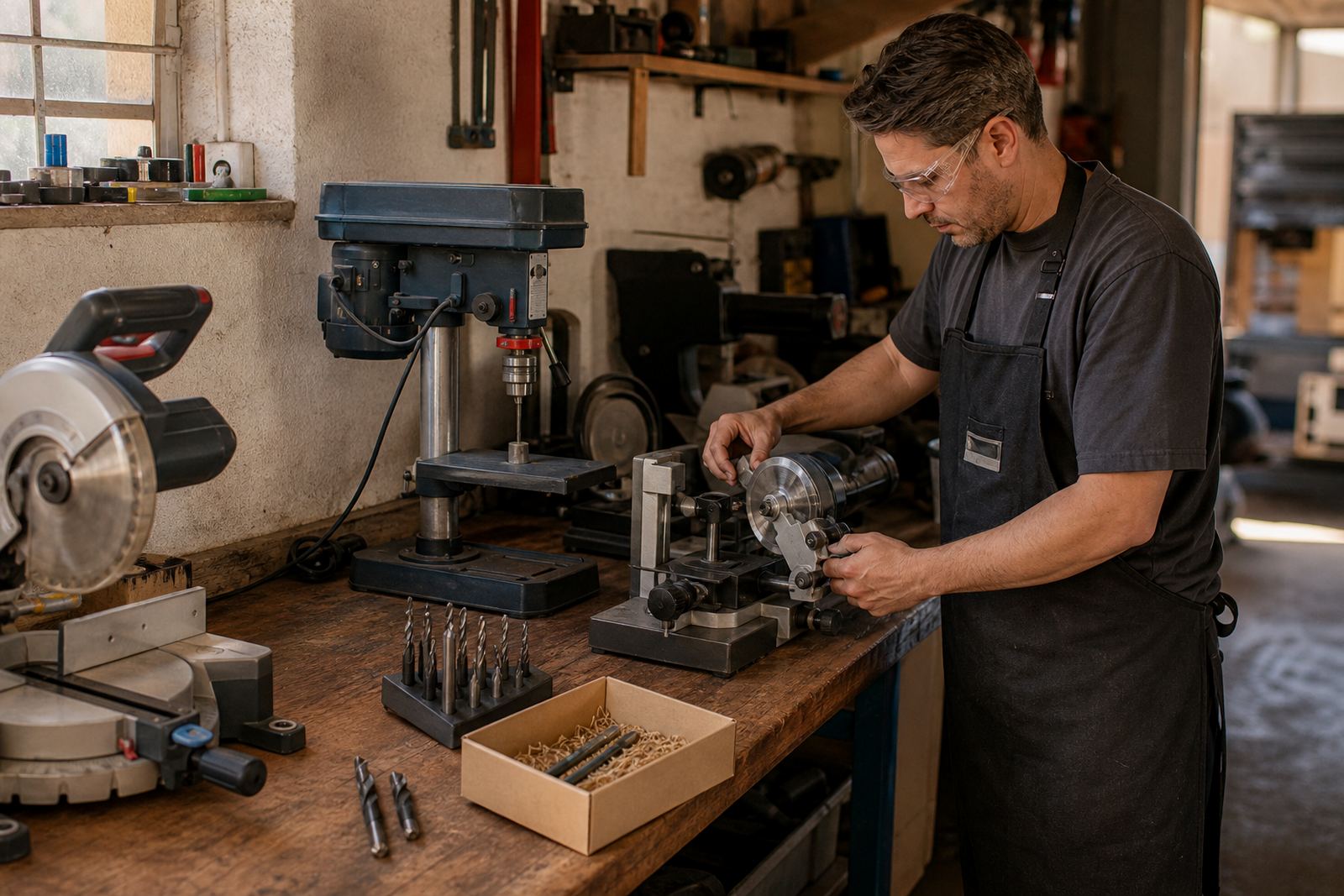
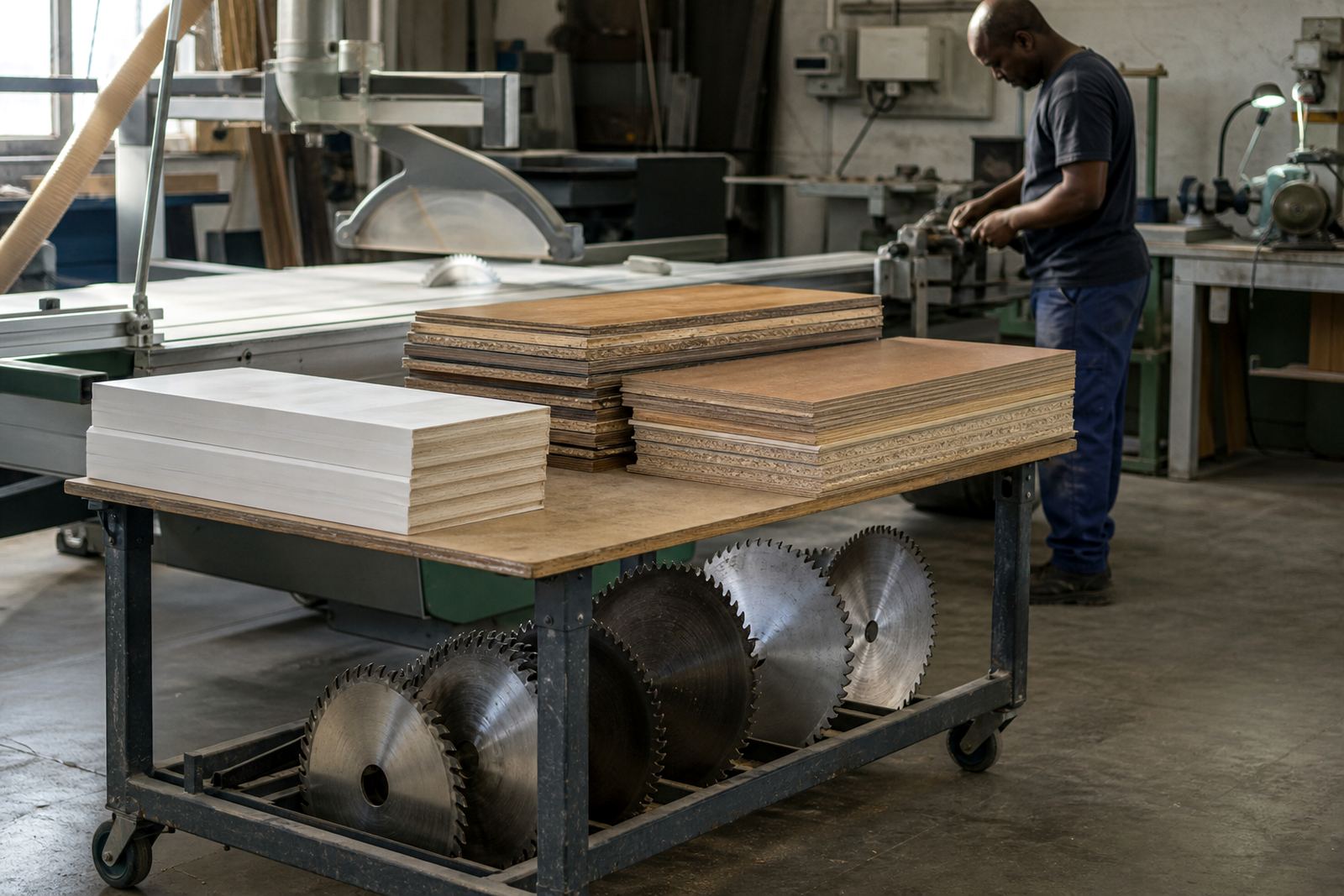
If you are choosing where to start, begin with the articles that match the tool you use most often. Saw users usually need guidance on tooth wear, burn marks and cut accuracy, while drill and router bit users tend to look for signs of chipping, chatter and heat damage.
The journal is written for hobbyists, small workshops and production teams that need practical answers, not theory for its own sake. You will find notes on when to sharpen, when to regrind, and when a tool is past sensible recovery.
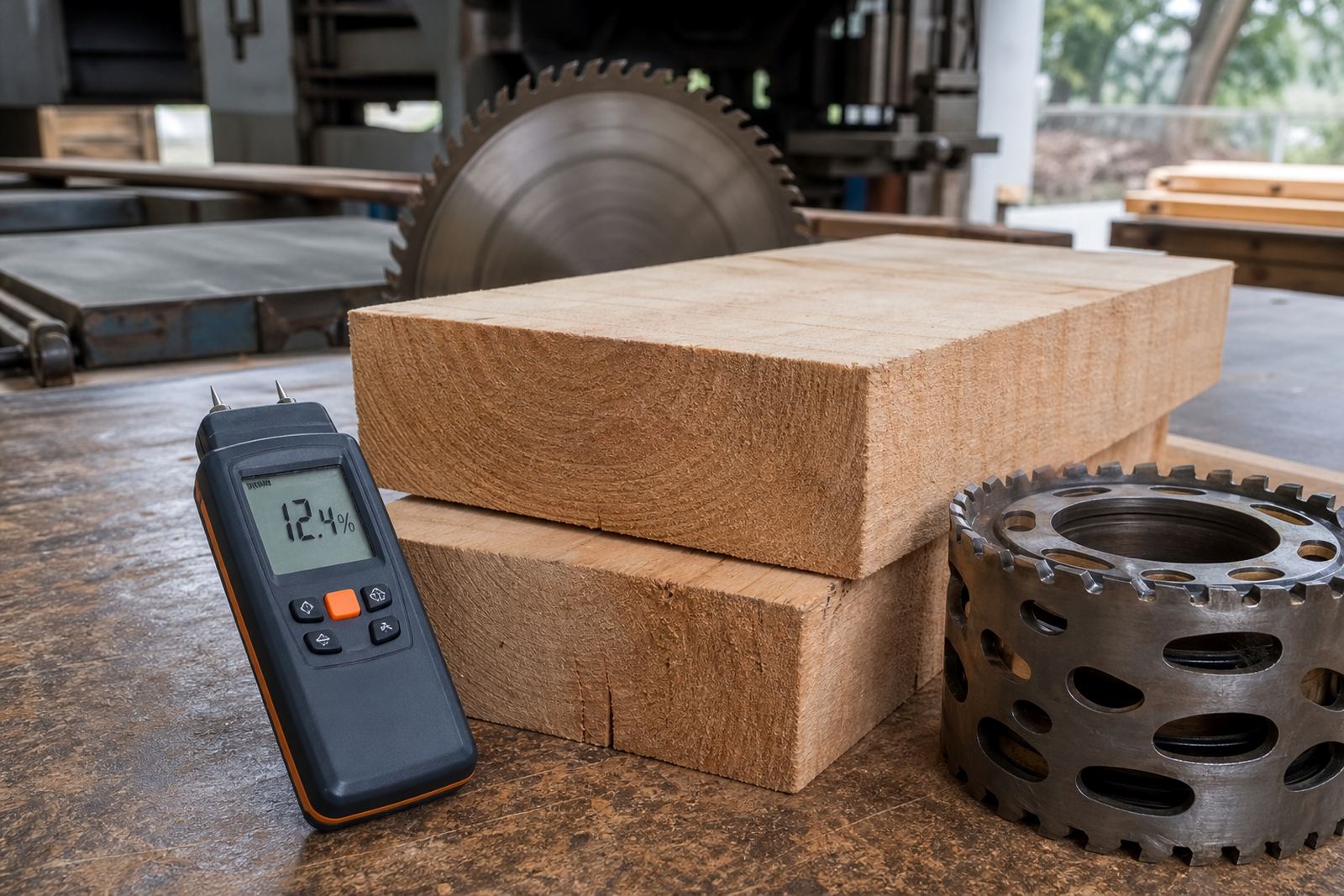
- Saws: edge wear, tooth alignment and finish quality
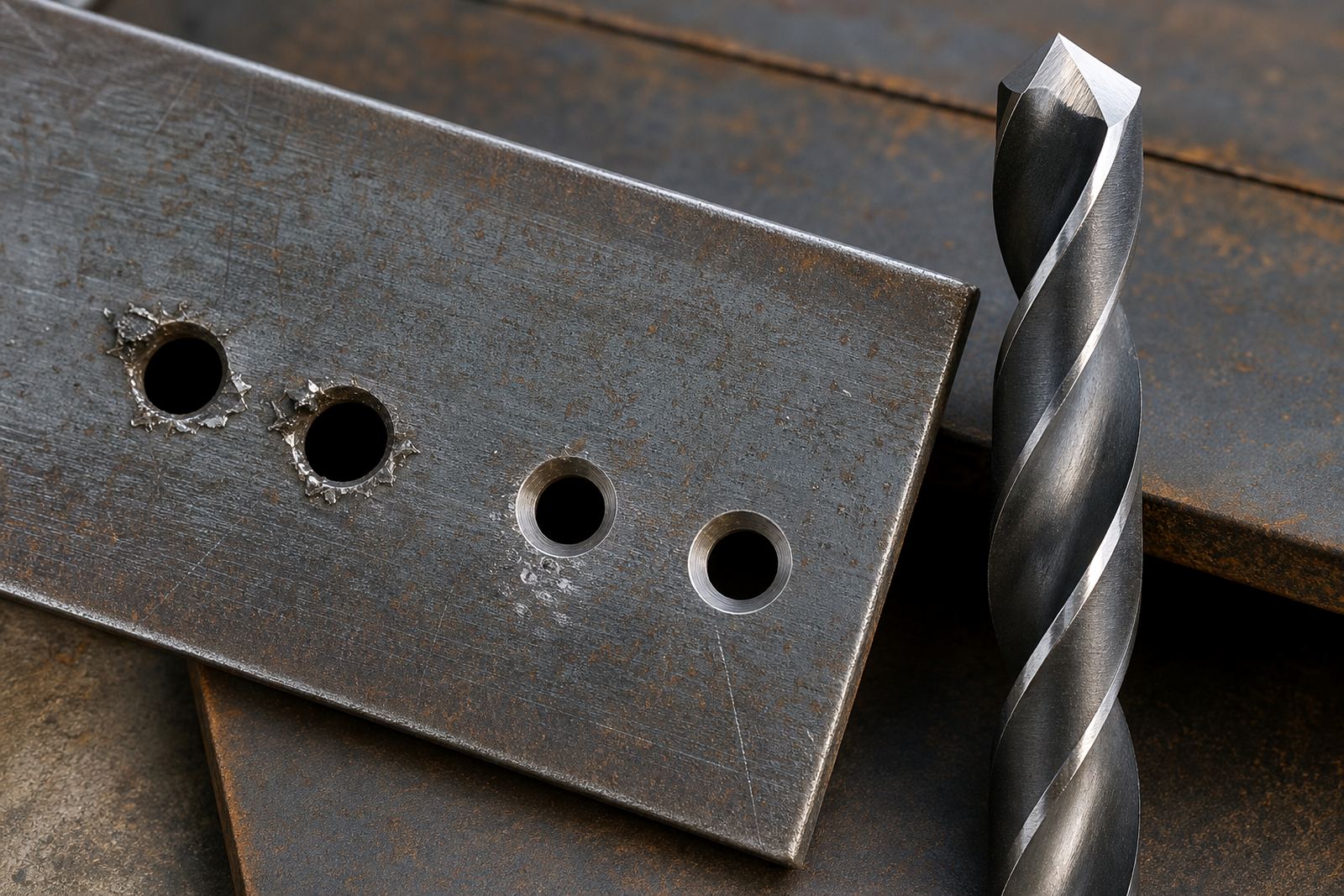
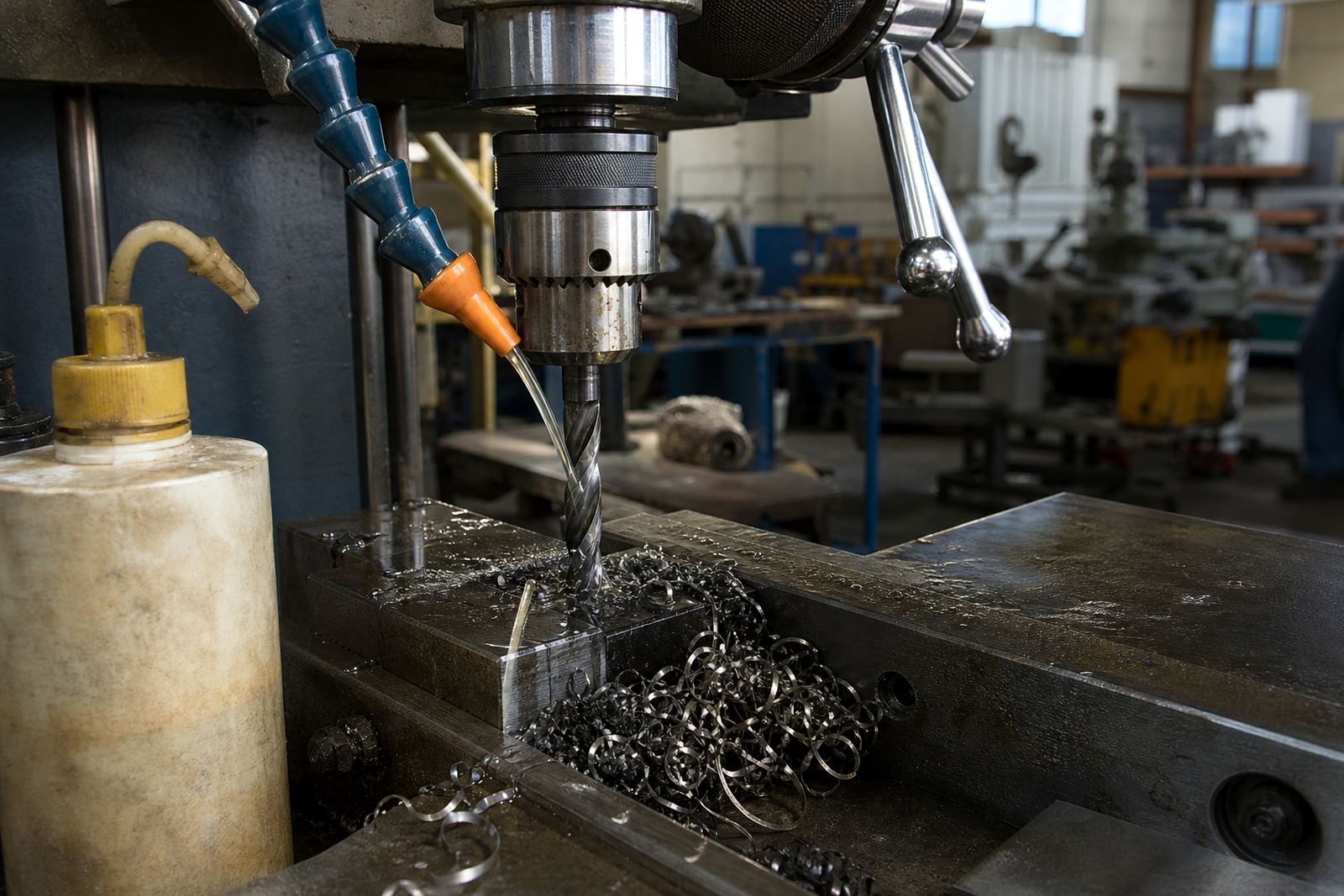
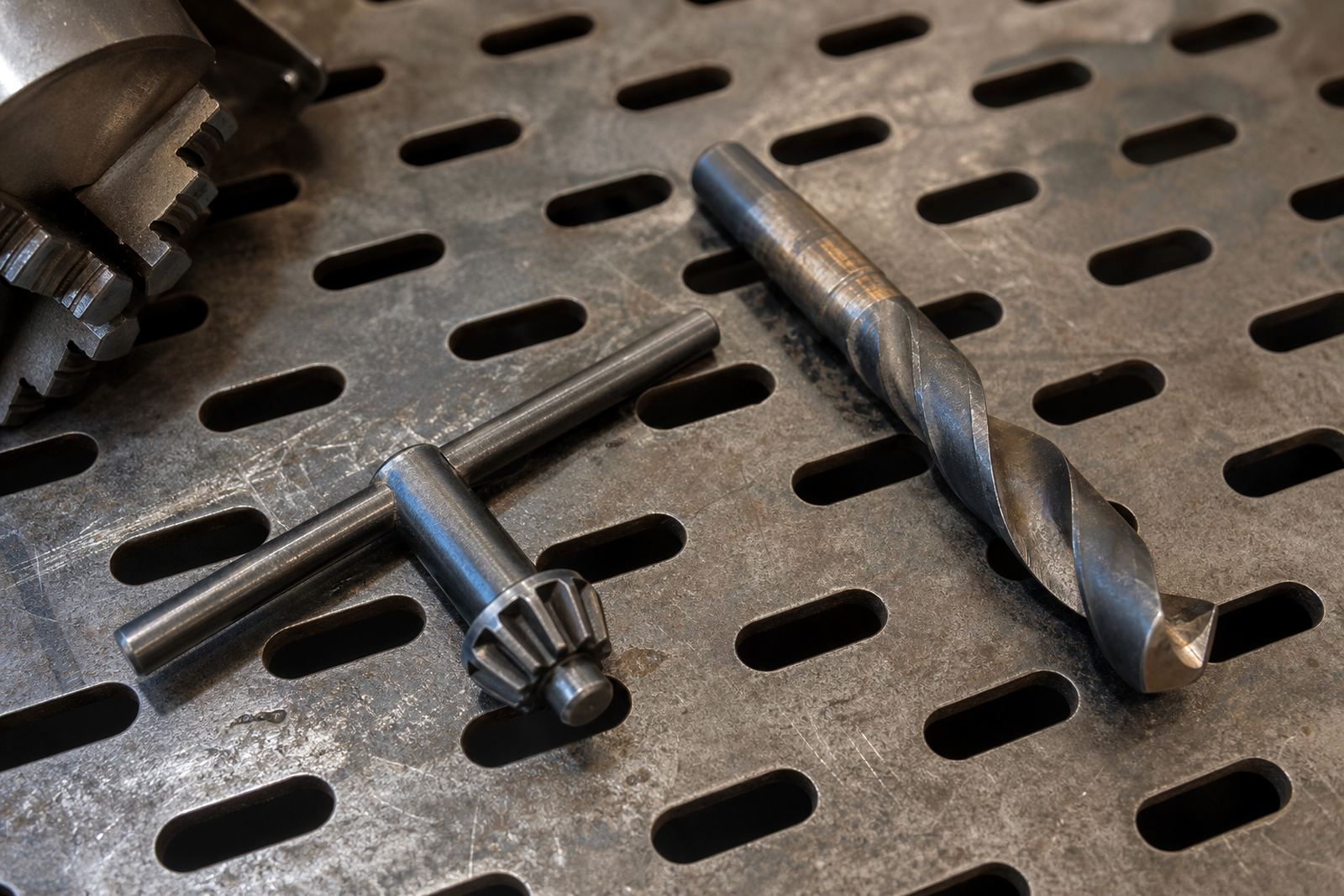
- Drills: point shape, centring and heat build-up
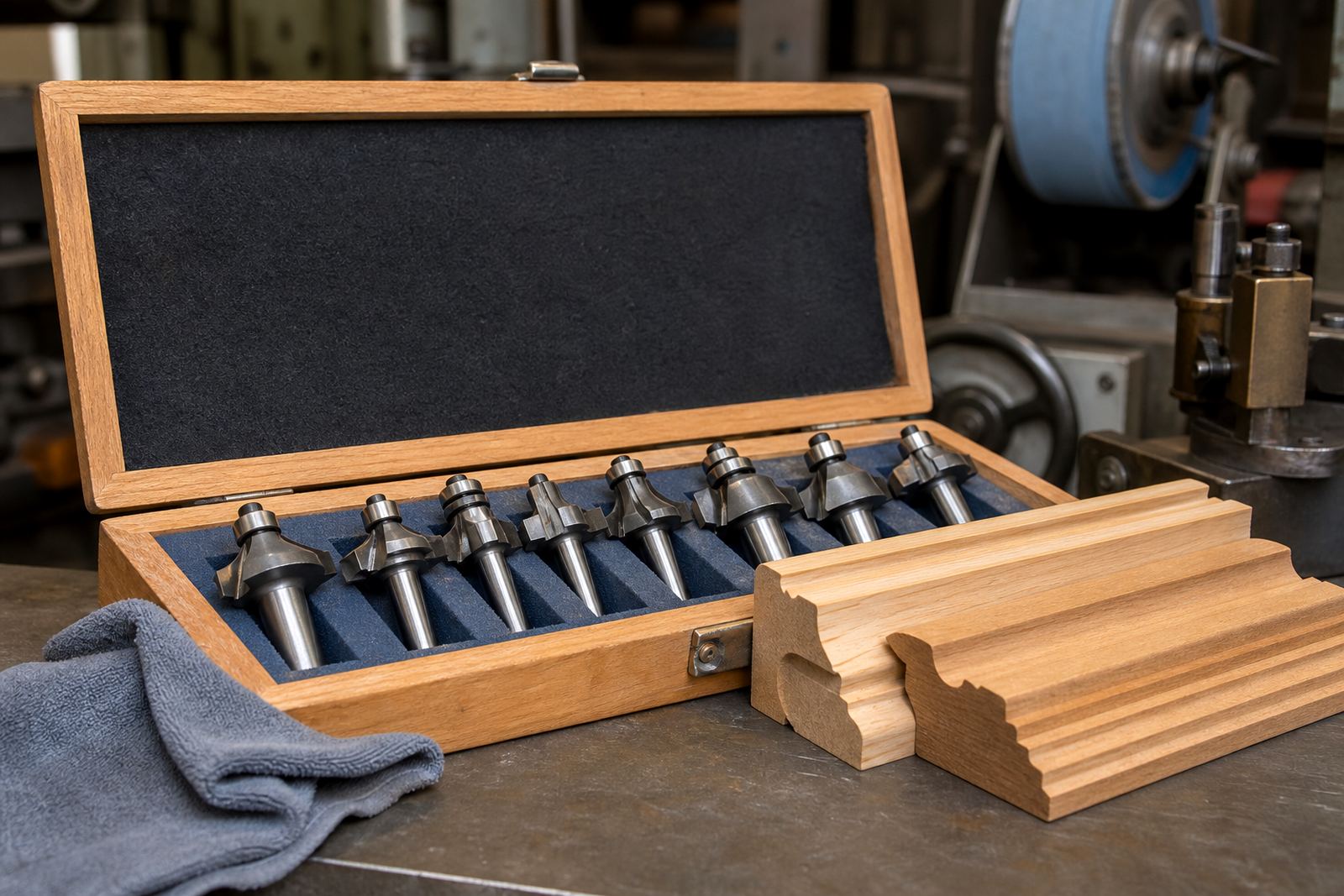
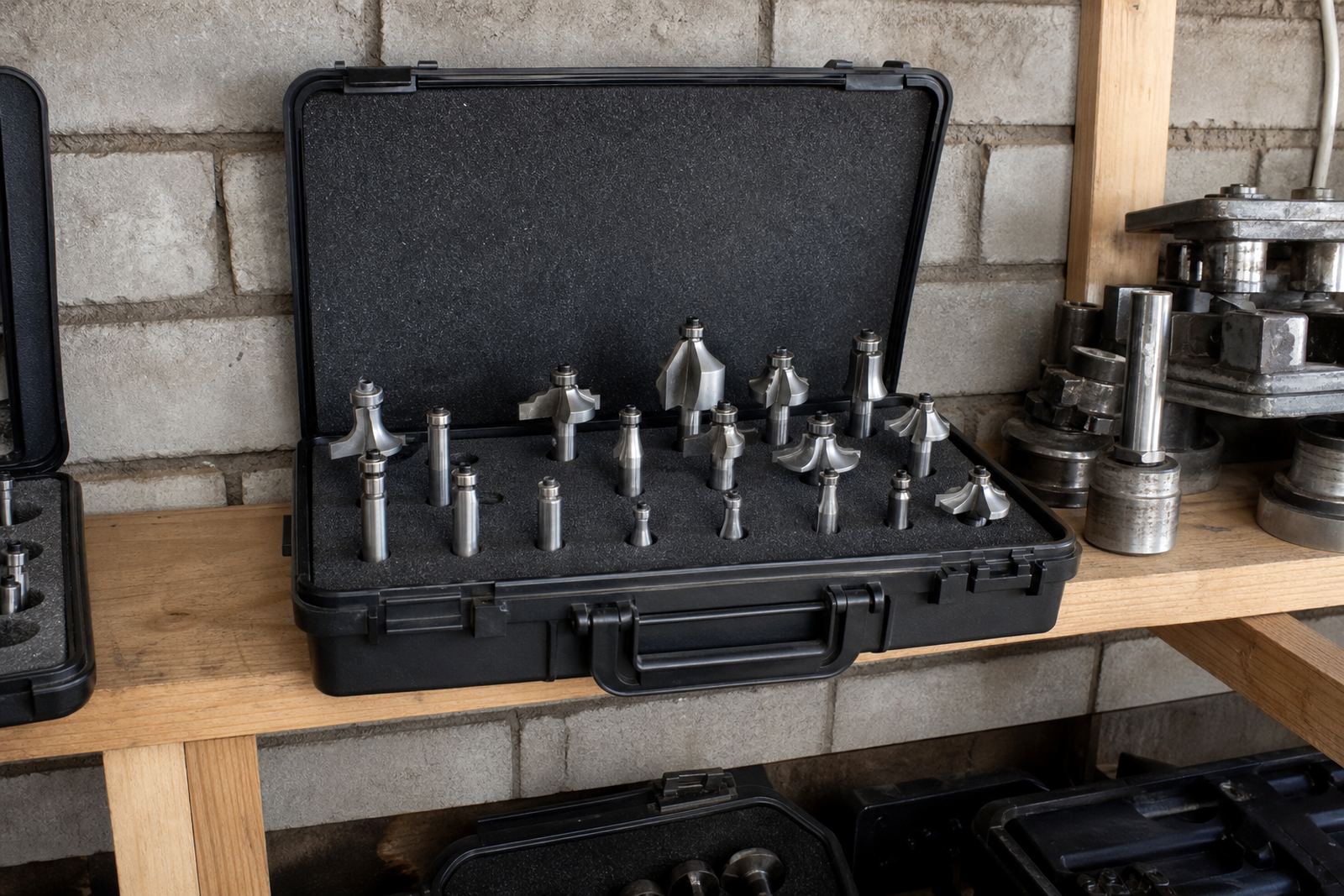
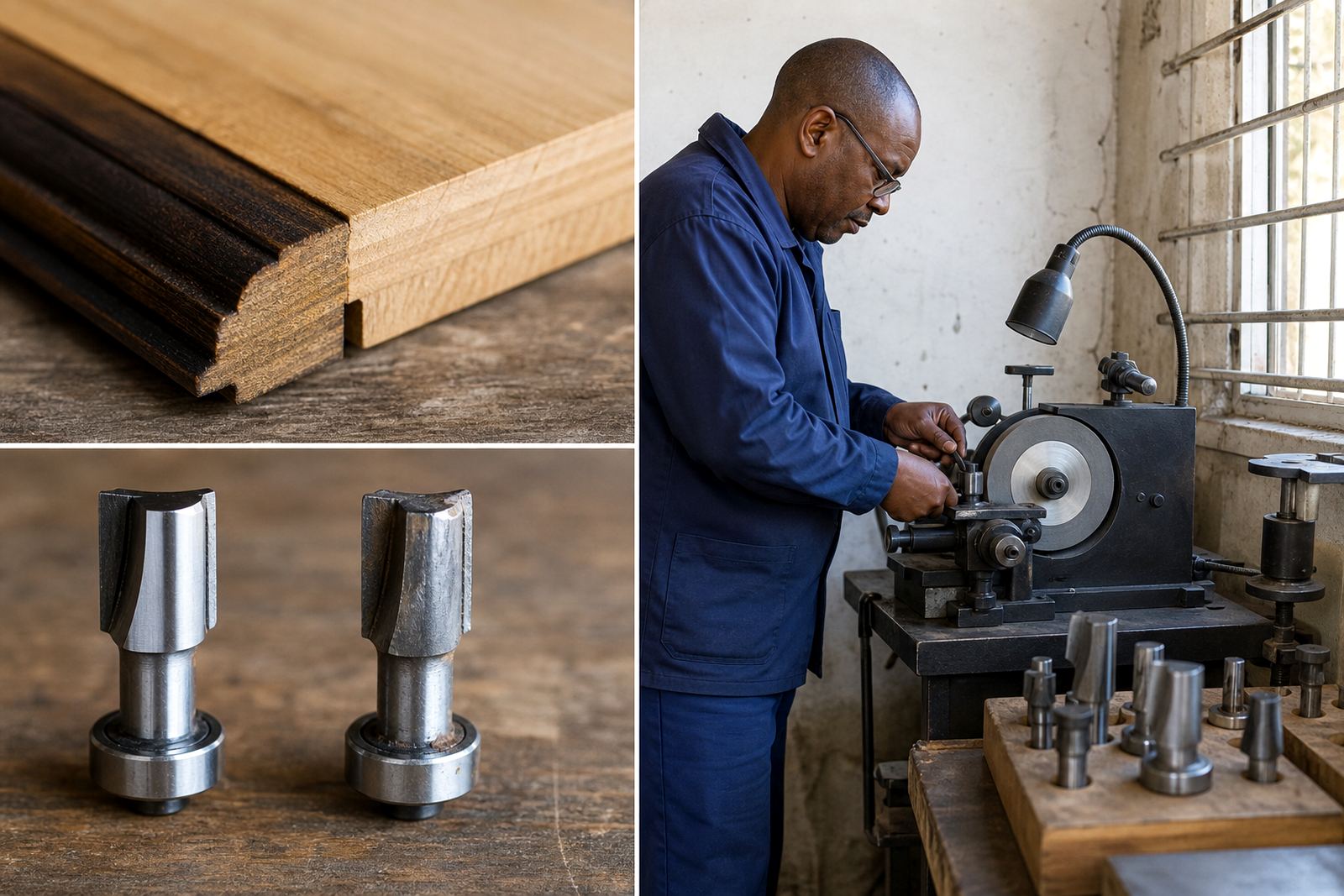
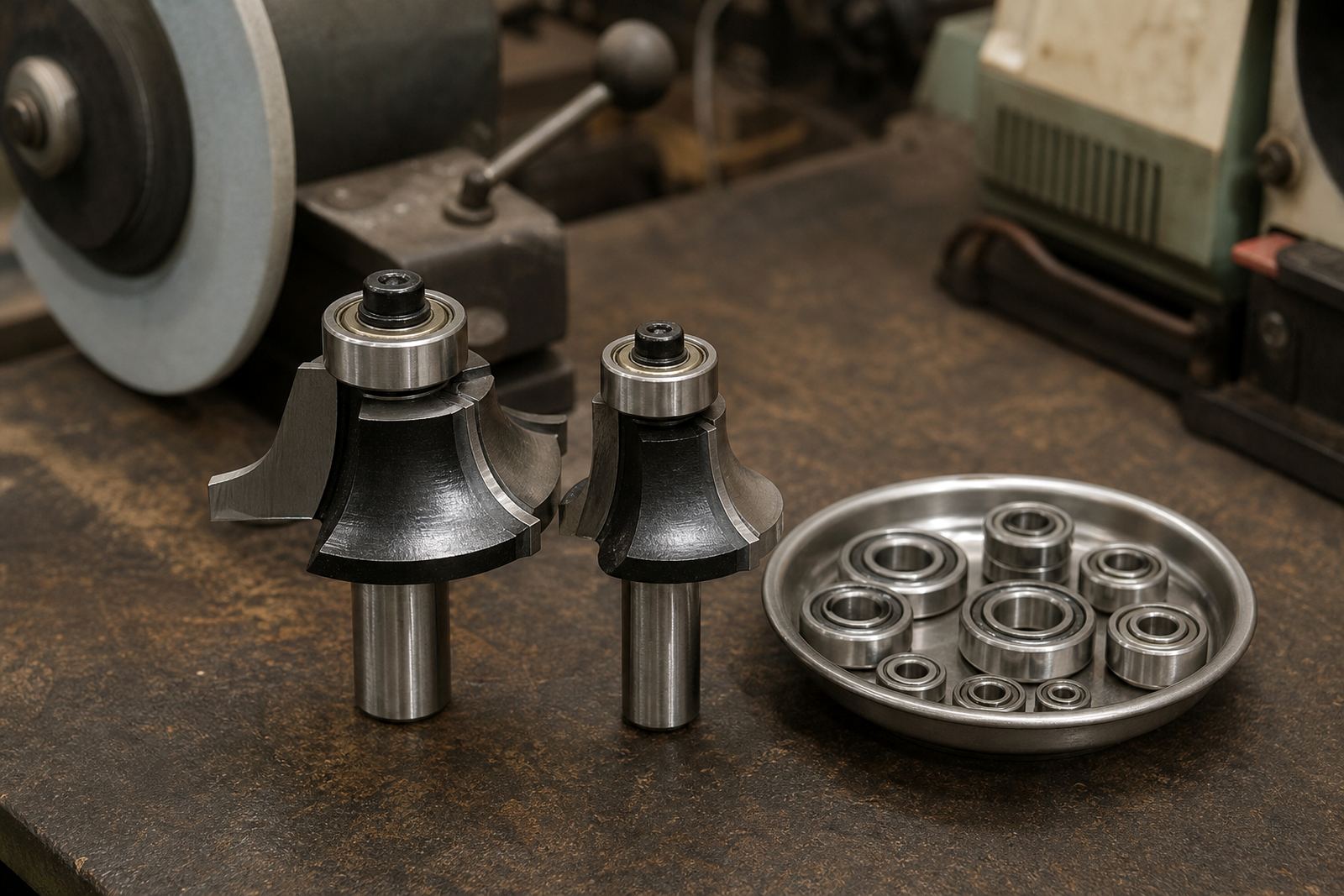
- Router bits: edge sharpness, balance and chip control
Signs Your Tool Needs Attention Before The Cut Goes Bad
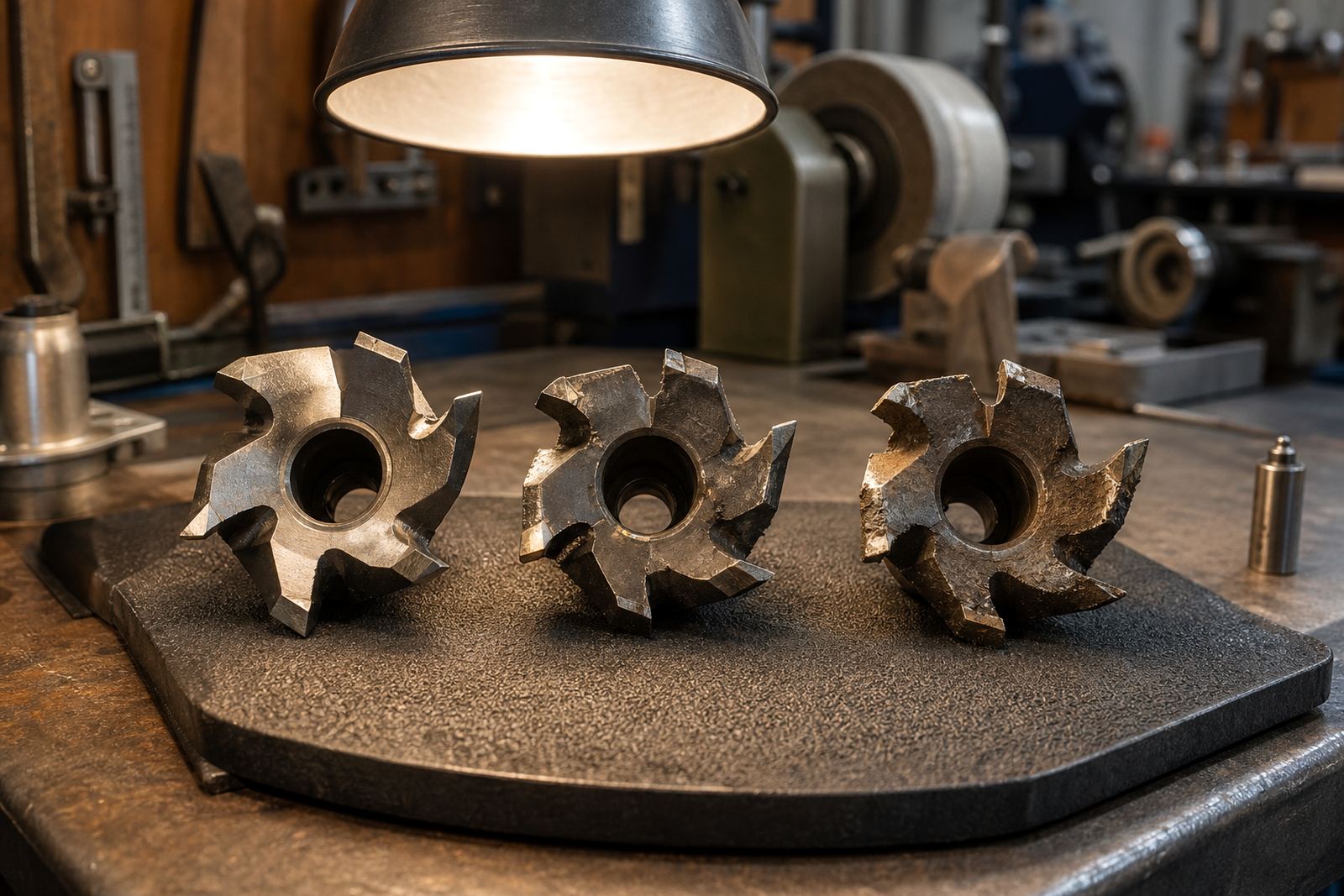
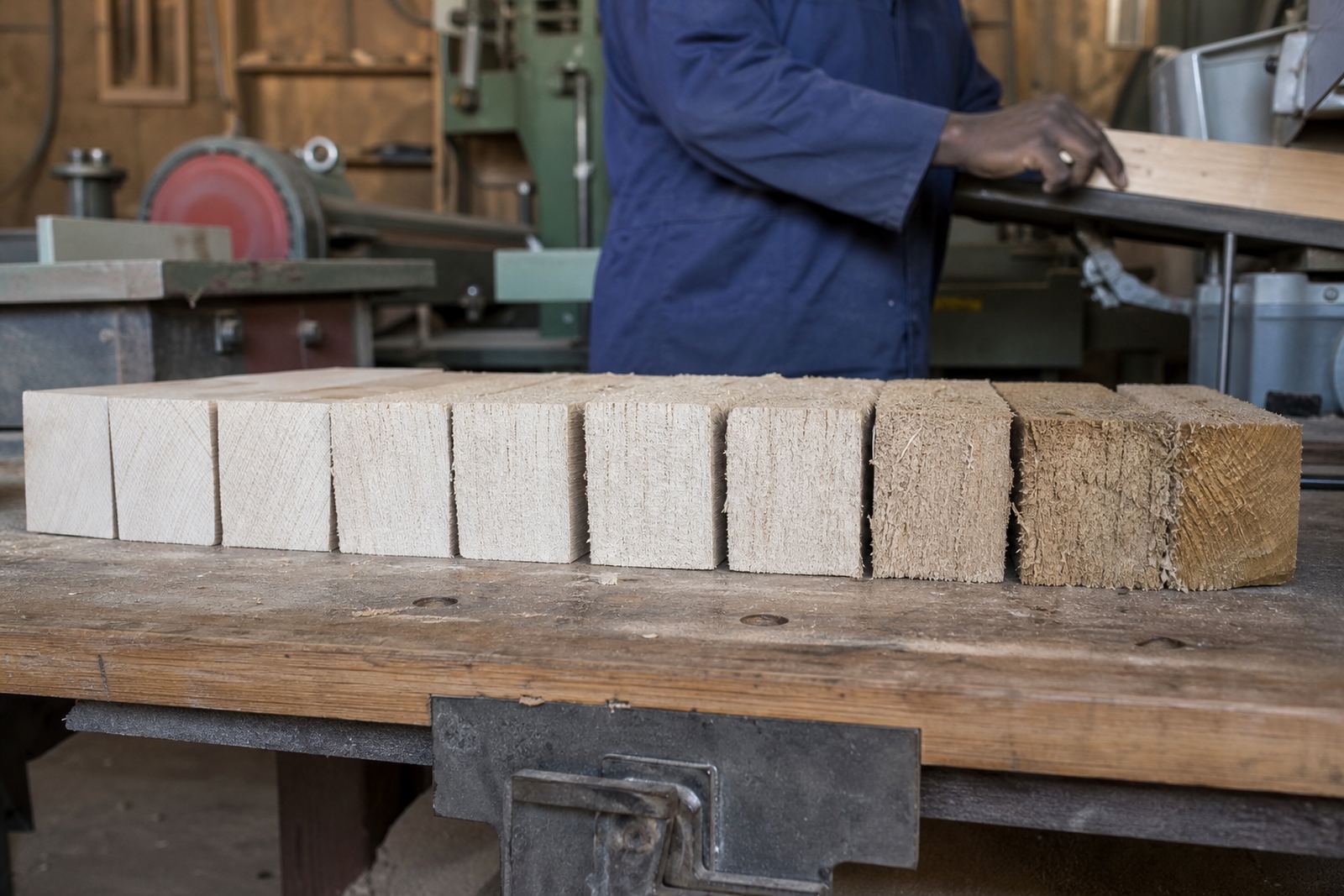
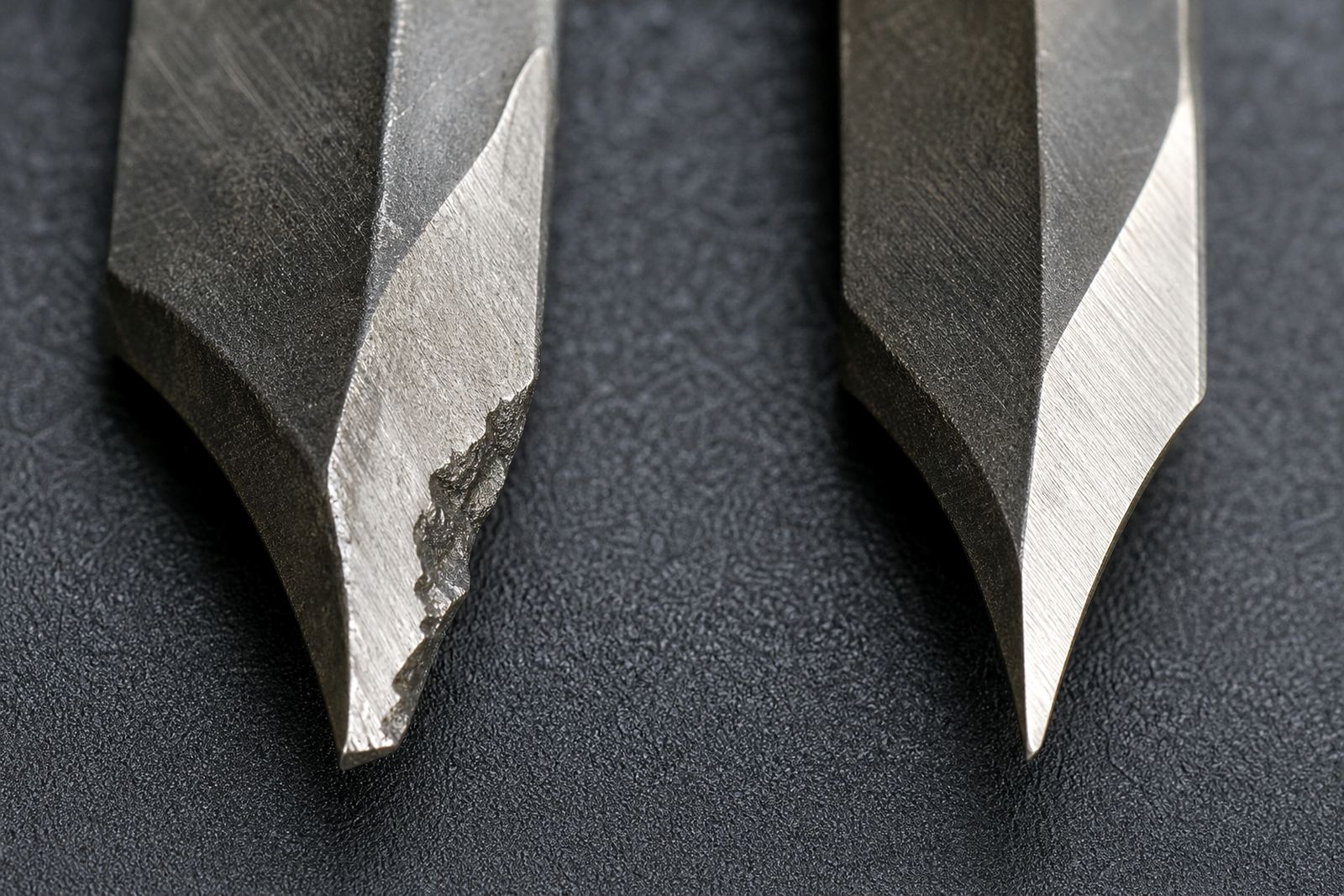
A tool rarely fails all at once. More often the first sign is a change in sound, a hotter cut or more pressure needed to get through the work. If a blade starts leaving scorch marks or a drill begins to wander, the edge may already be overdue.
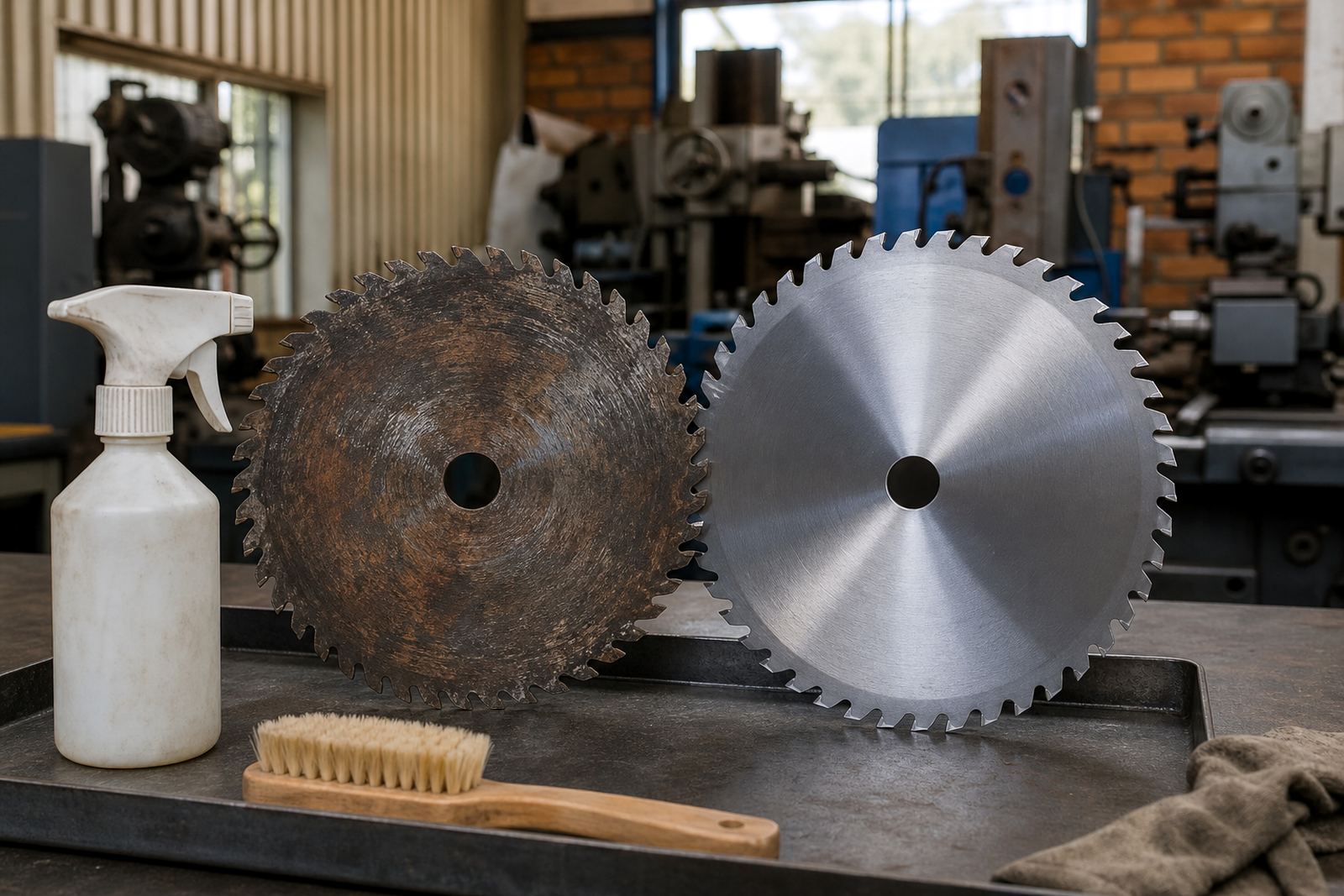
Coastal humidity around Durban and frequent power interruptions can make storage and timing matters as important as sharpening. Tools left in a damp box or used after long idle periods may show surface rust, dull spots or uneven wear faster than expected.
How We Group Topics In The Journal
Each article is grouped by job type so you can find the right guidance quickly. Some pieces focus on day to day maintenance, others on workshop habits that help tools last longer between services. A few explain the difference between a simple touch-up and a full regrind.
- Sharpening signs and service intervals
- Edge damage from heat, pitch and misuse
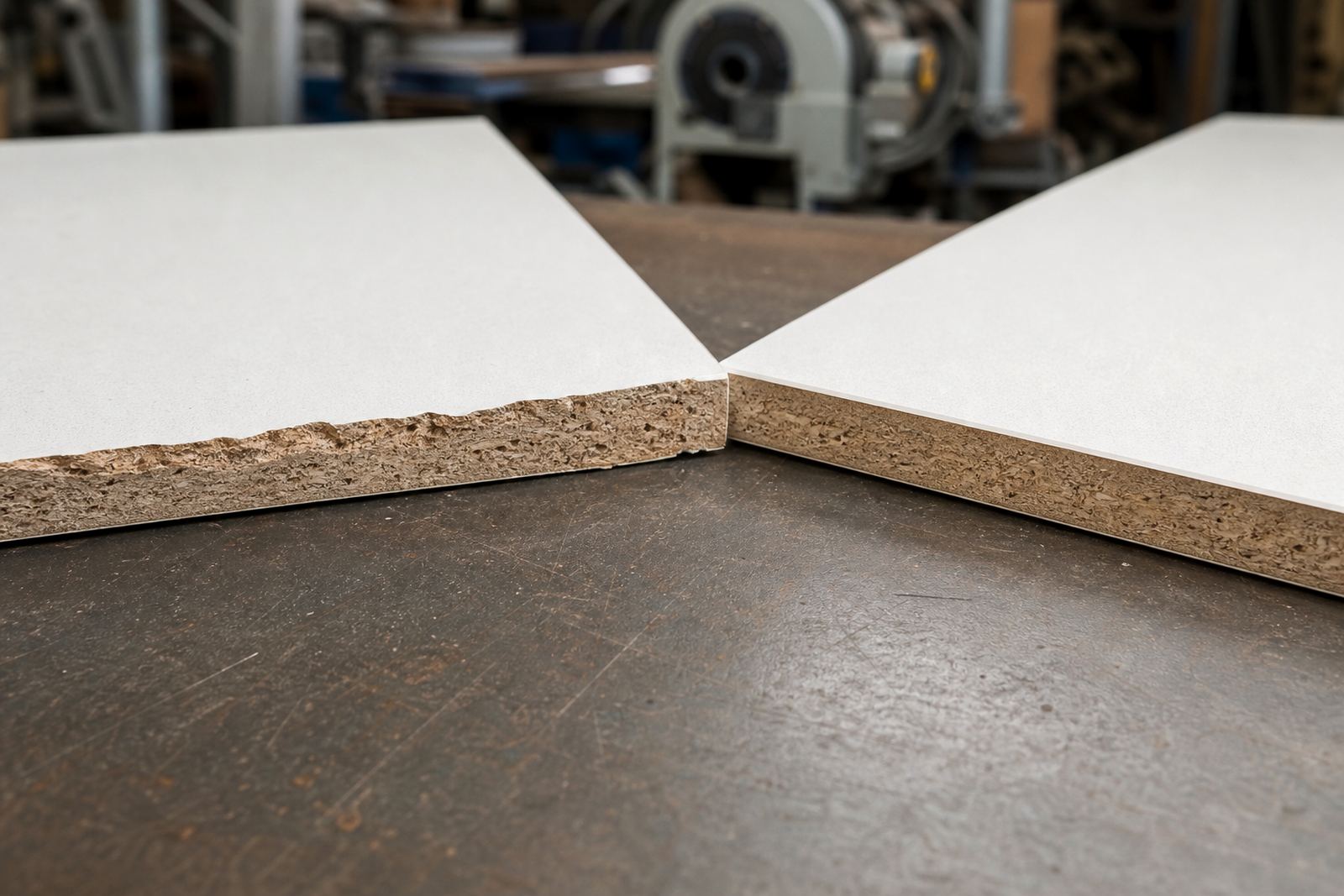
- Setup habits that improve cut finish
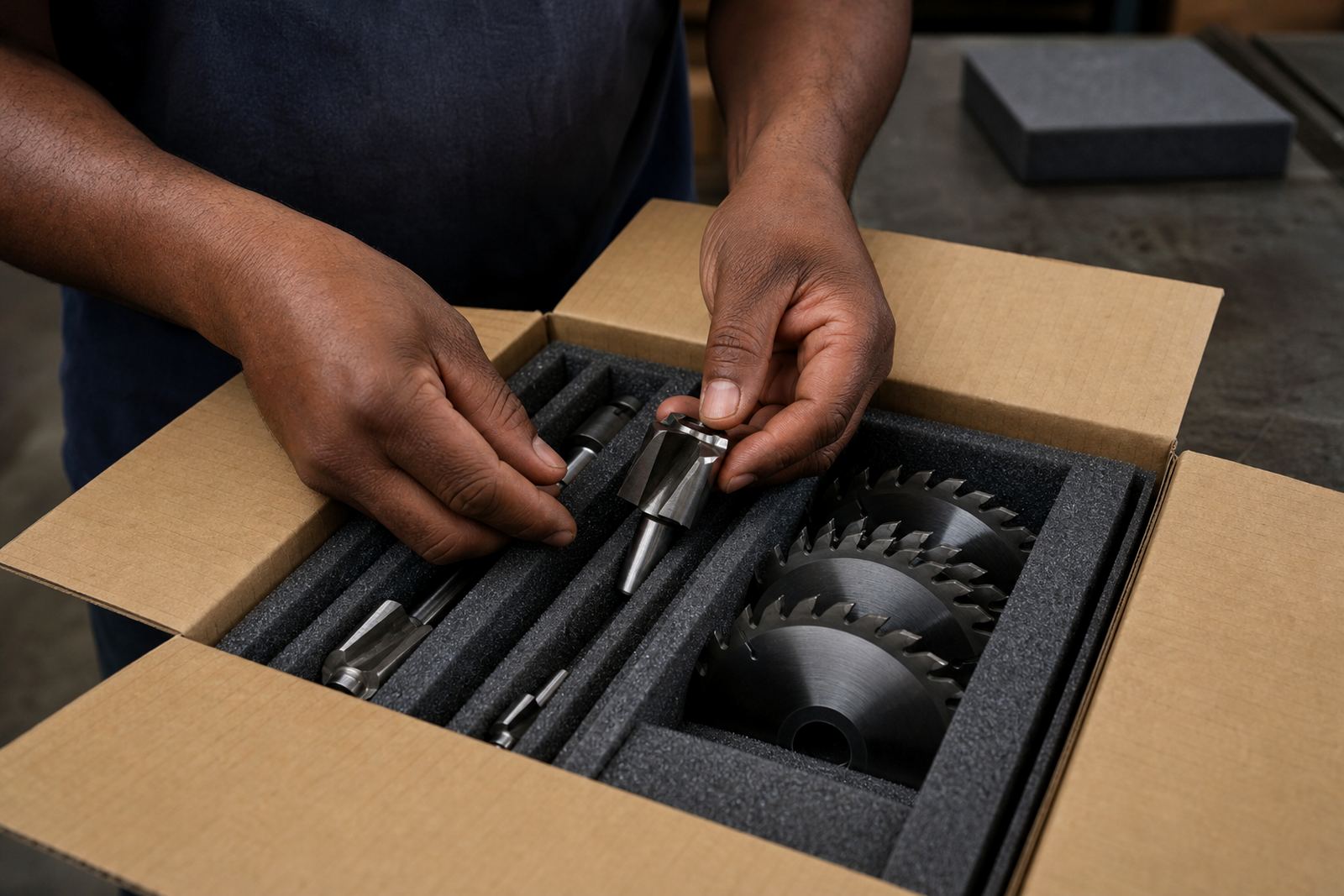
- Handling and storage in local workshop conditions
Choosing Between Sharpening And Regrinding
Not every worn tool needs the same treatment. A blade with light dulling may only need sharpening, while chipped teeth, angle errors or diameter changes can call for regrinding and correction. The journal helps you judge the difference before you send tools in.
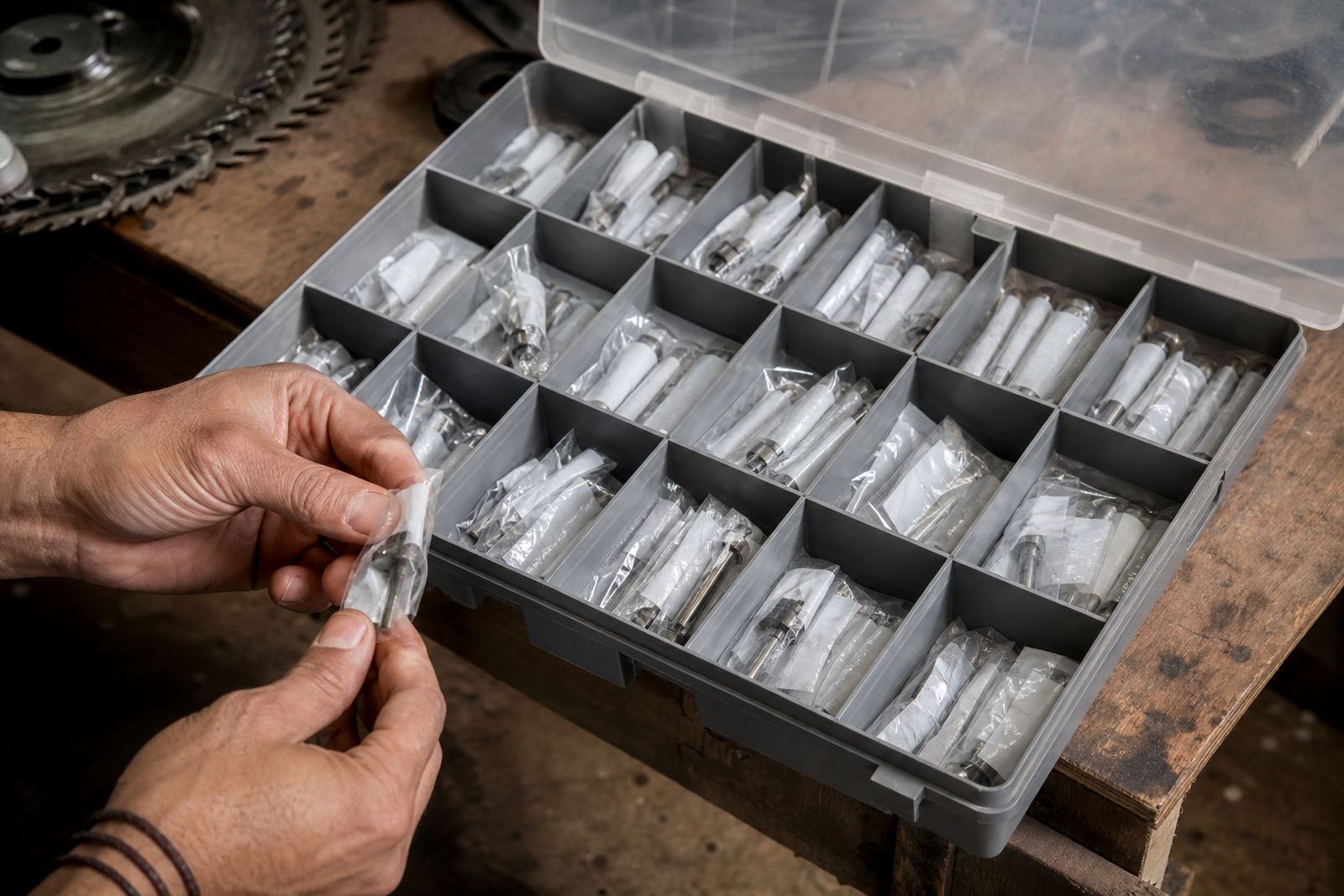
This saves time and helps avoid repeat work. It also keeps batch jobs organised, especially when a workshop is running mixed tools from contractors, builders or hobby users. A quick read can make the next collection much simpler.
Workshop Habits That Keep Edges Working Longer
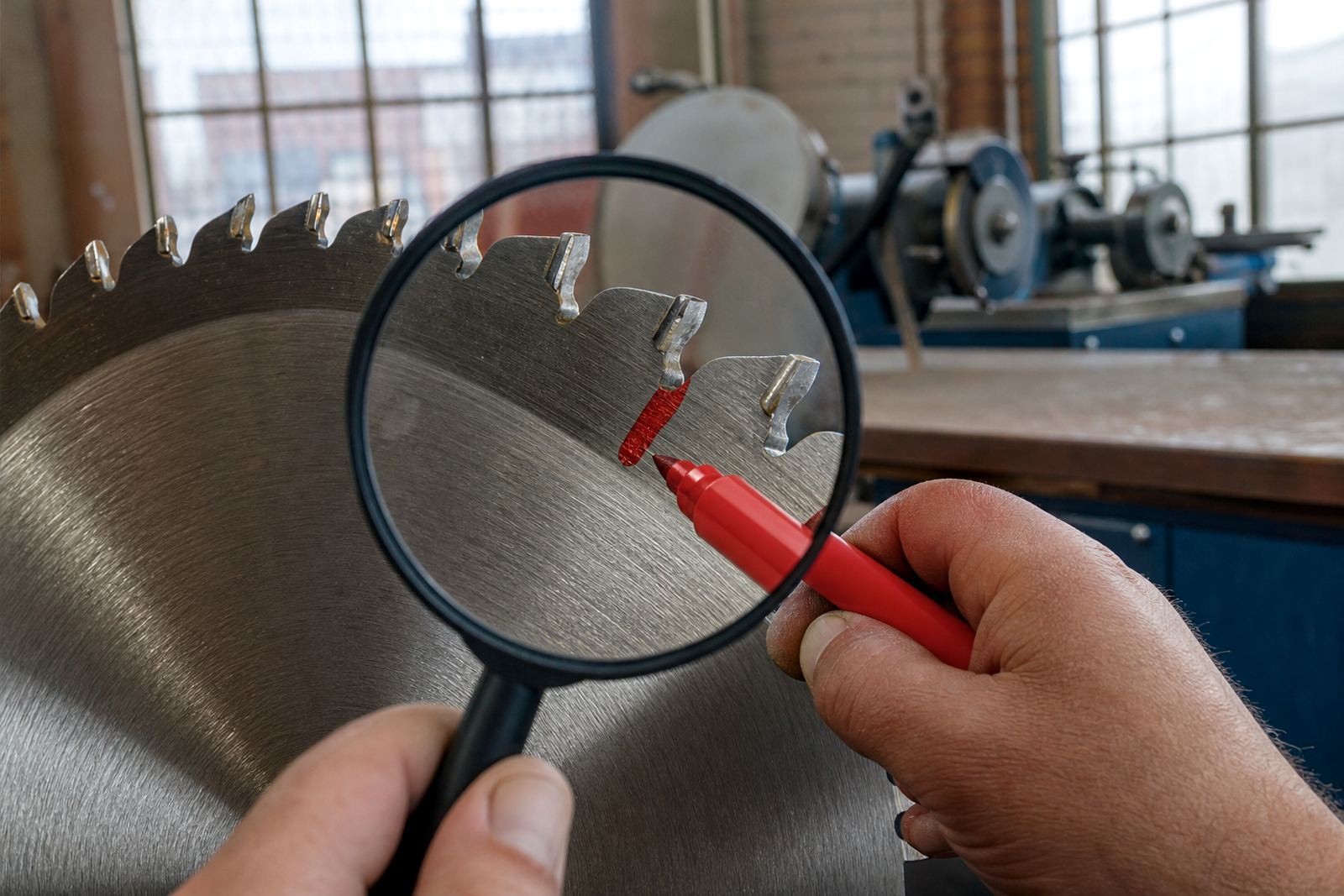
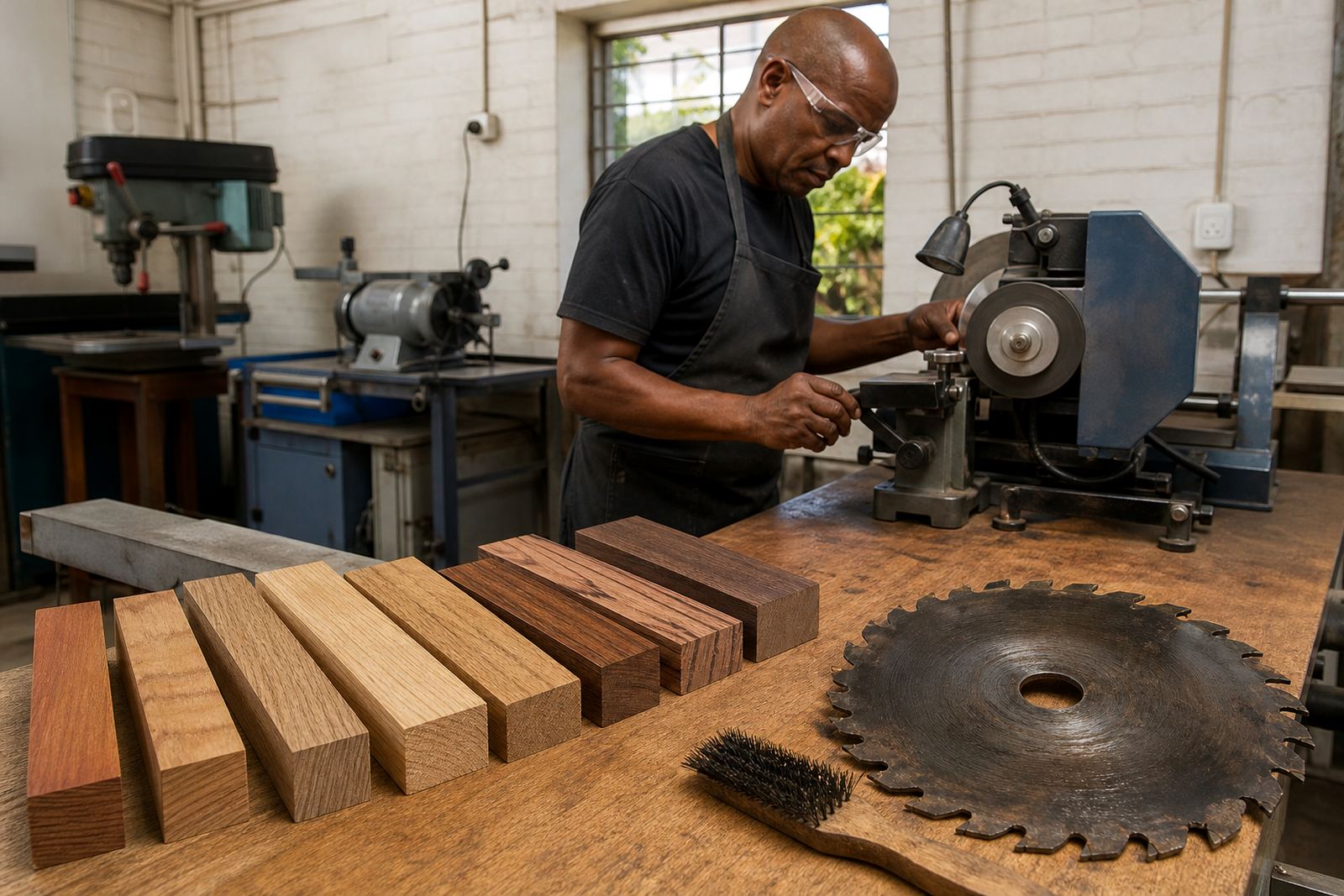
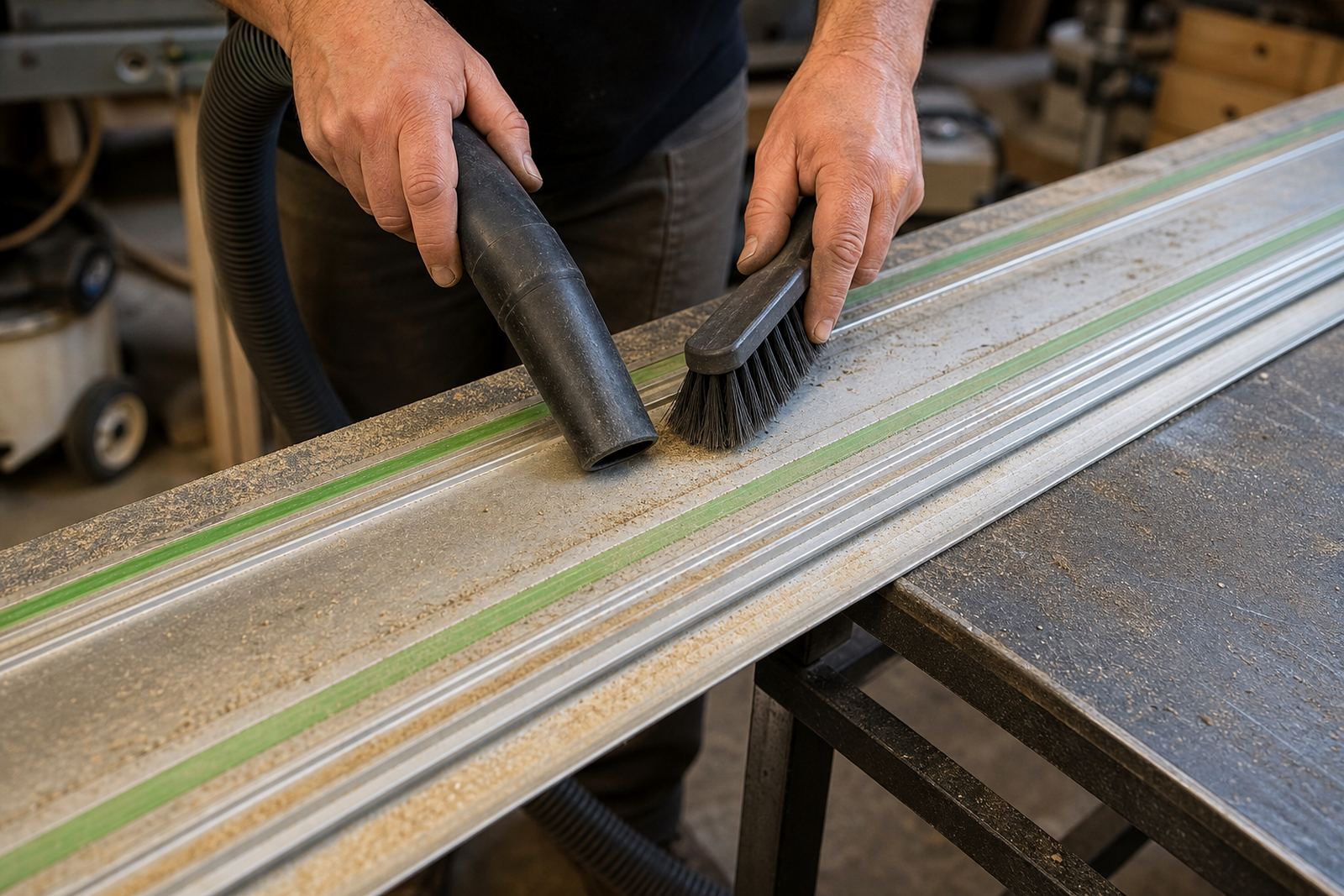
Good sharpening starts with how tools are handled between services. Clean tools cut cooler, store better and are easier to inspect. Keeping saws and router bits free of resin and dust also helps the technician spot chips, burn marks and impact damage.
- Wipe tools down after use and before storage
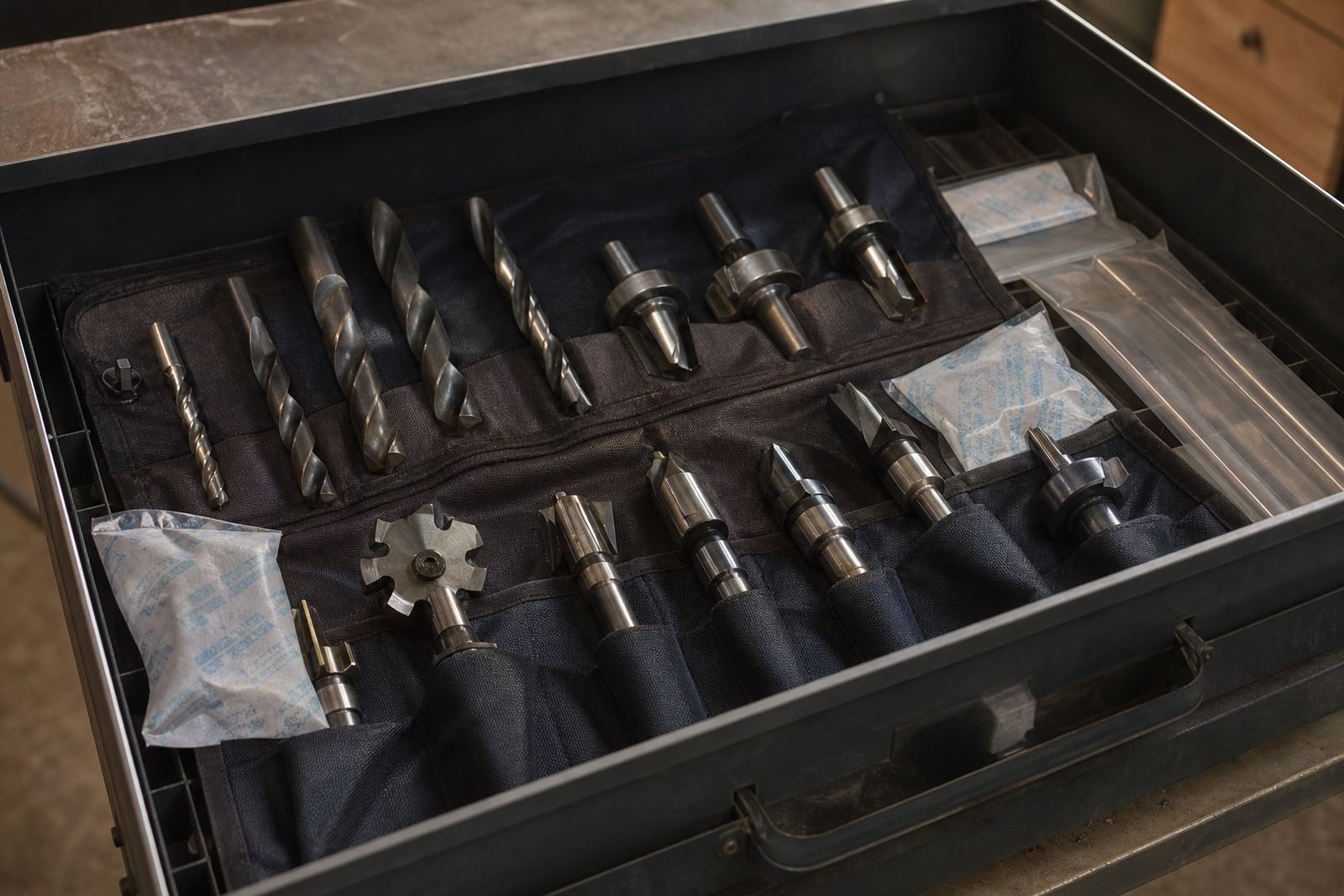
- Keep cutting edges separated from loose steel items
- Book service before the tool starts forcing the cut
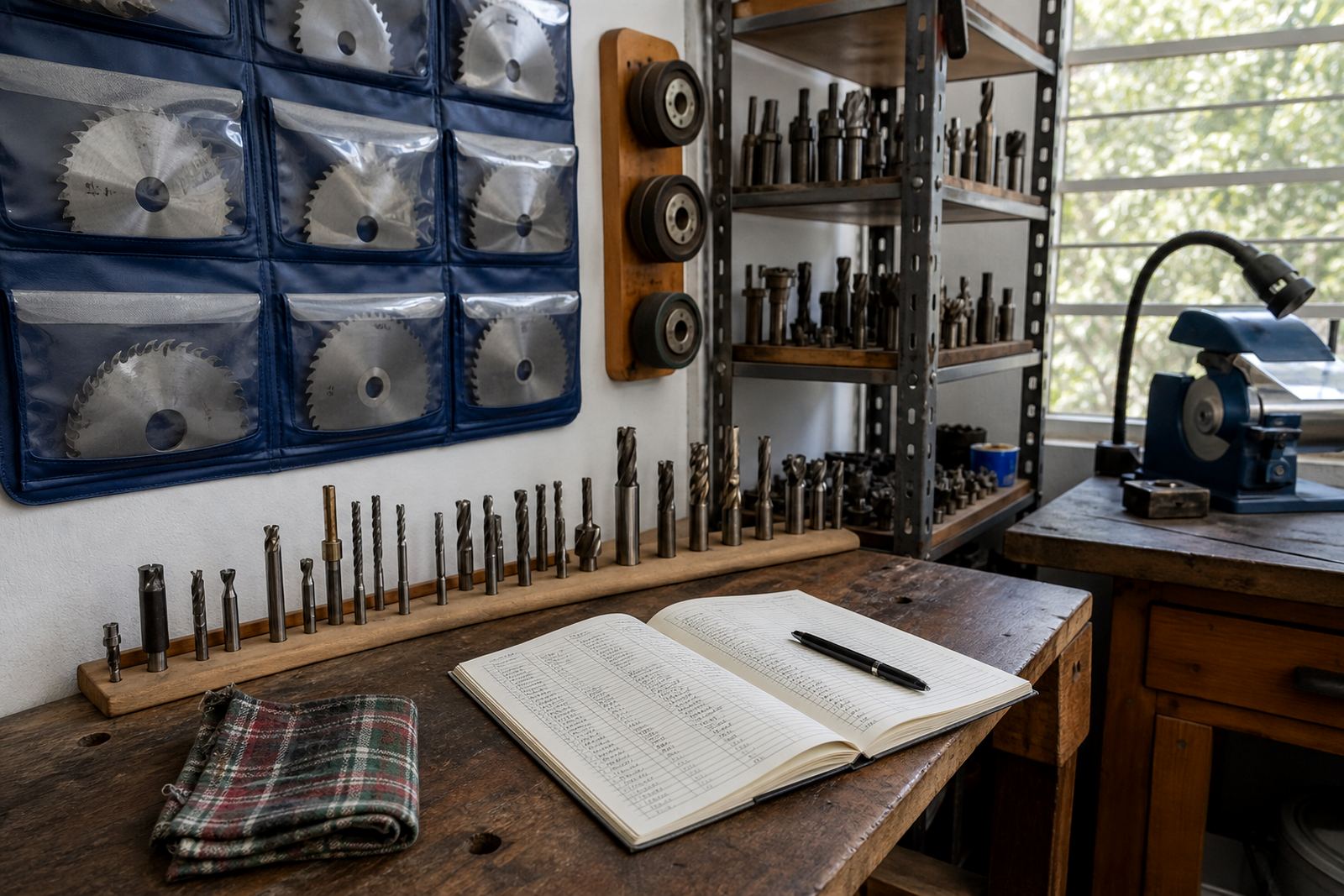
- Record rough usage in batches so patterns are easier to see
These habits are simple, but they make a real difference in busy shops where tools are moved around a lot and not always handled with care.
How The Journal Helps South African Workshops Plan Ahead
For customers in Pinetown, Durban, Pietermaritzburg, Johannesburg, Pretoria, Cape Town, Westville and Hillcrest, planning matters because tools may travel by courier and need to be grouped sensibly. The journal supports that planning by showing what to look for before booking a collection or sending a batch for service.
You will also find practical notes for schools, small manufacturers and home workshops that need reliable cutting performance without guesswork. It is a useful place to check before a job starts, especially when time is tight and the next shift is already lined up.