When a hobby tool starts costing you time
Most home woodworkers notice the change slowly. A saw that used to cut cleanly starts leaving scorch marks, a drill bit squeals instead of biting, or a router bit leaves a fuzzy edge that needs more finishing than the job should. In a small workshop, that extra cleanup can take more time than the cutting itself. If you are working in Pinetown, Durban or even from a garage in Pretoria, the same rule applies: the tool must cut straight, clean and with steady pressure.
Professional sharpening becomes worth it when the tool is still worth saving, but no longer gives a clean result after a basic clean and light touch-up. If you find yourself forcing the cut, pushing harder, or reaching for the sander after every pass, the edge is probably not doing its job. A proper regrind can bring back the original shape and angle, which is not something a quick home hone can always do.
Signs that a saw blade needs more than a quick clean
Saw blades are often the first tools hobby users send for sharpening because they show wear in clear ways. Dust buildup from MDF, pine resin and coastal moisture can make a blade feel blunt sooner, but the real warning signs are in the cut quality. If the blade wanders, burns the timber or chips the edge, the teeth may need sharpening or correction. In some cases, a chipped section or uneven set means the blade needs proper diameter correction or tooth face grinding, not just a touch-up.
- Burn marks on the timber even with the correct feed rate
- More vibration than usual through the saw
- Ragged edges on melamine, plywood or hardwood
- Extra effort needed to push the material through
- Teeth that look uneven or damaged under light
If the blade has been stored through a humid summer in KwaZulu-Natal, rust and resin can hide the real wear. That is why a clean blade is not always a sharp blade. A technician can check balance, angle resetting and burn mark removal at the same time, which helps extend the life of the tool without guesswork.
Drills and router bits: small tools, big difference
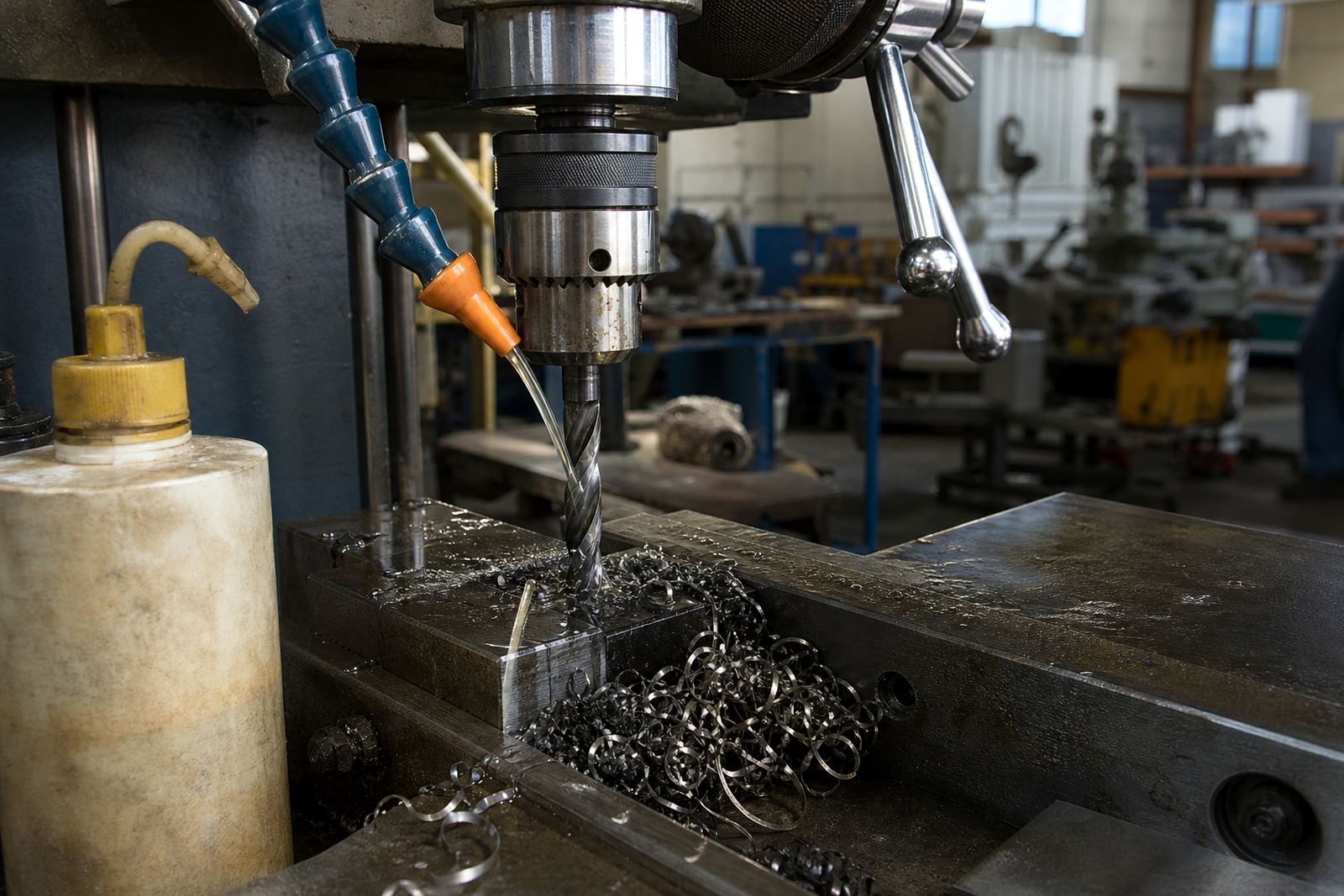
Home users often wait too long before sending drills and router bits for sharpening because the wear feels less obvious. A drill bit may still spin, but if it overheats, wanders off centre or leaves ragged holes, it is already working harder than it should. Router bits can be similar. When the edge is dull, the cutter may chatter, leave a rough profile or put too much strain on the motor. That matters if you are using a small workshop machine on a 15 amp circuit or during load-shedding with backup power, where every watt counts.
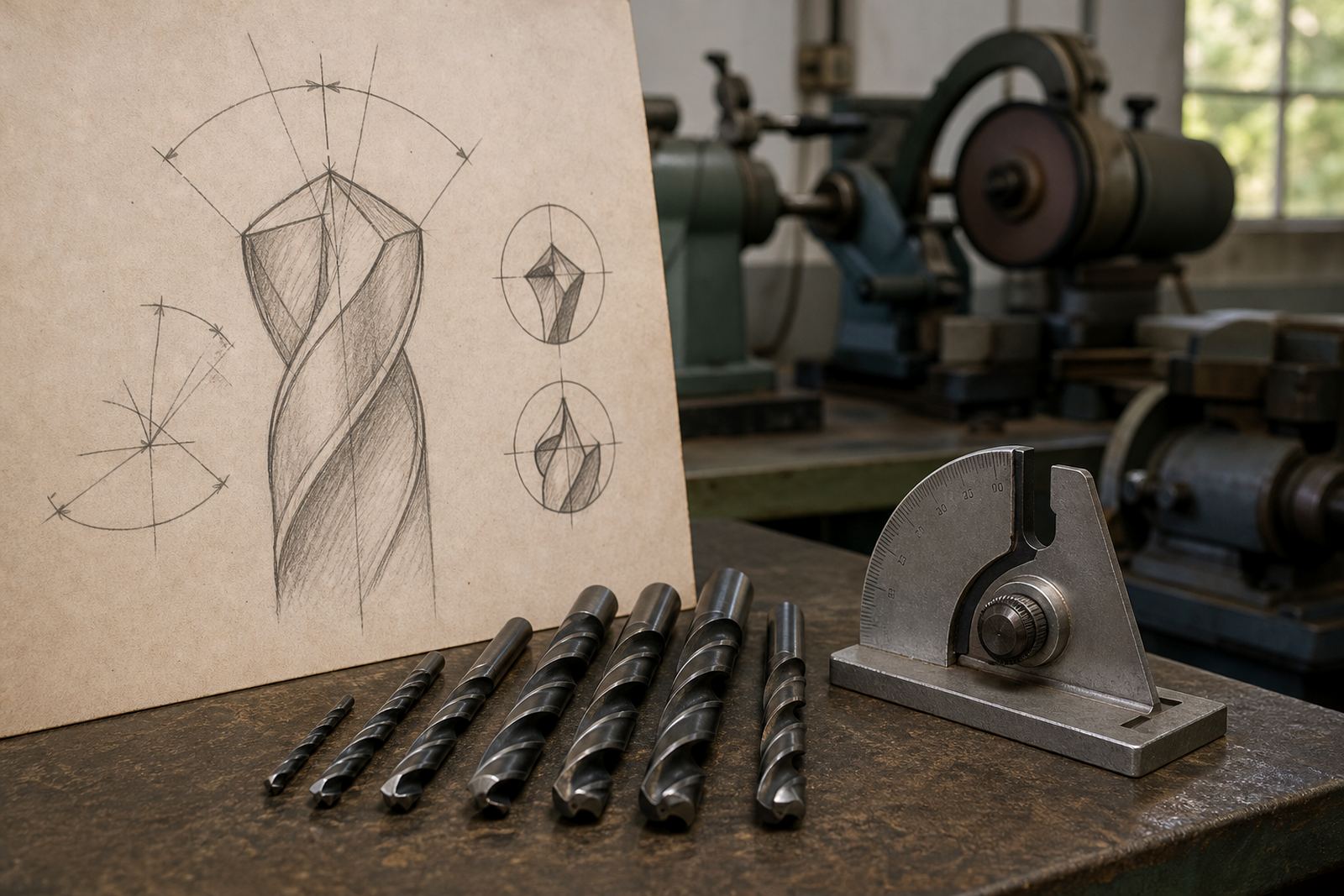
Professional sharpening is worth it when the cutter is still structurally sound and the profile must stay accurate. That includes angle resetting, top grinding and chipped edge recovery. A hobbyist can try a light touch-up, but once the cutting face is uneven, a proper grind usually gives better results and less frustration. The difference is especially clear on hardwood, laminated board and repeat cuts where consistency matters.
A simple home test before you book collection
Before you send tools away, do a quick check at the bench. Clean off pitch, resin and dust, then inspect the cutting edge under good light. If the problem disappears after cleaning, you may only need better maintenance. If not, the edge is likely worn enough to justify sharpening. Many hobby users in Westville or Hillcrest can save time by checking whether the issue is in the tool or in the setup, like a bent fence, loose arbor or blunt feed technique.
- Clean the tool and test it on offcuts first
- Look for chips, rounded points or uneven teeth
- Check whether the same fault appears on a second cut
- Listen for squeal, chatter or a change in pitch
- Compare the finish against a fresh or recently sharpened tool
If the cut improves only for a short time, the edge is not holding. That is usually the point where professional work makes more sense than more tinkering.
What proper sharpening adds for the home workshop
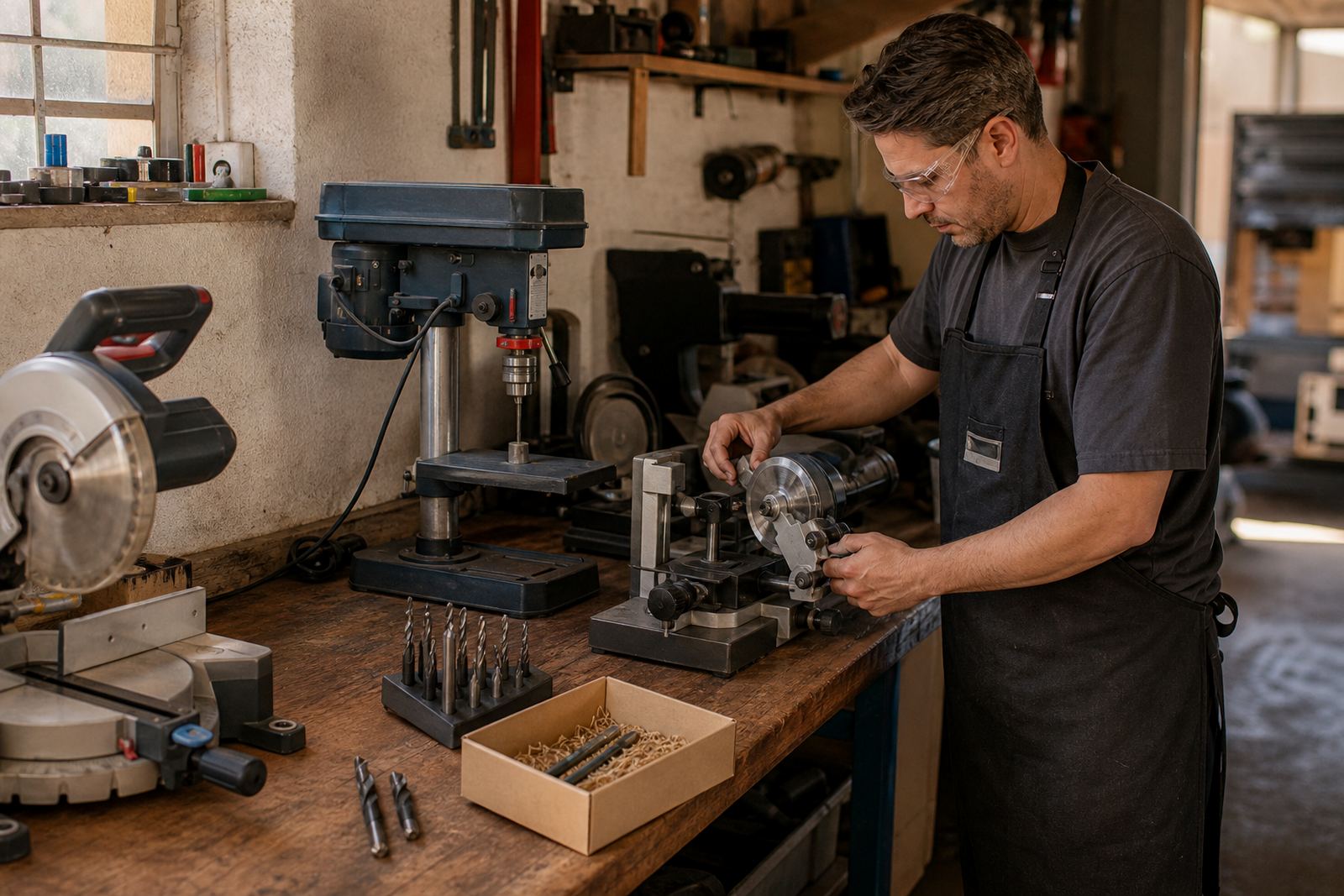
Good sharpening is not only about making a tool feel sharp again. It also helps the tool cut at the right angle, stay balanced and last longer between services. For hobby users who only work on weekends, that matters because a tool may sit unused for weeks between jobs. If it is regrinded correctly, it starts strong when you need it and keeps the motor under less strain. That can be the difference between a pleasant project and a drawn-out one.
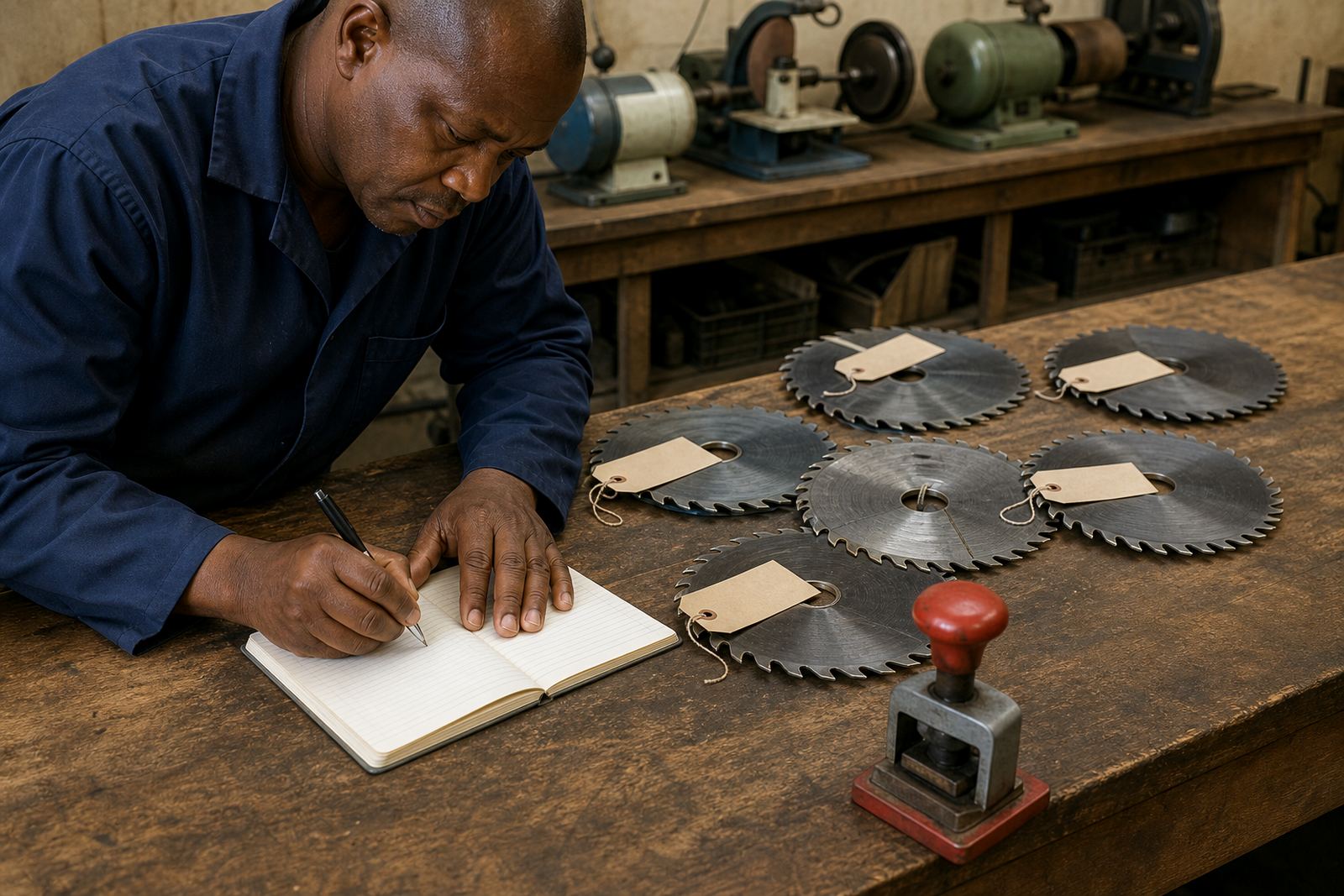
Services such as balance checking, batch tool tagging and diameter correction are useful when you run several blades or bits in a small home workshop. You can mark a set for different materials, keep track of what has already been serviced, and avoid mixing a roughing blade with a fine-finish blade. It is practical stuff, but it saves mistakes. For many hobby users, that is where professional sharpening pays for itself.
Local collection makes sense for hobby users with limited time
Not everyone has the time to drive across town with a box of blades and bits. That is why courier collection is useful for home workshops in Durban, Pietermaritzburg, Johannesburg, Pretoria and Cape Town, as well as nearby areas like Pinetown, Westville and Hillcrest. You can group a few tools together, book collection through the enquiry form on the contact page, and send them in one batch instead of making a special trip. For hobby users, that is often easier than trying to fit a service run into a busy week.
It also helps when weather and storage conditions are not ideal. Coastal humidity, garage dust and winter damp can affect cutting edges faster than people expect. A properly sharpened set returned from the workshop gives you a clean starting point for the next project, whether you are building a shelf, fixing a gate or cutting timber for a home braai area. The key is to use sharpening before the tool becomes too damaged, not after it has been run flat.