Why a Sharpening Log Matters in a Busy Workshop
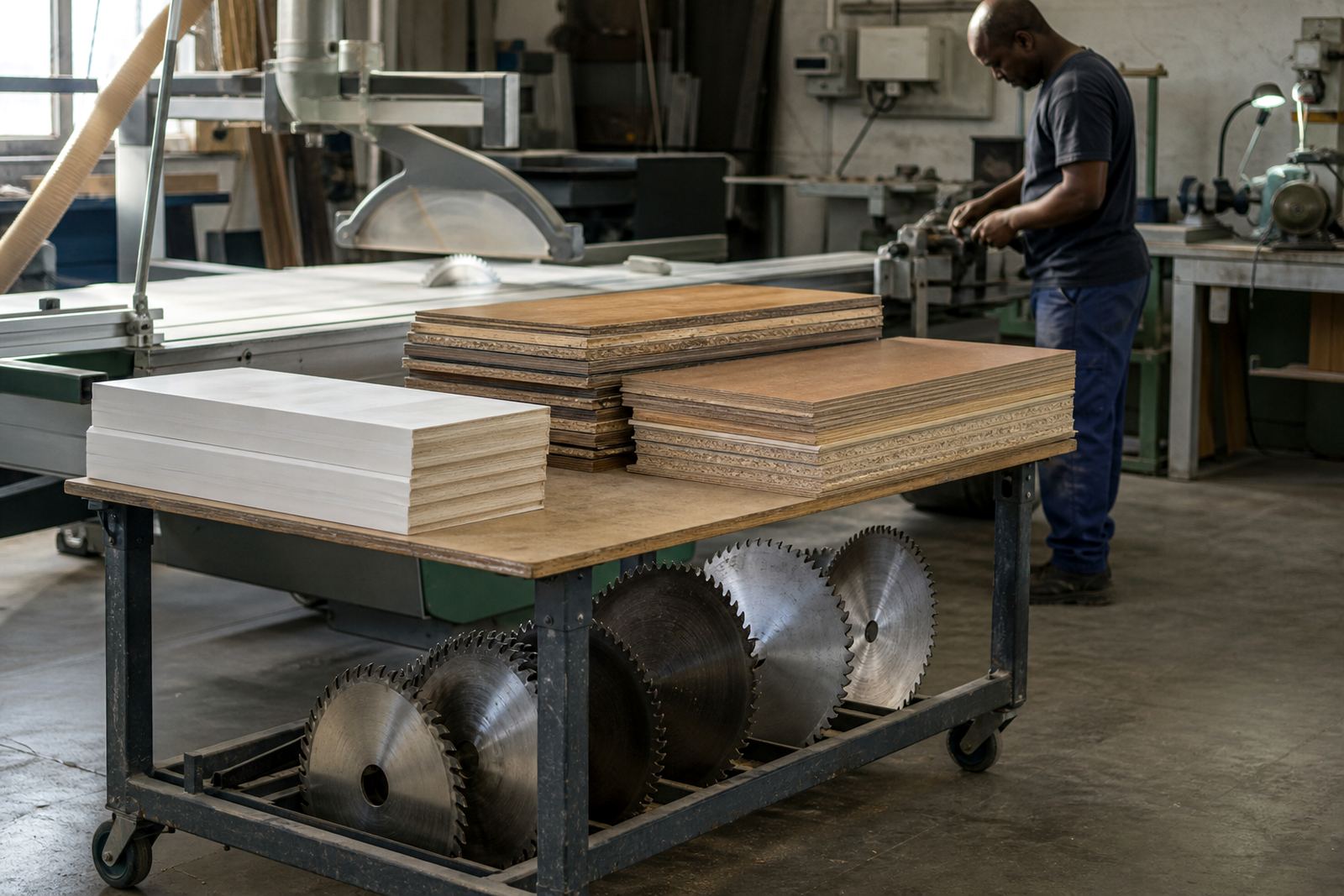
A tool that cuts cleanly on Monday can start burning, wandering or tearing by Friday if it is running hard material, dusty timber or repeated production batches. When those tools are not tracked, the workshop only sees the problem after cut quality drops and the job has already slowed down.
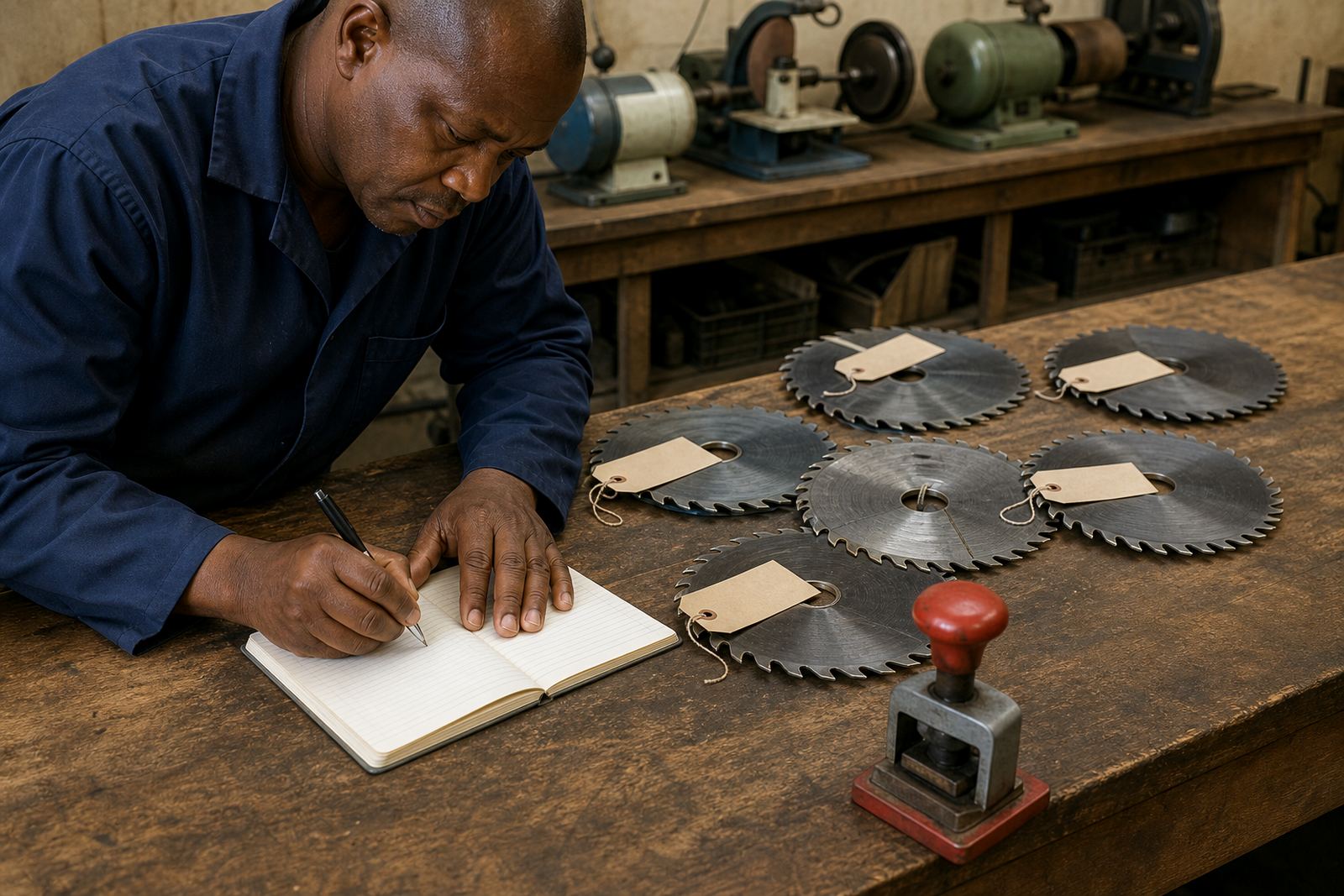
A sharpening log gives you a simple record of how many times each item has been reworked, what damage was found, and how long it stayed in service between visits. That information is useful whether you are running a small joinery setup in Pinetown or managing a larger production line in Durban or Johannesburg.
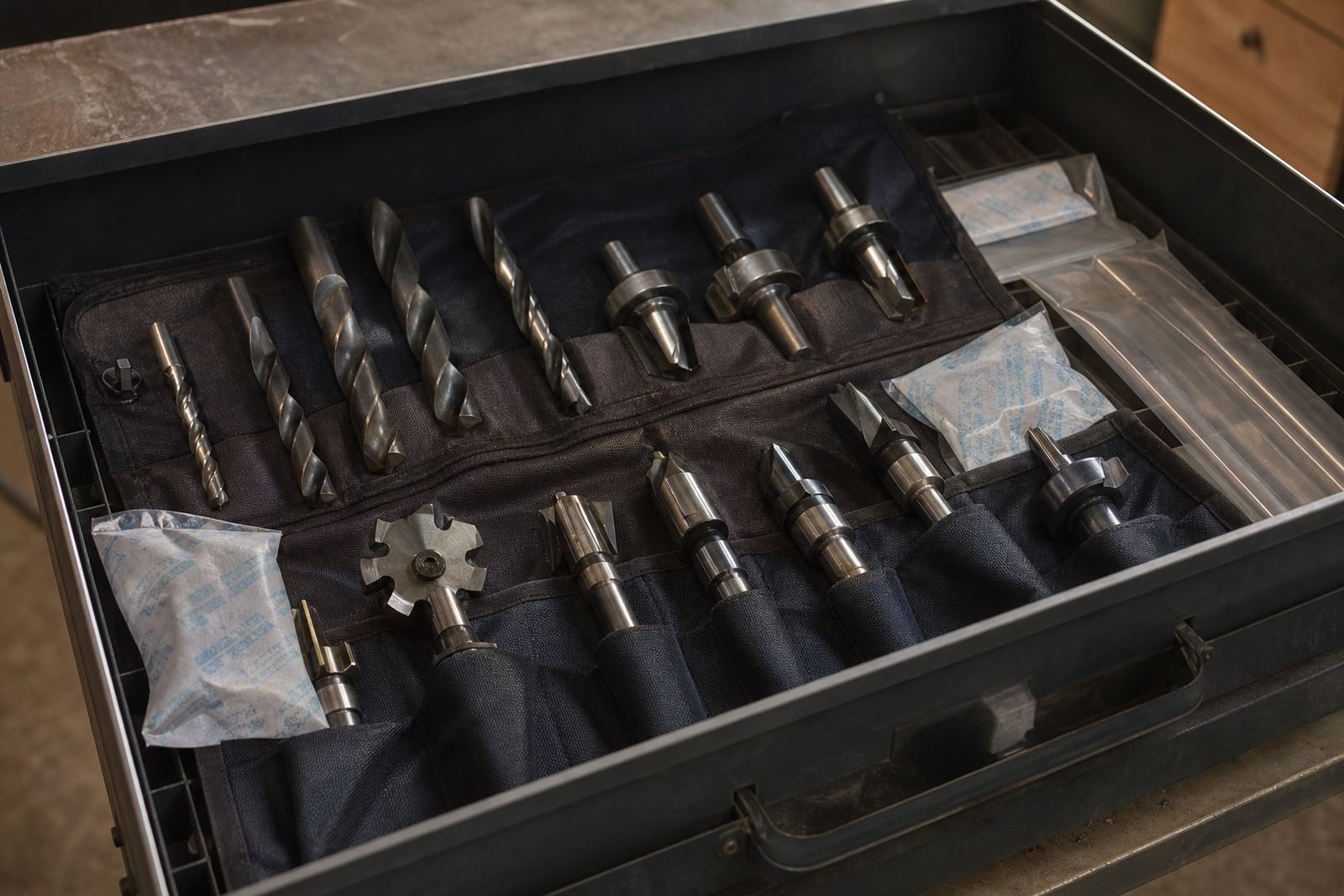
What to Record for Each Saw Blade, Drill and Router Bit
You do not need a complicated system. A clear tag, a handwritten register or a spreadsheet can do the job if it captures the same details every time. The point is to see patterns, not create paperwork for its own sake.
- Tool type and size, for example saw blade diameter or router bit profile
- Date first used, then each sharpening or regrindng date
- Reason for service such as burn marks, chipped edges or poor balance
- Machine or job where the tool is used most often
- Any corrections carried out, including angle resetting or diameter correction
- Who tagged or booked the tool in
How Tracking Cuts Waste and Protects Budget
Without records, workshops often sharpen too late and lose more steel than they should. A blade that has been overworked may need extra material removed to correct tooth face damage or restore balance, which shortens its usable life and can push up the cost per cut.
When you track each cycle, you can budget for maintenance with more accuracy. That makes it easier to separate normal wear from avoidable damage caused by poor setup, dirty material, or running a tool past its proper service point.
- Set a monthly sharpening allowance based on actual usage
- Compare tools used on hard timber, softwood, aluminium or plastics
- Identify items that keep coming back with the same fault
- Replace poor performers before they slow the whole line
Planning Around Production Peaks and Courier Collections
In KZN, many workshops feel the pressure when orders stack up before holidays, year end shutdowns or after a few load-shedding disruptions. If every saw blade and drill is sent in at once, the return time can upset the whole schedule.
That is where a tracked system helps with planning. By knowing which tools are nearing their next service, you can book courier collection early from Pinetown, Westville, Hillcrest, Durban or Pietermaritzburg, then stage the work so production keeps moving.
- Group tools by service urgency instead of sending everything at once
- Keep one spare set for high-use cutters
- Plan around municipal cut-off times and dispatch windows
- Use batch tool tagging so returned items go back to the right machine
What Local Workshops Learn from One Year of Records
A small cabinetmaker in Pinetown once noticed that certain router bits came back for service far sooner than others. The record showed they were being used on abrasive board with too much feed pressure, which caused early dulling and edge chipping. After the feed rate was adjusted and the bits were tagged by machine, the service interval improved and the workshop saved on repeat rework.
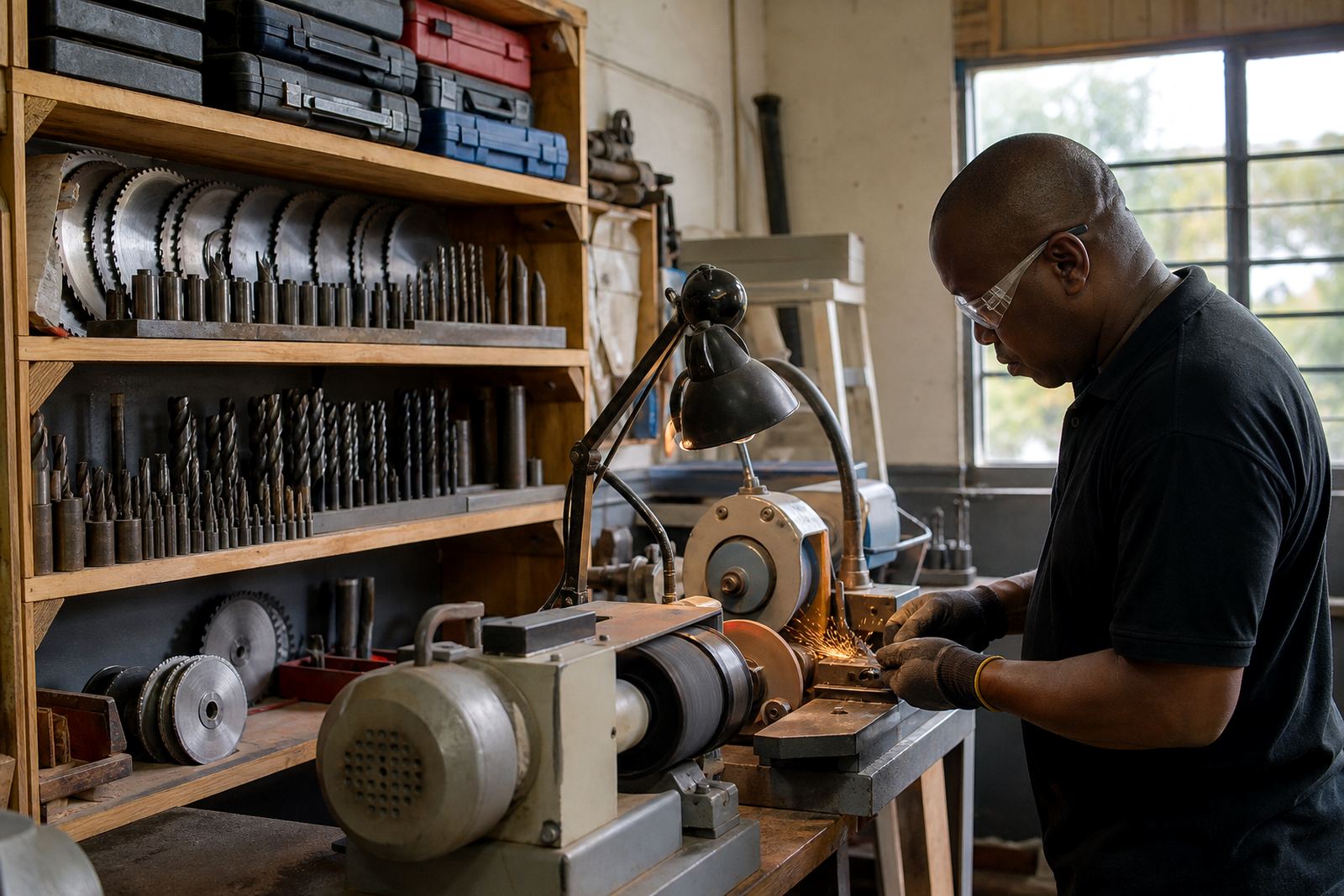
The same pattern shows up with drill sharpening. If the same drill size keeps losing its point too quickly, the issue may be the material, the machine setup or the operator pressure, not the sharpener alone. A proper log helps separate these causes so the right fix is made.
Building a Better Tool Life Routine
Tracking is most useful when it becomes part of the workshop routine. The person booking the tool in should note the fault, the technician should note the correction, and the return process should confirm that the tool is ready for the next job. Small details like this save time later.
For workshops in Cape Town, Pretoria, Johannesburg and along the KZN coast, the value is the same: less guesswork, fewer emergency repairs and better control over output. Clean records also make it easier to train new staff, because they can see how each cutter is supposed to wear over time and when it should come off the machine.
When the sharpening log is kept properly, tool life stops being a vague feeling and becomes something a workshop can plan around.