Why rust shows up so quickly in KwaZulu-Natal workshops
In Pinetown and along the coast, moisture is part of daily life. Even tools that look dry in the morning can pick up a thin film of condensation by the afternoon, especially in closed sheds, metal cupboards and job sites where the air stays damp. That is why saw blades, drills and router bits need more than a quick wipe before they go back on the shelf.
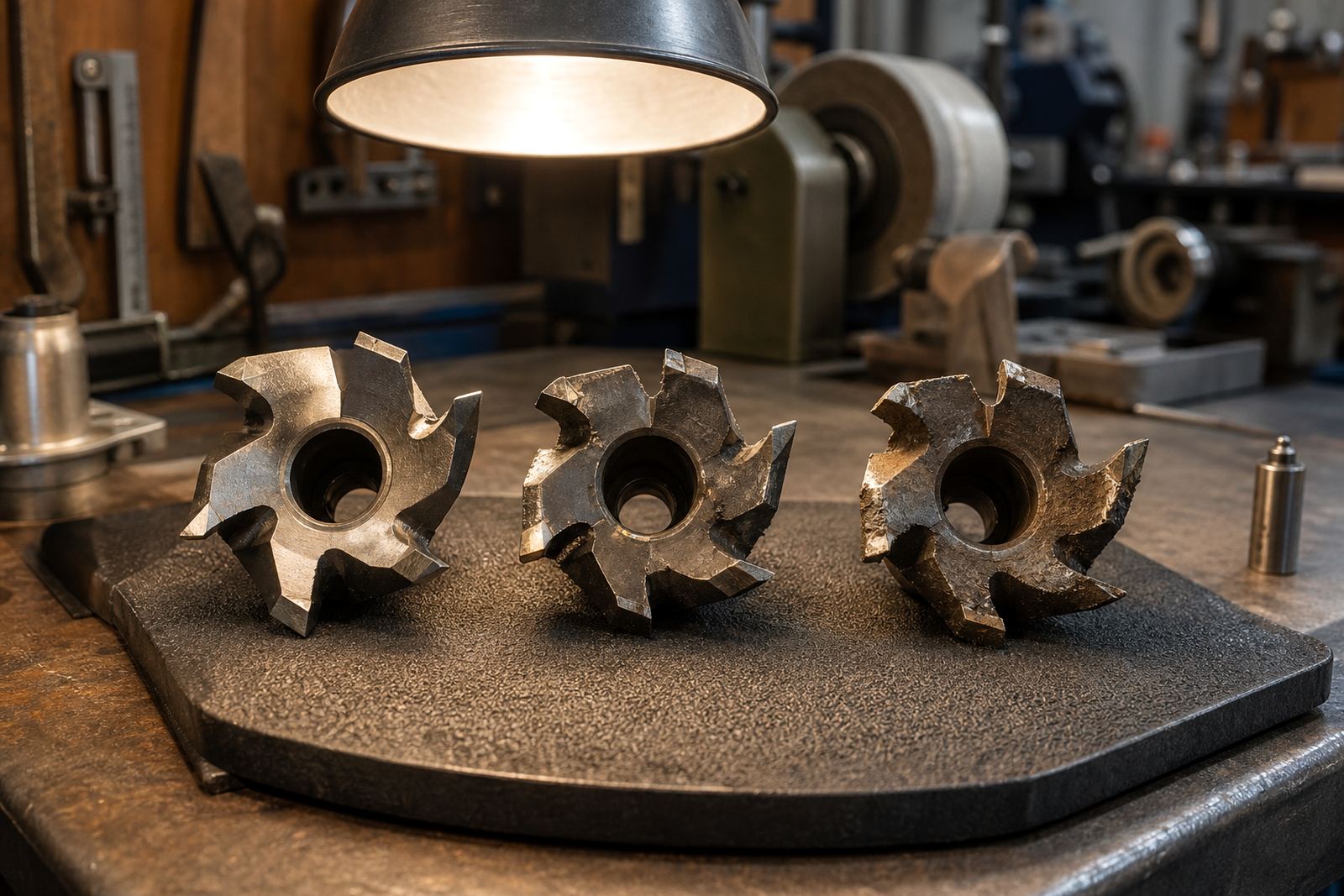
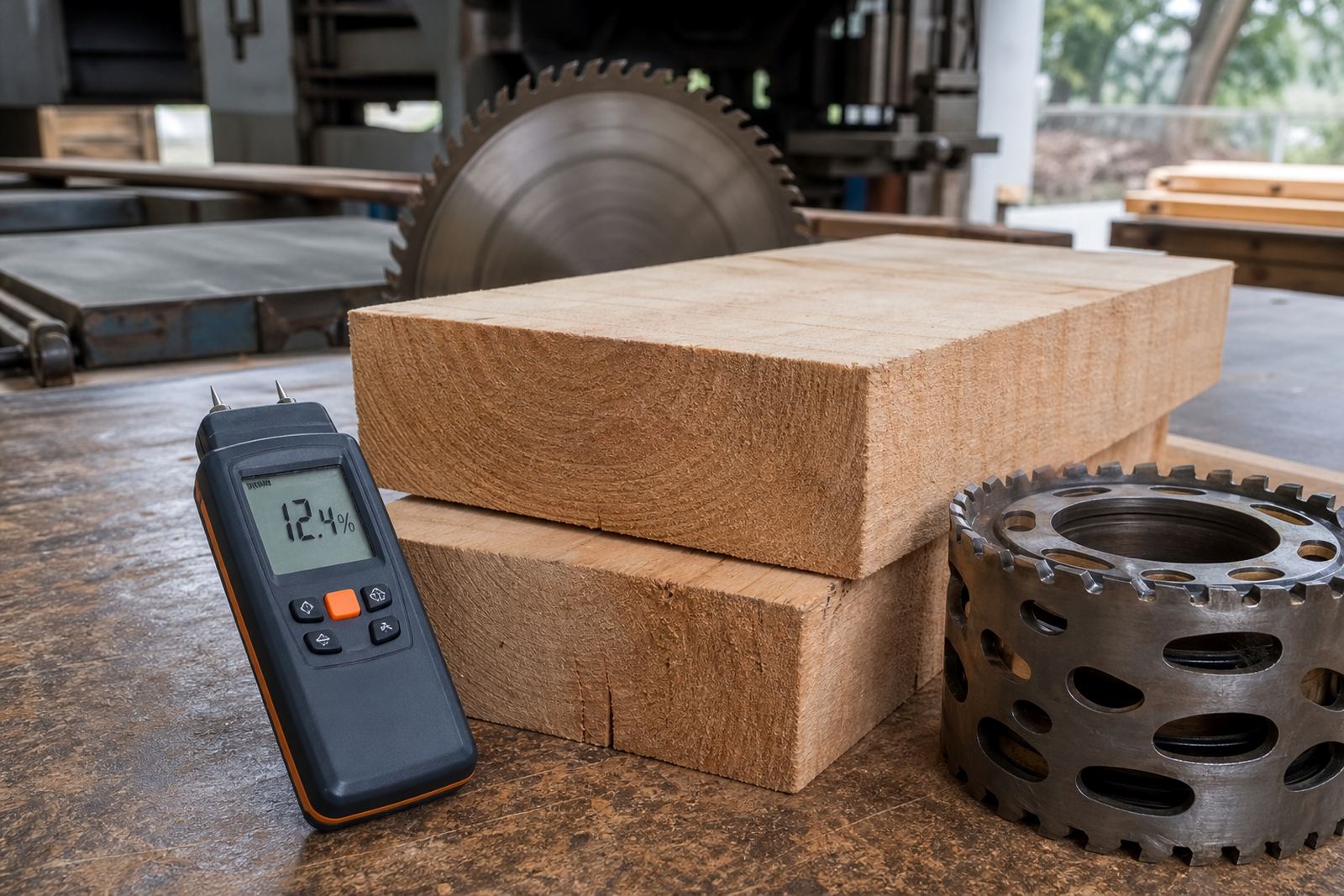
Rust does not only affect the appearance of a cutter. It can change how a blade runs through timber, how a drill cuts into steel, and how a router bit handles clean edges. Once corrosion starts at the cutting face or in the gullets, the tool works harder and the finish gets worse. On a busy job, that means more burn marks, more chatter and more time spent correcting faults later.
Clean tools before they go into storage
The simplest habit is also the one most often skipped. After use, remove sawdust, resin, metal swarf and coolant residue before tools are packed away. A dry cloth is a start, but sticky buildup usually needs a proper cleaner that lifts oil and pitch without leaving a wet film behind. If a tool is stored with old coolant or cutting fluid still on it, moisture can sit under the residue and rust begins there first.
- Wipe blades and bits as soon as the job is done
- Use a cleaner that removes resin, oil and fine dust
- Dry each item fully before it goes into a case or drawer
- Do not stack wet tools together, even for a few hours
For drill sets and router bits, check the flutes and shanks as well. Rust often starts in corners and grooves where a cloth does not reach easily. A small brush helps, especially after work on pine, MDF or damp timber on a coastal site.
Choose storage that keeps out moisture
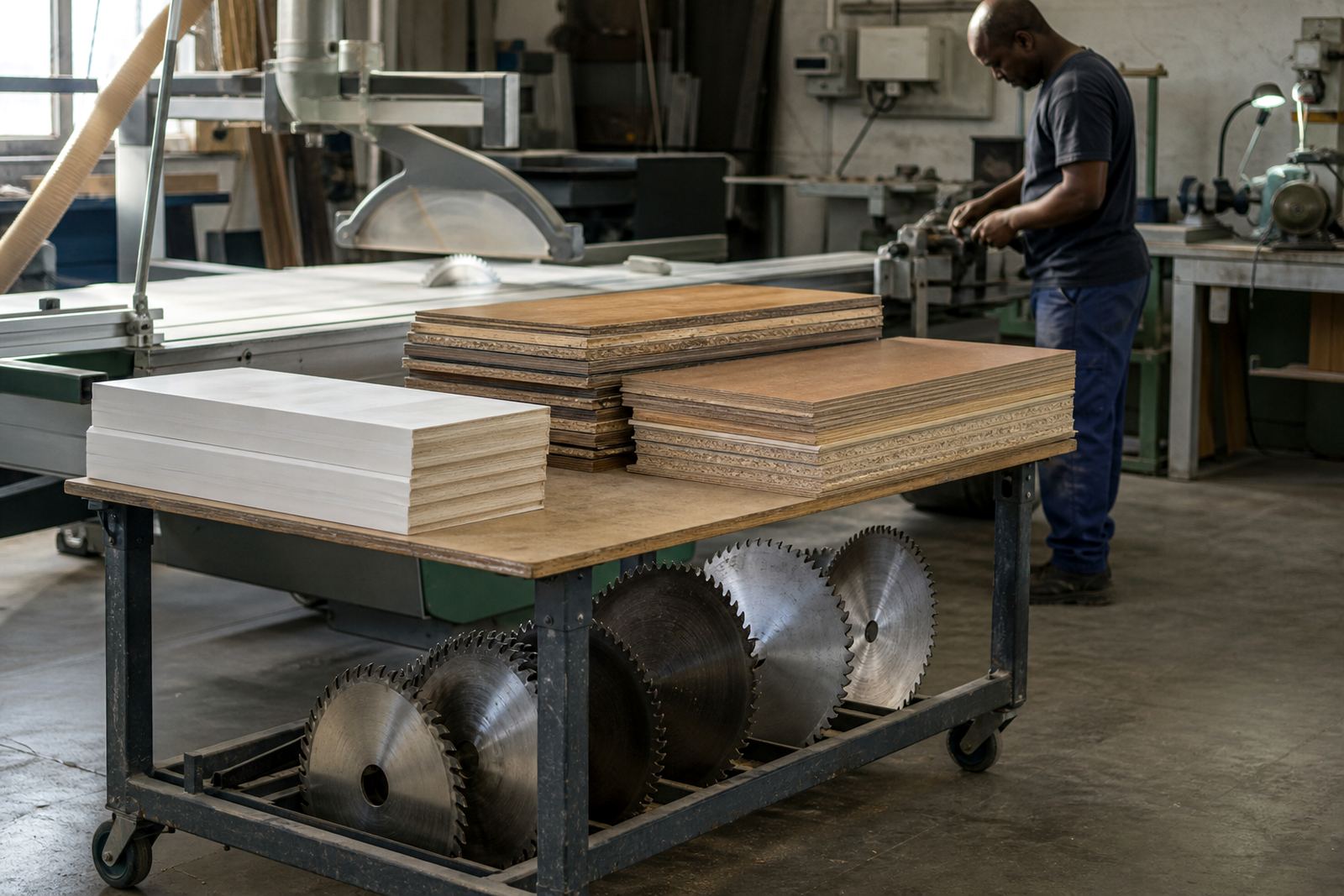
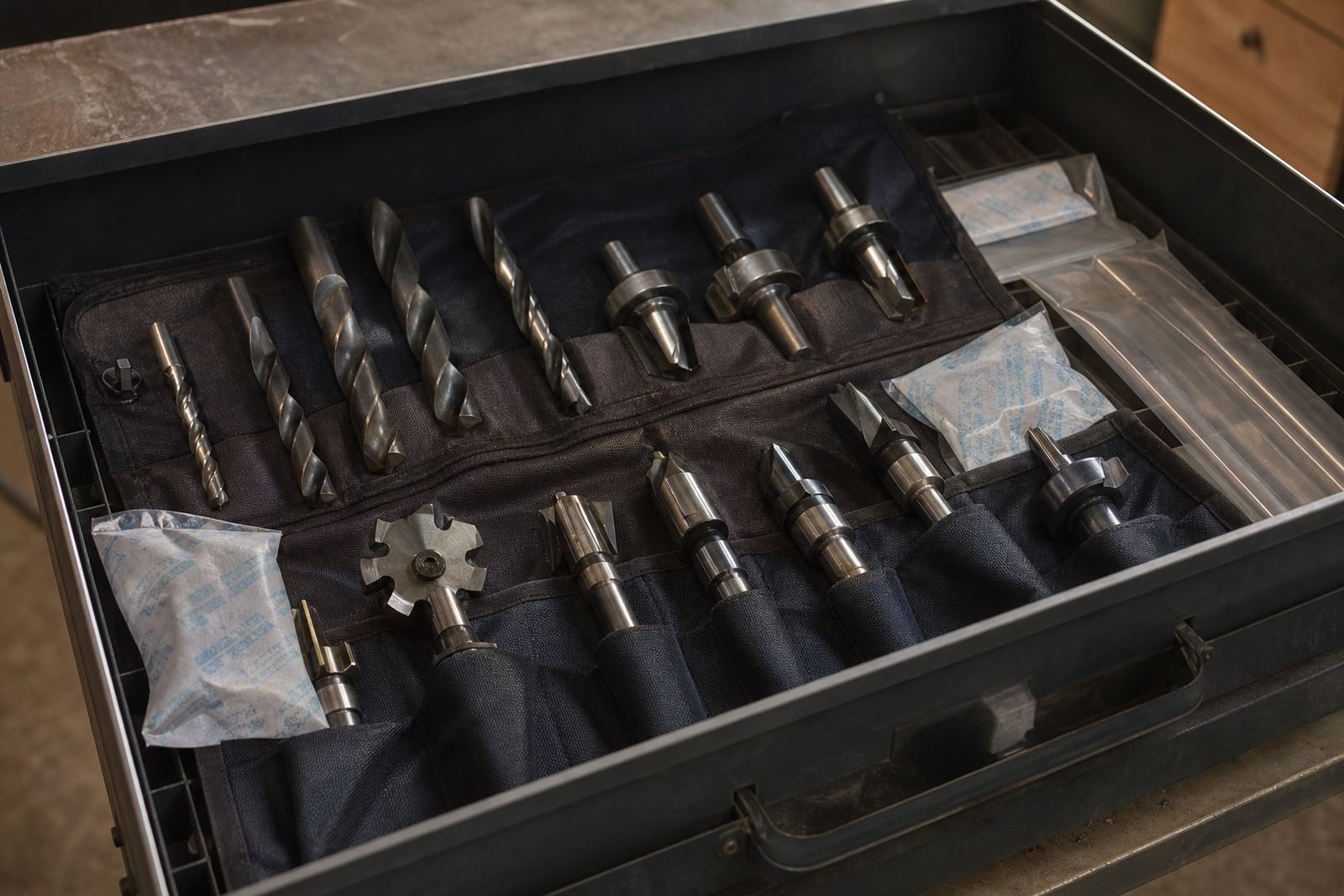
Good storage matters as much as cleaning. A sealed cabinet in a dry room is far better than an open shelf near a roller door. If tools sit in a garage or workshop with poor airflow, use containers that keep off dust and limit humidity. In some Pinetown workshops, the problem is not rain but overnight condensation that settles on metal surfaces before sunrise.
Where possible, keep cutters off concrete floors and away from exterior walls. Those spots usually stay cooler and damper, which encourages rust. A lined drawer or rack helps prevent scratches too, because exposed steel that gets rubbed each day loses its protective surface faster. If your workshop has regular load-shedding, avoid storing tools in areas where airflow stops and warm air gets trapped. Heat plus still air can make moisture cling longer than expected.
- Store tools in a dry cupboard, not on an open bench
- Keep metal tools away from damp floors and walls
- Use dividers or sleeves so pieces do not rub together
- Check storage areas after heavy rain or overnight humidity
Use light protection, not heavy buildup
Many workshops use a protective coating on bare metal tools, but the key is light coverage. Too much oil collects dust and saw chips, which can hold moisture against the surface and make the problem worse. A thin protective film is usually enough for short-term storage, transport or tools that will sit unused for a few weeks.
Take care with drill bits and router bits, since thick residue can change how they run and can also make balancing and inspection harder later. If a cutter is going back into service soon, the surface should be clean and dry before use. A light wipe is enough in most cases, though tools stored near the coast or in an unventilated storeroom may need more frequent checks. It is a small step but it saves a lot of rework.
Handle blades and bits so bare hands do not start the problem
Fingerprints leave moisture and salts on polished metal surfaces. That is why tools handled often by hand can rust at the grip points or along the edges first. It may seem minor, but on fine cutters the marks can spread into visible staining if the tool is left in a warm box or vehicle overnight. Use gloves when practical, or handle the tool by areas that do not cut and do not touch the working edge more than necessary.
It also helps to keep tools out of wet pockets, open vehicle trays and puddled site bags. A blade that is clean in the workshop can start corroding after one rainy delivery run from Durban to Pietermaritzburg if it sits in a damp case. When tools are sent for sharpening or regrinding, dry them properly before packing. That small habit makes a noticeable difference by the time they reach the next job.
- Handle polished surfaces as little as possible
- Wear gloves when moving cleaned tools into storage
- Never pack tools into a damp case or wet crate
- Do not leave cutters in a bakkie tray after rain or coastal mist
Check tools regularly before rust becomes a bigger repair
A weekly inspection is enough for most workshops. Look for dull patches, orange spots, staining in the gullets and rough edges around drill flutes. Early rust can often be cleaned before it spreads, but if it is left too long it can pit the metal and affect the cutting face. Once that happens, the tool may need more than a normal sharpening pass.
Regular checks also help you spot other causes of poor performance. A tool that has rusted may also have a chipped edge, lost balance or a diameter issue that needs correction. If the edge has started to burn timber or wander in the cut, do not wait for the next major service. Catching the problem early keeps the tool in better condition and reduces wastage on the job.
When sharpening and storage need to work together
Rust prevention is not only about the shelf, it is part of the full maintenance routine. A properly sharpened blade or bit performs better, stays cooler and is less likely to suffer from dragging and heat damage. That matters in workshops from Westville to Hillcrest, and in busy city jobs where tools are moved between site, store room and machine several times a week. If the tool comes back cleaned, tagged and stored properly, it is easier to keep it in service for longer.
For businesses that rely on repeat batches, a simple system helps. Tag each tool after sharpening, separate worn items from ready-to-use stock and store them by type. Saws, drills and router bits each need slightly different handling, but the same basic rule applies: keep them dry, keep them clean and do not let moisture sit on the metal. That approach saves time, reduces surprise failures and keeps the workshop moving.