Sharpening Helps, But It Cannot Fix Every Problem
Most workshop users wait too long before sending tools in. A blade or bit can still look fine on the outside while the cutting edges are already rounded, chipped or out of line. At that point a quick sharpen may improve performance for a short while, but it will not restore the original cutting geometry.
As a rule, sharpening removes a small amount of material to restore the edge. Regrinding goes further. It corrects the tooth face, top angle, balance and in some cases the overall diameter. If the tool has been damaged by nails, heat, bad feed pressure or hard use during load-shedding work with fluctuating machine speeds, a full regrind is often the better call.
Signs Your Saw Blade Needs More Than a Quick Sharpen
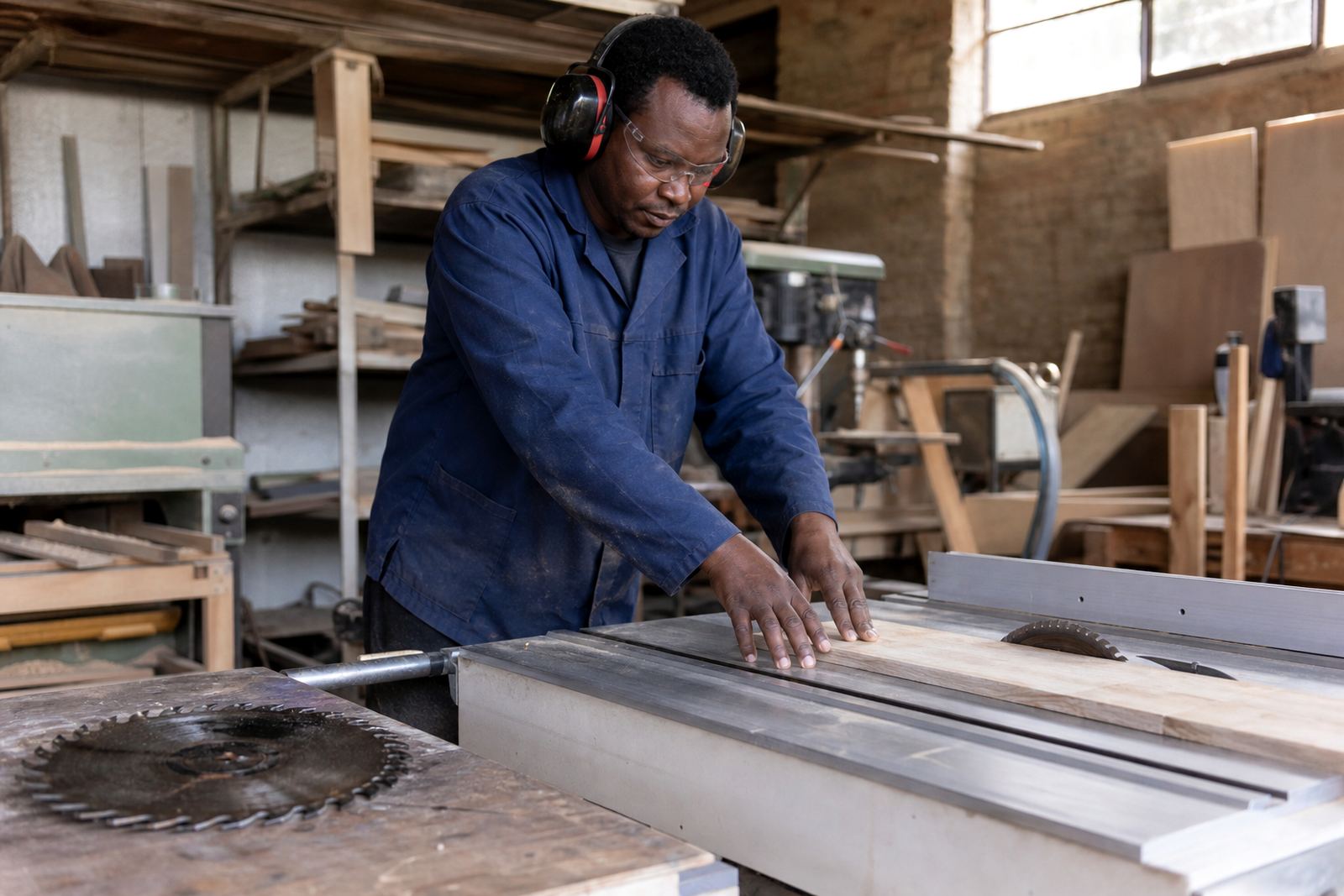
Saw blades give clear warning signs when they are past a basic sharpen. Watch for burning, heavy feed pressure, rough edges or a cut that starts drifting off line. In timber, panel board or plastic work, a blade that squeals or leaves brown marks is usually telling you the tooth profile has gone off.
- Burn marks on the cut face even with the correct feed rate
- Chipped or missing teeth after striking hard material
- Wobble, vibration or uneven cutting sound
- Blade diameter reduced beyond the usable range
- Repeated poor cuts after sharpening, which points to wrong angles
If the blade has been sharpened many times already, a regrind can reset the cutting face and top grinding so the blade works properly again. That is often cheaper than replacing it too early.
When Drills Need Regrinding Instead Of Replacement
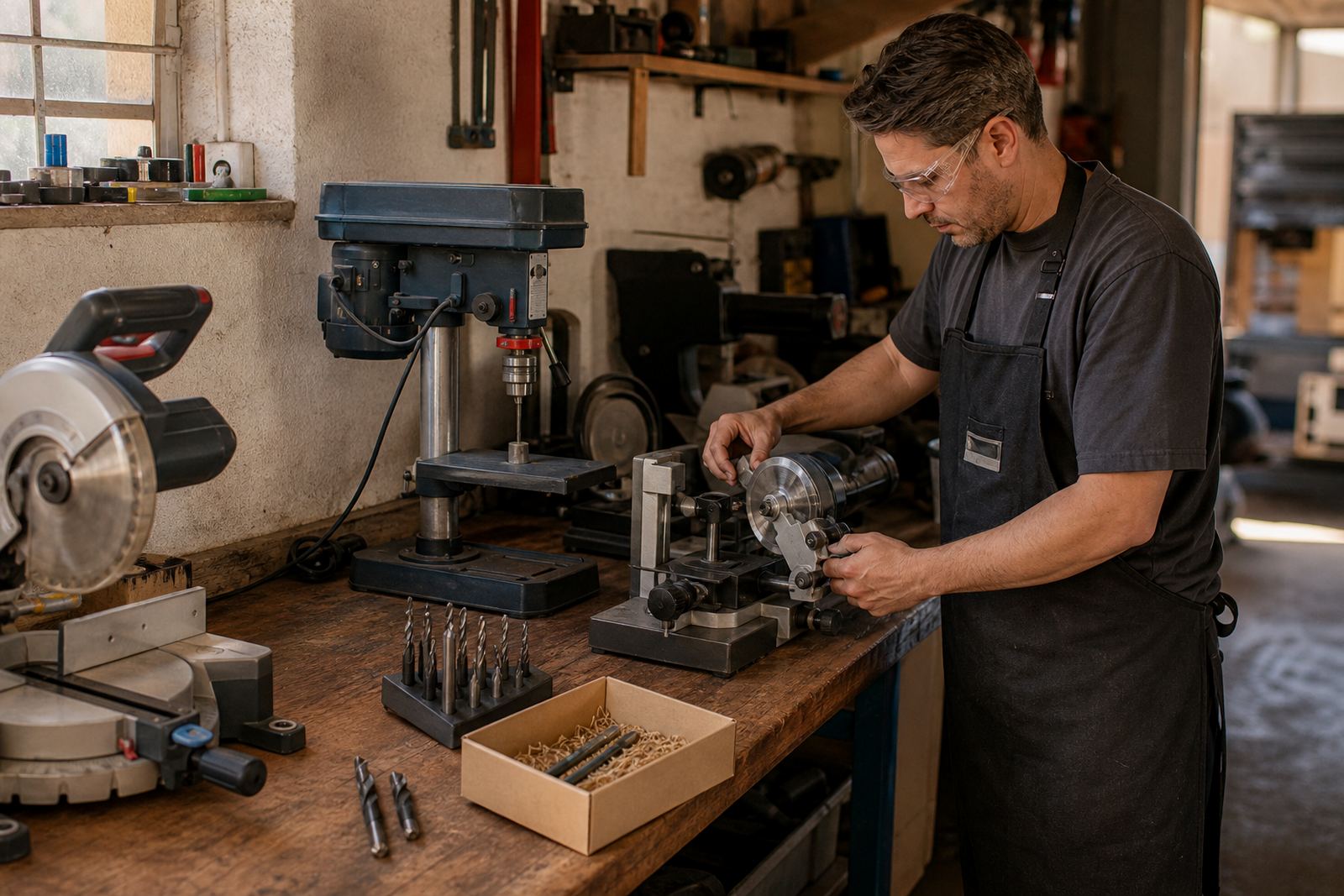
Drill bits are often thrown away before they need to be. A dull bit can usually be restored if the point is still there and the body has not been badly overheated. The trick is knowing whether the point just needs a sharpen or whether the angles have shifted and the bit now wanders before it bites.
In steel, hardwood and masonry related workshop use, a poor drill point causes heat, smoke and walking at the start of the hole. If the cutting lips are uneven, the chisel edge is damaged, or the bit leaves a larger hole than expected, regrinding is the safer option. It gives back proper point geometry and helps the bit start straighter, which saves time on site and in the workshop.
- Bit slips across the surface before cutting in
- Excessive heat after only a few holes
- Uneven hole size or rough entry edges
- Visible chipping on the tip or lips
Router Bit Wear Shows Up In The Finish First
Router bits usually fail in the finish before they fail completely. You may see tear-out, burning or a fuzzy edge long before the bit is visibly damaged. On cabinet work, trim jobs and pattern work, that poor finish can waste material fast.
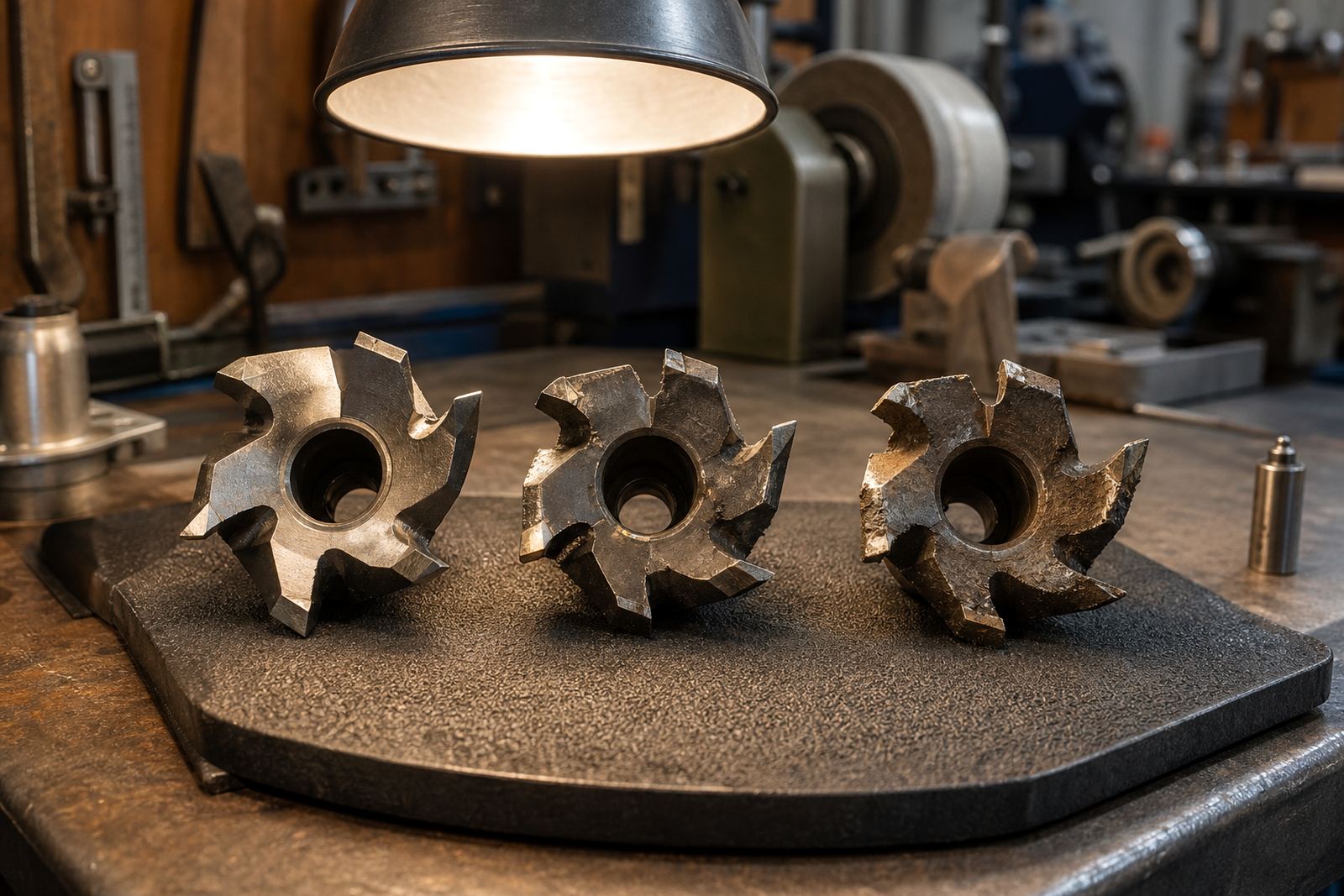
When the edge is only lightly dull, sharpening may be enough. But if the profile has been chipped, rounded off or burnt by long runs, a regrind restores the cutting edge and keeps the profile accurate. This is especially useful where matching grooves, edges or rebates must stay consistent across a batch. One bad bit can throw off a whole run and that is money lost, no question.
Local Workshop Conditions That Speed Up Wear
In Pinetown and across Durban, the mix of humidity, dust and coastal air can shorten tool life if storage is poor. Rust, pitch build-up and moisture all make cutting harder, and once a tool overheats it is easier to damage the temper. Workshops in Pietermaritzburg, Johannesburg and Pretoria often see a different problem, namely heavy daily use with little downtime between jobs.
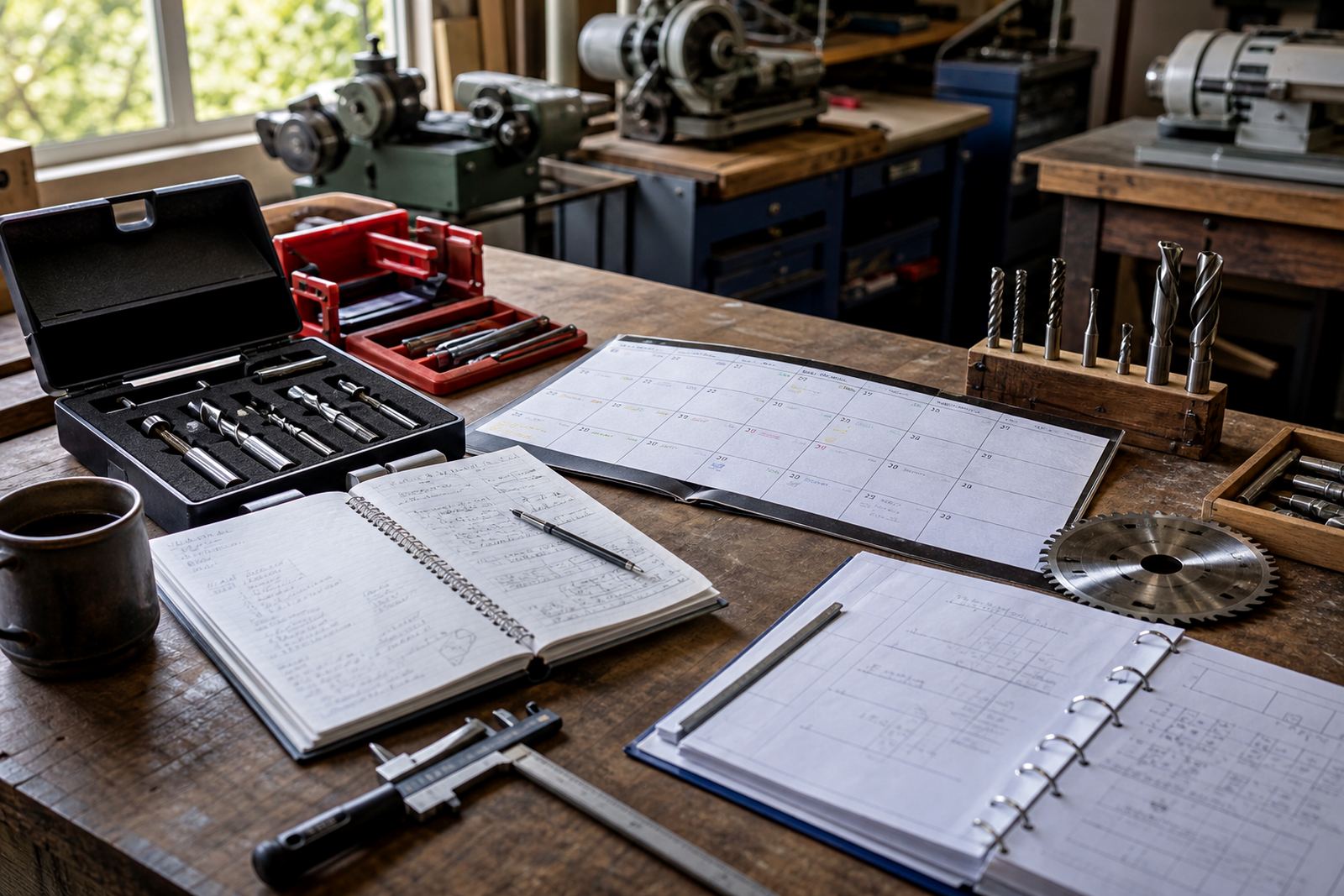
A simple maintenance routine helps, but it does not replace proper regrinding when the tool has drifted out of shape. If you are running batches for a joinery shop, contractor crew or small engineering setup, tagging your tools and tracking when each one was last serviced can save a lot of guesswork. It also makes courier collections easier when several items need attention at once.
- Keep blades dry and lightly oiled after cleaning
- Remove resin, pitch and metal swarf before storage
- Store tools in labelled sleeves or trays
- Book servicing before the tool starts damaging the workpiece
How To Decide Between Sharpening And Regrinding
The simplest test is this: if the cutting edge is dull but the tool still tracks straight and the profile is right, sharpening may be enough. If the tool burns, wanders, chatters or leaves a poor finish after sharpening, it likely needs a full regrind. The same applies if there has been impact damage, uneven wear or a change in tooth shape.
For businesses and serious hobbyists alike, the point is to avoid throwing money away on replacement when a service will do. A proper assessment saves cost, keeps production moving and reduces waste. It also helps you plan around courier collection, whether you are in Westville, Hillcrest, Cape Town or further afield.
If you are unsure, send the tool in before the damage becomes worse. It is usually easier and cheaper to correct a worn edge than to rescue a tool that has already been pushed too far.