What we sharpen for workshops and makers
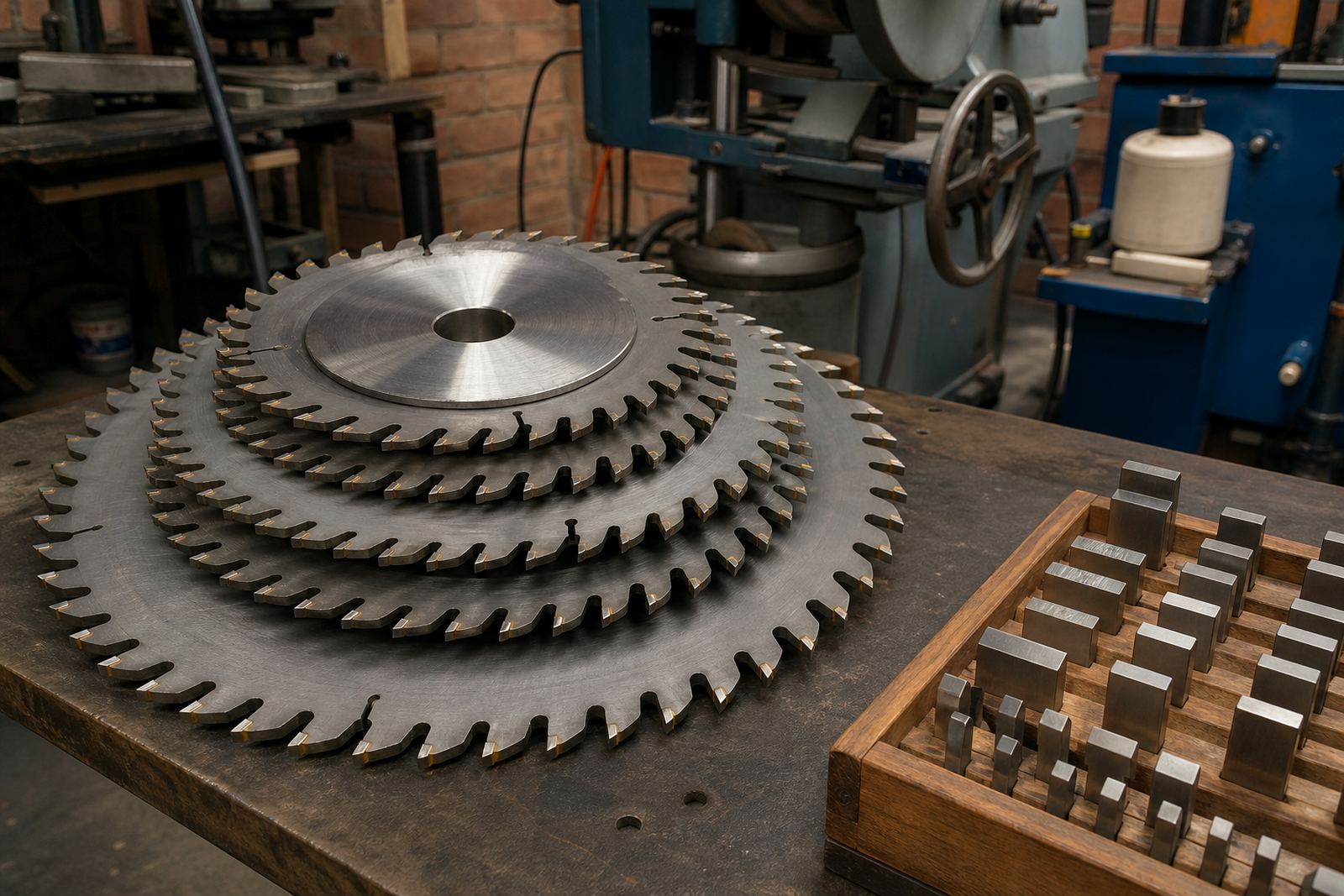
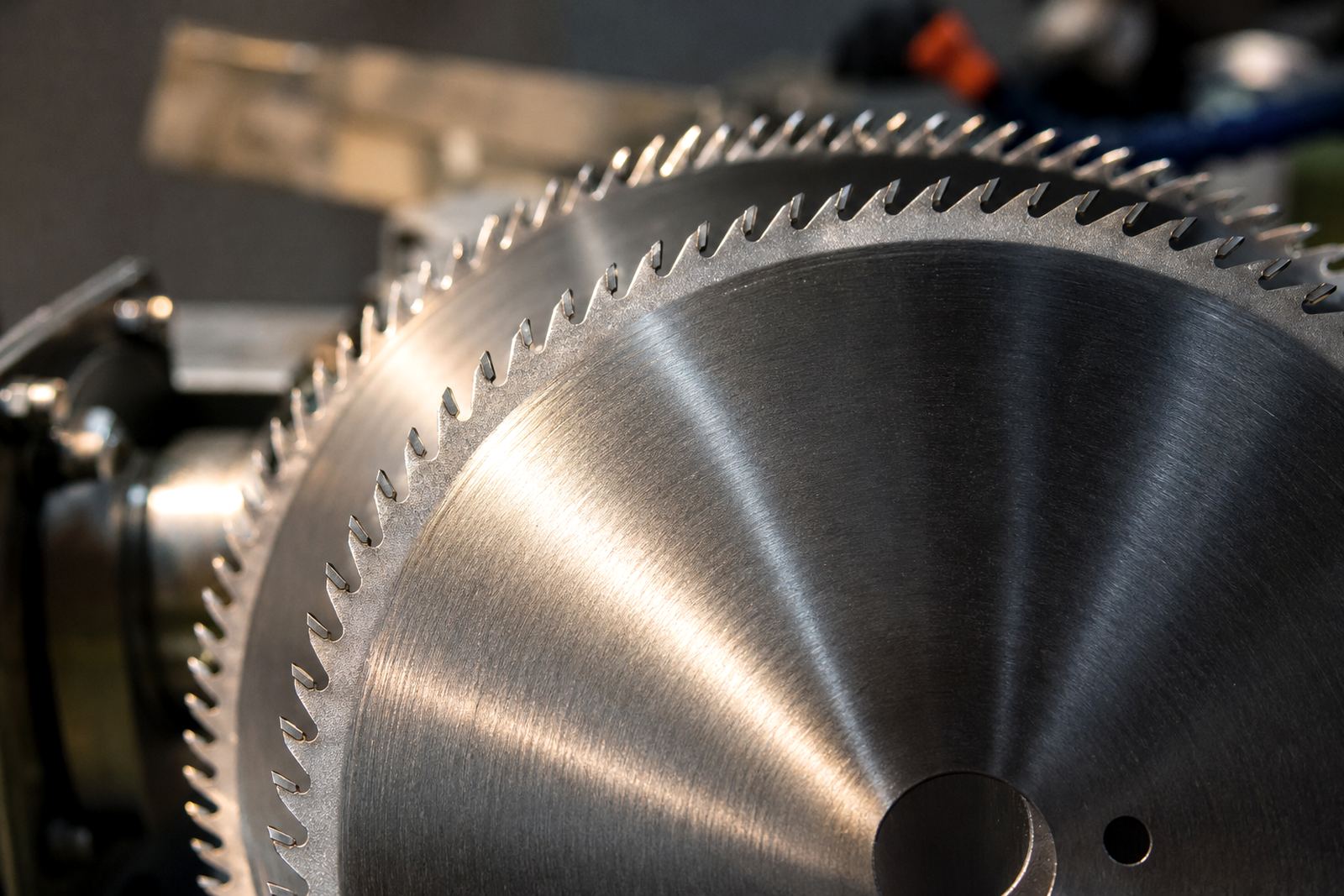
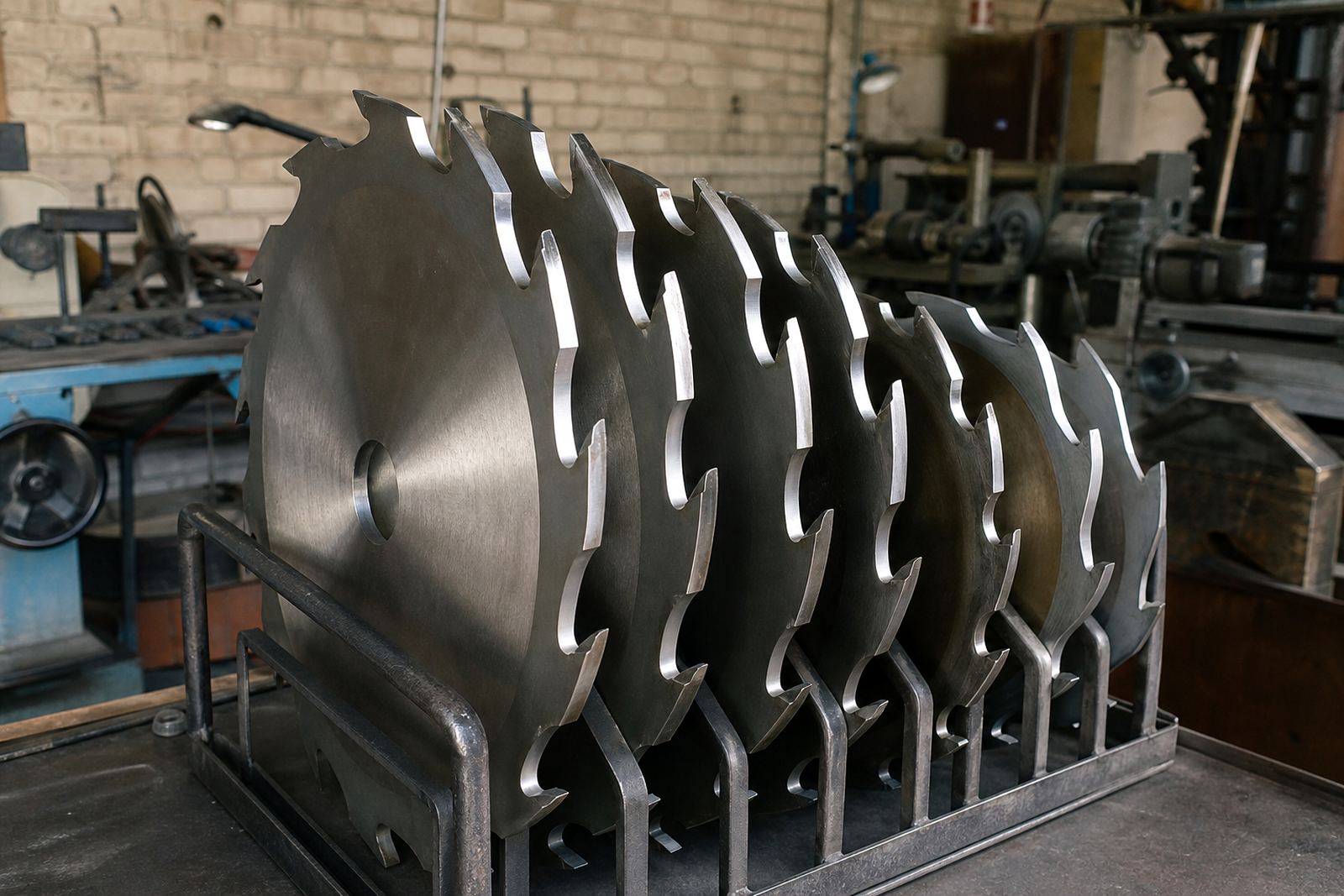
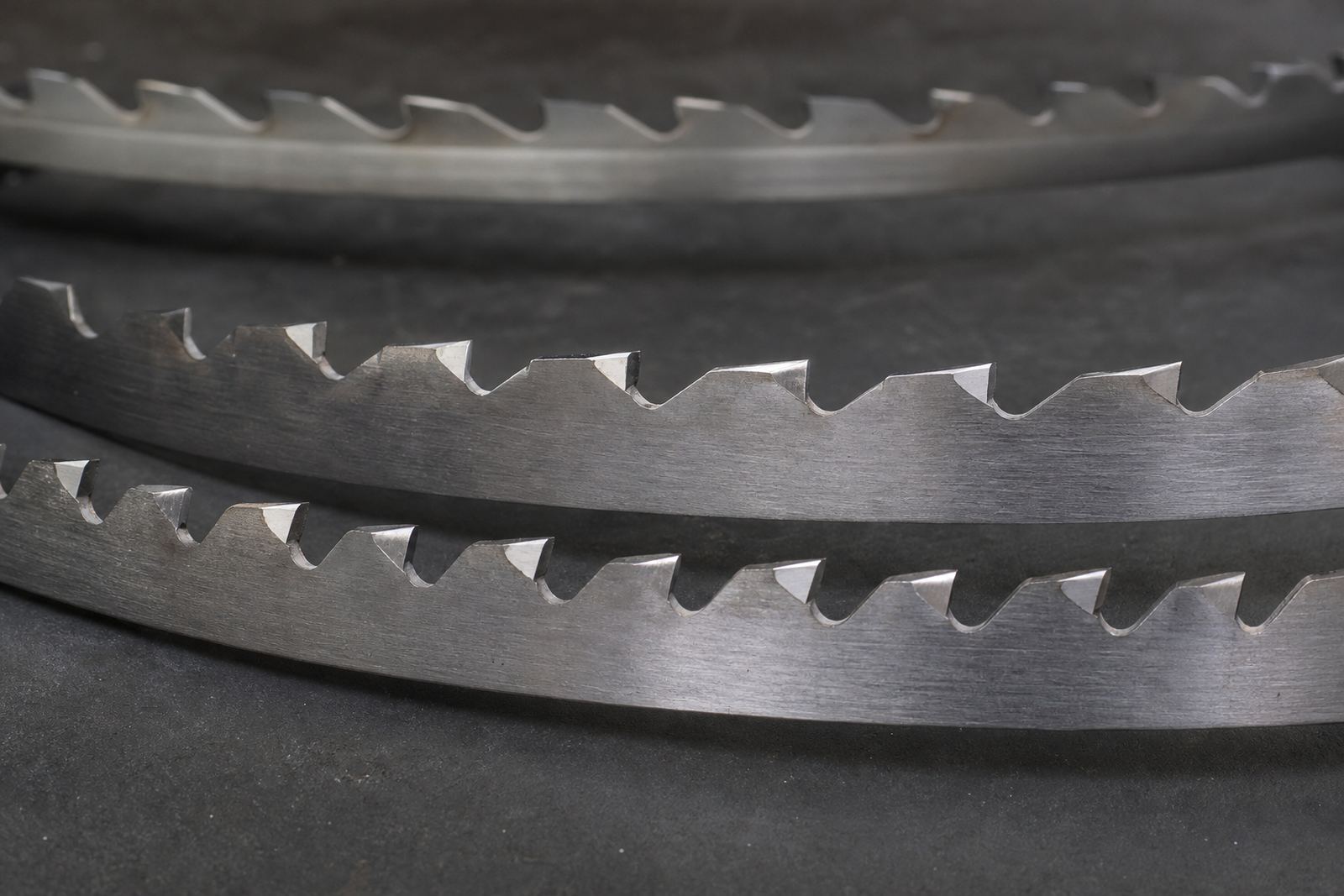
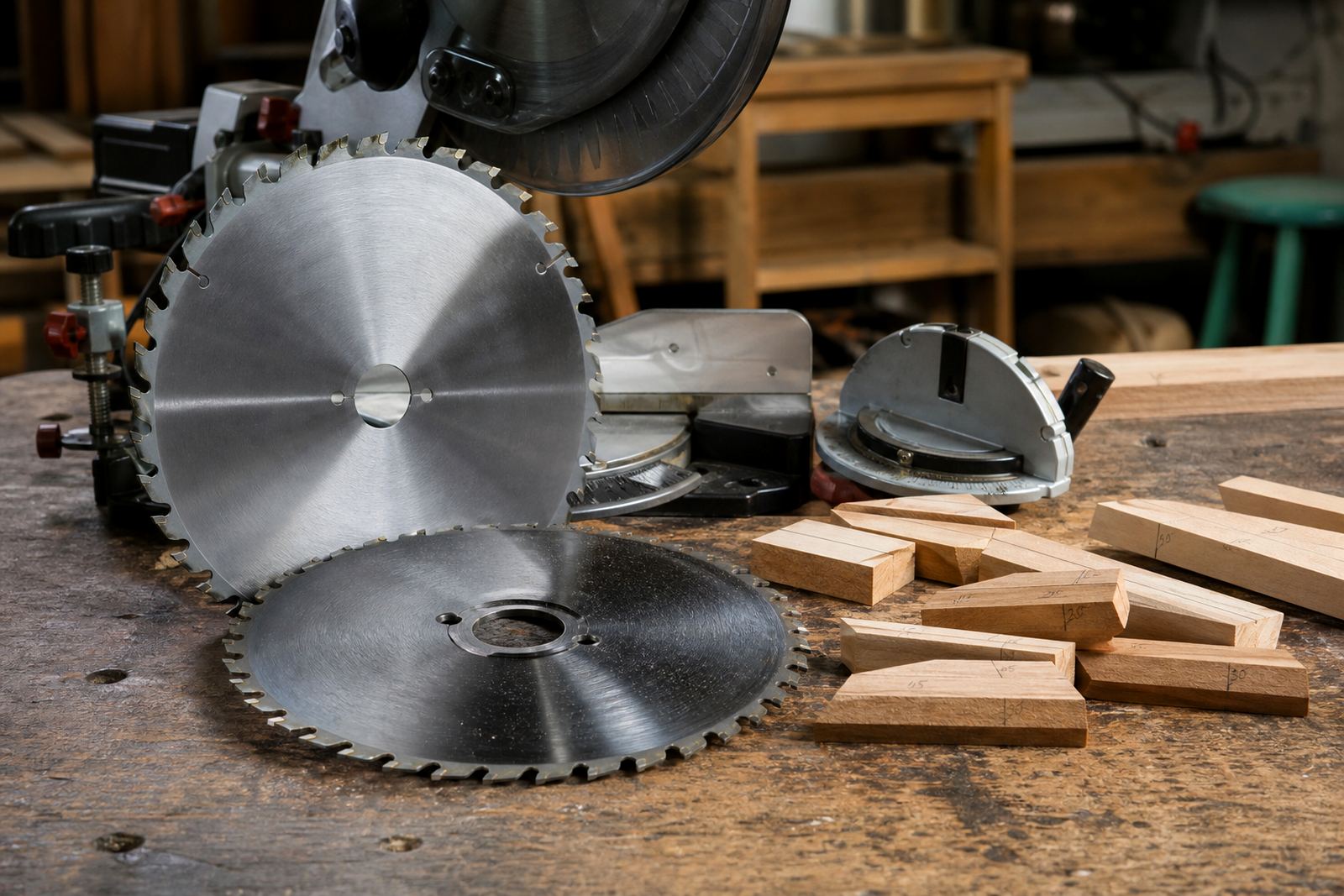
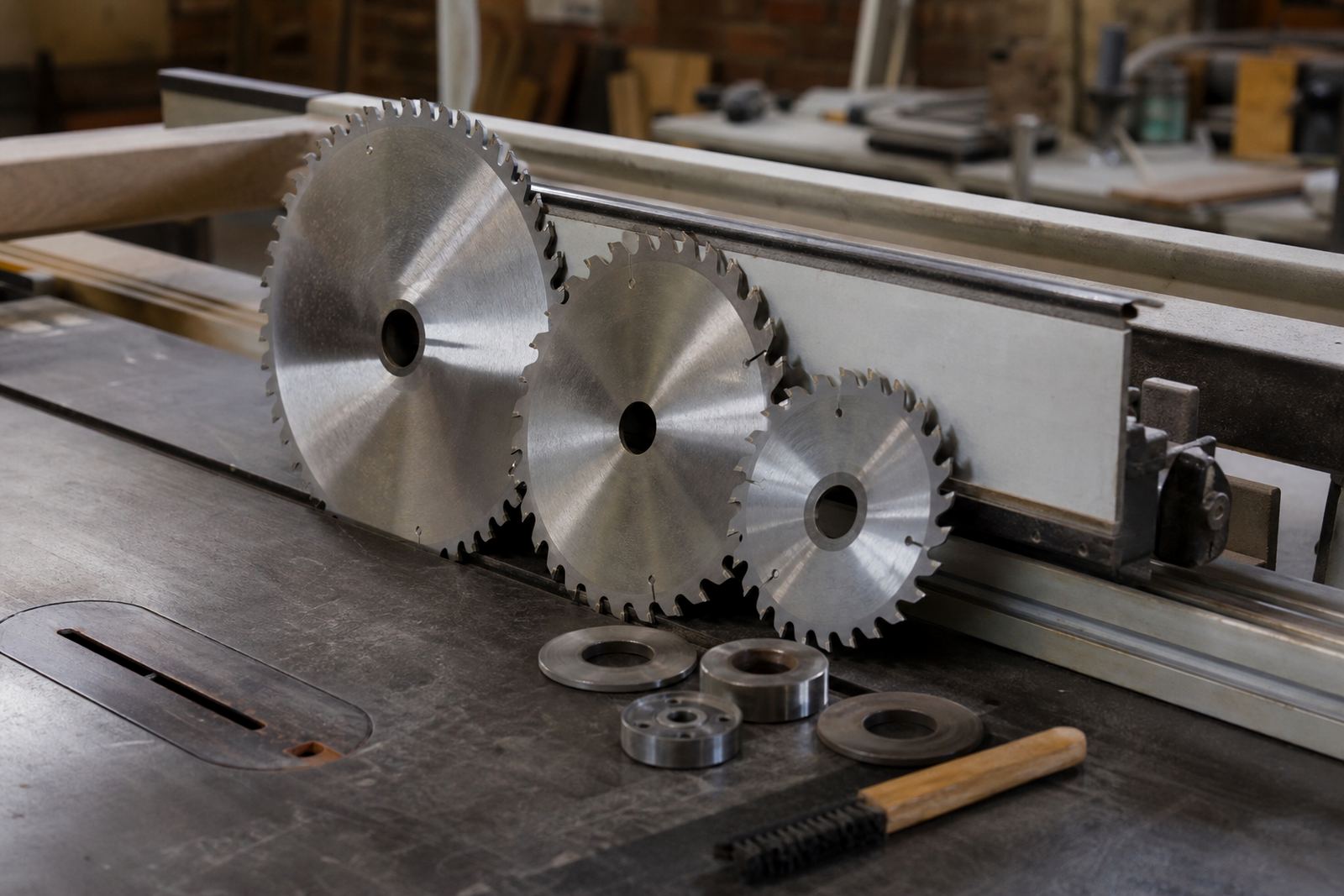
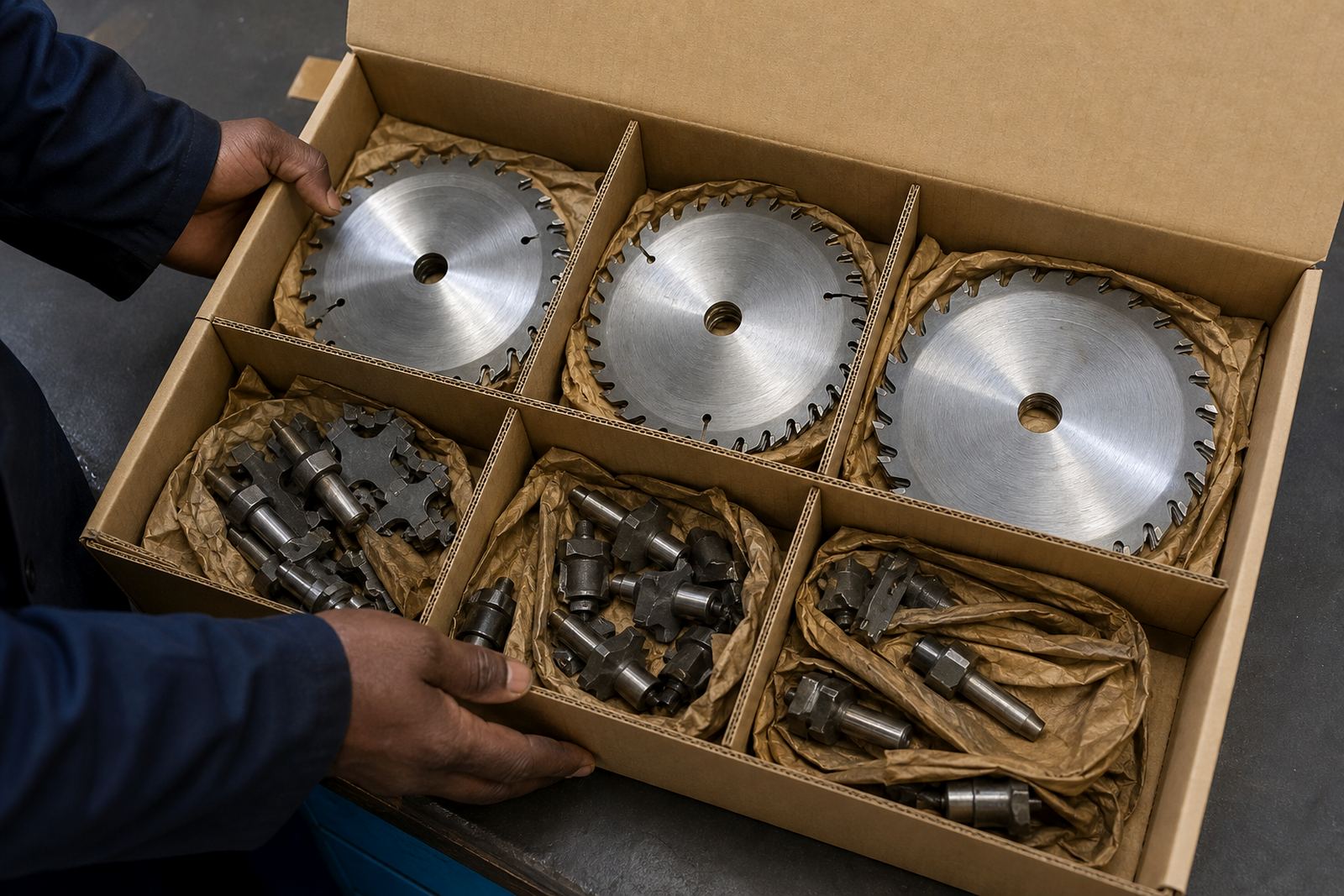
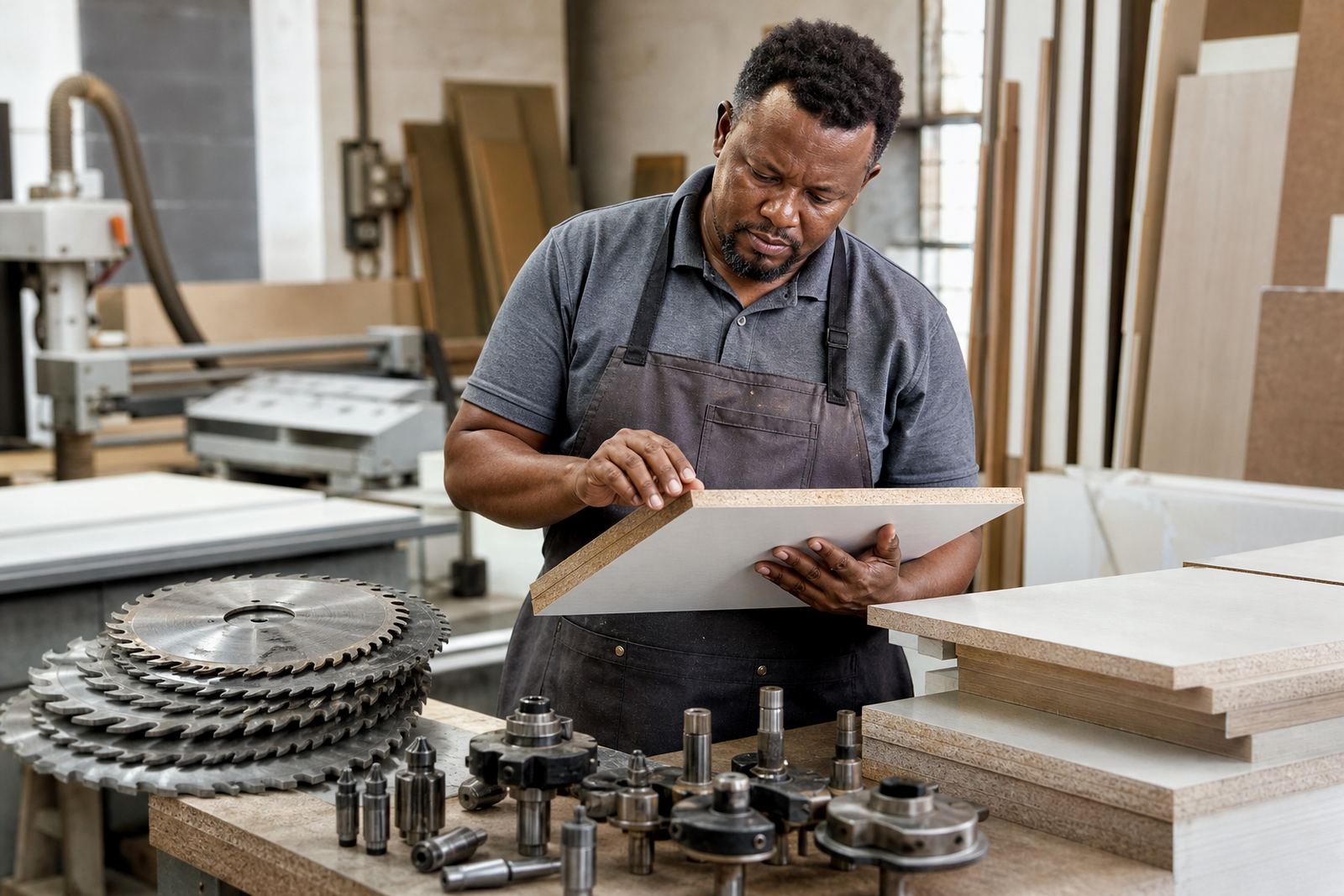
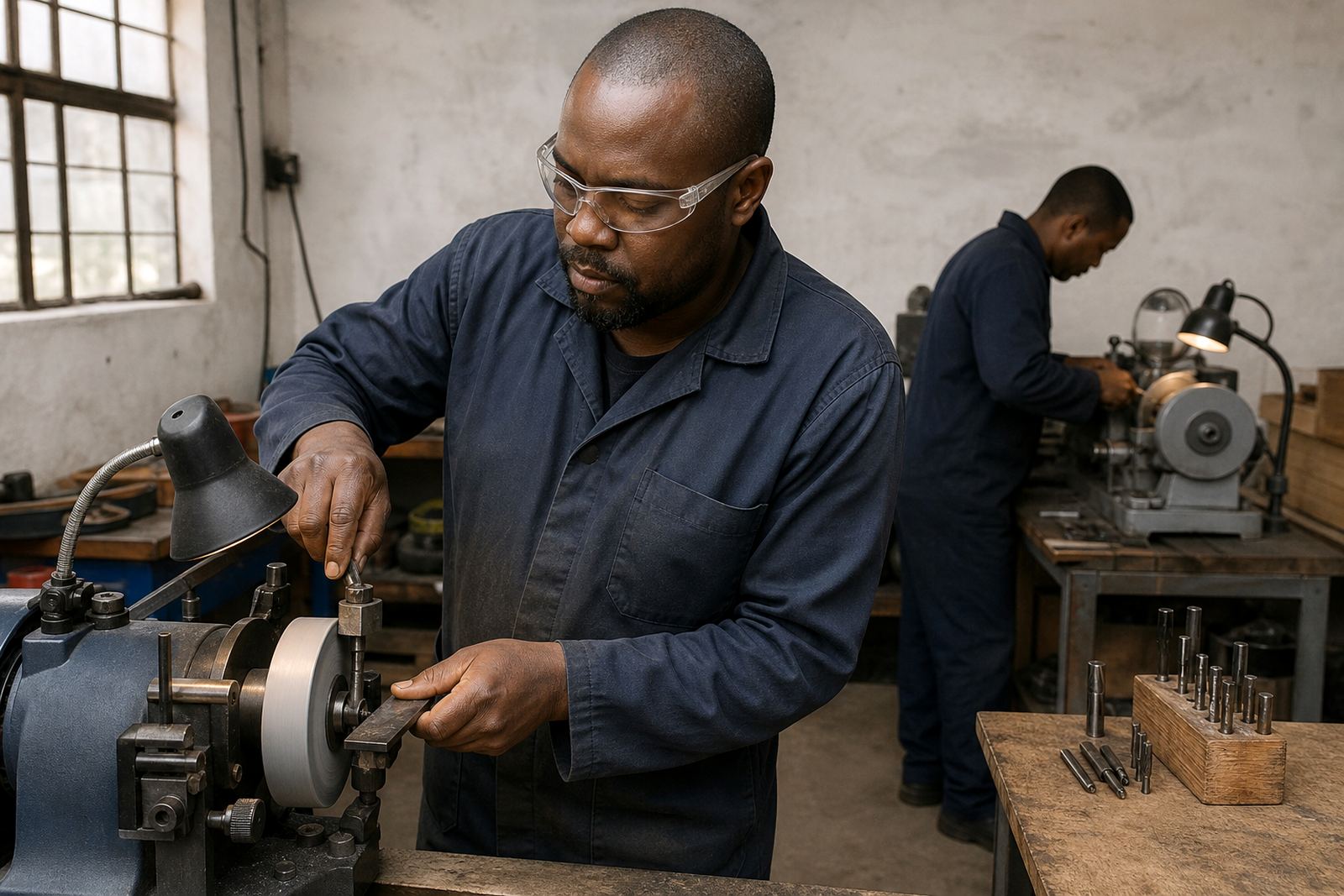
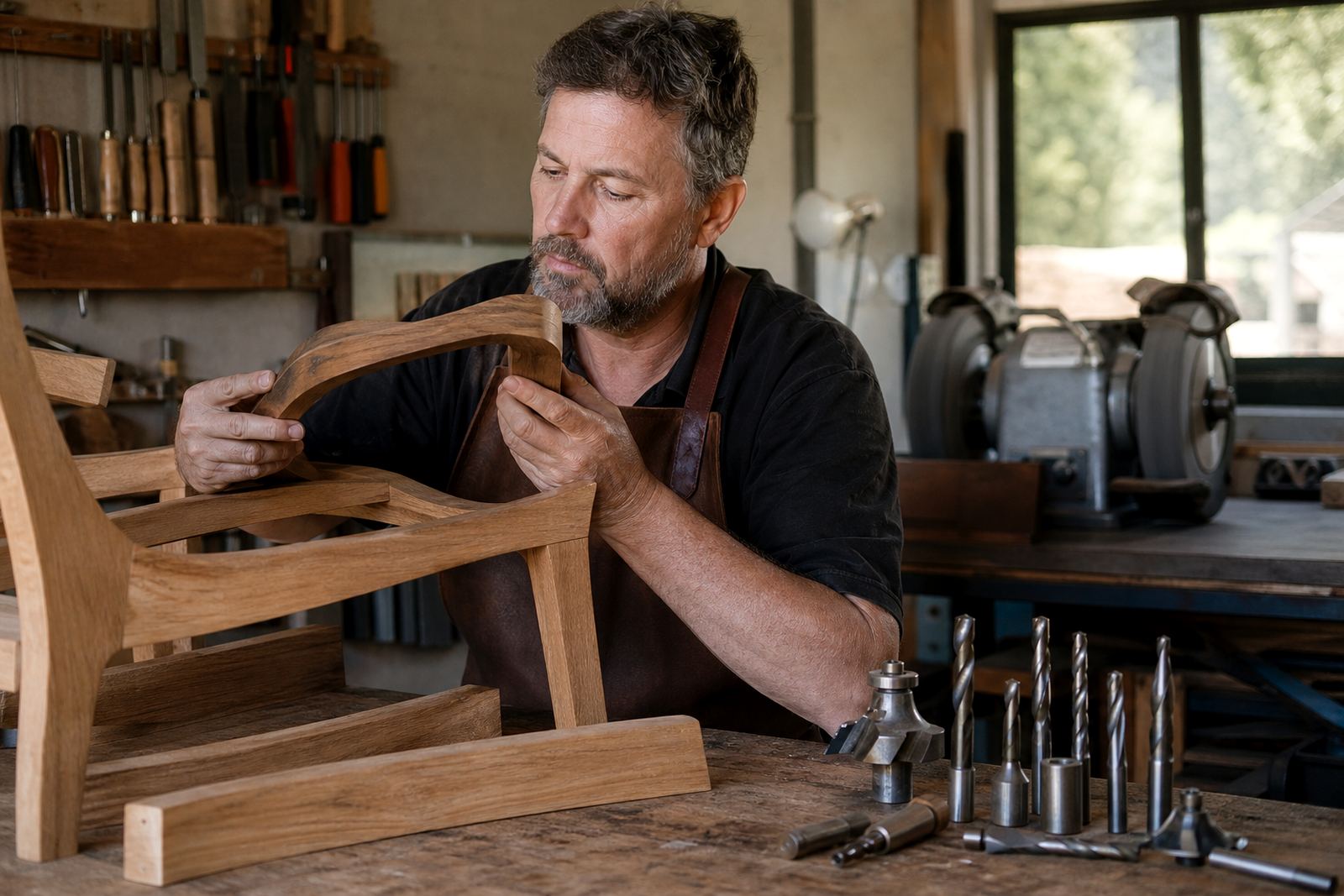
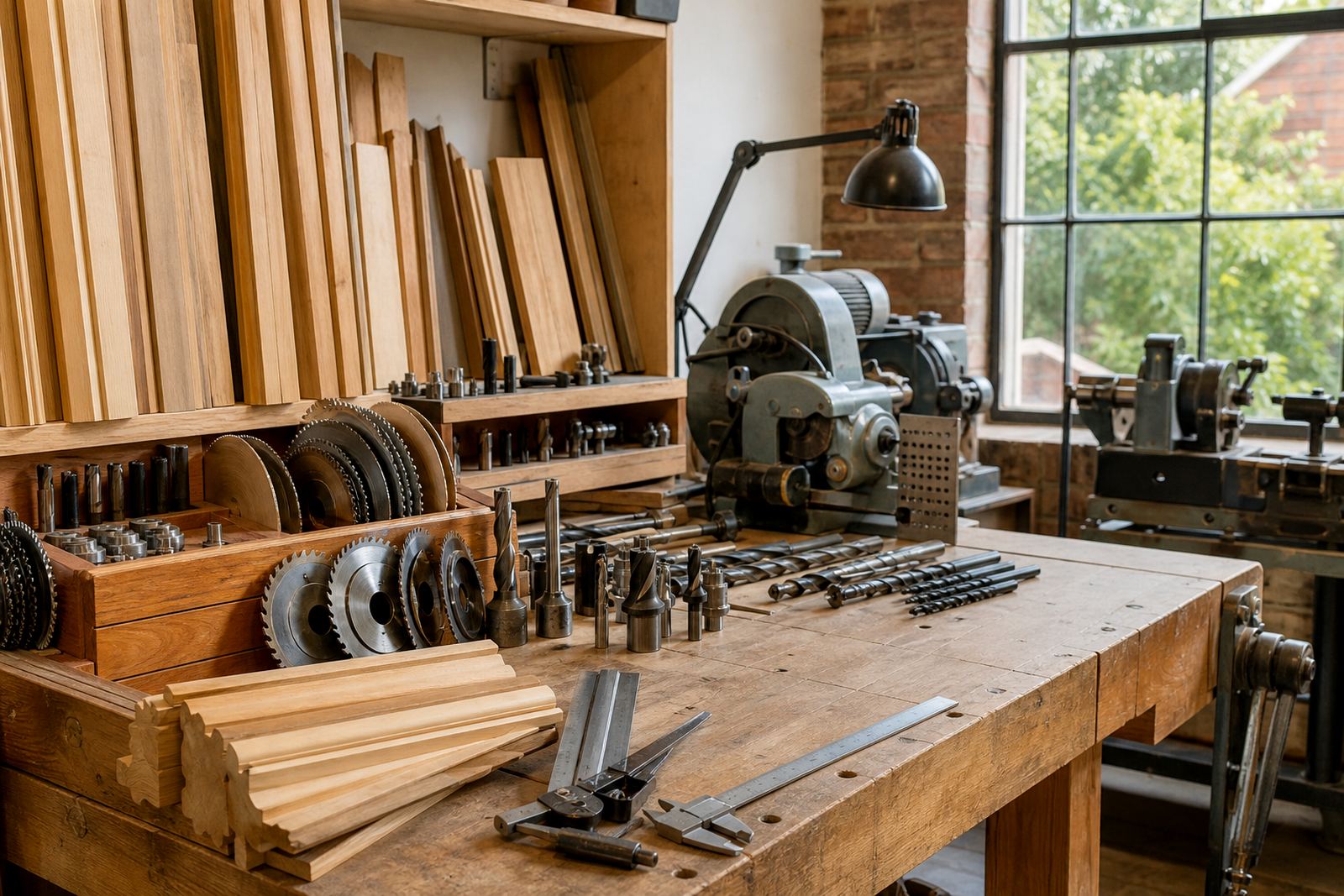
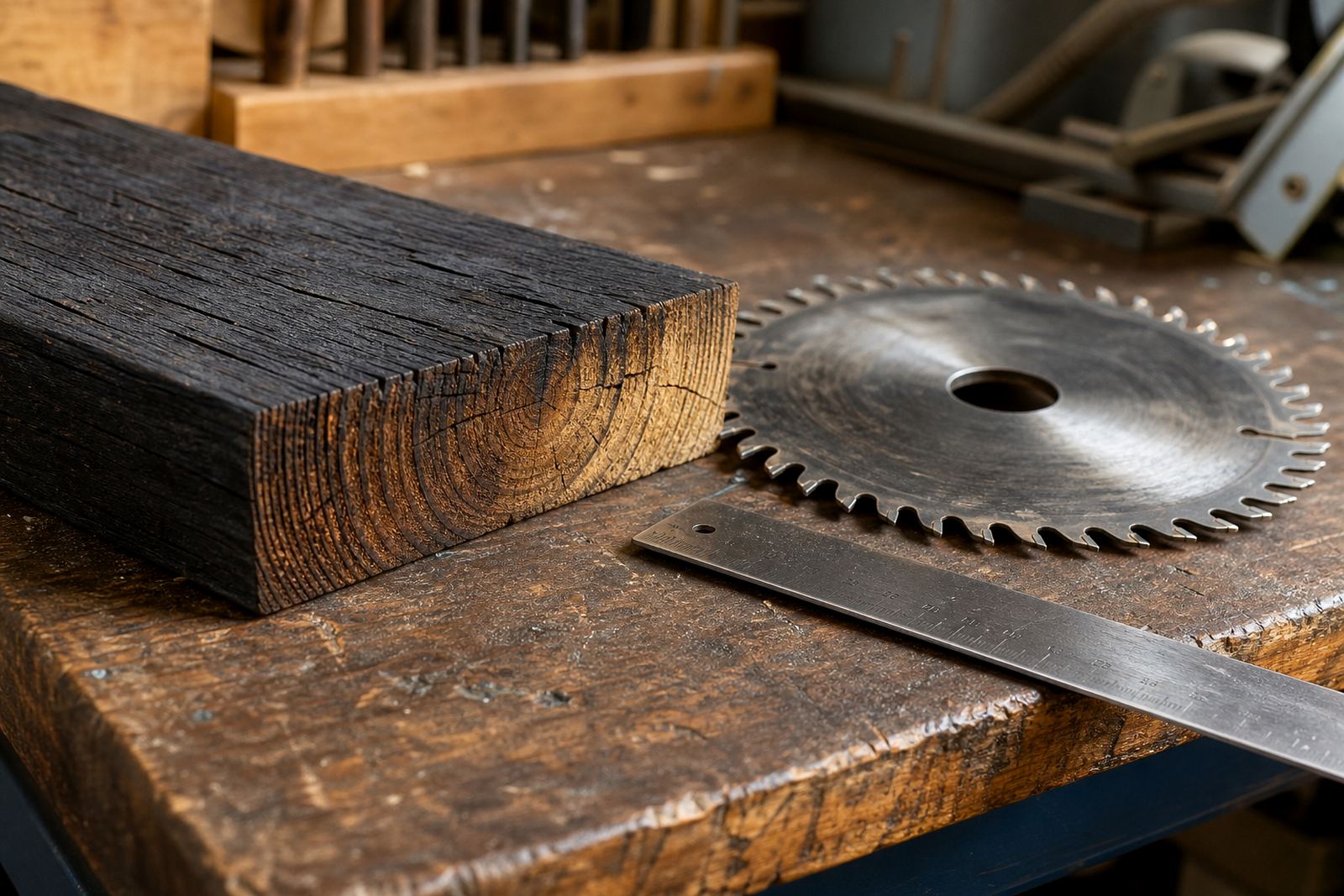
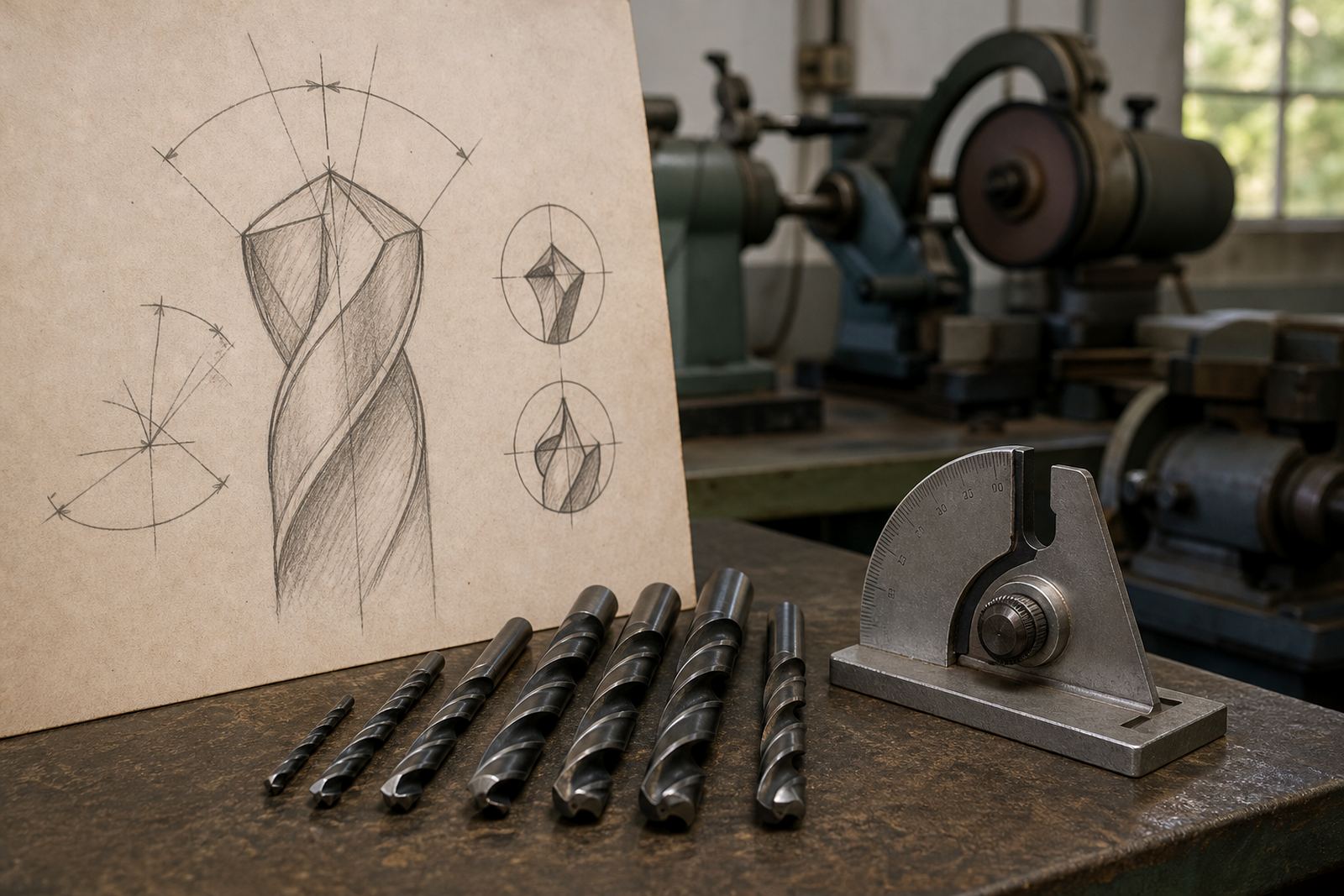
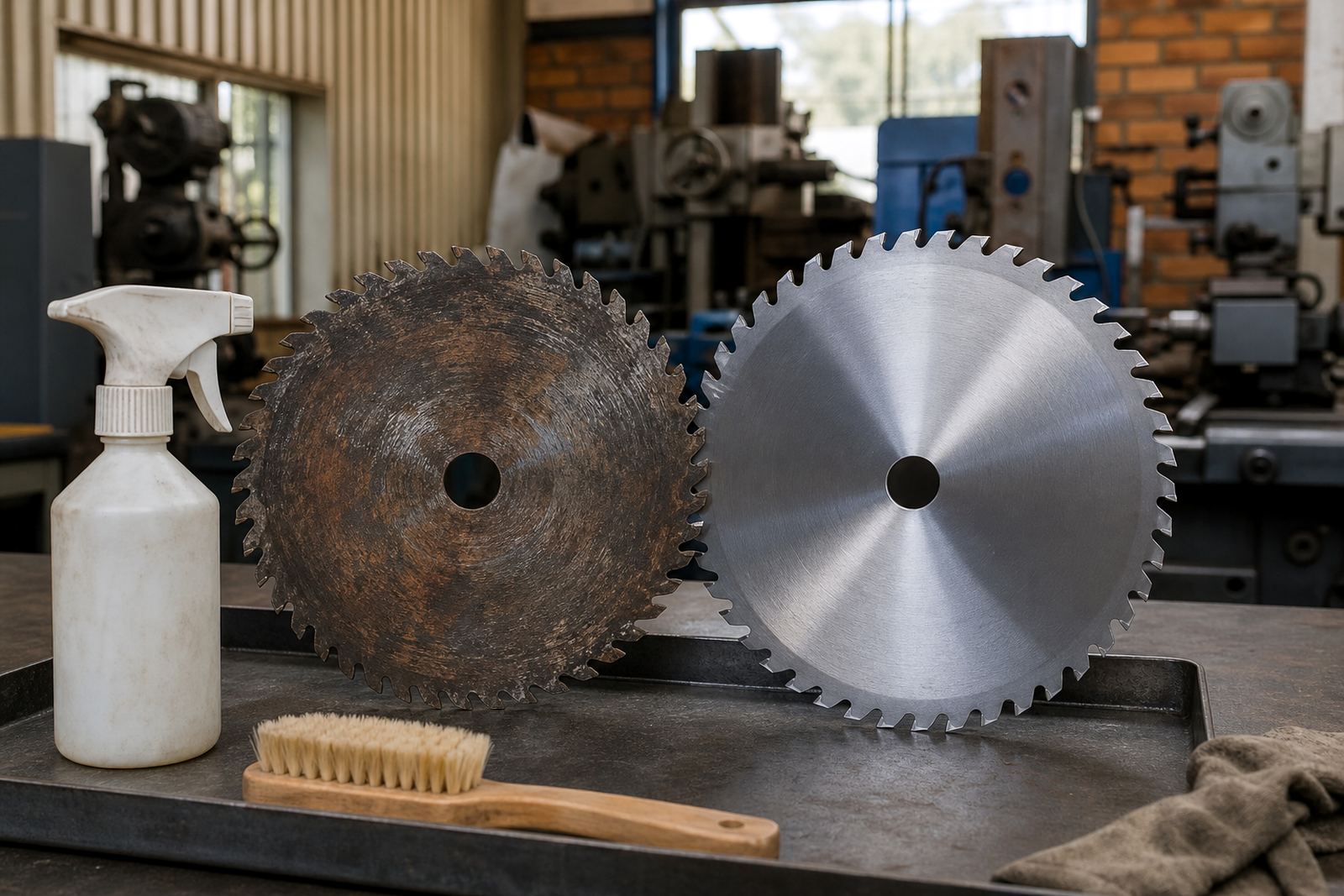
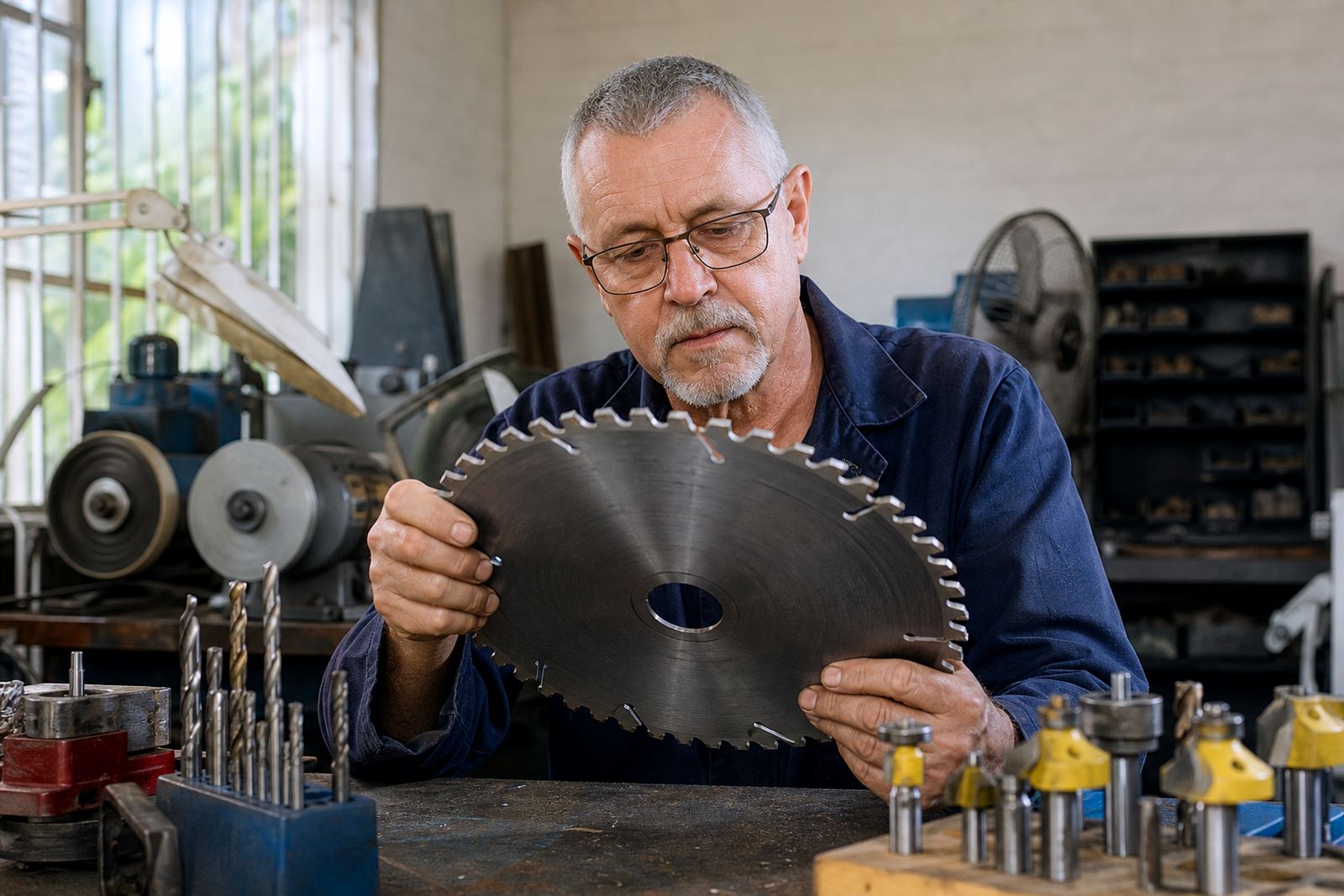
We sharpen and regrind cutting tools that need clean, accurate cutting on timber, plastics and selected light engineering work. That includes saw blades, drills and router bits, plus the correction work that brings worn tools back into usable condition. If a tool is still worth saving, we will tell you straight. If it needs replacing, we say that too.
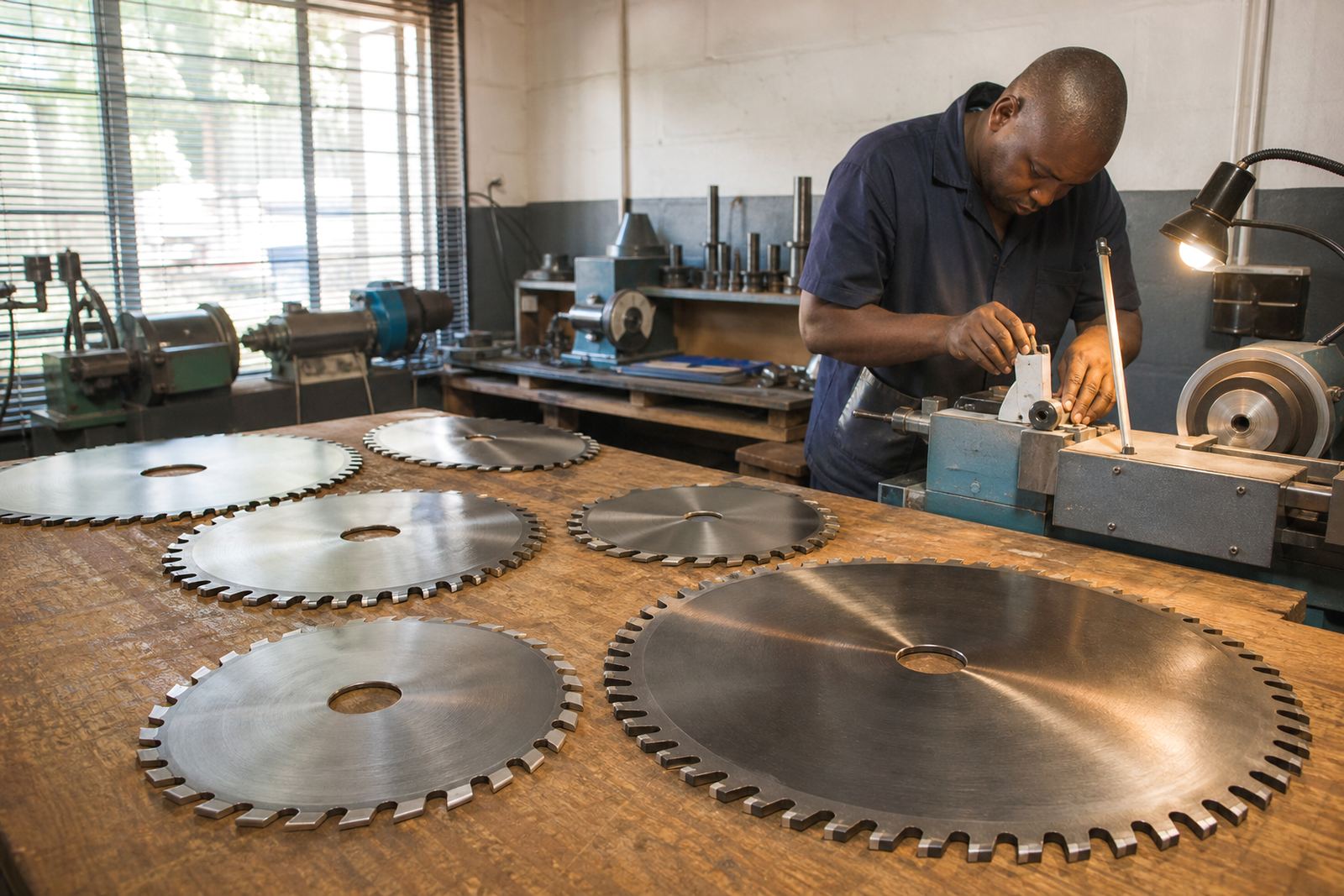
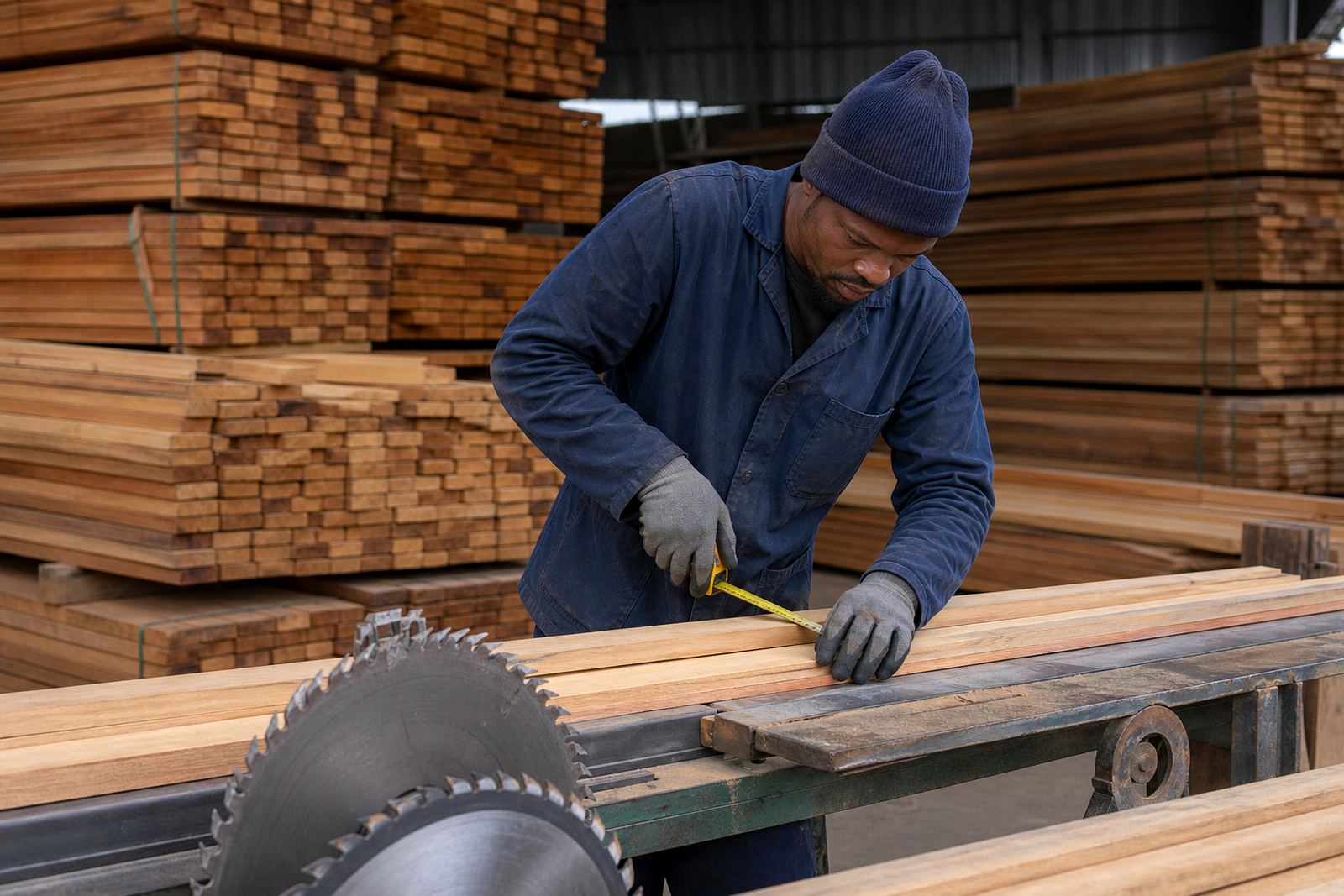
Our workshop in Pinetown handles single items, mixed batches and repeat collections for trade clients. We work with tools used in joinery shops, maintenance teams, small factories, contractors and serious home workshops. Coastal humidity, dusty sites and long production runs all take a toll, so sharpness is not just about finish, it also affects speed, heat and safety.
- Saw Blade Sharpening
- Drill Sharpening
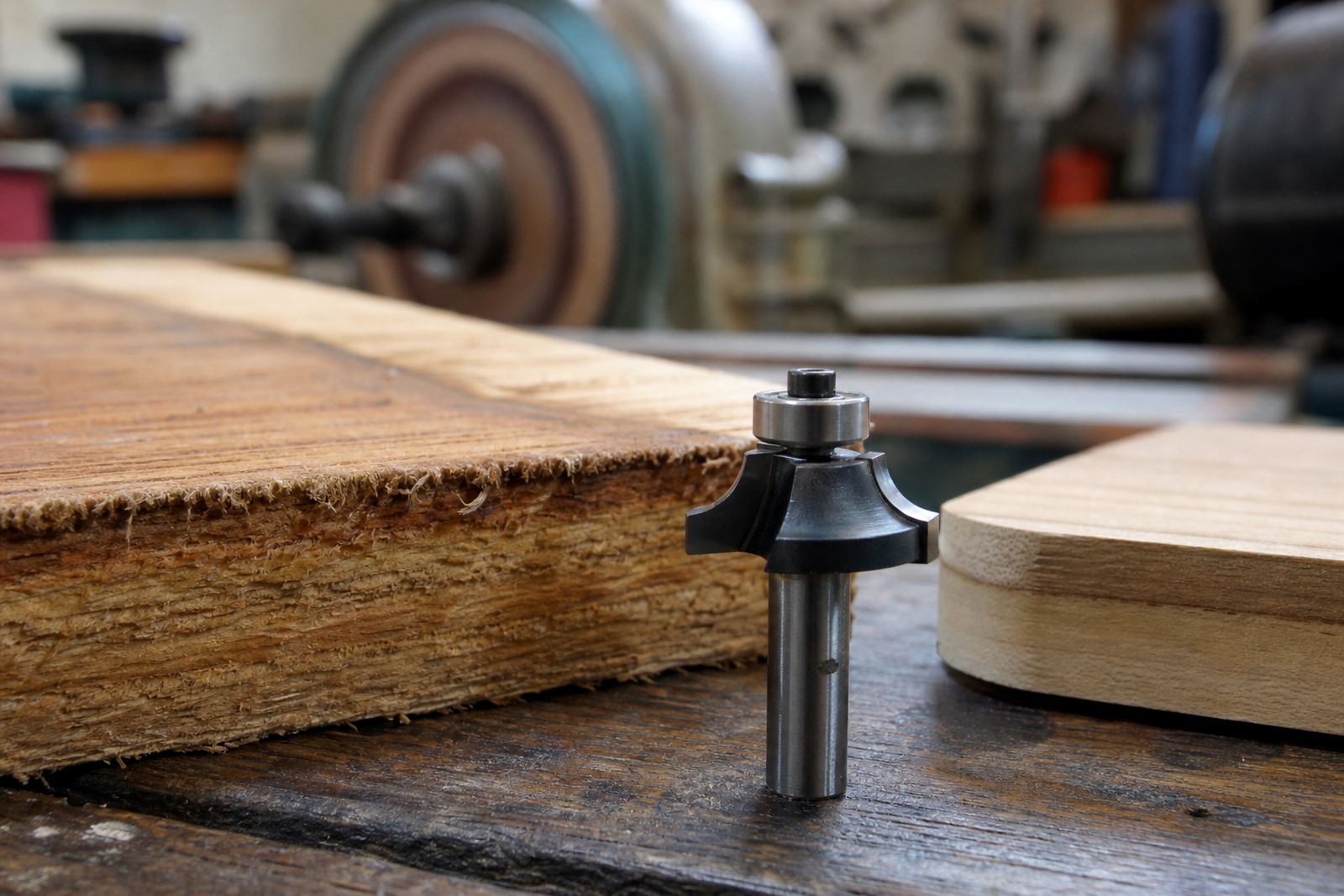
- Router Bit Sharpening
- Tooth Face Grinding
- Top Grinding
- Diameter Correction
- Burn Mark Removal
- Chipped Edge Recovery
- Angle Resetting
- Balance Checking
- Batch Tool Tagging
- Courier Collection Booking
Who uses our service most often
We serve hobbyists, carpenters, cabinetmakers, maintenance departments, fitment teams and production workshops that cannot afford poor cuts or unnecessary downtime. Many clients come to us after finding that their tools are cutting slowly, leaving burn marks or pulling off line. Others send in batches on a regular schedule so their tools stay in rotation.
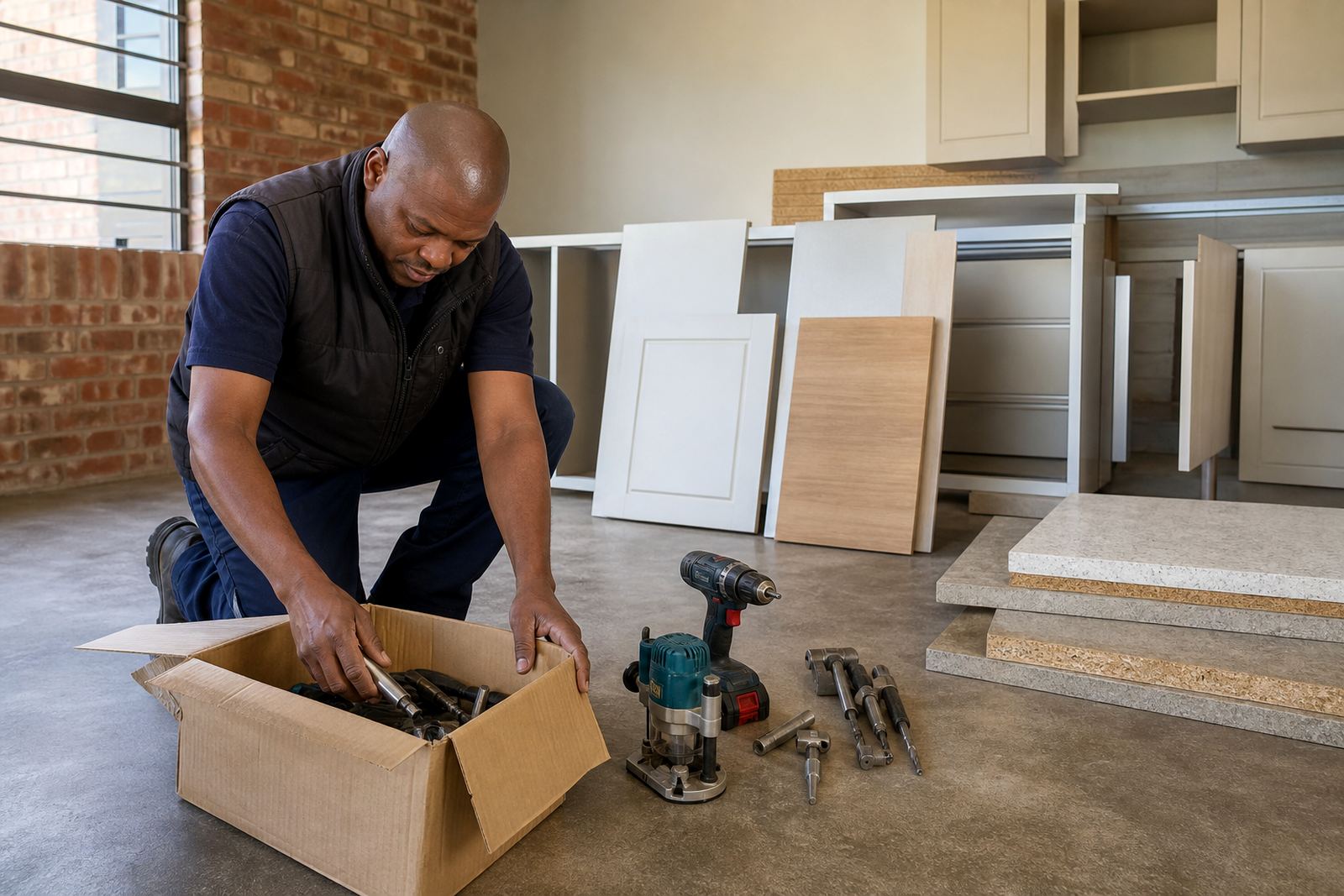
Clients in Durban, Westville and Hillcrest often need quick turnaround on site used tools. In Pietermaritzburg, Johannesburg, Pretoria and Cape Town, our courier collection service makes it simple to send tools in without wasting a day travelling. For many businesses, that matters more than anything else during load-shedding and busy production weeks.
- Hobbyists keeping a home workshop in shape
- Trade users with daily cutting demands
- Contractors who need reliable tool condition
- Factories and maintenance teams with mixed tool batches
- Clients who want courier collection instead of drop off
How our sharpening and regrinding process works
Every job starts with checking the tool type, the wear pattern and the cutting condition. We look for chipped edges, uneven teeth, heat damage and balance issues before we decide on the right process. This saves time and avoids over grinding when a lighter correction will do. It also helps us match the finish to the way the tool is used.
For many items, the work includes more than sharpening alone. We may carry out top grinding, tooth face grinding, angle resetting, diameter correction or burn mark removal, depending on what the tool needs. On certain batches we also do balance checking and batch tool tagging so clients can keep track of what came in and what is ready to go back. That bit of order saves headaches later, especially when several operators are using similar tools.
We keep the process practical and clear. If a tool is beyond economical recovery, we will explain why. If it can be improved and put back into service, we will set it up properly so it cuts cleanly and consistently.