Fast turnaround for shopfitting crews under pressure
When a shopfitters team is building counters, gondolas, feature panels or full retail fit-outs, the cutting tools need to stay sharp from the first board to the last trim. A dull blade can leave chip-out on melamine, burning on hardwood edging, and wavy cuts on laminated board, which means more sanding and more waste.
We work with installers and workshop teams in Pinetown, Durban, Westville, Hillcrest, Pietermaritzburg, Johannesburg, Pretoria and Cape Town through courier collection and return. That helps keep tools moving between site work and the workshop, even when load-shedding or transport delays start affecting the schedule. For many crews, a 24 to 72 hour turnaround makes the difference between handing over on time or working late.
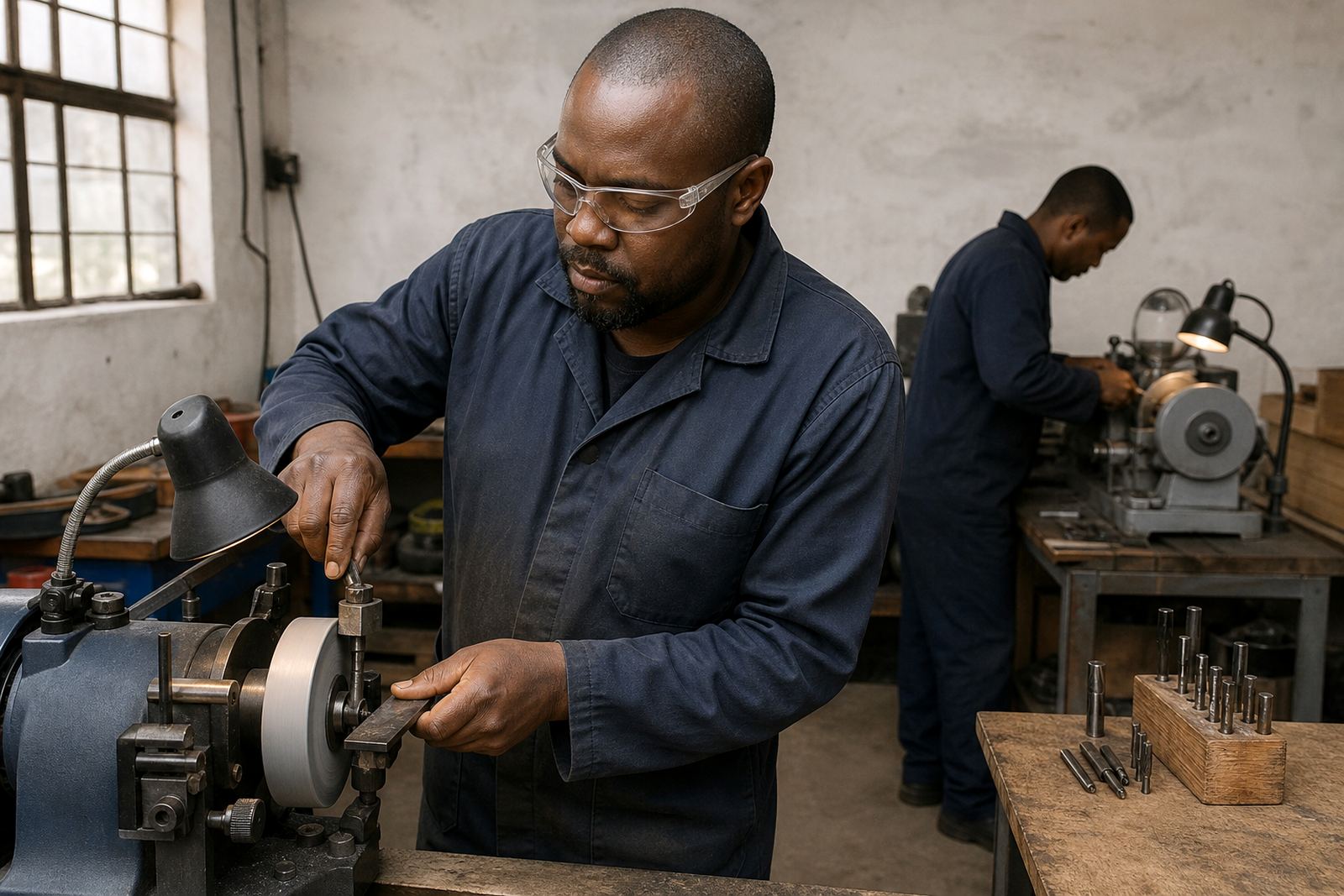
- Saw blade sharpening for panel saws and mitre saws
- Drill sharpening for clean pilot holes and fixings
- Router bit sharpening for edges, grooves and rebates
- Burn mark removal and chipped edge recovery
Typical tools used in counters, shelving and display fitting
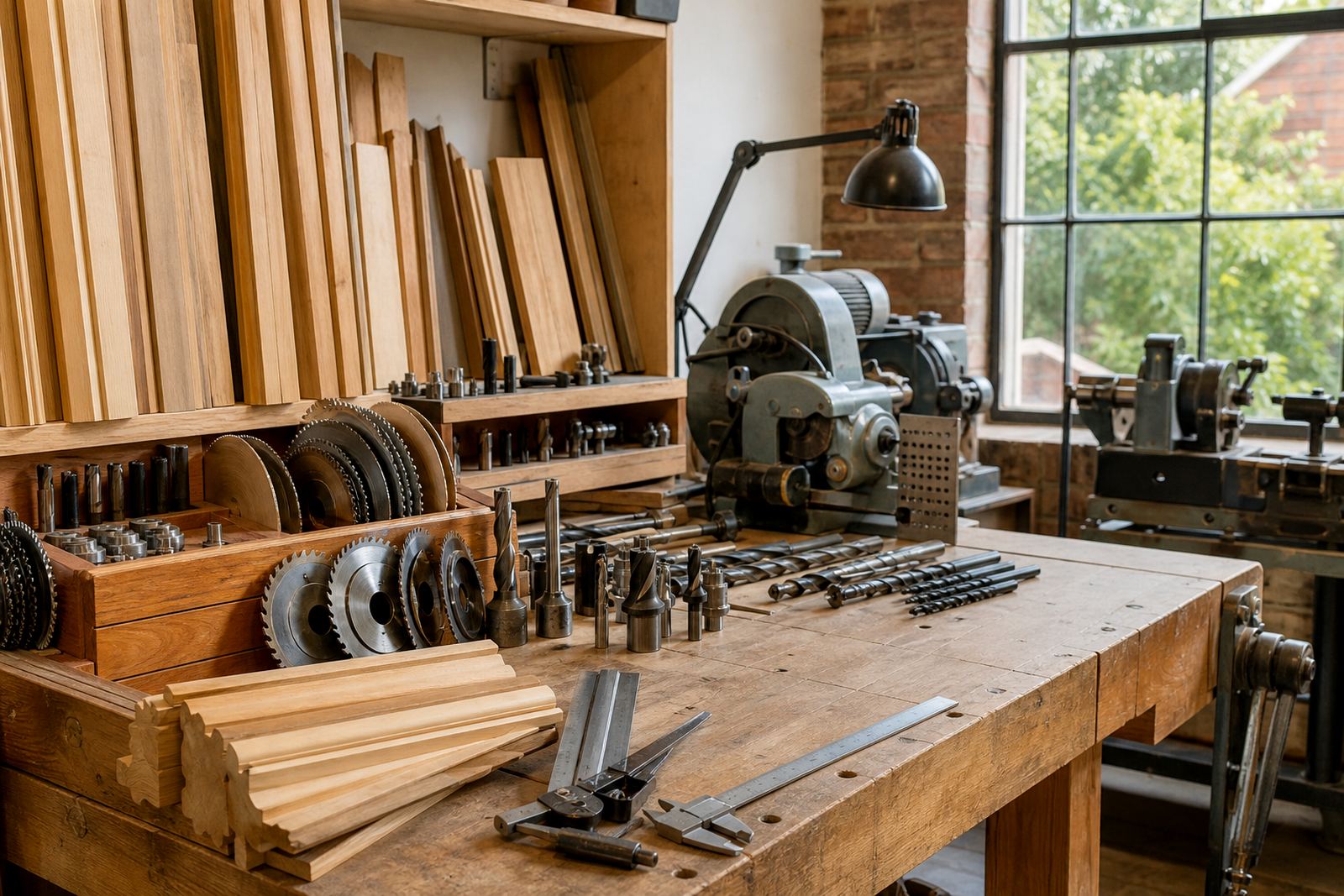
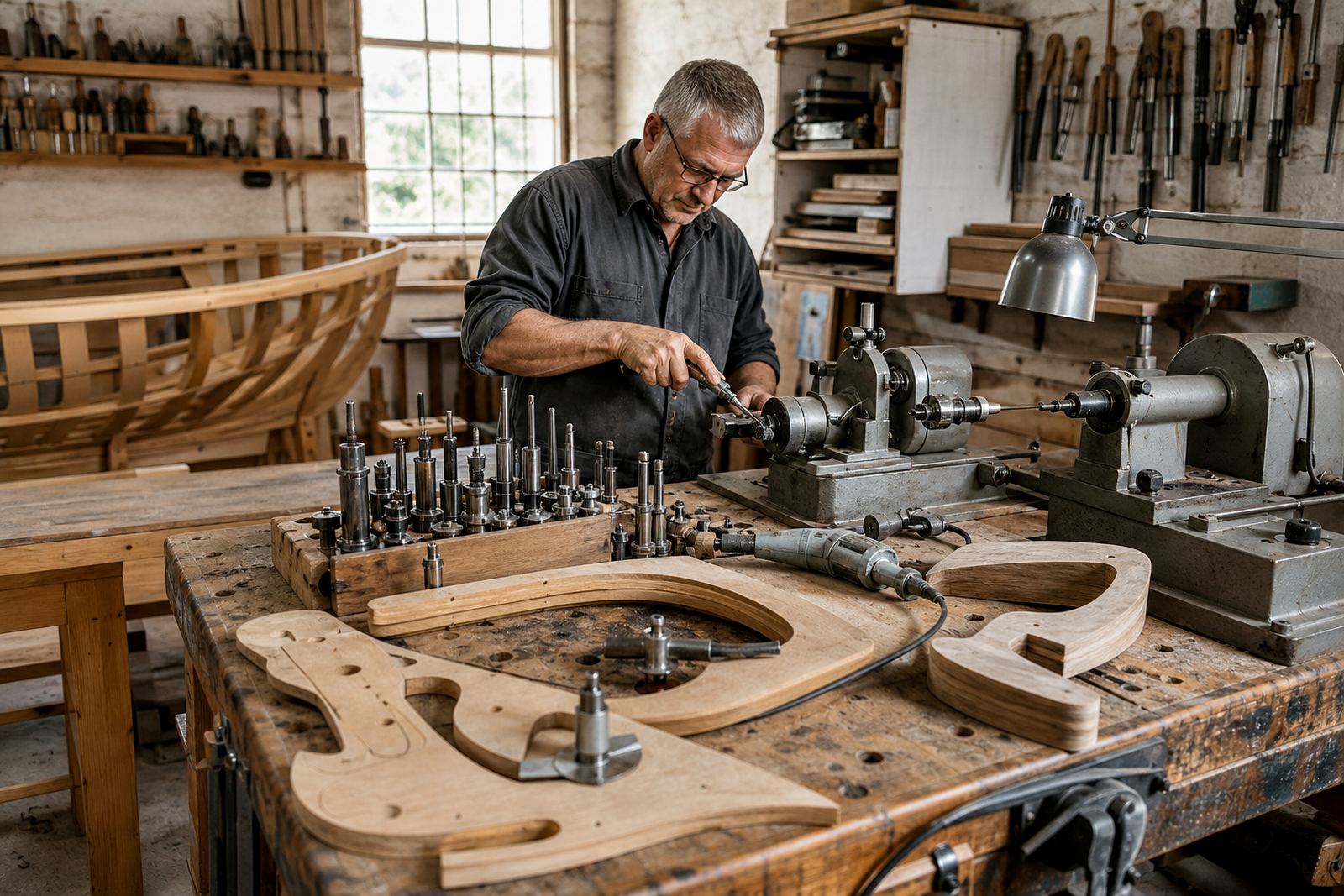
Shopfitting workshops usually run a mix of hand tools and machine-mounted cutters. The most common items sent in are carbide-tipped saw blades, drills, straight router bits, rebate cutters and profiling bits. On busy jobs, teams often send the whole batch at once so every piece comes back matched and ready for the same job, instead of mixing sharp and dull tools in the same run.
We also handle diameter correction, angle resetting and balance checking where the tool has drifted out of spec. That matters when a cutter has been used hard on dense board, or when a blade has picked up small damage from hidden staples, screws or grit in reclaimed material. If the tool is still sound, regrinding can save money and keep the original size close to what the machine needs.
- Panel saw blades for sheet goods and solid board
- Router bits for edge detail, housing cuts and joinery
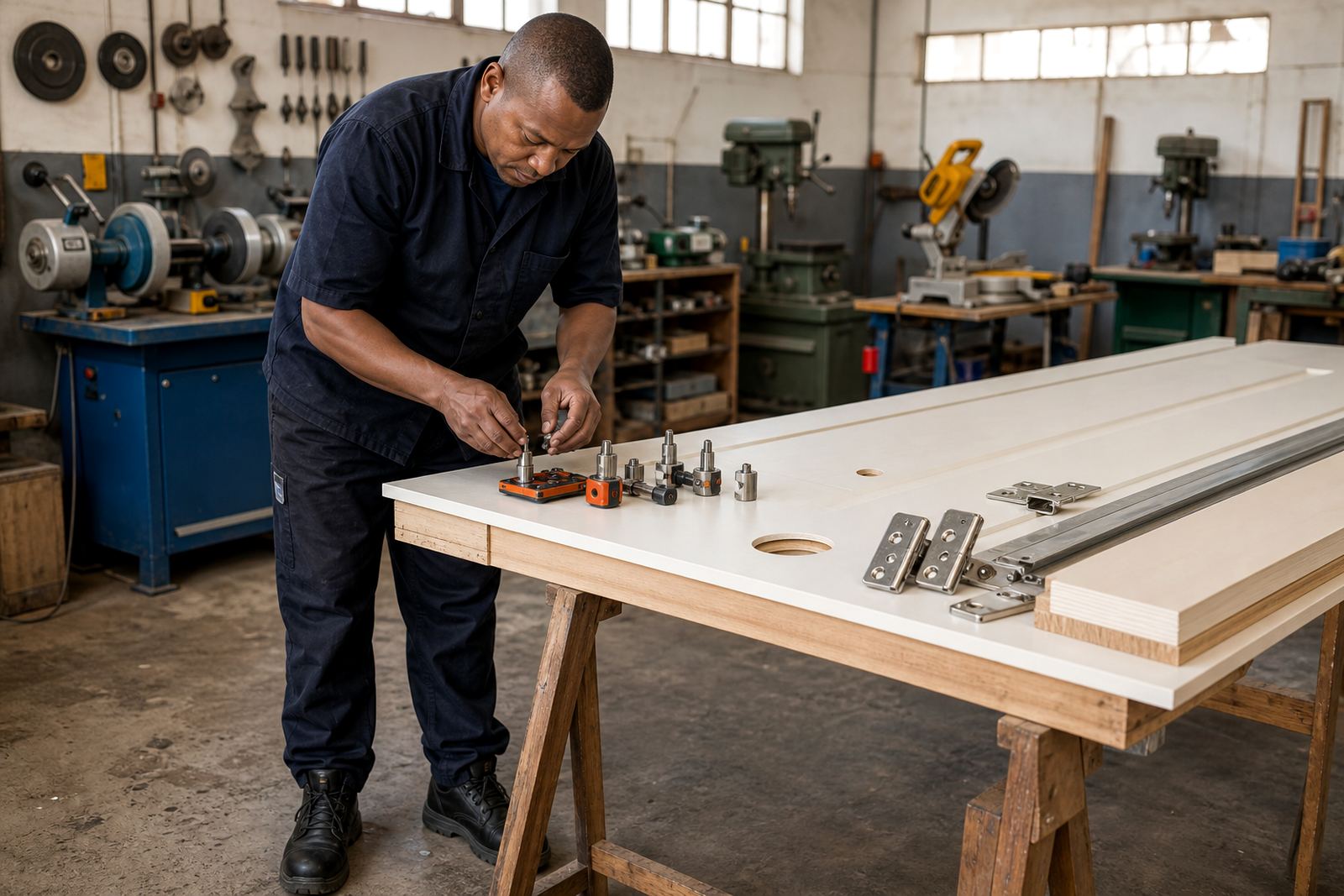
- Drill bits for pilot holes, fixings and hinge work
- Special cutters used for batch production and repeat fittings
Planning a workshop flow that keeps jobs moving
Good planning starts with a simple tool rotation. Shopfitters doing repeat production should keep one active set, one spare set and one set out for sharpening. That reduces stoppages when a blade goes dull mid-job. In a small Pinetown workshop or a larger production space in Johannesburg, the same rule applies: label the tools, note the machine size, and send them in before they become too blunt to recover properly.
Batch Tool Tagging helps separate tools by job, machine or operator. That is useful when different crews are producing retail counters, wall shelving or one-off display units at the same time. It also cuts down on mix-ups during collection and return, which can happen easily when several teams are sharing the same shop floor. For teams in coastal areas like Durban and Cape Town, keeping tools dry before collection also helps limit surface rust and staining.
- Tag tools by job number or machine
- Set a weekly or fortnightly sharpening cycle
- Keep spare blades packed and labelled
- Store cutters in dry boxes to limit corrosion
Common mistakes that cost time and material
One of the biggest mistakes is waiting until a blade is completely ruined before sending it in. By then the cut quality has often dropped far enough to damage board edges, and the tool may need extra work to recover. Another common issue is running the same cutter too long after it starts burning. That creates heat, breaks down the edge quicker, and can leave a finish that needs extra touch-up on site.
We often see tools come in after being forced through dense board or contaminated material without enough inspection. Chipped teeth, bent shanks and uneven wear can all affect the cut. It is also easy for workshop teams to miss the effect of poor balance on larger blades. A blade that is out of balance can vibrate, make the machine work harder, and leave a poor finish even if the cutting edge still looks acceptable.
For shopfitters, small mistakes add up fast. A rough cut on one batch of shelf parts can turn into extra edge banding, extra sanding and extra labour. That is why the same careful handling needed for site measuring also applies to the tools in the workshop.
Budget ranges for sharpening and regrinding work
Costs depend on the tool size, damage level and how much correction is needed. Simple sharpening is usually the most affordable option, while regrinding, diameter correction and burn mark removal cost more because they take extra machine time and setup. For shopfitters working on tight margins, it helps to compare the sharpening cost with the price of replacing the tool entirely.
As a working guide, smaller drill sharpening jobs may start from around R35 to R80 per item, while router bit sharpening can sit between about R60 and R180 depending on profile and wear. Larger saw blades may range from about R120 to R450 or more, especially if tooth damage, angle resetting or balancing is needed. Batch work can sometimes reduce the per-tool cost, particularly for workshops sending in regular sets.
Courier collection across South Africa makes it practical for teams in Durban, Pietermaritzburg, Johannesburg, Pretoria and Cape Town to keep tools in circulation without the time cost of dropping them off in person. For regular workshop users, this often works out better than buying replacement cutters every time a batch starts to dull.
How installers and workshop teams send tools in
Once the tools are packed, the process is straightforward. Use the enquiry form on our contact page to book a courier collection, then prepare the tools in a way that keeps cutting edges protected. Include a short note if there are particular issues such as chipped teeth, burnt edges, uneven cut quality or a blade that needs checking for balance.
CutTool Sharpening is based in Pinetown, KwaZulu-Natal and works with shopfitters across the region and further afield. Whether the work is for a compact retail counter in Westville, a shelving run in Hillcrest, or a larger production batch for a national rollout, the aim is the same: clean cutting, less waste and tools that are ready to go back into service without delay. A well planned sharpening cycle keeps the workshop moving, especially when deadlines are tight and the job cannot wait.