Why marine workshops bring tools in for regular sharpening
Boat building puts tools through long hours on hardwood, marine ply, laminated board and shaped trim pieces. When blades start to burn, drill bits wander or router profiles lose their edge, the job takes longer and the finish suffers. In coastal areas like Durban and Cape Town, humidity can also lead to faster corrosion if tools are left dirty after a shift.
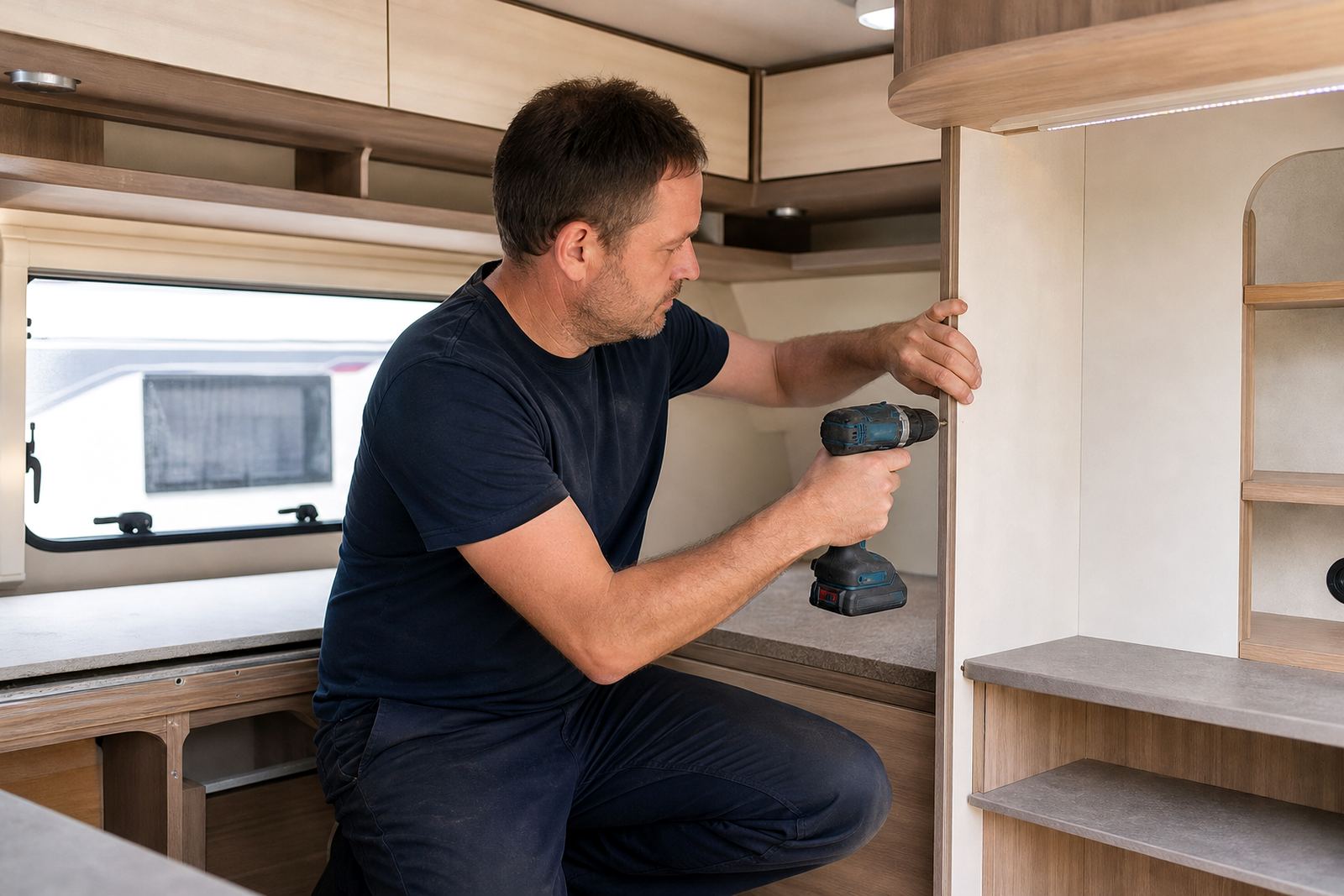
We work with workshop teams that need repeatable cuts, neat edge profiles and less material waste. That usually means keeping saws, drills and router bits on a rotation rather than waiting until a tool is badly worn. For a small marine fit-out team, a weekly collection may be enough. For a busy shop turning out cabinetry, hatches and deck fittings, two or three collections a month is often better.
Typical tools in a boat builder’s kit
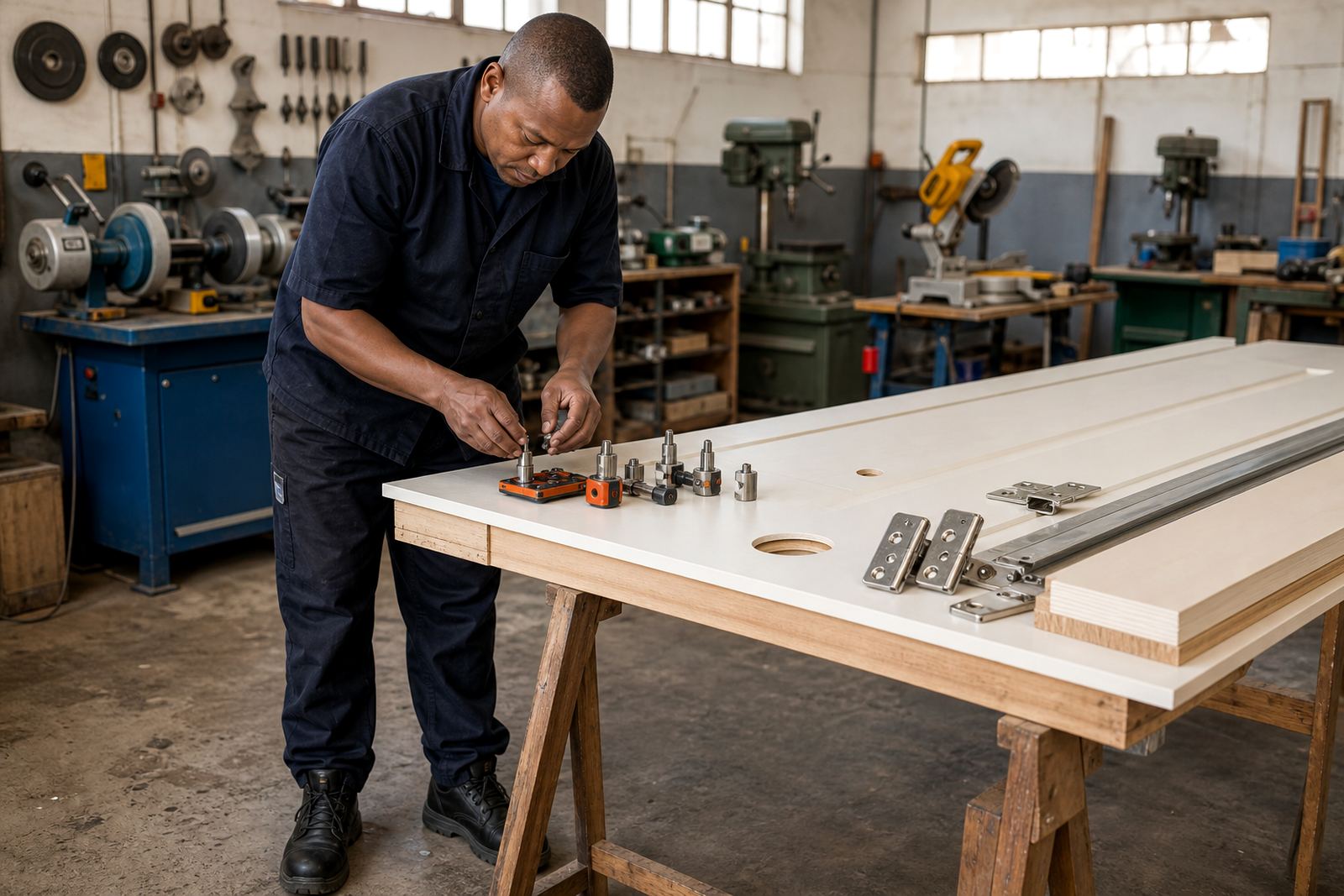
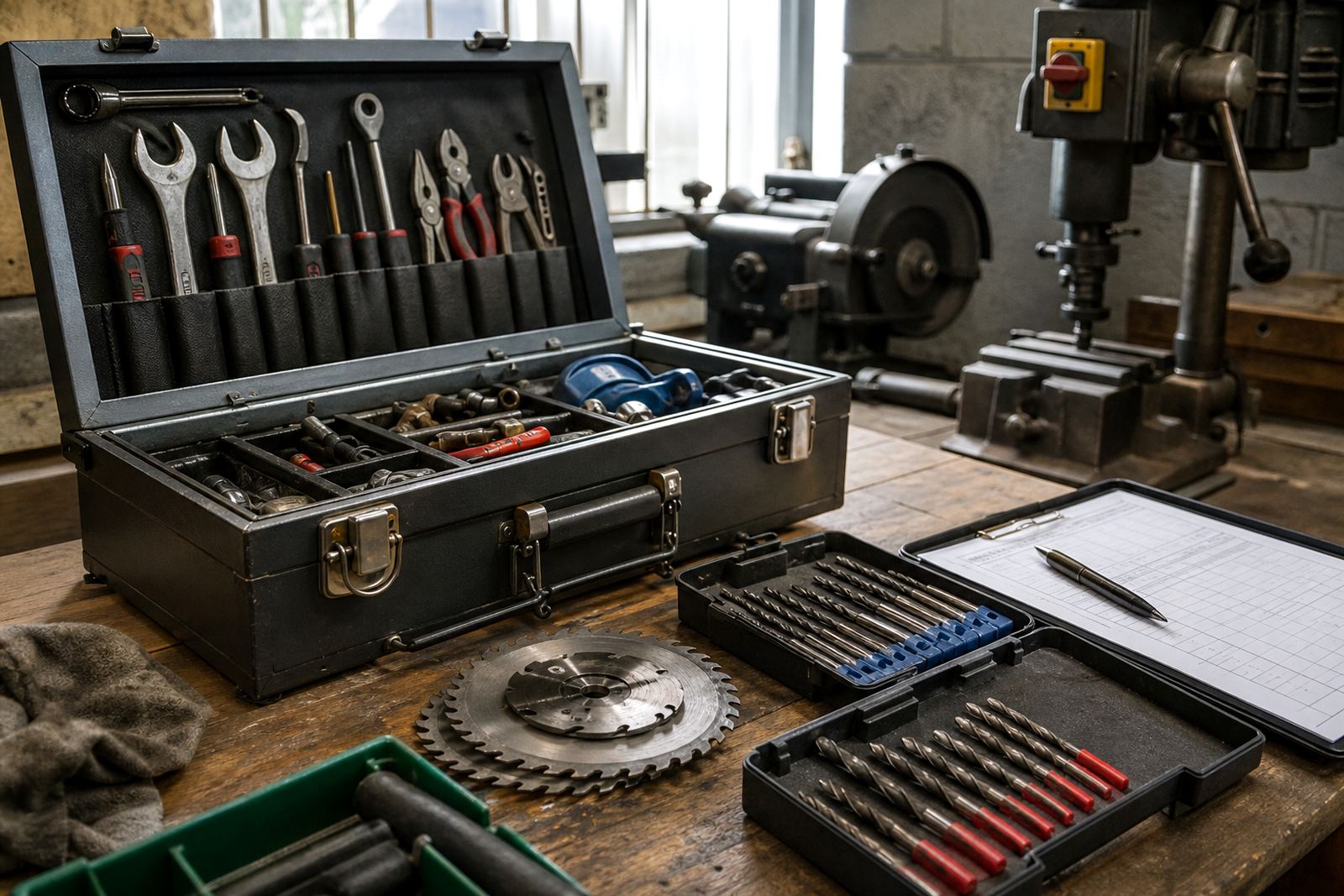
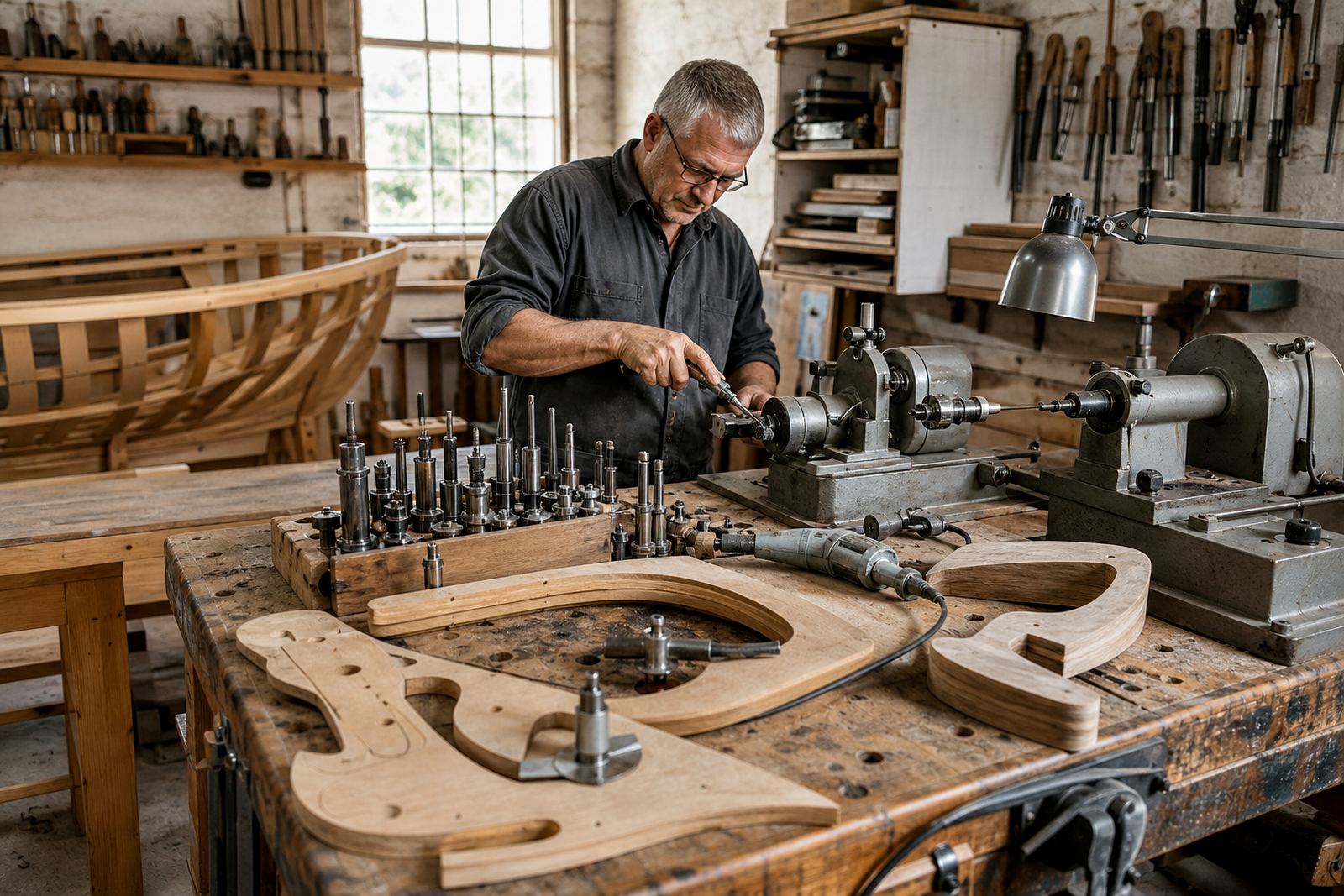
Most marine fabrication workshops use a mix of bench tools, hand-held tools and profiling cutters. The exact set changes from shop to shop, but the usual items are straightforward and easy to keep in a service cycle.
- Panel saw blades for timber, board and ply
- Circular saw blades for trim work and site fitting
- Drill bits for timber, metal inserts and fixing points
- Router bits for rebates, grooves, edge detail and shaped profiles
- Special cutters used for hatch frames, vents and interior joinery
We also handle tooth face grinding, top grinding, diameter correction, burn mark removal and chipped edge recovery where the cutter can still be saved. In many cases a bit of maintenance is enough to avoid replacing a tool that still has useful life left.
Layout advice for a workshop that works near the water
A good marine workshop layout should keep used tools separate from sharp stock, offcuts and wet timber. A simple tagging system helps a lot. If tools come in from fitting work in Westville, Hillcrest or down on the coast, they should be cleaned, labelled and stored before the next batch goes out. Batch tool tagging saves time when several cutters arrive together and need different work.
It also helps to plan around the loadshedding schedule. If your shop depends on machines for glue-up, drilling or trimming, keep a buffer of sharpened tools ready before a blackout window. That way the team can resume quickly without waiting for blades and bits to be sent out after the fact.
- Keep a drying rack for tools returned from damp sites
- Store cutters in labelled trays or sleeves
- Separate stainless work, timber work and mixed-material tools
- Schedule collections before deadline weeks and launch dates
- Hold back spare cutters for urgent repairs and final fit-outs
Common mistakes that cost time and money
Boat builders often run tools too long because the edge still looks usable. That usually leads to tear-out, chatter, burning and poor fit. Another common issue is letting a blade or router bit run after a chip on one tooth or flute. One damaged section can affect balance and the cut line, so early repair is usually cheaper than a full replacement.
We also see workshops sending mixed batches without notes. If a tool needs angle resetting, balance checking or diameter correction, that detail matters. A little extra information upfront prevents delays and helps the technician match the finish to the job at hand. It also avoids repeated handling, which is never ideal when turnaround matters.
On the coastal side, rust spots and resin build-up are often treated as normal wear, but they should be dealt with early. Burn marks on timber cutters and blunt drill points both point to poor maintenance or the wrong feed rate, and both can be corrected if caught in time.
Courier collection for Durban, Johannesburg and beyond
CutTool Sharpening works from Pinetown and arranges courier collection for workshops across South Africa, including Durban, Pietermaritzburg, Johannesburg, Pretoria and Cape Town. That helps marine teams that do not want to lose half a day driving tools in and out, especially when production is already tight.
For out-of-town clients, the process is simple. Book a collection through the enquiry form on our contact page, pack the tools securely and send them with the batch notes. Once the job is complete, the sharpened tools are returned the same way. For local clients in Pinetown, Durban, Westville and Hillcrest, collection can often be arranged more quickly depending on the load.
Courier service is useful for smaller shops too, because it allows regular maintenance without needing a full-time runner. The key is consistency, not waiting until every cutter is blunt at once.
What a practical budget looks like in Rand
Budgets depend on tool type, condition and quantity, but boat builders usually want to plan per batch rather than per item. A small set of saw blades and router bits might come in at a few hundred Rand, while a larger workshop batch with regrinding, diameter correction and balance checking will cost more. If a cutter has heavy damage, the price rises because the repair takes longer and more material may need to be removed.
As a rough working guide, many small workshops allow R500 to R1,500 for a light maintenance run, R1,500 to R3,500 for mixed workshop batches, and above that for larger monthly collections. These figures are practical planning ranges only. The best way to manage cost is to service tools before they reach the point of full replacement, because waiting too long usually turns a minor sharpen into a bigger repair.
Training and starter kits are also available for teams that want a better in-house care routine. That can help new staff handle cleaning, tagging and storage properly, which saves money over time and keeps the cutting room in better order.