Why maintenance crews send tools out before they fail
For maintenance teams, a blunt blade or wandering drill bit usually shows up at the worst time. You are often working between jobs, with a short shutdown window, load-shedding to plan around, and a list of repairs that cannot wait until next week. In Pinetown, Durban, Hillcrest and further afield, the practical answer is to keep a small batch of tools in circulation and have the worn ones sharpened before they become scrap.
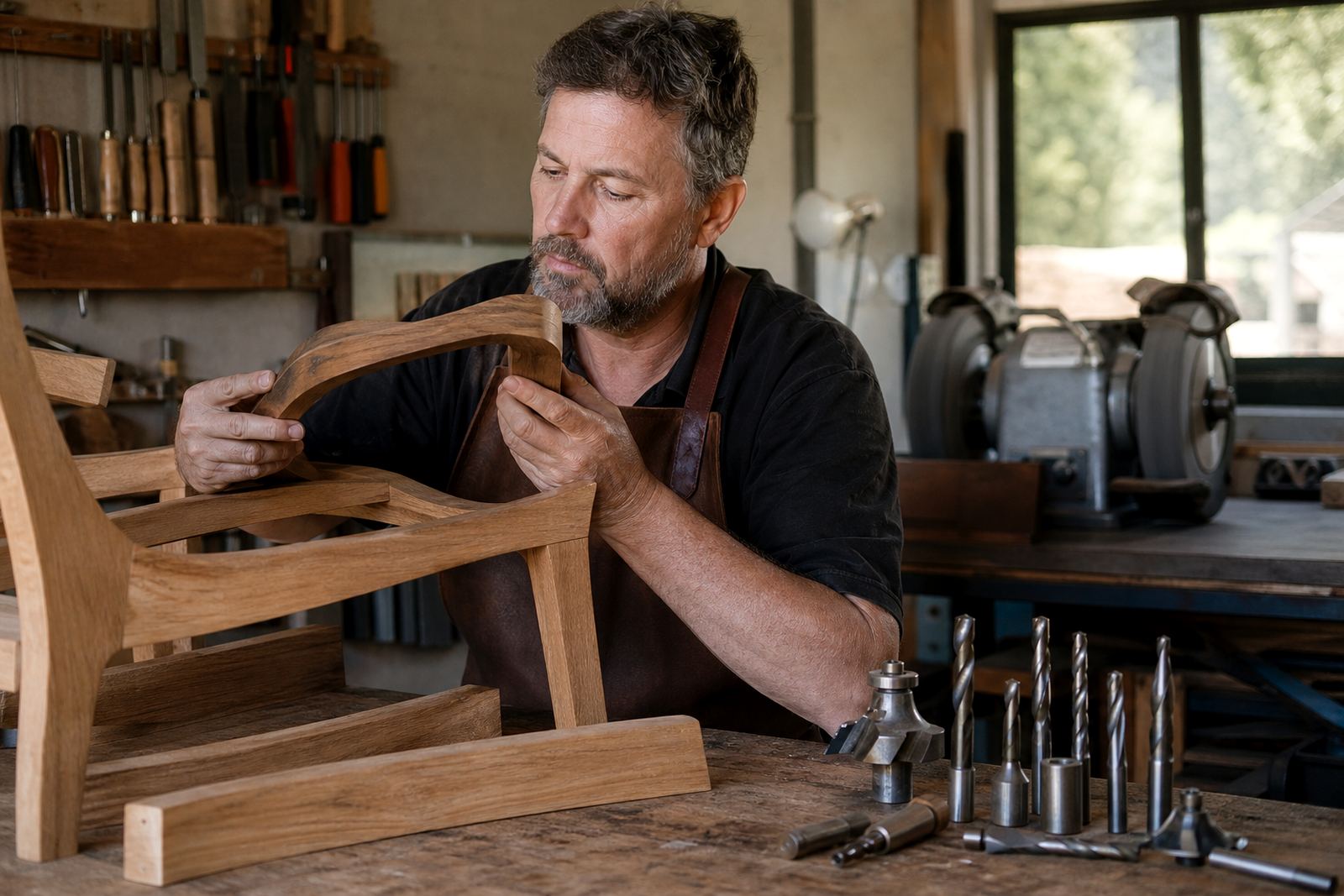
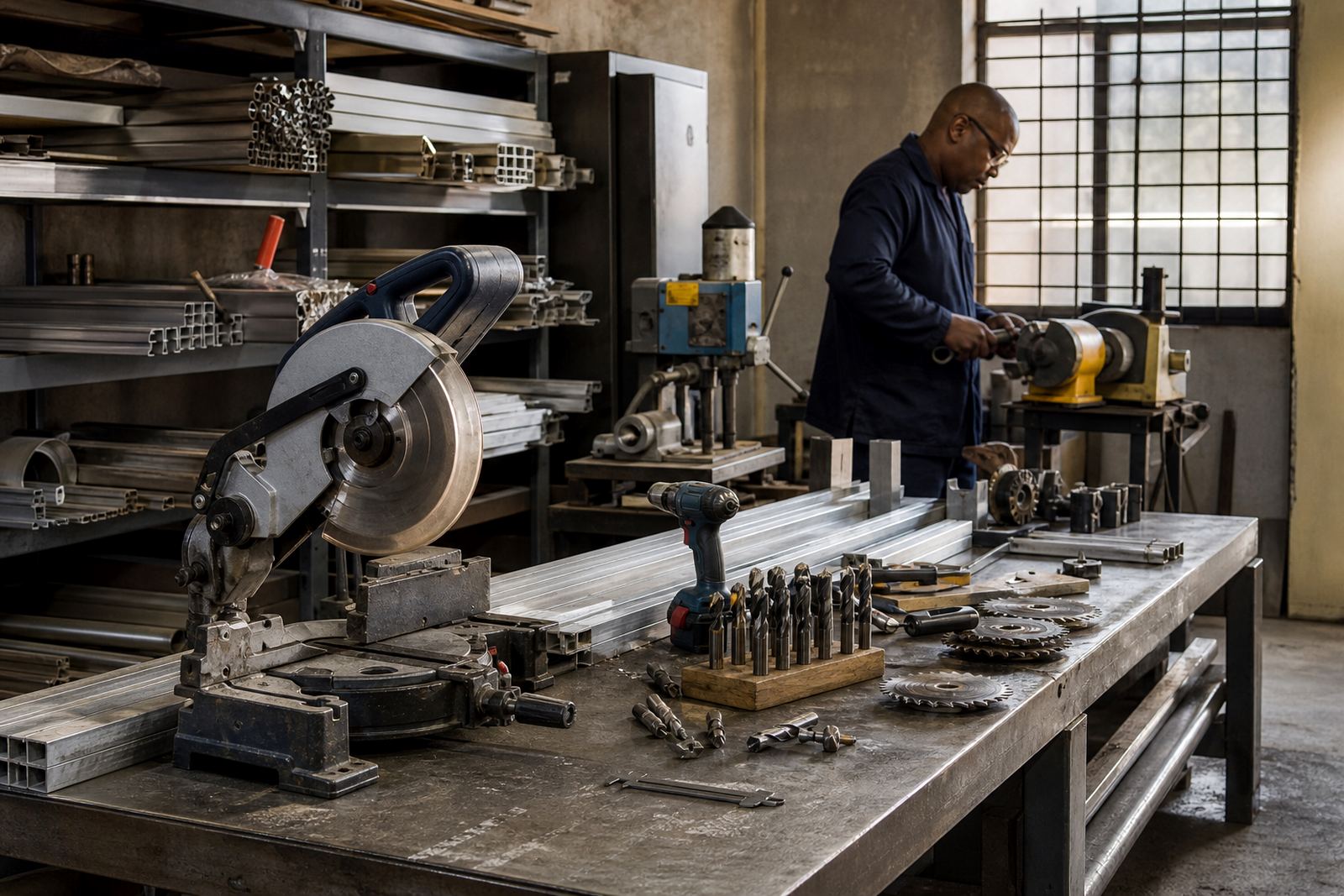
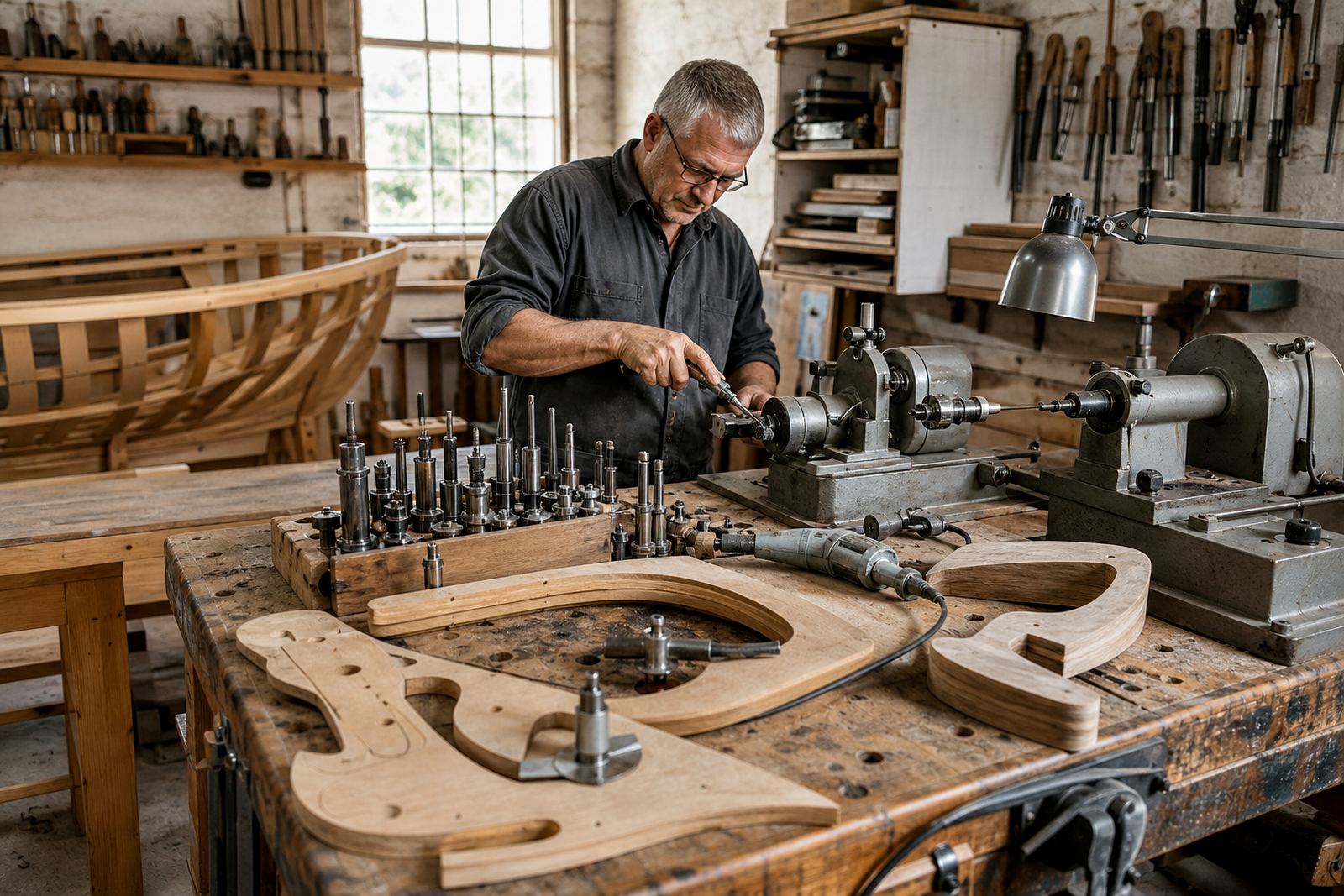
Most site and facility teams bring in circular saw blades, hole saws, twist drills, masonry drills, router bits, cutters and specialty bits used for joinery, steel work and general plant maintenance. The aim is simple: keep cut quality steady, reduce strain on cordless and mains tools, and avoid burning through consumables too quickly. When edges are set correctly, the work goes faster and the finish is cleaner. That matters whether you are trimming boards for a cupboard repair or opening up access for pipework.
Typical tool sets from workshops, estates and factories
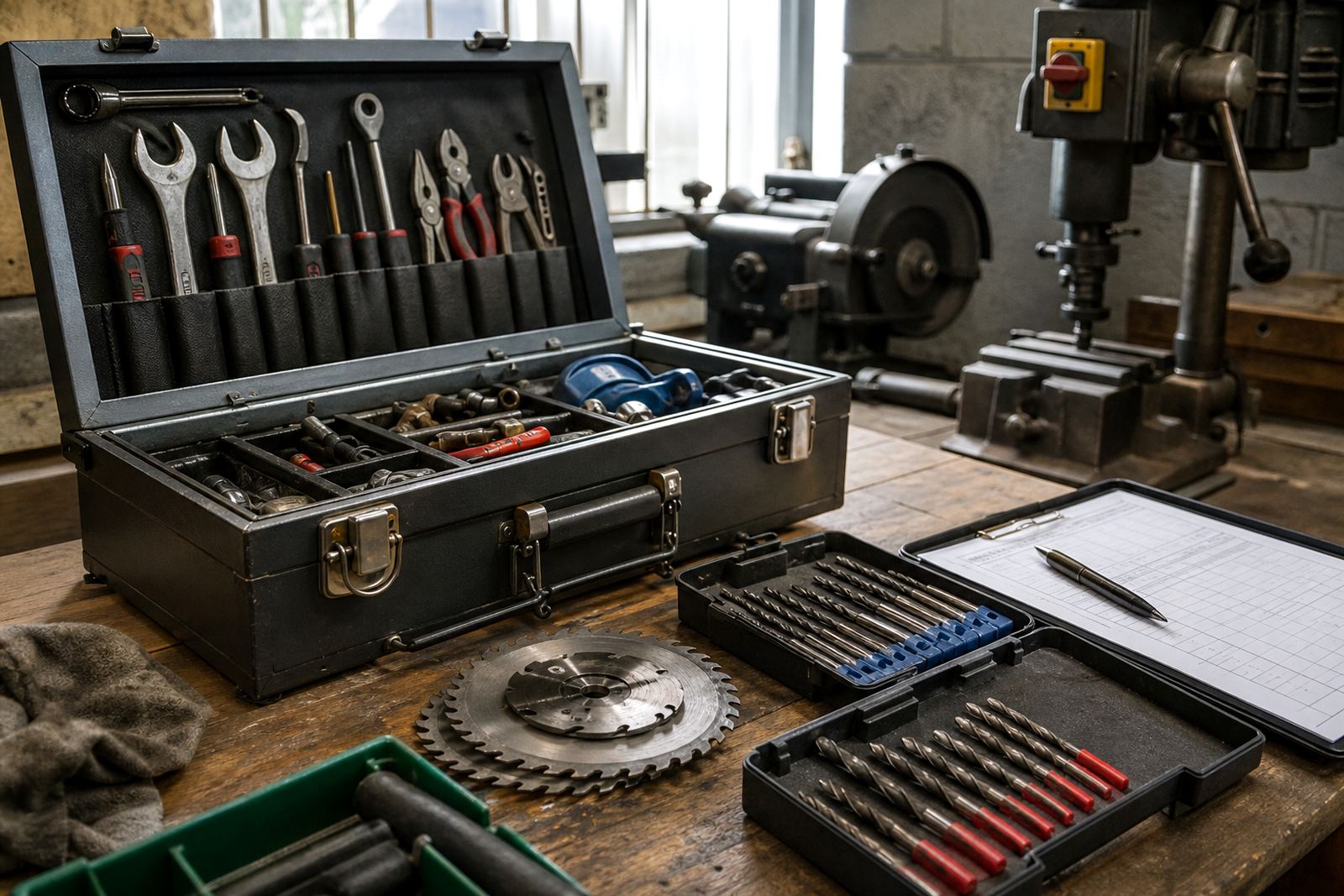
Every maintenance department has a different mix of tools, but the pattern is usually similar. Teams keep a daily-use kit on site, then send a second batch for sharpening so they do not stop work completely while the first batch is away. This works well for factories in Pretoria, property teams in Johannesburg, and coastal sites in Cape Town where humidity can add a bit of surface wear if tools are stored badly.
- Wood and metal cutting saw blades in mixed diameters
- Drills used for pilot holes, fixing work and repair drilling
- Router bits for edging, trimming and recess work
- Tools with chipped edges, burn marks or uneven wear
- Blades that need diameter correction or balance checking
It helps to tag each batch by site, department or technician. A simple label system saves time when a mixed pack arrives from different branches in Westville, Pietermaritzburg or Cape Town. If a team uses the same diameter blade for several machines, keeping them sorted also reduces mix-ups and makes reordering easier.
Planning your sharpening cycle around daily repairs
The best maintenance teams do not wait for a complete failure. They plan a rotation. One group of tools stays in use, one group is with us for sharpening, and one small reserve is kept for urgent call-outs. That way, a late-afternoon breakdown does not leave the team stuck with a blunt blade and no backup. It is a straightforward system, but it works well in busy depots and industrial sites.
As a rule, tools should be sent in before the edge is badly damaged. Heavy burning, snagging, excessive vibration or rough cuts are signs that the tool is already costing time. For router bits and saws, regular tooth face grinding and top grinding help keep the cut consistent. For drills, sharpening should restore the point and the angle so the bit centres properly and does not skate on the material. A missed angle can ruin a lot of work, so it is worth checking before the next job starts.
- Keep one labelled box for incoming worn tools
- Log the tool type, size and site before collection
- Separate damaged blades from items needing light touch-up
- Set a regular cycle, weekly or fortnightly depending on usage
Collection and turnaround for teams working across South Africa
Maintenance work does not stay in one town, so courier collection is often the easiest option. We collect from Pinetown, Durban, Pietermaritzburg, Johannesburg, Pretoria and Cape Town, with branch and site support for nearby areas such as Hillcrest and Westville. That helps teams avoid sending someone out just to deliver tools, which saves fuel and time.
For larger sites, it is useful to have a single collection point. Store the packed tools in a secure cage, storeroom or tool crib so the collection is easy to manage. If the team works on multiple shifts, handover notes should say which items are priority and which can wait. This is especially useful when a shutdown is planned for a specific day and the job list is already tight.
Turnaround depends on the type of tool and the amount of work needed, but teams usually do best when they allow a buffer. Do not leave the job until the morning of the repair. If the work is scheduled for Monday, the tools should be sent in early enough for sorting, sharpening and return without stress.
Common mistakes that cost maintenance teams time and money
Most problems we see are not caused by bad tools. They come from poor handling, mixed storage, or sending items in far too late. A blade that has been forced through hard material, overheated, or bent in storage can usually still be recovered, but it may need more than a quick touch-up. That adds cost, and sometimes the extra damage is avoidable.
Another common issue is using the wrong blade or bit for the material. Mild steel, hardwood, laminated board and plastic all behave differently. If the tool is not matched properly, it burns, chips or wears unevenly. Teams also forget to check balance and tooth condition after a few rough jobs. A tool can still look usable but cut badly, which slows the whole crew down. A small typo in the log book or a missing size note can also send the wrong item back to site, which is annoying and avoidable.
- Do not mix wet, oily and dry tools in the same bag
- Do not wait until a blade is blue from heat
- Do not store sharpened tools loose in a crate
- Do not skip tagging for size, tooth count and site name
Budget ranges that suit small teams and larger facilities
Budgets vary with quantity, tool type and the amount of regrinding needed, but maintenance teams usually work best with a simple monthly allowance. Smaller teams that send in a few saws and drills may spend from about R350 to R1 200 at a time, depending on the batch size and condition. Larger facilities or contractor teams that run mixed tool sets can budget from around R1 500 to R5 000 or more for a fuller service cycle.
If your team also needs batch tool tagging, collection planning or training for basic edge care, factor that into the monthly spend. Training and starter kits are useful for teams that have new staff, changing shifts or multiple sites. They help technicians store tools properly, spot wear earlier and avoid repeat damage. In the long run, that usually saves more than it costs.
What maintenance teams can expect from a proper sharpening partner
A good sharpening partner should understand site pressure, not just tool geometry. That means clear sorting, practical advice, and work that helps the next repair go smoothly. At CutTool Sharpening, the team is led by Sibusiso Mthethwa and supported by Ayesha Naidoo, Thabo Dlamini, Johan van Zyl, Lerato Molefe and Nokuthula Khumalo. The focus is on useful turnaround, proper communication and cutting tools that are ready for the next job.
If your maintenance team works from a base in Pinetown or moves between Durban, Pretoria, Johannesburg and Cape Town, it helps to keep the process steady. Pack the tools, tag the batch, book the courier collection and keep a small reserve on site. That way the next repair starts on time, and the crew spends less time fighting blunt tools and more time getting the job done.