


How to choose the right sharpening guide
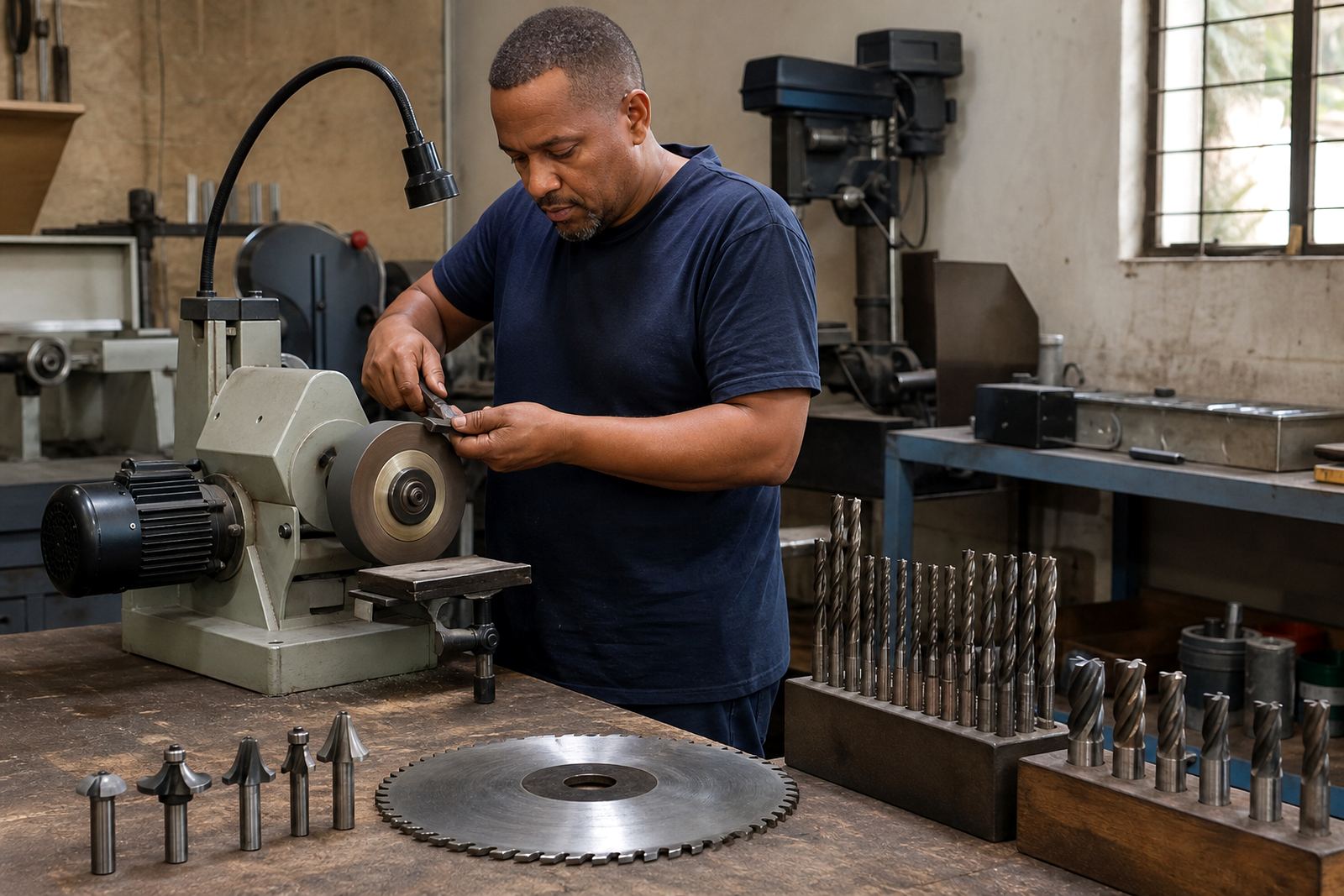
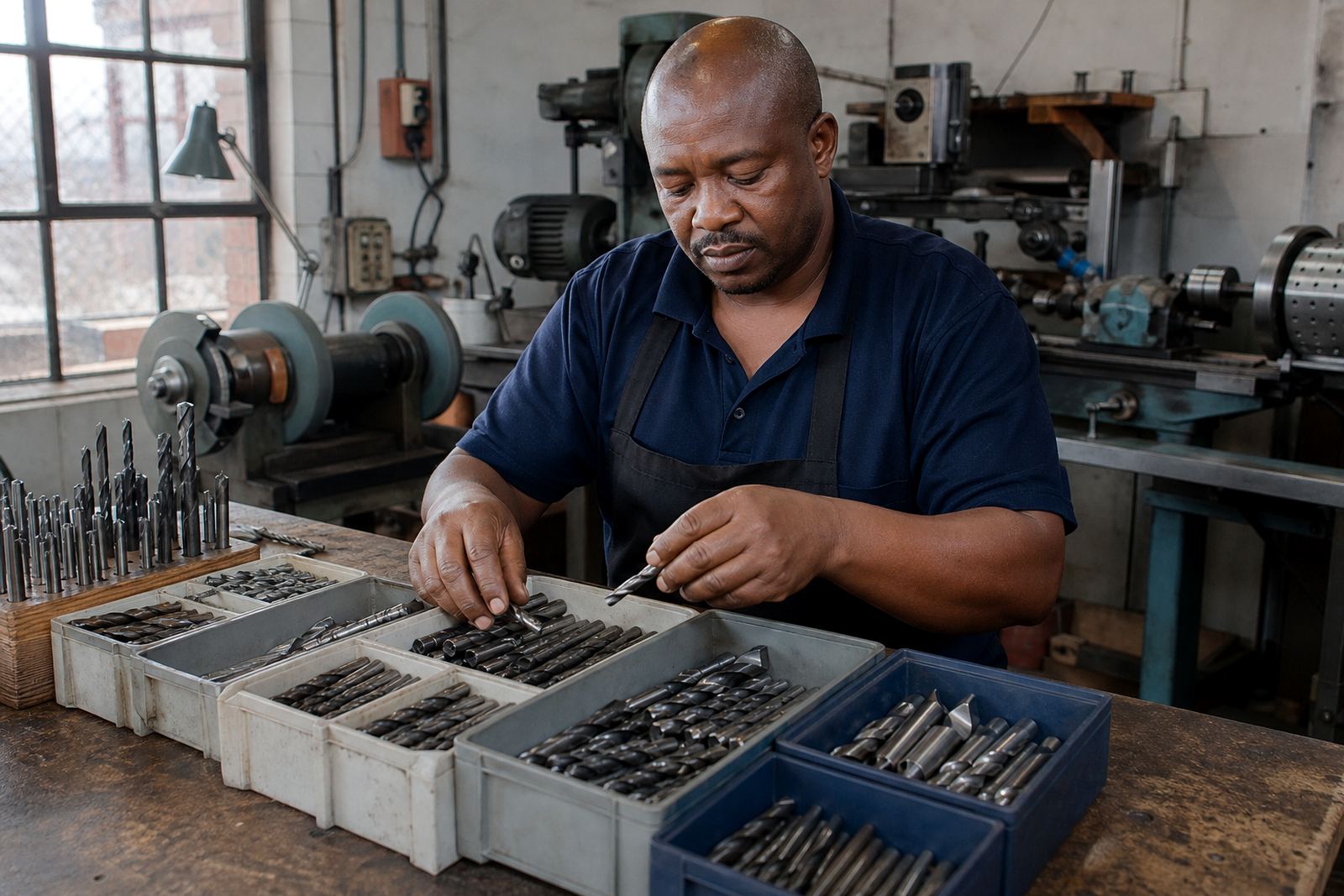
If you are working with saws, drills or router bits, the first step is matching the tool to the service. Some jobs need a simple sharpen, while others need tooth face grinding, angle resetting or diameter correction to get the tool back into service safely. In a busy workshop in Pinetown or a site job in Durban, that choice affects turnaround time and cost.
Our guides explain what each service does, what signs to look for on worn tools and when a tool is still worth saving. That makes it easier to plan a batch instead of sending items one by one.
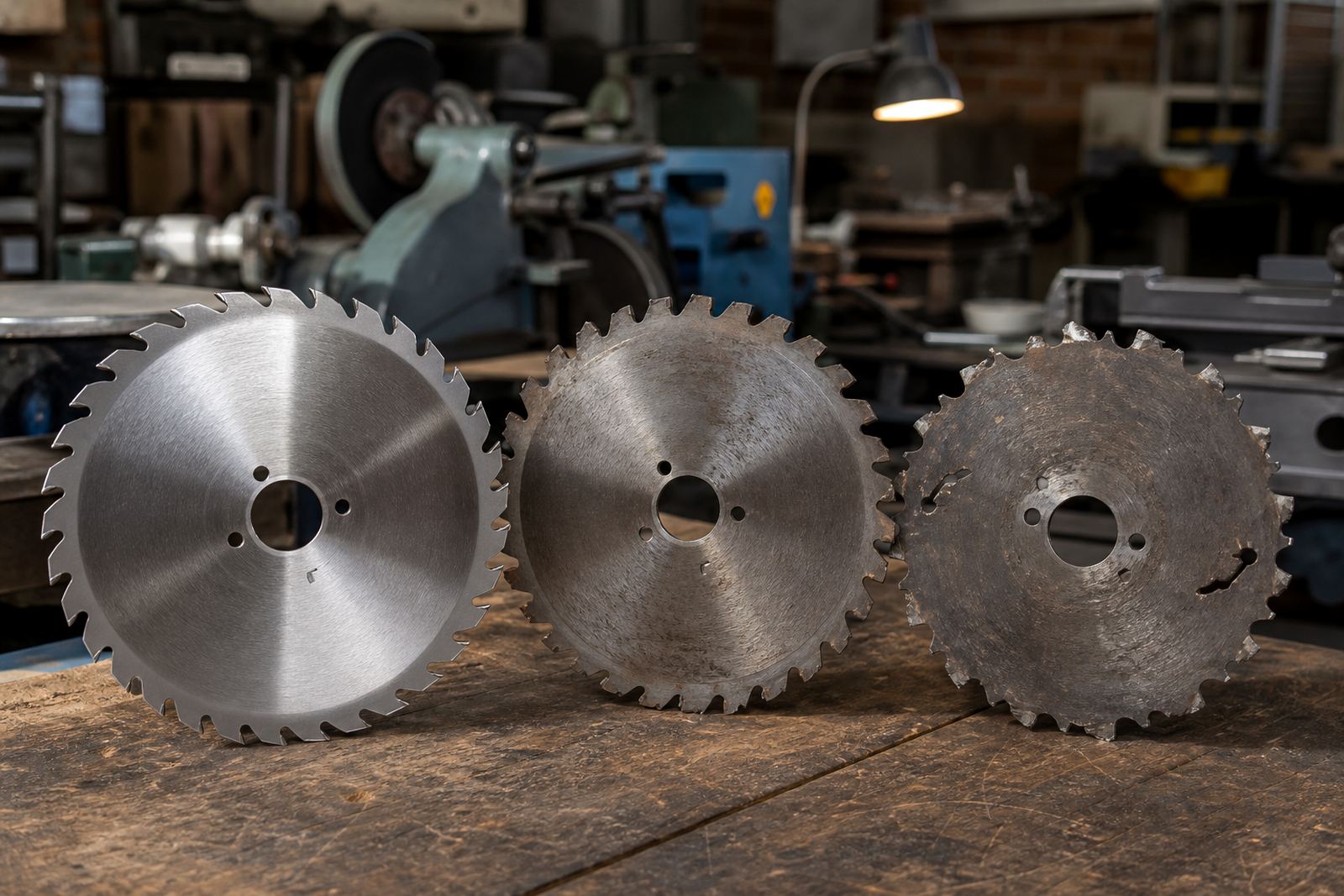
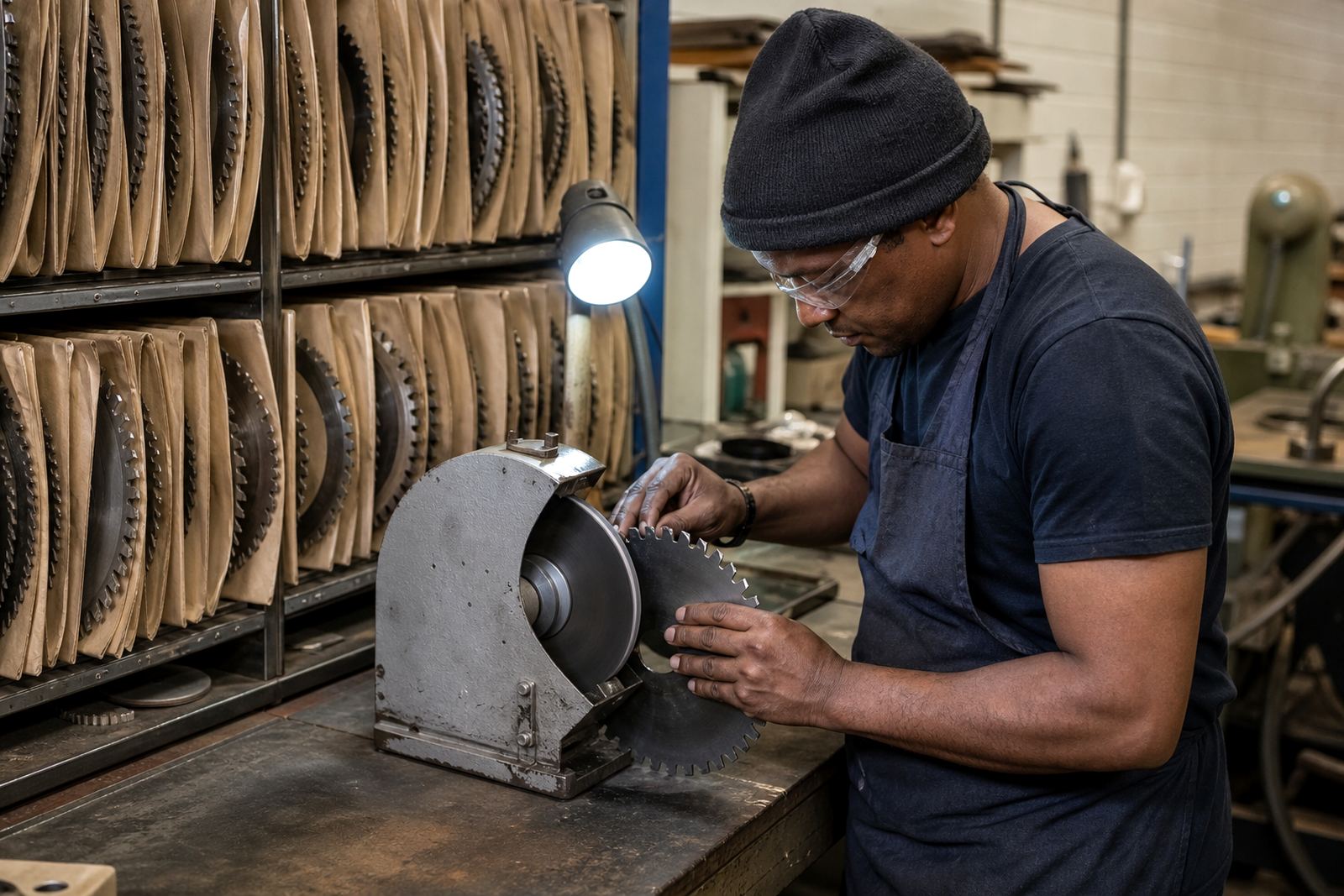
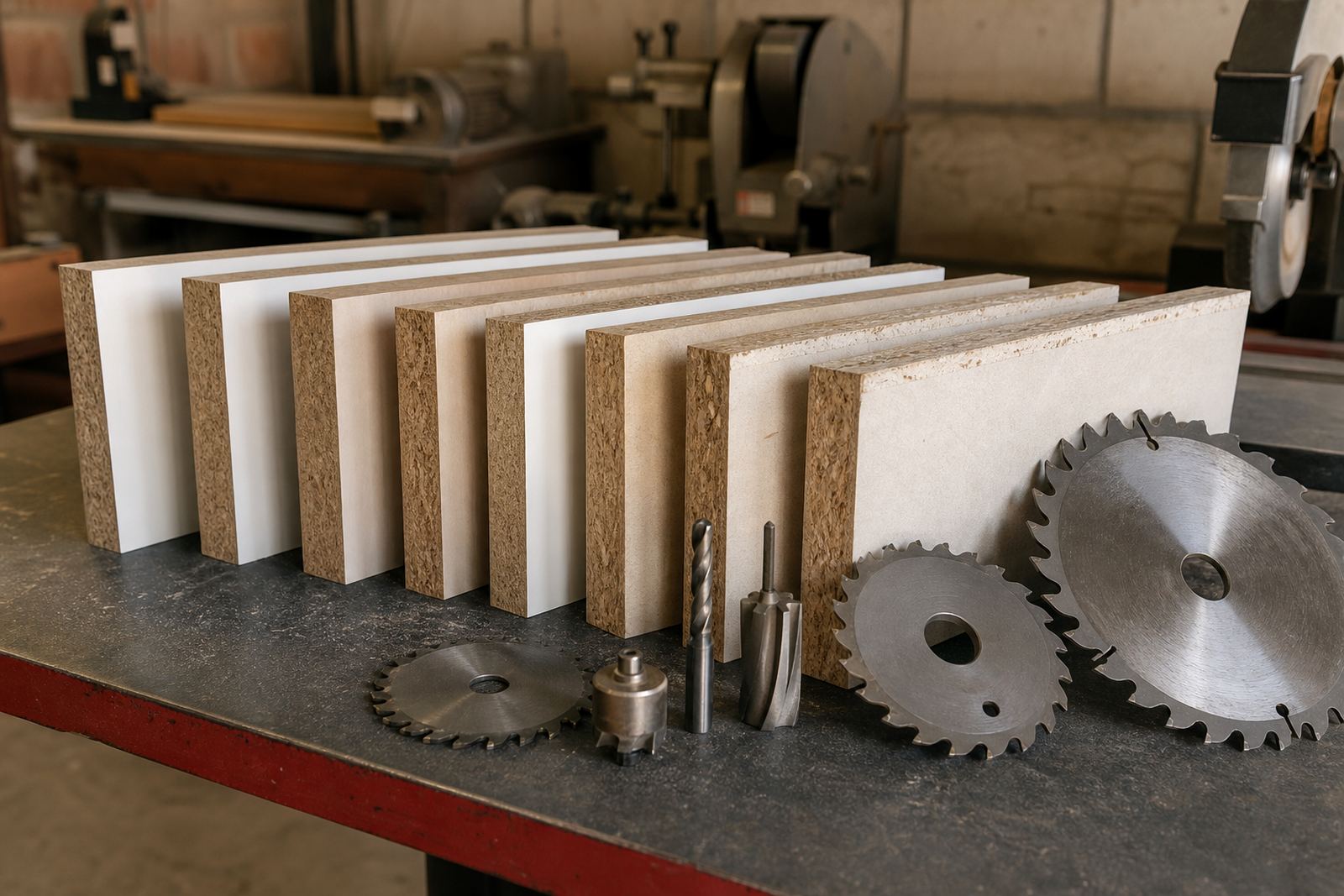
- Use saw blade guides for burn marks, chipped teeth and poor cut quality
- Use drill guides for blunt points, drift and uneven cutting
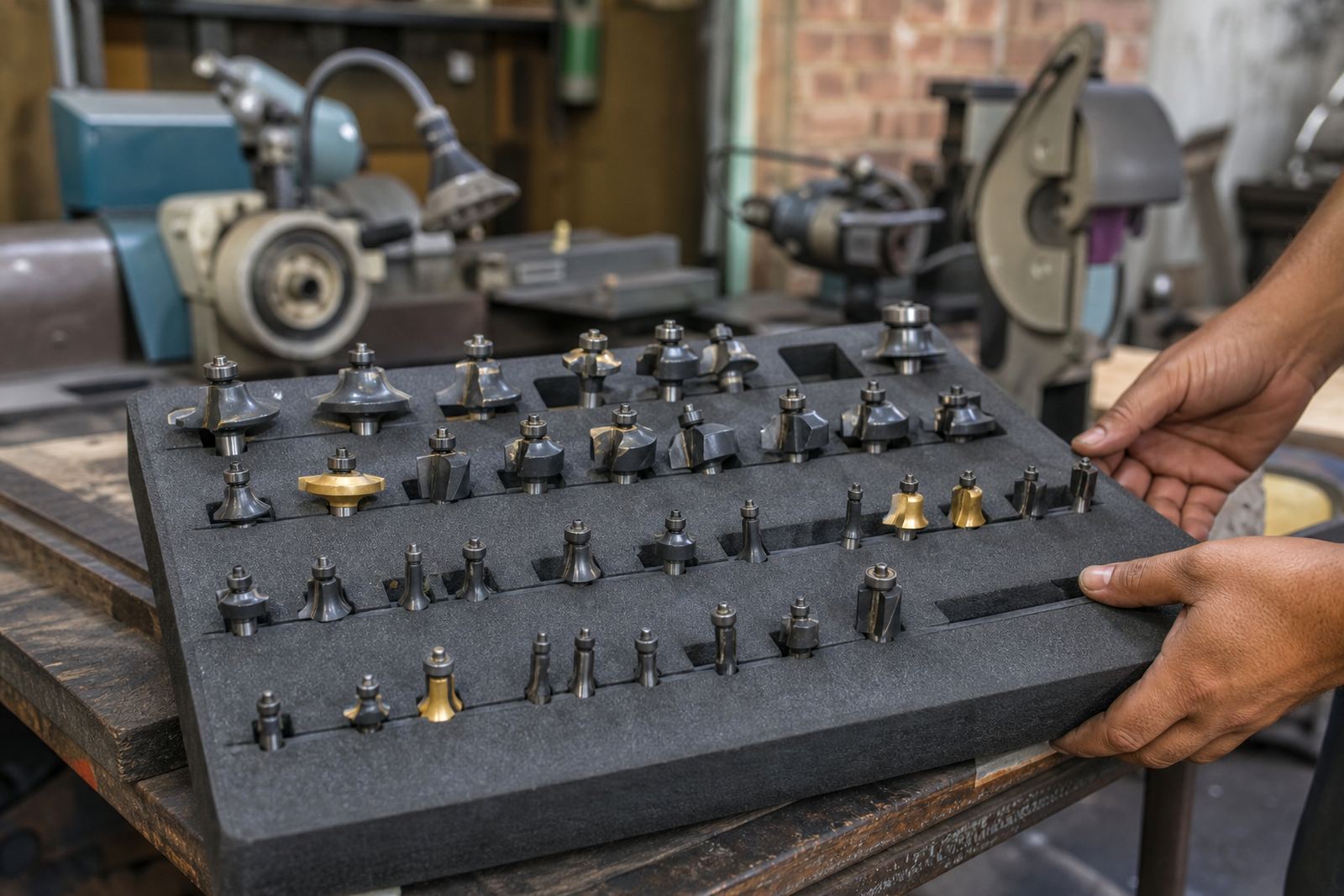
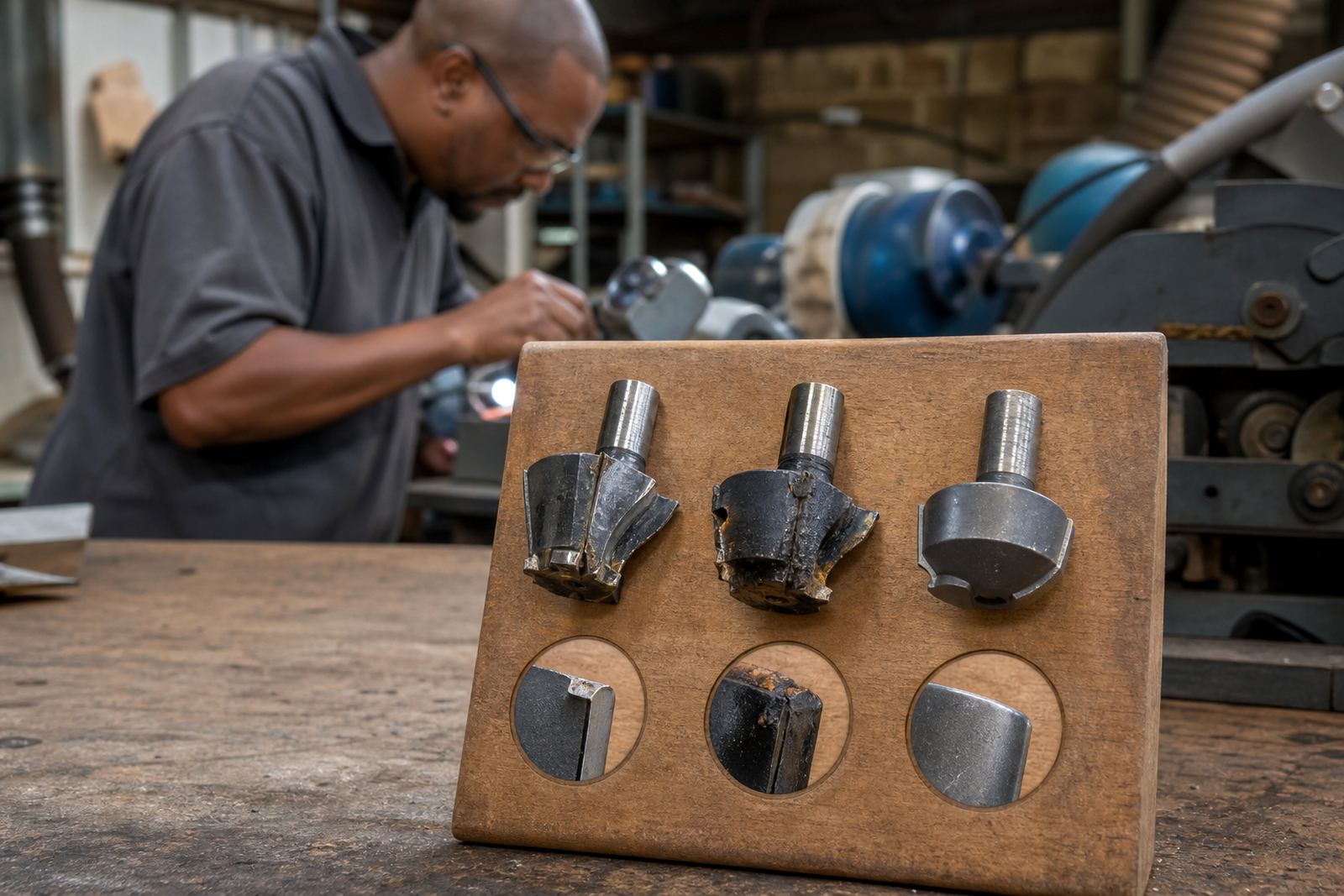
- Use router bit guides for edge wear, resin build-up and profile loss
Preparing batches for courier collection
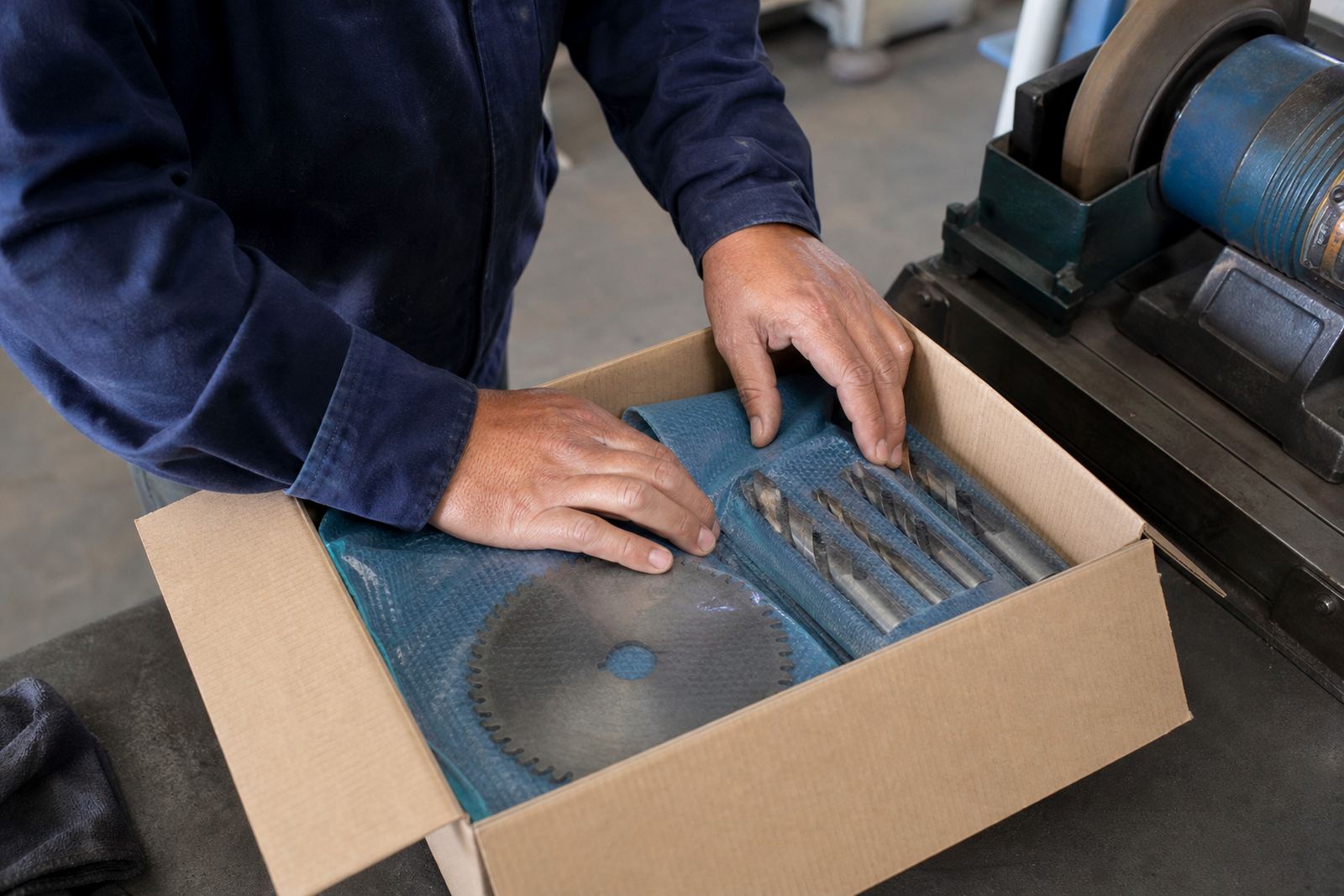
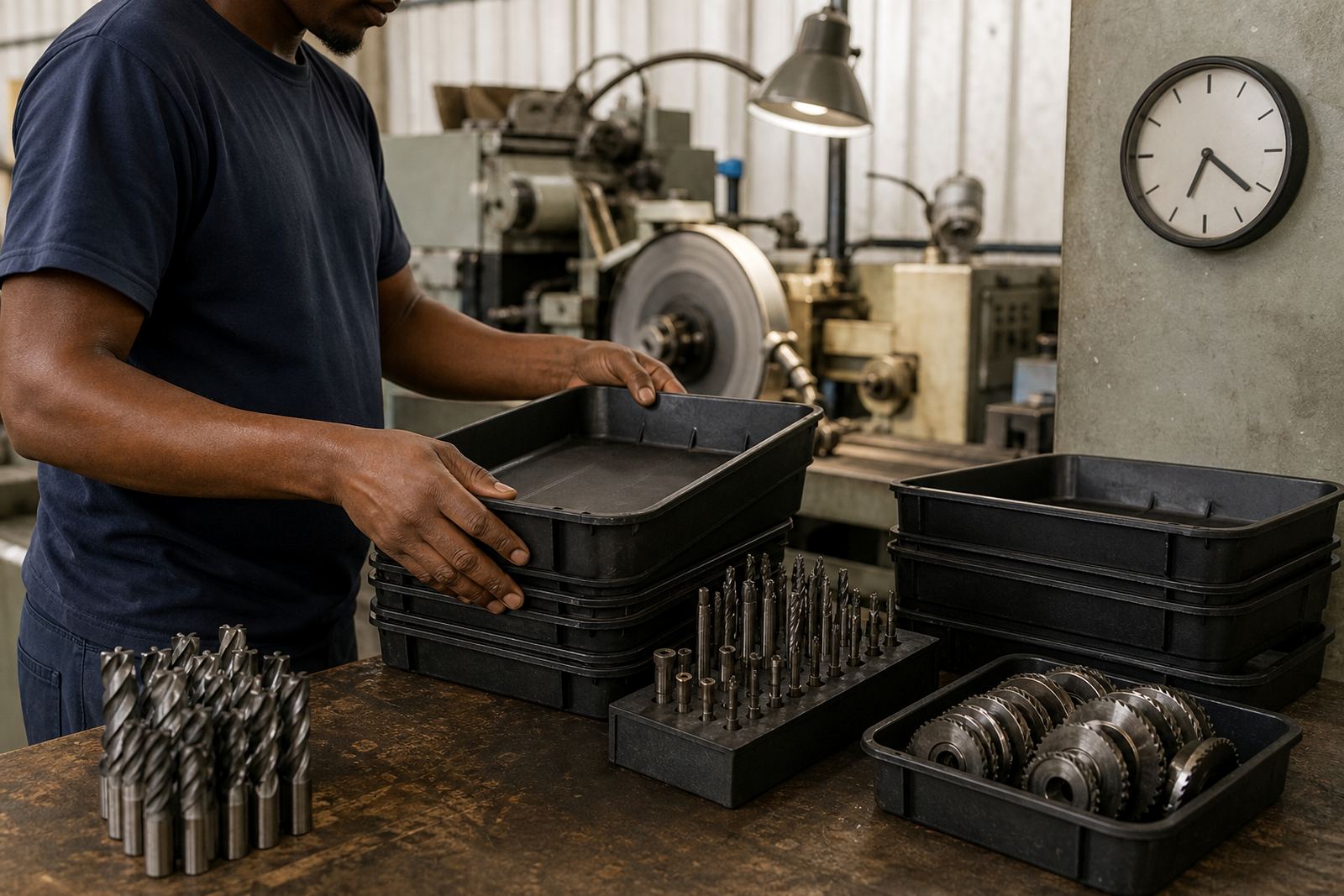
If you are sending tools from Pietermaritzburg, Johannesburg, Pretoria or Cape Town, good batch prep helps avoid delays. Sort similar items together, remove loose packaging and note which tools need urgent attention. That is especially useful when a workshop has to keep production moving through load-shedding or a tight maintenance window.
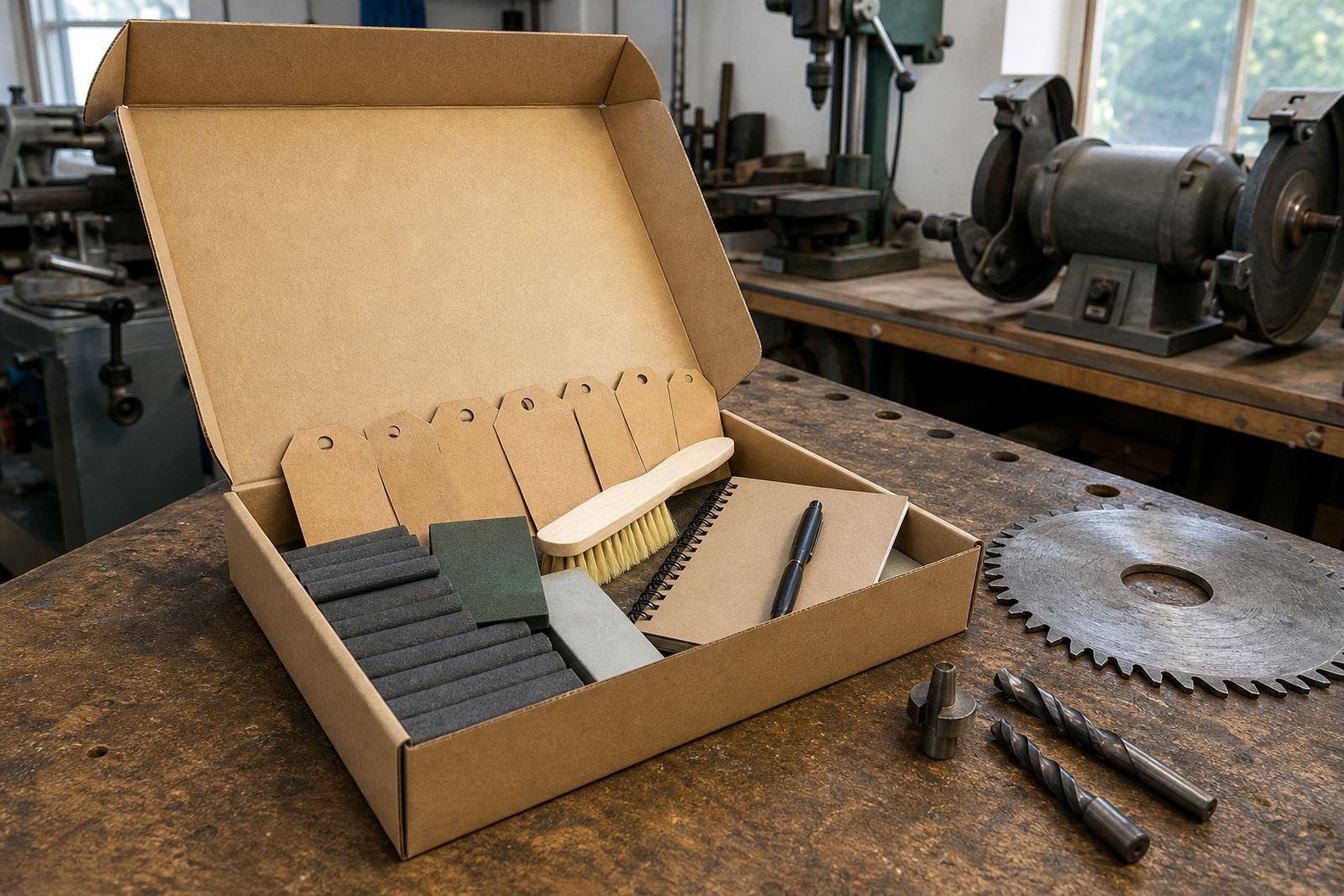
Clear labelling also helps with batch tool tagging once the tools arrive here in Pinetown. It reduces mix-ups and keeps the collection process simple, even when you have mixed tool types in one box.
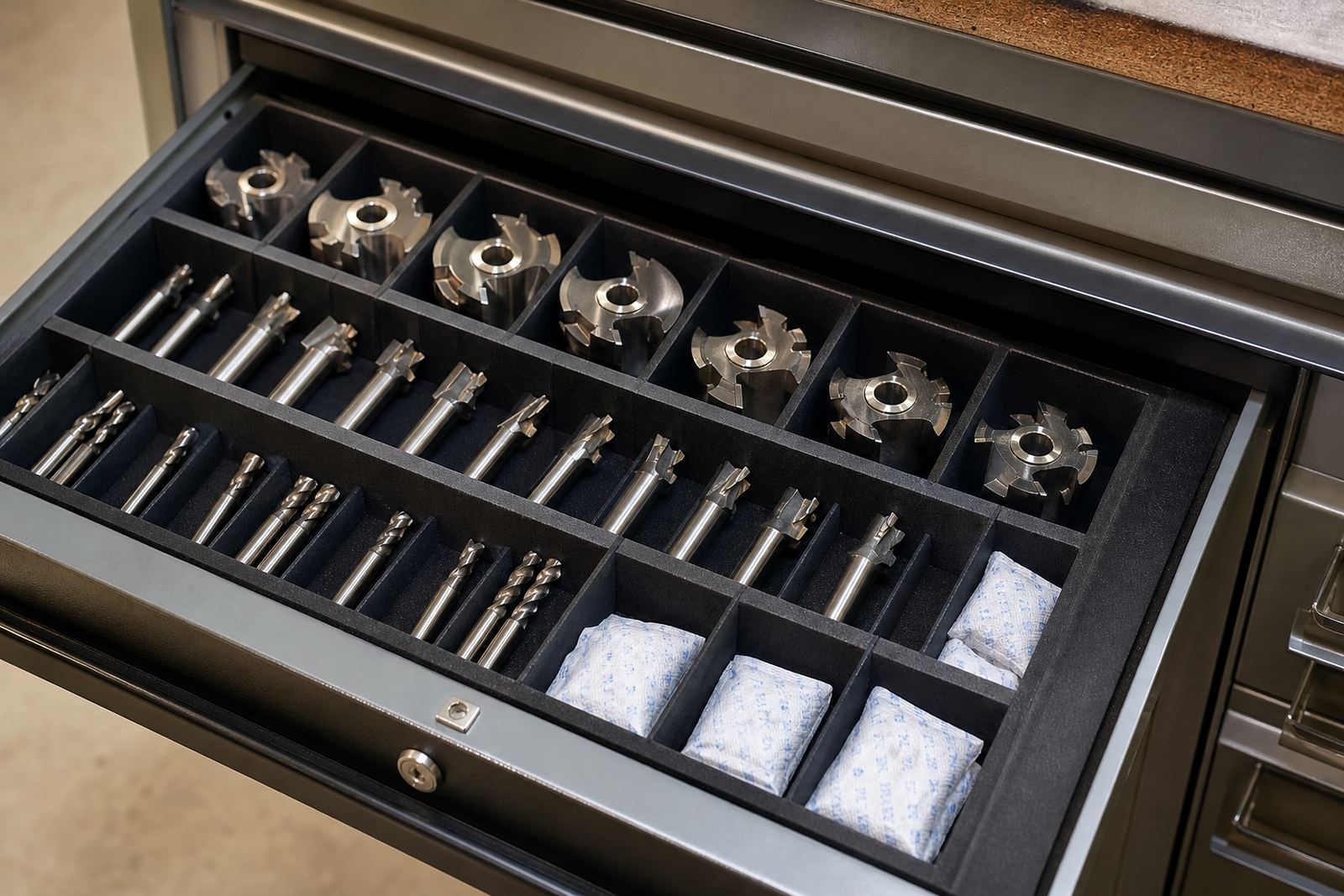
- Separate saw blades, drills and router bits before packing
- Mark damaged items that need chipped edge recovery or burn mark removal
- Keep quantities listed by batch so returns are easier to check
What the sharpening decision means for cost
Not every worn tool needs the same level of work. A light sharpen may be enough for a tool with normal wear, while a blade with bad balance or a router bit with a damaged edge may need more detailed regrinding. The right choice saves money and helps the tool last longer, which matters for both hobbyists and contract workshops.
These guides explain the trade-offs in plain terms so you can decide whether to sharpen, regrind or replace. On coastal jobs around Durban and Westville, for example, humidity can speed up rust and that changes how quickly a batch should be checked.
Signs that a tool needs more than a basic sharpen
Some problems are obvious. Others show up as slower cutting, heat build-up or uneven finish. When a tool starts to fight back, the issue is often more than dull edges. That is where services like top grinding, diameter correction and balance checking come in.
Use the guides below to spot the warning signs before the tool causes waste or damage:
- Burning on timber or laminate cuts
- Chatter, wobble or poor finish
- Chipped teeth, blunt points or uneven tooth faces
- Reduced cut depth or poor tracking in the machine
Training and starter kits for workshop users
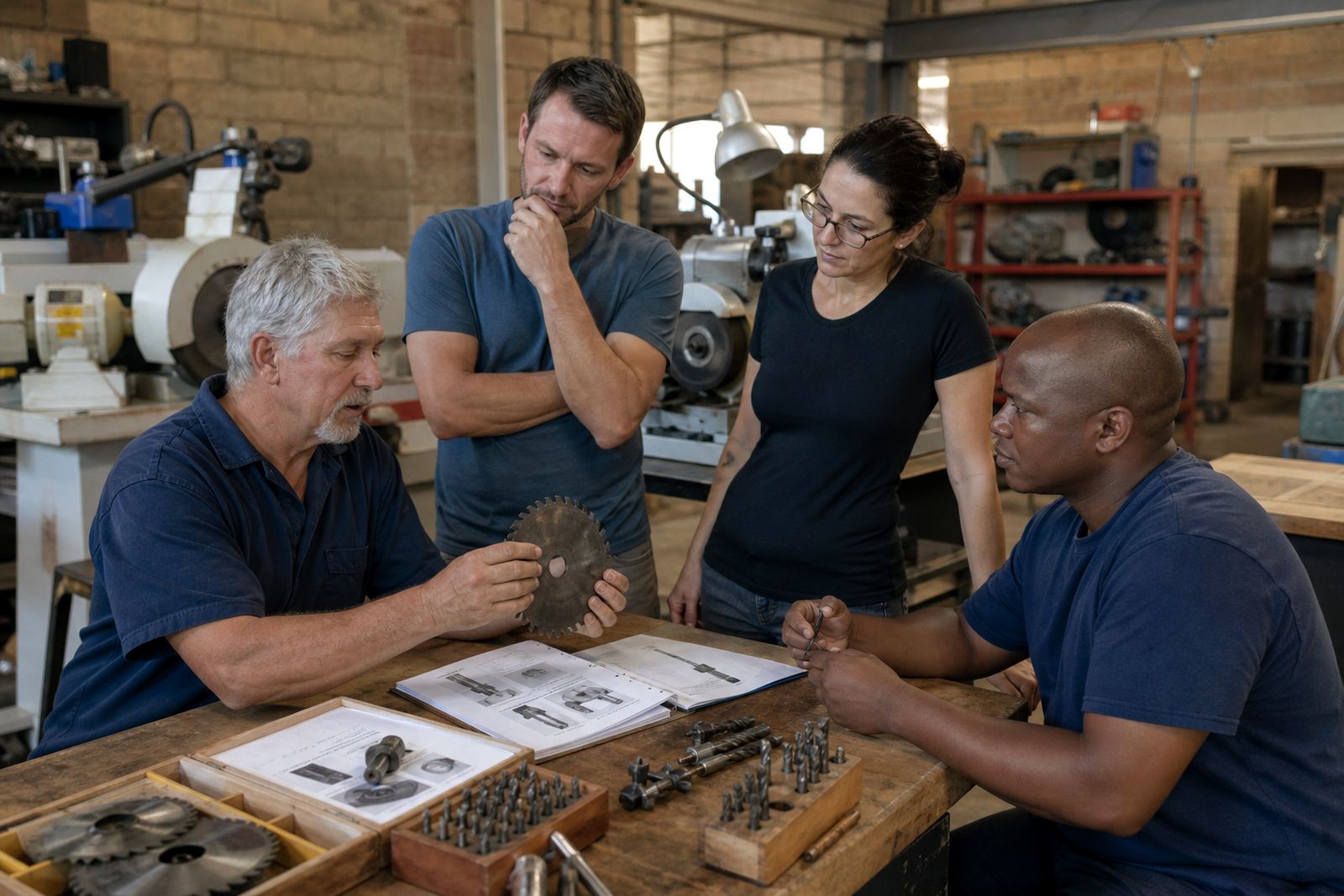
For new staff, apprentices and serious home users, the guides also cover maintenance habits that keep tools working properly. That includes cleaning, safe storage and checking tools before sending them in for service. A small amount of routine care can prevent bigger regrind bills later on.
We also explain how starter kits and training support basic upkeep between sharpening cycles. That is useful in smaller workshops where one person may handle multiple machines and needs a practical system that is easy to follow.
Using the guides to plan regular maintenance
Regular checking is cheaper than waiting until a tool fails mid job. If you run a shop in Hillcrest, Pinetown or the greater Durban area, build sharpening into your maintenance calendar rather than reacting after the cut quality drops. The same applies to larger batches sent in from Gauteng or the Cape.
These pages are written to help you plan with confidence, keep lead times predictable and avoid last-minute machine downtime. When you know what each service does, it is easier to prepare the right batch and send only what actually needs work.