Start With Your Tool Use And Team Size
Before you choose any training option, look at the actual tools on your floor and how often they need attention. A small joinery workshop in Westville will not need the same programme as a larger production team in Pinetown or a contractor sending in mixed batches from Durban, Pretoria or Cape Town.
Ask three simple questions. How many people handle cutting tools? Which tools get worn fastest? And do you want one person to manage day to day maintenance, or do you need several staff members to understand the basics? If the answer is different for each department, the training should be split into practical levels instead of one broad session.
- 1 to 3 people: basic handling, cleaning and damage spotting
- 4 to 8 people: basic plus sorting, tagging and inspection routines
- 8 plus people: role based training for operators, stores staff and supervisors
Choose Between Basic, Practical Or Full Workshop Training
We usually group training into three practical options. Basic training is for teams that only need to understand care, cleaning and what to send out for sharpening. Practical training goes further and teaches staff how to inspect tools, prepare them for collection and recognise common wear. Full workshop training is best when you want selected staff to manage routine maintenance, track batches and support internal quality control.
For small teams, basic training is often enough. For busy shops, a practical session saves time because it reduces mistakes when tools are booked in for saw blade sharpening, drill sharpening, router bit sharpening, tooth face grinding or top grinding. If your operation handles a mix of timber, plastics and light engineering work, the team should also understand diameter correction, angle resetting and chipped edge recovery.
- Basic: handling, cleaning, storage and fault spotting
- Practical: intake checks, tagging, sorting and maintenance routines
- Full workshop: supervision, inspection standards and batch control
Match The Training To The Tools You Use Most
Different tools wear differently, so the training should reflect your tool mix. Saws need attention to tooth face condition, top grind, balance checking and burn mark removal. Drills need accurate sharpening and inspection for chipped edges or uneven points. Router bits need careful handling because a small error can affect finish quality and cutting accuracy.
When a workshop uses the same tools every week, staff can learn a repeatable routine. That includes cleaning after use, separating damaged items from serviceable ones and booking work in batches for courier collection. For businesses with more than one branch or site, training should also cover how to tag tools so each batch comes back to the right place, with fewer delays and less confusion.
- Saws: inspect teeth, check balance and separate blades by size
- Drills: sort by diameter and note blunt or chipped points
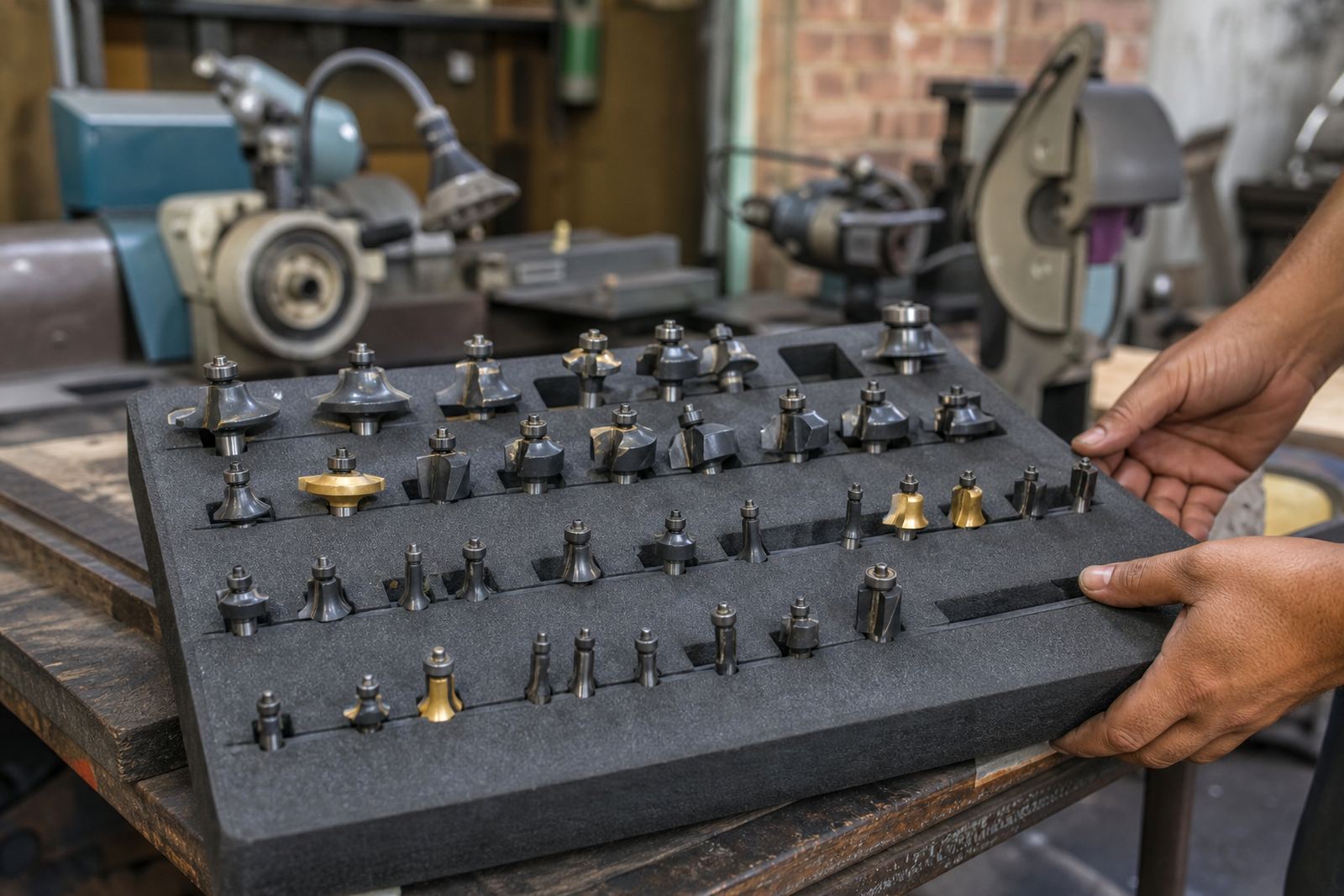
- Router bits: keep profiles grouped and avoid knocking cutting edges together
- Mixed batches: label clearly before collection from Pinetown, Durban or further afield
Use A Simple Checklist Before Booking Training
Before you book training, take a quick stock of your workshop needs. This helps you avoid paying for content your team will not use. It also makes it easier to decide whether you need one session for operators or a separate session for supervisors and stores staff.
Use this checklist with your team leader or workshop manager:
- List the tools used most often in the last 30 days
- Note how many staff members handle those tools
- Identify the most common tool faults or failures
- Decide who needs hands on guidance and who needs general awareness
- Check whether your team wants batching, tagging and collection support
- Confirm if you need help with training only or training plus starter kits
If you already send tools for sharpening from Johannesburg, Pretoria or Cape Town, ask which collection pattern suits your schedule best. Some teams need regular courier bookings, while others only want help setting up a basic maintenance routine for slower periods.
What Good Training Should Cover In Practice
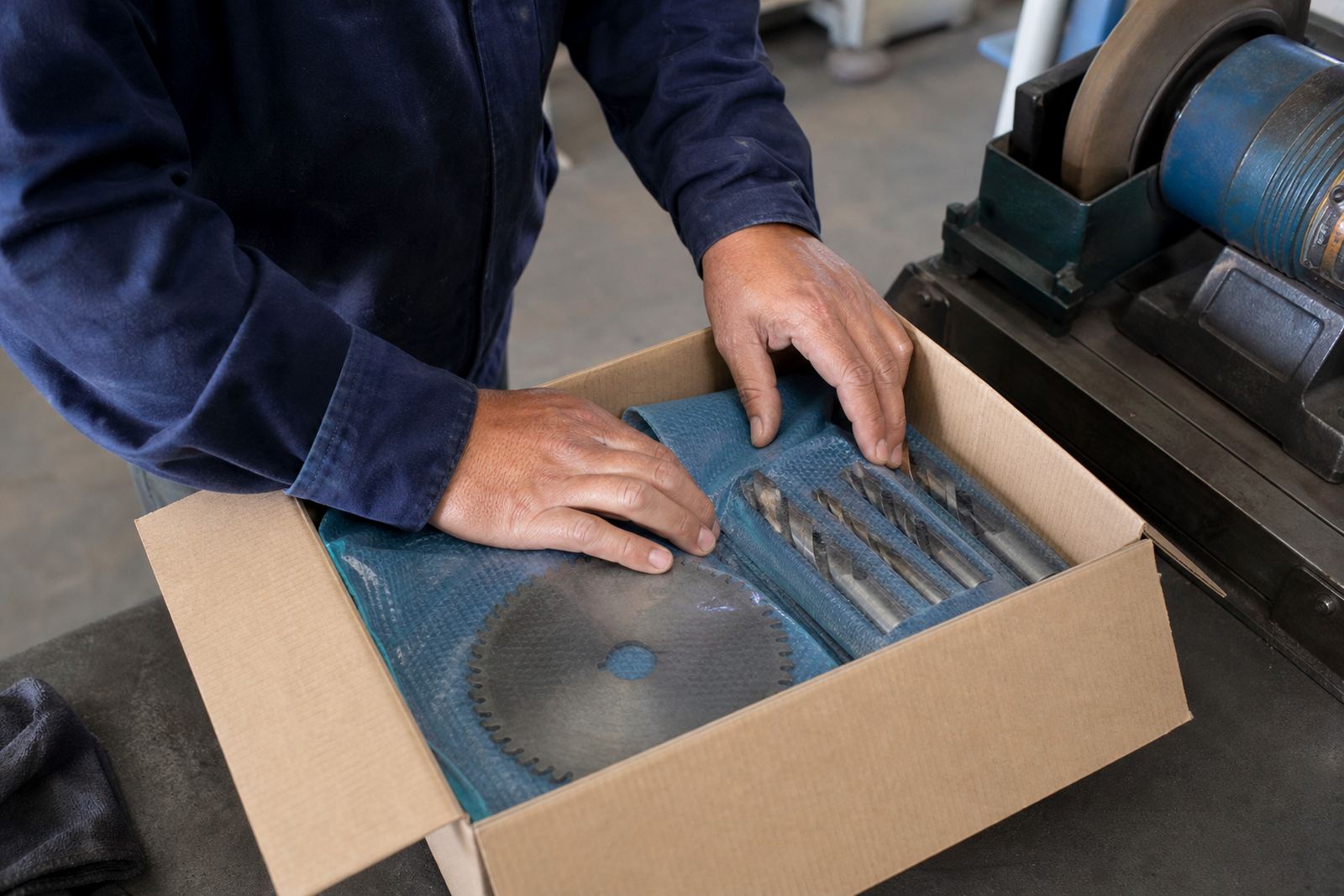
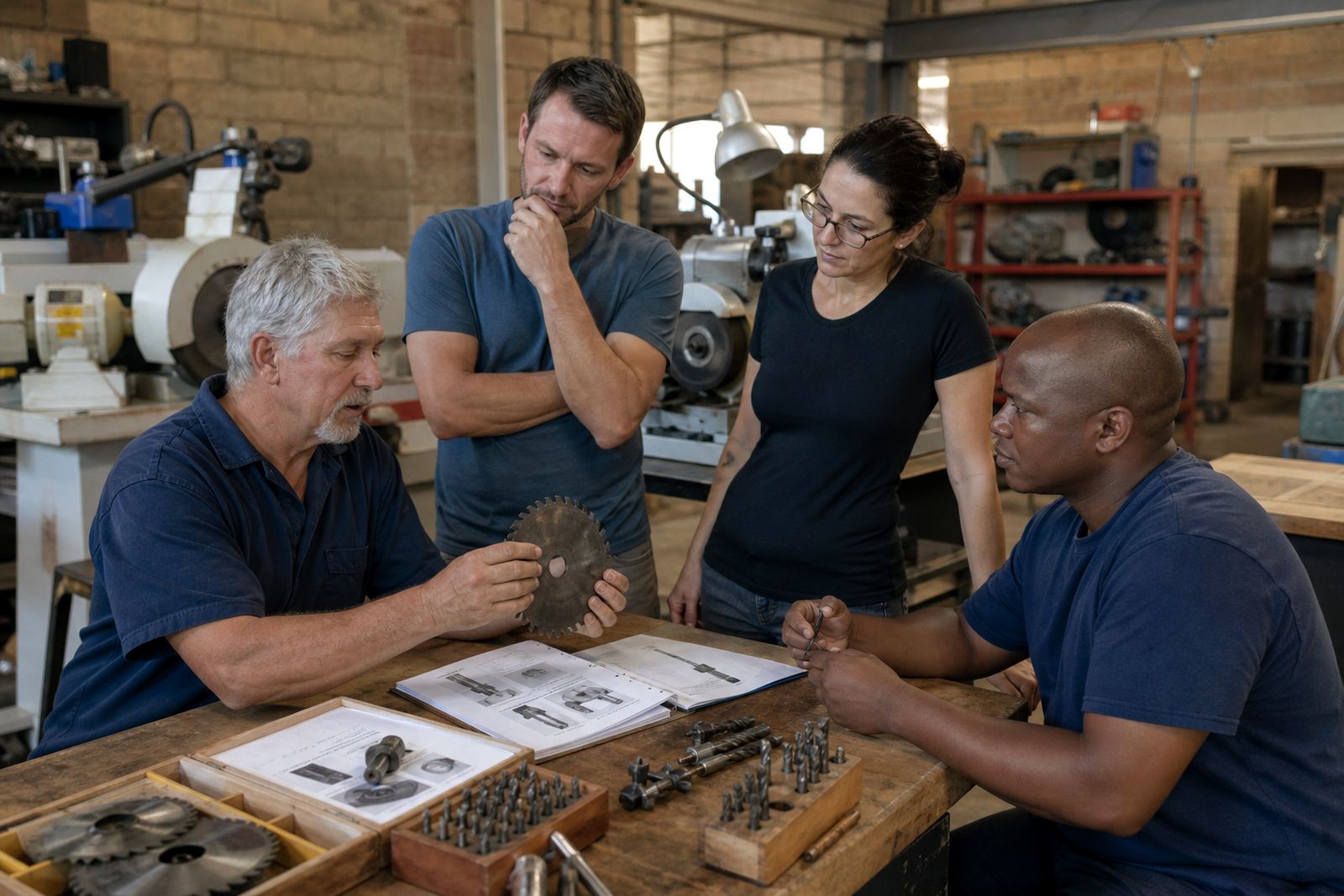
A proper training session should be hands on and practical. Your team should learn how to inspect tools, sort them by type, record obvious faults and prepare them for collection without causing extra damage. They should also understand when a tool can be recovered and when it should be removed from service.
We recommend covering the real workshop details that matter day to day. That includes safe handling, storage, batch control, cleaning after use and how to spot the early signs of wear. If your team works across multiple shifts, the session should include a simple handover process so the next person knows which tools are ready and which are still in progress. It also helps to train staff on when to book courier collection instead of waiting until the pile becomes unmanageable.
- Identify wear before it affects cut quality
- Separate damaged tools from serviceable tools
- Use batch tagging to keep jobs organised
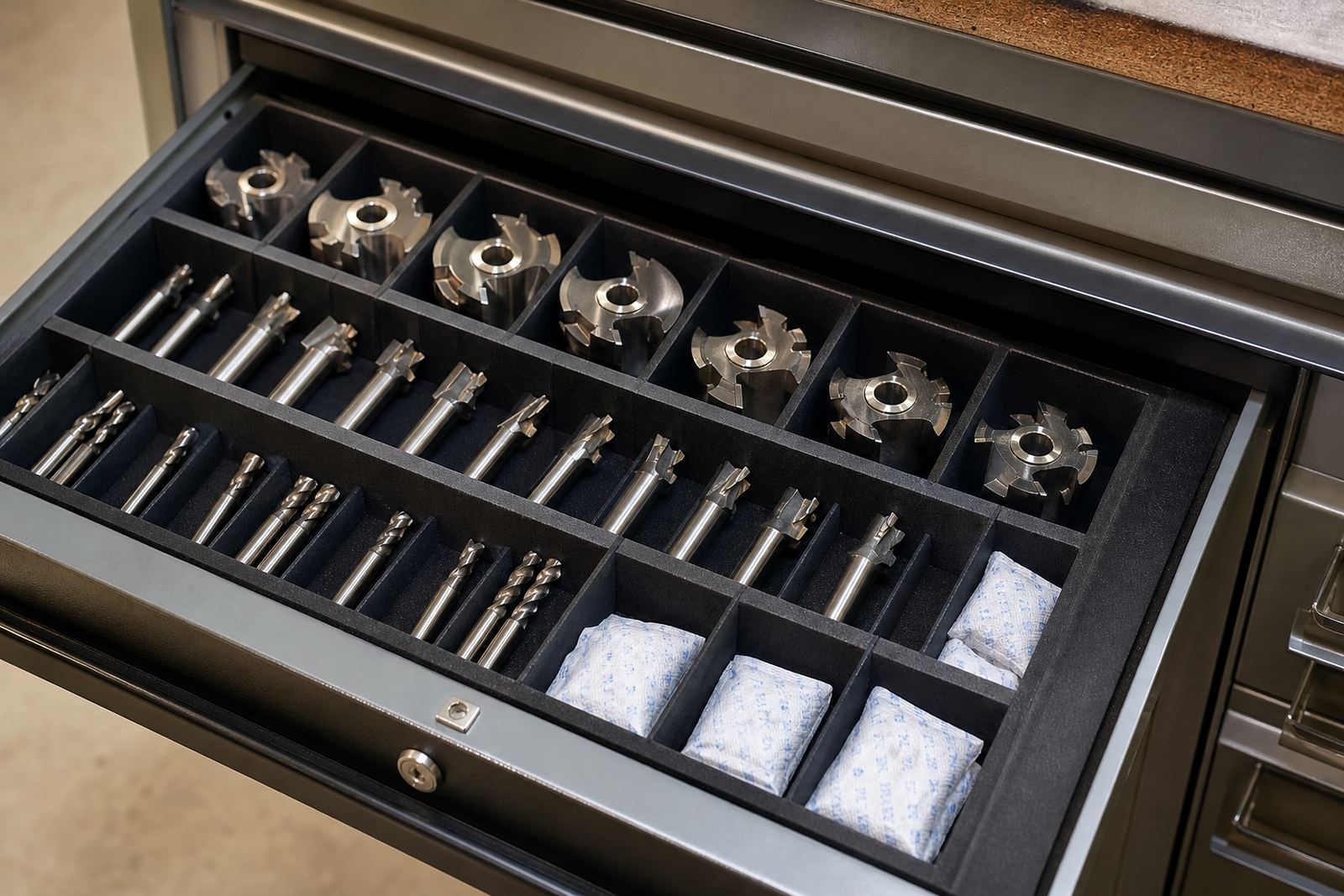
- Store sharpened tools in a dry place
- Record repeat faults so the same issue does not keep coming back
Plan The Next Step After Training
Training works best when it is followed by a simple maintenance routine. Decide who checks the tools, who books the collection and how often the team reviews wear patterns. For smaller workshops, that might be a weekly check. For larger operations, it may be a daily process tied to production or site schedules.
If you are based in Pinetown or nearby areas like Hillcrest, Westville and Durban, you can keep the routine local and simple. If your tools move between sites or travel further afield, make sure the whole team knows how to prepare them for courier collection and return. Clear routines reduce lost time, missed jobs and unnecessary rework.
CutTool Sharpening helps teams build a practical maintenance approach around their own tools and workload. Whether you need basic guidance or a more detailed programme for multiple staff members, the aim is the same: better tool care, fewer breakdowns and cleaner results on the job.