Keep Cutting Edges Clean After Each Job
Dust, pitch, resin and metal fines shorten edge life faster than most people think. After a session, let the tool cool, then wipe it down before it goes back on the rack. A dry cloth is fine for light dust. For sticky build-up on saw blades and router bits, use a proper cleaning fluid made for workshop use and a nylon brush, then dry the tool fully.
Do not leave tools lying in damp rags, near solvent spills, or in open boxes where fine grit can settle on the teeth. In Durban and other coastal areas, humidity can start surface corrosion overnight, so a clean, dry tool is worth the extra minute. If you have used the tool on treated timber, MDF or resin-rich board, check for burn marks and sticky edges before storage.
- Brush off dust before the resin hardens
- Wipe dry after cleaning, especially in humid weather
- Separate wet tools from clean stock
- Check for chips, dull corners and burn marks
Store Blades, Bits and Drills So the Edges Do Not Knock
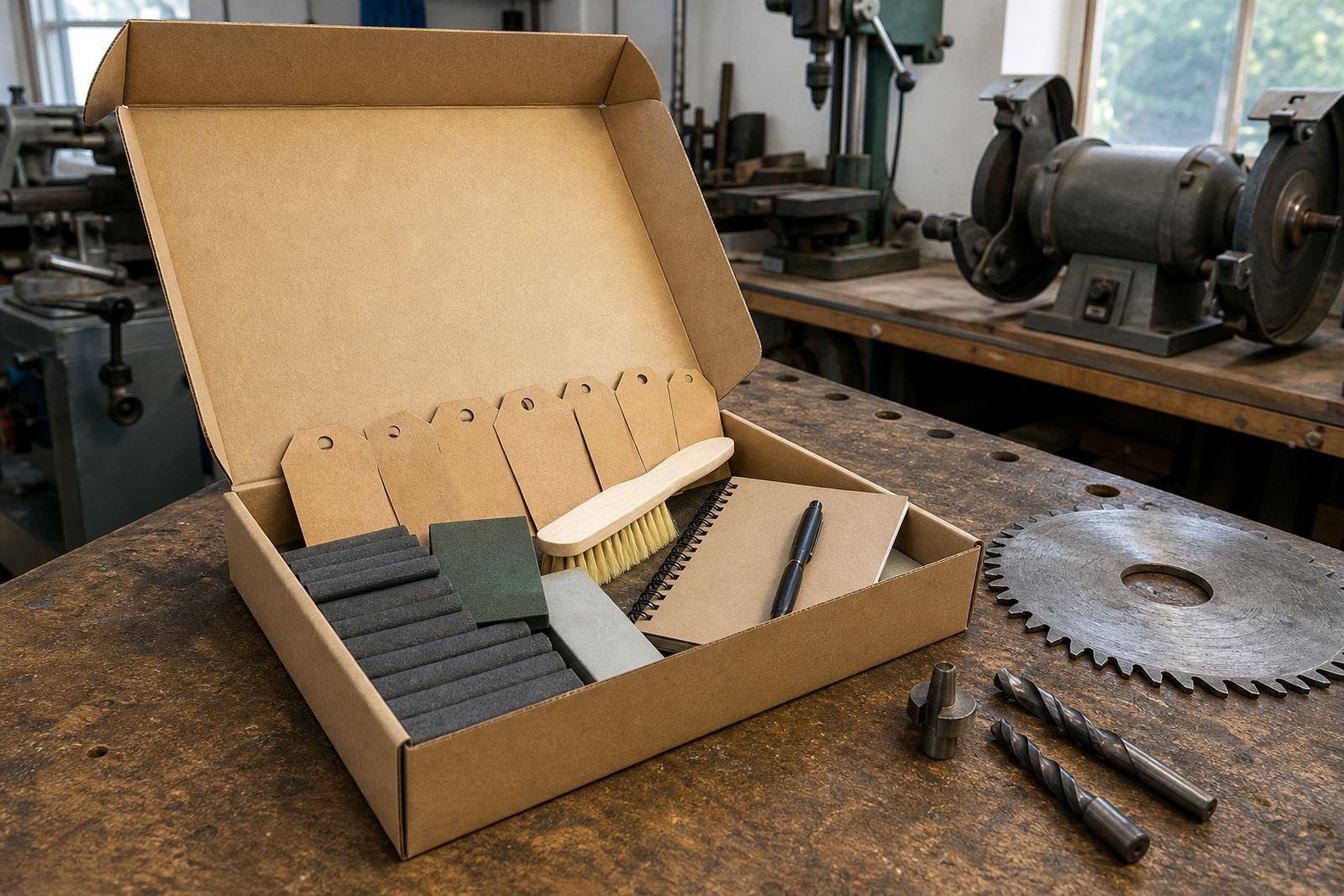
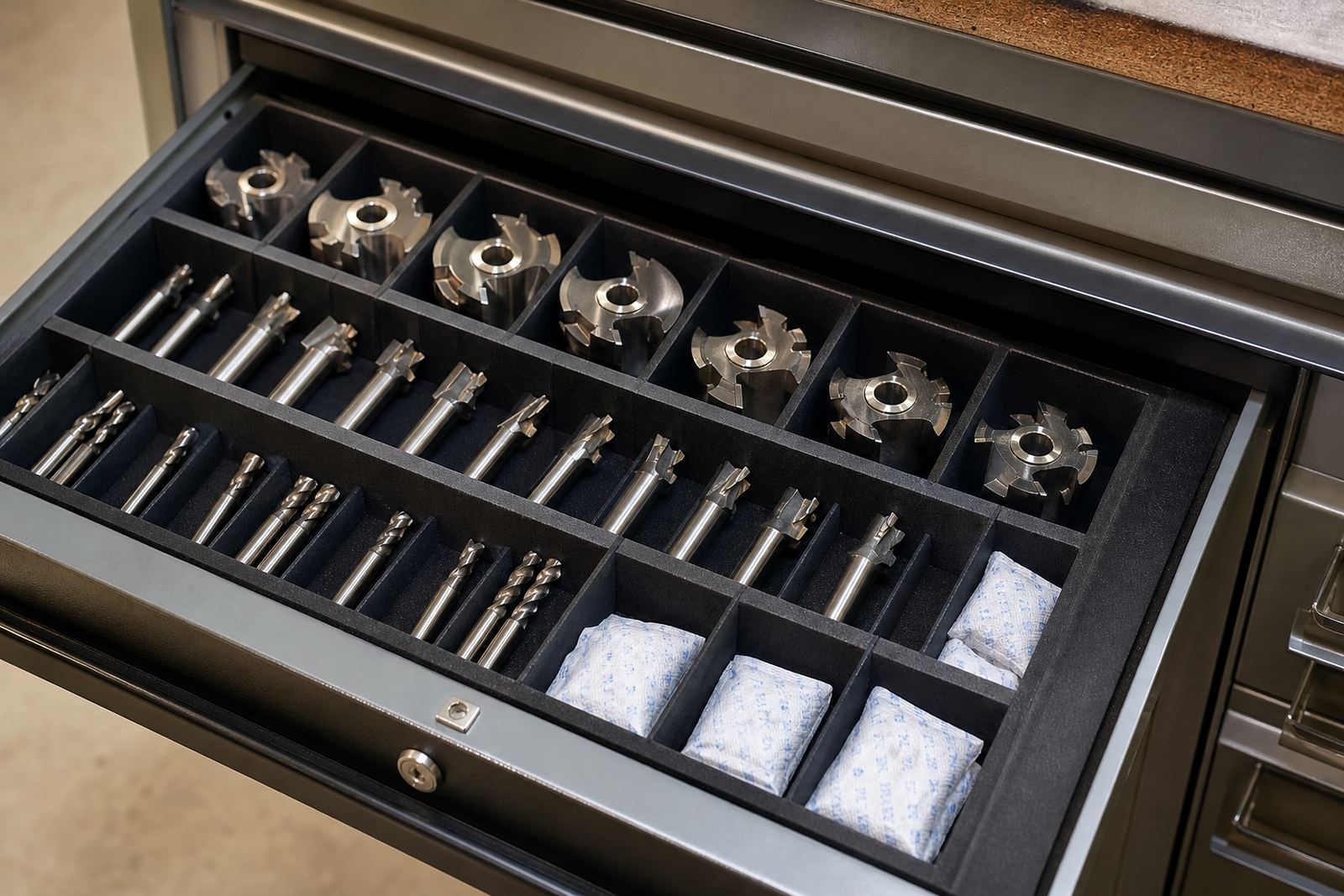
Most edge damage happens in storage, not on the machine. A saw blade that bangs against another blade, or a router bit loose in a drawer, can lose its edge in seconds. Keep each item in its own sleeve, box or divided tray. If you batch-tag tools, put the tag on the storage pack, not on the cutting edge itself.
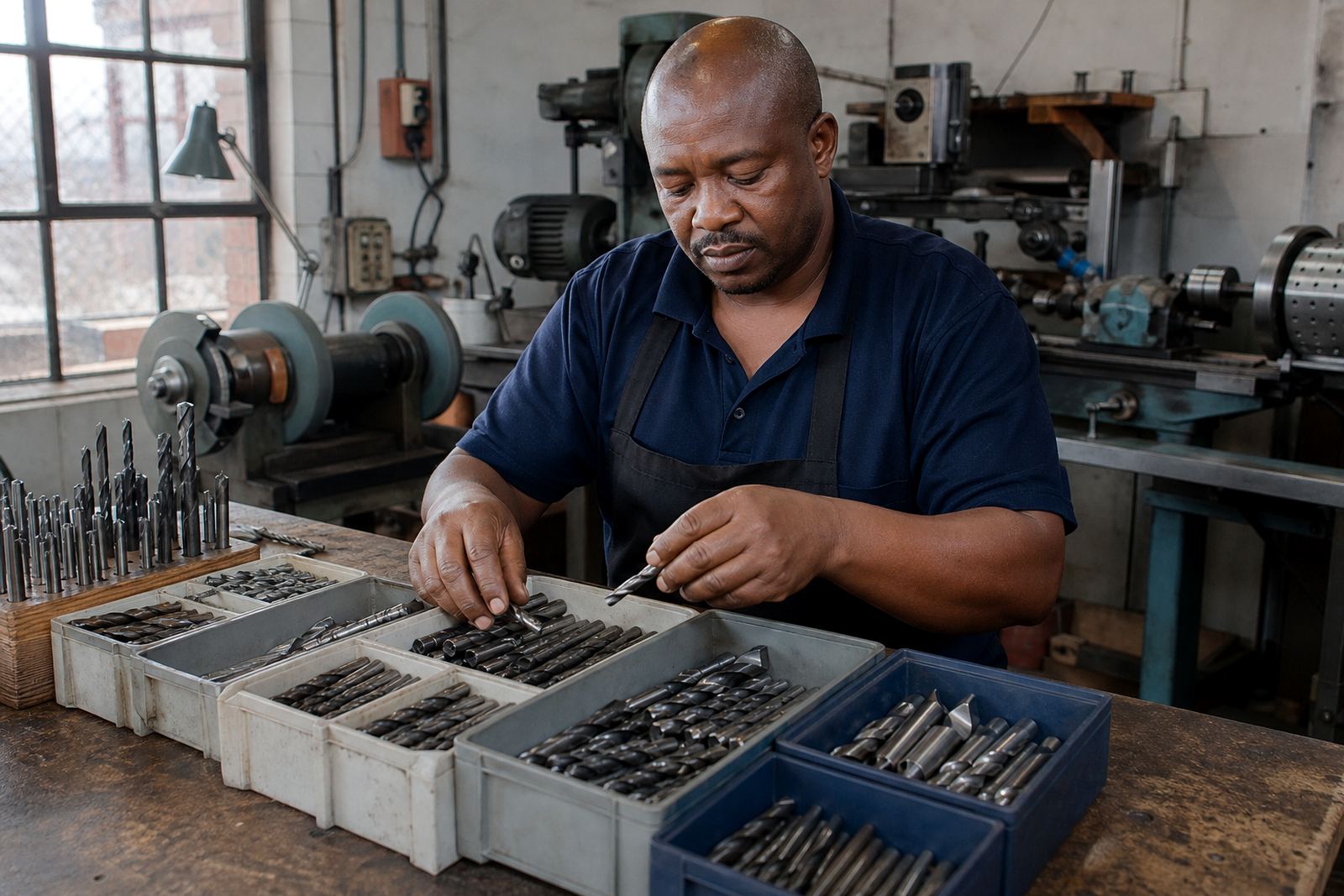
Vertical hanging racks work well for larger blades, while small bits and drills need compartmented storage with clear labels by diameter and profile. In busy workshops around Pinetown, Westville and Hillcrest, it helps to set one fixed spot for sharpened tools and another for items waiting for service. That way there is less chance of mix-ups during load-shedding or a rushed job change.
- Do not stack blades face to face
- Keep router bits upright or in foam slots
- Store drills by size, not loose in a tin
- Label sharpened stock and items due for regrinding
Handle Tools With Gloves, Not Bare Fingers on the Edge
It is easy to ruin a freshly sharpened edge by handling it badly. Always pick up saw blades by the body, not the teeth. Hold router bits by the shank and drills by the smooth section, never by the cutting lips. Clean hands matter too, because sweat leaves moisture and salts on steel. A quick wipe before putting the tool away goes a long way.
Use gloves when moving a batch of sharpened tools between the bench, cabinet and vehicle. If tools are going out on courier collection from Durban, Johannesburg or Cape Town, wrap each item so it cannot move inside the carton. Paper or cardboard separators help stop contact wear, and they are better than tossing everything into one bag. Small care habits save money, and they save time on the next service too.
- Lift by the shank, body or hub
- Wear gloves when sorting serviced tools
- Never carry loose tools in a pocket or apron
- Use separators during packing and courier transit
Match the Tool to the Material and Feed Rate
A sharp tool can still get damaged if it is forced through the wrong material or fed too hard. If the cut starts to sound rough, slow down and check the setup before the edge overheats. Burn marks on timber, chatter on board, or rough holes in steel often mean the tool is working too hard or the feed angle is wrong.
Keep the correct tool for the job and do not use a finishing bit for heavy stock removal. On site and in small workshops, people often push a tool past its limit because the job needs to be finished quickly. That is when edges chip, drill tips wander, and saw teeth lose their set. A light, controlled cut is usually better than a forced one, especially on dense hardwood or laminated board.
- Use the correct blade, bit or drill for the material
- Back off if the cut starts to burn or squeal
- Do not force a dull tool through the work
- Check alignment before blaming the cutting edge
Check for Early Wear Before the Edge Fails
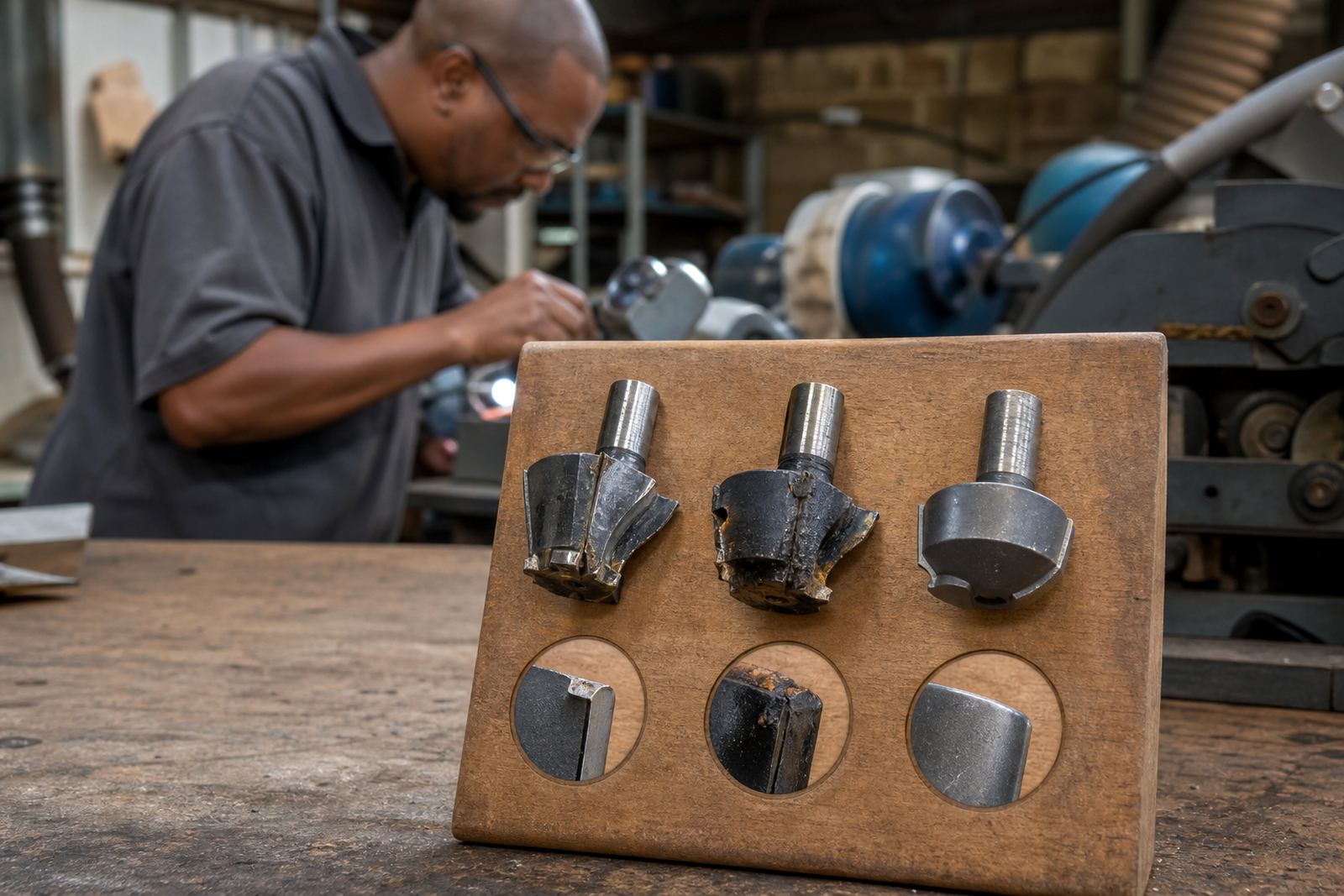
Short inspections before and after a shift help catch small faults while they are still easy to fix. Look for chipped corners, uneven tooth height, round drill lips, and router bit damage at the cutting edge. A tool that starts leaving a rough finish is often telling you that it needs attention. Ignore it and the repair gets bigger, sometimes beyond a simple sharpen.
Use a quick checklist when rotating tools in and out of service. It takes less than a minute and can prevent a bad cut from ruining material. If you see a chipped edge, stop using the tool. If the blade is still sound but not cutting cleanly, set it aside for inspection and note the job it last handled. That record helps us sort out wear patterns when you send it in for regrinding.
- Check every tooth, lip and flute under good light
- Look for burn marks, chatter and uneven wear
- Remove damaged tools from circulation straight away
- Keep a note of the last material cut
Book Sharpening Before Damage Spreads
Good storage and handling can extend service life, but they do not replace proper maintenance. Once you notice dull cutting, vibration, or a rough finish, send the tool in before the problem spreads. A slightly blunt blade can start burning timber and putting extra strain on the machine. A chipped router bit can mark every piece that follows, and that is expensive on a busy run.
CutTool Sharpening works with hobbyists, tradesmen and production teams from Pinetown, Durban, Pietermaritzburg, Johannesburg, Pretoria and Cape Town. We handle saw blade sharpening, drill sharpening, router bit sharpening, tooth face grinding, top grinding, diameter correction, burn mark removal, chipped edge recovery, angle resetting, balance checking, batch tool tagging and courier collection booking. If you are unsure whether a tool is worth saving, send it through for inspection and we will advise on the next step, honestly and plain.
When care between sharpens becomes routine, tools stay cleaner, cut better and last longer. That means less downtime, fewer spoiled jobs and better value from every sharpening cycle.
- Send tools in at the first sign of burn, drag or vibration
- Do not wait for total edge failure
- Use courier collection if travel is not practical
- Keep a simple service schedule for repeat items