Sort Router Bits by Type Before You Pack
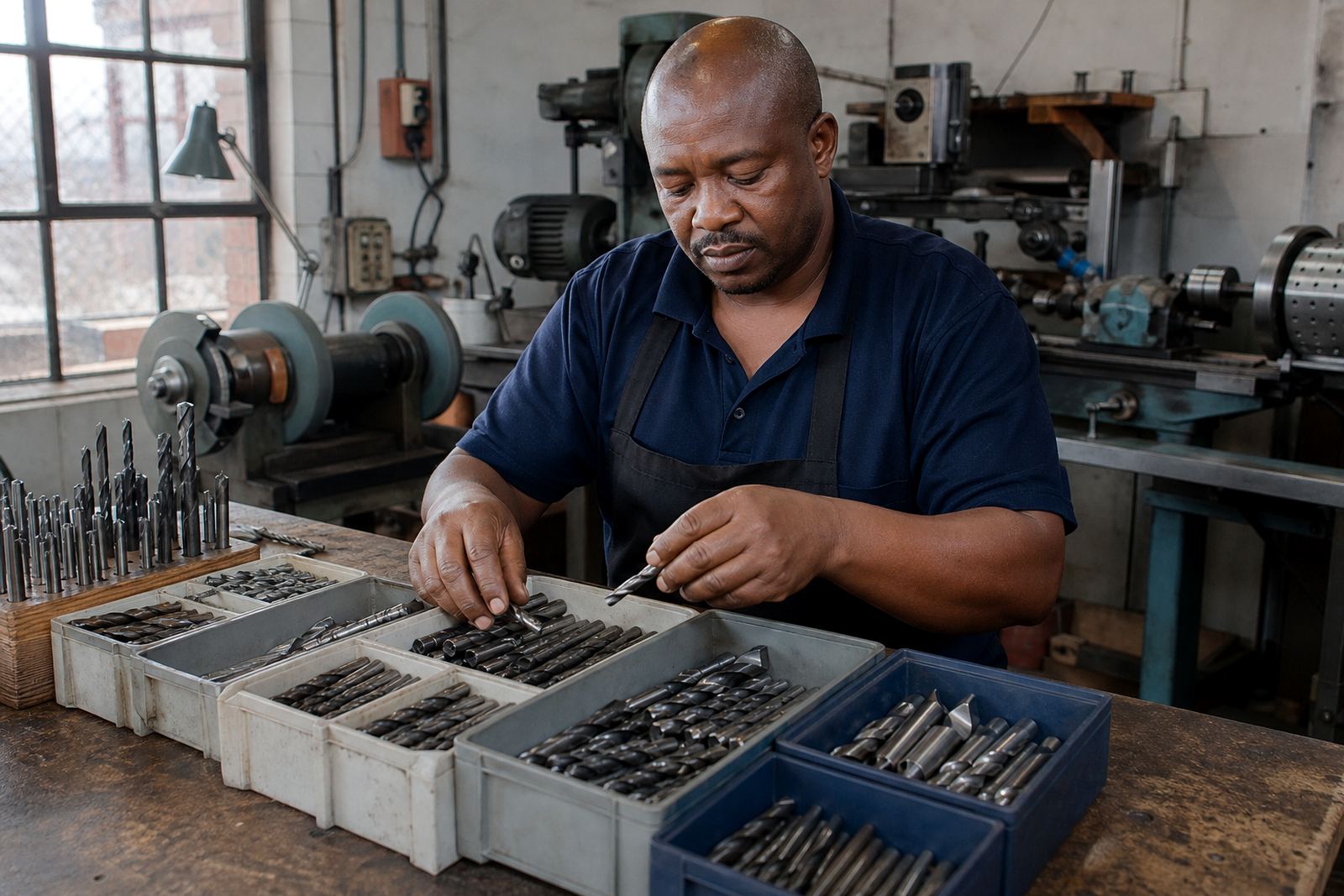
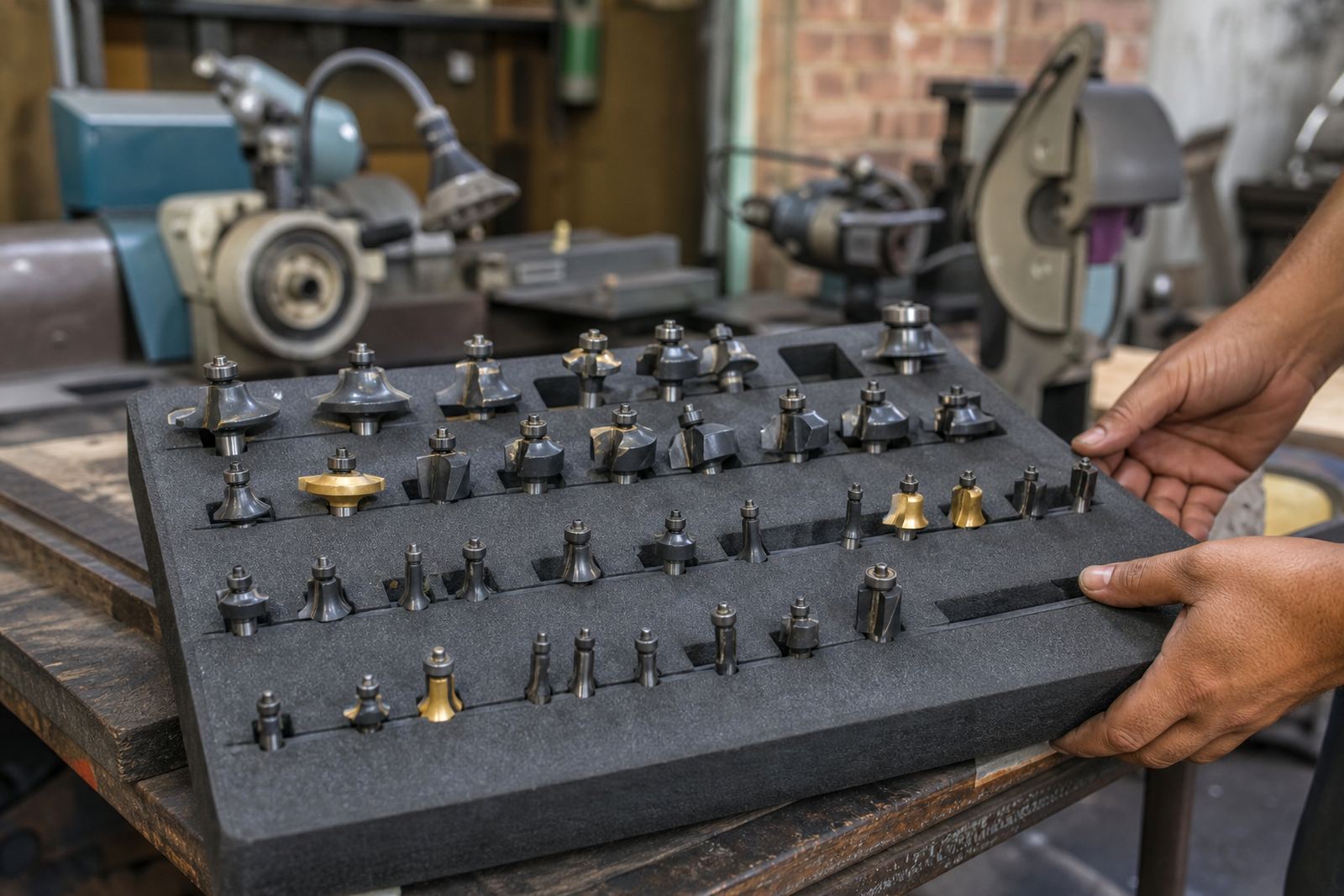
Start by grouping your router bits into clear sets. Keep straight bits, profile bits, flush trim bits, bearing-guided bits and any special cutters separate. If you use the same cutter in different diameters, split those too. This makes it easier for our team in Pinetown to check the cutting edges, bearing condition and any wear patterns without wasting time sorting loose bits on arrival.
Do not bundle mixed cutters together in one bag. When bits knock against each other in transit, carbide edges can chip and shanks can get nicked. That is especially important if your parcel is moving by courier from Durban, Pietermaritzburg, Johannesburg, Pretoria or Cape Town, where a box may be handled a few times before it reaches us.
- Separate bits by profile and diameter.
- Keep worn bits apart from nearly new stock.
- Set aside anything with broken bearings or cracked bodies.
- Group workshop, hobby and production bits clearly if they will be listed separately.
Check the Condition of Each Bit First
Give each router bit a quick inspection before sending it off. Look for chipped carbide, burnt resin build-up, blunt cutting edges, loose bearings and bent shanks. If a bit has been running hot, the blue or brown heat marks can tell us a lot about feed speed, material choice and whether it needs simple sharpening or a more careful regrinding job.
If there is heavy resin, dust or glue residue, wipe it off first. You do not need to polish the bit to a shine, but removing loose dirt helps us see the edge clearly. In KwaZulu-Natal coastal humidity, bits can start rusting if they are left in a damp toolbox or near a workshop door. A light wipe and dry wrap is better than sending them in covered with sawdust and moisture.
- Check for chipped edges under bright light.
- Make note of burn marks, glazing or resin build-up.
- Look at the shank for nicks or bent sections.
- Test bearings by hand if the bit has a guide bearing.
Protect Cutting Edges for Courier Transport
Pack router bits so the cutting edges cannot strike each other. The safest method is to wrap each bit on its own or slot it into a holder, foam, cardboard, or a labelled plastic tube. If you are sending a mixed batch, add a layer of padding between rows. A small box that rattles is a bad sign, because vibration during transport can damage fine edges even if the parcel looks fine from the outside.
For longer courier runs, especially between Gauteng and the coast, use a sturdy inner box and then place that box inside a second outer carton. This helps when the parcel is moved through depots, vans and handovers. Keep the cutters upright if possible, and do not leave a loose bit rolling around with screws, bolts or drill accessories.
- Wrap each bit or place it in a separate slot.
- Use foam, cardboard or tube inserts to stop movement.
- Double box fragile or high value cutters.
- Seal the parcel well so nothing can slip out.
Label Your Batch Clearly So Nothing Gets Mixed Up
Clear labelling helps us track your tools from intake to collection. If you are sending only a few bits, label each one with a simple code or number and keep a matching list in the box. For larger workshops, batch tagging is useful because it keeps sets together and reduces the risk of one cutter being returned with the wrong group.
A practical list should say what each bit is, what size it is and what you want done. If a cutter is for softwood, hardwood, MDF or laminates, mention that too. Cutting conditions change the kind of wear we see. A bit used in dusty board work often needs different attention than one used in clean timber. A few clear notes save time and prevent guesswork, especially when a workshop has many similar-looking cutters.
- Write your name or workshop name on the list.
- Number each bit or group of bits.
- Note the bit type, size and quantity.
- Mark any special instruction such as diameter correction or chip repair.
List the Work You Want Done, Bit by Bit
Before dispatch, decide what you need from each router bit. Some need only a clean sharpen. Others may need top grinding, angle resetting, chipped edge recovery or diameter correction. If a bit has a bearing issue, say so. If the cutter has been burning the workpiece, mention whether you want us to look at burn mark removal as part of the job.
Do not assume all bits should be treated the same. A large profile cutter may need a different finish from a small straight bit. When the work request is written down clearly, we can inspect each cutter against the right target and avoid overworking a tool that only needs a light touch. That matters for production shops and hobby users alike, because the aim is to keep the bit cutting cleanly and within spec.
If you are not sure what service each bit needs, send the full batch with notes and we will assess it on arrival. A simple written list is still better than a mixed parcel with no instruction at all.
Courier Booking and Collection Prep Across South Africa
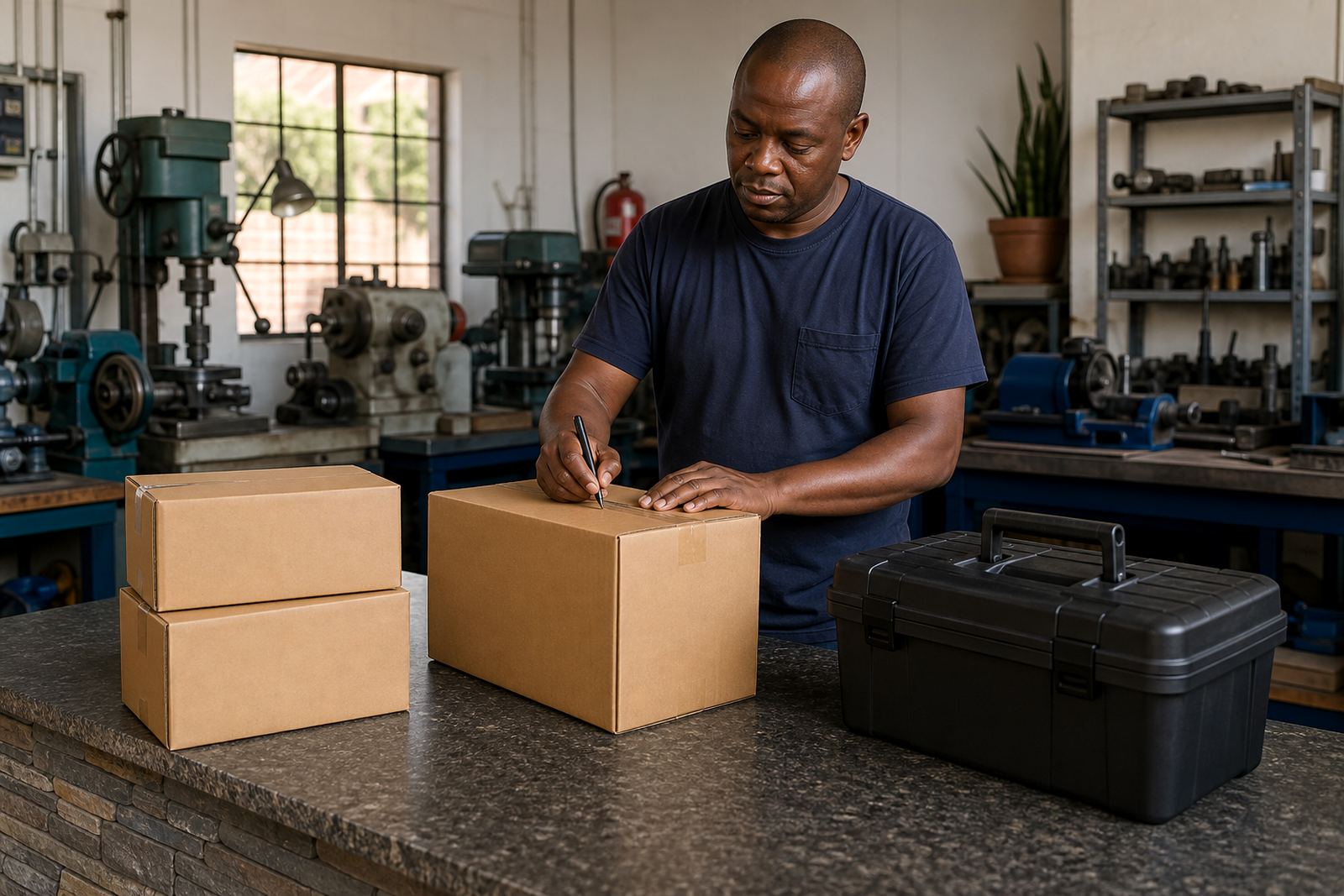
If you want courier collection, keep the parcel ready before you submit the booking. Place the packed bits, the printed or written list and any job notes in one sealed box. Then make sure the outer label is easy to read. This helps our courier collections team arrange pickup from Pinetown, Westville, Hillcrest, Durban and farther afield in Johannesburg, Pretoria, Pietermaritzburg and Cape Town.
For best results, pack the box on a dry day and keep it out of the rain. Wet cardboard can collapse in transit, and a weak box is a risk for sharp tools. If load-shedding affects your workshop routine, prepare the parcel while the tools are still accessible, then store it in a dry place until collection. Once the box is ready, send the request through the enquiry form on our contact page so the collection details can be confirmed.
Collection works best when the parcel is complete, the list is inside, and the outside is sealed properly. That way the handover is quick and the bits can move straight into the sharpening queue.
Final Check Before You Hand Over the Box
Use this last scan before dispatch. It takes only a minute and can save a rework later. If all points are in order, your router bits are ready to leave the workshop.
- Each bit is clean and dry.
- Cutters are separated and protected.
- The written list matches the contents.
- Special instructions are easy to read.
- The box is sealed and marked for courier collection.
A careful pack job tells us a lot about how you treat your tools. It usually means the bits have been used properly, stored well and sent in for the right reason, not after unnecessary damage. That is the sort of batch we like to work on, because it gets back into service sooner and with less fuss.