
What Actually Affects Turnaround Time
Turnaround time is not only about how busy the workshop is. The type of tool, the amount of wear, and whether the job needs one process or several all affect how long it takes. A plain sharpening job on a clean saw blade is quicker than a batch that includes tooth face grinding, diameter correction and chipped edge recovery.
Courier jobs also need their own timing. Once a collection is booked from Pinetown, Durban, Pietermaritzburg, Johannesburg, Pretoria or Cape Town, the parcel still has to move through the courier network before it reaches the workshop. Public holidays, peak freight periods and heavy rain in coastal areas can add time, especially when collections land late in the day.
- Tool type: saw blades, drill bits and router bits each need different setups
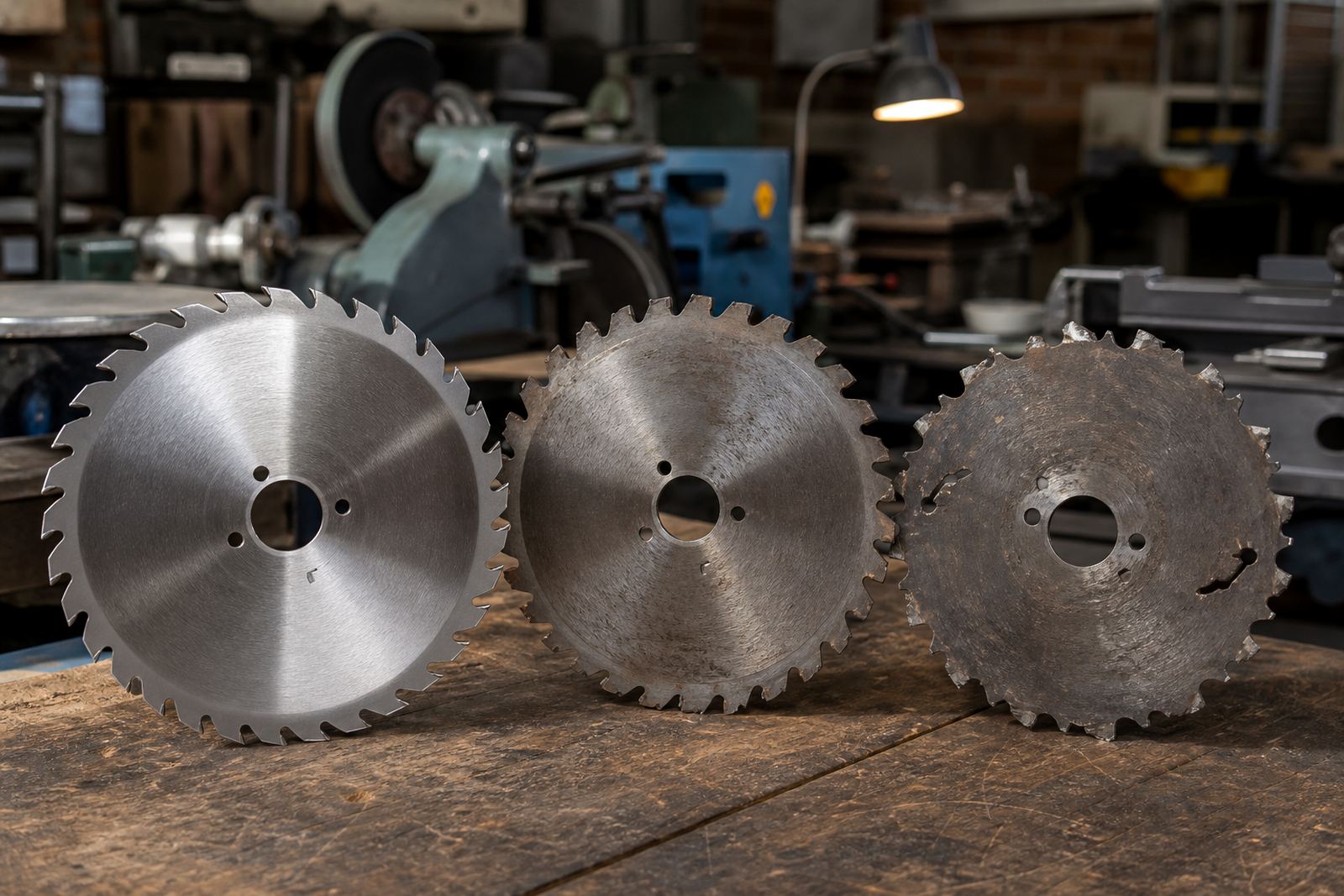
- Condition: blunt, chipped, burnt or bent tools take longer
- Extra work: angle resetting, balance checking and burn mark removal add time
- Batch size: larger batches need sorting, tagging and planning
- Transport: courier collection and return time varies by town and province
Jobs That Usually Move Fastest Through the Workshop
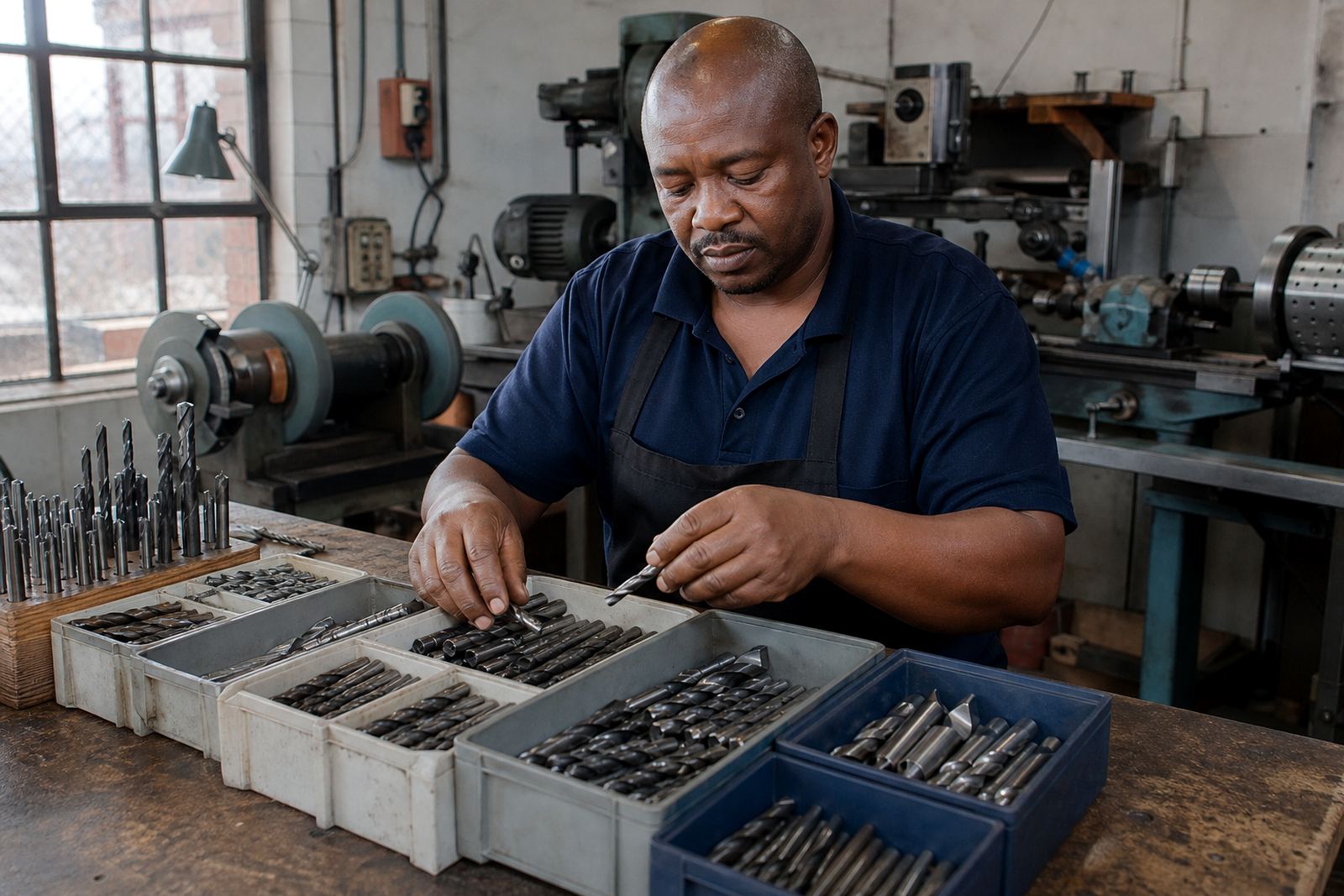
Simple sharpening jobs are generally quicker when the tools arrive clean, sorted and clearly marked. If a batch contains standard saw blade sharpening or drill sharpening with no extra damage, the process is usually straightforward. The same applies to router bit sharpening where the cutting edges are worn but the body is still in good condition.
Tools that come in dirty or dull can slow things down a bit because each item must be inspected before work begins. If a blade has resin build-up, light rust or visible burning, it may need cleaning, burn mark removal or tooth face grinding before the actual sharpening starts. That extra preparation matters because it protects the tool and helps the finished edge last longer.
- Fastest jobs: standard sharpening with no damage
- Medium jobs: sharpening plus light clean-up or touch-up grinding
- Slower jobs: chipped edge recovery, diameter correction or angle resetting
- Longest jobs: mixed batches with no labels or missing details
How To Prepare a Batch Before Sending It In
Good preparation can save a day or two on the front end, especially when the workshop receives mixed batches from businesses in different towns. Start by separating saw blades, drills and router bits into clear groups. If a batch includes both straight sharpening and regrinding, mark that clearly so the right process is applied first.
It also helps to note any special concerns. For example, a blade with one damaged section may need chipped edge recovery, while a drill bit with uneven wear may need a different setup from the rest of the batch. Send only the tools that need work, because loose offcuts, packaging bits and unrelated items make sorting slower.
- Wipe off loose dirt, resin and cutting fluid before packing
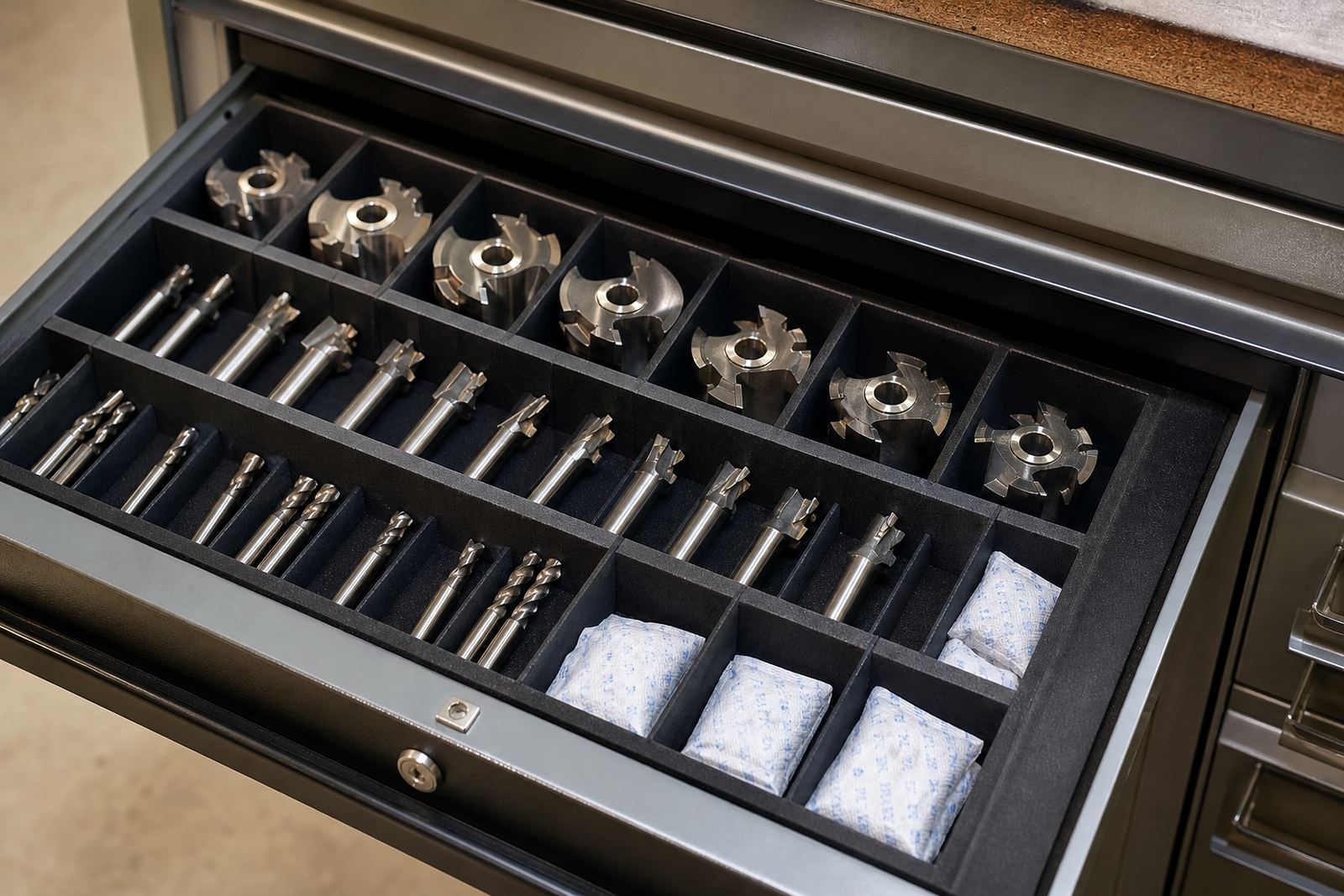
- Separate saw blades, drills and router bits into groups
- Mark damaged tools that need extra correction
- Do not mix fresh stock with used tools
- Use sturdy packaging so edges do not chip in transit
What Happens After Courier Collection Is Booked
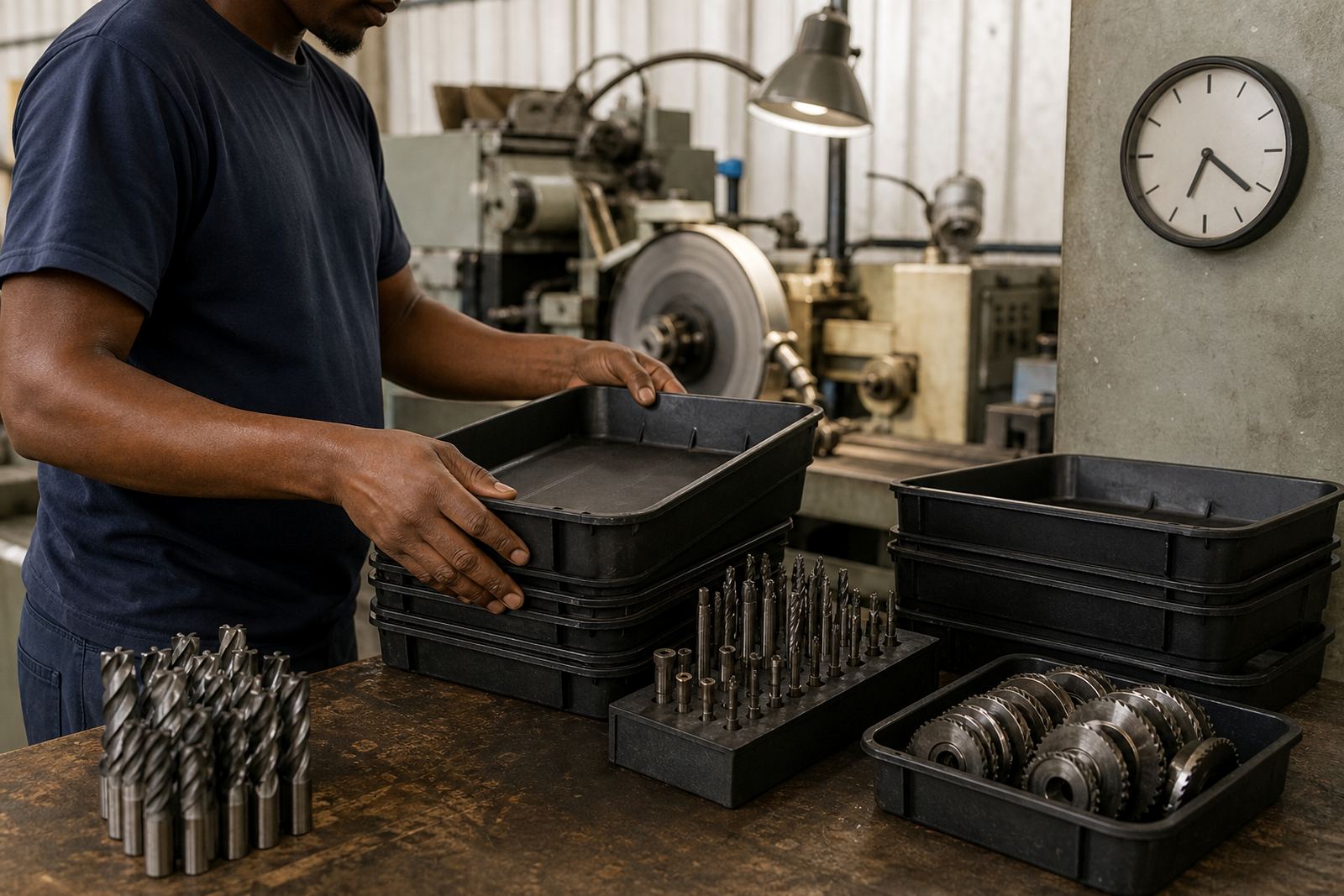
Once a courier collection is arranged through the enquiry form on the contact page, the next step is collection, sorting and job logging at the Pinetown base. Each batch is checked on arrival, then tagged so tools do not get mixed up between customers. Batch tool tagging is important where a customer sends several similar blades or bits at once.
From there, the technician team confirms the work required and places the tools into the correct workflow. A clean batch may go straight to sharpening. A worn batch may first need top grinding, tooth face grinding or balance checking. If there are multiple steps, the turnaround becomes longer, but the result is more consistent and safer for the machine operator.
Courier timing is usually simple enough, but it still depends on pickup windows, route changes and the time the parcel lands in the workshop. If a job arrives late in the day, it may only enter the queue the next morning.
How Load-Shedding, Weather and Peak Demand Can Shift the Schedule
In KwaZulu-Natal and other parts of South Africa, load-shedding can slow workshop output if machines, lighting or extraction equipment have to be rescheduled. Wet weather and road delays can also affect courier movement, especially for collections heading out of or into coastal areas. That is why it is best to allow a little flexibility when planning a critical job.
Busy periods also matter. At month-end, before shutdowns and during seasonal production runs, many workshops send in larger batches. This can lengthen the queue even when each job is simple. If your project has a fixed start date, book early and mention that date when you submit the enquiry form.
To keep things moving, it helps to be honest about deadlines. A clear deadline lets the team advise whether a standard service is suitable or whether the batch needs priority handling.
A Practical Checklist For Faster Turnaround
Customers who follow a few small steps usually get a cleaner quote on timing and fewer avoidable delays. The aim is not to rush the work, but to make sure each tool reaches the right bench in the right condition. That saves time and avoids rework later.
- Confirm the tool type and quantity before booking
- State whether you need sharpening, regrinding or both
- List any damage such as chips, burns or bent sections
- Include your town and preferred courier collection area
- Make sure the tools are packed safely and labelled
- Tell the workshop if the job has a hard deadline
- Keep related tools together so they can be tagged as one batch
If you run a workshop in Westville, Hillcrest or elsewhere in Gauteng or the Western Cape, the same rule applies: the clearer the batch, the quicker it can move through intake, processing and return. A little planning upfront usually saves waiting time later.