Why door installers send tools in for sharpening
Fitting internal and external doors is not only about speed, it is about getting the leaf to sit right first time. A blunt blade leaves tear-out on laminated doors, a tired drill wanders on lock sets, and a worn router bit can burn the edge on hardwood or MDF. In humid coastal areas like Durban and Pinetown, cutters also pick up resin and fine rust if they are left sitting in a van after the day’s work.
We see a lot of tools from installers working in new builds, flat upgrades, schools and office refurbishments. The common pattern is the same: a set of tools doing small jobs all day, then starting to drag, chatter or leave rough edges. Sending them in before they fail completely saves time on site and keeps call-backs down.
Typical tool set for a door fitting crew
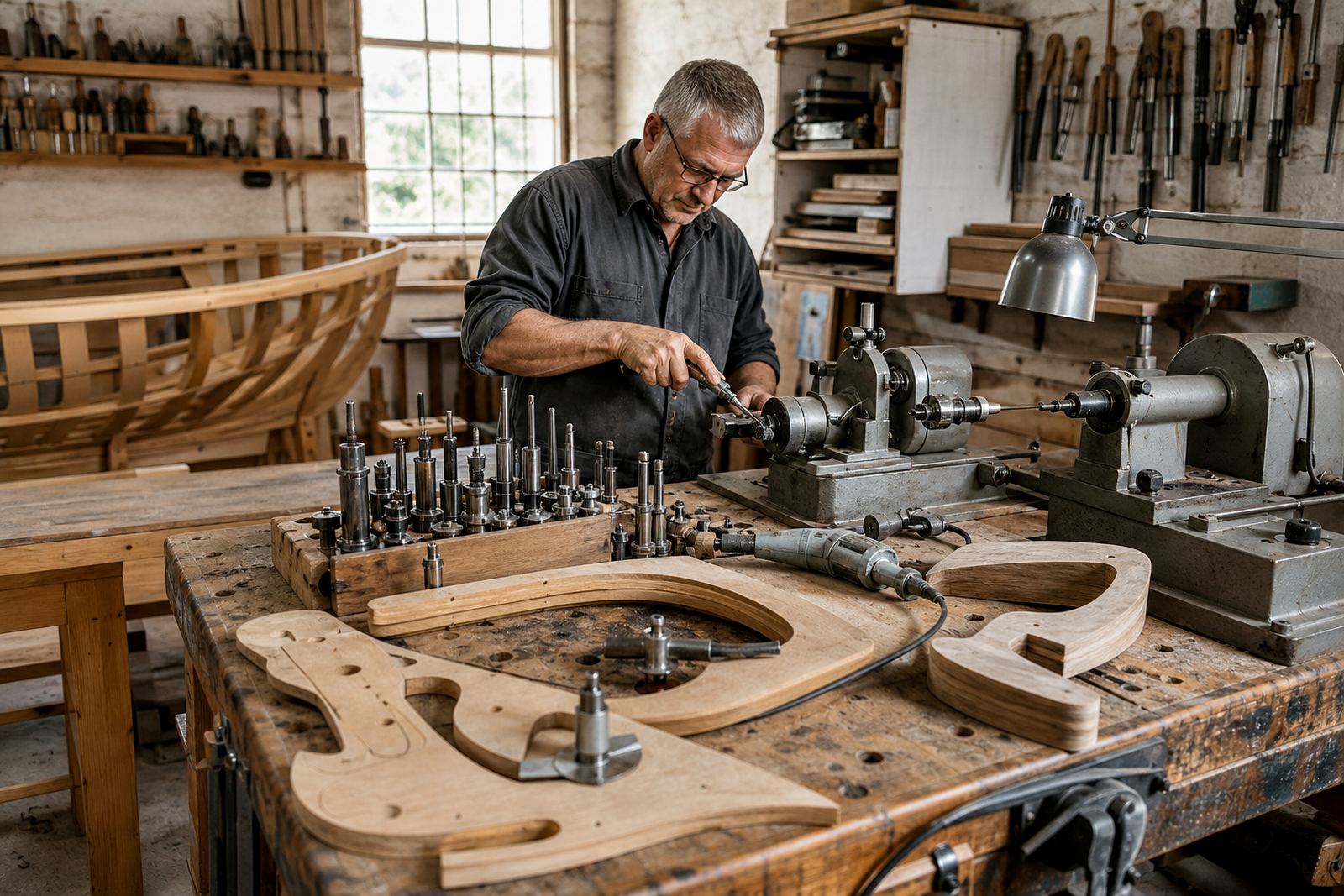
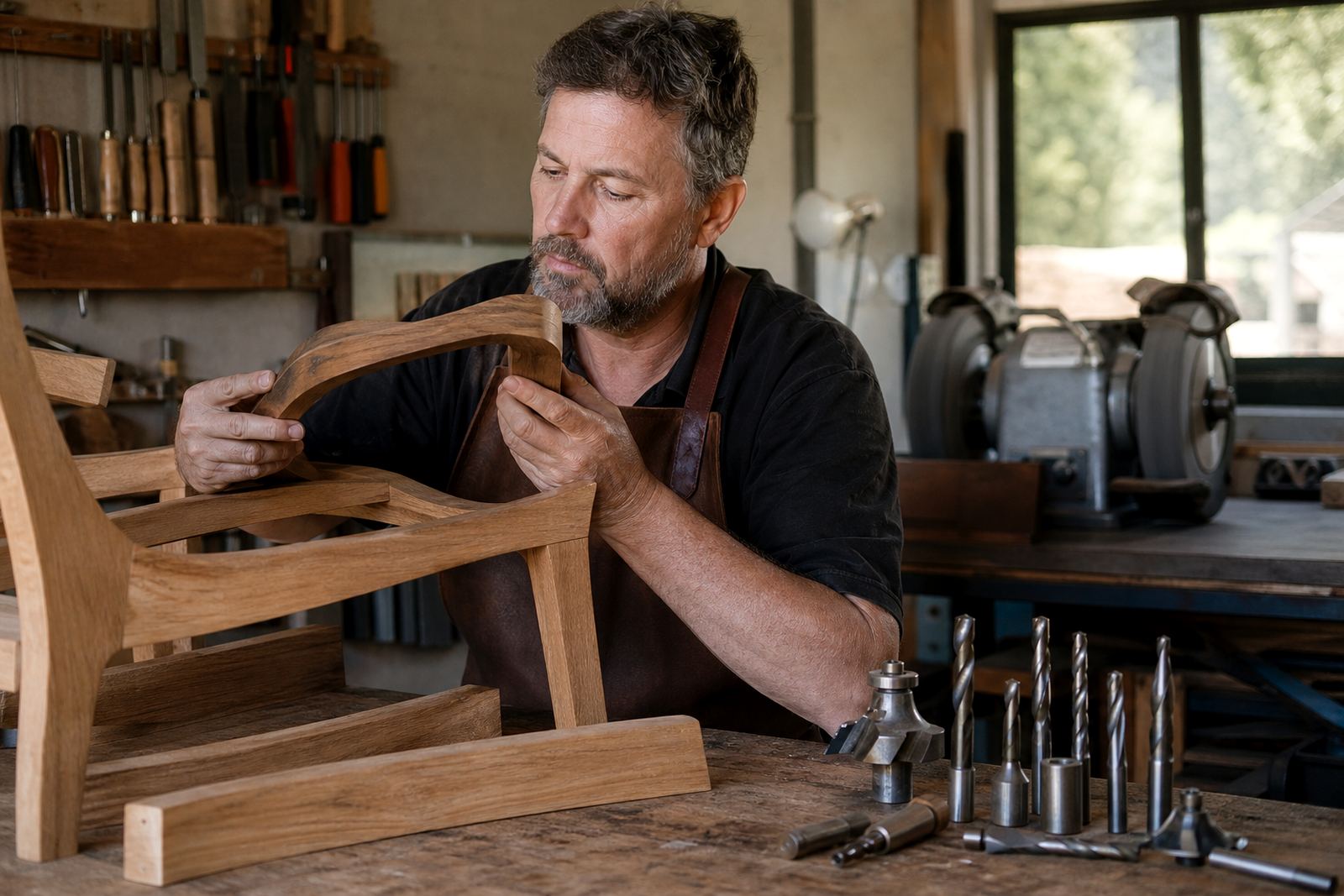
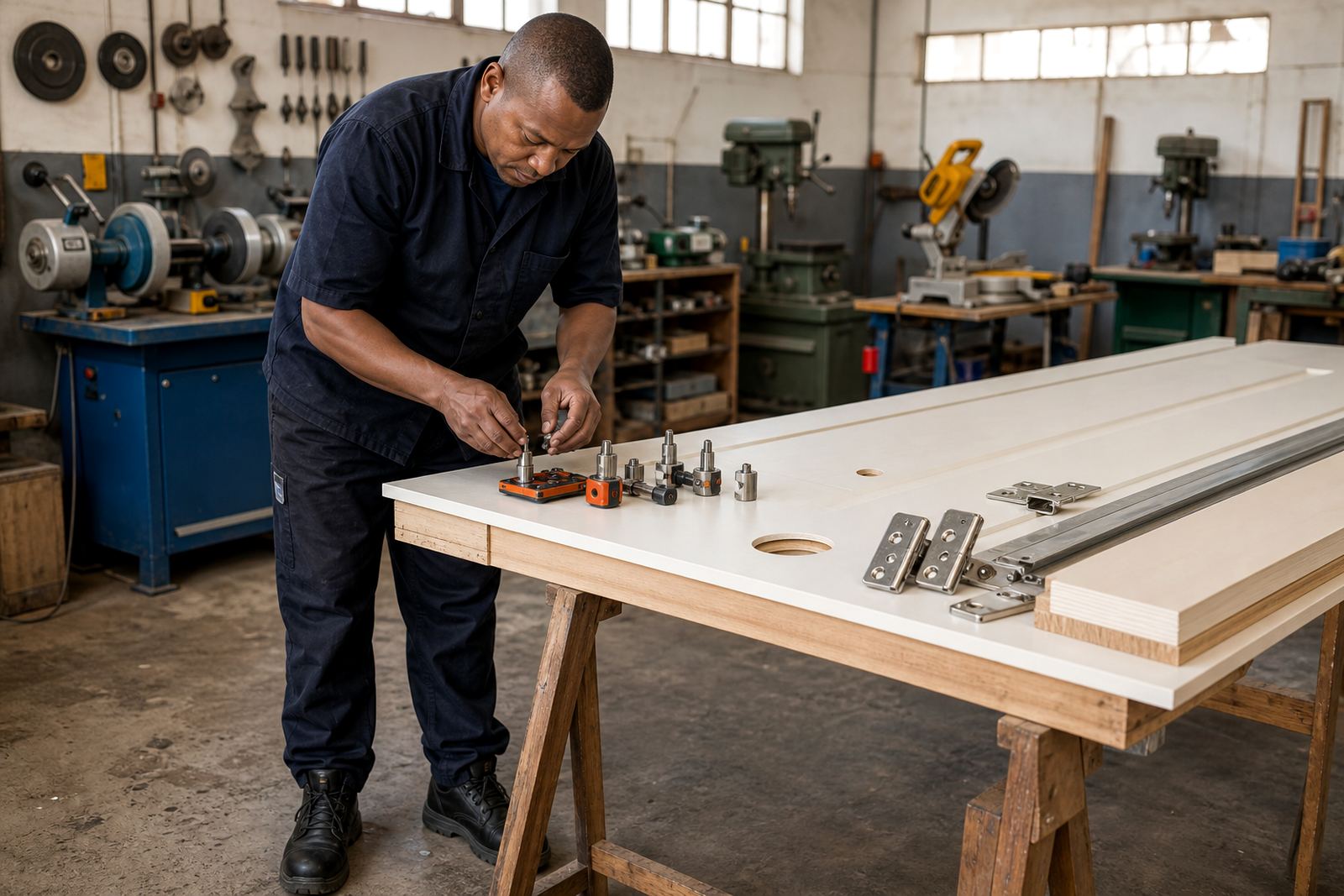
Most door installers work with a mixed set of cutting tools, depending on whether the job is timber, aluminium or composite. For neat hinge recesses and lock prep, the quality of the cutter matters as much as the machine. We sharpen and regrind saws, drills and router bits used for everyday fitting work.
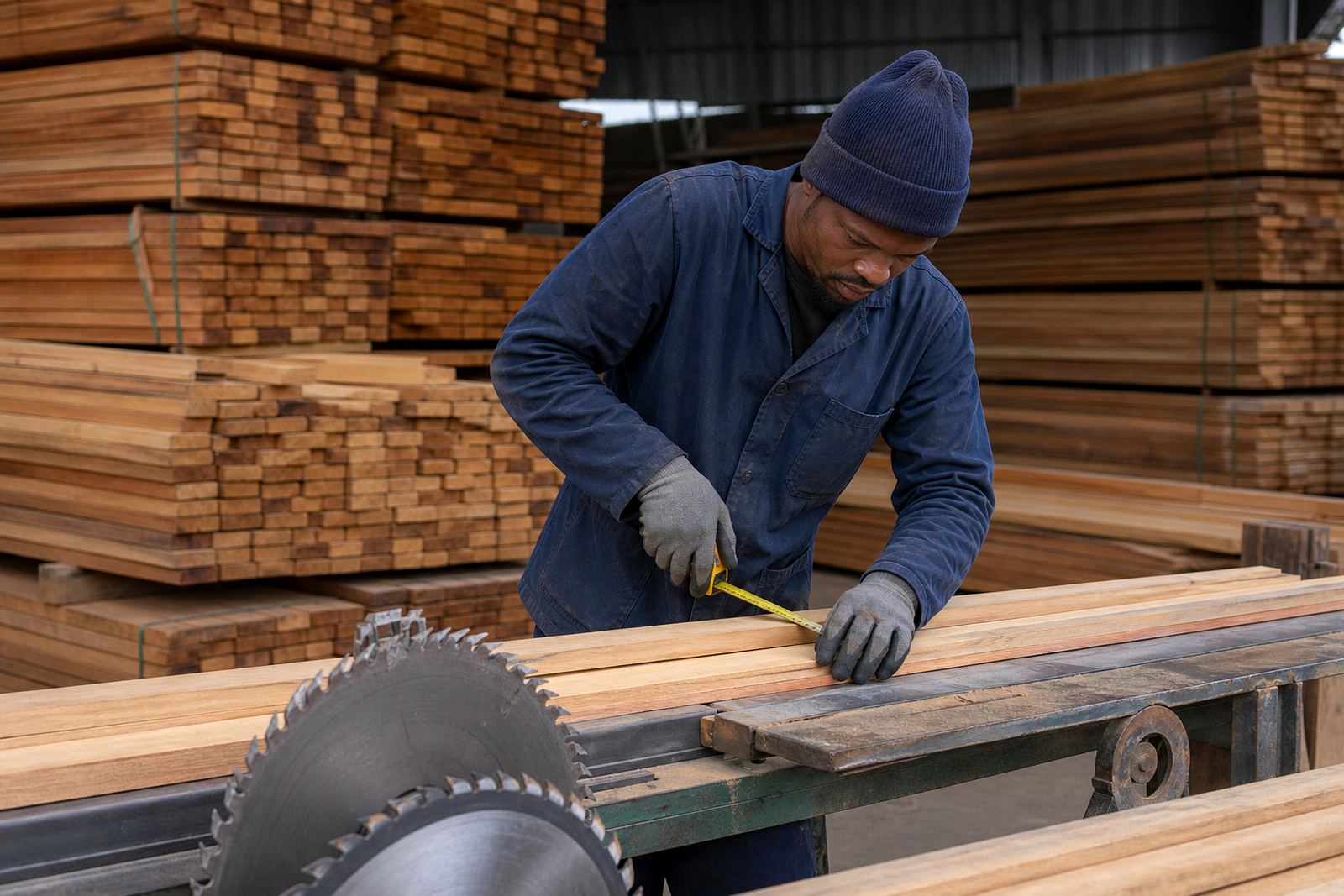
- Panel saw blades for trimming doors to size
- Hole saws and drill bits for locksets, latches and bolts
- Router bits for hinge recesses and latch pockets
- Trim cutters for final fitting on frames and architraves
- Chipped or burnt cutters that need recovery rather than replacement
If your work includes site-installed fire doors, bulkier hinges or hard timber frames, it helps to keep one set of cutters for rough work and one set for finishing. That way the best tools stay sharp for the final pass, not the rough opening cut.
Layout and planning tips for cleaner installs
Good door work starts before the cutter touches the timber. Measure the set-out twice, check swing direction, and mark hinge positions from the same reference edge every time. Small differences in the frame or slab become very obvious once the handle and latch are fitted.
A practical workshop and site routine helps keep the job neat:
- Carry marked trays for new, used and damaged cutters
- Label bits by size so the wrong one does not get forced in
- Keep a spare set of sharpened tools for rush jobs
- Check blade run-out before trimming a finished door
- Test on offcuts first when working with coated boards or soft pine
For installers working between Pinetown, Durban and Pietermaritzburg, courier collection makes it easier to rotate tools through the workshop without losing a whole day. In Johannesburg, Pretoria and Cape Town, the same approach helps crews keep their stock moving even when transport schedules are tight.
Common mistakes that cost time on site
Door installers often lose time through small tool faults that could have been corrected earlier. A dull blade causes chip-out on the face of the door, while an overheated router bit leaves burn marks around hinge recesses. Drills that are not centred well can drift, and that means the lock case sits too loose or too tight.
Another common issue is pushing a cutter too far past its useful life. That can lead to chipped edges, uneven diameter, and poor balance that shows up as vibration on the machine. In a busy fitting schedule, that vibration is more than an annoyance, it can make the cut wander and the finish look untidy.
We also see tools returned from site after being dropped in dust, concrete grit or wet grass. That grit damages cutting edges quickly, especially when the work is done outdoors in Westville, Hillcrest or on coastal jobs where moisture stays in the air. A quick clean before storage and proper regrinding when needed keeps the set in better shape for the next job.
What sharpening and regrinding can recover
Not every worn tool needs to be thrown out. A lot of saw blades, drills and router bits can be brought back into working order if the damage is still within limits. We handle tooth face grinding, top grinding, diameter correction, burn mark removal, chipped edge recovery, angle resetting and balance checking where the tool type allows it.
For a door installer, that means a blade that used to leave a rough edge can often be returned to clean cutting, and a router bit that burns the recess can usually be corrected before it starts ruining more work. Batch tool tagging is also useful when a crew sends in a mixed pack from several jobs, since it keeps each set identified and easy to track.
Training and starter kits are available for teams that want a better maintenance routine in the workshop. That is handy for new installers who are still learning how to spot wear early and avoid forcing a cutter past its best condition.
Budget ranges for door installer tool upkeep
Tool upkeep is usually far cheaper than replacing a full set every few weeks. For a small door-fitting crew, a modest sharpening run may sit from about R350 to R900, depending on the number of cutters and the amount of regrinding needed. Larger batches, or sets with damage that needs correction, can sit from around R1 200 to R3 500 and up.
The exact cost depends on blade size, tooth condition, the number of router bits, and whether there is burn damage or chipped sections to recover. It also helps to group tools by job type, so the workshop can process a set in one batch instead of treating each item as an isolated repair.
If you are fitting doors across multiple sites in South Africa, a planned sharpening cycle usually works out better than emergency fixes. It keeps the budget steadier and reduces the chance of buying replacement tools before they have truly reached the end of their life.