Why caravan fitters need sharper tools on small parts
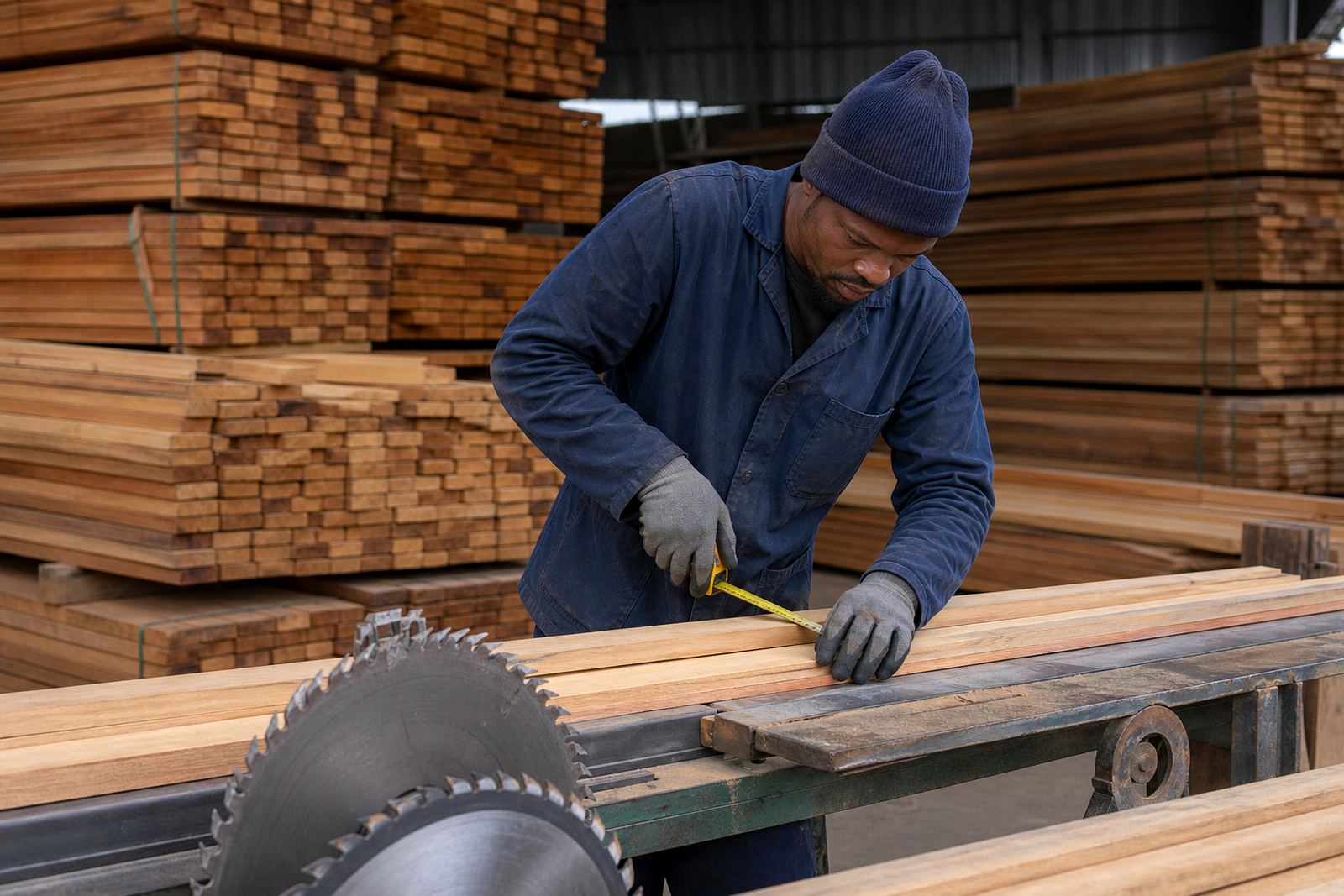
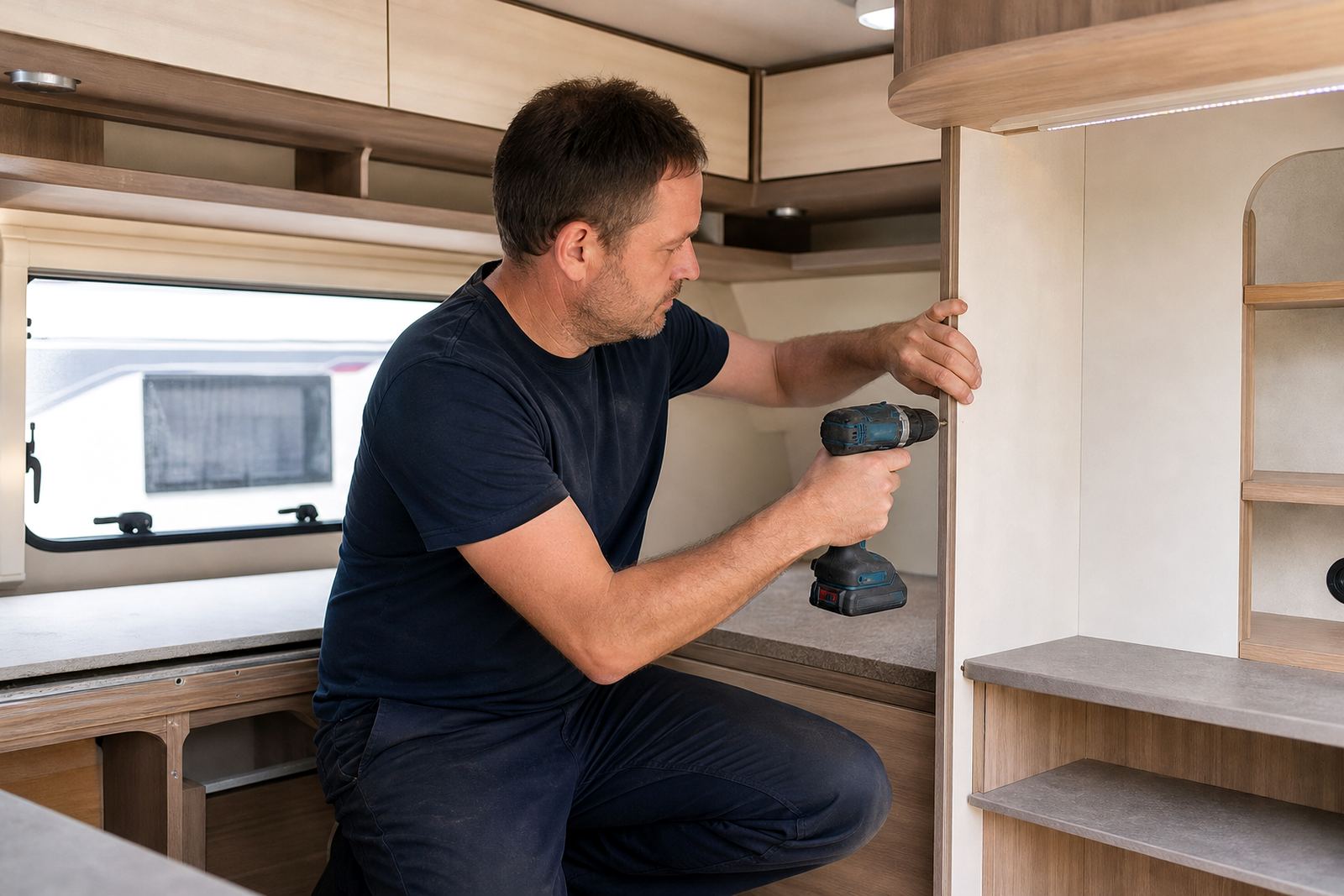
Caravan fitters deal with narrow strips, laminated panels, plastics, aluminium trims and composite sheets where one dull edge can chip the finish or pull a cut off line. In a small workshop there is little room for error, and a blunt saw blade or drill bit can slow fitting work, waste material and leave rough edges that need extra sanding.
Our workshop in Pinetown handles saw blades, drills and router bits for teams that build cupboards, bed frames, hatch surrounds, drawer runners and interior trim packs. We also see plenty of workshop damage from heat, dust and rushed cuts during load shedding catch-up shifts, especially where tools are used hard from Monday to Saturday.
Typical tools we sharpen for caravan fit-out work
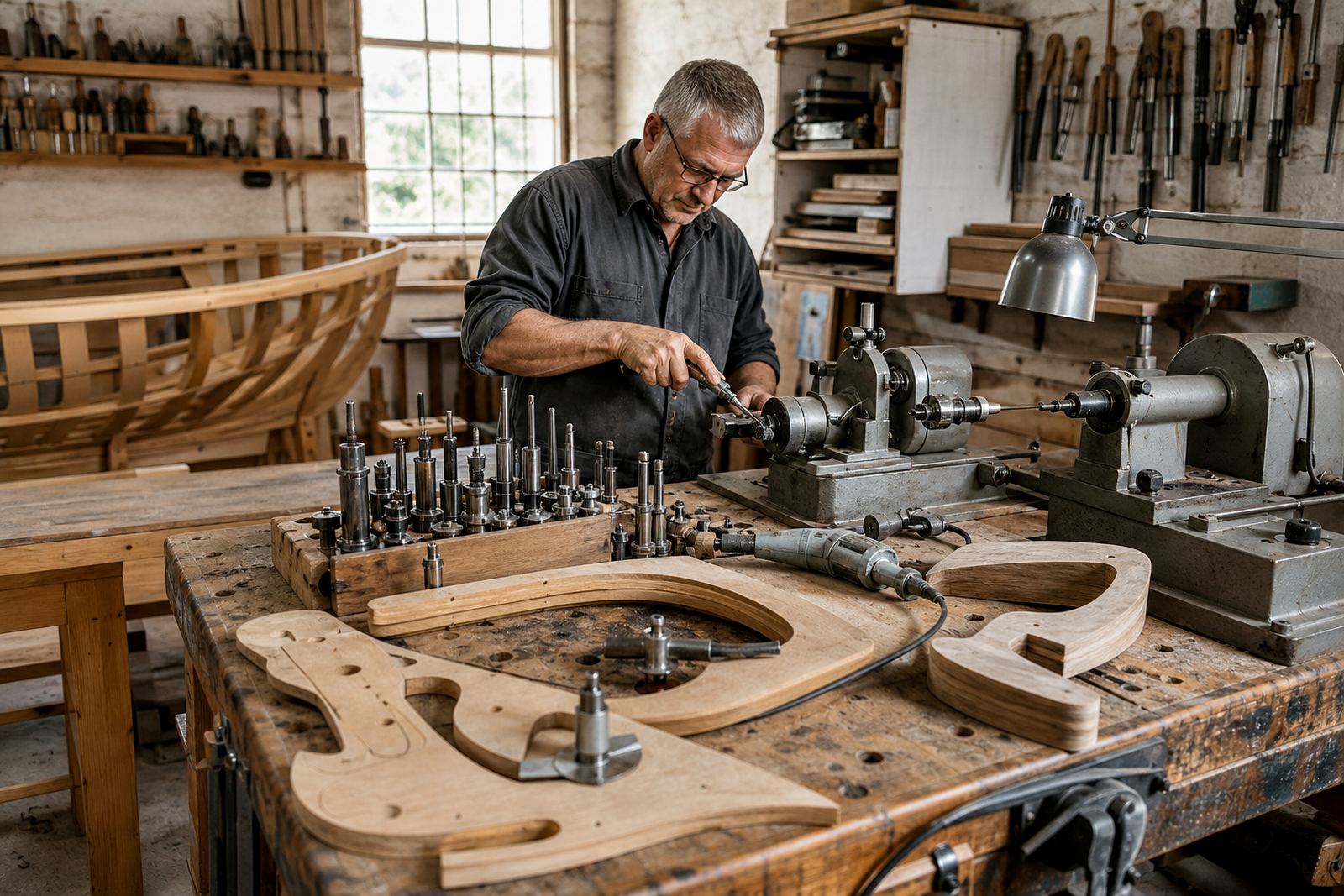
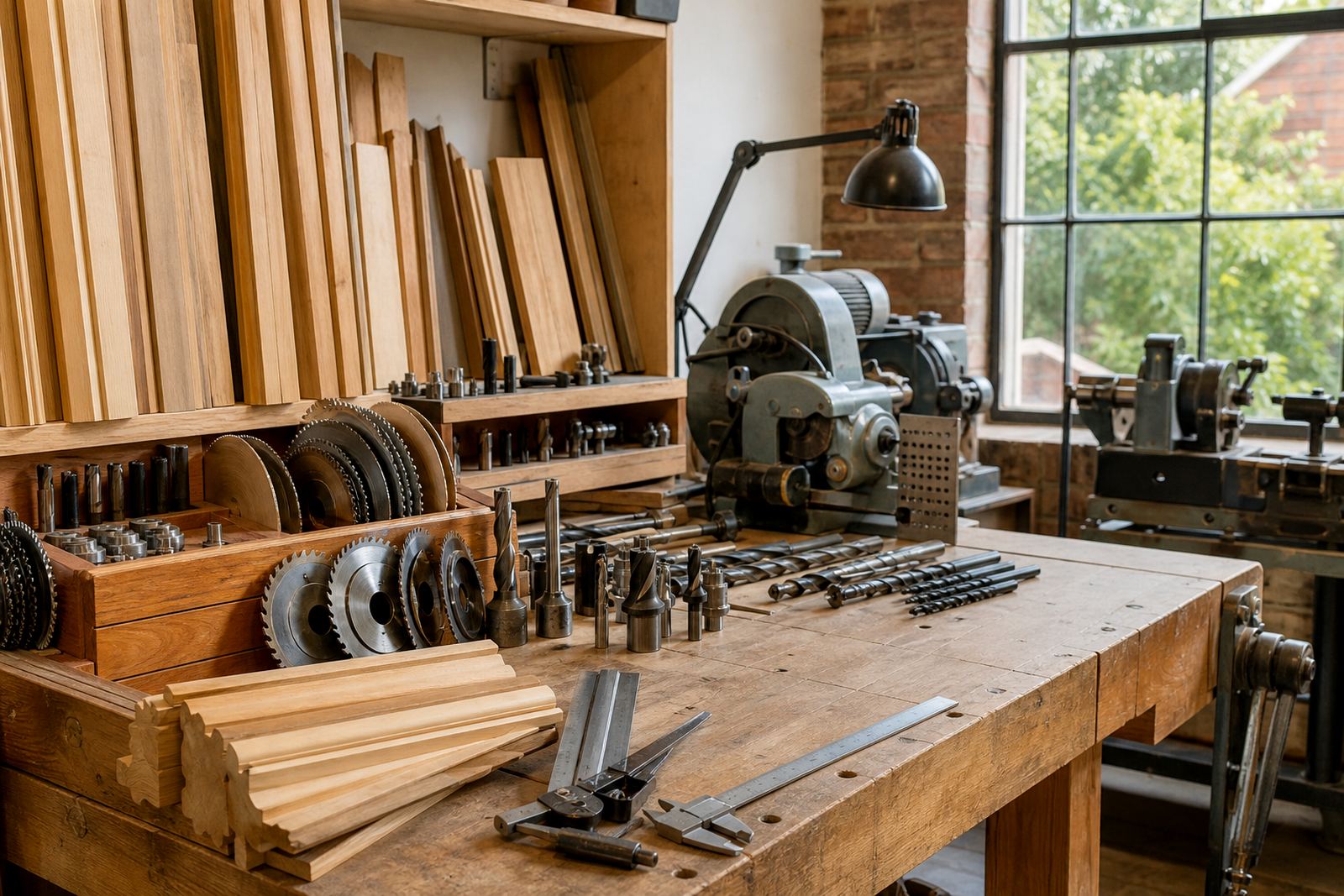
Most caravan fitters send a mixed batch rather than single pieces. A job can include panel saw blades, hole saws, twist drills, brad point drills and router bits used for edge finishing, channel work and hinge recesses. We inspect each item for wear, chipped teeth, burn marks and balance before deciding whether it needs sharpening or regrinding.
- Saw blade sharpening for panel cutting, trims and laminated board
- Drill sharpening for pilot holes, fasteners and clean entry points
- Router bit sharpening for profiles, rebates and edge detail
- Tooth face grinding and top grinding for cutting consistency
- Diameter correction and angle resetting where the tool has drifted out of spec
- Burn mark removal and chipped edge recovery for damaged tools
Workshop layout advice for compact teams
Caravan fit-out shops in Pinetown, Durban, Westville and Hillcrest usually work best with a simple cutting station, a clean assembly bench and one marked area for used cutters. Keep sharp stock separate from worn stock so the team does not grab the wrong bit in a rush, and tag each batch when tools come in for service. That saves time when a fitter needs a specific set back by Friday afternoon.
Good planning also means keeping a spare set of high use blades and drills on hand. If you only have one of everything, the job stops when it gets sent out. A small rotation set lets you keep production moving while the worn set is away for sharpening, and it helps avoid panic buying at full price.
- Store blades flat in a dry drawer or rack to prevent rust and edge knocks
- Mark tools by job type, such as board cutting, trim work or hinge drilling
- Schedule sharpening before the last shift of the week, not after failure
- Use courier collection if the team is split between Pinetown, Durban and Pietermaritzburg
Common mistakes that waste tools and money
A lot of caravan fitters lose money by running tools too long after the first sign of drag. Once a blade starts burning a cut, the teeth are already working harder and the finish quality drops. The same happens with drills that wander at the start or router bits that leave fuzz on the edge. Leaving those tools in service can damage the board and cost more in rework than the sharpening itself.
Another mistake is sending mixed batches without labels. If the workshop has different thicknesses, hole sizes or profiles, batch tool tagging helps us sort and return items in order. It is a small step, but it cuts confusion when a team is working from a tight fitting list and several jobs are moving at once.
Courier collection for teams outside Pinetown
CutTool Sharpening serves caravan fitters across South Africa, including Durban, Johannesburg, Pretoria and Cape Town, through courier collection booking. That suits shops that run on site fitting, delivery installs or split production and do not want a technician leaving the floor to drop tools off. We can collect, sharpen, regrind and return the batch for the next production run.
For coastal workshops in Durban and Cape Town, humidity can bring surface rust quickly if tools are left unpacked. Wipe cutters clean before packing, keep them dry and use a sealed box or wrap for courier transit. Inland teams in Pretoria and Johannesburg often battle dust and adhesive residue, so a quick clean before dispatch helps us assess the edge properly.
- Courier collection booking available for single or mixed batches
- Suitable for small workshops and mobile caravan fitment teams
- Useful for repeat monthly maintenance cycles
Budget ranges for sharpening and regrinding
Most caravan fitters budget for sharpening as part of routine tool care, not as a one off repair. Small drill batches and basic saw sharpening can start at a few hundred Rand, while larger mixed batches with regrinding, diameter correction and burn mark removal can run into the low thousands depending on quantity and wear. The best way to plan is to compare the sharpened cost with the cost of replacing the tool set and the time lost when a cut goes bad.
For compact workshop teams, a practical monthly maintenance allowance is often in the range of R500 to R3 500, depending on how many blades, drills and router bits are in daily use. Bigger teams, or workshops doing both build and fit work, may spend more when they send bulk batches through. We can also help with starter kits and basic training so new staff know when a tool is ready for service and when it needs replacement.
What a clean return set should look like
After sharpening, tools should cut without extra pressure, leave a cleaner edge and hold their line longer across lightweight materials. For caravan fitters that means less burn, less chipping and less time on sanding or edge cleanup. A good return batch also gives the team a clearer view of wear patterns, which helps with future ordering and planning.
Our team includes Sibusiso Mthethwa, Ayesha Naidoo, Thabo Dlamini, Johan van Zyl, Lerato Molefe and Nokuthula Khumalo, with the workshop based in Pinetown and support for nearby areas like Westville and Hillcrest. If your fit-out team wants steadier cutting performance and easier batch control, the enquiry form on our contact page is the simplest way to start.