Why Joinery Shops Need a Routine Sharpening Plan
In a joinery workshop, a blunt blade does more than slow the job down. It leaves burning on hardwood, tear-out on veneered board and rough edges on profile cuts, which means extra sanding and more time on every fitting. For shops in Pinetown, Durban, Westville and Hillcrest, a set sharpening plan keeps the line moving even when power cuts or busy weeks disrupt the schedule.
Most joinery teams use a mix of circular saw blades, drill bits and router bits across cutting, drilling and finishing work. When those tools are checked on a cycle instead of when they fail, you get steadier results and fewer rejects. That matters on doors and frames where a small error can throw out the whole batch.
- Regular sharpening reduces burn marks on hardwood and MDF.
- Better edge quality means less hand finishing.
- Tools last longer when chips and angle damage are corrected early.
- Batch planning helps small teams avoid emergency downtime.
Typical Tool Sets in a Joinery Workshop
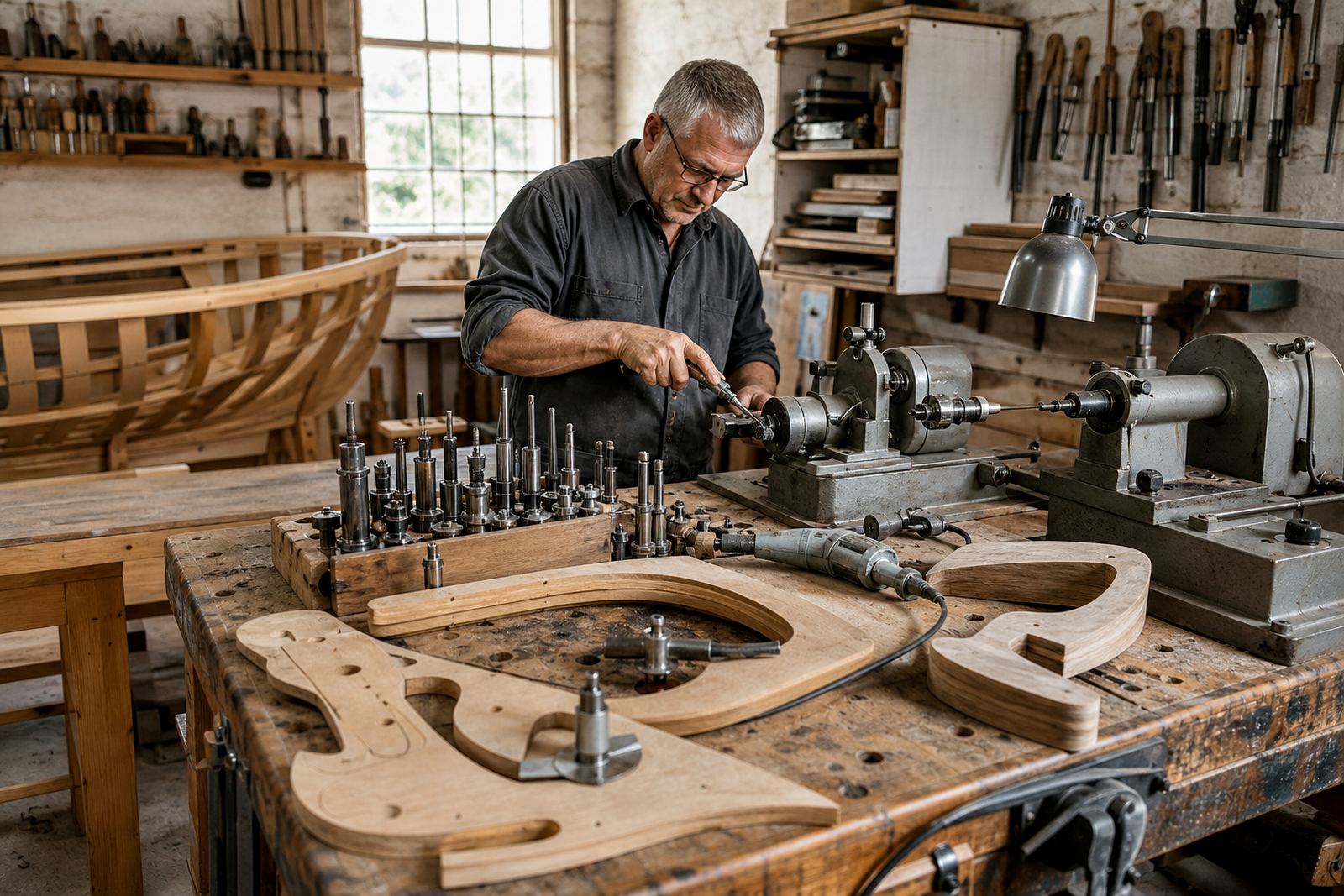
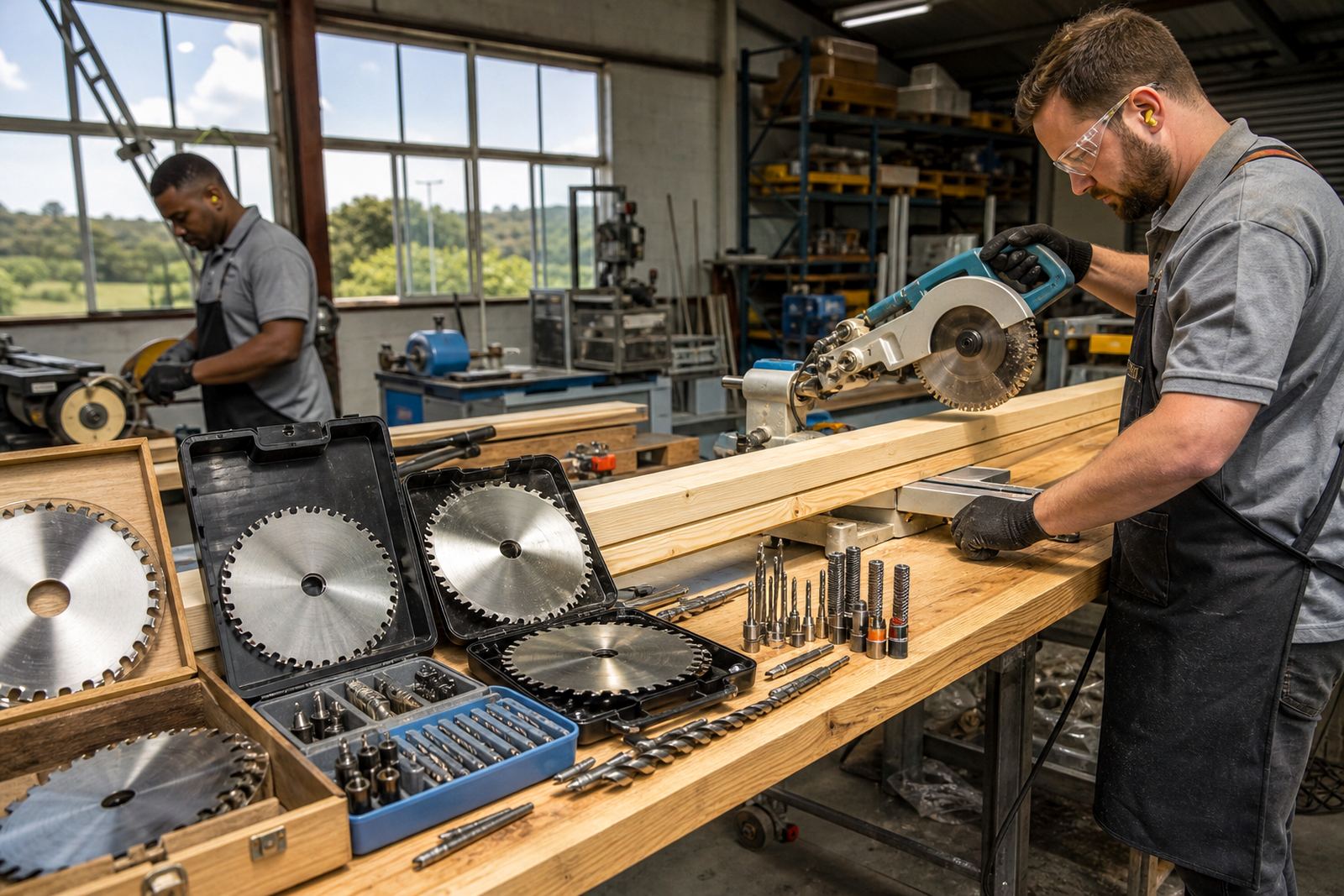
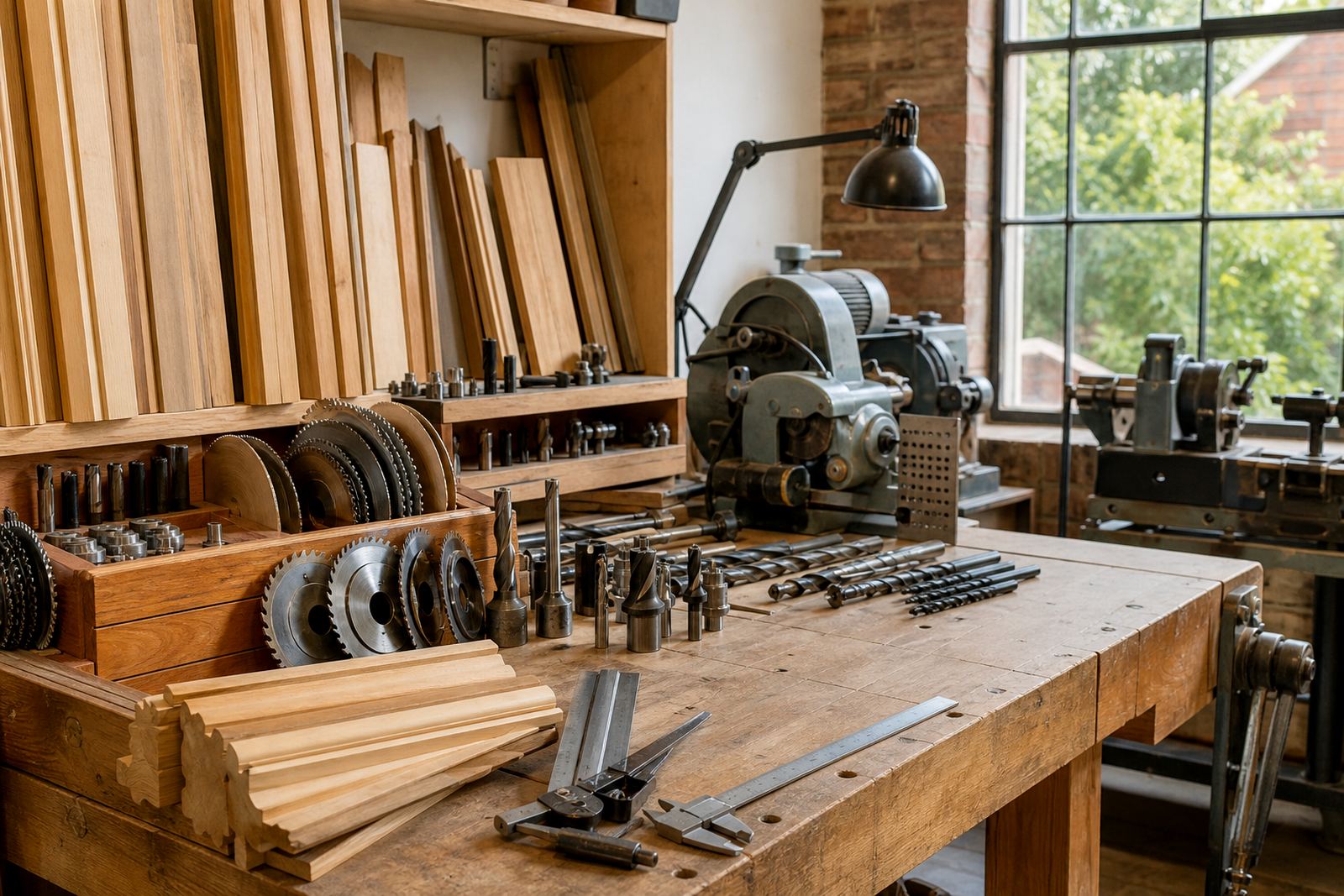
Joinery businesses usually send in a mixed set, not just one or two items. The most common tools are table saw blades, mitre saw blades, panel sizing blades, drill bits for hinges and fittings, and router bits for rebates, grooves and decorative edges. We also see lots of tools used on laminates, hardwood, pine and melamine board.
Some tools only need sharpening, while others need regrinding to recover the correct cutting face and angle. If a blade has chipped teeth, a poor previous grind or uneven wear, it may also need diameter correction, balance checking and burn mark removal. That is common in shops working under load-shedding because rushed handling during interruptions can nick teeth or knock tools off line.
- Saw blade sharpening for rip and cross-cut work.
- Drill sharpening for clean boring and fitting holes.
- Router bit sharpening for grooves, rebates and edge profiles.
- Tooth face grinding and top grinding for accurate cutting geometry.
How to Set Up Sharpening Cycles Around Production
A good plan starts with separating tools by job type and by how often they are used. High-use blades that run daily on cutting stations should be tracked separately from tools used only for specials or one-off fitting work. In a busy workshop, that simple system makes it easier to book collection before the whole stack goes blunt.
We recommend batch tool tagging for joinery teams so each item comes back clearly marked and easy to put back into the right machine. Courier collection booking is useful for teams in Pinetown, Durban and Pietermaritzburg, while larger runs from Johannesburg, Pretoria and Cape Town can be managed in planned batches. That way the workshop can keep working while the tools are being collected, sharpened and returned.
- Label tools by machine and cutting task.
- Keep one spare set for critical saws and routers.
- Book collection before peak production weeks.
- Plan sharpening around finishing and installation deadlines.
Common Mistakes That Cost Joinery Shops Time
One of the biggest mistakes is waiting until a blade is badly burnt or a drill is wandering. By then the tool may need more than a simple sharpen and the cut quality has already dropped. Another common problem is mixing up router bits with similar profiles, which leads to inconsistent rebates and edge detail across a batch.
Some workshops also under-estimate the impact of poor storage. Moist coastal air in Durban and other KZN areas can affect steel over time, especially if tools are left unwrapped after use. Rust spots, chipped edges and knocked teeth show up faster than people expect. A clean storage rack and proper tagging help a lot, and it saves money in the long run.
- Do not run tools past the point of burning or chatter.
- Do not store sharpened tools loose in a drawer or box.
- Do not ignore chipped edges on saw blades and router bits.
- Do not mix tools from different machines without checking the profile.
Workshop Layout Advice for Cleaner Handling
Even a small joinery shop benefits from a simple tool flow. Keep incoming used tools in one area, tagging and sorting them before collection. Keep incoming sharpened tools separate so they do not get scratched on benches or mixed with damaged stock. That basic layout cuts confusion, especially when teams are working around installers, cutters and finishers at the same time.
If you are planning a new workshop or reworking the current floor, leave space for safe tool storage, a dry pack-up point and a clear handover area for courier collections. In wet coastal conditions and dusty inland sites alike, the goal is the same: less damage before the tool even gets back into the machine. A tidy process also helps when the workshop is handling doors, frames and mouldings in batches.
- Separate dirty tools from finished tools.
- Use sealed containers or sleeves for transport.
- Keep a simple register of counts, sizes and machine use.
- Allow space for tools waiting on inspection or correction.
Budget Ranges for Routine Sharpening in Rand
Budgeting depends on the size of the tool set, the amount of damage and whether the items need standard sharpening or full regrinding. For a small joinery workshop, routine monthly spend may start from around R850 to R2 500 for light maintenance on a modest batch. A busier shop with repeated cutting and drilling can expect anything from R3 000 to R8 000 per cycle, especially where burn mark removal, diameter correction or balance checking is needed.
For larger commercial joinery operations, planned quarterly runs often work better than waiting for emergency call-ins. That usually gives more control over cost and keeps the workshop from losing time on one-off fixes. Training and starter kits can also help younger teams learn how to identify blunt edges, chipped teeth and unsafe tools before they go out on the floor.
CutTool Sharpening works from Pinetown and serves joinery businesses across Durban, Pietermaritzburg, Johannesburg, Pretoria and Cape Town through courier collection. If your workshop needs a practical plan for saws, drills and router bits, start by grouping the tools you use most and book a collection through the contact page enquiry form.