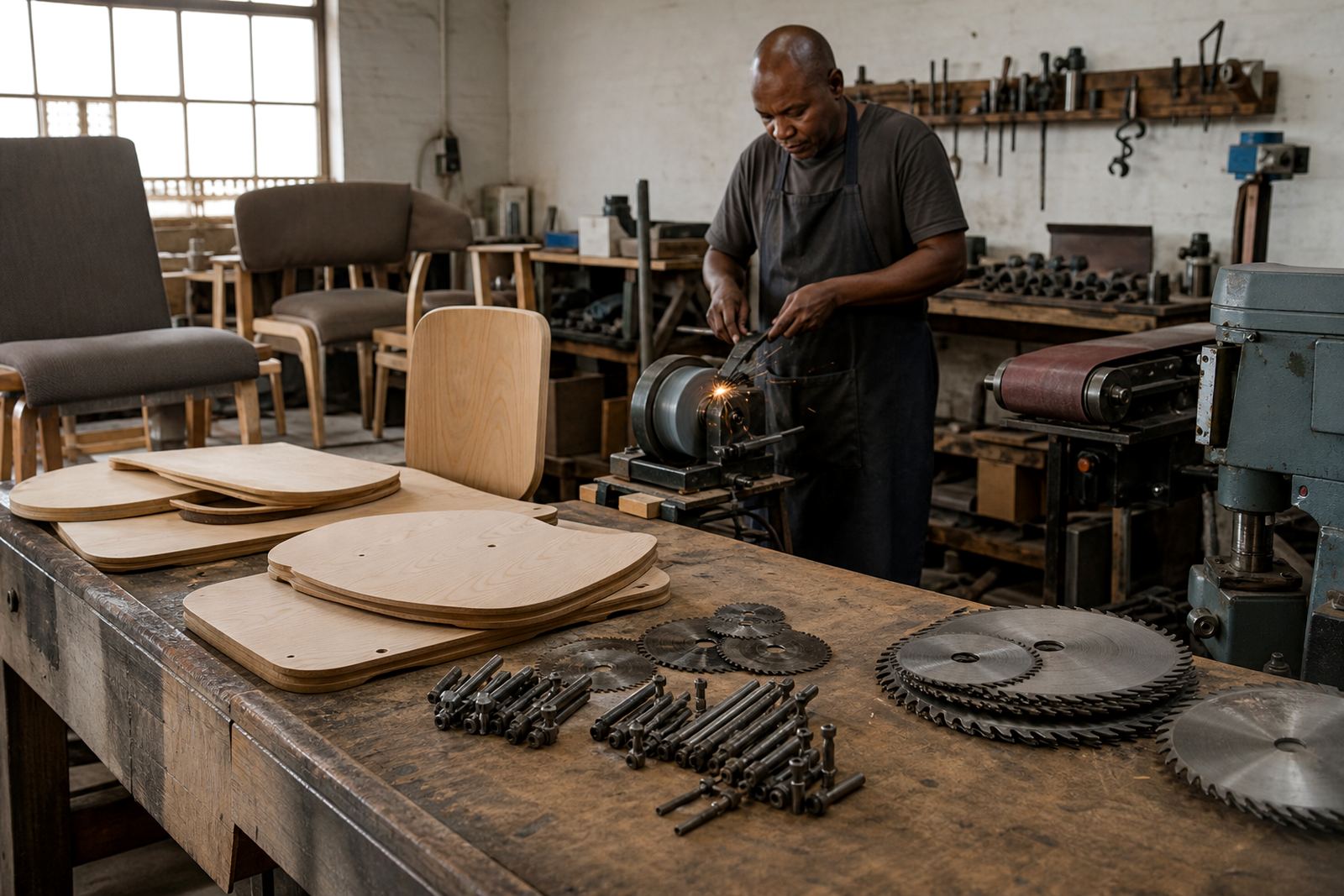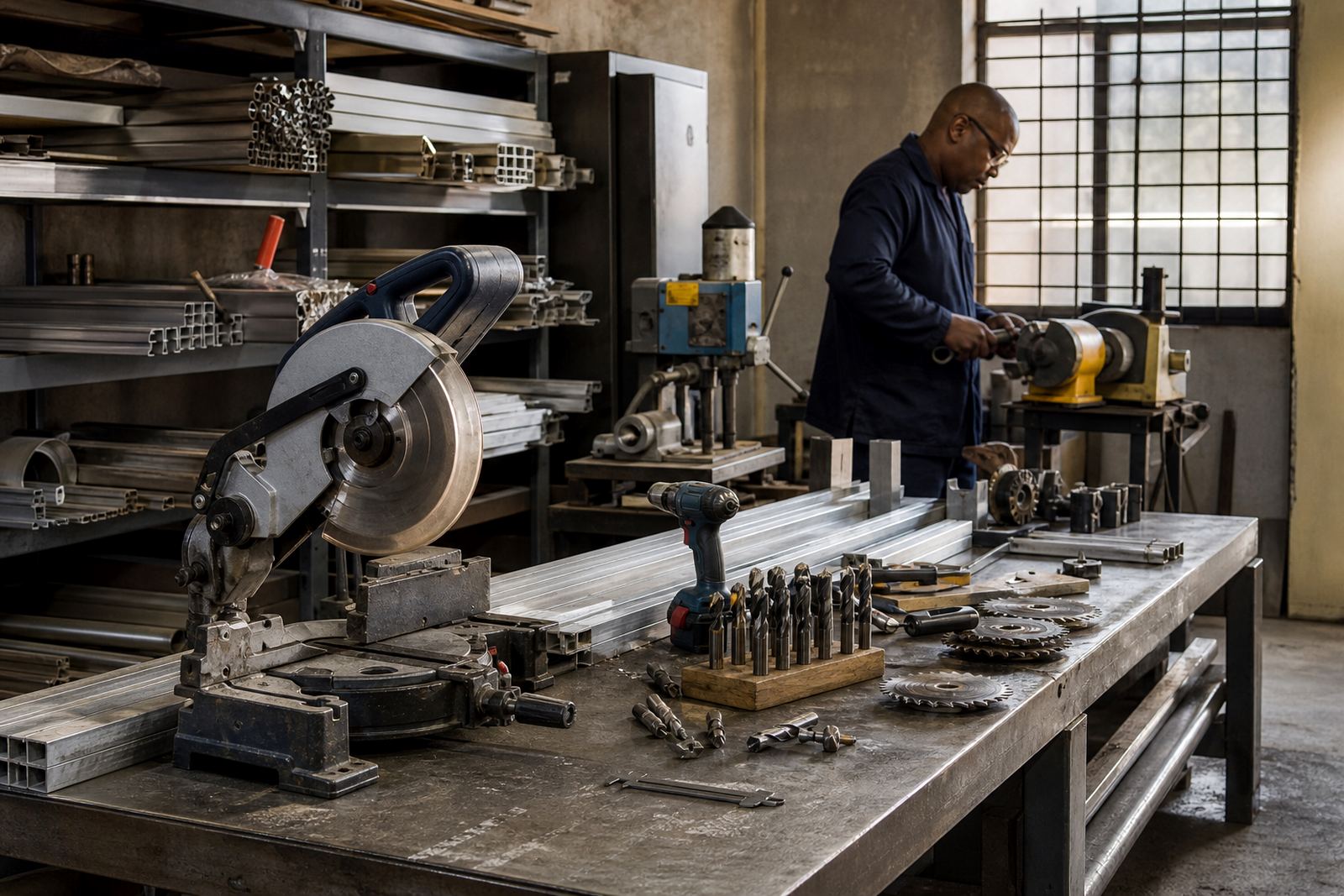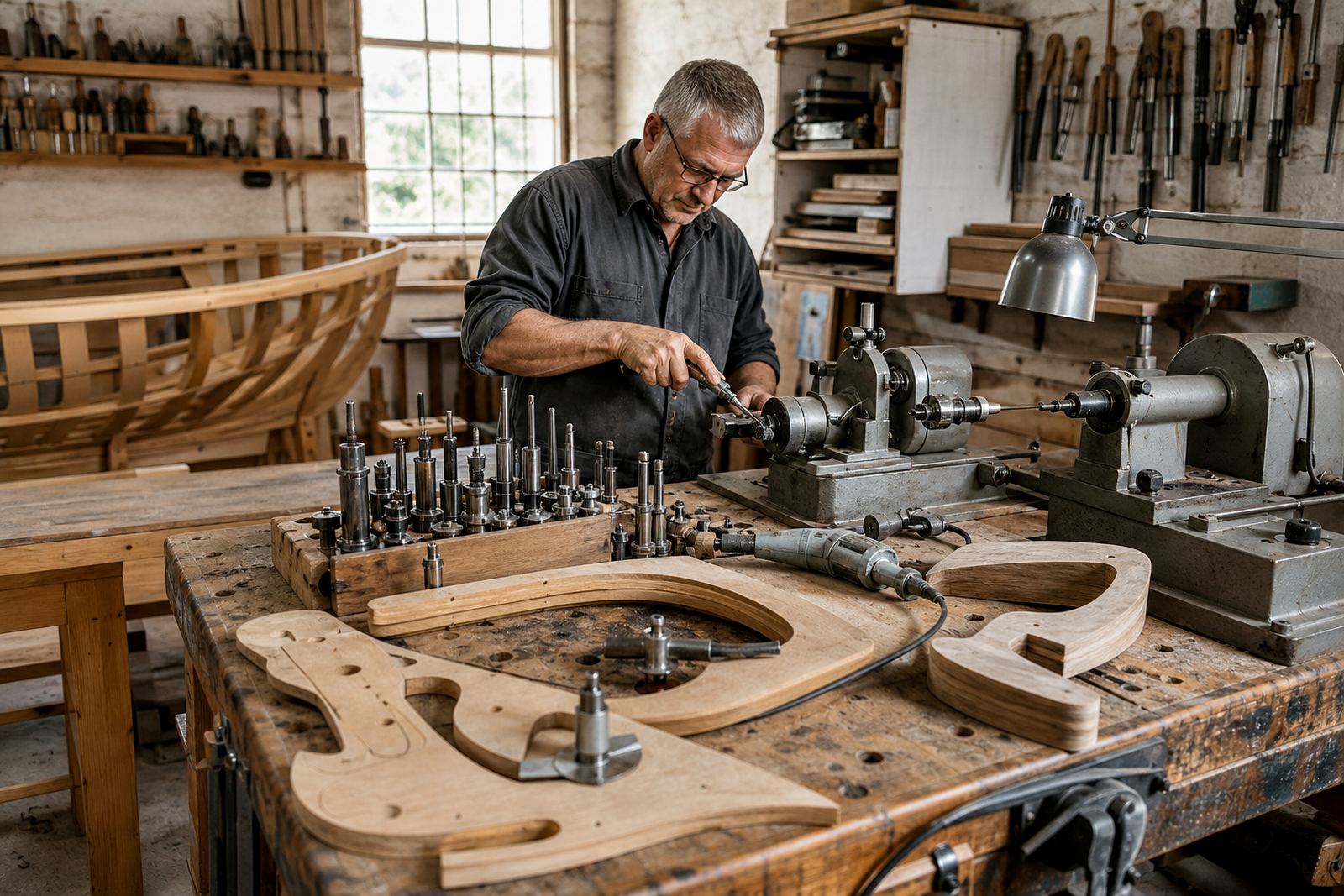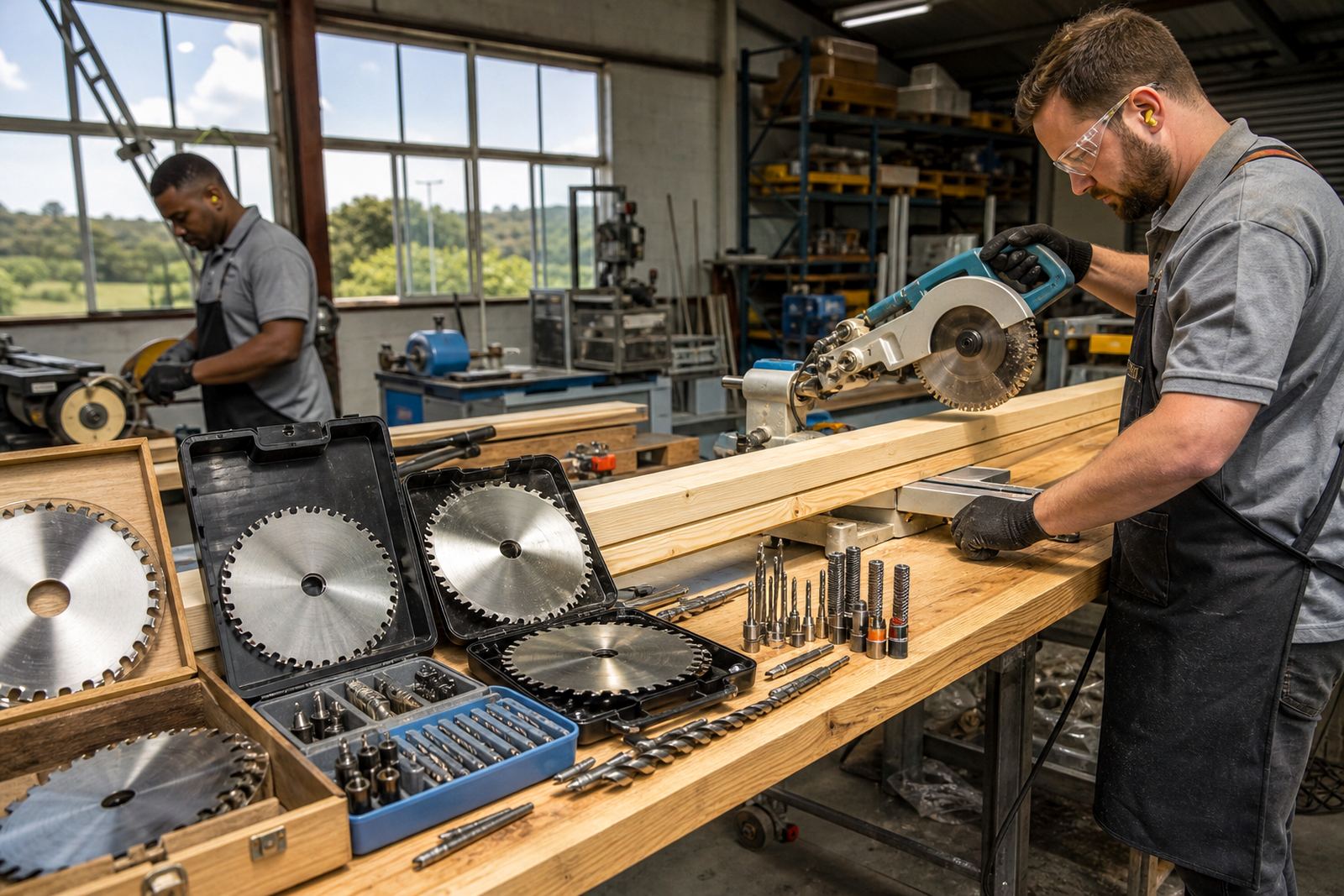
What framers usually bring in for sharpening
A good framers setup starts with simple sorting. Keep your mitre saw blades separate from site drills and router bits, then split each group by size and condition. Blades with burn marks, bent plates or missing teeth should not be mixed with the lighter maintenance work. If you are sending a batch from Pinetown, Westville or Hillcrest, batch tool tagging helps keep each item linked to the right job and crew.
For workshops, a weekly or fortnightly sharpening run is often enough for smaller teams. Larger crews working between Durban, Pietermaritzburg, Johannesburg or Pretoria may prefer a standing courier collection so there is no pile-up of blunt tools. Coastal humidity can also rust tools fast, especially if they sit in the bakkie or a damp storeroom after a long week. Wipe tools before packing and use a simple box or crate that protects cutting edges.
- Store blades flat and separate so teeth do not knock together
- Mark the tool size and count before courier collection
- Keep damaged items apart so they can be assessed first
- Send in batches at set intervals rather than waiting for every tool to fail
Layout and planning for workshop and site crews
Most framers do best with a basic tool plan that matches the work pattern. A small workshop may only need a few mitre saw blades and drill sets turned around at a time, while a contractor working on multiple sites needs enough spares to keep the job moving. If you know your blade sizes and drill types, it is easier to schedule sharpening before the tools become too dull to rescue cleanly.
For timber framing and light construction, we often see teams running one blade for rough cuts, one for finishing cuts and a separate set for site repairs. That keeps production moving and helps you avoid emergency downtime in the middle of a roof structure or cladding job. It also gives the sharpening team a clearer picture of wear patterns, which helps with angle resetting and balance checking where needed.
- Keep one clean set for finish cuts and one for rough site work
- Plan courier collection around project milestones, not only when tools fail
- Use starter kits for new teams that need a basic maintenance routine
- Train one person to inspect tools before they go out again
Common mistakes that cost time and timber
One of the biggest mistakes is waiting until the saw is smoking through every cut. At that point the edge may be too far gone, and the machine can suffer unnecessary strain too. Another common issue is using the wrong blade for the timber grade, then blaming the tool when the cut is rough. A simple check on tooth condition and diameter can save a lot of waste.
Framers also lose time when they ignore chipped edges on drills and router bits. A chipped bit can snag, overheat or leave a poor finish that takes extra filling later. We regularly handle burn mark removal, chipped edge recovery and angle resetting for tools that were still in use longer than they should have been. If a tool has heavy damage, we will say so clearly rather than sending it out with a half fix.
Another mistake is poor storage. Tools left loose in a trailer or under a pile of offcuts can nick each other, and on busy sites that happens more often than people admit. A simple tray or case costs less than replacing a full set after a month of rough handling.
What sharpening and regrinding usually costs
Budgets depend on the number of tools, the type of damage and whether you need collection by courier. For framers, a small batch of saw blades and drills can often be kept within a manageable monthly spend, especially if tools are sent before they become badly worn. Basic sharpening is the lowest cost, while regrinding, diameter correction and severe chip recovery cost more because they take extra machine time and inspection.
As a working guide, many small workshops spend around R250 to R800 for a light batch of mixed tools, while mid-sized framing crews may spend R900 to R2 500 for a fuller run with several blades and drill sets. Larger contractor batches, or tools needing more corrective work, can sit above that depending on condition and courier arrangements. It is usually cheaper to maintain tools regularly than to run dull ones and lose time on site.
If you are unsure, send the batch through for assessment with clear notes on what is used for framing, what is site drill stock, and which items are the highest priority. That makes pricing quicker and helps us turn the urgent tools first.
Courier collection across South Africa for busy framers
CutTool Sharpening is based in Pinetown, KwaZulu-Natal and we collect from framers across Durban, Pietermaritzburg, Johannesburg, Pretoria and Cape Town. We also work with clients in Westville and Hillcrest who want local drop-off planning around site work and workshop hours. For teams running on tight schedules, courier collection is the easiest way to keep tools moving without taking someone off the job.
Collections are booked through the enquiry form on our contact page. Once the tools are packed and tagged, we can organise the next step, then return them ready for the next round of framing work. If your crew is dealing with load-shedding, storm delays or a packed job calendar, keeping the sharpening side organised takes one pressure point out of the week.
Our team includes Sibusiso Mthethwa, Ayesha Naidoo, Thabo Dlamini, Johan van Zyl, Lerato Molefe and Nokuthula Khumalo, so collection, inspection and turnaround are handled by people who know the workflow from end to end. That matters when you need practical answers and not guesswork.