Why cabinet shops send tools for sharpening early
Cabinet making puts a lot of strain on cutting edges. Melamine board, chipboard, MDF and veneered panels all dull saw teeth faster than soft timber, and once a blade starts to drift or burn the edge the whole job slows down. A blade that looks fine on the rack can still leave chip-out on the face side, scorch marks on the cut line or a rough edge that needs extra sanding.
In a busy workshop, the main cost is often not the sharpening fee but the downtime. If a site install is waiting, or a production run has to move through edge-banding and assembly the same day, a dull saw can throw out the schedule. We work with cabinet makers who need quick turnaround on saws, drills and router bits so they can keep cutting, boring and fitting without constant tool changes.
For cabinet shops in Pinetown, Durban, Westville and Hillcrest, coastal humidity also matters. Tools can lose their clean finish faster if they are left with resin, dust and moisture on them. Regular cleaning and scheduled regrinding help keep performance steady, and it is easier to plan that than to deal with a badly burnt blade after the fact.
Common reasons cabinet makers send tools in include:
- Burn marks on melamine and laminated board
- Chipped edges on panel cuts
- Rough hinge cup bores or tear-out around drilling points
- Router chatter on grooves, rebates and edge profiles
- Tools that no longer cut square after heavy use
Typical tools in a cabinet workshop
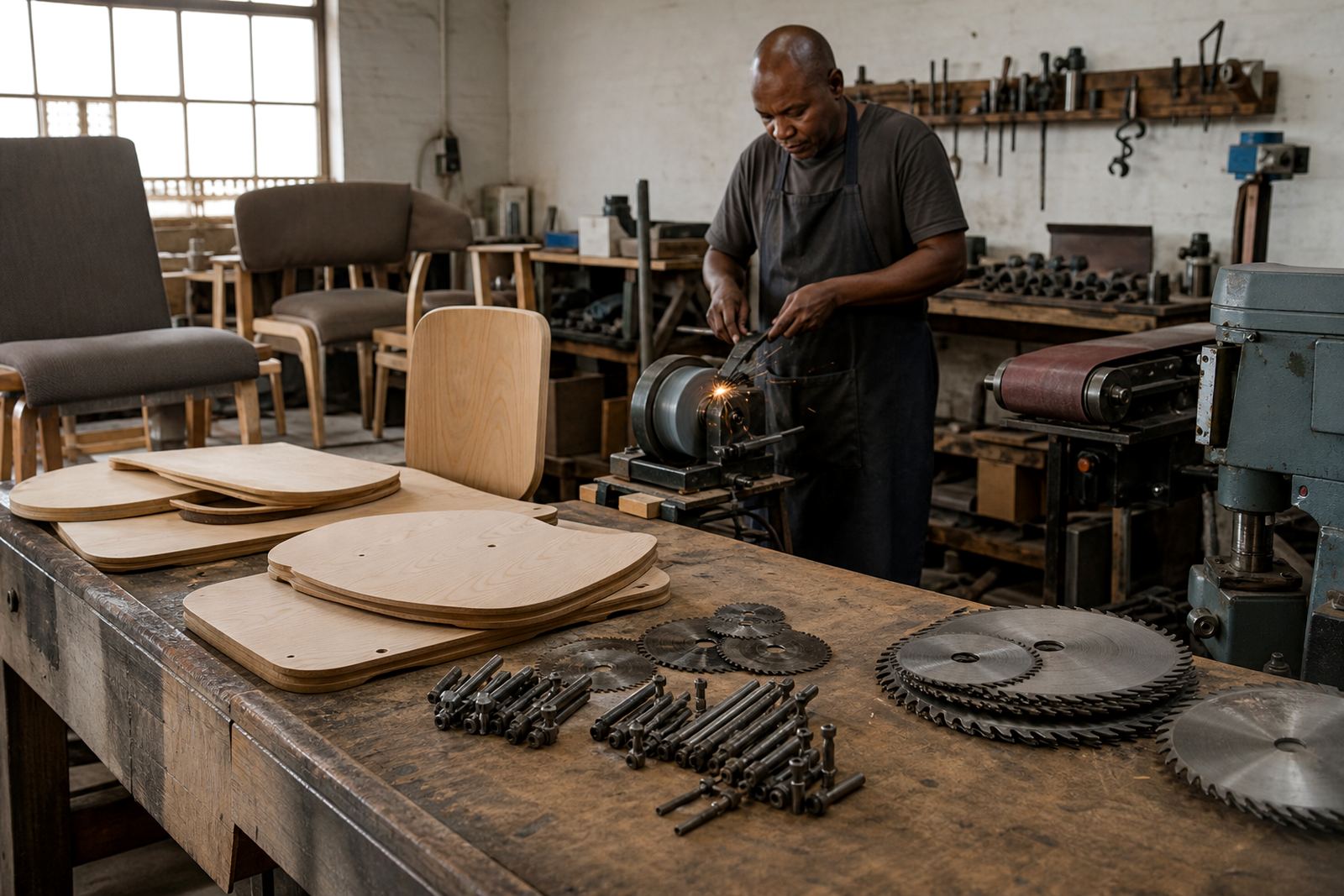
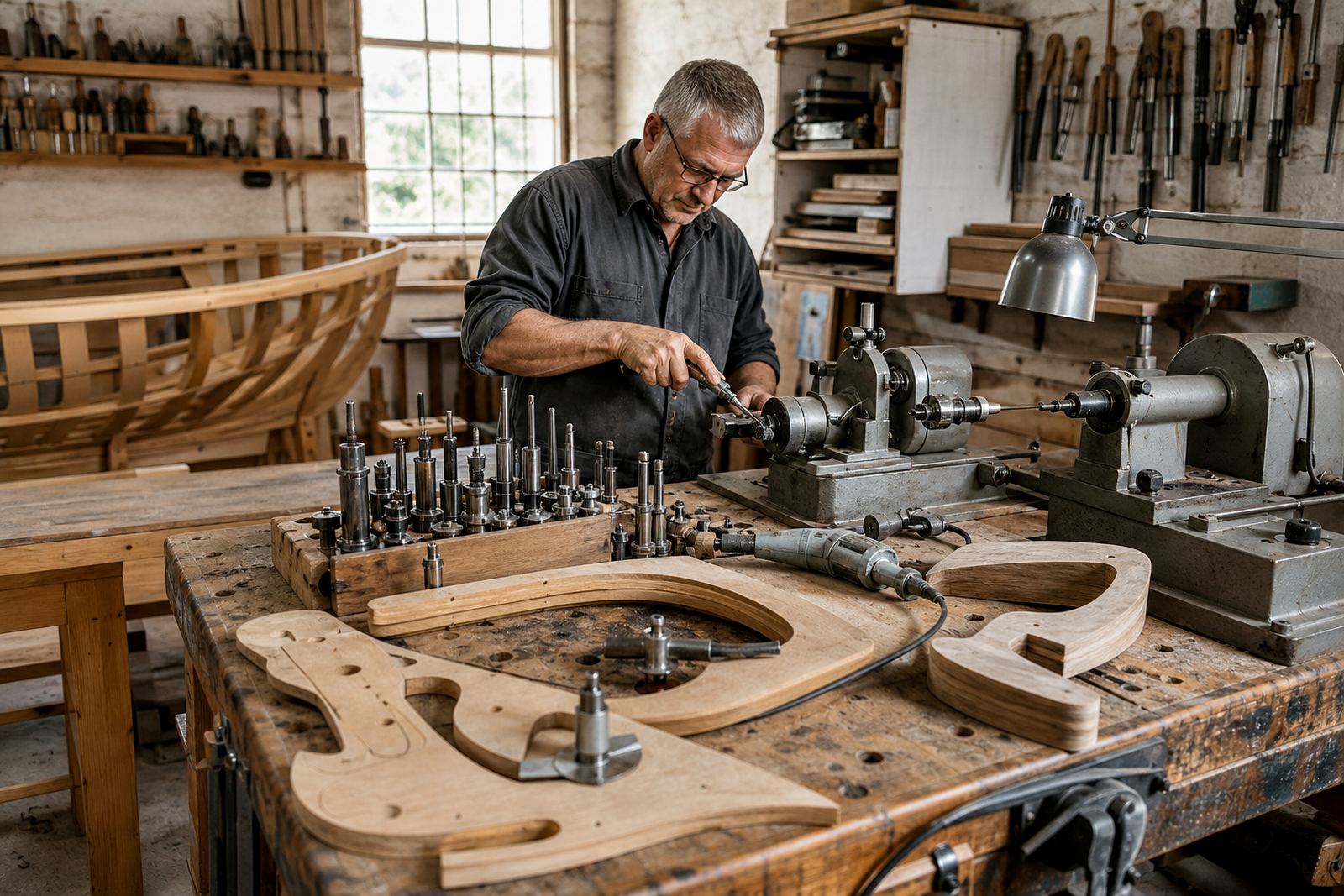
Most cabinet shops use a mixed set of cutting tools, from high-volume panel saw blades to smaller drills and router bits for fitting and finishing work. The exact set depends on whether the shop does mostly kitchen units, office cabinetry, shopfitting or custom built-ins. A small workshop may only need a few items serviced at a time, while a busy production floor can send a batch every week.
At CutTool Sharpening we regularly see:
- Panel saw blades for MDF, melamine and plywood
- Crosscut and rip blades used on mitre and table saws
- Drills for hinge boring, pilot holes and confirmat fixing
- Router bits for grooves, hinge recesses, chamfers and edge details
- Special cutting tools used for jigs and repeat operations
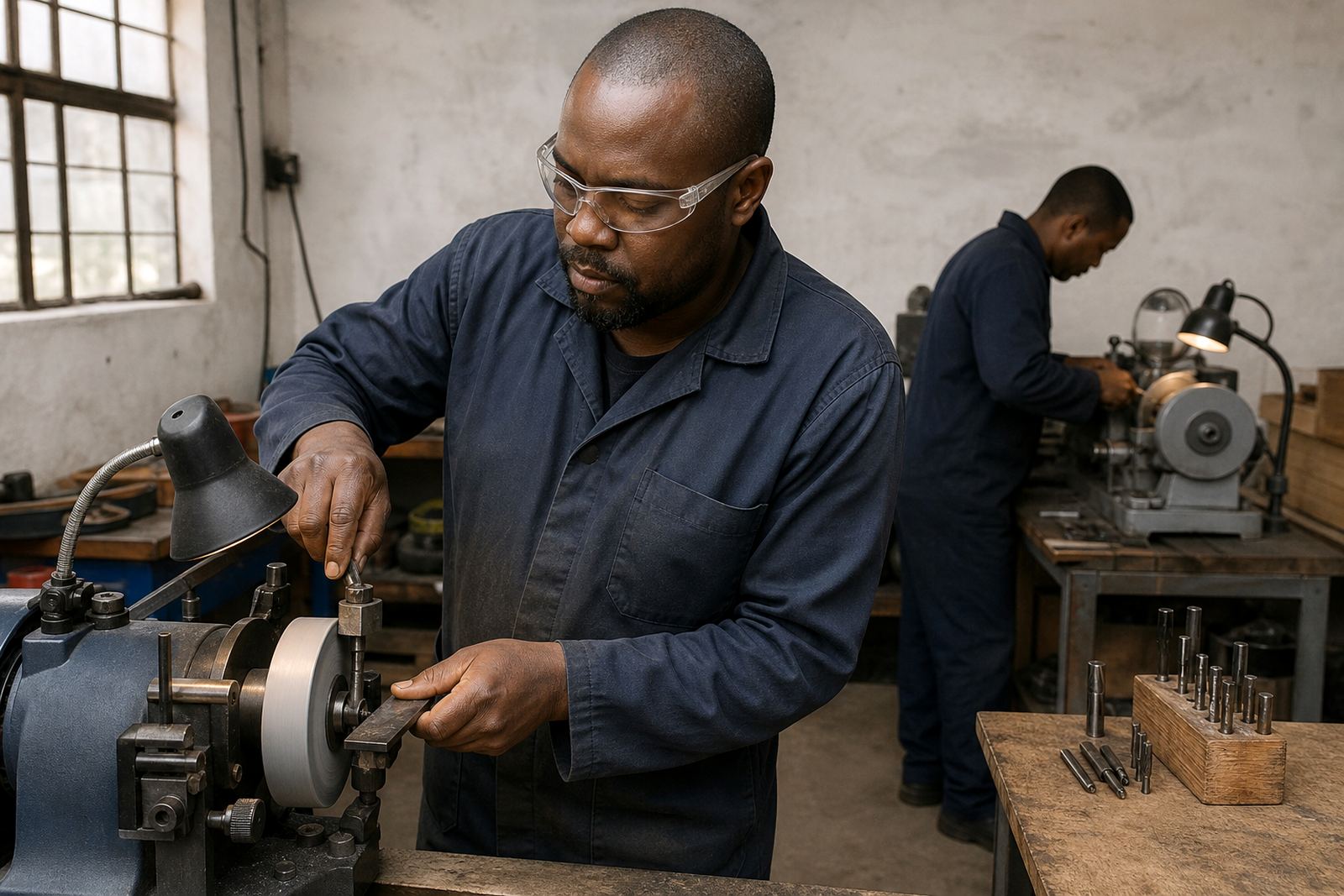
Different tools need different care. Some only need sharpening, while others need tooth face grinding, top grinding, angle resetting, burn mark removal or diameter correction. If a blade has chipped teeth or has been overheated, it may also need balance checking so it runs smoothly again. The right service depends on the wear, not just on how blunt it feels.
It helps to keep tools grouped by machine and by board type. That way your cabinet team can match the right blade or bit to the right task, instead of swapping parts around at the last minute. This also makes batch tool tagging much easier when more than one workshop or site is sending stock in.
Planning your layout so sharpening does not slow production
Cabinet shops run better when sharpening is part of the weekly workflow, not an emergency fix. A simple collection point for used blades and bits saves time and reduces mix-ups. If possible, keep a marked tray or box near the saw or boring station so worn tools are set aside as soon as they come off the machine. That small habit stops damaged tools from going back into service by mistake.
For shops that handle regular production, a practical layout is to separate cutting, boring and edging work. That makes it easier to spot where a problem starts. If the saw starts burning but the drill bores cleanly, you know the fault sits with the blade rather than the whole line. It also helps with planning replenishment and gives your team a clearer picture of when to send a batch for regrinding.
Use a simple tool log with the machine name, the material used and the date it last came back from service. It sounds basic, but it saves a lot of guesswork when a job starts to drift. Shops that work on commercial fitouts often find that a steady cycle of sending tools out every few weeks keeps the whole operation more predictable.
Courier collection is useful for cabinet makers outside Pinetown as well. We collect across Durban, Pietermaritzburg, Johannesburg, Pretoria and Cape Town, which is handy for shops that do not want to lose a person for half a day just to drop off tools. If your team works across sites, batch tagging helps keep each order separate and makes returns easier to track.
Common mistakes that cost cabinet shops time and money
One of the biggest mistakes is waiting until a blade is visibly bad before sending it in. By that stage, the tool may already have caused burnt edges, extra sanding or a bad fit on a carcass panel. Another common problem is mixing board tools with timber tools and expecting the same cutting finish. The edge requirement is different, especially on laminated sheets and veneered panels.
Cabinet makers also sometimes try to keep using a blade after it has been dropped or hit a hidden fixing. Even a small impact can cause chipped teeth, poor balance or an off-square cut. If a router bit has been overheated on a long run, the damage may not show immediately, but the finish will tell you later. Better to send it in early than to force it through one more batch.
A few mistakes to avoid:
- Running dull saws until the cut starts burning badly
- Using one drill for too long between sharpening cycles
- Ignoring chipped edges on router bits
- Mixing tools from different jobs without tags
- Assuming all rough cuts come from the same fault
Another point worth noting is storage. Tools left loose in a tray can knock against each other and lose their edge before they even reach the machine. Keep them wrapped or separated if possible, especially when transporting between workshop and site. A little care here saves money later.
Budget ranges cabinet makers can plan for
Most cabinet shops want a clear working budget for maintenance, not surprise repairs. The cost depends on the tool type, the amount of wear and whether extra work is needed such as diameter correction or angle resetting. As a rough planning guide, a smaller sharpening job for a drill or router bit may sit in the lower hundreds of Rand, while saw blade regrinding and recovery work can move into a higher range depending on size and condition.
For budgeting purposes, many cabinet makers set aside a monthly tool maintenance allowance rather than paying ad hoc. That usually works better for production work because it spreads the cost and avoids a rush when multiple tools need attention at once. If your shop runs on tight margins, it is often cheaper to maintain one clean cutting cycle than to pay for rework, extra sanding and wasted sheet material.
Typical planning points include:
- Smaller drill and bit services for routine maintenance
- Mid-range regrinding for panel saw blades and router bits
- Extra cost where chipped edge recovery or burn mark removal is needed
- Courier collection budgeting for out-of-town jobs
For shops in Johannesburg, Pretoria and Cape Town, courier collection can be part of the regular operating cost and still be worthwhile if it keeps machines running. The main idea is simple: keep the cutting edge in shape before the job starts slipping. That gives your team better finishes and fewer delays on fitting day.
How CutTool Sharpening supports cabinet makers
CutTool Sharpening works with cabinet shops, joiners and fitment teams that need dependable cutting performance on board materials and detailed joinery work. Based in Pinetown, KwaZulu-Natal, we provide sharpening and regrinding for saws, drills and router bits, with courier collection arrangements across South Africa. Whether you are cutting carcasses, boring hinge cups or shaping grooves, the aim is the same: keep the tool cutting clean and true.
We also support workshops with starter kits and training for tool care, so teams can handle everyday maintenance better and spot wear sooner. That is useful for new staff, smaller shops and busy production teams that want a clearer process for sorting worn tools. If your cabinet shop needs batch processing, we can tag tools by order and return them in a way that keeps your workflow organised.
Our team includes Sibusiso Mthethwa, Ayesha Naidoo, Thabo Dlamini, Johan van Zyl, Lerato Molefe and Nokuthula Khumalo. Clients reach us through the enquiry form on our contact page, and we use that to arrange the next step for collection or workshop intake. If your cabinet work depends on clean cuts and accurate boring, regular tool care is one of the easiest ways to protect the finish.