What Crosscut Blade Sharpening Covers
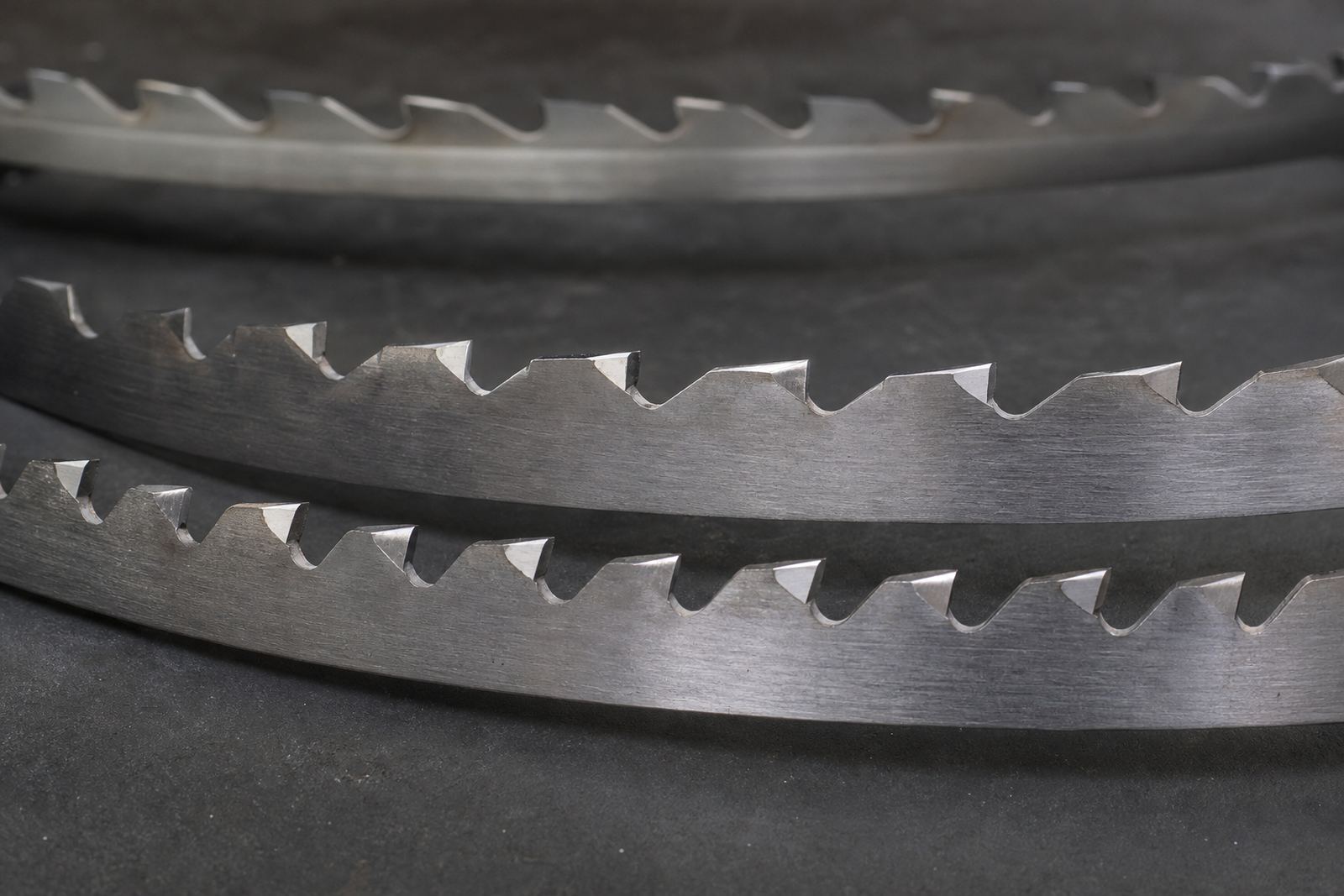
Crosscut blades are made to cut across the grain with a fine finish, so the tooth shape, hook angle and set all matter. If the blade is dull, chipped or slightly out of balance, you will often see rough edges, scorching on hardwood and more effort from the saw motor. Our sharpening and regrinding work is aimed at restoring the cutting action, tooth form and running balance so the blade tracks properly again.
We service blades used on table saws, mitre saws and other fixed or portable cutting setups where clean finish is important. This includes blades that have lost bite from repeated use, blades that need a diameter correction after wear, and blades where individual teeth need recovery after small chips or impact. For blades used in humid coastal conditions, we also check for resin build-up and corrosion marks that can affect the cut.
- Accurate tooth geometry for smoother crosscuts
- Tooth face grinding and top grinding where required
- Burn mark removal and light diameter correction
- Balance checking before dispatch back to you
Sizes, Tooth Counts and Common Options
Crosscut blades come in many sizes and tooth counts, and the right specification depends on the saw, the material and the finish you need. We work on small workshop blades as well as larger production blades, provided they are within normal serviceable condition. When you send a blade in, it helps to note the diameter, arbor size, tooth count and any special tooth pattern already fitted.
Typical crosscut blade details we see include 150 mm, 180 mm, 216 mm, 250 mm, 300 mm and 350 mm diameters, with fine-tooth layouts for cleaner work. Some blades are set up for softwood trim, while others are used for hardwood, panel cutting or mixed workshop jobs. We can also assess whether the blade needs chipped edge recovery or whether a full regrind is more suitable.
- Blade diameter from 150 mm to 350 mm commonly serviced
- Fine-tooth and general-purpose crosscut patterns
- Arbor sizes and tooth counts confirmed on intake
- Options for batch tool tagging when sending multiple blades
Where Crosscut Blades Suit Best
Crosscut blades are used where the cut face needs to be neat enough for assembly, finishing or immediate installation. That includes joinery shops, cabinet makers, site carpenters, small factories and home workshops. In Durban and other coastal towns, blades often need more regular attention because resin and moisture can affect cutting performance, while inland workshops may see more wear from dust, hard timber and long running hours.
These blades suit work on skirting, architraves, shelving, timber trims and pre-cut components where a smooth edge reduces sanding time. If you are cutting batch quantities, a properly sharpened blade can also reduce motor strain and help keep cuts consistent through the full stack. For users in Johannesburg, Pretoria and Cape Town, courier collection makes it practical to keep spare blades in circulation without losing a day to travel.
- Joinery and cabinet work
- Trim cutting and finishing work
- Workshop production and site installs
- Home workshops that need cleaner cuts
Installation, Saw Setup and Power Needs
Crosscut blade sharpening does not require special power or gas on your side, but the saw setup around the blade does need to be sound. Before fitting the blade back, check that the saw is unplugged, the arbor is clean and the flange faces are free of sawdust or pitch. A dirty arbor or loose clamp can make even a well sharpened blade run badly.
If the blade is used on a machine that has been tripping, stalling or burning timber, the issue may not be the blade alone. Feed rate, blade height, fence alignment and motor condition all matter. We can sharpen the blade, but it still helps to inspect the saw for run-out, vibration and worn bearings. In areas with load-shedding, some workshops use smaller backup saws or generators, so keeping a sharp blade on hand reduces the strain when power returns and the work has to move fast.
- Remove the blade carefully and mark the cut direction if needed
- Keep the arbor, washers and flange faces clean
- Check machine alignment before reusing the blade
- Do not force a blade that is already hot or damaged
Care and Servicing Between Sharpenings
Good care extends blade life and keeps the finish consistent. Resin, dust and metal contamination are the main reasons a crosscut blade starts to burn or drag before it is fully blunt. Wipe the blade after use, store it dry and avoid knocking the carbide tips against metal racks or loose tools. If the blade is used near the coast, a light protective treatment after cleaning can help reduce surface rust.
We also recommend checking blades for missing teeth, chipped tips and uneven wear before sending them in. A blade that has been forced through nails, staples or old glue lines may need more than a basic sharpen. In those cases we look at tooth recovery, angle resetting and whether the blade should be tagged for future servicing as part of a regular batch. For busy shops in Pinetown, Westville and Hillcrest, that kind of tracking saves time and helps keep production moving.
- Clean resin and dust after each job where possible
- Store blades flat or in sleeves so teeth do not strike each other
- Check for vibration, burn marks and rough edges early
- Send blades before wear becomes severe
What to Check Before You Order Sharpening
When you place an enquiry for crosscut blade sharpening, the more detail you give, the better we can assess the job. Tell us the blade diameter, tooth count, arbor size, material type and what the blade is cutting. If you know the problem, mention it clearly, for example burn marks, chipping, rough finish, wobble or a noticeable loss of cut quality.
We work with courier collection across South Africa, including Durban, Pietermaritzburg, Johannesburg, Pretoria and Cape Town. If you are sending more than one blade, batch tool tagging is useful so each item comes back matched to the correct machine. Also let us know if the blade is part of a production run, a hobby workshop or a one-off repair job, because the finish expectation can differ. That helps us choose the right grind and avoid unnecessary material removal.
- Blade diameter and arbor size
- Tooth count and tooth pattern
- Machine type and material being cut
- Visible damage, burn marks or vibration issues
Workshop Support in Pinetown and Beyond
CutTool Sharpening has been based in Pinetown since 2008 and works with hobbyists, contractors and production workshops that need reliable blade care. Our team includes sharpening, regrinding, courier collection and training support, so if you are unsure whether a blade should be sharpened, repaired or replaced, you can ask through the enquiry form on our contact page. We handle saw blades, drill sharpening and router bit sharpening as part of the same practical workshop service.
If you are in Durban, Pietermaritzburg, Johannesburg, Pretoria, Cape Town, Westville or Hillcrest, courier collection keeps the process simple. You pack the blades safely, send the details and we assess the job from there. For crosscut blades, the goal is straightforward: clean geometry, accurate cutting and a finish that lets the saw do its work without forcing the operator to fight the machine.
Key facts
| Blade type | Crosscut saw blades for fine finish cutting |
|---|---|
| Typical diameters | 150 mm to 350 mm |
| Service focus | Sharpening, regrinding and tooth geometry correction |
| Common issues | Burn marks, dull edges, chipped teeth, vibration |
| Collection | Courier booking available across South Africa |
| Base | Pinetown, KwaZulu-Natal |