Pinetown workshop base for drop-offs and collections
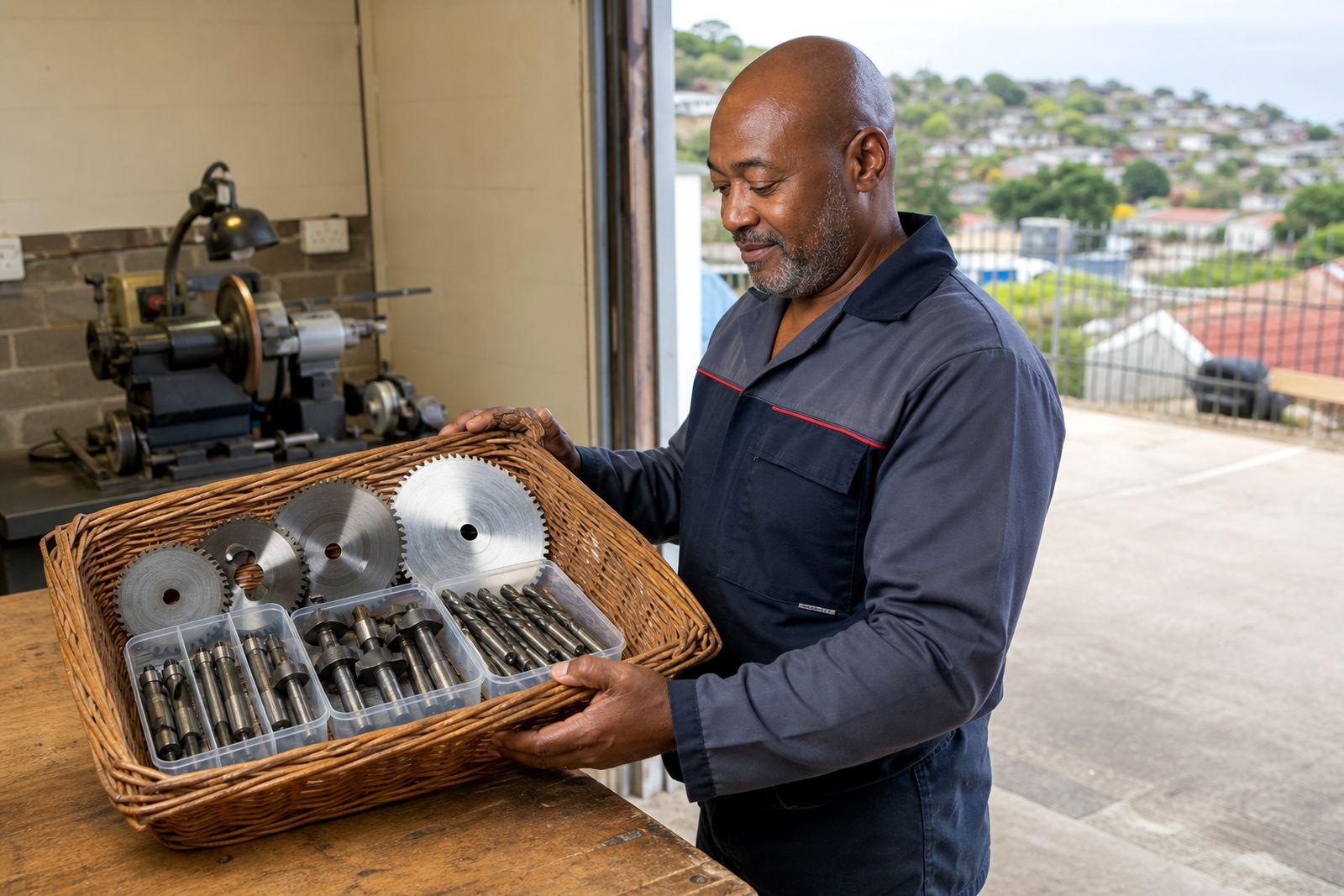
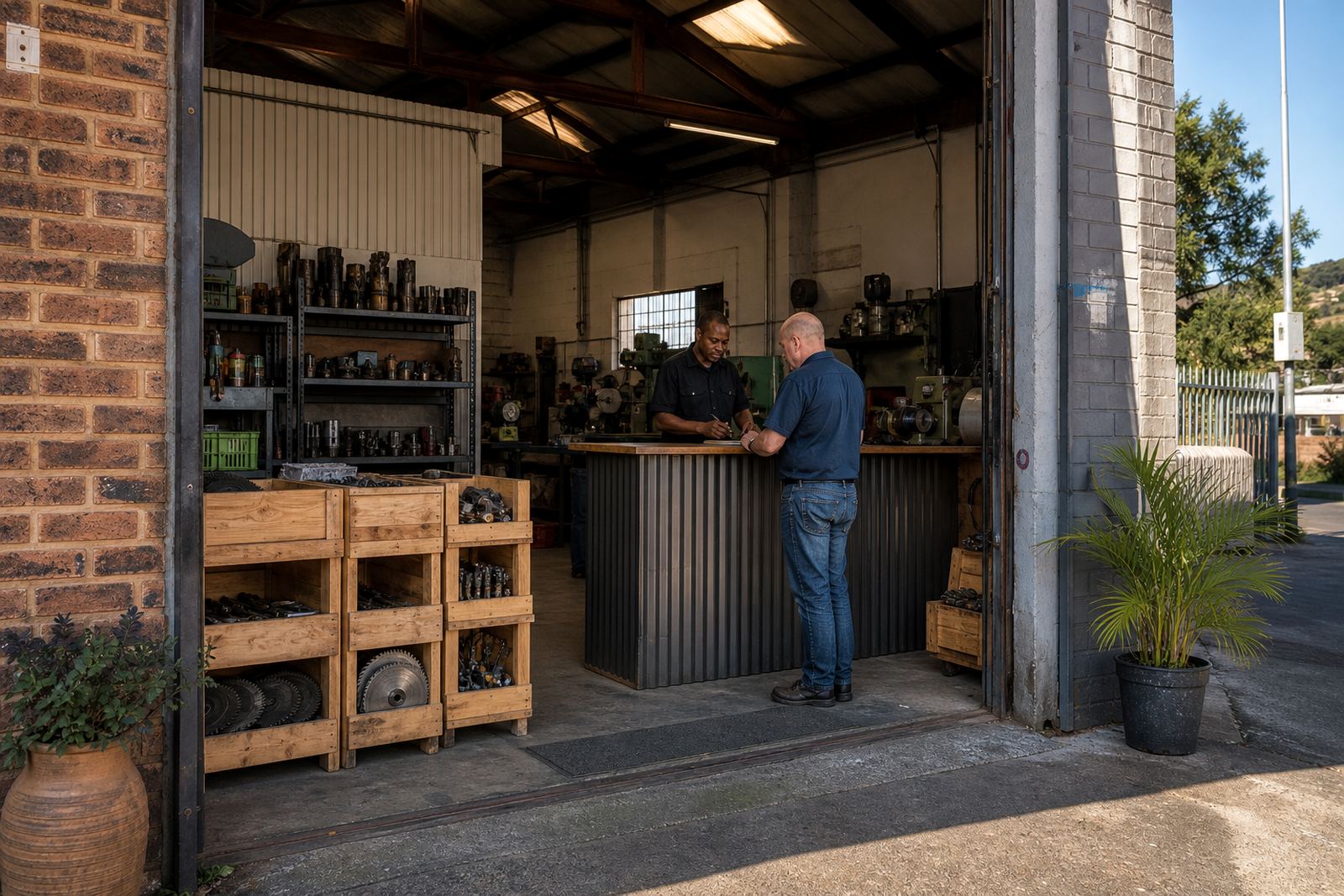
Our Pinetown workshop is set up for local trade work, small batch jobs and regular maintenance on cutting tools that need proper attention. If you are based nearby, you can arrange a drop-off for inspection and collection, which suits contractors, woodworkers, fitters and hobby users who need tools checked without waiting around. We handle saw blades, drills and router bits every day, and the work is done for practical use in the shop or on site.
Pinetown is a sensible base for this kind of service because many clients move between Durban, Westville, Hillcrest and the industrial areas along the outer west corridor. That means a lot of tools come in after heavy use on timber, plastic, aluminium and general fabrication jobs. We look at the cutting edge, balance, tooth shape and any heat damage before recommending the right regrind or repair.
What we sharpen and regrind for local trades
Different tools wear in different ways, so we match the service to the job. Some blades need a basic sharpen, while others need tooth face grinding, top grinding, diameter correction or angle resetting to get them back into usable condition. We also recover chipped edges where possible and remove burn marks when heat and friction have marked the cutting surface.
- Saw blade sharpening for circular and workshop blades
- Drill sharpening for worn or blunted points
- Router bit sharpening for clean cutting and profile work
- Balance checking for smoother running after regrinding
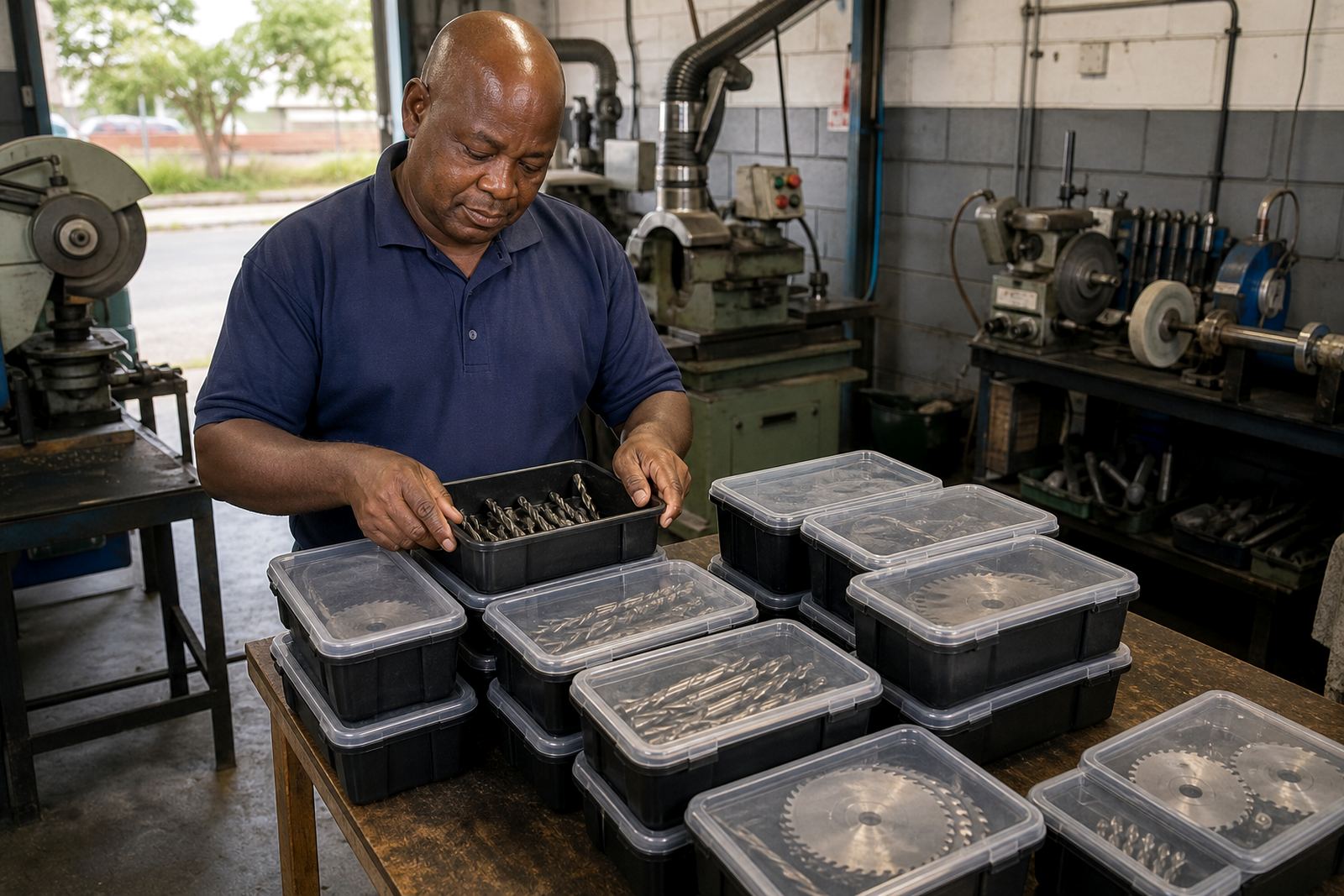
- Batch tool tagging so mixed sets stay organised
For local clients, this is useful when a full replacement would cost too much or when the tool is a specific size that is hard to source quickly. We keep the process practical and make sure the cutting edge suits the material it will meet next, not just the machine it fits into.
Typical clients in Pinetown and nearby areas
We work with a mix of small workshops, maintenance teams, joinery shops, cabinet makers, machine operators and DIY users who want better life from the tools they already have. Some bring in one or two blades after a weekend project, while others send in regular batches from production work. A lot of repeat work comes from businesses that prefer to keep tools rotating instead of replacing them every time the edge goes dull.
Local clients often need quick turnarounds because an idle blade can stop cutting schedules for the day. In Pinetown and the surrounding areas, that can mean a straightforward drop-off in the morning and collection later once the tools have been inspected. Where there are larger sets or mixed sizes, we can tag and separate them so they go back in order, which saves time on site and avoids mix ups.
- Woodworking and cabinet shops
- Maintenance teams and small engineering workshops
- Contractors working across Durban and the outer suburbs
- Hobby users who want clean cuts and less waste
Courier collections across South Africa
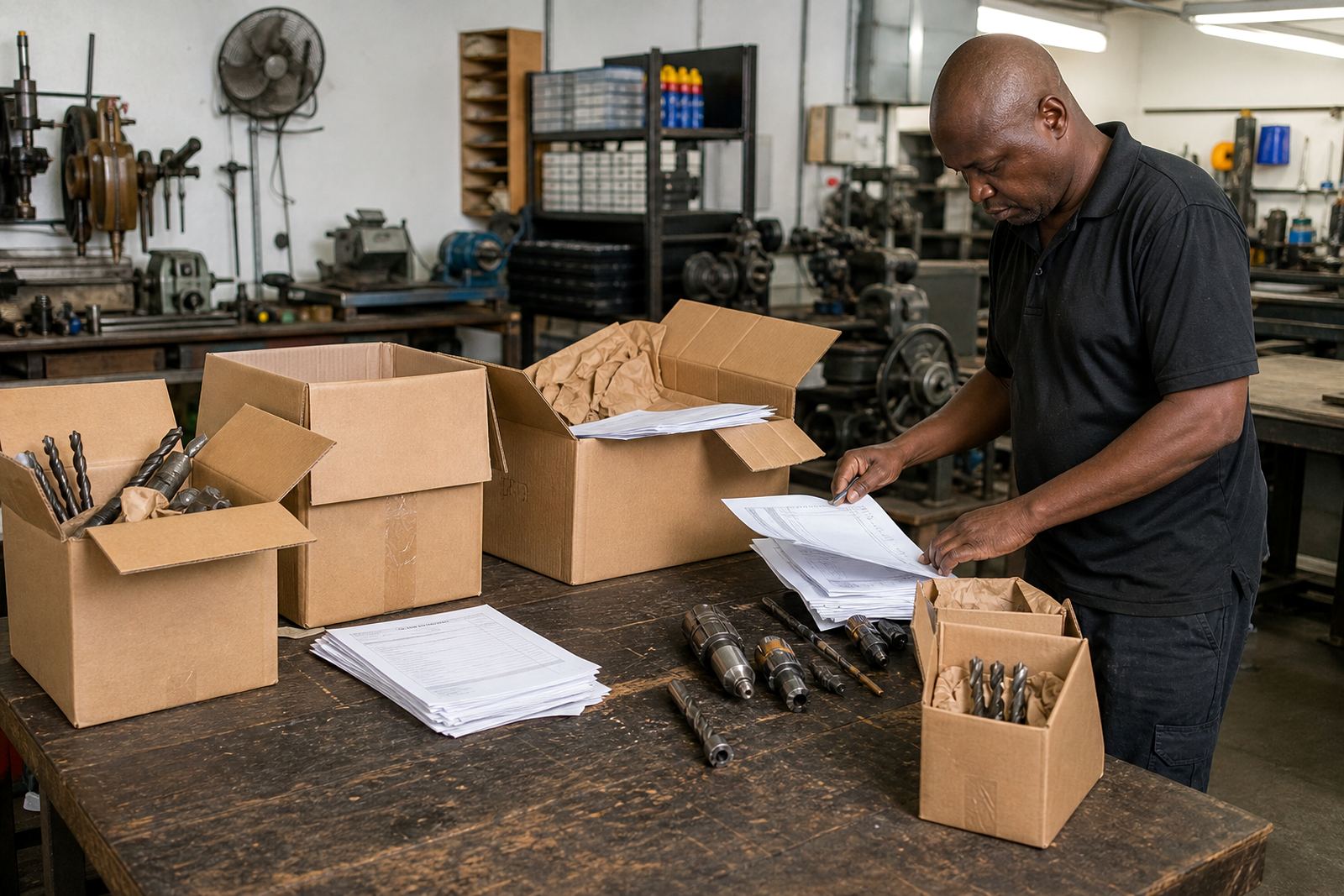
Although Pinetown is our base, many customers use courier collection when they cannot drop off locally. That is useful for jobs coming from Durban, Pietermaritzburg, Johannesburg, Pretoria and Cape Town, as well as smaller towns where a good sharpening workshop is not close by. We book collections through the contact page form and keep the process simple so tools can move in and out without confusion.
Courier work is especially handy for batch sharpening, because blades, drills and router bits can be packed together, marked and returned in sets. For long-distance clients, the aim is to keep downtime down and make the work easy to track from collection to return. If you have a recurring schedule, we can handle repeat bookings and note the regular items that need attention each round.
Local conditions that affect cutting edges
KwaZulu-Natal humidity can be rough on stored tools, especially if they sit in a van, storeroom or coastal workshop for too long. Rust, resin build-up and moisture all shorten cutting life, so tools that come from Durban or other coastal areas often need cleaning and checking before sharpening starts. We also see heat damage from extended cutting, which can leave dark marks, soft edges and uneven wear.
Load-shedding can interrupt workshop rhythm too, so many clients keep spare blades and drills ready to rotate while the dull set is away. That way work does not stop completely when a blade needs regrinding. If a tool has chipped teeth or a badly worn profile, we inspect it carefully first because pushing a damaged edge back into service without checking it can lead to poor cuts and extra waste.
Training, starter kits and ongoing support
Some clients want more than a sharpen and return service. We also provide training and starter kits for people who need to understand basic tool maintenance, handling and storage. That can be useful for new workshop staff, small business owners or home users who want to extend tool life and avoid common problems like overheating, wrong feed speed or poor cleaning after use.
We keep the guidance practical and tied to real workshop conditions. For example, the way a blade is stored near the coast may differ from a dry inland site, and a router bit used on fine finish work needs different care from one used on rough cut jobs. Our team includes people who deal with sharpening, regrinding, operations, collections and training, so enquiries can be handled properly from start to finish. If you need help, please use the contact page form and tell us what tools you have, how many there are, and where they are coming from.