What HSS Circular Saws Are Used For
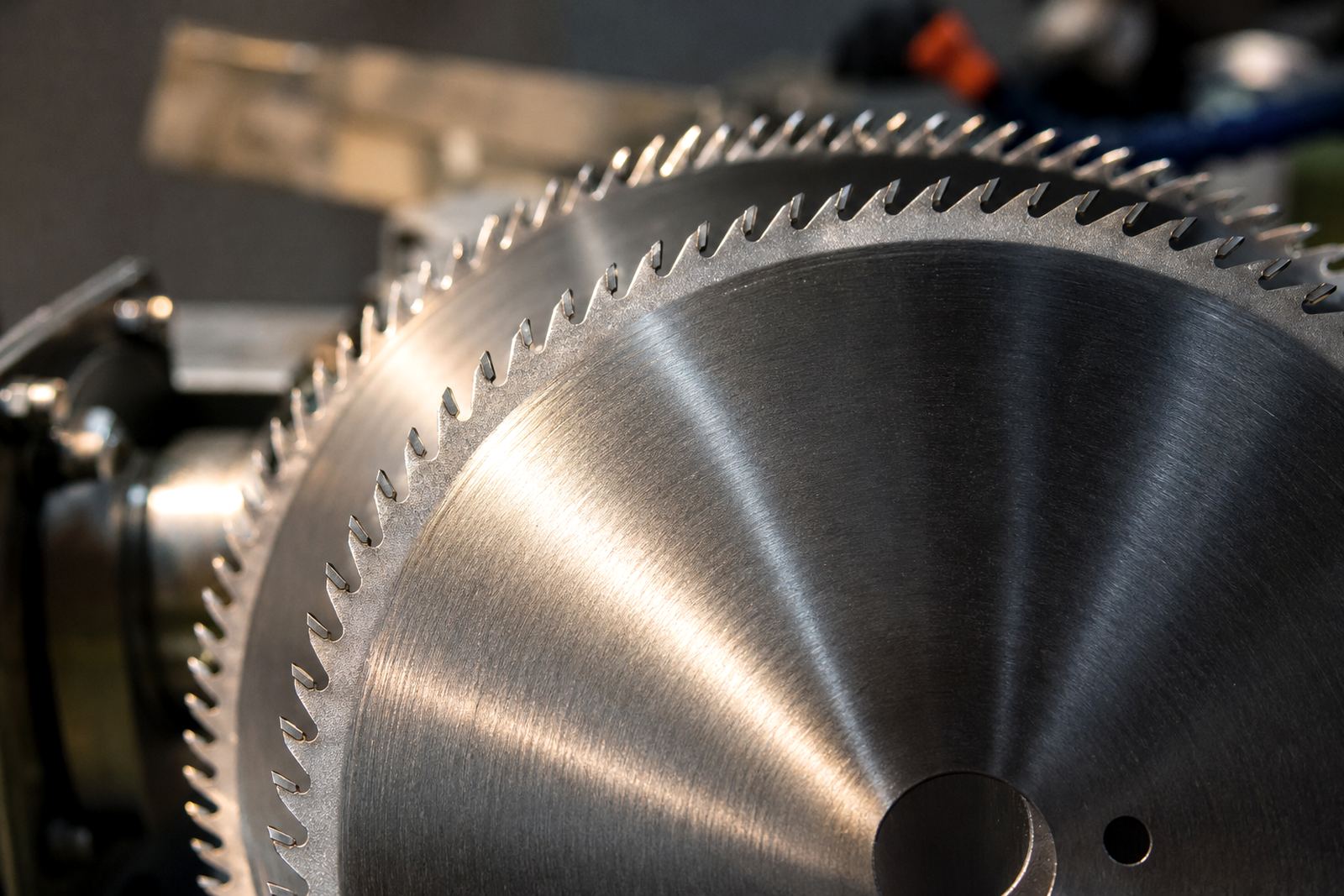
HSS circular saws are steel saw blades made for cutting metal and other lighter duty materials where a clean, steady cut matters more than speed. They are commonly used on chop saws, cold saw style machines and other fixed cutting equipment in small workshops, fabrication rooms and maintenance sheds.
These blades can be reconditioned several times if the body is still sound. That makes them practical for businesses that want to keep cutting costs under control, especially where the saw is used daily and blade replacement delays work. In humid coastal areas such as Durban and Pinetown, proper cleaning and storage matter too because surface rust can affect performance quite quickly.
- Used for lighter cutting applications on metal sections and profiles
- Suitable for workshop, factory and maintenance use
- Can be sharpened and reconditioned when the blade body is still within tolerance
- Best kept dry and protected from knocks during handling and transport
Sizes, Tooth Forms and Reconditioning Options
We work on a range of HSS circular saws from smaller workshop blades through to larger industrial sizes. The exact service depends on the blade diameter, arbor size, tooth count, tooth geometry and how much wear has built up on the face and cutting edge.
During reconditioning we can sharpen the teeth, correct the tooth face, reset angles where needed, check balance and carry out diameter correction if the blade has worn unevenly. If the teeth have minor damage, chipped edge recovery may be possible. If wear is too advanced or the blade plate has distortion, we will advise clearly before proceeding.
- Diameter range: commonly 250 mm to 600 mm, depending on machine setup
- Arbor holes vary by machine and must be checked before ordering
- Tooth counts differ by cut quality and feed rate required
- Common options include standard sharpening, tooth face grinding and top grinding
- Balance checking helps reduce chatter and uneven wear
Where HSS Circular Saws Suit Best
These saws suit lighter cutting work where a controlled feed and good finish are needed. They are often used in engineering workshops, maintenance departments, agricultural repair shops and light fabrication environments around Pinetown, Durban, Hillcrest and Pietermaritzburg. Many clients also send blades from Johannesburg, Pretoria and Cape Town by courier when the local machine shop cannot handle the regrinding properly.
HSS blades are a practical choice when the machine speed, coolant setup and operator routine are correct. They do not suit every cutting job, so it is important to match the blade to the material and the saw machine. If the blade is being pushed too hard, you may see burn marks, glazing or teeth going blunt faster than expected.
- Good for lighter metal cutting applications
- Useful where a clean finish is needed and production volumes are moderate
- Works best on correctly aligned machines with stable clamping
- Can be sent in batches for regular maintenace schedules
Installation, Machine Setup and Power Needs
HSS circular saws are fitted to fixed saw machines rather than hand tools. The blade must match the machine arbor, guard arrangement and motor capacity. Before use, check that the blade runs true, the clamping faces are clean and the cutting head or vice holds the work firmly. A blade that is mounted off-centre can vibrate and reduce cut quality very quickly.
Most installations do not need gas, but some cutting systems rely on coolant or cutting fluid to keep heat under control. If the machine is used in a load-shedding affected workshop, make sure restart procedures are followed carefully and that the blade is not brought back into a workpiece while it is still slowing down. For coastal workshops, keep the blade dry after use and wipe off coolant residue to limit corrosion.
- Check arbor size, blade diameter and maximum machine speed before fitting
- Use correct clamping pressure to avoid distortion
- Coolant or cutting fluid may be needed on heavier duty machines
- No gas supply is normally required for blade use
Care and Servicing That Extends Blade Life
Good care starts with cleaning. Metal swarf, oil and cutting residue should be removed after use so the blade does not carry grime into the next job. Store blades flat or in proper racks, not leaning against walls where the teeth can get damaged. Avoid mixing blades with loose tools in transit because one hard knock can chip several teeth.
Routine servicing should include checking for dull teeth, burn marks, pitch build-up, worn gullets and any signs of wobble. If the blade has been overheated or forced through material, it may need more than a simple sharpen. In that case we can inspect the tooth line, body condition and overall balance before recommending the next step.
- Clean after each shift where possible
- Store dry and separated from other metal tools
- Rotate blades in and out of service for even wear
- Send for reconditioning before damage becomes severe
What to Check Before You Send a Blade In
When ordering reconditioning, send us the blade details as accurately as possible. The most useful information is diameter, bore size, tooth count, material type, machine make if known and the cutting problem you are seeing. This helps us assess whether sharpening, regrinding, diameter correction or tooth recovery is the right service.
If you are booking courier collection from Pinetown, Durban, Pietermaritzburg, Johannesburg, Pretoria, Cape Town, Westville or Hillcrest, bundle the blades securely and label each one. Batch Tool Tagging is useful when several blades from one workshop need separate handling. If a blade has burnt teeth, chipped sections or uneven wear, tell us upfront so we can inspect it for possible repair before work begins.
- Diameter and arbor bore size
- Tooth count and tooth form if known
- Machine type and typical material cut
- Any faults such as burn marks, chipping or vibration
- Whether you need one blade or a full batch handled together
Why Workshops Keep HSS Circular Saws in Rotation
Keeping HSS circular saws in rotation reduces downtime and helps a workshop avoid last minute replacement buying. A properly reconditioned blade cuts more steadily, runs quieter and is less likely to overheat the machine. For businesses working under tight schedules, that can make a real difference to output.
CutTool Sharpening handles these blades from our Pinetown base with courier collection arranged through our enquiry form. Our team includes sharpening and regrinding specialists who deal with saws, drills and router bits every day, so the blade is checked for practical serviceability, not just a quick touch-up. If the blade can be put back to work safely, we will say so. If not, we will let you know that too.
Key facts
| Product | HSS circular saw reconditioning |
|---|---|
| Typical diameter range | 250 mm to 600 mm |
| Material | High speed steel |
| Common services | Sharpening, tooth face grinding, top grinding, diameter correction |
| Use case | Lighter cutting applications on fixed saw machines |
| Collection area | Pinetown, Durban, Pietermaritzburg, Johannesburg, Pretoria, Cape Town and surrounding areas |