What a stacked dado cutter set does in the workshop
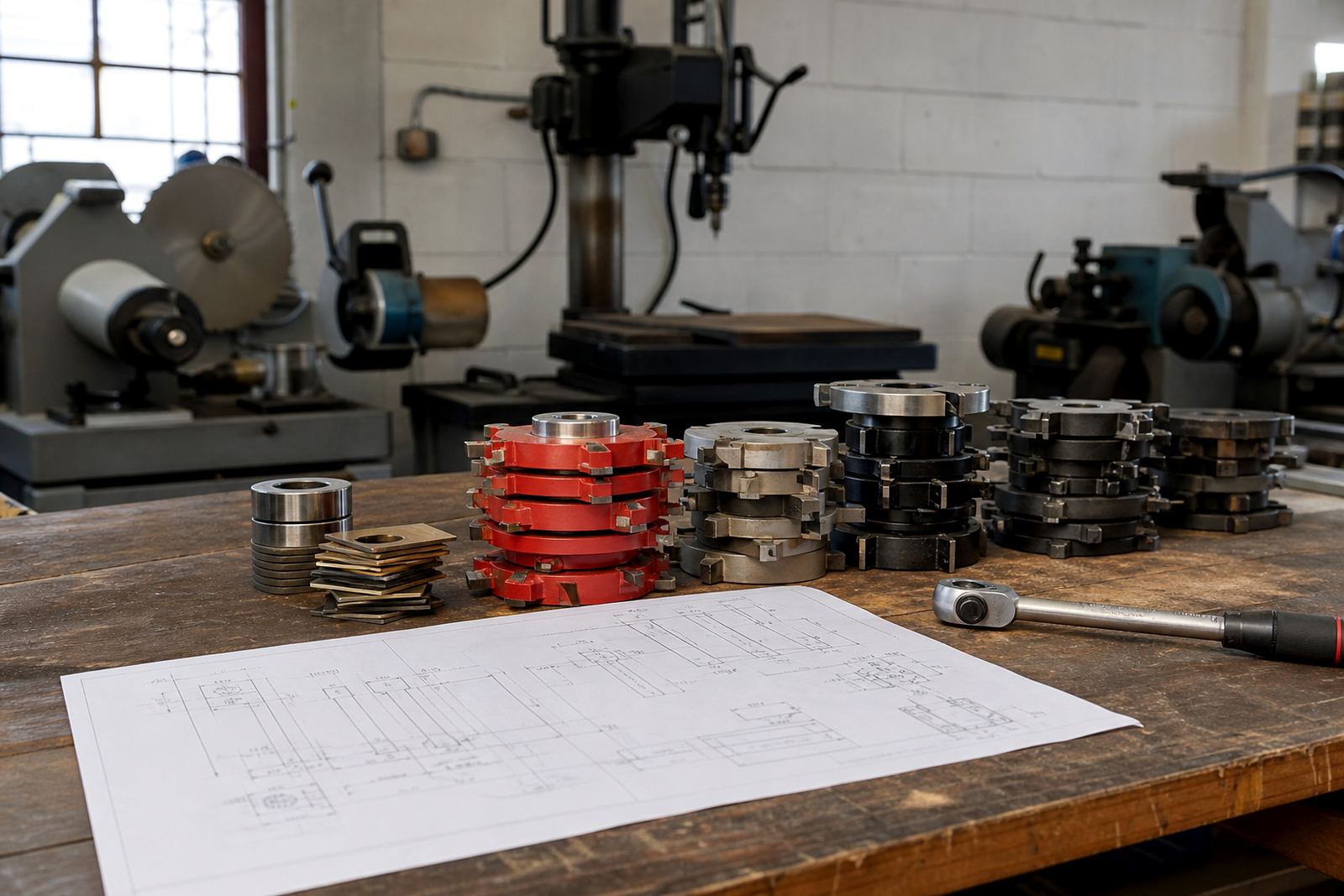
A dado cutter set is used to remove material in one pass or in controlled steps, making it suitable for rebates, housings, grooves and trenching work. In practice, it is made up of side cutters and chippers that are fitted together on a spindle to reach the required width. When the cutting edges are dull or uneven, the cut can burn, chatter or leave a rough floor that needs extra cleanup.
Our regrinding service is aimed at keeping the cutters cutting square and true. We check the cutting faces, chip clearance and overall balance before any work starts. That matters on small cabinet jobs, site work and repetitive production runs where one poor set can slow the whole batch down.
- Used for rebates, housings, slots and trenching
- Suitable for workshop saws and fixed machines with a proper arbor
- Useful where repeat width and straight shoulders matter
Sizes, widths and setup options we handle
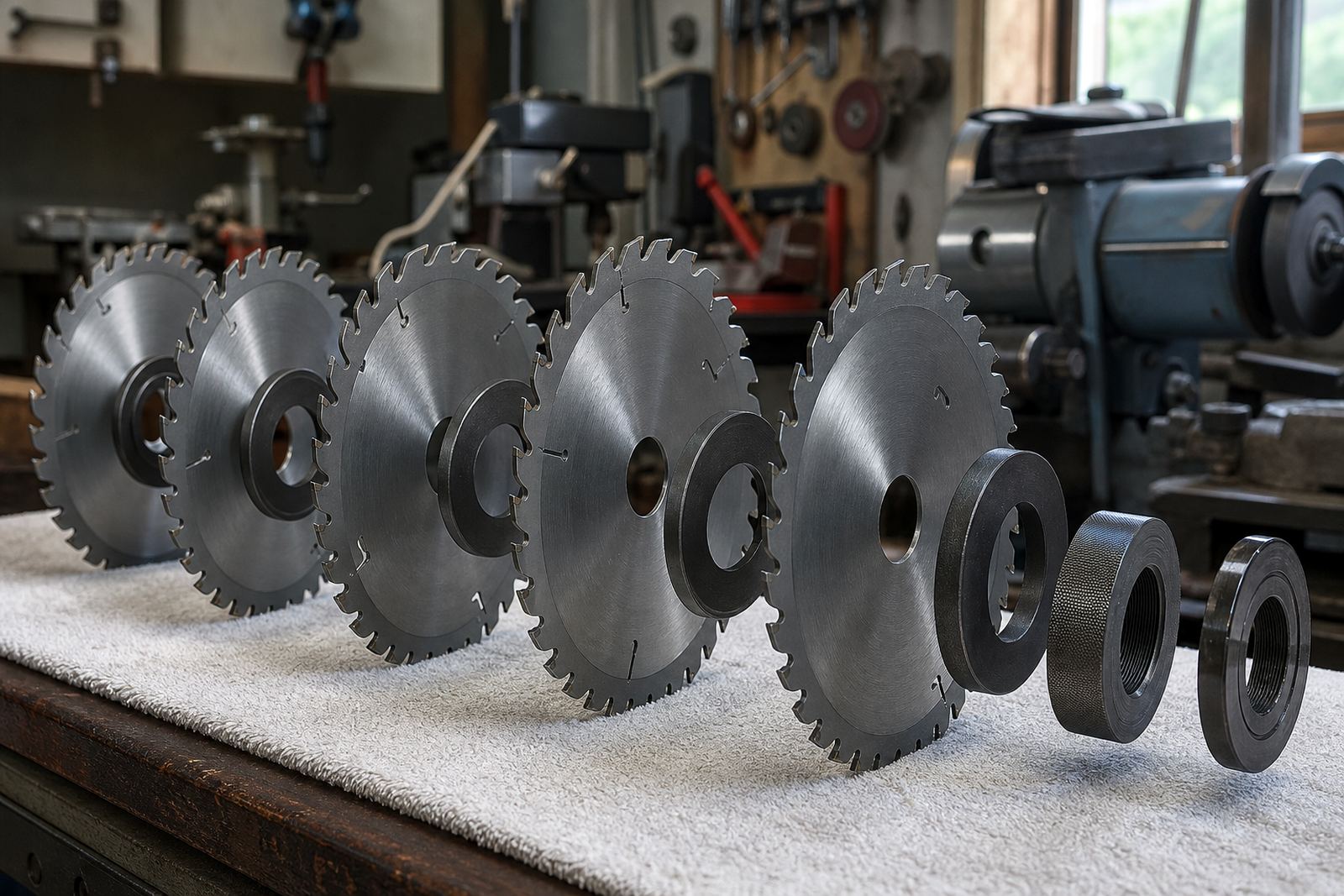
Stacked dado cutter sets vary a lot in width and arrangement. Some are set up for narrow grooves, while others are built for wider housings. We work on common workshop sizes and inspect the full stack, not only the outer cutters. That includes checking spacers, chippers and side plates for wear that can affect the final cut.
If a set has chipped teeth, damaged edges or uneven wear from hard timber or contaminated material, we can normally recover it by careful regrinding and correction. In some cases a set may need diameter correction so both sides of the stack remain even after sharpening. The aim is to keep the width predictable, especially where a client is matching existing joints or batch work.
- Standard and custom stack widths
- Matching of side cutters and chippers
- Diameter correction where wear has affected cut depth
- Balance checking for smoother running
Where dado cutter sets suit local work
These cutters suit joinery shops, fit-out crews, small cabinet makers and maintenance teams that need repeatable cuts in timber, board and selected sheet materials. In Durban and along the coast, humidity can affect storage and machine setup, so a sharp and straight set helps reduce strain on the machine and keeps cuts cleaner. In Pinetown, Westville and Hillcrest, many clients use them for cabinetry, shelving and site adjustments.
We also see demand from clients in Pietermaritzburg, Johannesburg, Pretoria and Cape Town who send tools by courier for regular servicing. For busy shops, batch sharpening makes more sense than waiting for one cutter to fail. It keeps the set rotating and reduces downtime when load-shedding or production delays already interrupt the day.
- Cabinetry and joinery work
- Furniture making and fit-outs
- Maintenance and repair jobs
- Batch work where repeat sizing is needed
Machine fit, power needs and safe use
Dado cutter sets need to be fitted to the right arbor, with proper clamping and guard clearance. Always check the machine spindle size, stack thickness and maximum cutting width before use. A set that is too wide for the machine or fitted with poor spacers can run hot and leave uneven shoulders.
Most fixed workshop machines used with dado cutters run on standard electric power, but the important point is machine stability rather than raw power alone. The cutter needs a sound spindle, correct rotation and a clean table surface. Gas is not used for this type of tool, but stable electricity supply, correct extraction and a well maintained machine help to get a better finish.
- Check arbor size and spindle compatibility
- Confirm maximum safe width for the machine
- Use guards and extraction where fitted
- Allow the machine to reach full speed before feeding stock
Care and servicing between sharpening cycles
After use, clean resin, dust and pitch from the cutter stack before storage. Leaving sawdust or moisture on the set can encourage rust, especially in coastal areas like Durban and parts of KwaZulu-Natal. A light protective coating and dry storage go a long way when the weather is humid.
For clients who use the same set every week, we recommend regular checks for chipped edges, uneven wear and loose spacers. If the cutter starts burning the workpiece or needs extra pressure to feed, it usually means the edges are past their best. Regrinding sooner is cheaper than forcing a damaged set through another batch.
- Clean after every shift
- Store dry and separated from loose metal parts
- Check for burn marks, chatter and rough floors in the cut
- Book sharpening before the set becomes badly worn
What to check when ordering regrinding
When sending in a dado cutter set, it helps to include the full stack and any spacers that belong with it. That allows us to check width, tooth pattern and wear across the entire assembly. If you use the set for a specific rebate or housing size, tell us the target width so we can work with that measurement in mind.
Clients can reach us through the enquiry form on our contact page and arrange courier collection from Pinetown, Durban, Pietermaritzburg, Johannesburg, Pretoria or Cape Town. We also assist clients in surrounding areas such as Westville and Hillcrest. For batch work, tag the tools clearly so the right set returns to the right job, which saves time at fitting stage and avoids mix-ups.
- Full stack supplied with spacers if applicable
- Target width or groove size noted
- Machine type and material being cut
- Any history of burn, chip-out or vibration
Key facts
| Service | Regrinding and setup checking for stacked dado cutter sets |
|---|---|
| Typical use | Rebates, housings, grooves and trenching work |
| Width range | Common workshop sizes and custom stack widths |
| Condition checks | Tooth wear, balance, chip damage, diameter correction |
| Collection area | Pinetown, Durban, Pietermaritzburg, Johannesburg, Pretoria, Cape Town |
| Workshop base | Pinetown, KwaZulu-Natal |