
What rebate bits do on the job
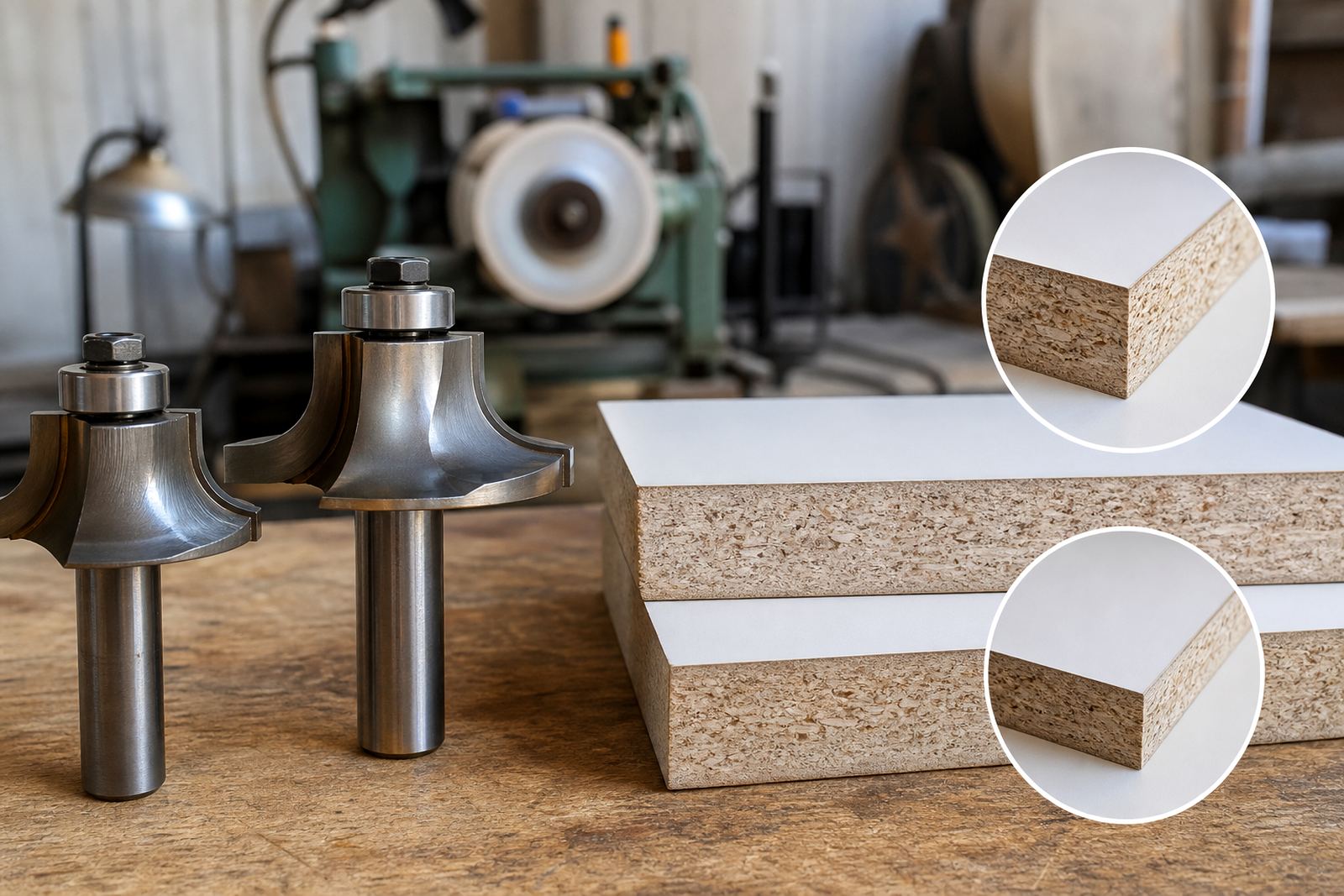
Rebate bits are used to cut a shoulder, lip, or stepped edge in one pass, which makes them useful for joinery, cabinet work, door work, frame fitting and general workshop profiling. They need a clean cutting edge because any dullness shows up quickly as tear-out, burn marks, rough corners, or an uneven rebate depth.
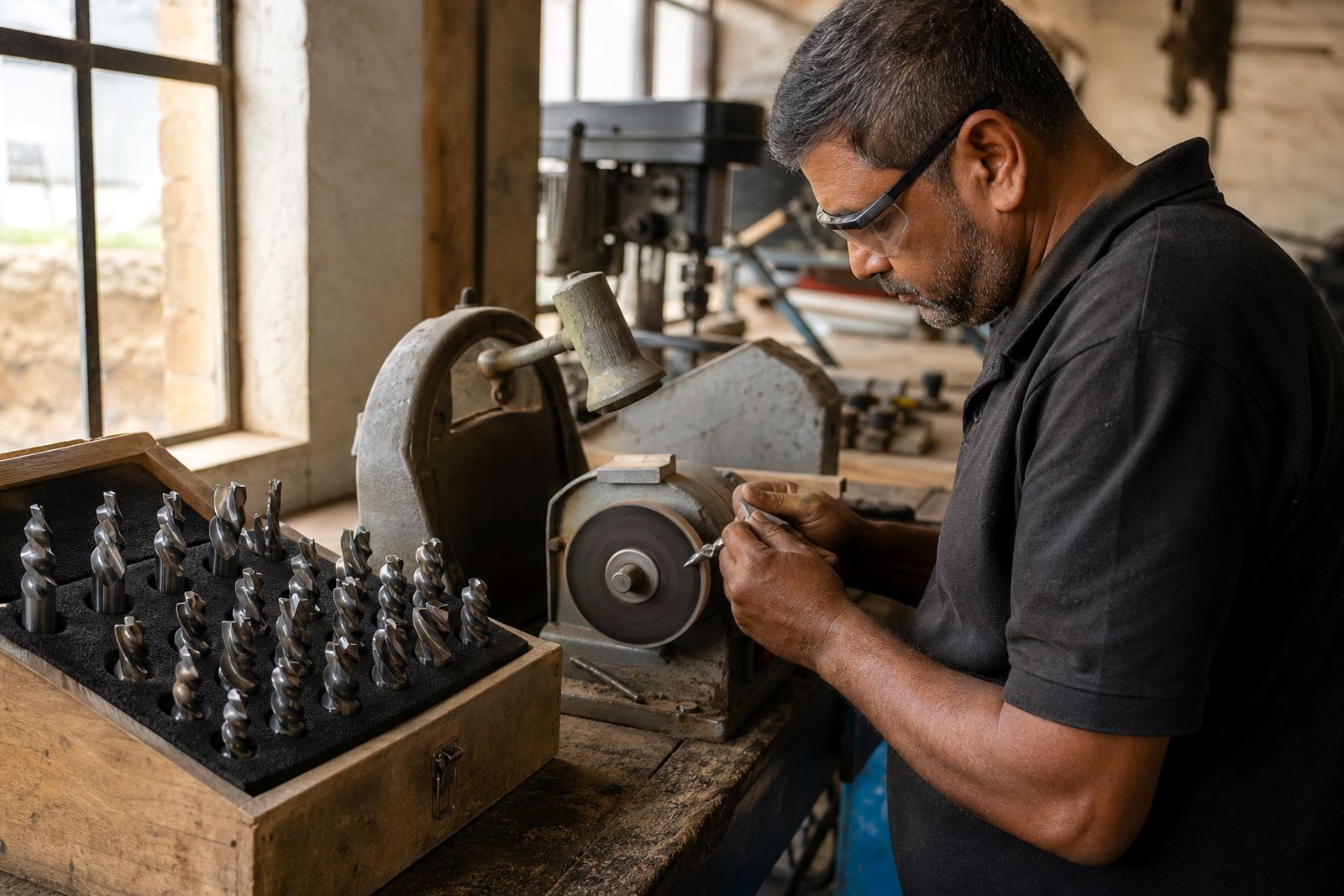
Our sharpening and regrinding service is set up for rebate bits that have lost their bite, picked up nicks, or started leaving a rough finish. We work on bits used by hobby users and trade workshops alike, from small one-off pieces to batch sets that need tag control and return tracking. In coastal areas like Durban and Cape Town, storage conditions can affect carbide and steel edges too, especially where humidity gets into the box after a damp day.
Sizes, cutter styles and edge details
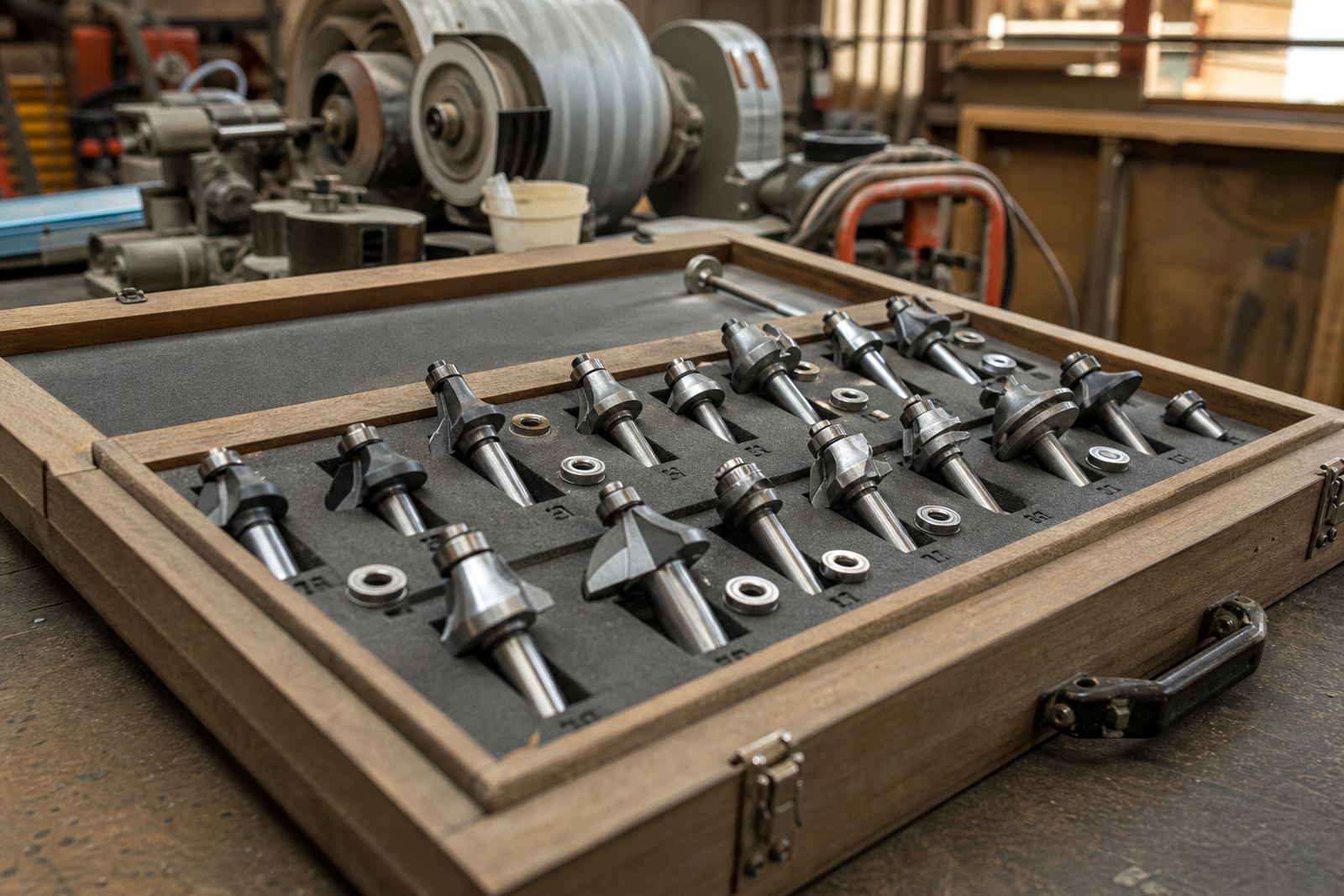
Rebate bits come in a range of cutter diameters, shank sizes and cutting depths, so we check the full profile before any regrind. The main thing is to keep the cutting geometry consistent, because even a small change can affect the shoulder line or the width of the rebate.
- Shank sizes commonly 6 mm, 8 mm and 1/4 inch for lighter work
- Medium duty shanks often 10 mm and 12 mm for steadier routing
- Cutting diameters from about 6 mm up to 32 mm, depending on the bit design
- Single flute, two flute and bearing guided rebate styles
- Carbide tipped and high-speed steel versions
- Bits with limiters, bearings, or stepped cutting faces
If the bit has a bearing, we inspect the guide area and cutting shoulders together so the cut stays even. For chipped edges or a bit that has started to burn the timber, we may recommend diameter correction or angle resetting where needed, rather than a light sharpen only.
Where rebate bits suit best
Rebate bits suit workshops and sites where repeated stepped cuts must line up neatly across many pieces. They are commonly used for joinery shoulders, door stops, cabinet back rebates, frame seating, timber edging and certain fitting jobs where accuracy matters more than speed. A sharp rebate bit also helps reduce strain on the router motor and can cut down on passes, which matters when power supply is not steady during load-shedding windows.
For professional workshops in Pinetown, Westville, Hillcrest, Durban, Pietermaritzburg, Johannesburg, Pretoria and Cape Town, we also handle bits that are used in batch runs. The same applies to smaller users who only need a few bits checked before a project starts. When the edge is clean, the bit tracks better and leaves less sanding behind, which saves time on the next step.
Fitting the bit and using the right machine settings
Rebate bits are fitted into a router collet or machine holder, so the cutter must sit straight and be clamped properly. A loose fit or an overlong projection can cause vibration, chatter, and poor edge quality. Before use, check that the shank is clean, the collet grips fully, and the cutter depth is set for the material thickness.
- Use the correct shank size for the router collet
- Do not extend the bit more than needed
- Set feed rate according to timber hardness and cutter size
- Use dust extraction where possible to keep the cut line clear
- Keep hands clear of the edge and use proper guides or fences
- On harder hardwoods, use lighter passes to limit burning and stress on the cutter
Rebate bits do not need any gas supply. They only need a suitable router or spindle machine, and the machine must be in good working order. If the router is hunting for power during a brownout or running on a generator, keep the feed steady and avoid forcing the cut, because an irregular supply can put extra load on the bit.
Care, cleaning and regrinding intervals
Regular cleaning helps a rebate bit last longer. Resin build-up, glue residue and packed dust can make even a sharp cutter feel blunt. Wipe the bit after use, store it dry, and keep it separate from loose steel tools that can chip the edge in transit. In humid parts of KwaZulu-Natal, that extra care matters because surface rust can start fast if the bit is put away damp.
We recommend having rebate bits checked when you notice a change in finish, more burning, extra push force, or when the shoulder starts to drift off line. If the bit has minor nicks, a standard sharpen may be enough. If the profile is uneven or the cutter has lost too much material, we may need to do a regrind and correction pass. That keeps the edge working cleanly instead of taking off too much stock every pass.
What to check before you send a bit in
Before placing a collection booking through our contact page, check the bit details carefully. The more exact the information, the easier it is to return the right result and match the cutter to the job it must do.
- Shank size and overall cutter diameter
- Whether it is carbide tipped, steel, or bearing guided
- Any chips, flat spots, burnt edges or missing sections
- Required rebate depth and whether the shoulder must stay square
- Whether the bit is part of a matched set or batch order
- Any special tag or return note needed for your workshop
For trade orders, we can arrange courier collection from Pinetown and across South Africa, including Durban, Pietermaritzburg, Johannesburg, Pretoria and Cape Town. Batch Tool Tagging helps keep sets together, especially when several bits arrive from the same job and must return in the same order. That saves confusion on the bench and keeps the job moving.
Our service flow from Pinetown
CutTool Sharpening runs from Pinetown, KwaZulu-Natal, and handles rebate bit sharpening and regrinding for both local and national clients. Once we receive the bit, we inspect the cutting faces, edge wear and profile, then decide whether sharpening, regrinding or edge correction is the best option. If the bit has related damage, we can also advise on burn mark removal, chipped edge recovery, balance checking, or angle resetting where relevant.
Our workshop is set up for practical turnaround and careful handling, not guesswork. Sibusiso Mthethwa oversees the business as Managing Director, with Ayesha Naidoo managing operations, Thabo Dlamini handling sharpening, Johan van Zyl on regrinding, Lerato Molefe coordinating training, and Nokuthula Khumalo arranging courier collections. If you need one bit checked or a full batch prepared for the next run, we can help keep the cutters in good working order.
Key facts
| Service type | Rebate bit sharpening and regrinding |
|---|---|
| Bit types supported | Carbide tipped, high-speed steel, bearing guided, single and two flute rebate bits |
| Common shank sizes | 6 mm, 8 mm, 1/4 inch, 10 mm and 12 mm |
| Typical cutting diameters | About 6 mm to 32 mm, depending on design |
| Collection areas | Pinetown, Durban, Pietermaritzburg, Johannesburg, Pretoria, Cape Town, Westville and Hillcrest |
| Workshop location | Pinetown, KwaZulu-Natal |