
What the drill point actually does
The point is the first part of the drill to touch the material, so it sets the pace for the whole cut. If the point is wrong, the drill wanders, squeals or overheats before the flutes even get into the job.
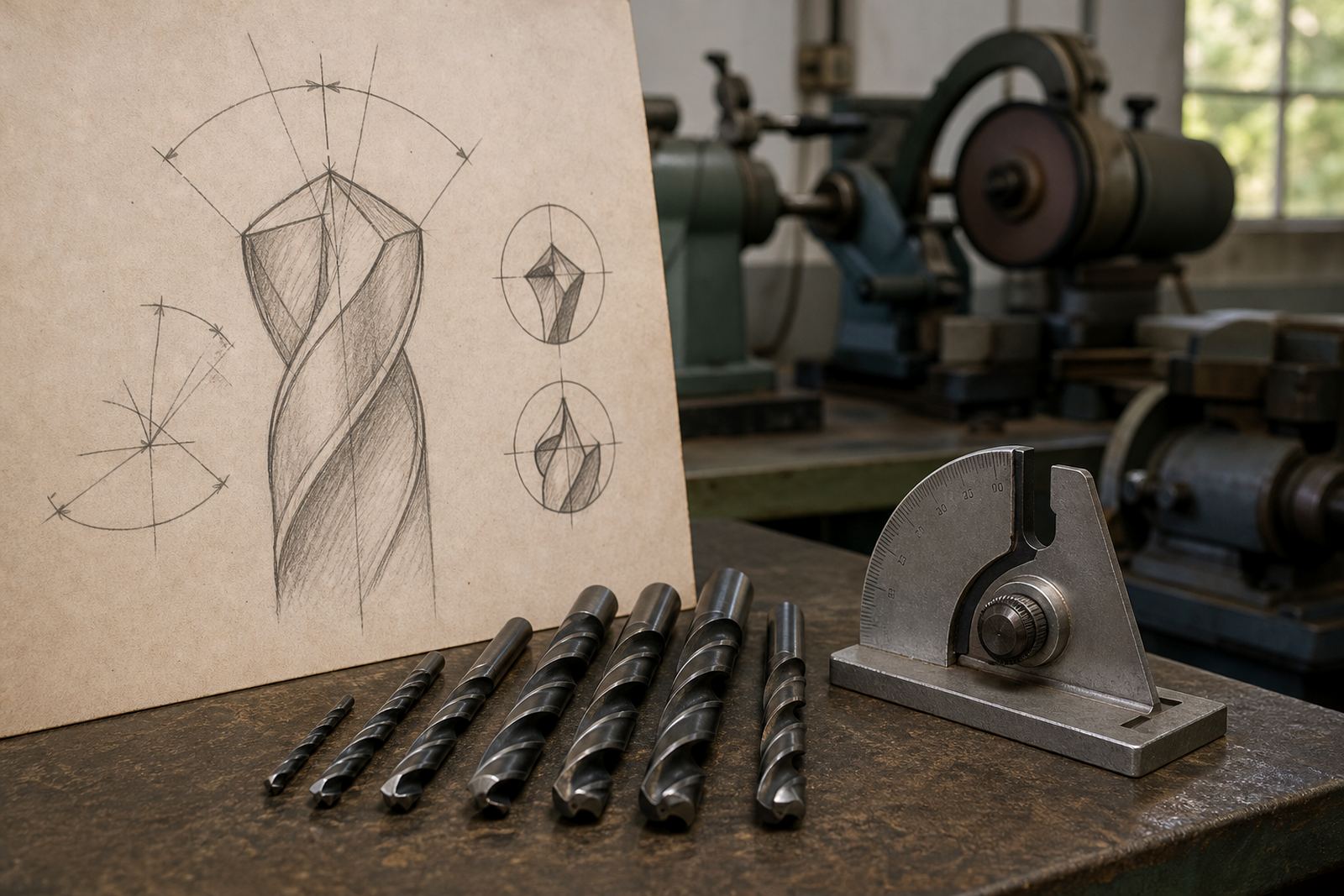
Most general purpose drills use a standard point angle, but the real difference is in how the cutting lips meet the material and how the centre is formed. A sharp point with correct symmetry starts cleanly and keeps the drill centred. A blunt or uneven point can force the drill to rub instead of cut, which is how you get burnt timber, work-hardening in metal and chipping at the edges.
Why point angle changes the result
Point angle affects how aggressive the drill feels. A steeper angle can suit harder materials, while a more open angle can help with softer or thicker sections. The point must match the material and the job, not just whatever was last on the grinder.
For example, a workshop in Pinetown doing light fabrication and maintenance may use the same drill family across mild steel brackets, aluminium channels and PVC fittings. If the point angle is too blunt for the job, the drill pushes too hard and wanders. If it is too sharp for hard material, the edge may chip sooner than expected.
- Sharper point angles can reduce thrust but may wear faster in harder stock.
- More open angles can hold up better in tougher material, but may need steadier feed pressure.
- Even left and right lips are essential, otherwise the hole will drift.
- Good point geometry helps the drill cut, rather than rub and heat up.
The signs a drill point needs attention
You do not need a gauge to spot a tired drill. In daily use the warning signs usually show up in the hole finish, the smell of heat and the amount of pressure needed from the operator. If a drill has to be forced, the point is probably not doing its share.
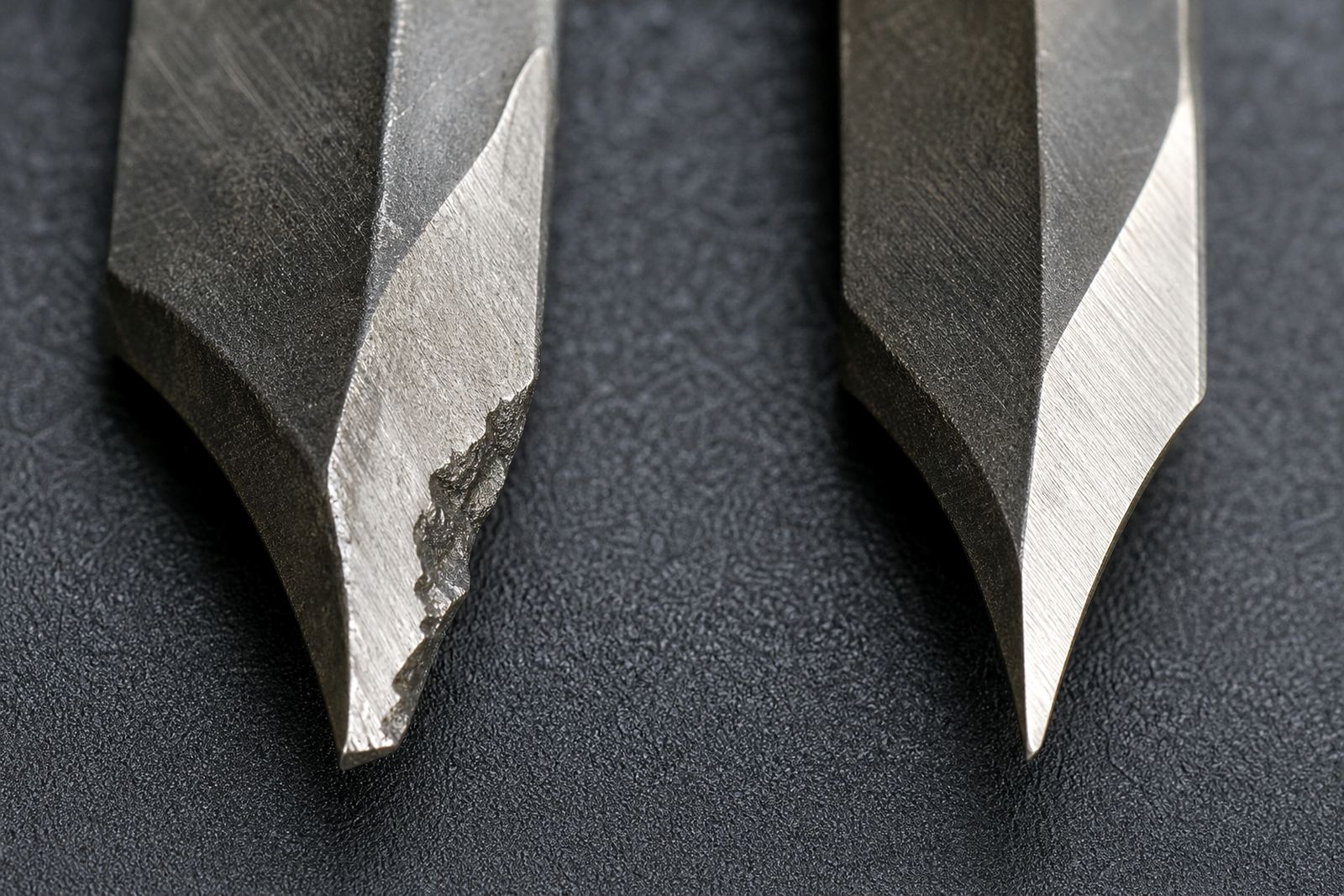
Common signs include a shiny flat at the tip, uneven cutting lips, or a drill that squeals before it bites. In coastal areas like Durban, added humidity can also lead to light surface rust on stored drills, which then affects the first cut and shortens tool life if it is left unchecked.
- Slow start and wandering before the drill centres.
- Blueing or burn marks on the tip after use.
- Rough hole edges, especially in thin sheet or timber.
- One side of the drill cutting harder than the other.
How regrinding brings the point back into shape
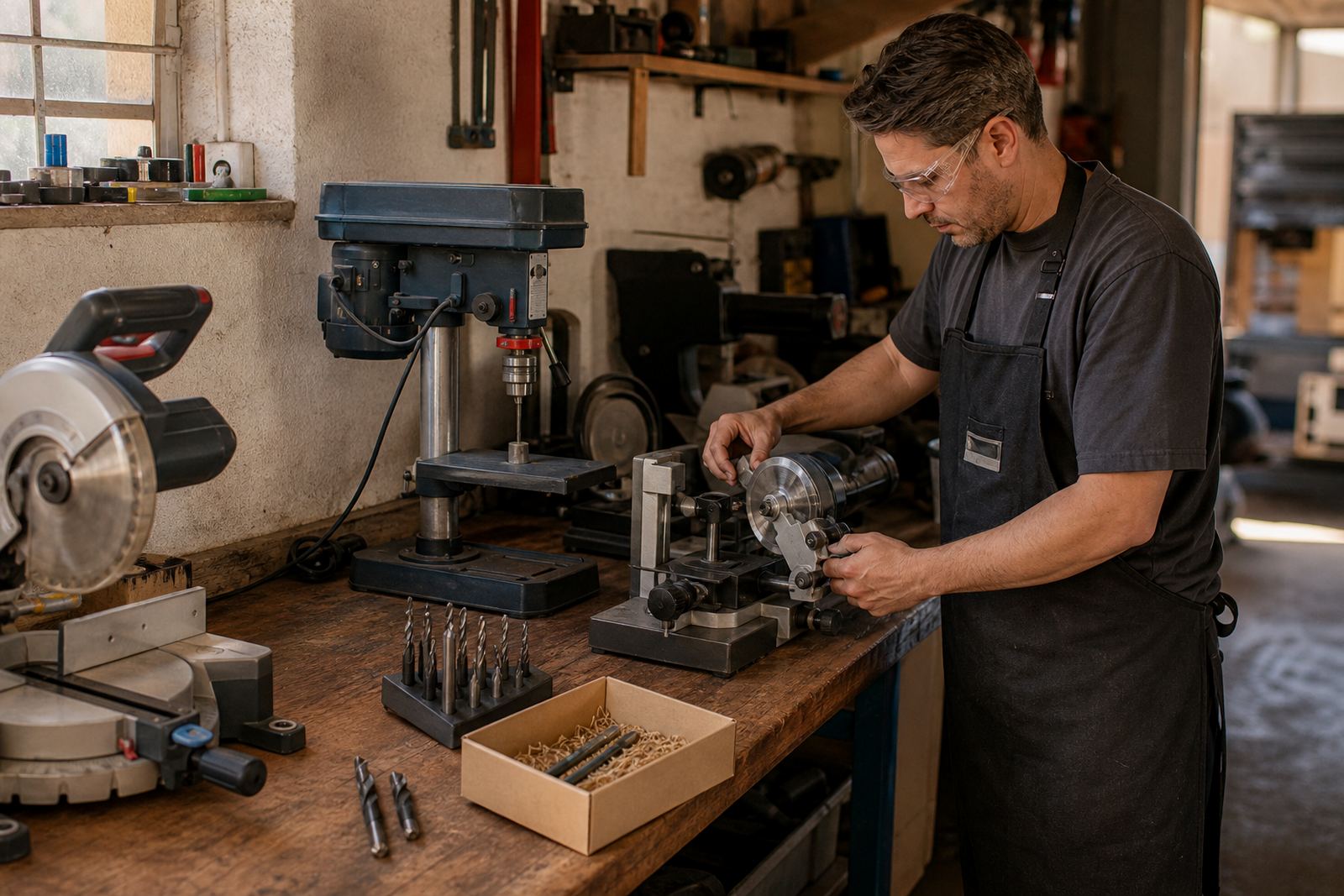
Regrinding is not just about making the tip look sharp again. It is about restoring the original geometry so the drill cuts straight and clears chips properly. A proper regrind should bring both lips to the same length, reset the chisel edge and keep the point balanced.
When a drill has chipped edges, the material is no longer entering the cut evenly. That leads to extra heat and poor hole quality. For repeated work such as batch drilling on site or in a small fabrication shop, keeping points consistent matters just as much as the size of the drill itself. A technician can also correct the diameter slightly where needed, but only within sensible limits for the tool.
Drill point basics for timber, steel and plastics
Different materials call for different handling, even when the drill looks the same in the rack. Timber likes a clean start and a point that does not tear fibres. Steel needs a point that can stay cool and keep cutting without grabbing. Plastics need care because too much heat can melt the edges and clog the flutes.
In a Pietermaritzburg joinery and maintenance workshop, for instance, the same worker may drill pine in the morning and stainless fixings in the afternoon. That is where point condition matters most. A well set point gives better control, less force and fewer ruined pieces, which saves time on repeat jobs.
- Timber: keep the point sharp to reduce tear-out.
- Mild steel: check symmetry and heat marks after heavy use.
- Plastics: use light pressure and a clean cutting edge to avoid melting.
- Sheet material: a balanced point helps stop snatching as the drill breaks through.
Keeping drills ready in a South African workshop
Many workshops in South Africa work around load-shedding, courier collections and mixed job lists, so it helps to sort drills before the rush starts. Keep worn drills separate from good stock, tag batches by size if you use them often, and inspect tips before a job begins. That small habit avoids delays when the power is back on and the work queue is waiting.
For contractors in Johannesburg, Pretoria or Cape Town, drill condition can affect the whole day. A blunt point can slow installation work, damage panels or crack masonry anchors if the wrong bit is used. Regular sharpening and regrinding keeps the kit working the way it should, and it also helps new staff learn what a proper cutting edge looks like. Sibusiso Mthethwa and the CutTool Sharpening team see this daily from Pinetown through to courier collections nationwide, and the same rule keeps coming up: a good point saves effort, and a bad one costs more than a sharpen ever will.