
What TCT circular saw blades are used for
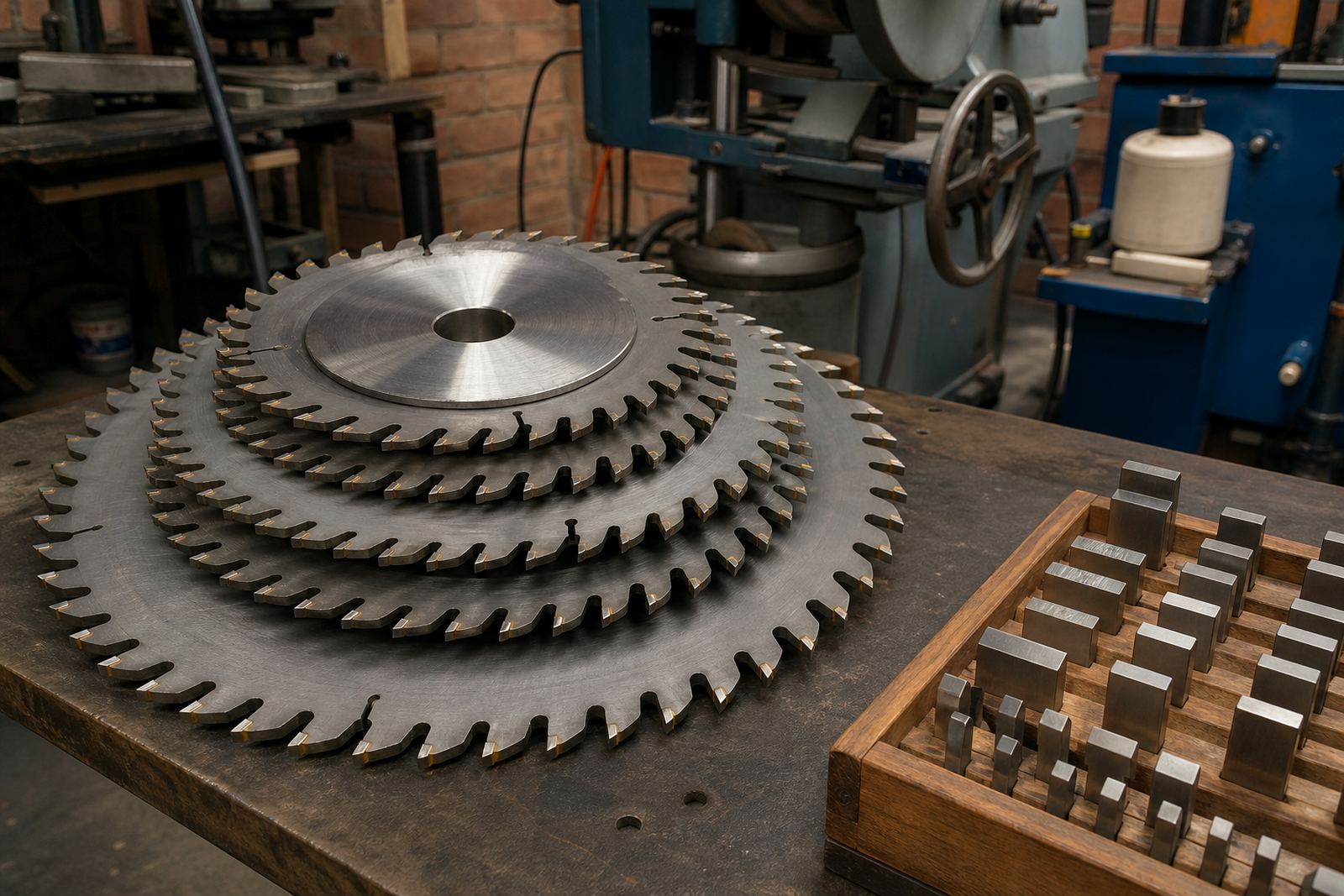
TCT stands for tungsten tipped circular saw blades. These blades are used where the cut has to stay straight, fast and repeatable, especially in panel sizing, ripping solid timber and crosscutting boards to length. The carbide tips carry the cutting load while the steel body gives the blade its shape and balance.
On busy jobs, a blunt TCT blade starts leaving burn marks, rough edges and extra chatter through the cut. It can also pull harder on the saw motor, which matters when you are working through thick melamine, hardwood or treated timber. In coastal areas like Durban and Pinetown, moisture and fine dust can also build up on the blade body, so regular cleaning and servicing help the blade stay accurate.
We sharpen and regrind TCT circular saw blades for small workshops and high volume production runs. Whether the blade is used on a sliding table saw, hand held circular saw or a fixed cutting line, the aim is the same: keep the teeth cutting clean and the blade running true.
Sizes, tooth forms and blade options we handle
TCT circular saw blades come in many diameters and tooth counts, and the correct sharpening depends on how the blade is built and what material it cuts. We work on common workshop sizes as well as larger blades used in production settings. Tooth geometry matters just as much as diameter, so we check the tooth face, top grind, hook angle and condition of the plate before starting any work.
- Blade diameters commonly from 160 mm to 450 mm and above
- Arbor sizes matched to the machine spindle
- Tooth counts for fast ripping or cleaner finishing cuts
- Flat top, alternate top bevel and combination tooth styles
- Blades with expansion slots, anti vibration cuts or heavy duty plates
- Blades with damaged tips, chipped edges or uneven wear
If the blade has had a hard life, we can advise whether a standard sharpen is enough or whether tooth face grinding, top grinding, diameter correction or balance checking is needed. A blade that has been overheated can also show burn marks on the body, and that needs proper assessment before it goes back into service.
Where these blades suit best in South African workshops
TCT saw blades are used in timber yards, cabinet shops, joinery businesses, fit-out teams and general maintenance departments. They are a good fit anywhere you need controlled cutting of board materials, softwood, hardwood, laminates or similar stock. In a panel saw room, a well sharpened blade improves edge quality and can reduce the amount of sanding or trimming needed afterwards.
These blades also suit jobs where repeat cutting matters. If you are batch cutting shelving, cabinet parts, door components or framing timber, the blade has to stay consistent from the first cut to the last. A dull blade can slow production and increase waste, especially when a team is pushing through load-shedding schedules and trying to finish a batch before power cuts or shift changes.
For customers in Durban, Westville, Hillcrest, Pietermaritzburg, Johannesburg, Pretoria and Cape Town, courier collection makes it easier to keep blades moving without taking staff off the tools. We also assist hobby users who keep one or two blades in rotation and want them ready before a weekend project.
Installation, machine fitment and power needs
TCT circular saw blades do not need gas, but they do need the correct saw setup. The arbor hole must match the machine, the blade diameter must suit the guard and cut depth, and the machine should be running with proper support and alignment. If the blade is fitted at the wrong size or used on the wrong saw, even a sharp blade can cut poorly or feel unsafe.
Before fitting a sharpened blade, check the following:
- Arbor size and blade diameter match the machine
- Spindle, flanges and washers are clean and flat
- Blade rotation direction is correct
- Guard clearance is enough for the full blade diameter
- Machine bearings and fence alignment are in good condition
- Dust extraction is working properly to reduce heat and chip buildup
Power supply also affects cut quality. A tired motor, loose belts or unstable site power can make the blade work harder than it should. If you are seeing burning or rough cut edges soon after sharpening, it is worth checking the saw setup before blaming the blade.
Care, cleaning and regrinding intervals
Good care starts the moment the blade leaves the saw. Wipe off resin, pitch and fine dust before storage, and keep the blade dry in a rack or sleeve so the tips do not knock against each other. In humid coastal conditions, especially around Durban and the KZN coast, a blade left in a damp storeroom can rust on the body and pick up corrosion around the carbide joints.
Sharpening intervals depend on timber type, feed speed and the kind of finish you expect. Blades used on melamine, MDF and hardwood tend to need attention sooner than blades used on soft, clean pine. If you notice any of these signs, send the blade in for inspection:
- Burning or dark marks on the cut line
- More tearing or ragged edges than usual
- Extra feed pressure needed to push the blade through
- Vibration, noise or a change in cut sound
- Chipped teeth or missing tips
- Uneven cutting across the width of the board
We offer batch tool tagging for businesses that send multiple blades at once, so each item comes back matched to the correct machine or job. That helps when a workshop runs several saws and cannot afford mix ups.
What to send with your blade for accurate service
When ordering sharpening for TCT circular saw blades, the more detail you give us the better the result. Please include the blade type, diameter, tooth count if visible, the material it was cutting and any fault you noticed. If the blade is for ripping, crosscutting or panel sizing, let us know that too because the grind can differ.
Helpful details to include with the enquiry form and collection booking:
- Blade diameter and arbor size
- Number of teeth and tooth style if known
- Machine type, for example panel saw or hand saw
- Material being cut, such as melamine or hardwood
- Problem seen, such as burning, chipping or poor finish
- Whether you want sharpening, regrinding or diameter correction
For blades that have suffered chipped edges or uneven wear, we may recommend angle resetting, balance checking or burn mark removal before the blade goes back into use. Sibusiso Mthethwa and the CutTool team handle these jobs from our Pinetown base, with courier collection available to Durban, Pietermaritzburg, Johannesburg, Pretoria and Cape Town.
Workshop support for repeat cutting accuracy
CutTool Sharpening supports both one off blade jobs and regular workshop maintenance. Some clients send blades after a project finishes, while others keep a spare set in rotation so production never stops for long. That kind of planning matters when your saws are running daily and each blade has to hold a clean line through mixed timber stock.
Our team includes Sibusiso Mthethwa, Ayesha Naidoo, Thabo Dlamini, Johan van Zyl, Lerato Molefe and Nokuthula Khumalo, so enquiries, collections and technical work are handled by people who deal with cutting tools every day. If you need training for blade care, or a starter kit for maintenance in the workshop, we can help with that as well.
For customers in Pinetown, Durban, Westville and Hillcrest, or further afield in Gauteng and Cape Town, the process is straightforward. Send the enquiry through the contact page, arrange collection, and we will inspect the blade before sharpening or regrinding begins. The aim is simple: keep your TCT circular saw blades cutting straight, clean and on spec.
Key facts
| Product type | Tungsten tipped circular saw blade sharpening and regrinding |
|---|---|
| Common diameters | 160 mm to 450 mm plus larger workshop blades |
| Typical uses | Panel sizing, ripping, crosscutting and general timber cutting |
| Service options | Sharpening, tooth face grinding, top grinding, diameter correction, balance checking |
| Collection areas | Pinetown, Durban, Westville, Hillcrest, Pietermaritzburg, Johannesburg, Pretoria, Cape Town |
| Ordering details | Blade diameter, arbor size, tooth count, material cut, fault noticed, machine type |