What a cove bit does in timber and sheet work
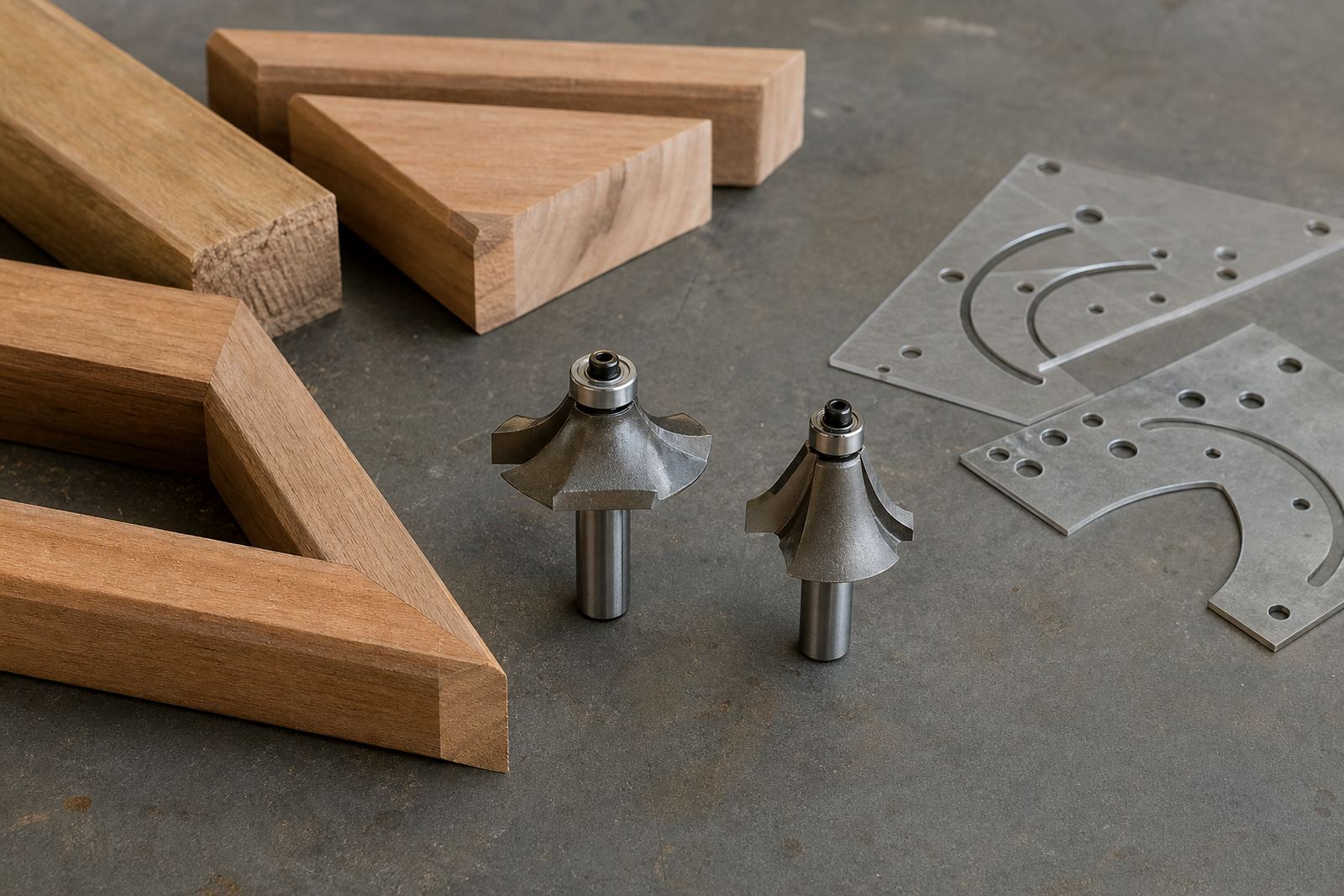
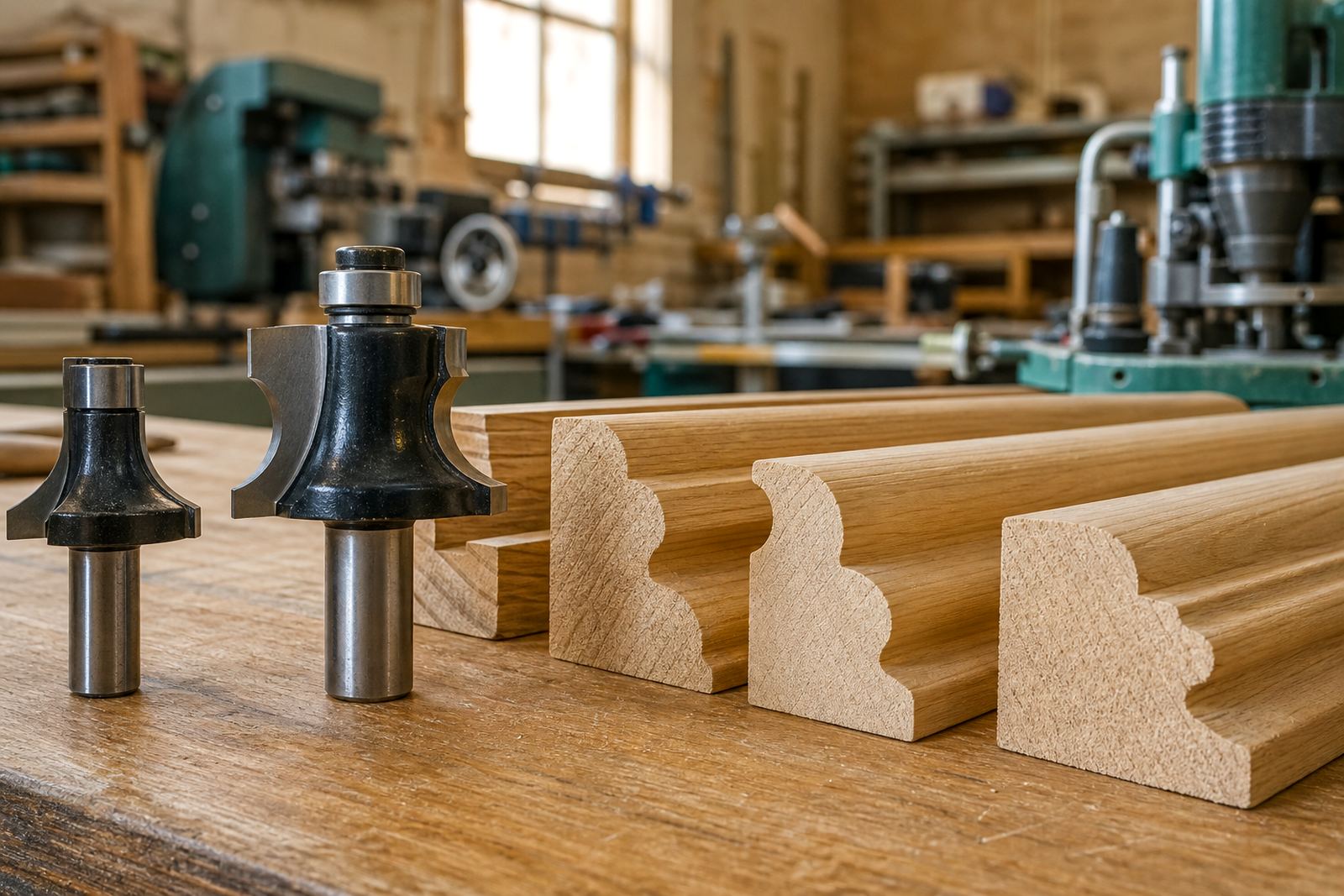
A cove bit is used to cut a concave profile into timber, softwood, hardwood and some board products, usually for skirtings, picture frames, cabinet details, doors and trim pieces. The cutting edge forms the hollow profile, so if the radius dulls or the face wears unevenly the groove starts to burn, chatter or leave a rough line that needs sanding back.
At CutTool Sharpening we handle cove bits that are still worth regrinding, rather than pushing them past the point where the profile can no longer be kept true. That matters when you are matching existing moulding, repeating parts in a run, or trying to avoid extra time on finishing. A well set bit should cut consistently and leave a smooth shoulder with less tear-out.
For workshops in Pinetown, Durban, Westville and Hillcrest, this is often the difference between a clean first pass and a pile of rejected pieces. On site or in a small workshop, the result has to hold up over a batch, not just on one test cut.
Sharpening and regrinding options for cove bits
We assess the cutting face, relief, outer diameter and overall balance before regrinding. The aim is to restore the edge without changing the intended profile more than necessary. Depending on the condition of the bit, we can remove burn marks, correct the angle, and recover chipped edges where there is enough material left.
Common cove bit service options include:
- Cutting edge sharpening for cleaner entry and smoother profile cuts
- Regrinding of the profile face to restore an even cut
- Diameter correction where wear has affected the finished size
- Chipped edge recovery if the bit has minor damage on the cutting edge
- Balance checking to reduce vibration on the router or spindle
- Batch tool tagging for workshops sending several bits at once
Some cove bits are small and delicate, others are larger profile cutters used in heavier work. We deal with both, but we always check whether the bit can still be brought back within a practical tolerance before work starts.
Sizes, shank options and profile details to confirm
Cove bits come in different sizes and shank diameters, and the correct choice depends on the router, table setup and the final profile required. Before sending a bit in, check the shank size, outside diameter, cutting length and the radius or profile dimensions. If the bit is part of a matched set, it helps to send the full set so the profiles stay consistent.
Typical details to confirm when ordering include:
- Shank diameter such as 6 mm, 8 mm, 1/4 inch or 1/2 inch
- Outside diameter and cutting depth
- Profile radius or moulding pattern
- Single bit or matched set
- Material type, including carbide tipped or steel-bodied construction
- Any existing damage, burn marks or uneven wear
If you are working from an existing moulding sample, send clear measurements or photographs with a ruler next to the profile. That makes it easier to keep the finished shape close to the original, especially where the moulding must match older fittings in homes or shopfitting work.
Where cove bits suit best in South African workshops
Cove bits are used in cabinetmaking, joinery, shopfitting, furniture repairs and trim work. They are also common in smaller home workshops where one bit gets a lot of use on different woods, from pine to denser species. In coastal areas like Durban and surrounding suburbs, humidity can affect storage and edge life, so a dull bit may show up faster than you expect.
For professionals working under time pressure, a sharp cove bit helps reduce rework and helps the operator keep feed pressure steady. For hobby users, it helps avoid the frustration of rough cuts when making decorative shelves, frame edges or fitted trim. If your workshop runs during load shedding, a bit that cuts well first time saves time when power comes back and the job needs to move quickly.
We serve clients in Pinetown, Pietermaritzburg, Johannesburg, Pretoria and Cape Town through courier collection, and local collection options can be arranged through the enquiry form on our contact page. We also support clients in Westville and Hillcrest who need repeat sharpening over time rather than one-off work.
How to install and run cove bits safely
Correct installation matters because profile cutters run at speed and any looseness shows up quickly. Make sure the shank is seated properly, the collet is clean, and the router or spindle is suitable for the bit size. If the cutter has been sharpened before, check that the cutting length still gives enough clearance for your jig, fence and table setup.
When using cove bits, keep the feed rate steady and avoid forcing the cut. A slow feed can burn the timber, while too fast a feed may leave a rough profile or cause chatter. The bit should be used within the machine maker’s limits for speed and diameter, and the workpiece must be clamped or guided securely.
Power needs are straightforward for most router work, but the machine must deliver stable speed. If you are running a small workshop with mixed power quality, it is worth checking the router bearings, collet condition and extraction as well. These small checks can make a big difference to finish quality.
Care, storage and when to send the bit back
Keep cove bits clean after use, especially if you are cutting resinous timber or board with adhesive. Wipe off pitch and dust before storing, then keep the bit dry in a tray or case where the cutting edge will not knock against other tools. In KwaZulu-Natal and coastal towns, moisture and dust together can shorten edge life if the bit is left loose in a drawer.
Send the bit back for service when you notice any of the following:
- Burn marks along the profile or shoulder
- More tear-out than usual on the cut face
- Visible chips or a nick on the edge
- Roughness that sanding no longer fixes easily
- Vibration, ringing or chatter during use
- Inconsistent profile depth across several pieces
We can also look at the bit as part of a batch with drills, saw blades and other profile cutters. For repeat workshop users, batch tool tagging helps keep each item identified and ready to return in order. That saves time when several cutters come in from one job, or from more than one branch on a busy week.
Key facts
| Product | Cove bit sharpening and regrinding |
|---|---|
| Common shank sizes | 6 mm, 8 mm, 1/4 inch, 1/2 inch |
| Suitable materials | Timber, softwood, hardwood, some board products |
| Typical services | Sharpening, regrinding, diameter correction, balance checking |
| Collection areas | Pinetown, Durban, Westville, Hillcrest, Pietermaritzburg, Johannesburg, Pretoria, Cape Town |
| Service base | Pinetown, KwaZulu-Natal |