What a chamfer bit does in the workshop
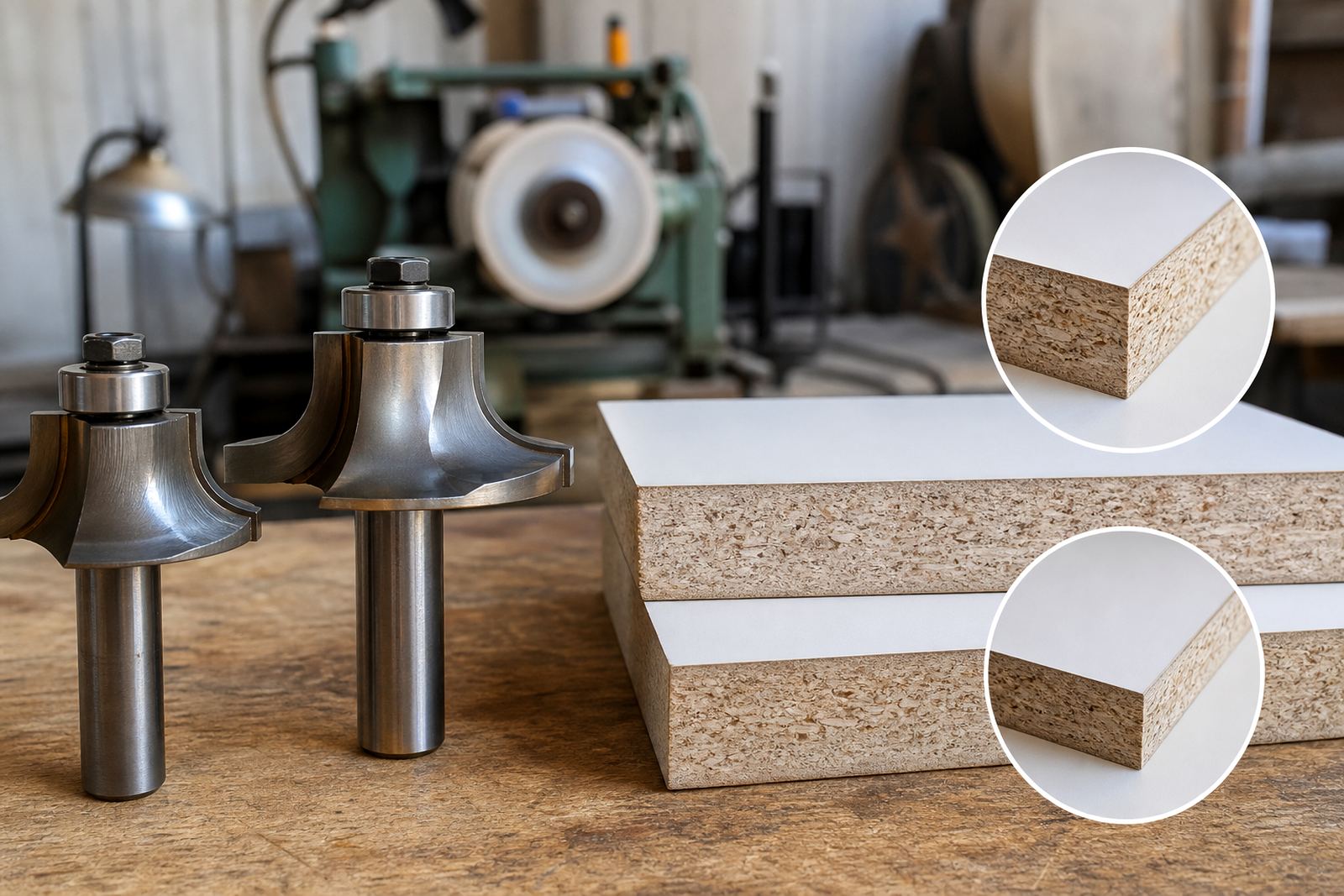
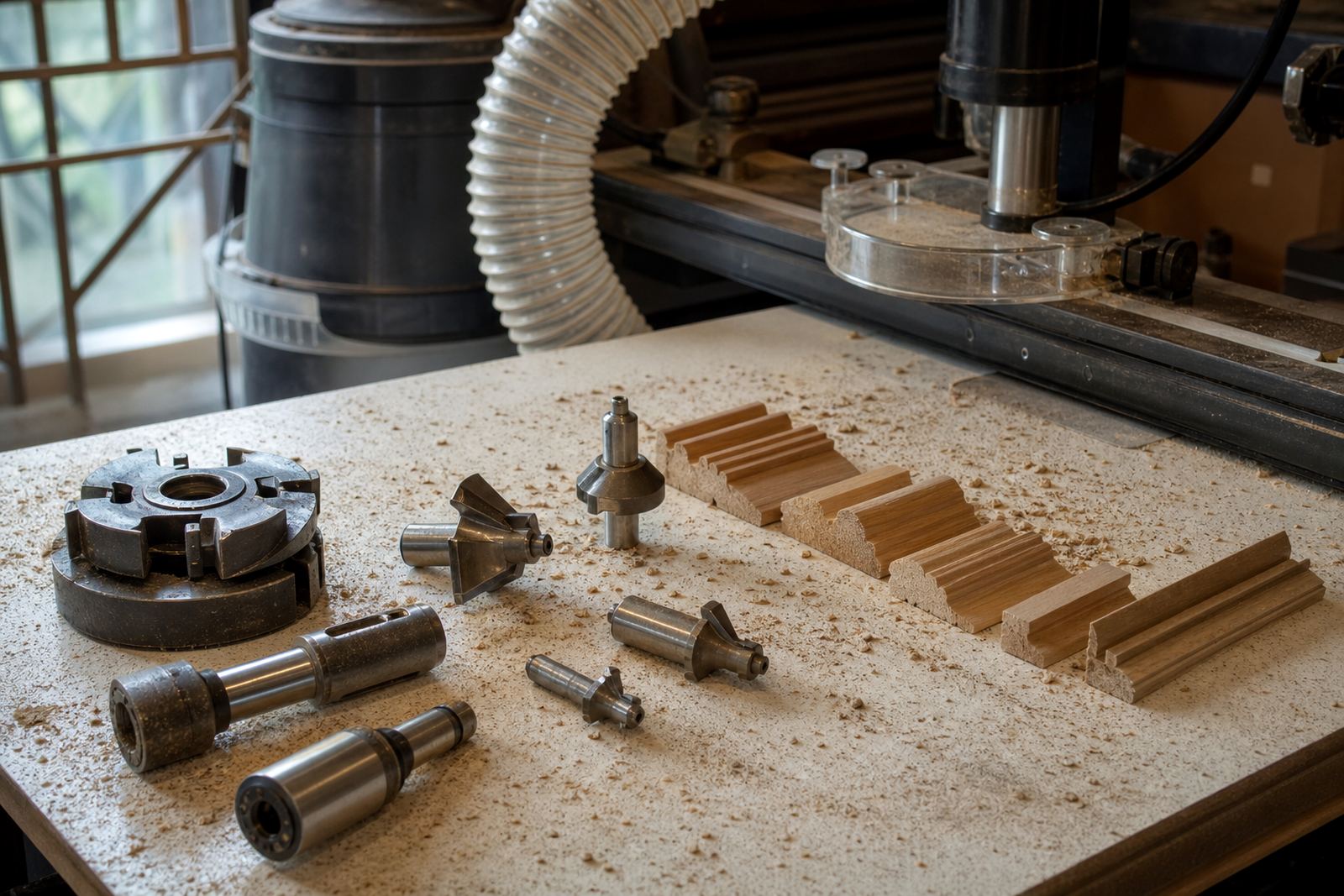
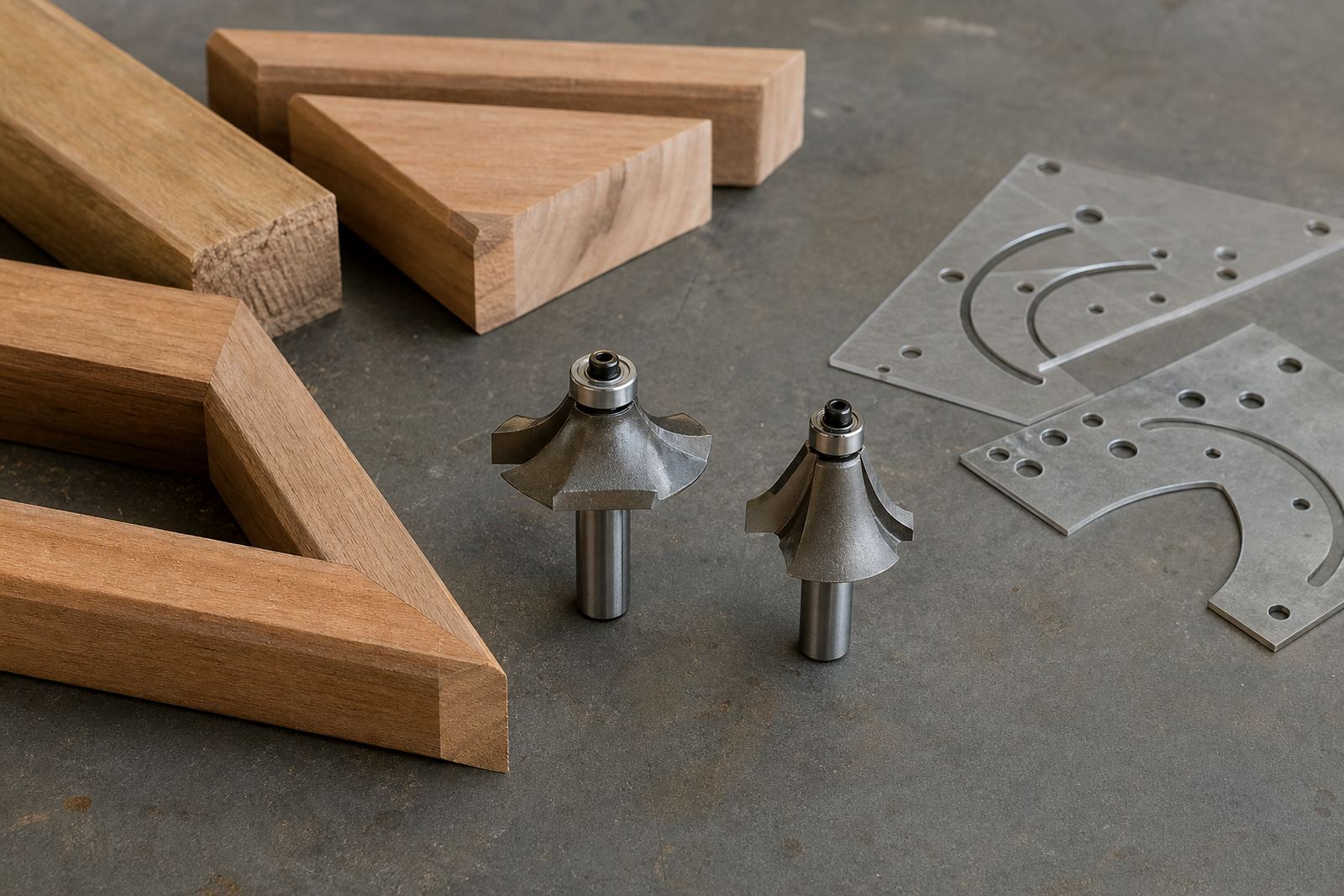
A chamfer bit is used to cut a bevel on the edge of a workpiece, usually for decorative detailing, edge breaking, or to soften a sharp corner before finishing. In a joinery shop it may be used on cabinet doors, tabletops, frames, fascia pieces, skirting and trim. On CNC and handheld routers alike, the cutting edge has to be even and the bearing or shank setup must run true or the finish will show chatter, burning, or a wavy line.
We sharpen chamfer bits so the cutting face, relief and corner line are brought back into proper working shape. That helps when you are working hardwood, pine, MDF, plywood or laminated board. In coastal areas like Durban and Westville, tools can show surface oxidation quicker because of humidity, so regular maintenance matters more than many people expect.
- Used for bevel edges and decorative profiling
- Suitable for timber, board products and laminates
- Helps reduce tear-out, scorch marks and rough edges
- Useful for both handheld routers and fixed machines
Sizes and chamfer bit options we service
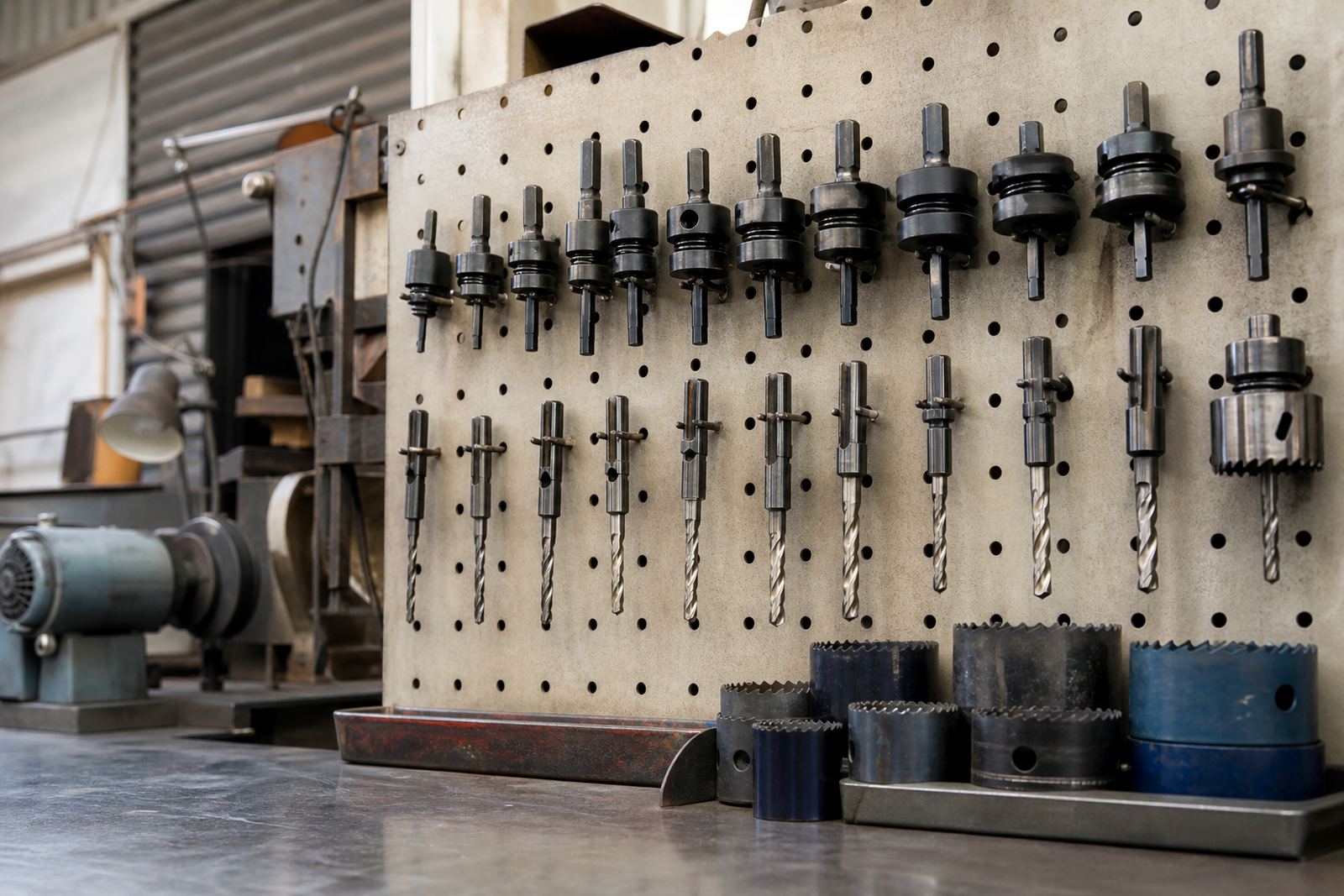
Chamfer bits come in different cutting diameters, angle sets and shank sizes, so we check each one before regrinding. Common bit sizes include 1/4 inch shanks, 1/2 inch shanks and various cutter diameters used for light detail work or deeper edge breaks. Some bits are straight flute, while others are designed for bearing guided work or machine jigs. We service single bits and batch sets for workshops that need the whole kit back in order.
Typical angles include 15 degree, 22.5 degree, 30 degree, 45 degree and other special bevel forms. If the bit has been used on abrasive board, nail contact or overheated on a long run, the edge may need more than a quick touch up. We can correct the face, reset the angle and check balance so the bit cuts cleanly again.
- Shank sizes commonly serviced: 1/4 inch and 1/2 inch
- Bevel angles commonly serviced: 15 degree to 45 degree
- Single bits, matched sets and batch workshop tools
- Suitable for carbide tipped and similar cutting edges
Where chamfer bits are used on site
Chamfer bits suit cabinet shops, furniture makers, maintenance teams, sign and display workshops, joinery crews and general contractors. They are handy where a finish edge needs to look deliberate instead of rough. On a site fit-out in Johannesburg or Pretoria, for example, the same bit may be used on multiple panels and then returned for sharpening once the edge starts to drag. In Pietermaritzburg and Cape Town we also see them used for repair work where old boards need a neat edge before painting or sealing.
These bits are also useful in training rooms and small home workshops. If you are making shelving, edging a tabletop, or cleaning up a panel face, the bit must sit properly in the collet and the machine must hold speed without vibration. A worn bit can pull, chatter or leave burn marks on the workpiece and then you spend time sanding out what should have been clean from the start.
- Cabinet and furniture production
- Fit-out and maintenance work
- Home workshop detailing and edge finishing
- Batch work for repeat cuts and panel runs
Installation and machine setup basics
Chamfer bits do not need gas, but they do need the right machine setup and a steady power supply. On handheld routers the collet must grip correctly and the shank should sit fully home without bottoming out. On table routers and CNC units, the tool height, feed rate and spindle speed must match the material. If the speed is too high or the feed too slow, you get heat, dulling and brown marks on the edge. Load-shedding can also affect setup if a machine stops mid cut and restarts under load, so it is worth checking the bit after any interruption.
For best results, keep the work clamped and make sure dust extraction is working. A clean cut line is easier to maintain when chips are cleared from the path. If your machine starts to vibrate more than usual, check the bit, the collet and the bearings before continuing. That small check can save a lot of rework later.
- Use the correct shank size for the collet
- Set spindle speed and feed for the material
- Keep extraction running to reduce chip build-up
- Stop and inspect after power cuts or unusual vibration
Care, servicing and when to send the bit in
Good chamfer bit care starts with cleaning after use. Resin, glue and fine dust can build up on the cutter face and change how it cuts. Wipe the bit down, store it dry, and keep it separate from loose steel tools that can chip the edge in the drawer or box. In humid coastal conditions, a light protective treatment helps prevent rust on exposed steel parts.
Send the bit in when you see burn marks, a rough edge, early tear-out, or a need to push harder through the cut. If the bevel line is no longer even, the bit may have lost its geometry and will need proper regrinding rather than a light touch-up. We also check for chipped corners, diameter loss and poor balance, because those issues can show up as finish problems long before a bit looks badly worn.
- Clean resin and dust after each job
- Store bits dry and protected from impact
- Check for burning, chatter and uneven bevels
- Do not keep running a chipped bit into harder material
What to check before placing an order
When you send chamfer bits for sharpening, check the shank size, cutter angle, cutter diameter and whether the bit has any special profile features. If there is a bearing, collar or guide feature, include that detail with the tool so we can inspect the full cutting assembly. Let us know the material you cut most often, because that affects how we judge wear and the finish you need. A bit used on hardwood does not wear in the same way as one used on MDF or laminate.
We work with hobby users and professional shops from Pinetown, Durban, Hillcrest, Westville, Pietermaritzburg, Johannesburg, Pretoria and Cape Town through courier collection. Batch tool tagging is useful if you are sending several bits together, and it helps keep each item matched correctly on return. If a bit has unusual damage, mention that on the enquiry form so we can assess whether sharpening, regrinding or angle correction is the right job.
- Confirm shank size and cutter diameter
- State the bevel angle and any special profile
- Tell us what material you cut most often
- Include notes on chips, burning or poor balance
Key facts
| Service | Precision sharpening and regrinding for chamfer bits |
|---|---|
| Common shank sizes | 1/4 inch and 1/2 inch |
| Typical bevel angles | 15 degree, 22.5 degree, 30 degree, 45 degree |
| Use cases | Edge breaking, bevels, decorative detailing and trim work |
| Collection areas | Pinetown, Durban, Westville, Hillcrest, Pietermaritzburg, Johannesburg, Pretoria, Cape Town |
| Care notes | Keep dry, clean resin build-up and stop use if burning or chatter appears |