What beading bits are used for
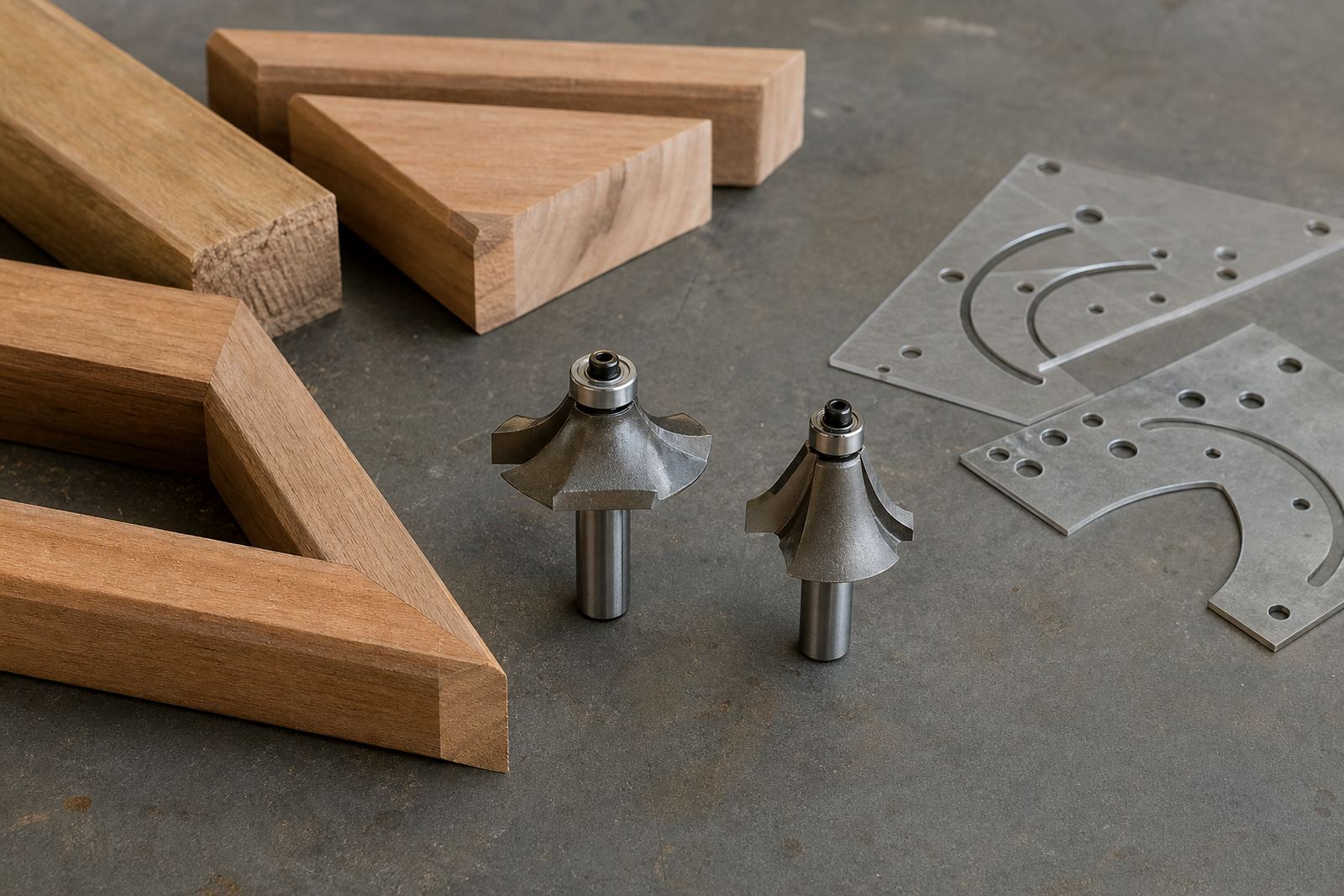
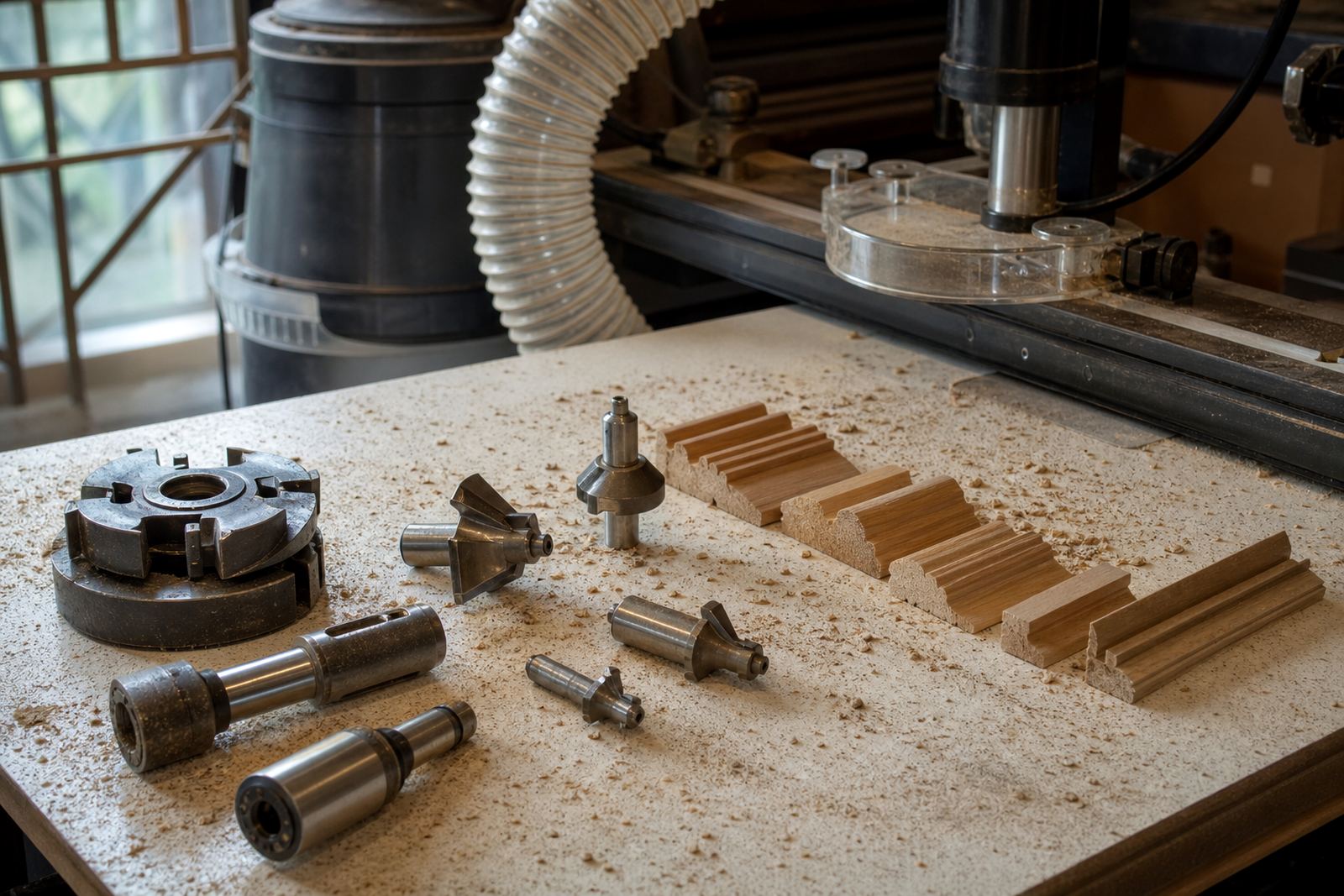
Beading bits are profile cutters used to form a rounded decorative edge on timber, MDF and some engineered boards. They are common on skirting, door frames, cabinet doors, chair rails, panels and feature trim where you want a consistent bead rather than a square edge. When the cutting edge starts to dull, the profile can leave scorch marks, fuzzy fibres or a stepped finish that needs extra sanding.
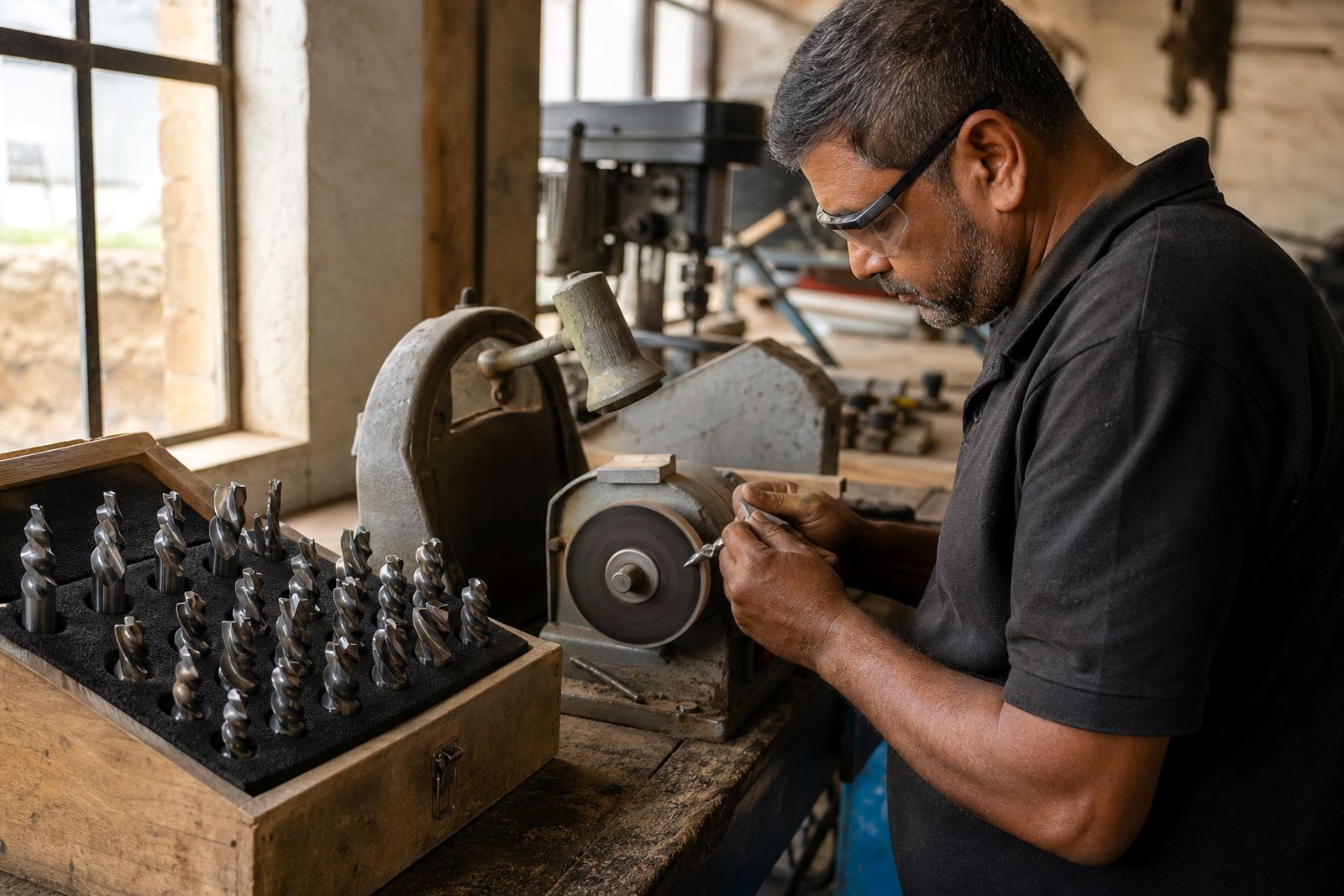
Our beading bit sharpening service is set up to restore the cutting face, corner radii and overall profile without changing the shape more than needed. That matters when you want the same bead depth and width across a full batch of parts. We work on bits used in small workshops as well as production runs, and we handle collection from Pinetown, Durban, Westville, Hillcrest, Pietermaritzburg, Johannesburg, Pretoria and Cape Town through our courier booking process.
Sizes, profiles and tooling options we handle
Beading bits come in a range of shank sizes and cutter diameters, and the profile can vary from a small decorative bead to a deeper architectural shape. We sharpen single-profile and matched profile cutters, and we also recondition bits that have light chipping, burn marks or a worn cutting edge. Where needed, we can check the cutting diameter and the profile symmetry so both sides of the bead track evenly.
- Shank sizes commonly seen: 6 mm, 8 mm, 12 mm and 1/2 inch
- Typical cutter diameters: 19 mm to 50 mm, depending on the profile
- Common materials: carbide-tipped cutters and some high-speed steel profiles
- Suitable for router tables, hand routers and fixed spindle setups
If you are not sure which bit you have, send it in with a sample cut or a clear photo through the enquiry form. A slightly worn profile can often be corrected before it becomes a scrap issue, which saves time on the next job.
Where beading bits suit the workshop
These cutters suit furniture makers, joiners, shopfitters, stair builders and small repair shops that need repeatable decorative edges. They are especially useful on jobs where the final look is judged by hand, such as display units, framed panels and custom trim. In humid coastal conditions around Durban and the KZN coast, a blunt cutter can drag fibres and leave a poor edge more quickly, so regular maintenance helps keep the finish consistent.
Beading bits are also practical for batches. Once a cutter starts burning, the machine operator often slows the feed to compensate, and that can create more heat and more wear. A sharp cutter reduces strain on the motor, keeps the cut cleaner and helps you hold the same depth across the full run. For workshops dealing with load-shedding, a well maintained cutter also helps you make the most of shorter machine windows, because you spend less time on rework.
- Best for clean edge detail on timber and board products
- Useful when the final coat will show every sanding mark
- Helps reduce burn marks on dense woods and long runs
- Supports consistent results on repeat profile work
Installation, machine setup and power needs
Beading bits do not need any gas supply. They are fitted into the router or spindle moulder in the usual way, with the correct shank size and a sound collet or spindle fit. Before use, check that the bit seats fully, runs true and is tightened to the machine maker’s recommended torque. A loose fit can cause vibration, chatter and uneven beading, especially on longer passes or harder timber.
For workshop setup, make sure the feed direction matches the cutter rotation and that fences, guides and feather boards are set to keep the work stable. If you are running profiles on a router table, dust extraction should be working properly because packed dust can hide heat and make the cutting edge wear faster. On spindle moulders, take care with the cutter height and fence setting so the bead stays even from start to finish.
- No gas required
- Use the correct shank size and collet condition
- Check balance before first run after sharpening
- Keep extraction and guards in place during use
Care and servicing after sharpening
After sharpening, store beading bits dry and separated so the profile does not knock against other tools in the box. A light oil wipe is useful if the cutter is kept for a while, but do not leave residue on the cutting edge before use. Resin build-up should be cleaned off regularly, because sticky pitch can make a sharp cutter behave like a blunt one.
We recommend sending bits back for servicing before the edge is fully gone. If you wait until there is deep chipping or heavy burn damage, more metal may need to come off and the profile can become harder to match. Regular checking also helps with chipped edge recovery, balance checking and angle resetting where needed. If you are running multiple cutters in a batch, batch tool tagging makes it easier to keep each profile matched to the right job sheet.
- Clean off pitch and dust after each job
- Store bits in holders or sleeves, not loose in a toolbox
- Check for chipped edges and burn marks before the next run
- Book regrinding before the profile becomes badly worn
What to check when ordering beading bit sharpening
When you send beading bits for sharpening, include the shank size, cutter diameter and whether you need one-off repair or repeat batch work. If the bit forms a matched pair or works with a specific router table setup, let us know so the profile can be checked against the original shape. Photos help, but the cutter itself is still the best guide for a proper assessment.
Please also note the material being cut, the machine type and any problems you are seeing, such as burn marks, rough fibres, chatter or uneven bead depth. That helps us decide whether the job needs simple sharpening, diameter correction, top grinding or a more careful regrind. For customers in Pinetown, Durban, Pietermaritzburg, Johannesburg, Pretoria and Cape Town, courier collection can be arranged through our contact form, and we keep the process straightforward for both small workshops and busy production floors.
Key facts
| Product type | Beading bit sharpening and regrinding |
|---|---|
| Typical shank sizes | 6 mm, 8 mm, 12 mm, 1/2 inch |
| Common cutter diameters | 19 mm to 50 mm, depending on profile |
| Suitable machines | Hand routers, router tables and spindle moulders |
| Materials handled | Carbide-tipped and selected high-speed steel cutters |
| Service options | Sharpening, diameter correction, burn mark removal and batch tool tagging |