Why the workshop called us in
The client was a small to mid-sized cabinet workshop in Pinetown, working with laminated chipboard, melamine-faced board and edge-detail work on a daily basis. Their cutting had started to show fraying on the laminate, more burn marks on tight cuts and a slight wobble on routed profiles. The team said the problem was not the machinery, it was the cutting tools losing shape faster than expected.
They needed a local workshop that could handle saw blade sharpening, drill sharpening and router bit sharpening in one run. The brief was simple: bring the cut quality back, keep downtime low and avoid replacing tools before they were due. In a cabinet shop, a dull tooth or a blunt cutter can throw off a whole day’s production, especially when material costs are already tight.
The order came through the enquiry form and was handled from our Pinetown base, with collection arranged for the workshop and return delivery once the work was complete. The client asked for a turnaround that fit into one production cycle, so we mapped the job around that and kept them updated on the batch as it moved through the workshop.
Tool condition on arrival and the main limits
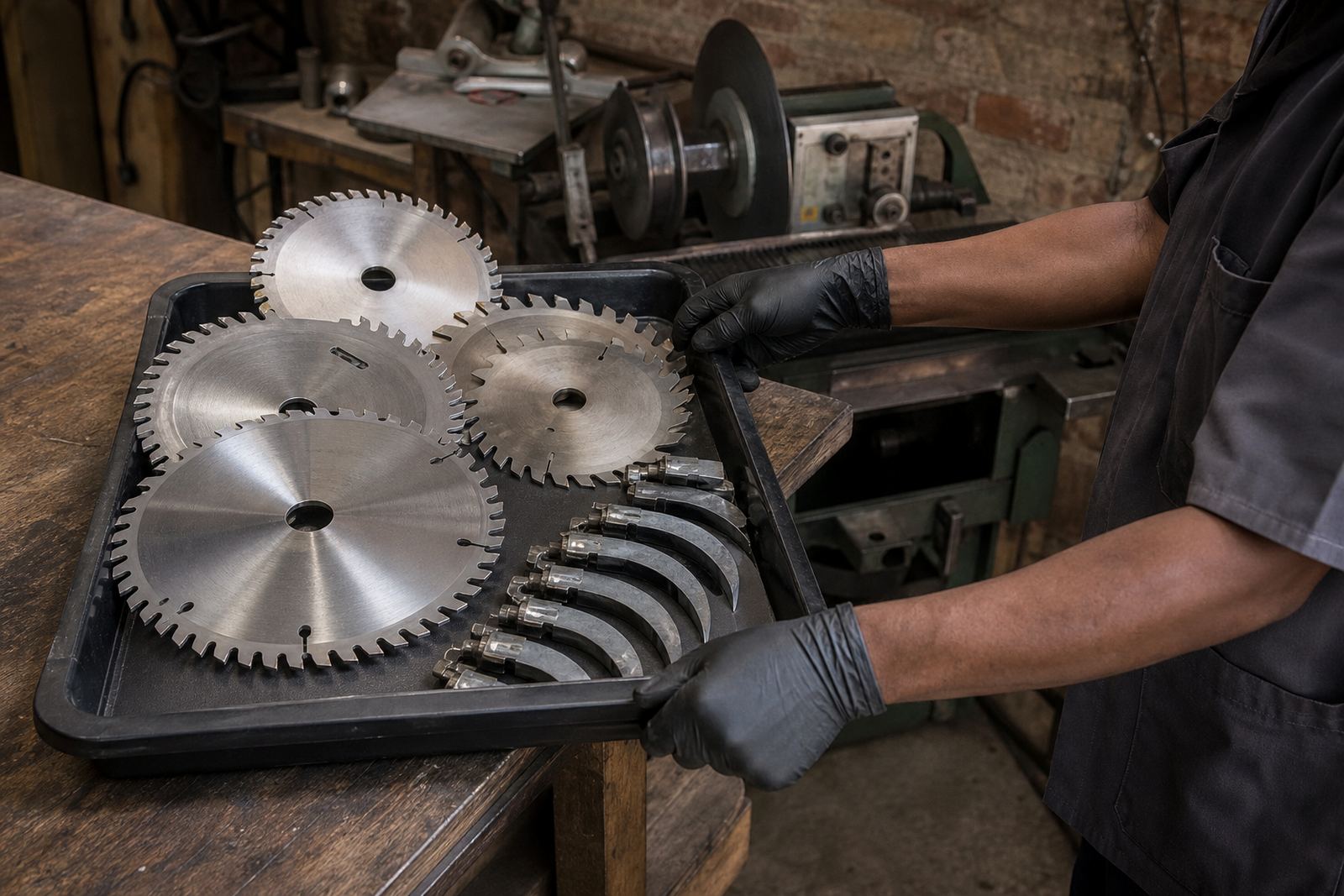
On arrival, the batch included circular saw blades, straight router cutters and a set of production drills used for pilot holes and fitting work. Several saw blades showed chipped edges, one had a noticeable build-up of resin and two router bits had lost their original cutting profile on the nose and side face. A few tools also needed balance checking before they could go back into service.
The main constraint was the laminated board itself. Once a blade starts running warm on melamine or laminate, the edge can burn and the finish goes rough. Another limit was time. The workshop could not afford to stop a full week for tool changes, so the job had to be handled in stages. We also had to match the cutting geometry to the material they use most often, not just make the tools sharp in a general sense.
- Laminate and melamine boards needed cleaner entry and exit cuts
- Router bits had to hold profile accuracy for repeated passes
- Drills had to stay centred for clean pilot holes
- Some blades needed diameter correction after previous wear
- Two items required burn mark removal before final finishing
What we sharpened, reground and checked
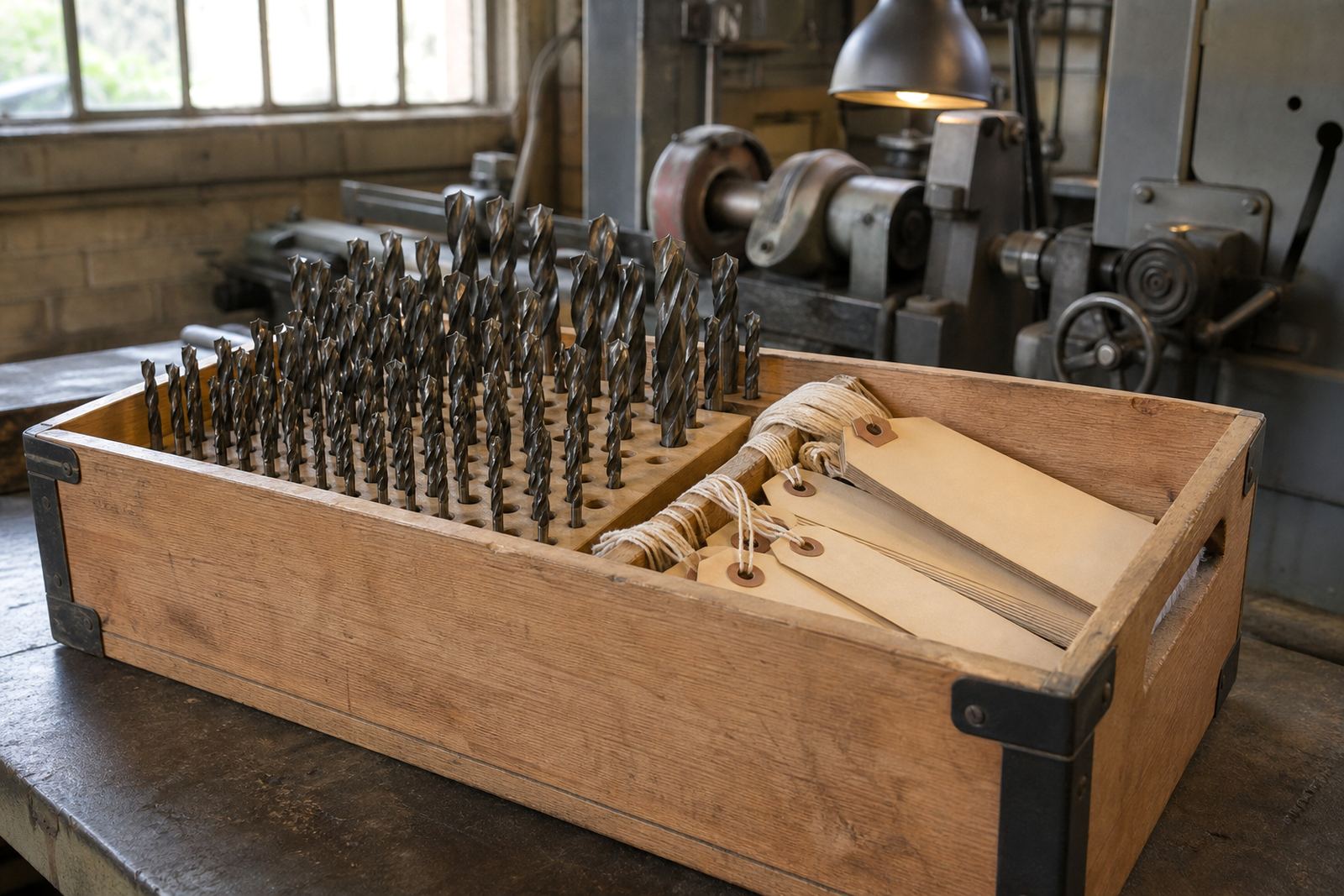
We started with a full inspection and tagged each tool in the batch for traceability. That helped the client track which blade or bit was being worked on and made it easier to match the right cutter back to the right machine. The work included saw blade sharpening, tooth face grinding, top grinding, angle resetting and balance checking where needed.
For the router set, we restored the cutting edges and corrected the profiles so the cutters would leave a cleaner finish on the board face and edge detail. The drills were sharpened to bring the point back to a proper centre, which matters when the hole has to be clean and straight without wandering. On the blades, we removed resin, corrected chipped teeth and adjusted the cutting angles to suit laminated sheet work.
We also carried out diameter correction on selected blades that had been worn unevenly. This is important in cabinet work because even a small size difference can affect cut depth, slot width and the way a machine handles the board. Before release, each item was checked for consistency and general cut readiness.
- Saw Blade Sharpening for production and trimming blades
- Router Bit Sharpening for profile and edge work
- Drill Sharpening for cleaner pilot and fixing holes
- Tooth Face Grinding and Top Grinding for controlled cutting
- Chipped Edge Recovery and Burn Mark Removal
- Angle Resetting, Balance Checking and Diameter Correction
Courier collection from Pinetown to the job floor
The workshop is based in Pinetown, so collection was booked through our courier collection service and scheduled to keep the client from leaving tools idle on a bench for days. The batch was collected, processed and returned without the client having to break the day to drop tools off themselves. That matters for cabinet makers who work across Pinetown, Westville, Hillcrest and Durban, and sometimes send tool sets between sites or jobs.
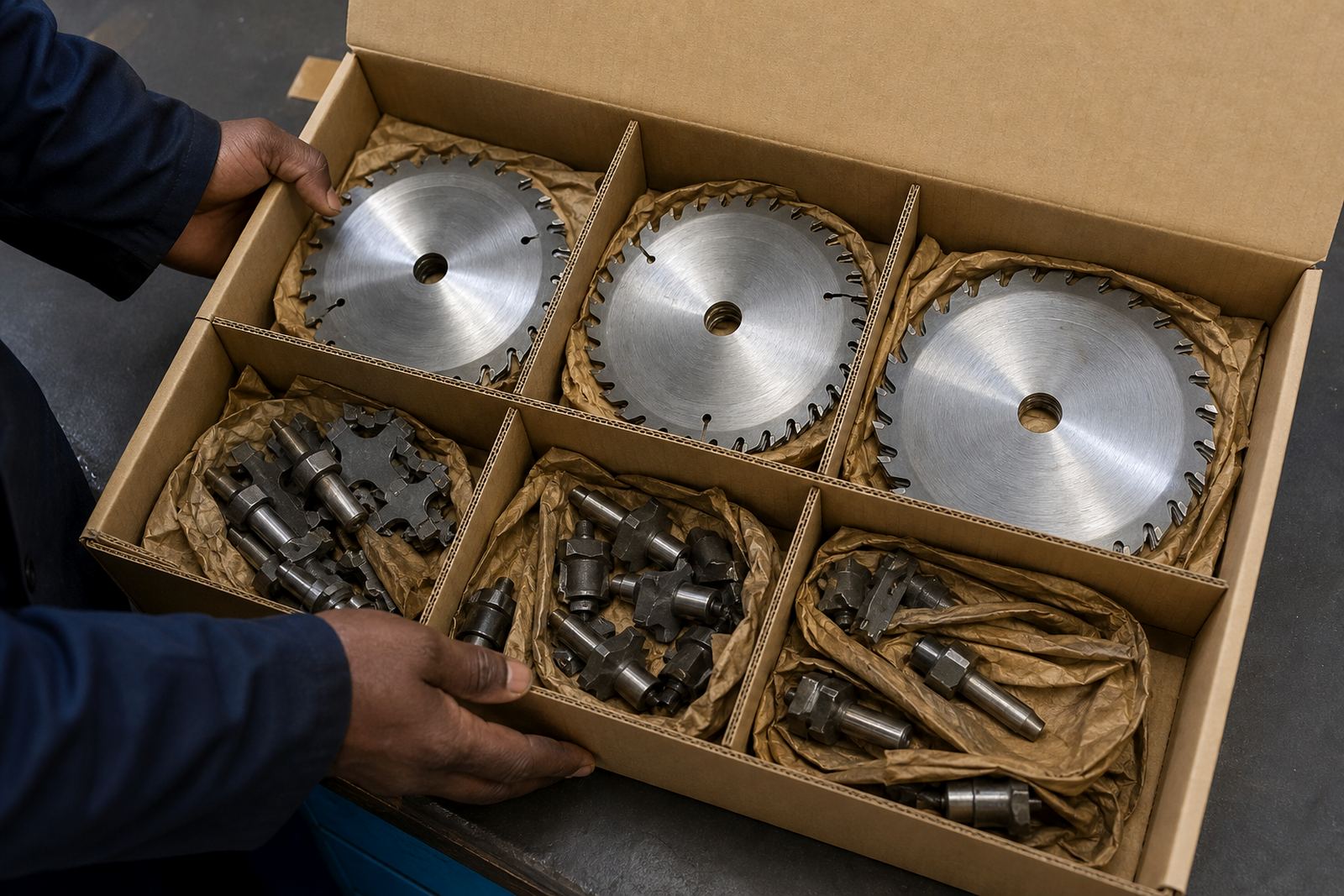
We handle courier collection bookings for clients in Durban, Pietermaritzburg, Johannesburg, Pretoria and Cape Town as well, so the process was set up the same way we handle jobs across South Africa. The client received batch tagging on the return, which made it easier to sort blades and bits back into the correct drawers and machines. The system also helped when checking what had been sharpened, what had been corrected and what should be monitored on the next service.
Because workshops in KwaZulu-Natal deal with humidity, dust and power interruptions, storage advice was part of the handover. We pointed out which tools should be wiped down before storage and which ones should not be left in damp packs overnight. It is a small thing, but rust on a clean edge can undo part of the work very quickly.
Timeline, results and what changed on the boards
The full job was completed in one week from collection to return. Day one covered intake, tagging and inspection. Days two and three were used for sharpening and regrinding. Day four covered balance checks, cleaning and final checks. Collection was arranged back to the workshop on day five. The client was able to slot the tools back into production with minimal interruption.
The result was immediate on laminated board. The edge finish improved, the burn marks reduced and the cut line became more consistent across repeated passes. The router profiles came out cleaner and the drills entered more accurately. The workshop reported less force needed at the feed stage and fewer pieces needing a second pass. In practical terms, that means less scrap and less time spent sanding or correcting edges afterwards.
The biggest win was not just sharper tools, but tools that matched the actual work being done. A cabinet shop can have perfectly good machinery and still fight poor results if the cutters are off. Once the blades and bits were brought back into spec, the line between machine setup and finished board quality became much clearer.
What we would do again for a similar cabinet shop
If a similar cabinet workshop in Pinetown or Durban called us again, we would set up the same process without changing much. The first step would be a batch inspection with tagging, followed by sharpening and regrinding matched to the material mix. We would also keep the return advice focused on storage, edge protection and when to rotate tools out before they start marking board.
For a shop using laminated board every day, we would recommend a regular sharpening cycle rather than waiting for cut quality to fall away. That usually means checking the working set every few weeks depending on volume, material hardness and how many machine hours the tools are carrying. In high-use periods, a smaller batch sent in early is easier to manage than waiting for every cutter to fail at once.
- Book collection before the edge quality drops too far
- Separate blades, drills and router bits by machine or task
- Keep a tagged spare set for busy weeks or load-shedding delays
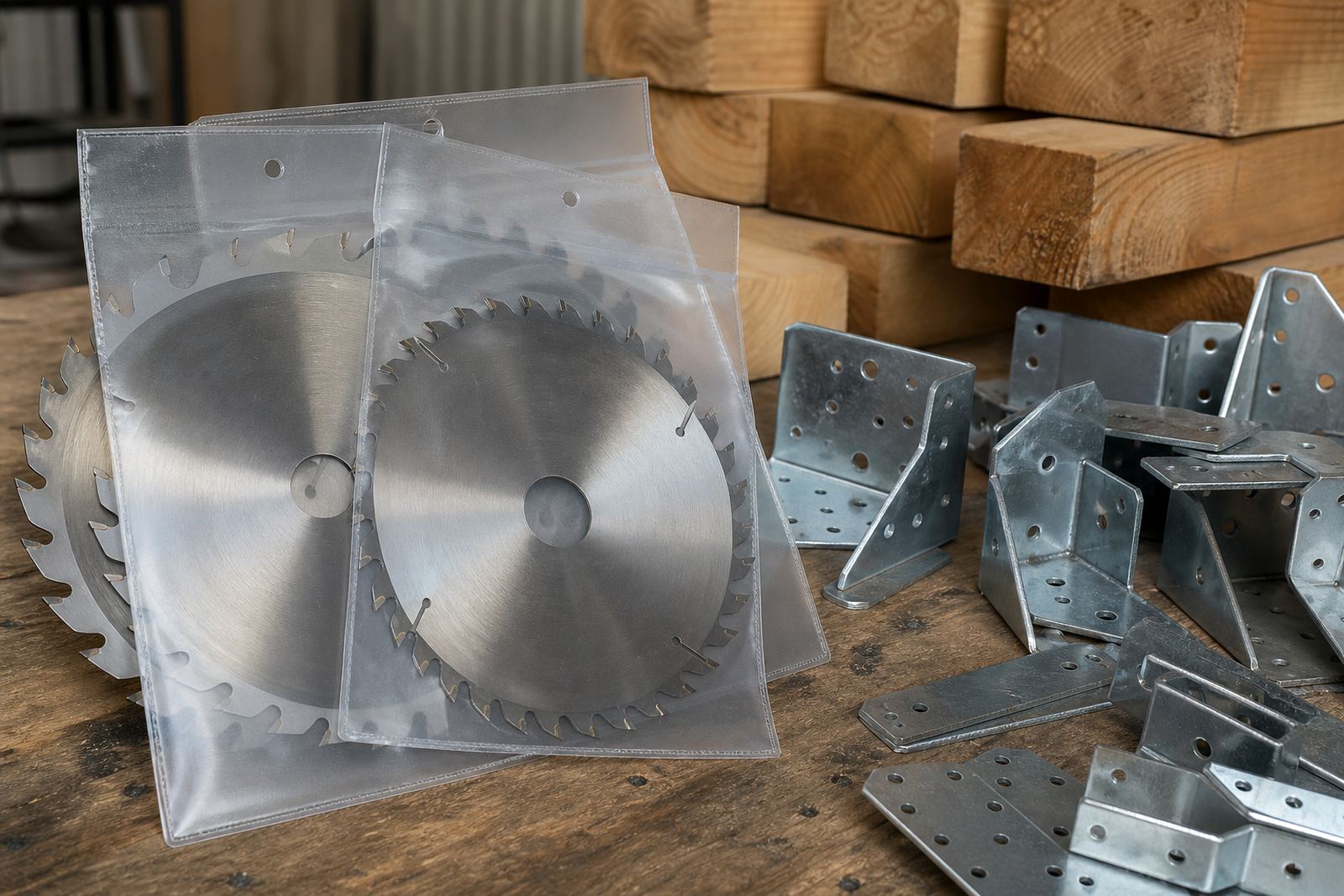
- Store sharpened tools dry and wrapped, not loose in a drawer
- Check for resin build-up after cutting laminated stock
For this project, the client got back cleaner cuts, a more predictable finish and a better handle on tool rotation. That is exactly the kind of outcome we aim for in cabinet work, where a small change at the cutting edge can make a clear difference on the board.
Key facts
| Project location | Pinetown, KwaZulu-Natal |
|---|---|
| Client type | Cabinet workshop handling laminated board and melamine-faced panels |
| Turnaround | 1 week from collection to return |
| Tools serviced | Saw blades, drills and router bits |
| Services used | Sharpening, regrinding, balance checking, angle resetting, batch tagging |
| Collection coverage | Pinetown, Durban, Pietermaritzburg, Johannesburg, Pretoria, Cape Town |