Project brief from a Ballito carpentry crew
The client was a small to medium carpentry team working in Ballito, KwaZulu-Natal, with site work spread between coastal homes and light commercial fit outs. Their main need was simple: get the mitre blades and rip blades cutting properly again so framing could move at a steady pace without burning timber or forcing extra sanding later.
The blades were used daily on site, and the team had noticed slower cuts, visible burn marks, and a fair amount of tear out on pine and treated structural timber. Coastal humidity was not helping, because tools left in a vehicle or storage bay were picking up surface rust quicker than usual. They wanted a practical fix, not a long wait.
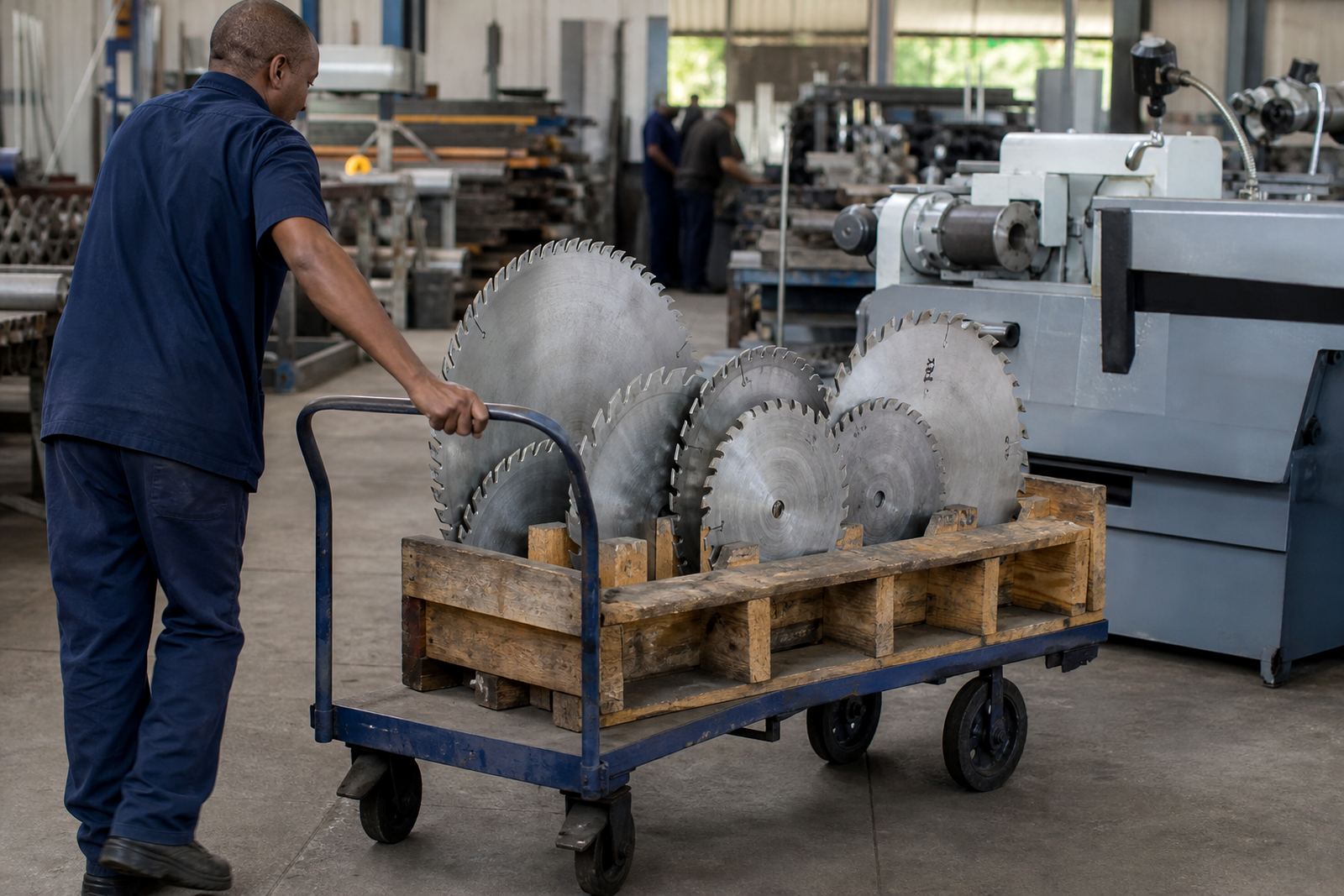
We handled the job from our Pinetown base with courier collection arranged through our contact form. The client sent the blades in a tagged batch so each set could be tracked through sharpening, inspection and return. That made it easier for the foreman to match the right blade to each saw on site.
- Client type: carpentry team handling framing and general site carpentry
- Town: Ballito, KwaZulu-Natal
- Tools: mitre blades and rip blades
- Main issue: slow cutting, burning and rough edge finish
What we found on inspection
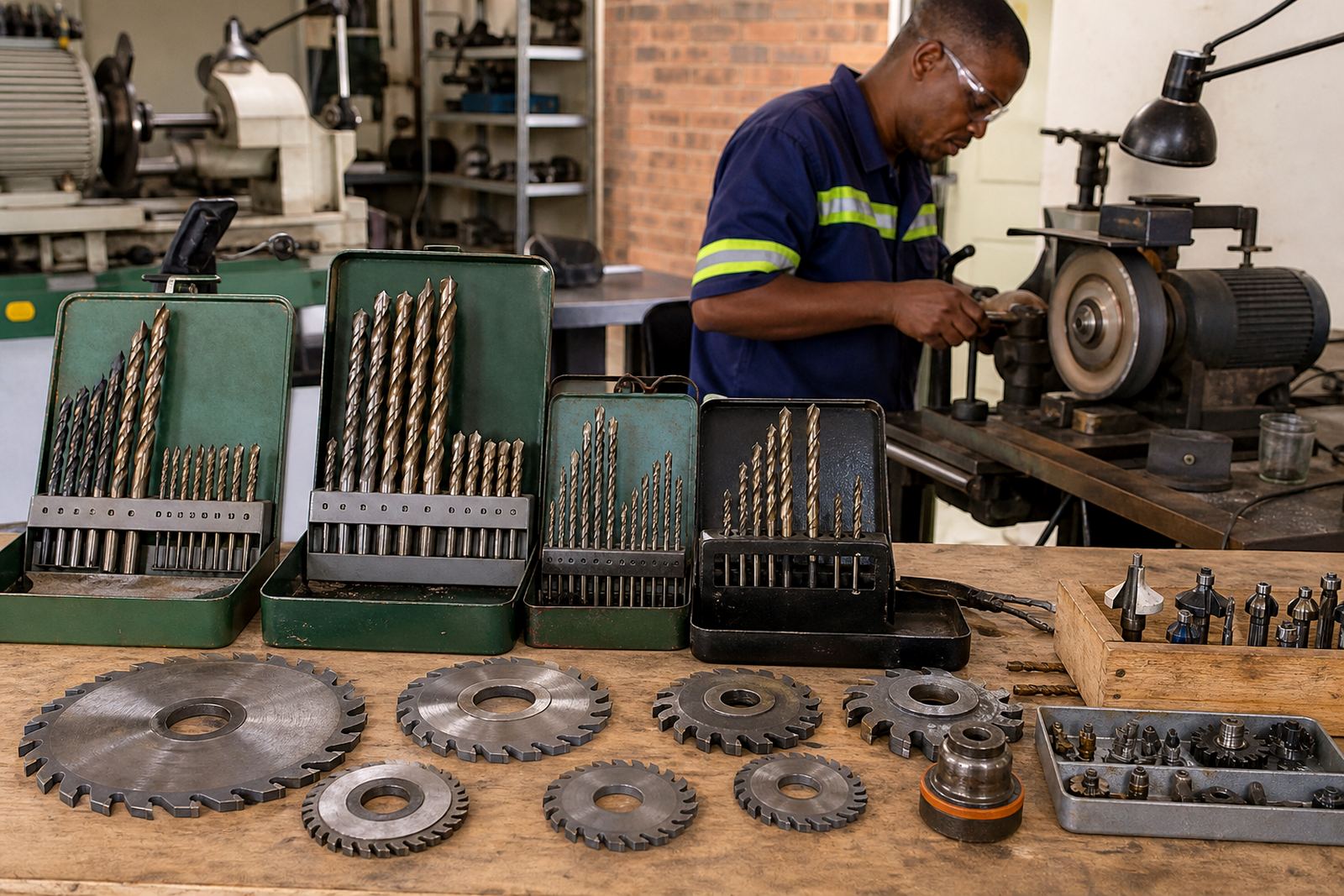
On arrival the blades showed the usual mix of wear from repeated site use. The cutting edges were blunt, several teeth had lost their original profile, and the set was not even across the full circumference. A few teeth also had light chipping from contact with nails and gritty timber. Nothing unusual for a coastal job, but enough to affect speed and finish.
We also checked for balance problems and blade run-out issues. When a blade is even slightly out, the saw starts to labour and the operator feels it in the cut. That leads to heat build-up, more resistance and more strain on the motor. In Ballito, where jobs often need to keep moving before afternoon sea breeze and changing weather hit, that kind of drag costs time.
The brief called for sharpening rather than replacement, as the blades still had good base material left. The aim was to restore the original cutting geometry, remove damaged points where needed and bring the set back into line for clean framing cuts.
- Condition notes: blunt cutting edges, uneven tooth set, minor chipping
- Performance issues: burn marks, slow feed rate, extra resistance
- Service choice: sharpening and regrinding instead of full replacement
Sharpening and regrinding work completed
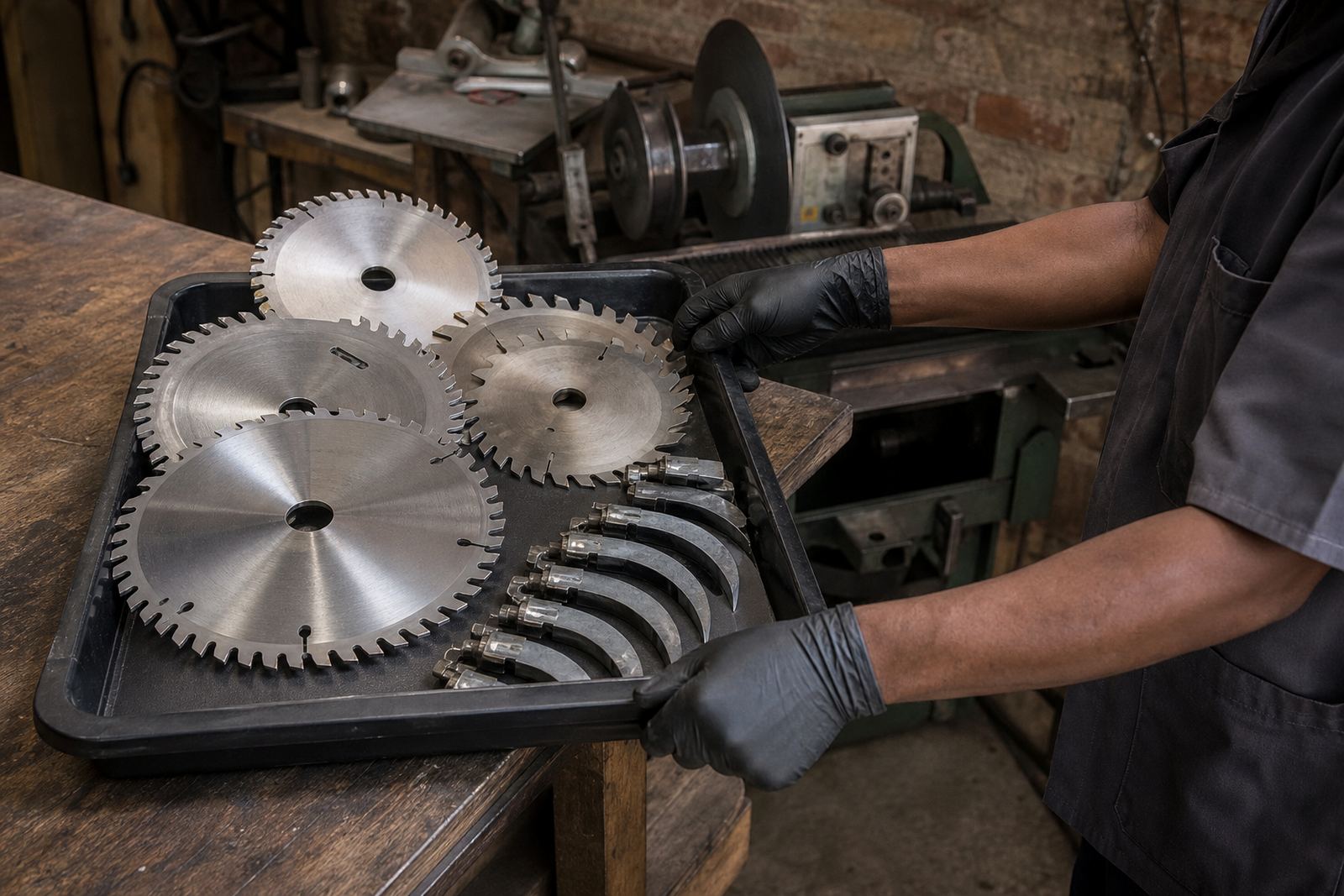
We carried out saw blade sharpening, tooth face grinding and top grinding to restore the edge profile. Where the damaged teeth needed more work, we did chipped edge recovery and angle resetting so the blades could cut straight again. Diameter correction was used only where wear had affected consistency across the blade body.
After grinding, each blade was checked for balance and finish. We also tagged the batch so the client could separate the mitre blades from the rip blades on return. That saves time on site and reduces the chance of fitting the wrong blade for a cut. For a carpentry team working under load-shedding schedules, that sort of order matters quite a bit.
The job was turned around in one week from collection to return, including inspection, sharpening, quality check and dispatch back to Ballito. The client received the blades ready for use and could put them straight back into the rotation.
- Saw blade sharpening for mitre and rip blades
- Tooth face grinding and top grinding
- Angle resetting for restored cutting geometry
- Balance checking before dispatch
- Batch tool tagging for easy site sorting
Timing, collection and site pressure
The client could not afford a long downtime window. Their work was tied to subcontractor deadlines, and a stalled saw can slow down the whole crew, not just the person at the machine. We arranged courier collection from Ballito and kept the handling process simple so the team did not have to waste time packing tools around the workshop.
The turnaround was planned to suit the rhythm of a working carpentry crew. With a one week cycle, the blades were away only long enough to complete the sharpening properly. No rush job shortcuts, but no unnecessary delay either. That balance is important when the next framing package is already lined up.
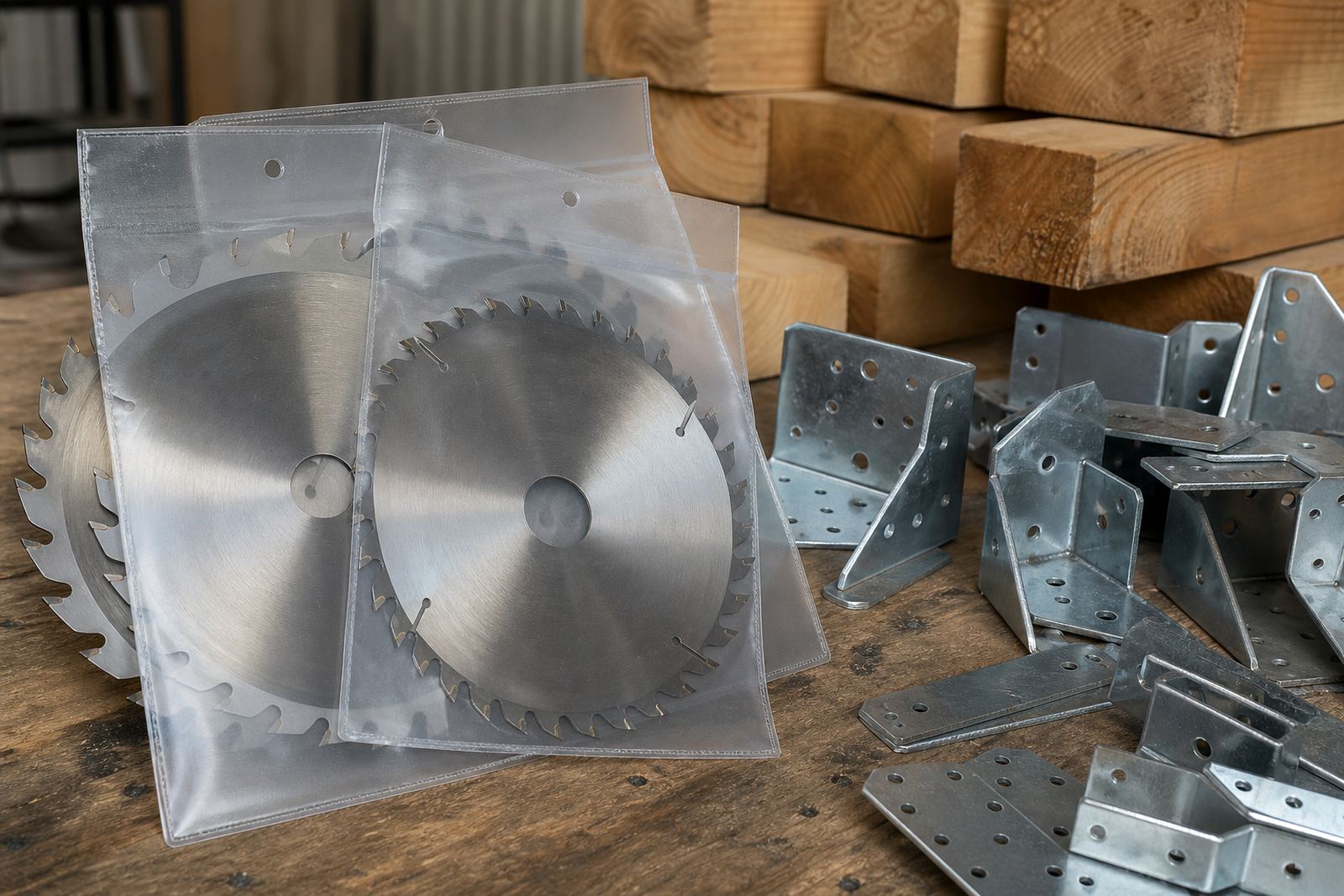
Because the client operates near the coast, we also advised on storage. Clean, dry wrapping after use and keeping blades off damp concrete helps prevent surface staining and keeps the edges in better condition between services.
- Collection: courier arranged through our contact page
- Turnaround: 1 week
- Area served: Ballito with return delivery to site or workshop point
- Storage note: keep blades dry and wrapped after use
Results on the timber and at the saw
Once the blades were back on site the difference was clear. Cuts went through faster, the saws laboured less, and the team reported cleaner edges on framing members. Burn marks were reduced and there was less time spent fixing rough faces before assembly. That is where sharpening pays for itself, not only in the cut but in the work that does not need to be redone afterwards.
The client also had better consistency across the batch. When a set of blades is sharpened together, the operator gets more predictable performance from one tool to the next. For a crew that moves between internal framing, roof work and general site carpentry, that predictability saves time and keeps the job neat.
We often see coastal sites in KwaZulu-Natal fighting the same problems: damp storage, dusty timber and heavy daily use. This Ballito job showed again that regular sharpening is more cost effective than pushing blunt blades until they fail.
- Faster framing cuts
- Less burning on timber edges
- Reduced saw strain
- More consistent blade performance across the set
What we would do again for the same crew
If the same Ballito team came back with another batch, we would follow the same approach: collection, inspection, sharpening, balance check and tagging before return. For jobs with mixed blade wear, we would also separate the set into usable, repairable and replacement candidates before starting work, so the client can plan spend properly.
We would suggest a regular sharpening cycle for the blades used most often on site, especially during busy build periods and wetter months. That helps keep cut quality steady and stops the crew from losing time to heat marks, drag or chipped teeth. A little planned maintenance goes a long way when the site is moving every day.
For this project, the important thing was not fancy talk, just getting the blades back to work. That is exactly what the client needed and it is the kind of result we aim for on every sharpening and regrinding job.
- Recommended approach: regular sharpening cycle during peak site work
- Best practice: separate heavy-use blades from reserve stock
- Planning note: tag batches so each blade returns to the right saw