
Start with the jobs you actually run each week
The first step is to count real work, not hoped-for work. If your workshop cuts boards, plastics, aluminium sections or joinery parts every day, your spare set count should match the busiest week you usually see, not the quiet one.
A simple rule works well: keep one active set on the machine, one spare set ready, and one set out for sharpening if your work depends on that tool every day. For light use, two sets may be enough. For heavier use, three is safer because it gives you room when a cutter chips or comes back with a small adjustment needed.
- Occasional use: 2 sets
- Weekly production use: 3 sets
- Daily or batch work: 3 to 4 sets
Why the return trip from Pinetown matters
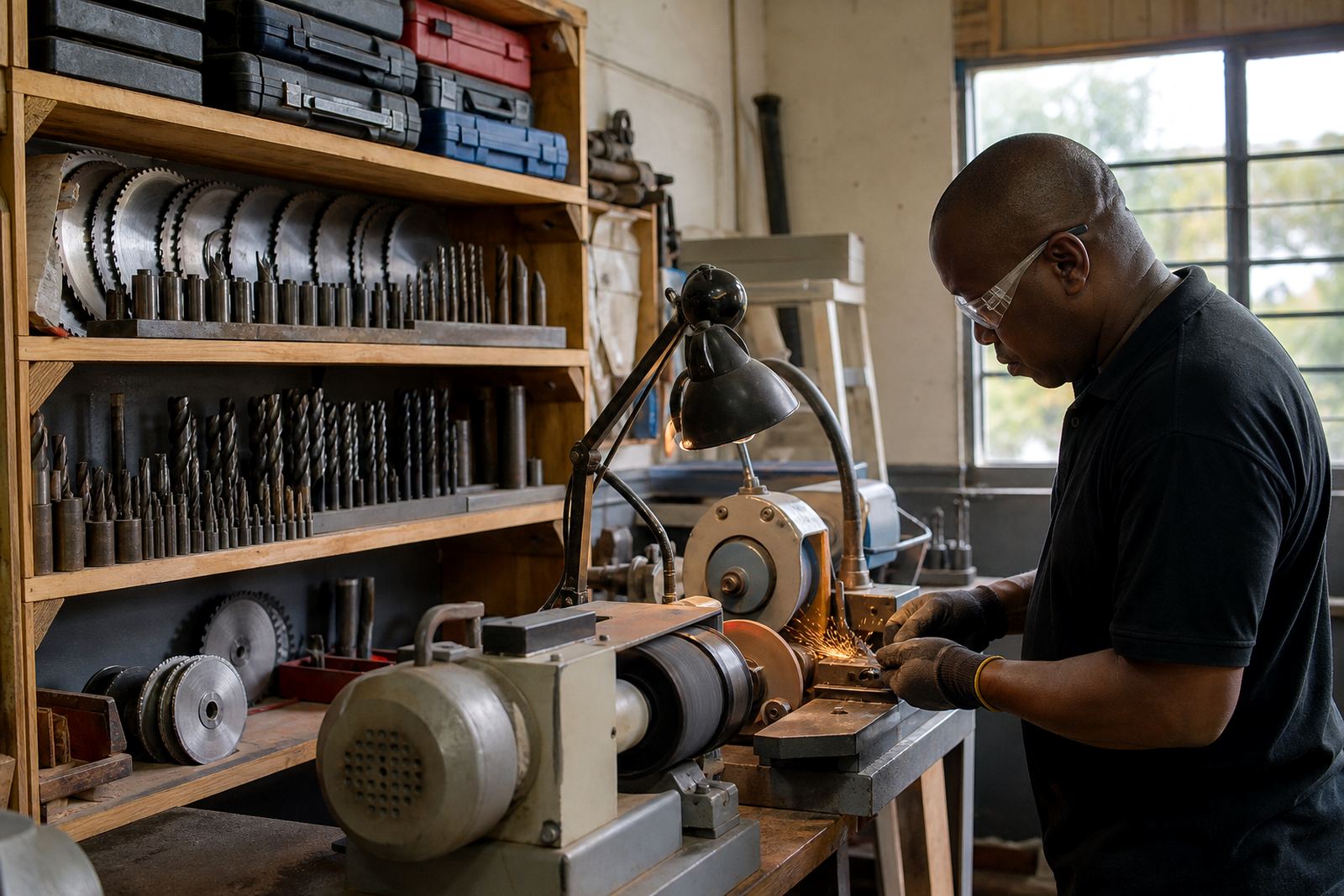
In KwaZulu-Natal and the larger Gauteng and Western Cape routes, the time a cutter spends away from the bench can be longer than the actual sharpening job. Courier collection from Pinetown to Durban, Pietermaritzburg, Johannesburg, Pretoria or Cape Town adds another layer to planning, especially when load-shedding, rain or factory shutdowns slow everything down.
If you are in Westville or Hillcrest you may get tools back quickly, but a small shop in a busy production run can still be caught out by a single missing set. A buffer of one spare set protects you from waiting on collections, and it gives the sharpening team time to check the edge, balance and diameter properly before the tool goes back into service.
Choose spares by cutter type, not only by quantity
Not all cutters fail in the same way, so it helps to build your spare stock by type. Saw blades may need a different spare count from drills or router bits because they wear at different rates and affect different parts of the job. A router bit used on melamine every day will need attention sooner than a drill used for lighter fixing work.
Keep a separate spare count for each important tool group. That way a workshop does not end up with five spare saw blades and no backup router bit when a profile job comes in. It also makes it easier to track wear patterns, since each tool family tells its own story.
- Saw blades: keep at least 2 to 3 on hand if cutting is daily
- Drills: keep 1 spare for each common size you use often
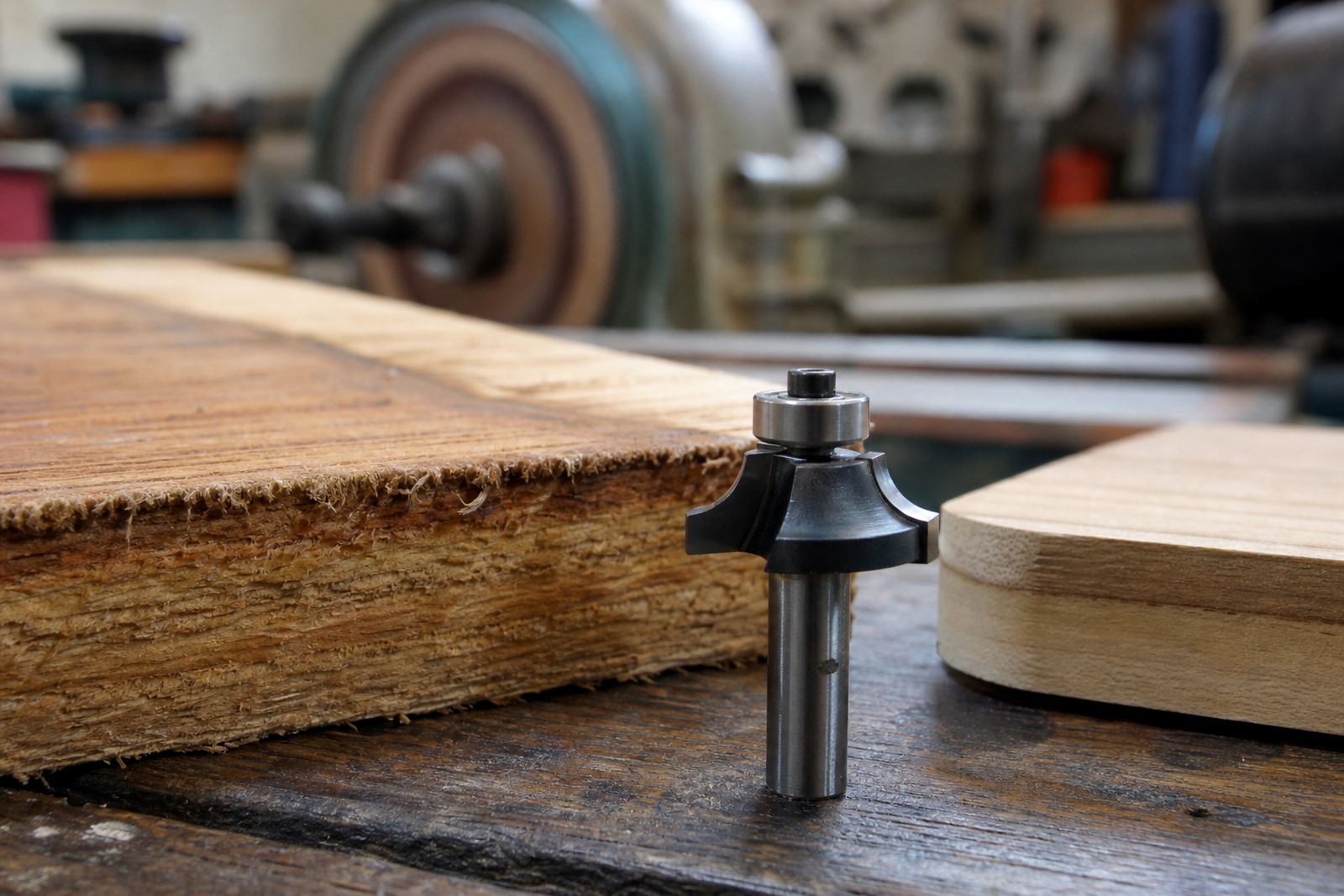
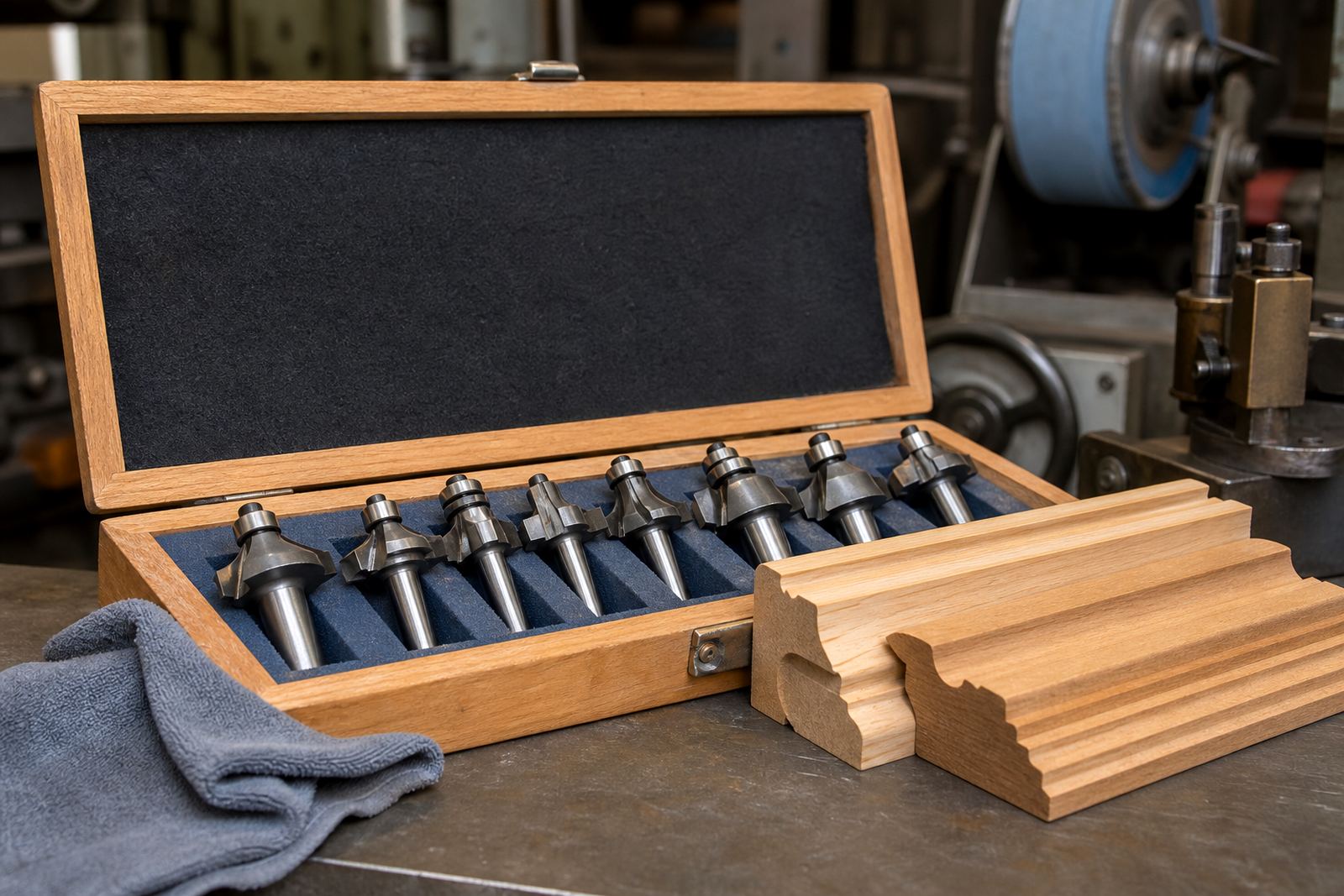
- Router bits: keep 2 if profile work is regular
When one spare is not enough
One spare sounds economical, but it is usually too thin for a workshop that wants steady output. If the spare gets damaged, or returns from sharpening with a diameter correction or angle reset, you have no back-up at all. That can stop work for a full day and push jobs behind schedule.
Small businesses often find that the second spare pays for itself the first time a blade comes back with a chipped edge recovery, burn mark removal or top grinding adjustment. It also helps when the operator needs to swap tools quickly between material types and does not have time to wait for a worn cutter to be serviced.
Build rotation around labels and logging
A spare set only helps if everyone knows which set is active, which is on the shelf and which is at sharpening. Batch tool tagging makes this easier, especially in a workshop with more than one operator. Use a simple written log or tag system so that a cutter does not sit forgotten on a bench for two weeks.
The cleanest rotation is simple: put the fresh set into service, move the dull set to collection, and mark the next due date on the tag. That keeps the workflow steady and prevents duplicate sending. It also helps the team notice patterns, such as one machine wearing tools faster than the others.
- Tag the tool on arrival and on return
- Record the date, machine and job type
- Keep one person responsible for handover
- Review wear after each batch
A Pinetown example that keeps production moving
A small joinery shop in Pinetown that cuts cabinet parts through the week may only need three spare saw blades and two spare router bits to stay comfortable. The active set works while the second set waits on the shelf, and the third set goes out for sharpening before the next busy run. That shop can keep going even if one delivery is delayed by a public holiday or a courier cutoff.
The same approach works for a maker in Durban or a fabricator in Pretoria. Start with a realistic count, then adjust after two or three cycles. If you are always running short, you need another spare. If tools sit unused for months, you have too many and can reduce stock without risking downtime.
A practical number to aim for
For most small workshops, the answer is three sets for the main cutters and one or two spares for less used tools. That usually covers normal wear, sharpening time and the odd surprise chip. It is enough to stay productive without tying up too much cash in unused stock.
If your business runs long shifts, handles urgent work, or serves customers across several towns, treat spare sets as working stock not extra stock. The goal is not to collect cutters, it is to keep machines cutting when work is on the floor and the order book is full.