Why feed speed changes the life of a cutting edge
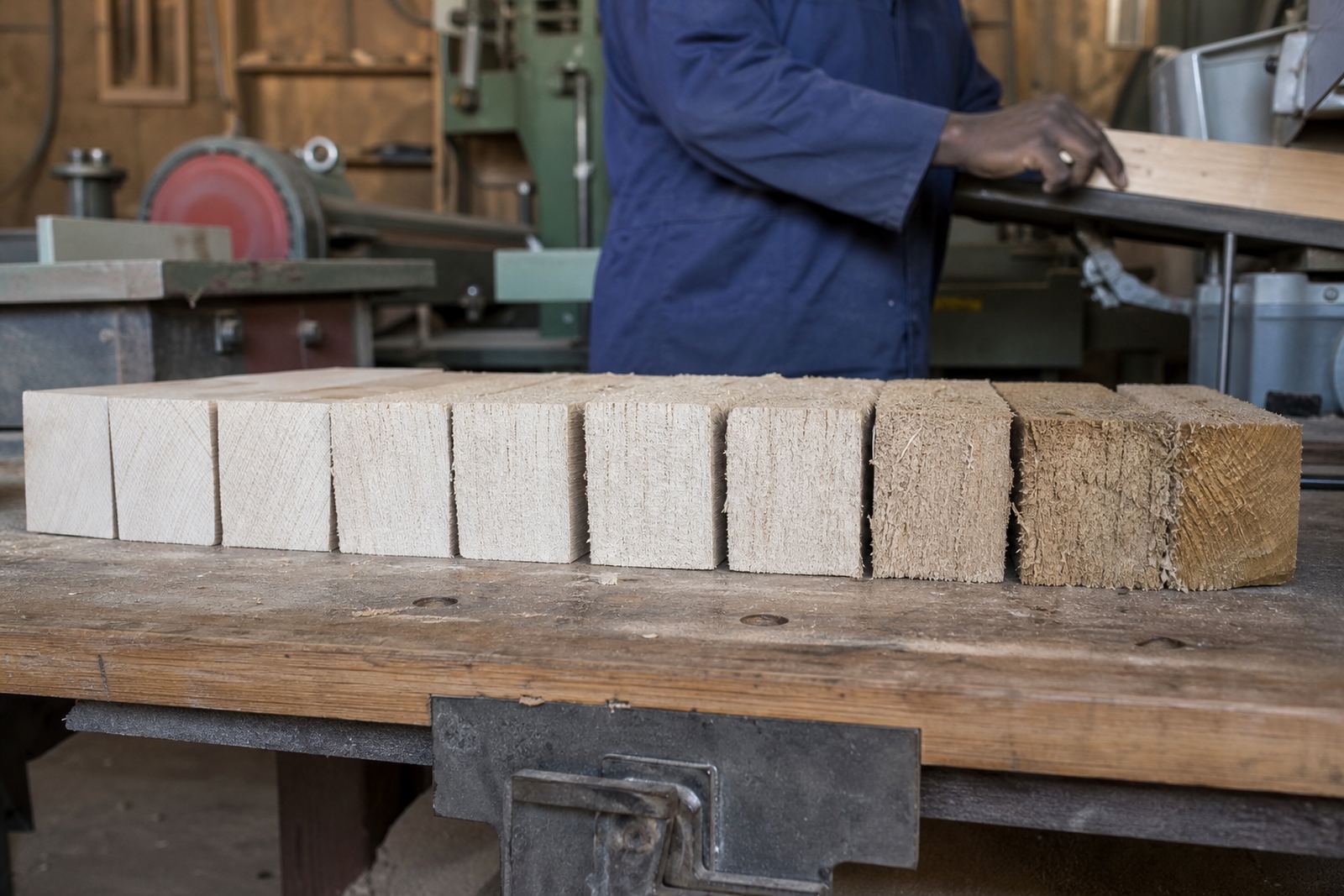
When a blade, drill or router bit is pushed through material too slowly, it tends to rub rather than cut cleanly. That rubbing creates heat, and heat is the enemy of a sharp edge. On the other hand if the feed is too fast, the cutting edge is forced to take a heavier bite than it was ground for, which can lead to chipping, burning and a rougher finish.
The right feed speed helps the cutting edge do what it was made to do. It clears chips properly, keeps the temperature down and reduces the load on the machine. In practical terms that means longer life between sharpening, less rework and less time spent fighting burn marks or torn surfaces.
What we see in Pinetown workshops and job sites
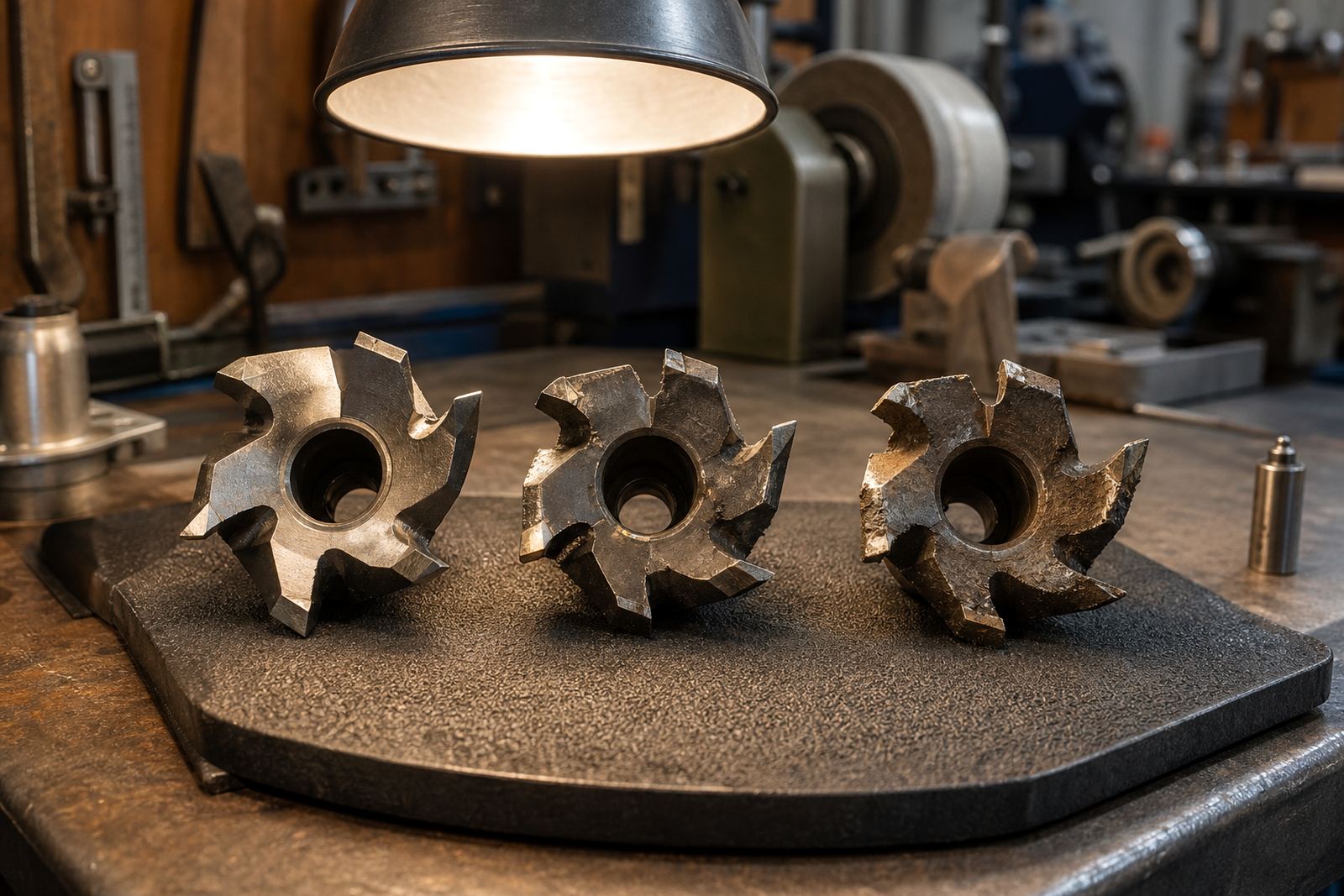
In Pinetown and the wider Durban area, humidity and timber movement can already make cutting work tricky. Add incorrect feed speed and the tool starts to struggle fast. We often see saw blades come in with blueing on the plate, router bits with chipped cutters and drills that have lost their clean cutting point because they were pushed too hard through dense material.
One local cabinet shop in Westville was running batch cuts on laminated boards with a feed that was too cautious. The result was a polished but burnt edge, plus shortened edge life on the saw blades. Once the feed was adjusted to suit the tooth form and motor load, the finish improved and the blades held up better between services. Small change, clear result.
- Slow feed can cause rubbing, heat and early dulling
- Fast feed can cause chatter, chipping and motor strain
- Moist timber and resinous boards need careful control
- Correct feed keeps the cut cooler and more accurate
Signs your feed rate is wrong before the tool fails
Most feed problems show up before the tool is fully blunt. You may hear a change in pitch from the machine, see fine scorch marks on the workpiece or notice the cut starts to wander. With drills, the bit may squeal or leave an oversized hole. With router bits, the edges can look fuzzy instead of clean.
These signs matter because they often point to a process issue rather than a bad tool. A sharp edge can still perform badly if the operator feeds at the wrong pace. That is why we look at the whole cutting pattern during sharpening and regrinding, not just the edge itself.
- Burn marks on timber or board edges
- Chatter marks and vibration
- Chipped corners on saw teeth or router cutters
- Drill points that overheat or drift off line
Matching feed speed to material and tool geometry
There is no single feed setting that works for every job. Harder timbers, laminated board, plastics and mild steel all ask different things from the edge. Tooth count, rake angle, hook angle and clearance all play a part. A finely finished trim cut needs a different feed approach from a rough sizing cut, and the sharpening must suit that purpose.
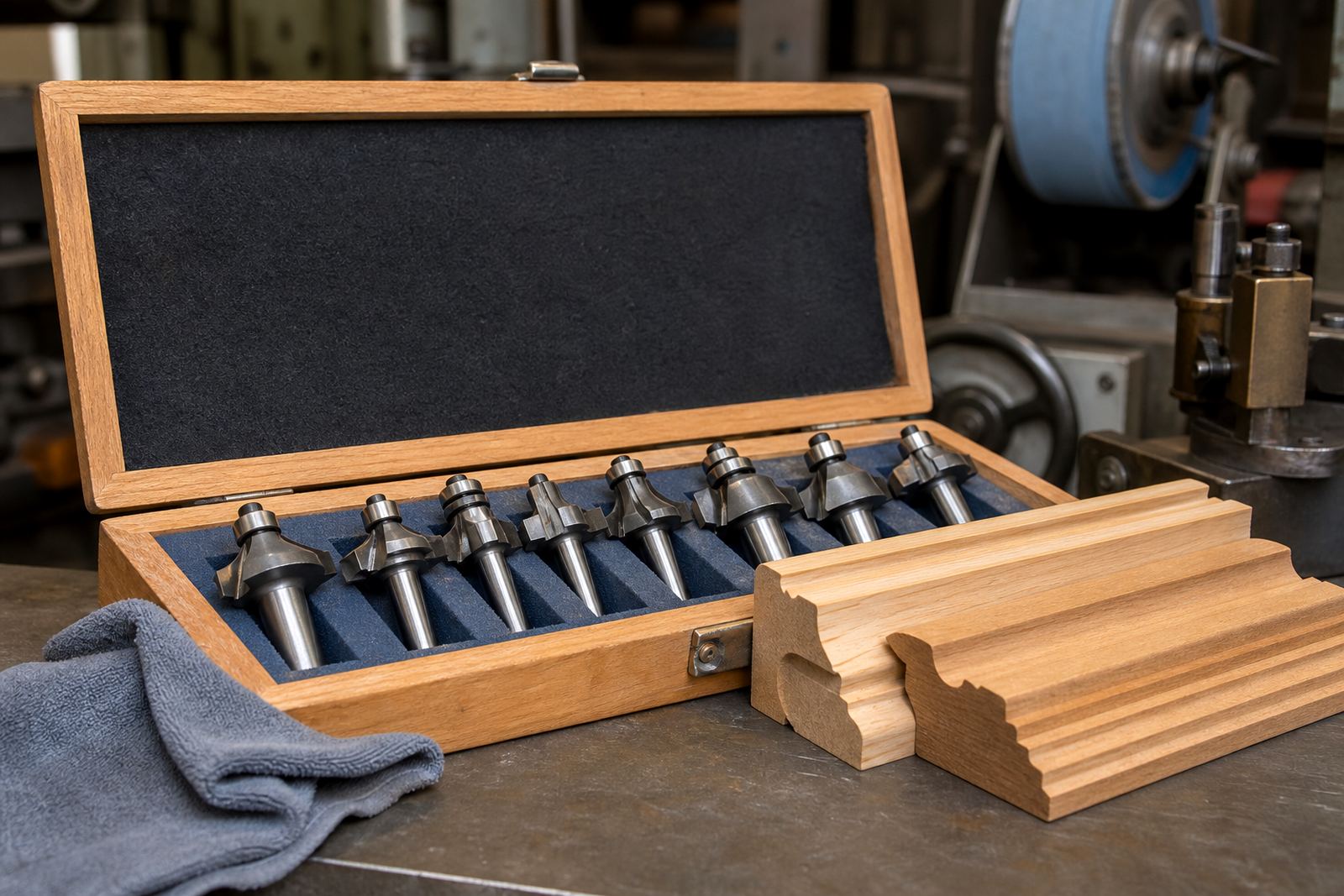
For saws, the wrong feed can make a blade sound fine but cut poorly. For drills, too much pressure can overheat the lips and weaken the point. For router bits, the speed of hand feed matters just as much as spindle speed, because an uneven push can leave ridges and overheat the carbide. The fitter or operator should always work within the tool design, not against it.
- Use slower, controlled feed on harder or brittle materials
- Increase feed carefully when chips are clearing properly
- Do not force a tool that is already showing burn or drag
- Check tooth geometry after repeated regrinding
How sharpening and regrinding support better feed control
A clean sharpening job gives the tool a better starting point, but regrinding is where the feed behaviour can be corrected. If a blade has lost diameter, a drill has an uneven point or a router bit has chipped edges, the cut will not run evenly. That unevenness makes the operator compensate with feed pressure, which usually causes more trouble.
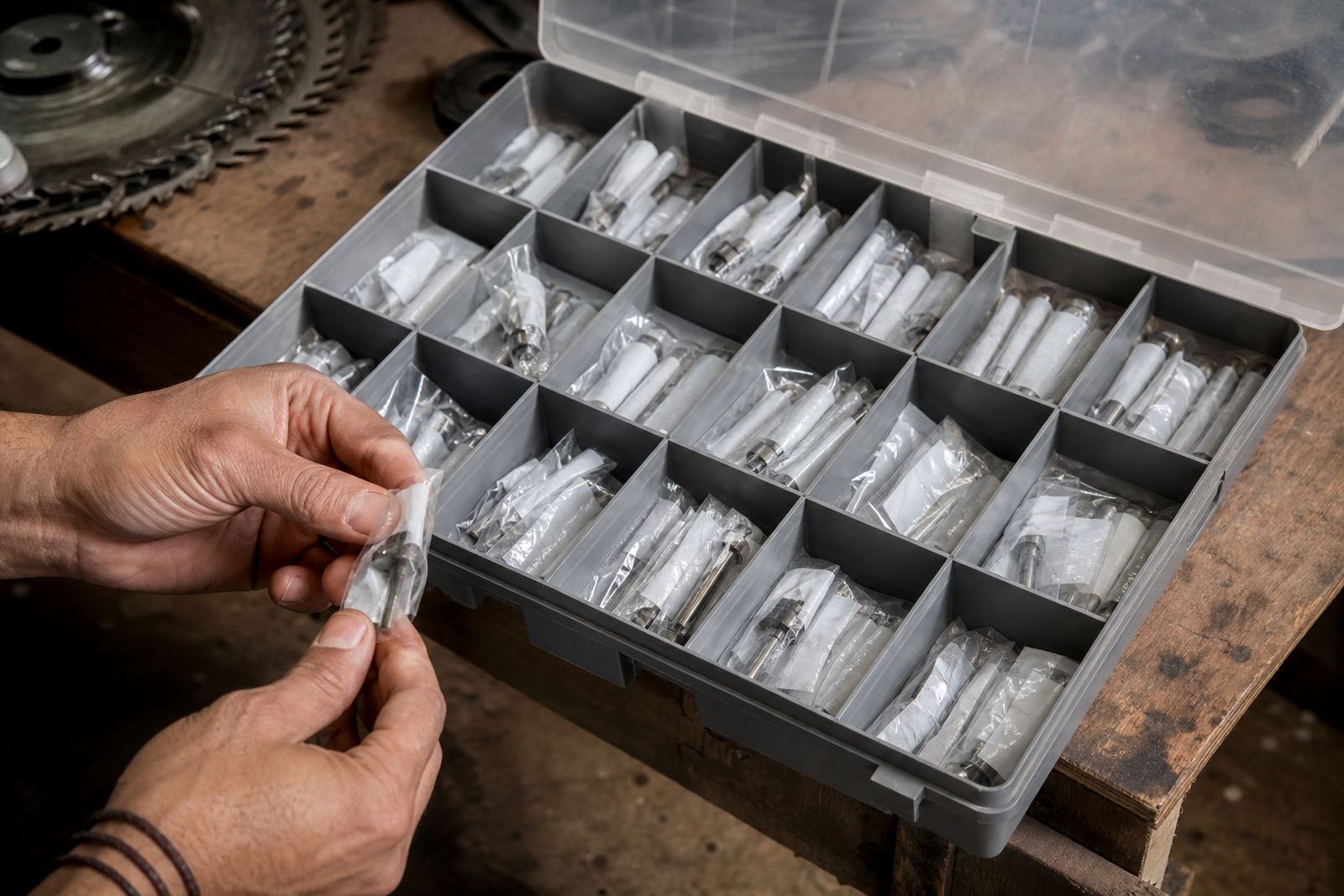
We handle saw blade sharpening, drill sharpening and router bit sharpening, plus tooth face grinding, top grinding, diameter correction, burn mark removal, chipped edge recovery, angle resetting and balance checking. Each of these services helps the tool cut at the pace it was meant to take, instead of forcing the operator to slow down and hope for the best. For batch work we also offer batch tool tagging, so tools returned from the workshop can be tracked properly.
Practical habits that protect edge life on the shop floor
Good feed control starts with simple habits. Keep the material supported, keep the operator posture steady and do not let the blade or bit do all the work at once. In workshops that run through load-shedding, it is tempting to push harder when power comes back and everyone is behind schedule, but that is exactly when feeding becomes rough and mistakes happen.
For better results, use the machine settings and the operator's hand pressure together. If you are doing repeated cuts, stop and check the edge before the tool starts burning material. A small adjustment early can save a full regrind later, and in many cases it means less downtime for the whole workshop.
- Support long stock so the feed stays even
- Do not push through a cut when chips stop clearing
- Clean resin and debris off tools before storage
- Book collection early if tools are getting hot or noisy
Getting tools checked before the next heavy run
If your saws, drills or router bits are cutting hotter than normal, the feed rate may be exposing a deeper problem in the edge. A proper inspection can show whether the issue is wear, poor geometry, imbalance or simple dulling. That is usually cheaper to fix than waiting until the tool burns a workpiece or fails mid-job.
CutTool Sharpening operates from Pinetown and collects tools by courier across South Africa, including Durban, Pietermaritzburg, Johannesburg, Pretoria and Cape Town. Clients in Westville, Hillcrest and surrounding areas also use the same booking process through the enquiry form on our contact page. If you want the next run to cut cleaner and stay cooler, start with the edge and the feed will follow.