Blueing, straw colour and dark patches are warning signs
When a cutting edge starts turning blue, purple or a straw colour, the tool has been running too hot for too long. That colour change is not just cosmetic. It usually means the steel has lost some of its original hardness at the edge, which affects cutting life and accuracy.
On saw blades you may see blue streaks near the teeth or around the body close to the gullets. With drills and router bits, the heat marks often show up on the cutting lip, shank shoulder or behind the flute. If the finish has gone dull or patchy, the tool may already be working harder than it should.
In many workshops around Pinetown and Durban, this starts during long production runs, blunt feed pressure, or when a blade is forced through wet timber. Once the heat builds up, the tool begins to leave a rougher surface and the operator pushes harder, then the cycle gets worse.
- Blue or purple colour on the steel
- Dark marks near the cutting edge
- Loss of shine on the cutting face
- Visible burning on the workpiece
Burn marks on timber usually tell you the edge is struggling
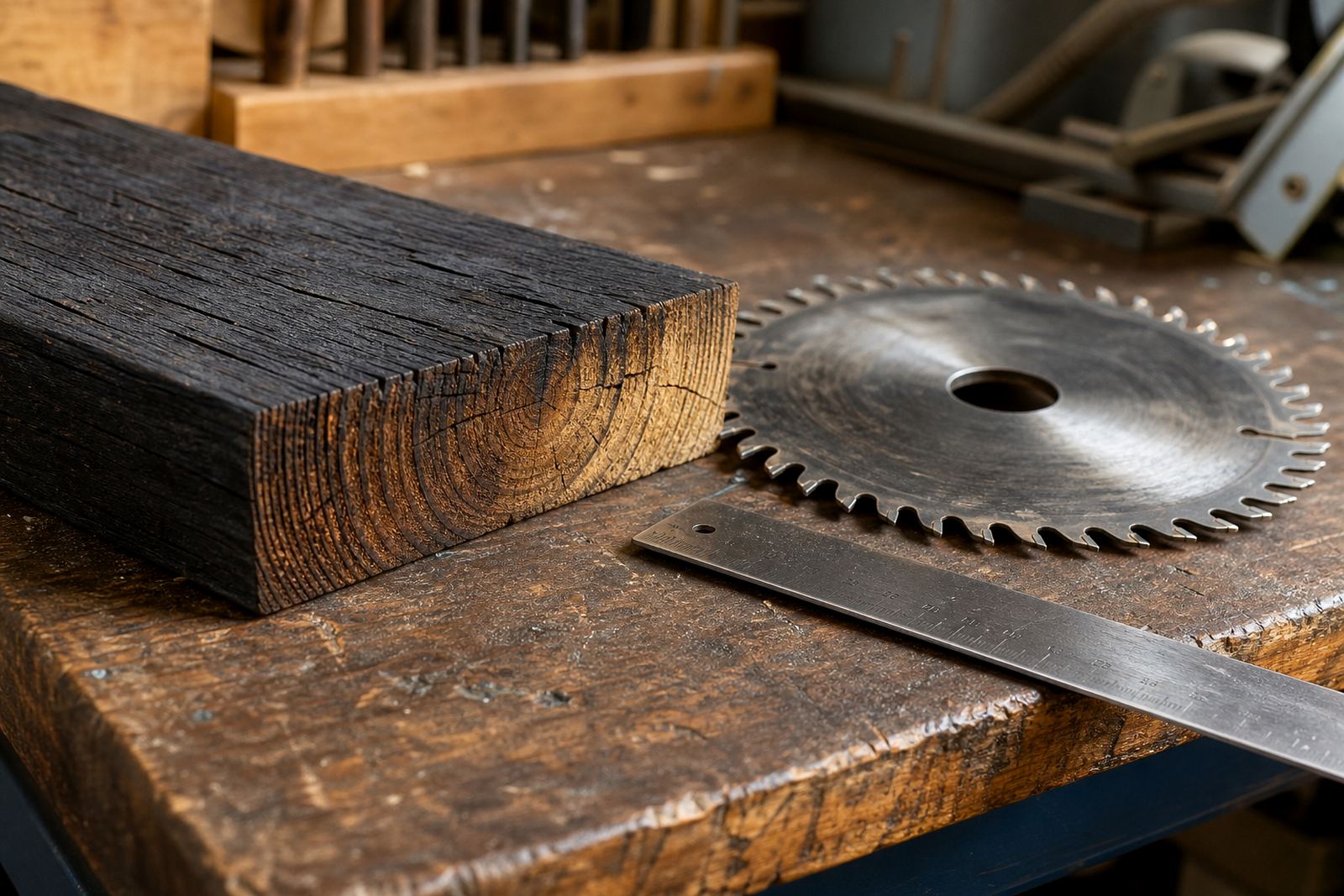
Burn marks are one of the clearest signs that a tool is overheating. On timber, the marks may appear as black lines along the cut, scorched edges on laminated board, or a warm smell while the cut is still in progress. That means the tool is rubbing instead of slicing cleanly.
A saw blade with build-up on the teeth or a router bit with a dull leading edge will create extra friction. The tool then heats the material instead of removing it efficiently. On furniture jobs, cabinetry, or sign work, this can ruin the finish and waste stock, especially when the material is expensive or imported.
Coastal humidity in places like Durban and Cape Town can also make timber behave differently. If a blade is already blunt, the extra moisture and resin in the board can make the cutting load heavier. The result is more heat, more smoke, and more finish problems.
- Black or brown scorch lines along the cut
- Excess smoke or a hot smell
- Rough edges that need extra sanding
- Resin or pitch sticking to the teeth
A rough finish is often a heat problem, not just a sharpness problem
Many people assume a poor finish only means the tool is blunt. That is sometimes true, but overheating can create a different type of damage. The edge may still feel sharp enough by eye, yet the cutting geometry has changed from heat stress or repeated rubbing.
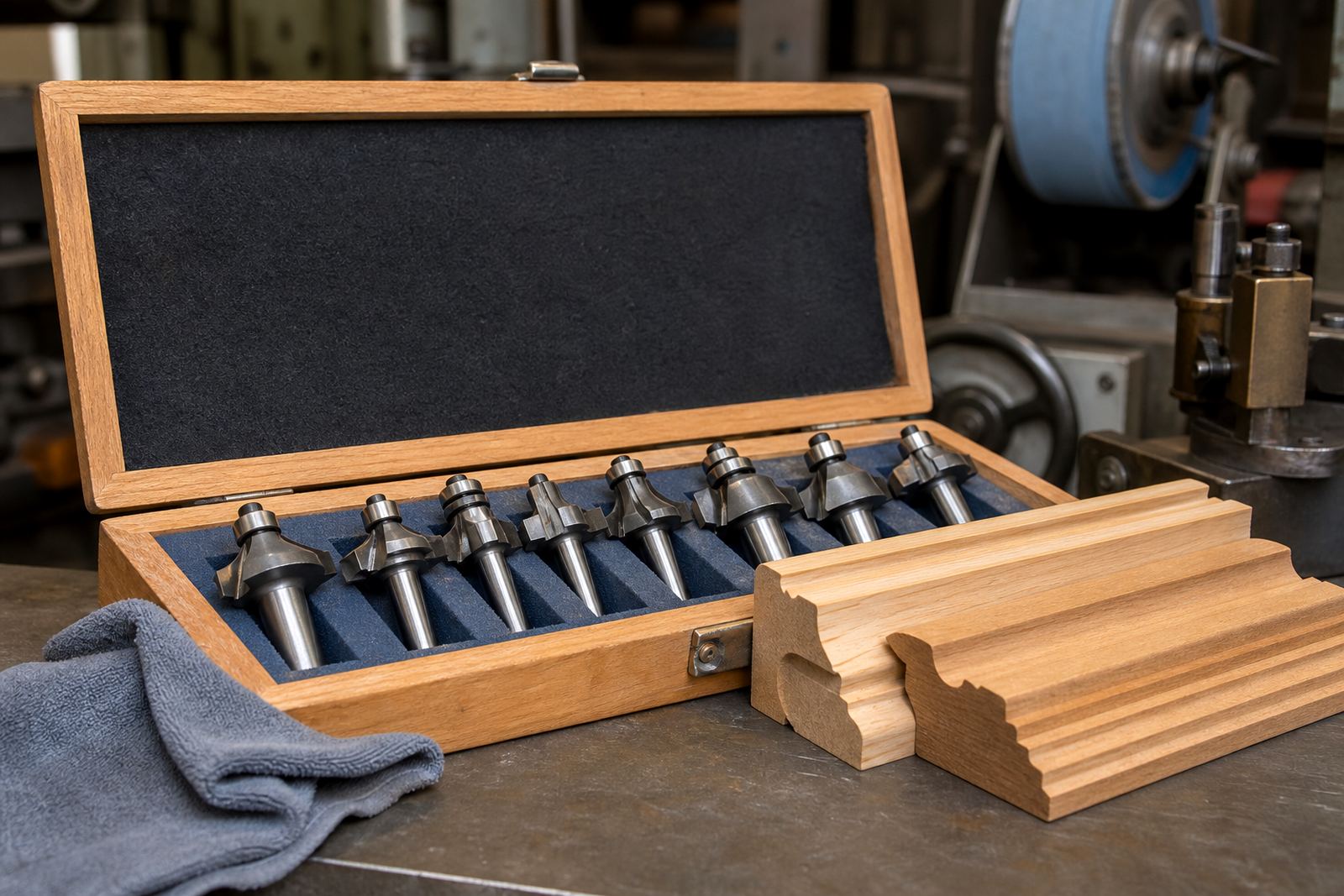
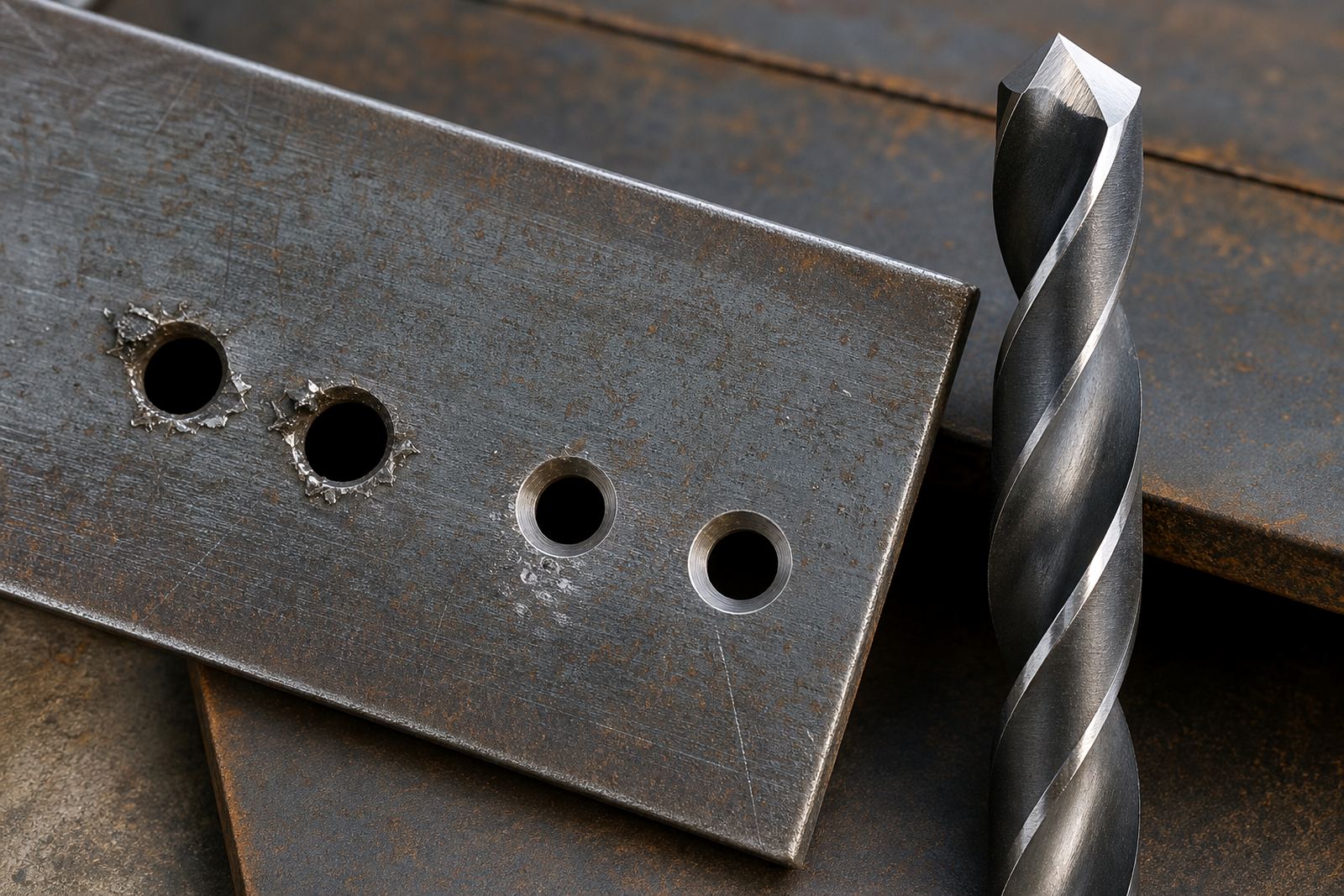
For drills, this often shows as wandering holes, chatter, or a shiny glazed patch instead of a clean cut. For router bits, the profile may leave fuzzy edges on MDF, chipboard or hardwood. Once the tool starts heating unevenly, the cut quality drops fast and the machine has to work harder.
Before a tool is sent for regrinding, check the basics first. A poor feed rate, wrong spindle speed, blocked extraction or a dirty blade can all raise temperatures. But if the edge has already changed colour, it is usually time for professional inspection and regrinding rather than another quick run on the machine.
- Fuzzy or torn edges on board
- Hole walls that look polished or burnt
- Chatter marks or wandering cuts
- Excess vibration from the tool
What causes overheating in a South African workshop
Heat build-up is often a mix of small issues, not one major fault. In busy workshops in Pinetown, Westville and Hillcrest, the common causes are blunt teeth, wrong feed pressure, poor chip clearance and too much continuous cutting without a break. On a warm day, that extra load adds up quickly.
Load-shedding can also play a part. When a workshop loses power and restarts the day in a rush, operators sometimes push harder to make up time. That can overwork saw blades and router bits before anyone notices the edge is getting hot. Smaller businesses in Pretoria, Johannesburg or Pietermaritzburg see the same problem when they try to finish a batch in one stretch.
The main warning is simple: if the tool is making more noise than usual, leaving heat marks, or needing extra force to cut, do not keep pushing it. A small amount of damage at the edge can spread across the whole tooth row if the tool is left in service too long.
- Blunt edges and poor chip clearance
- Wrong speed or feed setting
- Dust extraction problems
- Long cutting runs without a pause
How to check a tool before the damage spreads
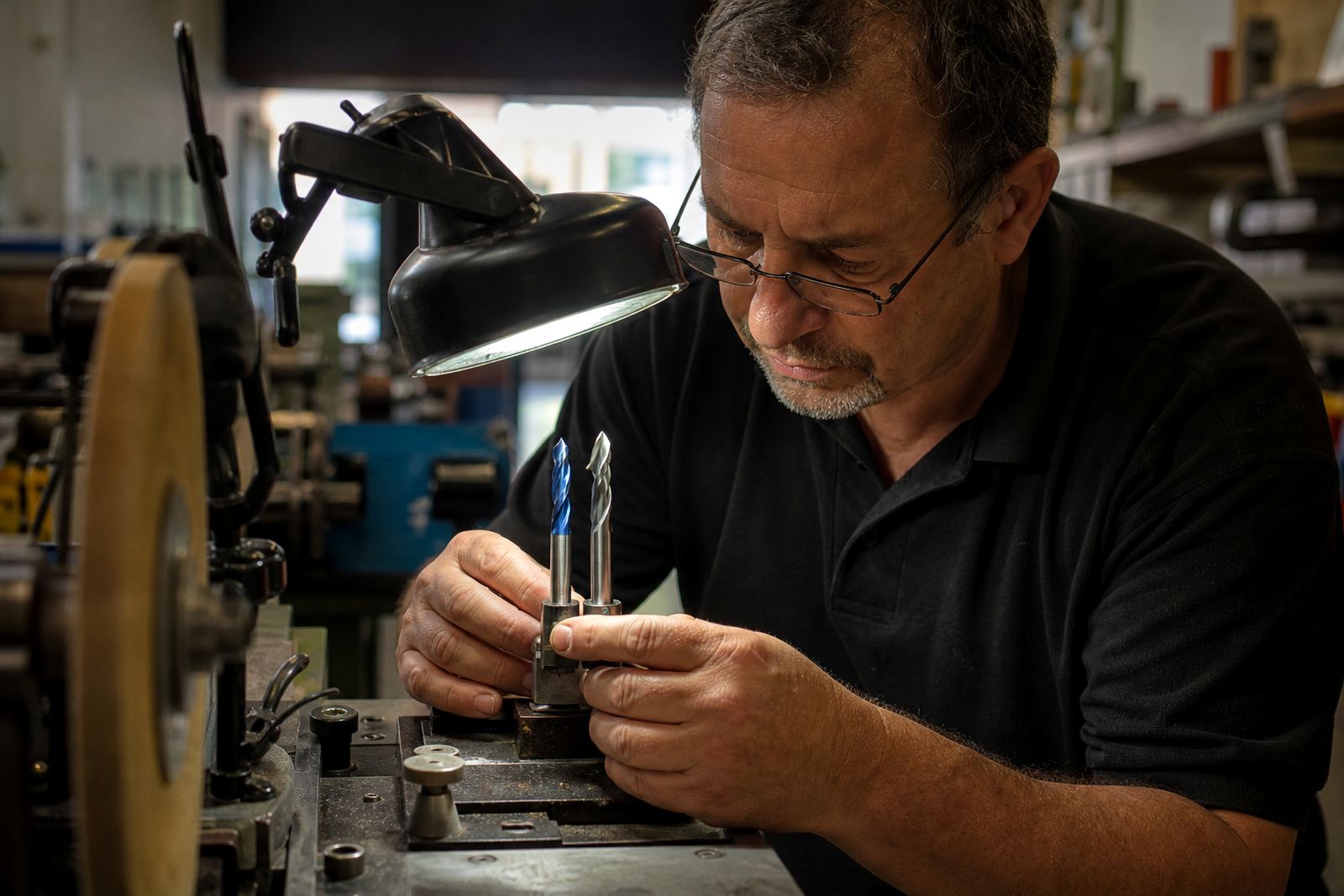
A quick inspection can save a blade, drill or router bit from further wear. Start by looking for colour change, glazing, chipped cutting edges and build-up on the cutting face. Then feel for burrs or rough spots, being careful not to cut yourself. If the tool has lost balance or runs unevenly, overheating may already have affected the body as well as the edge.
It helps to keep tools tagged in batches so you can see which set is causing the problem. That is useful in cabinet shops, joinery yards and maintenance teams where several tools are used in rotation. If one blade keeps returning with the same burn marks, the issue may be the setup or the material, not only the sharpness.
A proper regrind can restore tooth form, correct angles, remove burn marks and check balance. For drills and router bits, that may include top grinding, angle resetting or diameter correction where needed. The aim is to get the tool cutting cleanly again, not just looking neat.
- Inspect the teeth or cutting lips under good light
- Check for discolouration and chip damage
- Test the cut on a scrap piece first
- Separate tools that keep overheating from the rest
When sharpening is not enough and regrinding is the better fix
If a tool has overheated more than once, sharpening alone may not solve the problem. The edge can be uneven, the tooth face may be altered, or the diameter may have shifted slightly after repeated wear. In those cases, regrinding gives a more accurate result and helps the tool run cooler on the next job.
That is especially important for professional users who need repeatable results. A saw blade used on pine today may be put onto hardwood tomorrow, and a router bit that has been overheating in one job can spoil the next batch if it is not corrected properly. For hobbyists too, it is worth fixing the root cause before buying a replacement.
CutTool Sharpening works with clients across Pinetown, Durban, Pietermaritzburg, Johannesburg, Pretoria and Cape Town through courier collection, so damaged tools do not have to sit in the workshop waiting. If you notice blueing, burn marks or a rough finish, stop the job and get the tools checked before the edge stress gets worse.
- Repeated colour change after sharpening
- Uneven cutting after setup changes
- Tools that run hot even on light passes
- Edges that chip soon after use
A simple rule for staying ahead of heat damage
Do not wait for smoke, blue steel or a bad finish before acting. Most overheating starts with a small change in sound, cut quality or temperature, then grows into real damage if the tool stays in service. A quick stop for inspection is cheaper than replacing stock, wasting time or forcing a machine to do the work of a dull edge.
For workshops in KwaZulu-Natal and beyond, the safest habit is to watch the cut, not only the tool. If the material is burning, the edge is already asking for help. Keep tools clean, check them often and send them for sharpening or regrinding before the heat changes the steel.
That small bit of discipline saves time, money and a lot of frustration.