Why a drill bit walks as soon as it bites
Drill wandering happens when the cutting edges do not meet the material evenly. One lip starts cutting harder than the other, so the bit pulls to the side instead of forming a clean pilot point. On steel, timber, aluminium or plastic, that off-centre start can turn a neat mark into a hole that is too large, angled or badly placed.
Common causes include a blunt chisel edge, uneven lip length, a point angle that no longer suits the material, and heat damage from too much speed or pressure. A bit can also wander after the tip has been dropped on a concrete floor or bumped in a tool box. Even a small chip on one cutting edge will change the way the bit enters, and the operator often blames the drill before checking the bit.
Signs the bit needs sharpening or regrinding
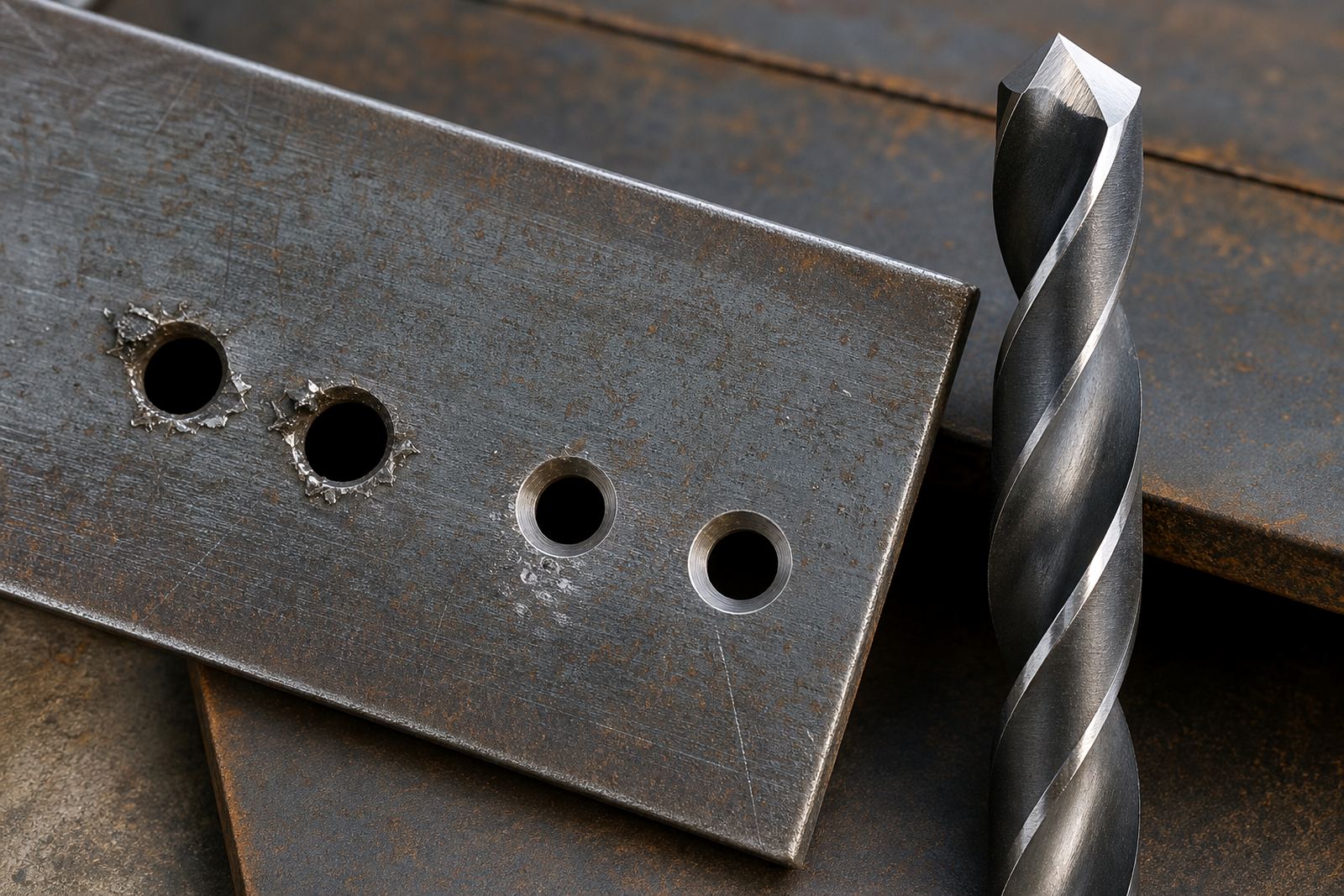
You can usually spot a wandering drill before it fails completely. It will squeal at the start, need extra pressure, leave a rough rim, or make one side of the hole look burnt and the other side clean. If you need to keep moving the workpiece just to hold the mark, the bit is telling you something.
- The point takes too long to bite on the centre punch mark
- One lip looks shorter, flatter or shinier than the other
- The bit leaves a tapered or oval entry rather than a round start
- It heats up fast and throws fine dust instead of clear chips
- It breaks through on one side before the other side cuts
In workshop work, these signs often show up on the same batch of drills. If one bit is wandering, the others may already be at the same stage, just not as obvious yet.
What sharpening can correct and what it cannot
Sharpening can correct the edge geometry that causes a drill to drift. A proper regrind restores the cutting lips to equal length, resets the point angle, and balances the chisel edge so the bit enters more cleanly. For many general purpose bits, that is enough to bring the point back into line and reduce the side pull that causes wandering.
It can also help when a bit has a small chip, a burnt lip, or damage from drilling through mixed material. Regrinding removes tired metal and gives both lips a fresh cutting face. In some cases diameter correction is needed too, especially where the tip has worn unevenly from repeated resharpening. That said, sharpening cannot save every bit. If the shank is bent, the flute is cracked, or the bit has lost too much size, replacement may be the practical answer.
How the point angle and lip balance affect accuracy
Drill point geometry matters more than many users think. A standard general purpose point will behave differently to a point set for harder steel or for softer timber. If the angle is too blunt for the job, the bit may skate before it bites. If it is too sharp, it can grab too aggressively and move off line. The same happens when the lips are not matched, because one side starts doing more work than the other.
- Equal lip length helps the bit cut in the centre
- A balanced chisel edge reduces push-off at the start
- The correct point angle improves entry on the right material
- Clean relief behind the edge stops rubbing and heat build-up
A workshop in Pinetown might see this after a batch of holes in plate steel and timber skirting on the same job. The steel needs one setup, the timber another, and using the wrong point shape can make the drill behave badly even when the machine is fine.
Workshop habits that make wandering worse
Many wandering problems start before the bit even touches the job. A blunt centre punch mark, no pilot hole, too much speed, and a wandering wrist all add to the problem. If the workpiece is not clamped properly, the bit can move the material instead of cutting it. That is common on site work in Durban and Pietermaritzburg, where light fabrication jobs, gate repairs and odd timber fixes often get done quickly under pressure.
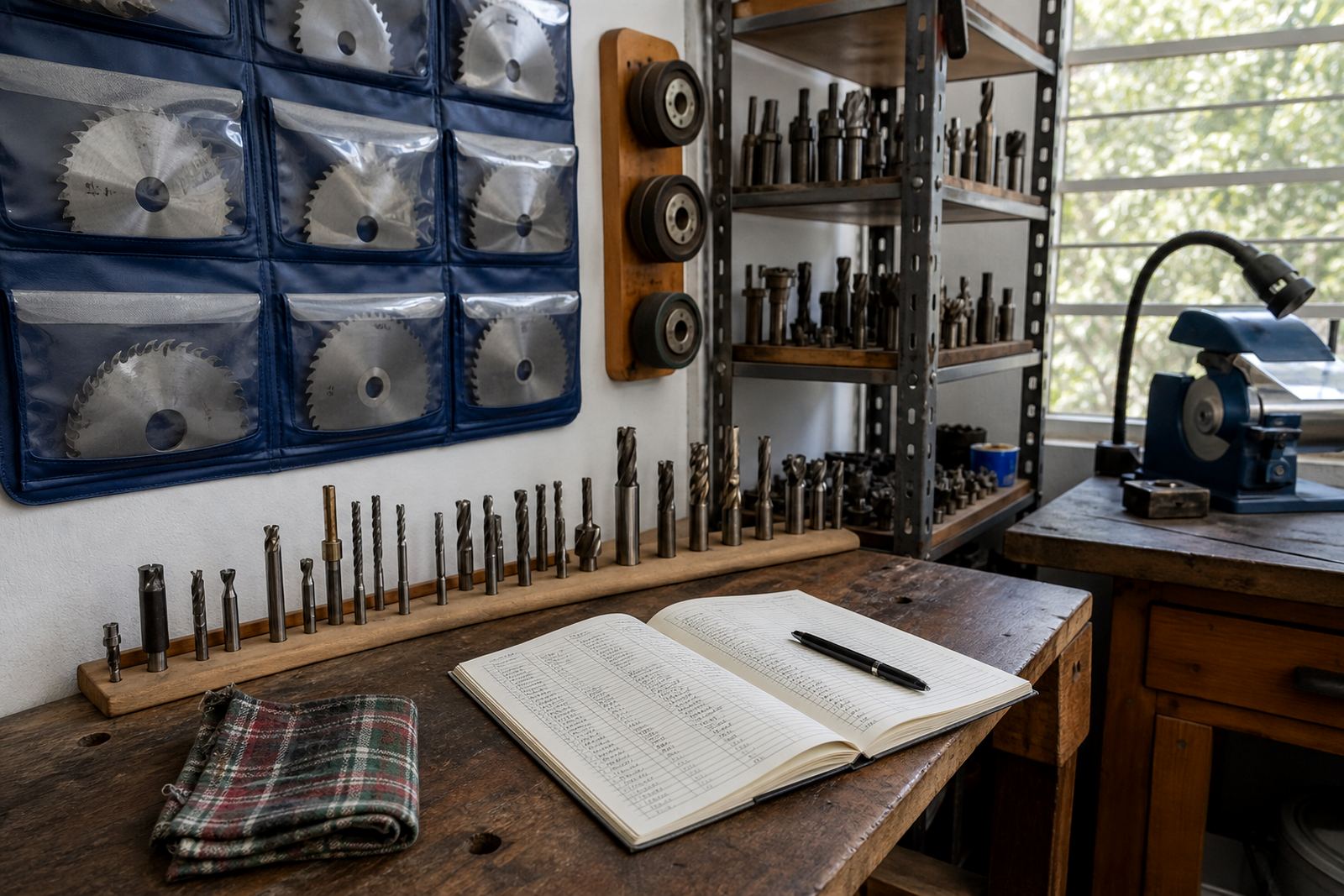
Heat is another factor. When a drill is run too fast, especially in thicker mild steel, the tip discolours and the edge softens. Once that happens, the bit no longer stays on the mark. Coastal humidity in places like Durban can also leave light surface corrosion on stored bits, and that tiny rust film is enough to affect the first bite. Keep bits dry, sorted by size, and checked before use, not after the hole has gone wrong.
When to send the bits for collection and regrinding
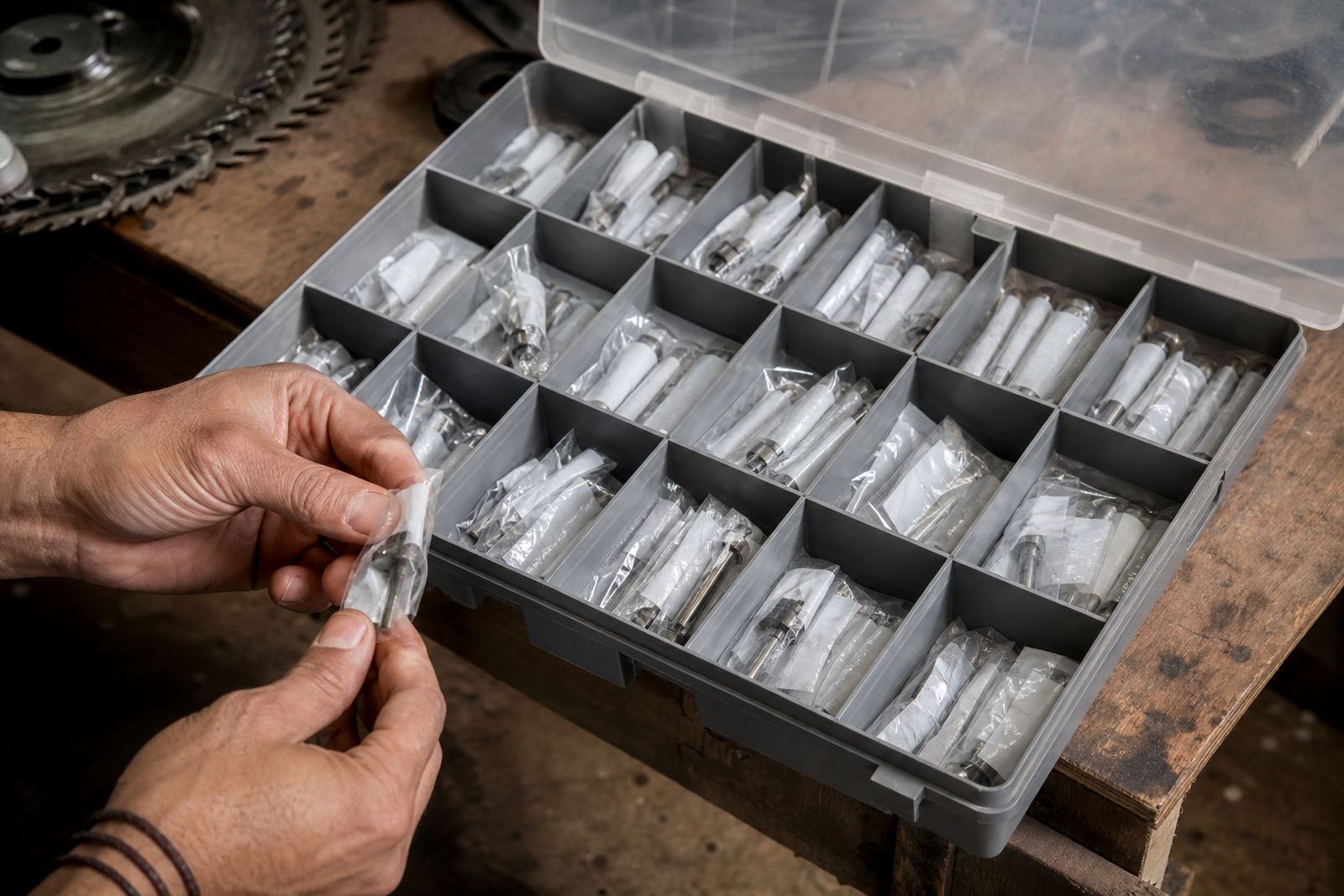
If a set of drills starts wandering across different jobs, it is usually worth sending them in as a batch. That keeps the sizes grouped, makes testing easier, and helps with batch tool tagging when the set comes back. For firms working from Johannesburg, Pretoria, Cape Town, Westville, Hillcrest and the greater Durban area, courier collection is a practical option when the workshop cannot spare time for drop-off.
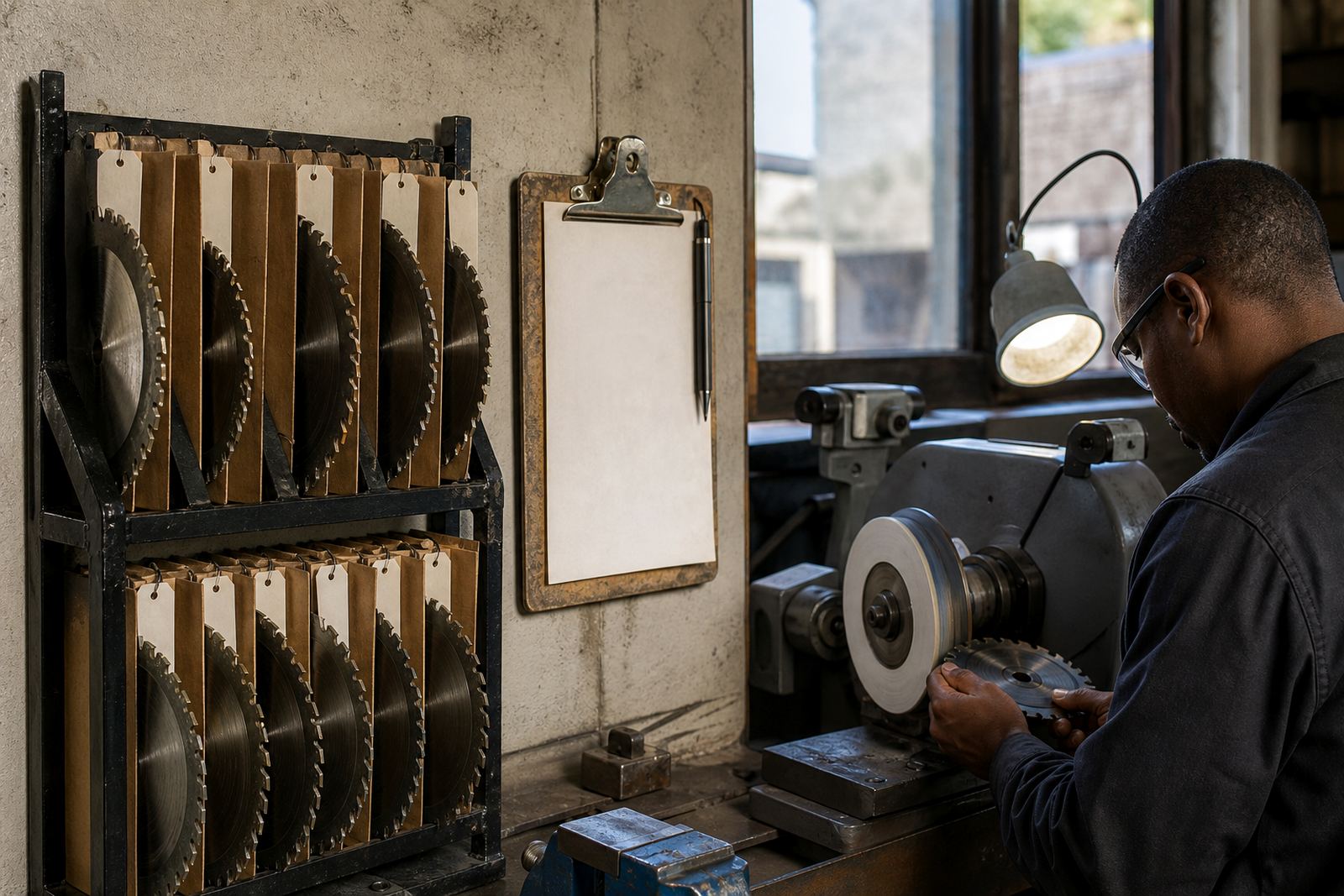
CutTool Sharpening handles drill sharpening and regrinding from Pinetown, with courier collection arranged for clients across South Africa. For hobby users, that might be a small box of wood bits and metal bits. For professional workshops, it may be a larger mixed batch that needs lip correction, angle resetting, and balance checking before the next production run. If the bit is starting off-centre, getting it checked early can save a lot of scrap and rework.
Simple checks before the next hole
Before you drill the next hole, check the point under good light. Look for equal lips, a clean centre, and no chip on either edge. Try a firm centre punch, keep the work clamped, and let the bit cut at the right speed for the material. If it still walks, the issue is likely in the geometry, not the operator.
Good sharpening does more than make a bit look neat. It restores the balance that helps the drill start where you marked it, and that is what saves time on site or in the workshop. A correctly reground bit should feel calmer in the hand, cut straighter, and leave less heat behind. That small change can make the difference between a quick job and a wasted panel.