Why Small Workshops Need a Set Sharpening Routine
If you run a joinery shop, repair bench or light manufacturing space, tools usually get used by whoever is free that day. That works until a saw blade starts burning timber, a drill wanders off line, or a router bit leaves a rough edge that needs rework. In a small team, tool care often slips because no one is appointed to watch it full time, so a routine has to be simple and practical.
In Pinetown and nearby areas like Westville and Hillcrest, many workshops also deal with humidity, dust and power cuts that interrupt the usual rhythm. Blades and bits left in a damp corner can start corroding faster than expected, especially if they are packed away after a long shift. A planned sharpening cycle helps prevent that build up. It also makes it easier to budget, because you can service tools before they fail, not after they have damaged stock.
Build a Weekly Check That Takes Ten Minutes
You do not need a complicated system. Set one short check every week, or at least every second week if the workshop is small. The point is to look for signs of wear before they become expensive. Assign one person to do the check, even if that person changes each month.
- Look for burn marks on timber or plastic, which often points to a dull saw blade.
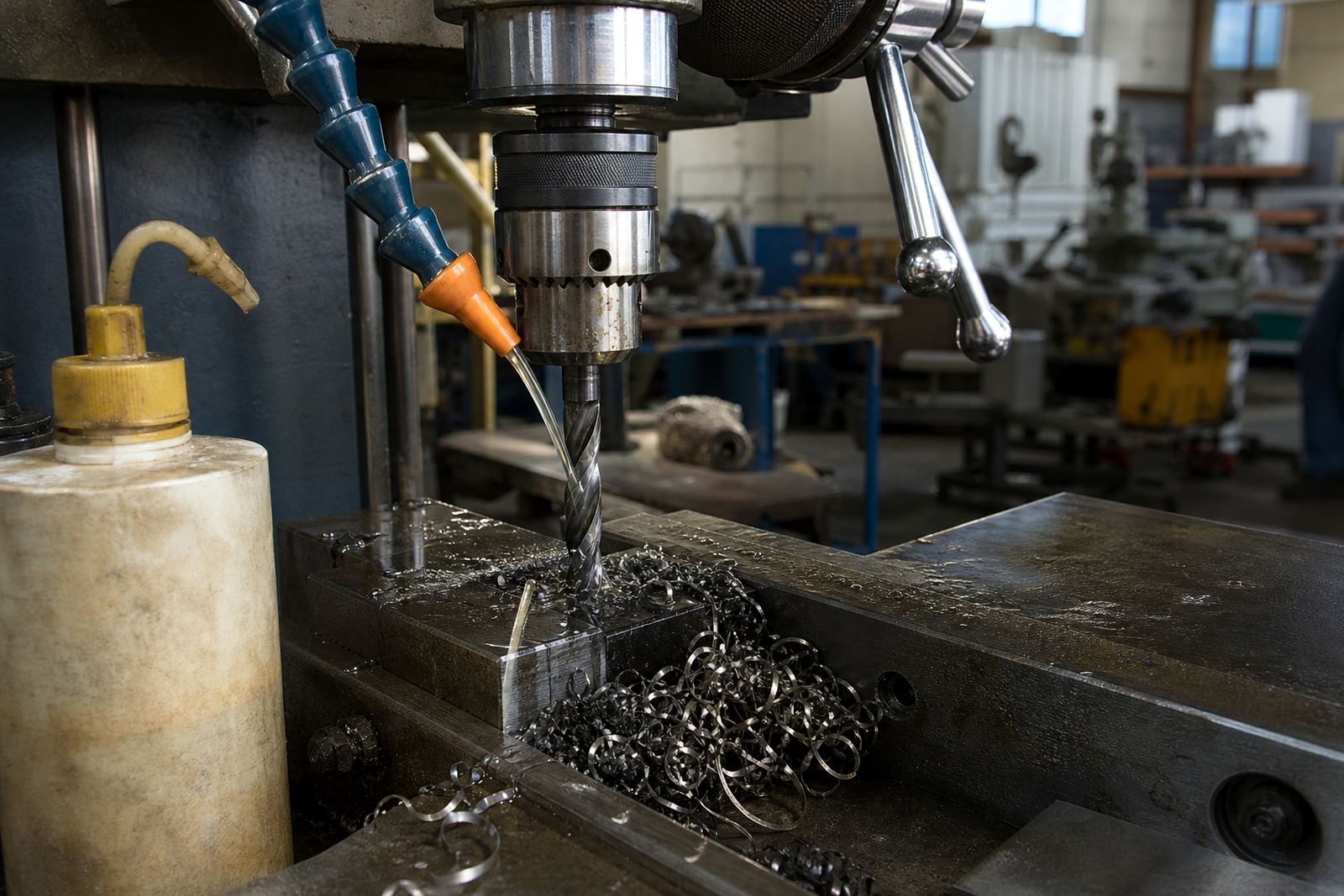
- Check drill bits for blunting, chipping or wobble in the holder.
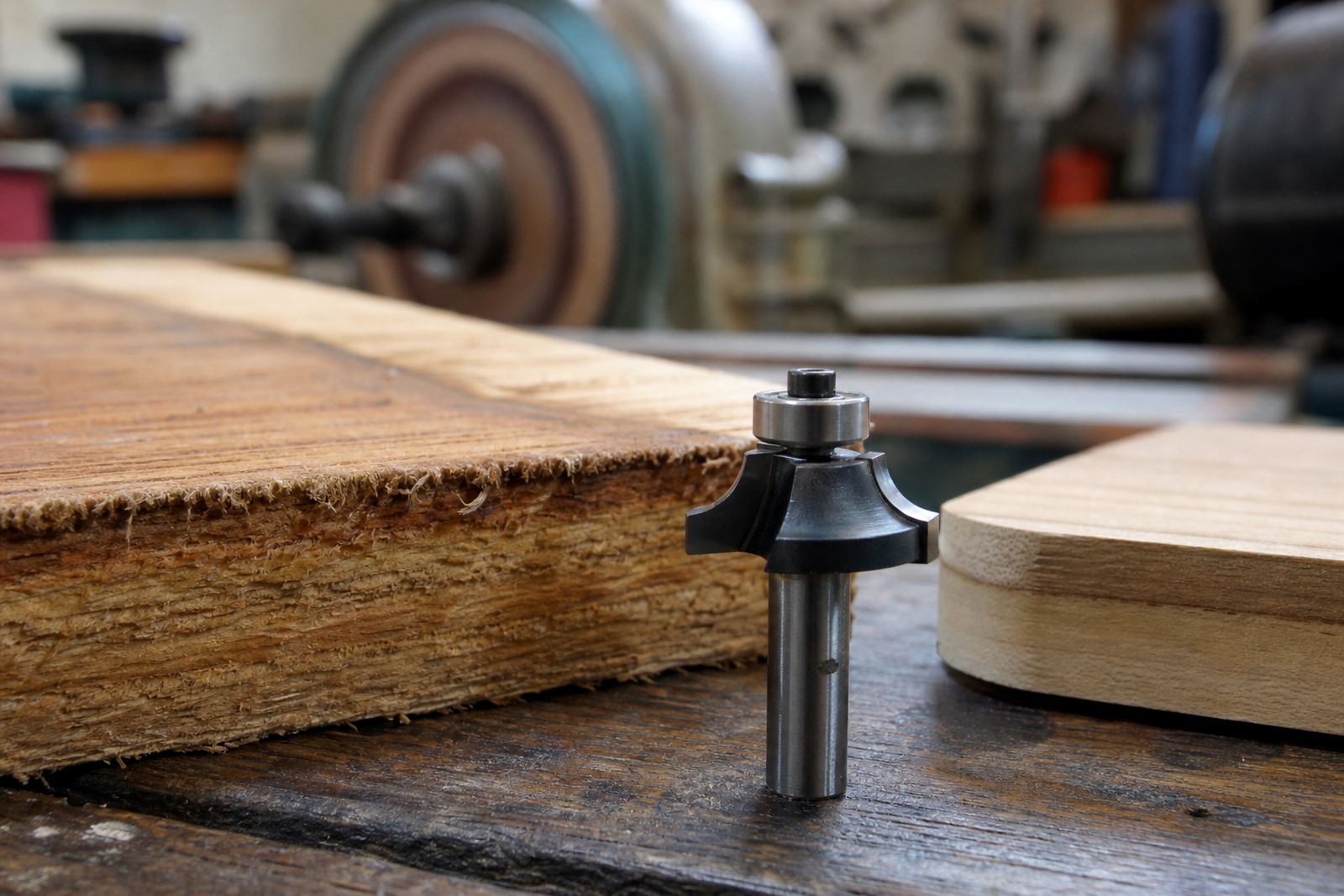
- Inspect router bits for resin build up, edge damage and uneven cutting.
- Set aside any tool that is cutting rough, slow, or making the operator push harder than usual.
- Tag the problem tools straight away so they do not go back into rotation by mistake.
A quick check like this stops the usual “it will do one more job” habit. That habit costs more in the long run, because material damage and extra machine strain add up faster than a sharpening charge.
What To Send for Sharpening, and What To Keep On Site
Compact businesses should not send every cutter away at once unless they have a full back up set. The better approach is to keep a working stock on site and rotate tools through a sharpening cycle. That way, production can carry on while one set is away for service.
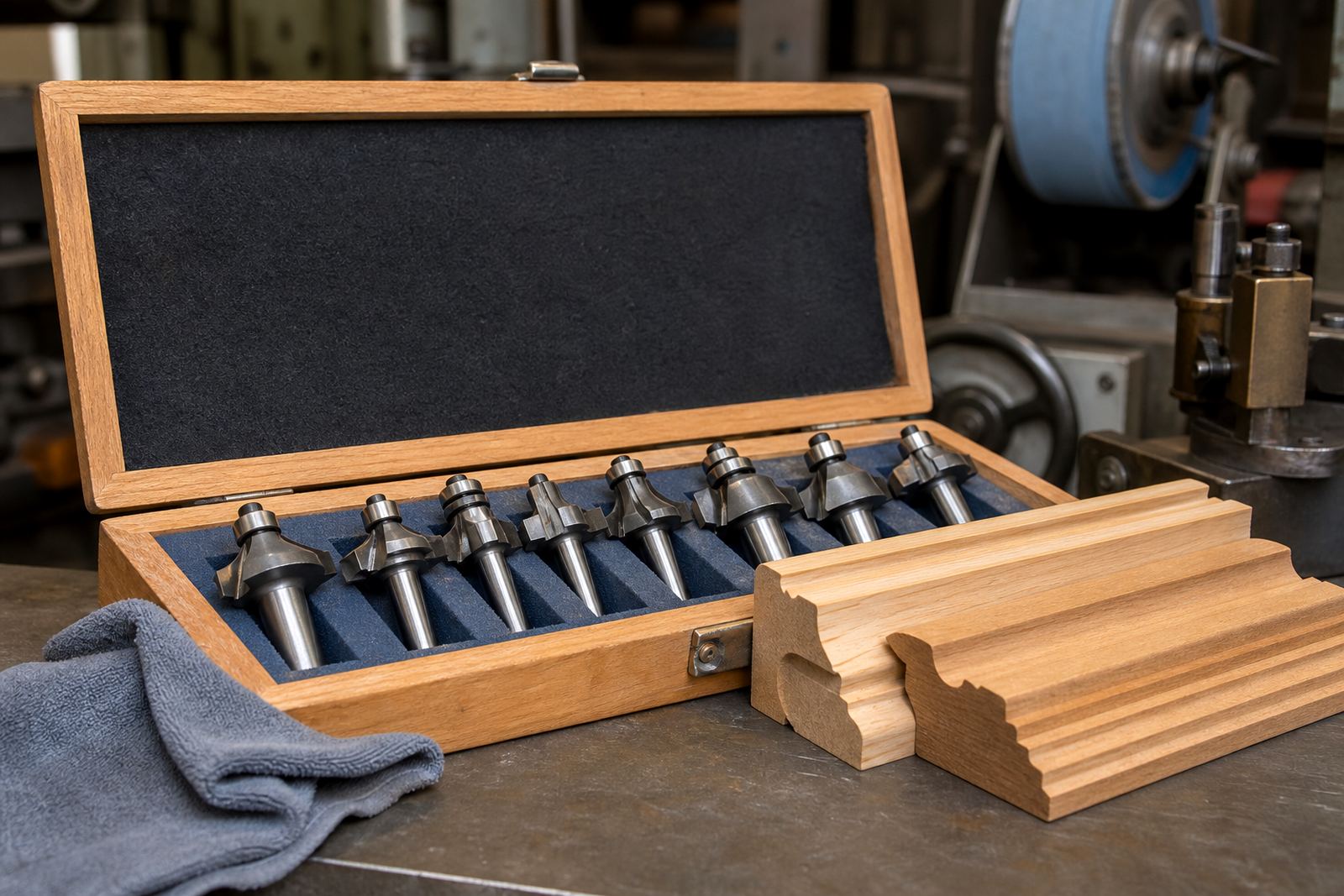
For most small workshops, the usual priority list is saw blades, drill bits and router bits. Those are the cutters that show wear fastest and affect the finish most clearly. Keep your most used sizes on hand, and batch the slower moving items for collection when the stack is ready. If you use mixed types or sizes, batch tool tagging helps keep everything matched to the correct machine or job, which saves time later on. It also avoids mix ups when several people are handling the same tray.
- Keep a labelled tray for worn cutters only.
- Separate general cutting tools from finish-critical tools.
- Record how often each tool is used so you can predict service intervals.
- Hold one spare set where possible for your busiest machine.
A Good Sharpening Cycle Saves More Than Edge Quality
Sharp tools do more than improve the finish. They reduce motor strain, lower the risk of scorching, and help operators work at a steady pace instead of forcing the cut. That matters in smaller shops where the same machine may be running for timber, plastic and light metal in one week. If the edge is tired, the machine starts telling you through vibration, heat and poor control.
There is also the matter of diameter correction and angle resetting. Once a tool has been abused for too long, a basic sharpen is sometimes not enough. The cutting face may need grinding back to restore the proper angle, and in some cases the diameter has to be brought back into spec so the tool runs safely and evenly. A chipped edge can often be recovered too, if it is caught early. Leave it too long and the repair becomes heavier, or the tool may have to be retired.
How Courier Collection Helps When the Shop Cannot Stop
For many small businesses, the biggest problem is not the sharpening itself. It is getting tools to the workshop and back without losing half a day. Courier collection makes sense when the team cannot spare someone to drive across town. That is useful for clients in Durban, Pietermaritzburg, Johannesburg, Pretoria and Cape Town, especially when the job list is already full.
It also suits businesses in industrial areas where load-shedding or transport delays can knock the whole day around. Instead of trying to fit a trip into an already crowded schedule, you can book collection, pack the cutters neatly, and keep production moving. In our experience, the cleanest jobs arrive with the cutters separated by type and clearly marked, so the turnaround is quicker and there is less room for mistakes.
- Group tools by type before collection.
- Pack blades and bits so edges do not knock together in transit.
- Include any notes about burn marks, chipping or poor balance.
- Use the enquiry form to book collection from Pinetown, Durban, Westville, Hillcrest and other nearby areas.
A Simple Local Example From a Busy Pinetown Workshop
Take a small cabinet shop in Pinetown with five staff members. They cut panels in the morning, drill fitting points after lunch, and use router bits for edging before packing up. Nobody has time to manage tool care full time, so the team puts one person on a weekly Friday check. Any dull blade goes into the service tray, and the spare set goes on the machine. By Monday, the serviced tools are back and ready for the next run.
That routine keeps the workshop moving without extra drama. It also helps the owner see patterns, such as one saw blade wearing faster than the others or one drill bit batch losing its edge early. Once those patterns are visible, you can adjust how the tools are used, how they are stored and when they are sent in. Small changes like that usually pay for themselves. Not overnight, but steadily.
When Training and Starter Kits Make Sense
Small teams often know they need sharper tools, but not everyone knows what normal wear looks like. Training helps operators spot early warning signs and handle cutters properly between services. That is especially helpful when new staff rotate through the workshop or when one person is expected to cover several tasks.
Starter kits are useful too, particularly for businesses setting up a basic maintenance routine. A simple kit can help staff tag cutters, separate worn tools, and keep records straight. When people know what to look for, the whole workshop runs better. Fewer tools are lost, fewer are damaged in storage, and you spend less on avoidable rework.
- Train staff to recognise heat marks, chipping and uneven cutting.
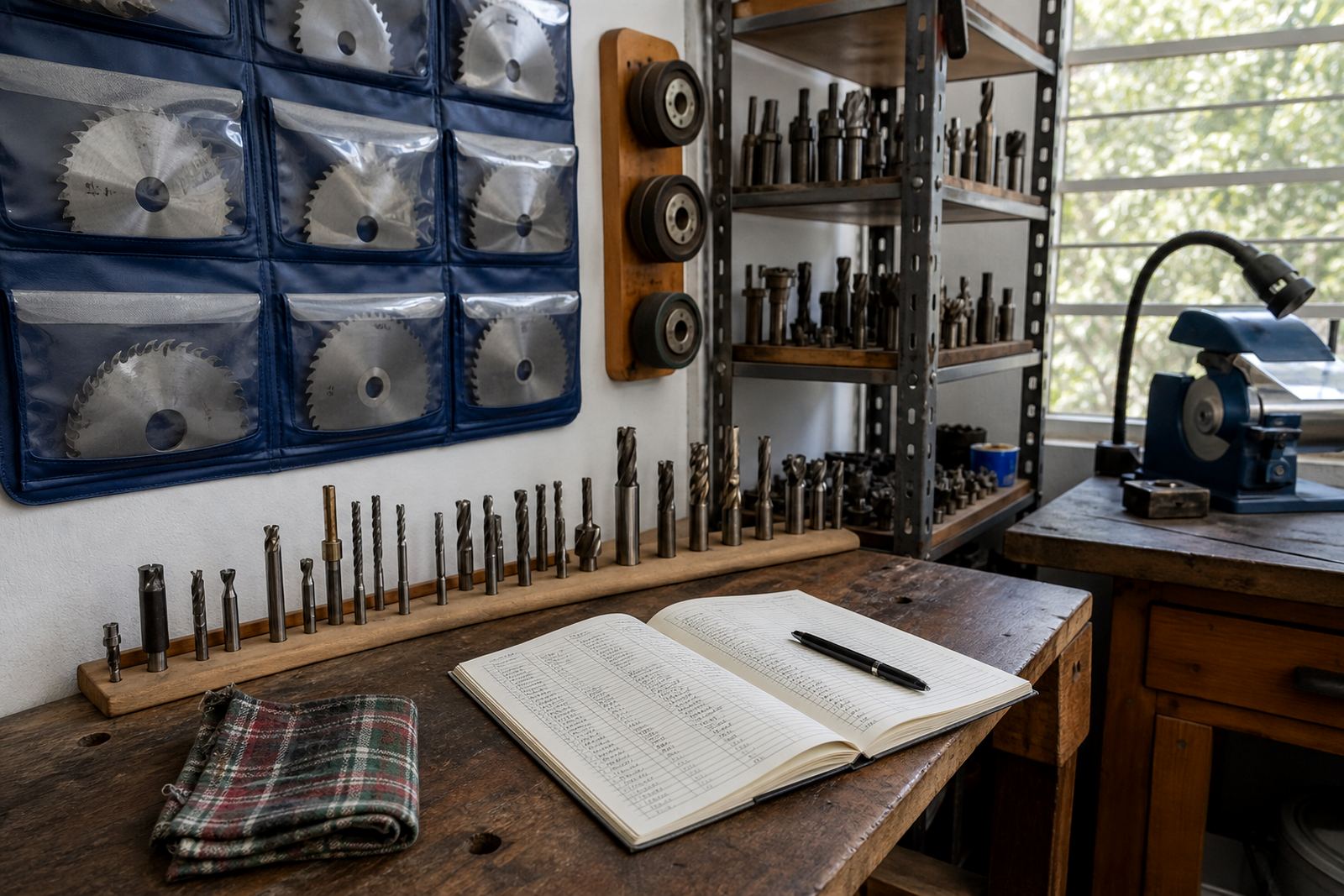
- Use a basic log for service dates and job counts.
- Store cutters dry and off the floor, especially in coastal humidity.
- Keep sharp and worn tools physically separated.
FAQs For Small Workshop Maintenance
How often should a small workshop sharpen cutting tools?
Most small workshops should inspect tools weekly and sharpen them as soon as cutting quality drops. Heavy use or abrasive material may need more frequent service.
Can damaged tools be recovered?
Often yes, if the damage is caught early. Chipped edges, angle issues and some burn damage can usually be handled with the right regrinding work, but severe wear may mean replacement.
Do I need a full-time tool manager?
No. A short routine, a simple log and one person responsible for checks is often enough for a compact workshop. The key is consistency, not a complicated system.