Oval holes usually start with movement somewhere
A hole that should be round but comes out stretched on one side is telling you something important. In most workshops the first suspect is a worn drill, but wobble in the spindle, loose clamping, poor feed pressure or a dull point can all leave the same result.
In a busy Pinetown workshop we often see this after a run of heavy work on mild steel, timber or board. The operator notices the hole no longer matches the template, and the part starts rejecting. If you keep pushing on with the same setup, the next batch can be worse and you lose time on rework.
Ovality can also show up when the tool is drifting instead of cutting straight. That happens when one lip is cutting harder than the other, or when the bit has lost its centre. A good sharpen and regrind brings the point back into line so the tool enters the material properly again.
Common workshop causes to check first
Before blaming the material, check the tool path from start to finish. A small fault on the machine side can make a good drill look bad.
- Worn cutting lips that are no longer equal in length or angle
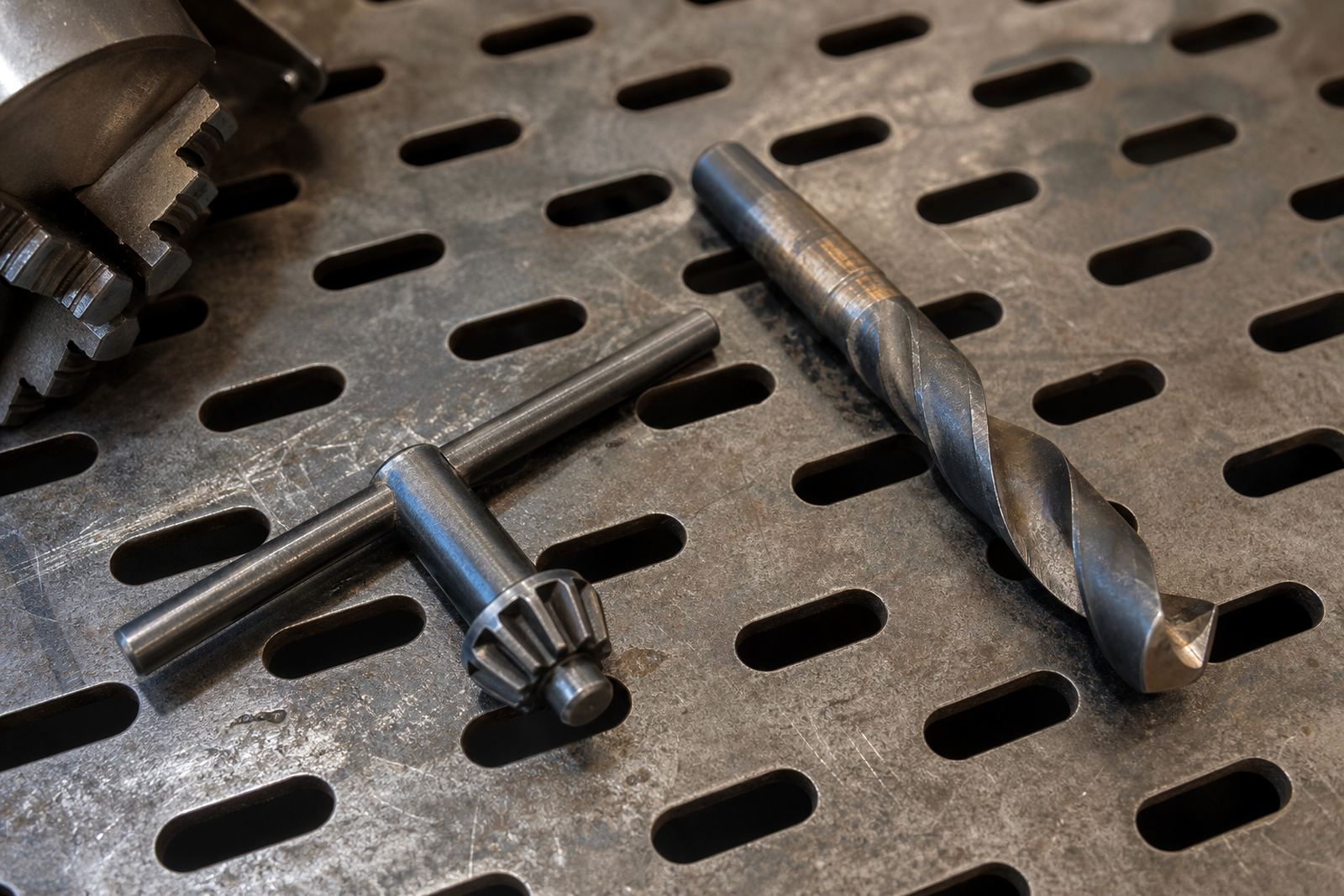
- Excessive runout in the chuck, collet or spindle
- Loose workholding that lets the sheet or job shift
- Incorrect speed for the material being drilled
- Too much pressure causing the drill to pull sideways
- Blocked flutes that stop chips clearing cleanly
If the drill is wandering at the start, the hole often begins round and then drifts oval as the tool heats up. On thin material the problem can be worse because the sheet flexes under pressure and the bit bites unevenly. In coastal areas like Durban and Westville, moisture can also affect stored tools and machines, so light corrosion on the cutting edge is worth checking.
What a worn drill bit looks like under load
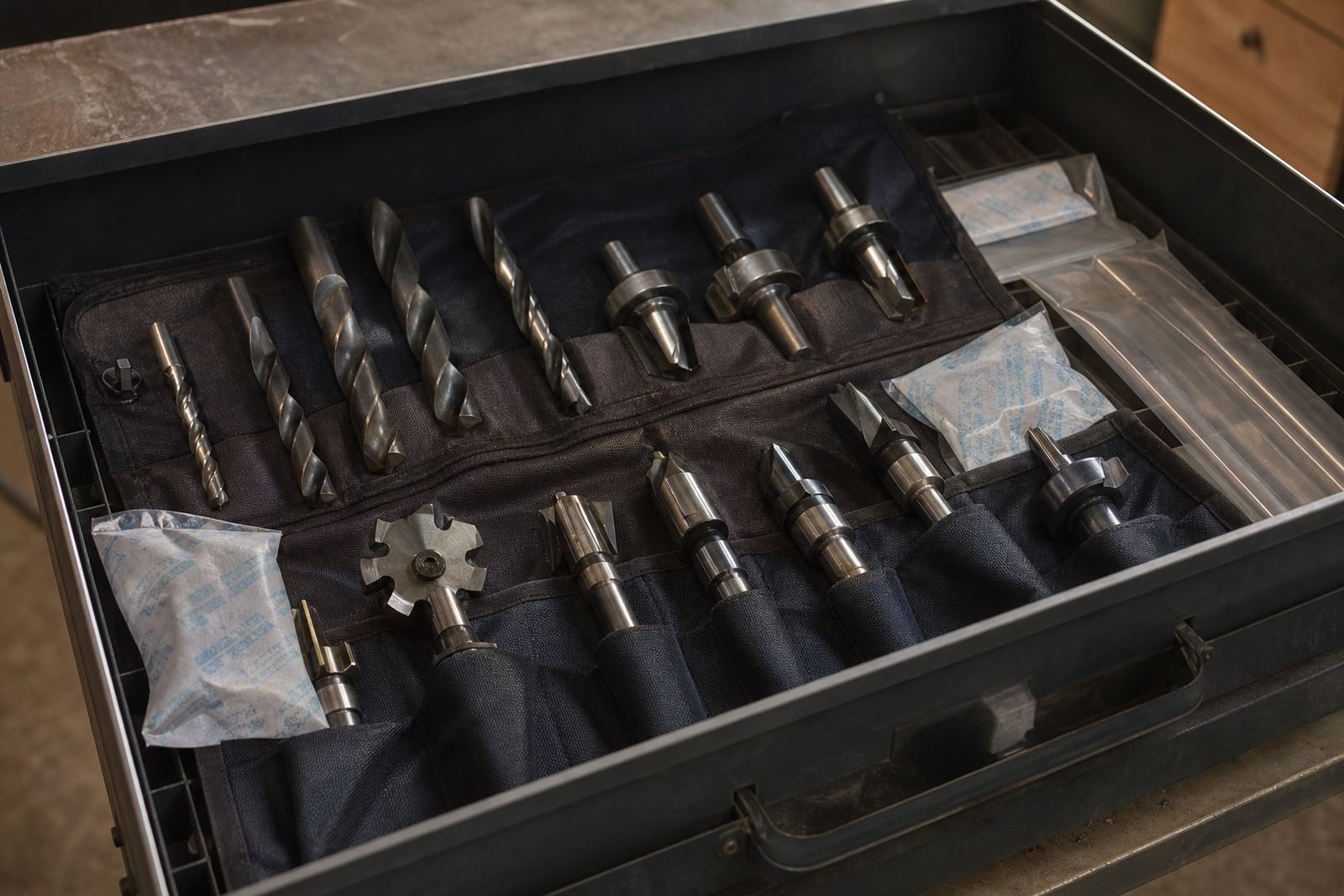
Wear is not always obvious to the eye, especially on smaller bits. A drill may still look usable but behave poorly because the edges have rounded off or one cutting lip is doing more work than the other. That imbalance creates chatter, heat and a hole that opens up on one side.
When the point has drifted off centre, the drill no longer finds its own path. Instead it scrapes, skates, and then bites hard. That is when you see burn marks, broken corners or an oval finish around the entry point. If the tool has chipped edges, diameter correction and angle resetting may be needed before it can go back into service.
For router bits, the same principle applies. A bit with a damaged edge, poor balance or uneven grind can leave a slot that is wider than expected. The cut may look acceptable at first glance, but the dimensions are off and that becomes a problem when parts must fit together.
Setup faults that make good tools perform badly
Even a freshly sharpened bit will not save a poor setup. Machine condition matters, and so does the way the job is supported.
When checking a machine, look at spindle play, chuck wear and whether the table or fence is square. On larger jobs, especially where repeat holes are being drilled across a batch, a small alignment error can create the same oval pattern on every piece. That costs time and material.
- Clamp the workpiece so it cannot shift under pressure
- Use the correct feed rate for the material thickness
- Check that the bit is seated properly in the holder
- Test for wobble before starting a full batch
- Clear chips often so the bit does not ride up on packed swarf
In Johannesburg and Pretoria, where many workshops run long production shifts, we often see oval holes traced back to repeated use of the same set-up without a mid-shift check. A five minute inspection can save a whole tray of scrap.
How sharpening and regrinding restore accuracy
When a cutting tool has lost its shape, sharpening is not just about making it sharp again. The geometry has to be brought back to the correct form so the bit cuts on centre and clears chips properly.
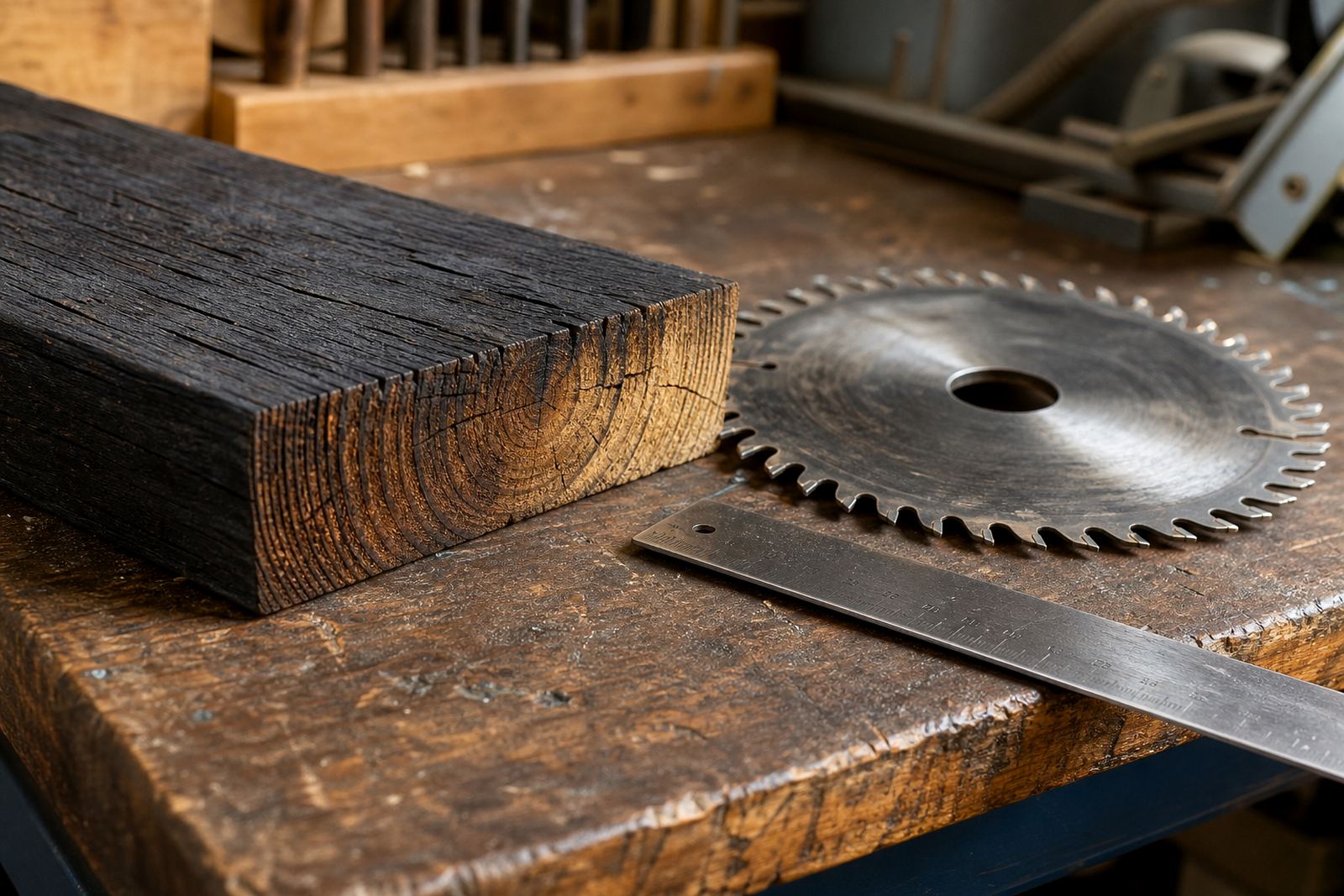
That is where careful regrinding matters. For drills, a proper service can include tooth face grinding, top grinding, angle correction and balance checking where required. For saws and router bits, the same attention to detail helps reduce wander, vibration and heat build-up.
Some tools also need burn mark removal or chipped edge recovery before they can perform properly. If the damage is too far gone, it is better to replace the bit than keep forcing it through work that demands accuracy. A blunt tool can cost more in labour than a new one costs in the first place.
A practical local example from a Pinetown job
One local client bringing work in from a light fabrication shop in Pinetown had a batch of steel components with holes that were coming out slightly oval. The first reaction was to blame the sheet, but the problem was actually a mix of worn drill lips and a chuck that had too much play. The operator had also been leaning on the drill to speed things up.
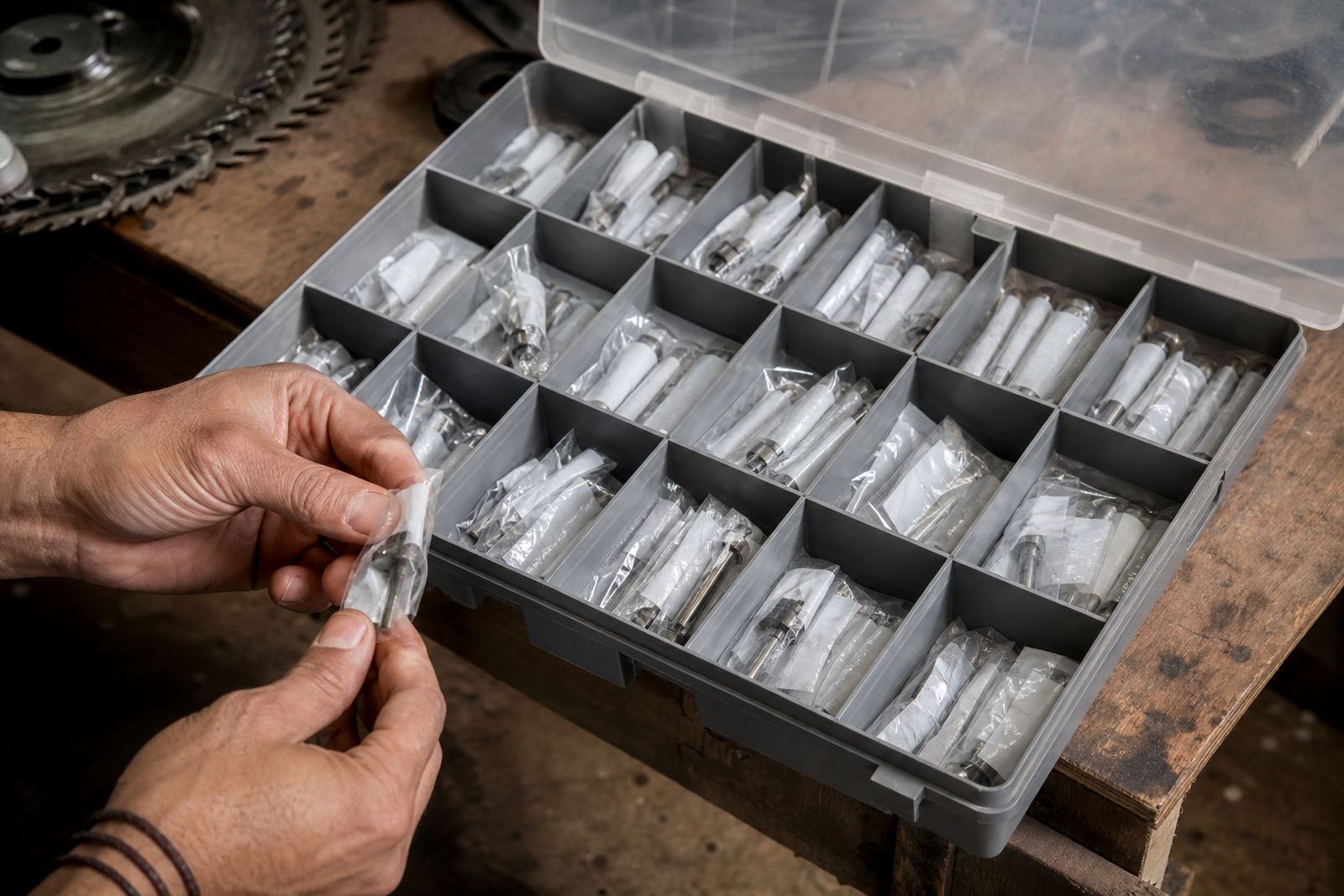
After the drill set was reconditioned and the machine setup was checked, the holes came back within tolerance. The team also started tagging batches so worn tools could be tracked, and courier collection made it easier to send tools in from Durban and Hillcrest without losing a day to travel.
That kind of fix is common. Once the root cause is identified, the workshop can get back to clean round holes instead of patching problems after the fact.
When to send the tool in and what to ask for
If oval holes are becoming a pattern, do not wait for the tool to fail completely. The sooner you inspect the drill or bit, the less chance of scrap, overheating and machine strain.
Useful questions to ask before sending tools for service:
- Is the bit still cutting on centre or has it started to wander
- Does the tool need sharpening only, or full regrinding
- Is there chipped edge damage or burn marking
- Should the set be batch tagged for repeat work
- Can the collection be booked through courier if you are outside Pinetown
For workshops in Pietermaritzburg, Cape Town, Pretoria and other parts of South Africa, courier collection makes regular maintenance simpler. Whether you are a hobbyist or a production team, consistent tool care is what keeps holes round and jobs on size.