What the workshop needed in New Germany
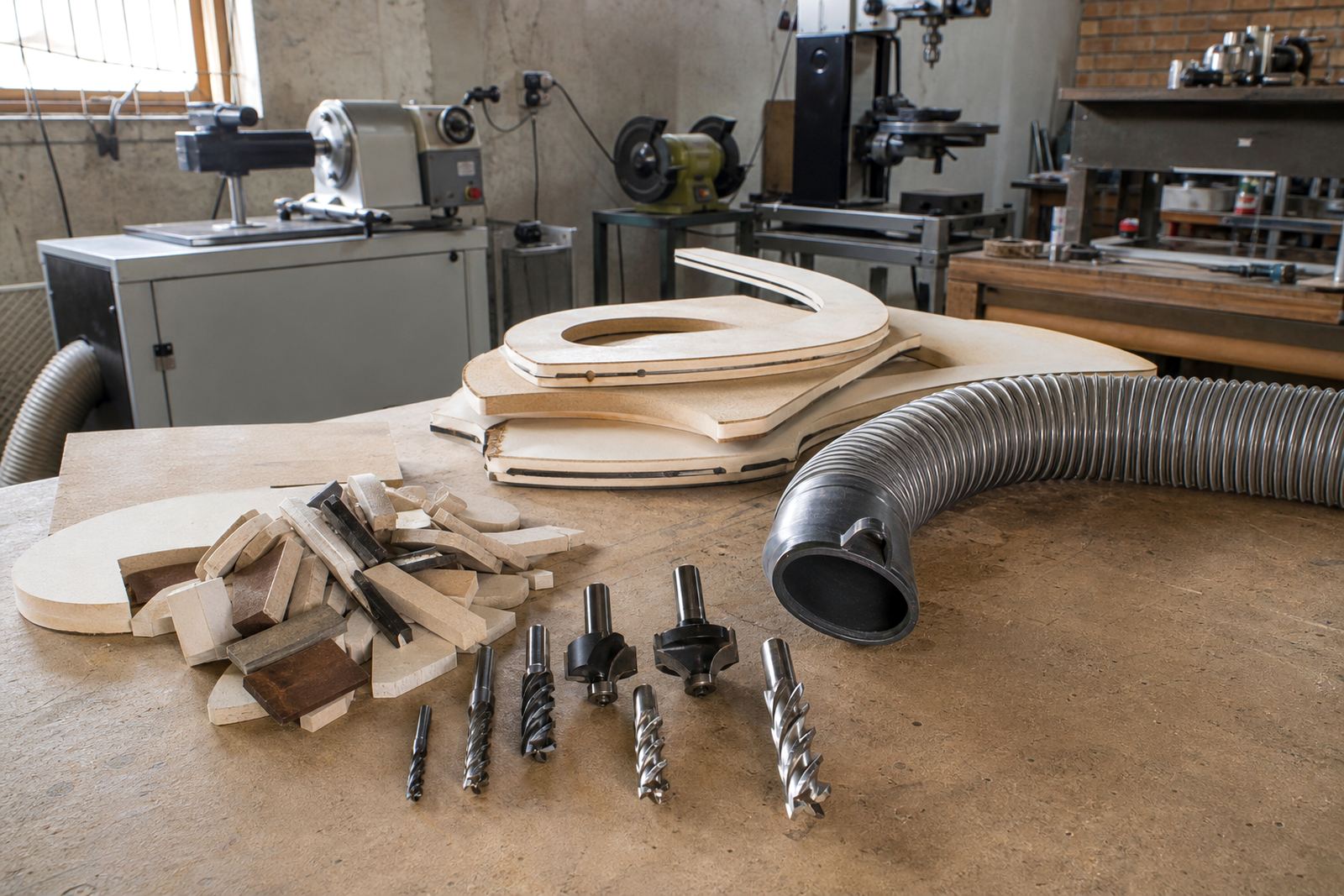
The client was a small sign making workshop in New Germany, serving local retail fit-outs, indoor branding jobs and short-run panel cutting. Their main issue was not broken tools, but tired cutting edges that had started to leave fuzz, chip-out and heat marks on laminated sheet material. On thinner sheets the bits were also pulling slightly off line, which made edging work harder than it should be.
The brief was simple and practical: bring the compression bits and spiral bits back to a point where they could cut cleanly again, without changing the overall cutter size. The team wanted fewer rejects, less sanding after cutting and more predictable cuts on jobs that needed a neat finish straight off the router. That matters in sign work, where a small burn mark can spoil an entire panel.
The constraints we worked around
The workshop was balancing production around load shedding, so they needed tools turned around within a short window and packed properly for courier handling. The bits had seen regular use on laminated sign panels, which can be hard on edges because the facing layer is abrasive and the core can grab if the cutting angle is not right. Coastal humidity in the Durban area also means tools can rust quickly if they are left unpacked after use.
We also had to keep to the original cutter profile where possible. If a compression bit loses its top and bottom cutting balance, it can lift material or leave a ragged underside. That meant careful regrinding, not just a quick touch-up. The batch had mixed wear levels, so each tool needed a separate check before we touched the machine settings.
- Mixed compression and spiral bits in one batch
- Heat discolouration on several cutting edges
- Minor chipping on the leading edges
- Short turnaround needed for ongoing sign panel work
What we supplied and reworked
We collected the batch through our courier process and logged each cutter for traceability. Every bit was inspected for wear, run-out risk and edge damage before regrinding. Where the edge was still sound, we restored the cutting face and rake. Where the edge had chipped, we removed the damaged section and re-formed the profile so the tool would cut evenly again.
For this job we carried out a combination of router bit sharpening, tooth face grinding, top grinding and diameter correction. The aim was to preserve the original diameter as far as practical, while recovering a clean cutting edge. We also checked balance by hand, marked each item for batch control and separated any cutters that needed a second pass. That kept the workshop from mixing sharp and worn tools once the pack came back.
- Compression bits restored for cleaner top and bottom cuts
- Spiral bits regrinded for smoother chip evacuation
- Burn mark removal on heat affected cutting faces
- Batch tool tagging for easy reissue in the workshop
Timeline from collection to return
The full job ran over two weeks from collection to return. Week one covered courier pickup, intake, inspection and the first round of regrinding. Week two covered finishing checks, any correction passes and packing for return delivery. The schedule suited the client because it allowed them to keep a separate working set on the machine while the damaged batch was being sorted out.
We kept the process practical and steady rather than rushing the cutters through. That matters with sign work, since a bit that looks sharp but is slightly off on diameter can cause inconsistent panel sizing. The client was able to plan their cutting queue around the return date, which reduced downtime and kept the workshop moving during a busy period.
Results on laminated panel cutting
Once the sharpened bits were back in service, the workshop reported cleaner entry cuts, less edge fuzz and better finish on laminated sign panels. The most noticeable gain was reduced burn marking on longer passes. That meant less hand finishing, less blade change panic and a more consistent cut quality across the batch.
Because the cutting edges were restored properly, the router did not need to work as hard to keep feed speed steady. The client also had fewer edge lift problems on laminated stock, which helped on smaller panels where a poor cut shows straight away. The return job gave them enough confidence to keep those cutters in normal production rather than holding them back for lighter work only.
- Cleaner cut edges on laminated panels
- Less burn mark cleanup after routing
- Improved consistency across repeated runs
- Better use of existing tooling instead of early replacement
What we would do again for similar sign shops
For a sign shop in New Germany or any other busy workshop in KwaZulu-Natal, we would use the same approach again: collect the batch, separate tools by wear level, and regrind each bit to match its original cutting purpose. For mixed material work, it is worth tagging cutters by panel type, because laminated sheet, solid board and acrylic do not wear tools in the same way.
We would also recommend setting aside a small backup batch for periods of load shedding or sudden order spikes. That keeps production moving while the main cutters are being sharpened. If the workshop is near the coast, regular cleaning and dry storage help too, because surface rust can start quickly in humid conditions. A small bit of care goes a long way and saves money over the year.
- Keep a labelled spare set for busy weeks
- Separate cutters used on laminated material from general stock
- Book courier collection before the batch is completely worn out
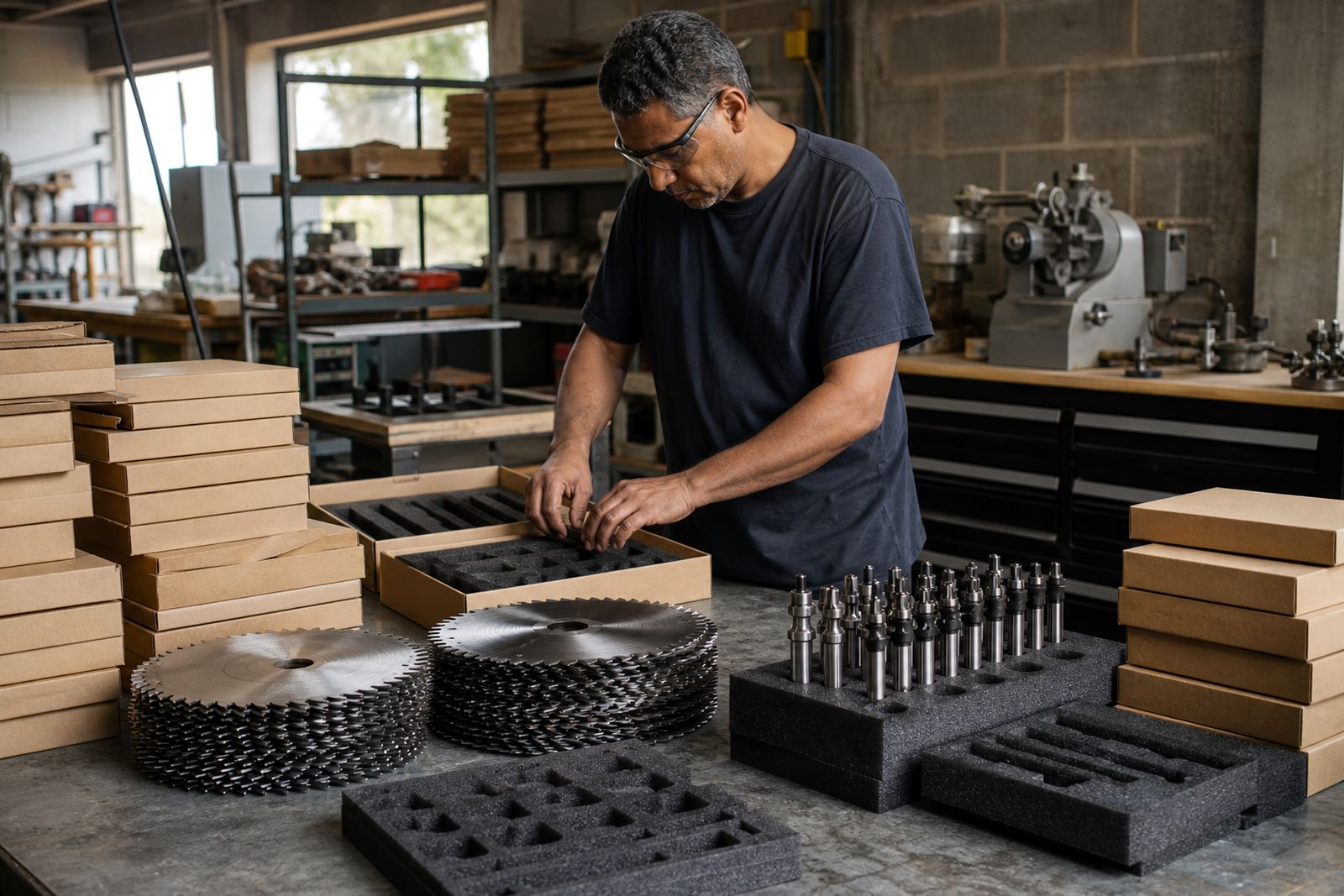
- Store sharpened tools dry and wrapped for the return trip
Key facts
| Project | New Germany sign shop router bit restoration |
|---|---|
| Location | New Germany, KwaZulu-Natal |
| Tool types | Compression bits and spiral bits |
| Services used | Router Bit Sharpening, Tooth Face Grinding, Top Grinding, Diameter Correction, Burn Mark Removal, Balance Checking |
| Timeline | 2 weeks from courier collection to return |
| Result | Cleaner cuts on laminated sign panels with less edge fuzz and burn marking |