Retail Fit-Out Work That Could Not Slip
The client was a Durban shopfitting contractor handling a retail interior installation with tight handover dates and trades working in sequence. Their cutting tools had taken a beating on laminate, MDF, aluminium trims and repeated site use, so edge quality was starting to slow the crew down. They needed a local sharpening workshop that could take mixed tooling, handle collection and keep the job moving without the team losing half a day to logistics.
The brief was clear: restore cutting performance, identify any damaged items that needed regrinding rather than a light touch-up, and get the tools back before the next phase of the fit-out. The job included saw blades, drill bits and router bits in mixed sizes, some with blunt cutting edges, a few with chipped teeth, and a handful that had gone off balance after heavy use. Because the site was under time pressure, the client also needed batch tagging so nothing went missing in transit or on the workshop bench.
What Arrived at the Workshop in Pinetown
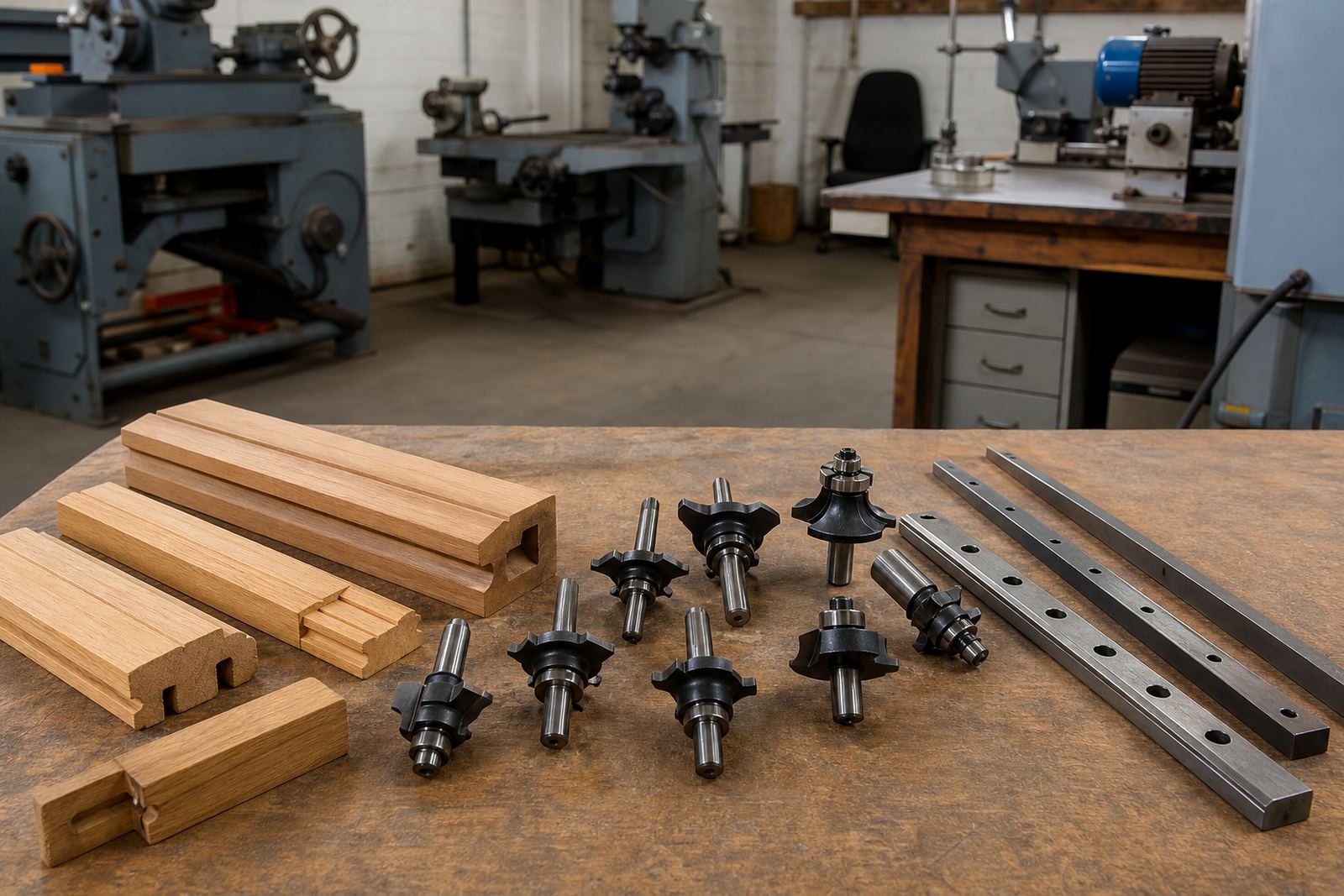
The tools were couriered to our Pinetown base from Durban and booked in under a batch system so the shopfitting crew could track what came in and what went out. The set included general-purpose saw blades, drill bits used for pilot holes and fixings, and router bits used for edge details and cut-outs. Several items showed burn marks from heat build-up, while others had uneven tooth face wear from cutting dense board material. A few blades needed diameter correction to keep them within a usable range for accurate cuts.
- Mixed set of saw blades, drill bits and router bits
- Chipped edge recovery on selected cutting edges
- Burn mark removal where heat had affected performance
- Angle resetting and top grinding on worn teeth
- Balance checking before packing and dispatch
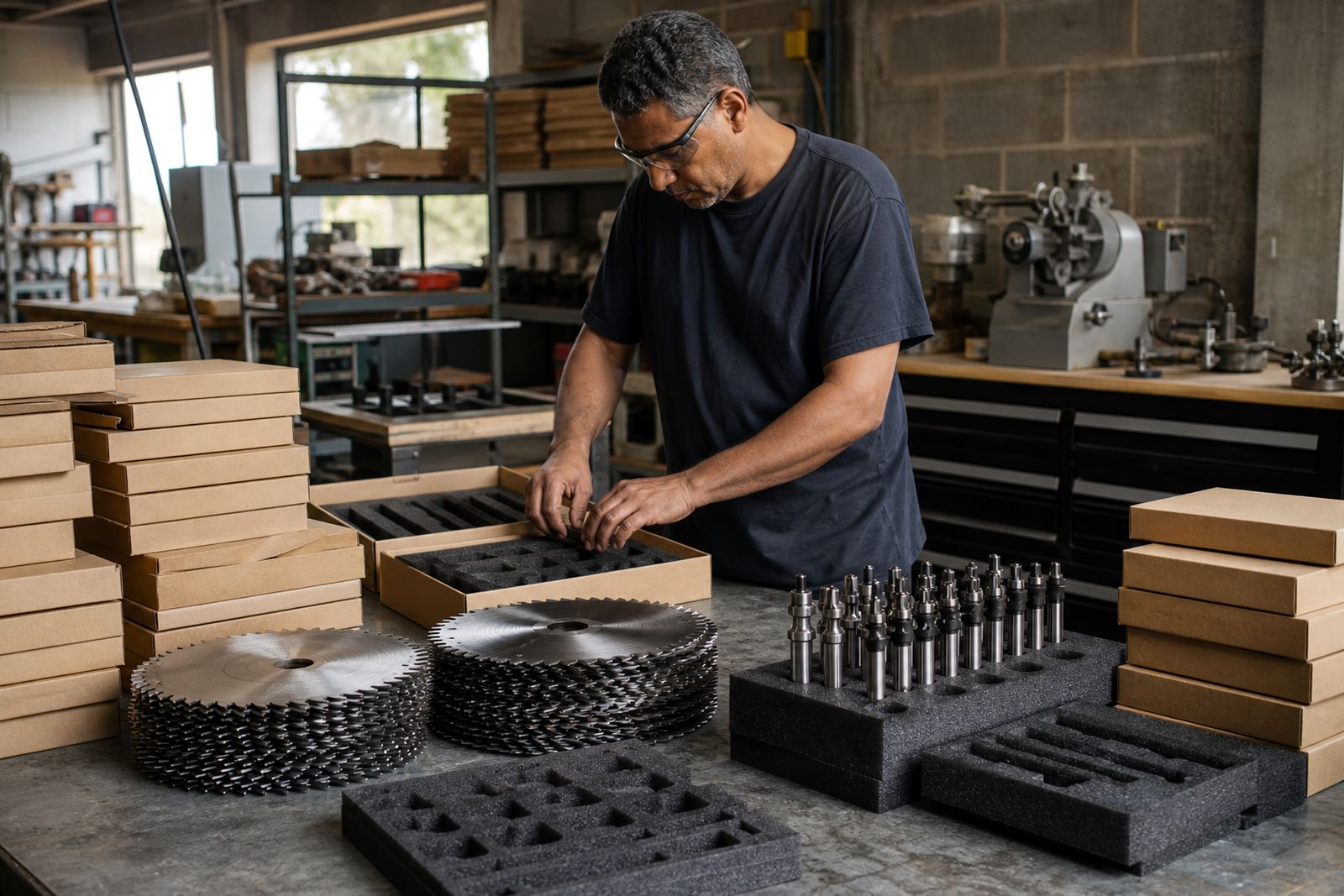
Because the job involved both workshop and site tools, we separated each item by type and condition before starting work. That made it easier to decide what needed a full regrind and what could be returned after a lighter sharpening cycle. It also saved time on the back end when the courier collection was arranged.
Sharpening and Regrinding for Faster Site Work
Our team carried out saw blade sharpening, drill sharpening and router bit sharpening with a focus on cut quality, repeatability and safe operation. Where the teeth were still serviceable, we sharpened to restore clean cutting action. Where wear was uneven, we carried out regrinding, including tooth face grinding and top grinding to bring the cutting profile back into line. On a few blades, we reset the angle so the tool would cut straight and reduce chipping on the next run. The result was a cleaner finish and less force needed from the operator, which matters when the team is working long shifts on a live fit-out.
We also checked for balance and corrected items that would have caused vibration or poor cut control. On one or two blades, the outer diameter had drifted enough to affect fit and finish, so we reduced the size within practical limits rather than sending the client back with tools that would only make more trouble later. That kind of detail saves time on site and helps extend tool life a bit longer, especially in busy workshops where load-shedding and stop-start work can put extra strain on cutting kit.
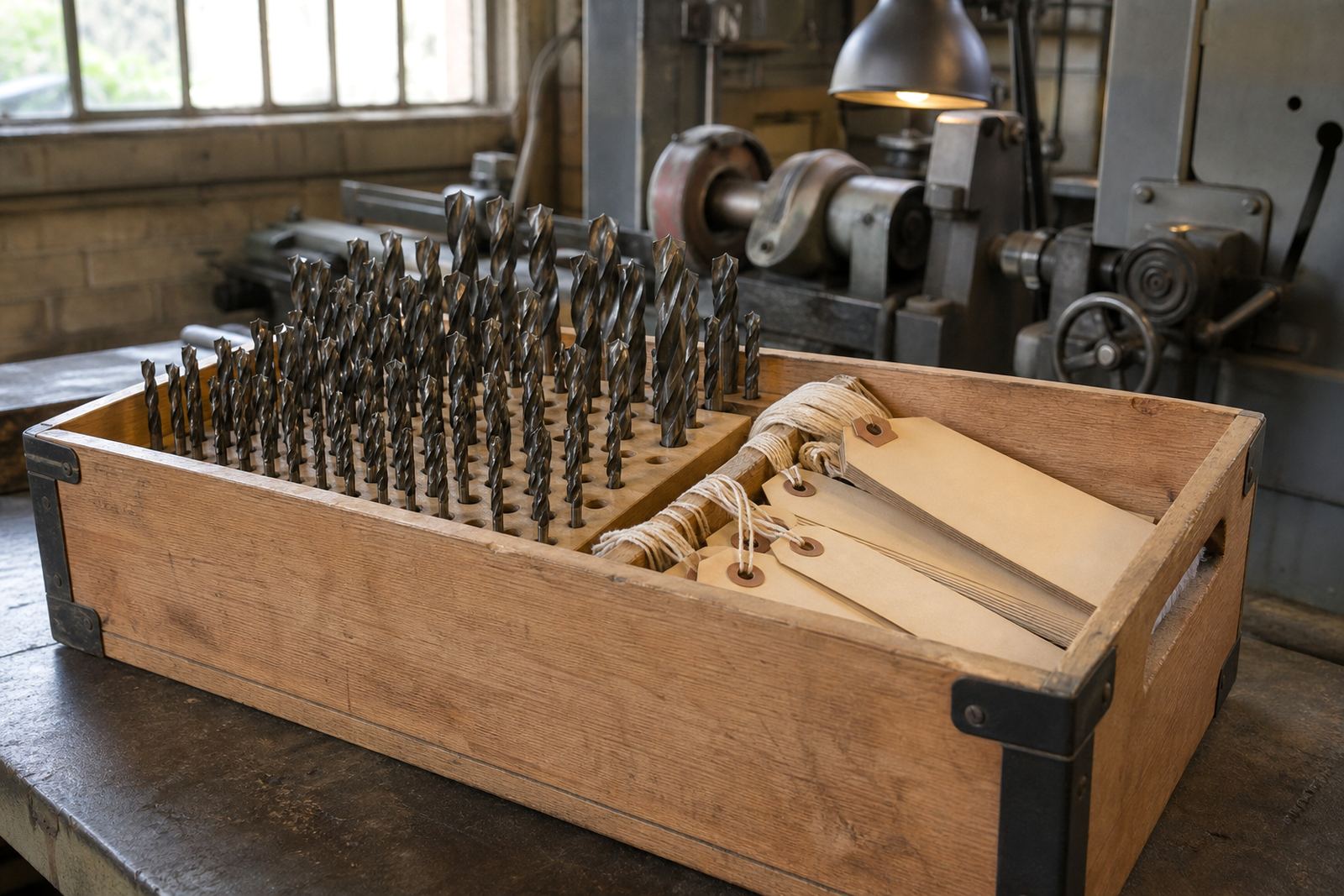
Every item was tagged after processing so the shopfitter could identify it quickly when the parcel arrived back in Durban. That small step matters when multiple cutters are in circulation and different crews are waiting on the same tools. It also reduced the risk of anything being left in a van, on a site table, or mixed with other stock.
Courier Collection Across South Africa
The client needed a fast collection and return cycle, so we arranged courier pickup from Durban and handled the pack-out from our side. The same process works for fit-out teams in Pietermaritzburg, Johannesburg, Pretoria and Cape Town, as well as Westville and Hillcrest when a handover can wait for the daily route. For this project, the turnaround was kept to 2 weeks from collection to return, which suited the fit-out sequence and allowed the next work package to start on time.
- Courier collection booked from Durban
- Batch tool tagging completed before dispatch back
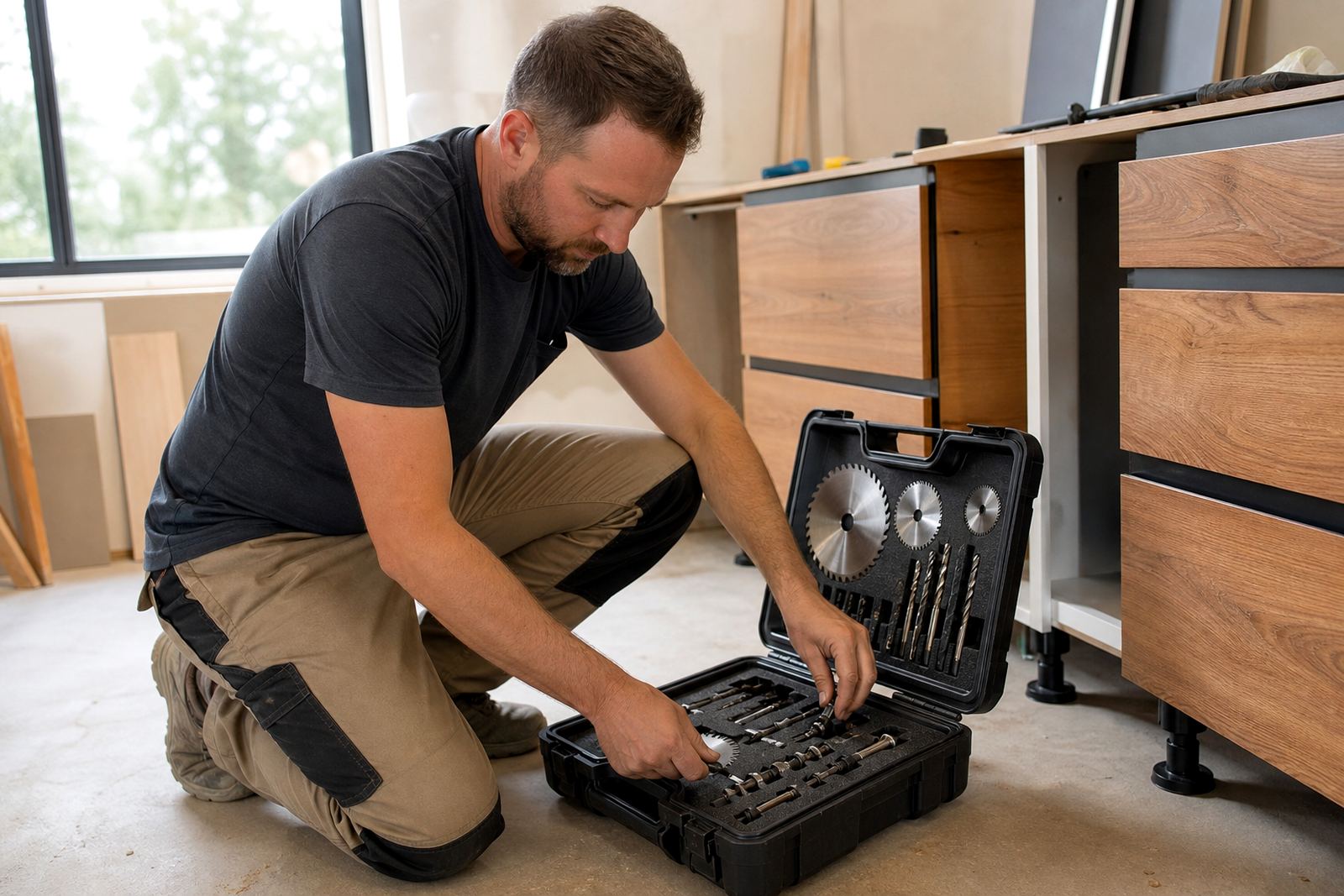
- Return shipment packed to reduce transit damage
- Suitable for teams working across multiple sites
For a shopfitter, the practical benefit is simple: the crew does not need to stop a project to chase tooling around town. The tools are collected, processed and returned in one controlled cycle, with one point of contact through the enquiry form on our contact page. No unnecessary back and forth, and no waiting around for items that should have been back already.
Results on Site and What Changed for the Crew
When the tools were returned, the site team had sharper cutting edges, better control on the router work and fewer issues with burning on repeated passes. The saw blades were cutting cleaner through board material, which reduced rework on visible finishes. Drill bits were again biting properly on pilot holes, so fixings went in faster and with less wandering. The crew reported less strain on the machines as well, because tools that are correctly sharpened do not force the operator to push as hard.
From a project point of view, the real win was that the fit-out stayed on programme. No one had to pause a strip-out or installation phase while waiting for a local supplier to sort the tooling. The client also had a clearer process for the next batch, because the tagged return made it easier to decide which items should be sharpened again, and which ones needed more serious regrinding after the next job. It was a tidy outcome, and the team got on with the work.
What We Would Do Again for the Next Fit-Out
For the next similar job, we would use the same batch tagging and courier booking process, because it keeps the whole thing organised from the start. We would also ask the site team to separate heavily damaged blades from the general sharpening pile before collection. That gives a faster assessment once the tools arrive in Pinetown, and it avoids any mix-up between routine sharpening and items needing tooth face work or diameter correction.
For shopfitting teams that run to a fixed handover date, the best approach is to send tools in regular batches instead of waiting until everything is blunt at once. Smaller, planned collections are easier to manage and they reduce the chance of a whole crew being stuck with poor cutting performance. It is a simple system, but it works well for tight programmes and coastal conditions where tools can also pick up moisture and surface wear if they sit too long between jobs.
- Book courier collection early in the programme
- Group tools by type and condition
- Use tagged batches for traceability
- Keep a small spare set on hand for busy weeks
That is the way we would handle it again, and it suits both one-off fit-outs and repeat work across Durban, Pietermaritzburg, Johannesburg, Pretoria and Cape Town.
Key facts
| Project type | Durban retail shopfitting fit-out |
|---|---|
| Client location | Durban, KwaZulu-Natal |
| Timeline | 2 weeks from collection to return |
| Tools serviced | Saw blades, drill bits, router bits |
| Key services | Sharpening, regrinding, balance checking, batch tagging |
| Collection method | Courier pickup and return across South Africa |