Marine workshop brief from Cape Town
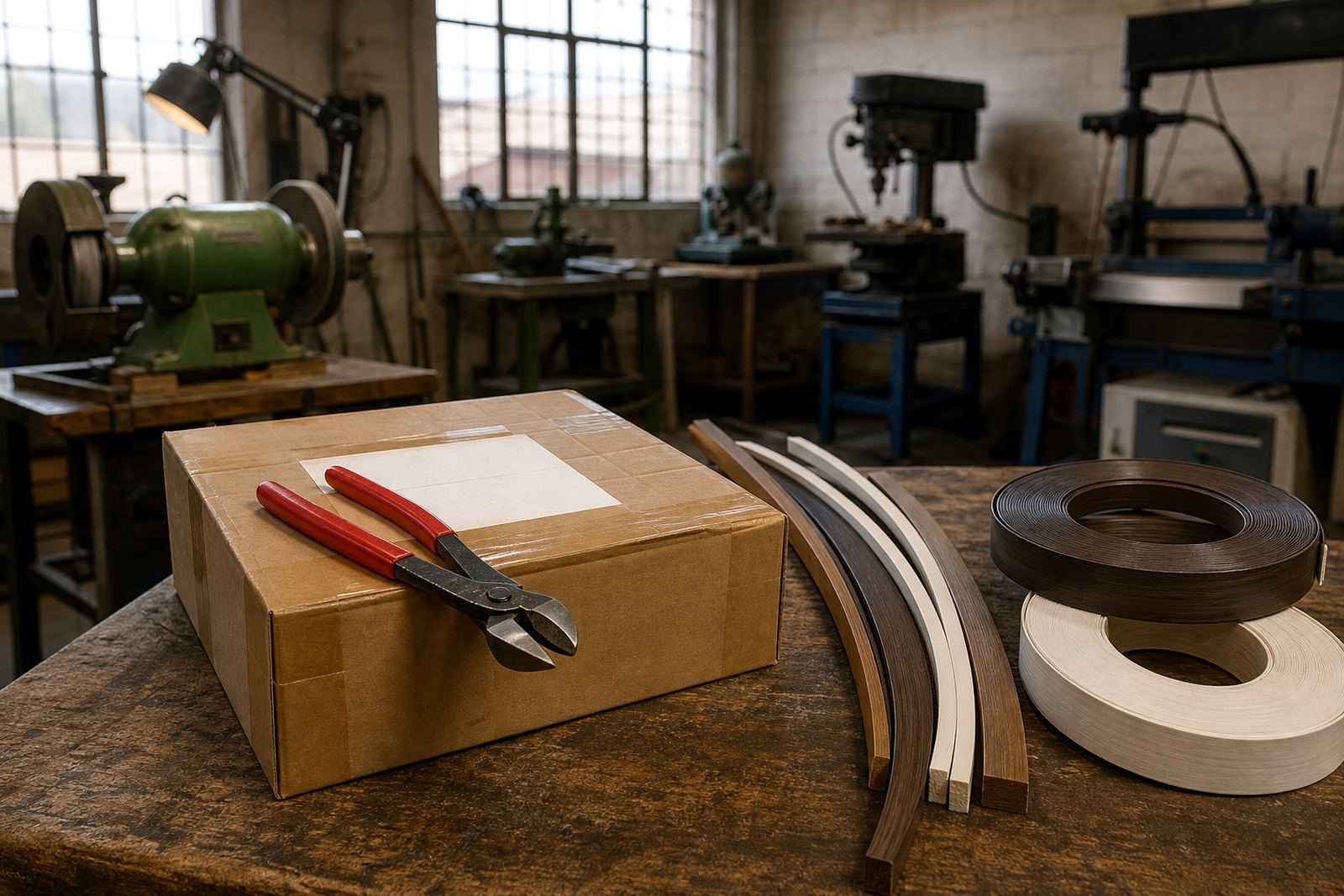
The client was a boat builder in Cape Town working on timber trims, small interior fittings and finishing parts for marine use. Their team was getting uneven edges on trim cuts, especially after long runs on laminated material and hardwood sections that had to stay neat in a salt-air environment.
The brief was straightforward: improve cutting quality, extend tool life and keep the workshop moving without having to replace drills and router bits too often. They also wanted a clear sorting system so worn tools could be tracked by type, condition and job batch. That matters when you are doing repeat work and the same cutters are going back into service every week.
- Tool types: drill bits and router bits
- Work area: Cape Town marine workshop
- Main issue: rough trim edges and inconsistent cut quality
- Goal: restore cutting performance and reduce waste
What made the job tricky
This was not a general workshop order. The tools were used on material that can splinter if the cutting edge is off by even a little, and the coastal humidity in Cape Town means tools can lose condition faster if they are left sitting around after use. Some bits had chipped edges from hard knots and some drills had heat marks from extended runs, so we could not just give them a light touch-up.
The main constraint was timing. The workshop had a scheduled run of trim work and needed the sharpened tools back fast enough to avoid stopping production. They also wanted a process that did not depend on one person remembering which bit went where. So we planned the job in batches and tagged each tool before regrinding, which helped keep the return process tidy and easy to check.
- Constraint 1: tight workshop timing
- Constraint 2: mixed wear on tools
- Constraint 3: need for batch tracking
- Constraint 4: coastal humidity and storage wear
Collection, sorting and sharpening work
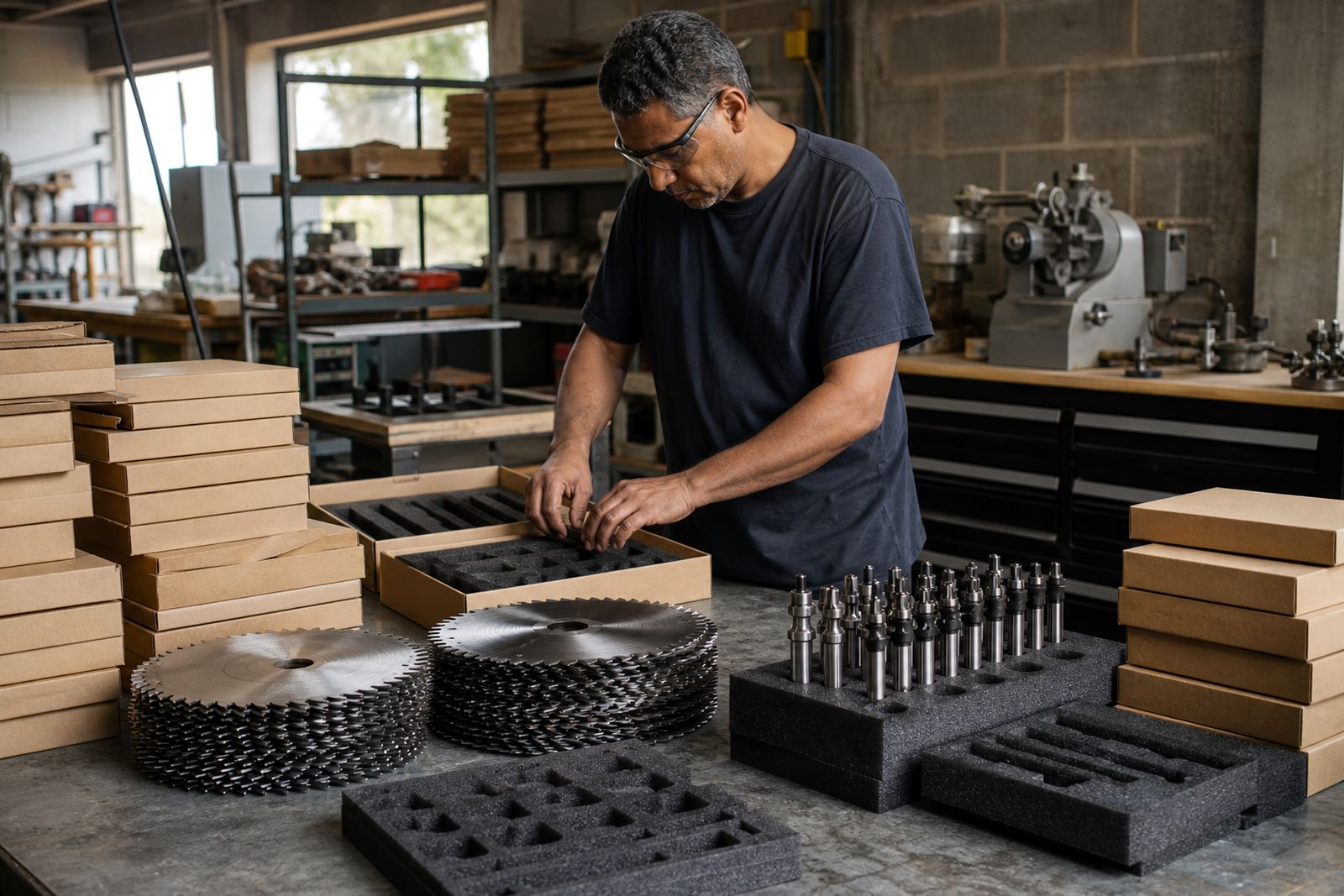
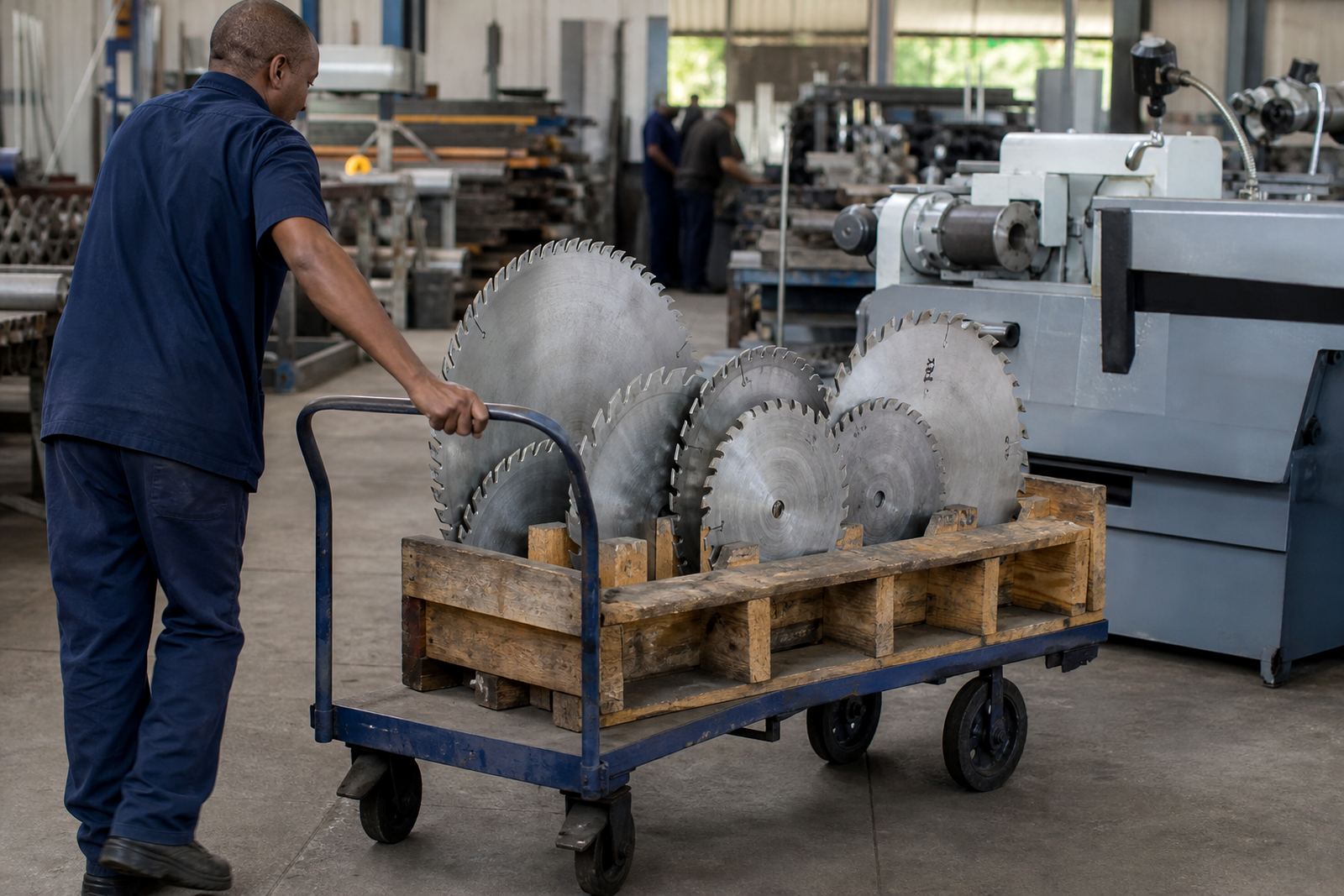
We arranged courier collection from Cape Town through our normal South African collection process, then logged each item on arrival in Pinetown. The team sorted the tools by type and condition, then carried out drill sharpening, router bit sharpening, tooth face grinding and top grinding where needed. Worn cutters with minor edge damage were recovered, while a few pieces needed diameter correction and angle resetting to get them back into proper working shape.
We also checked for burn marks and balance issues before release. Where a bit had enough life left, we re-ground rather than replacing it, which kept cost down and helped the client get more use out of existing stock. One or two cutters had a slightly heavier wear pattern on one side, so balance checking was important before they went back out.
- Services used: Drill Sharpening, Router Bit Sharpening, Tooth Face Grinding, Top Grinding
- Additional work: Diameter Correction, Angle Resetting, Burn Mark Removal, Balance Checking
- Processing method: batch tool tagging and condition sorting
Two week turnaround and return to site
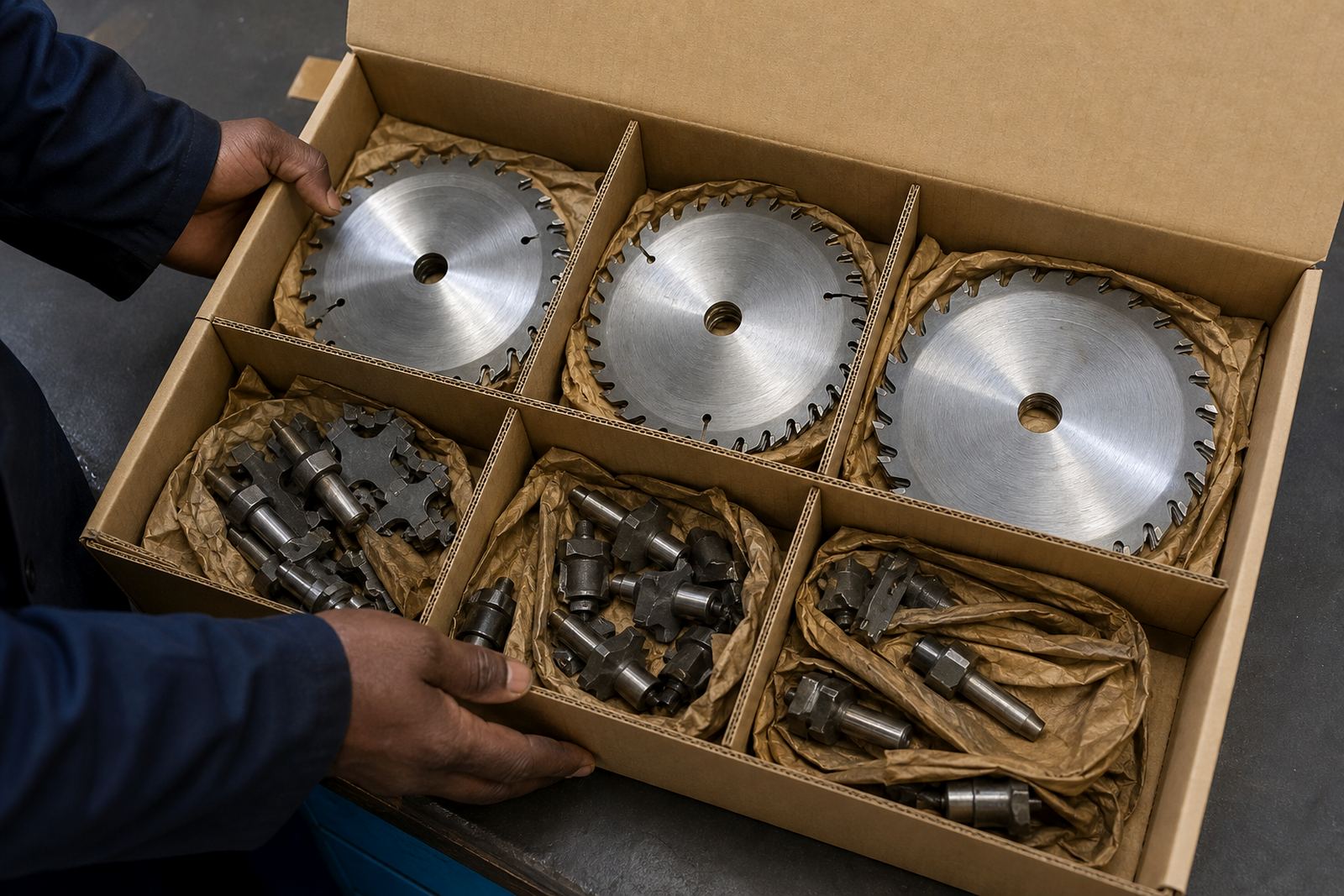
The full job ran over 2 weeks from collection to return dispatch. Week one covered intake, tagging and assessment, then sharpening and regrinding work began as soon as each group was verified. Week two was used for final checks, packing and courier return to Cape Town. That schedule gave the workshop enough time to plan around deliveries and avoid a last minute stoppage.
When the tools were back on site the team could resume trim work with cleaner starts, less chatter and better edge control. Their operators noticed that the router bits were cutting more evenly on repeat passes, and the drills were holding shape better in day to day use. The result was less rework on trims and fewer parts needing a second pass, which saved time across the job run.
- Timeline: 2 weeks total
- Turnaround method: courier in and courier back
- Outcome: cleaner edges and less rework
Results for the boat builder
The biggest gain was consistency. The workshop reported better edge quality on trims, especially on visible finishing sections where a rough cut would have meant sanding or re-cutting. The sharpened tools also helped reduce strain on operators because the cutters were doing the work properly again instead of forcing the machine through dull edges.
From a cost point of view, regrinding saved a fair bit compared with replacing every worn item. The client could keep moving through their order book without waiting for new tools, and they now have a clearer routine for sending batches in before tools get too far gone. That kind of maintenance schedule is often the difference between a smooth week and a messy one.
- Improved trim edge quality
- Reduced sanding and rework
- Lower replacement spend
- Better tool control on repeat jobs
What we would do again for similar marine work
For a similar Cape Town boat builder, we would use the same batch tagging system and collection plan, especially where multiple drill sizes and router profiles are in circulation. We would also recommend a regular check-in cycle so tools are sent in before edge damage becomes severe, because chipped cutters take longer to recover and sometimes lose too much material if they are left too long.
For workshops working near the coast, storage habits matter as much as sharpening. Dry storage, clean tool trays and a simple rotation system all help keep cutting tools in better condition between service intervals. If the team keeps to that routine, the sharpened tools will stay useful for longer and the workshop can keep delivery dates under control.
- Best practice: regular batch servicing
- Best practice: dry storage after use
- Best practice: rotate tools before heavy wear sets in
Key facts
| Project type | Marine workshop tool sharpening and regrinding |
|---|---|
| Town | Cape Town, Western Cape |
| Tools serviced | Drills and router bits |
| Turnaround | 2 weeks |
| Service method | Courier collection and return |
| Key outcome | Cleaner trim edges and less rework |