
What a Slot Cutter Does in the Workshop
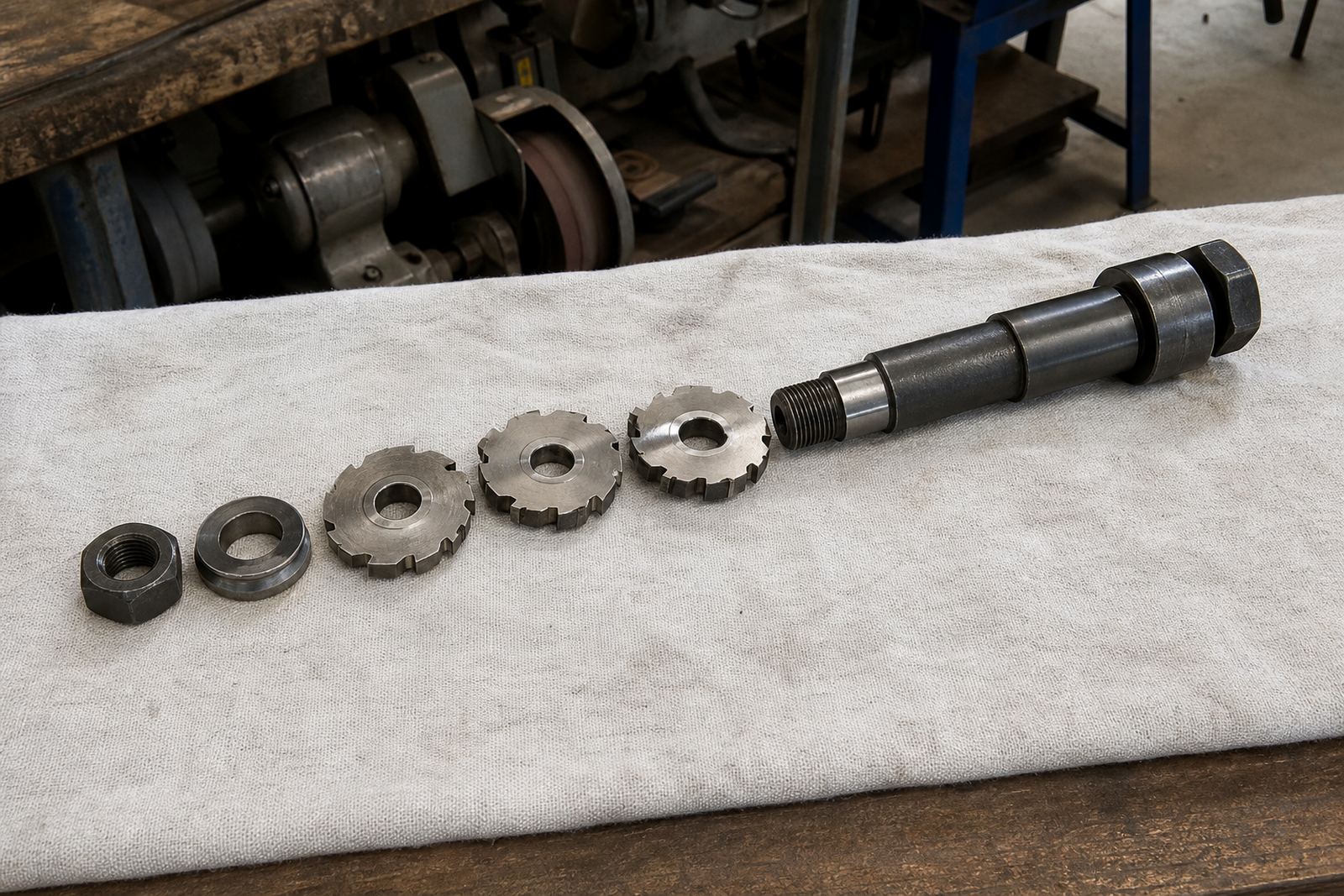
A slot cutter is a specialist cutting tool used to make narrow slots, biscuit joints, housing grooves and edge cuts in timber, board and some light composite materials. It is commonly used on routers and similar machines where the cutter must stay true at speed and remove material evenly. When the edges are blunt, chipped or heated from use, the cut can wander, burn or leave a rough finish that needs extra sanding.
We sharpen slot cutters for home workshops, cabinet shops, joinery teams and fitment crews that need repeatable results. In Pinetown and nearby areas like Durban, Westville and Hillcrest, many users run long sessions in warm conditions, so cutting edges can lose sharpness quickly if feed rate is heavy or the cutter is used on dense timber. A proper sharpen restores the cutting face and helps the tool track better through each pass.
- Used for biscuit joints, grooves, rebates and edge slots
- Suitable for timber, plywood and many board products
- Can be reworked after dulling, chipping or light burning
Common Sizes, Cut Widths and Cutter Styles
Slot cutters come in a range of diameters and widths, so it is important to match the cutter to the job and the machine setup. Small cutters are often used for fine edge work, while wider cutters are better for larger grooves or jointing work. Where possible, keep the original cutter body and only regrind the cutting edges and profile, as this helps preserve the intended slot width.
For ordering and assessment, the most useful details are the outside diameter, bore size, slot width and overall cutter type. If the cutter has replaceable tips, brazed tips or a special shoulder design, that also affects the sharpening method. We check for uneven wear, runout marks and damaged cutting faces before we start, because one worn side can throw off the cut and cause poor alignment in the workpiece.
- Outside diameter, often from small trim sizes up to larger cabinet sizes
- Slot width, commonly matched to biscuit or groove requirements
- Bore size and mounting style for safe machine fitment
- Single groove, double cutter and profile variants
Where Slot Cutters Suit Best
These cutters are a practical choice in joinery shops, cabinet making, stair work, shopfitting and general woodwork where clean and repeatable slots matter. They are used on fixed and portable router setups, depending on the cutter design and the depth of cut needed. A sharp cutter reduces tear-out and helps keep the slot depth more consistent, which matters when parts must line up exactly.
They also suit small business workshops in Johannesburg, Pretoria and Cape Town where production is often mixed with one-off jobs. In humid coastal conditions, cutters can show corrosion if they are stored without drying, while inland dust and fine saw waste can collect on the cutting edges. Keeping the cutter sharp and clean makes a real difference to finish quality and motor load.
CutTool Sharpening handles slot cutter work for customers who bring tools in locally or send them by courier collection. We can collect from Pinetown, Durban, Pietermaritzburg, Johannesburg, Pretoria and Cape Town, then return the sharpened cutters ready for the next job.
Installation, Machine Fit and Power Needs
Slot cutters do not need gas, but they do need the correct machine speed, secure mounting and enough power for the cut. Before fitting, check that the bore size matches the arbor or spindle and that the cutter sits flat with no side play. A loose fit or worn collet can cause chatter, poor slot width and extra heat on the cutting edge.
For deeper cuts or wider slots, the machine must have enough torque to keep the cutter moving without bogging down. On smaller routers, it is better to make more than one pass than to force a full cut in one go. If the cutter is run too fast on dense material, you can get burning and premature dulling. The safest setup is the one that suits the cutter size, material and machine rating, not just the fastest pass.
- Confirm bore size before mounting
- Check collet, arbor and spacers for wear
- Use the cutter within the machine speed rating
- Take lighter passes on dense timber or laminates
Care, Cleaning and When to Resharpen
Good care starts after the cut is made. Brush away dust, resin and chips, then wipe the cutter dry before storage. In humid parts of KwaZulu-Natal, this matters even more because surface rust can start quickly if cutters are put away damp. Avoid striking the cutting edge against metal guides, clamps or the bench, as small nicks soon show up in the slot.
Signs that a slot cutter needs attention include burn marks, rough slot walls, more feed pressure than usual and a smell of heat during use. If the cutter starts leaving fibres or chipped edges, send it in before the damage spreads. In many cases we can recover the edge, check balance and correct the cutting face without removing more material than necessary.
- Clean resin and dust after each job
- Dry the cutter before packing it away
- Watch for heat marks, chipped edges and uneven slots
- Store cutters in a tray or sleeve so the edges do not touch
What to Check Before You Send a Slot Cutter
When you book a slot cutter in for sharpening, the best results come from giving us the right details from the start. Please note the cutter type, the material you cut most often and whether the tool is for fine joinery, biscuit work or general groove cutting. If there is a problem such as burning, chatter or one side cutting harder than the other, tell us that too.
We also recommend checking for missing parts, loose tips and severe damage before dispatch. If you are sending a batch, batch tool tagging helps keep each cutter identified through the process. This is useful for workshops in Pinetown and for couriered jobs from other provinces, especially when multiple sizes are used on the same site.
- Outside diameter, bore size and slot width
- Tool type, including any replaceable or brazed tip setup
- Material being cut and the finish you want
- Any problem such as burn, wobble, chipped edge or poor alignment
- Whether the job is a single cutter or a batch
Clients can reach us through the enquiry form on our contact page, and we will arrange the next step from there.
Key facts
| Service | Sharpening and regrinding for slot cutters |
|---|---|
| Typical use | Biscuit joints, grooves, rebates and edge slots |
| Size range | Small trim cutters to larger workshop cutters, depending on bore and profile |
| Work handled | Edge regrind, profile touch-up, burn mark removal and balance checking |
| Collection area | Pinetown, Durban, Pietermaritzburg, Johannesburg, Pretoria and Cape Town |
| Workshop base | Pinetown, KwaZulu-Natal |