What a roundover bit does in the workshop
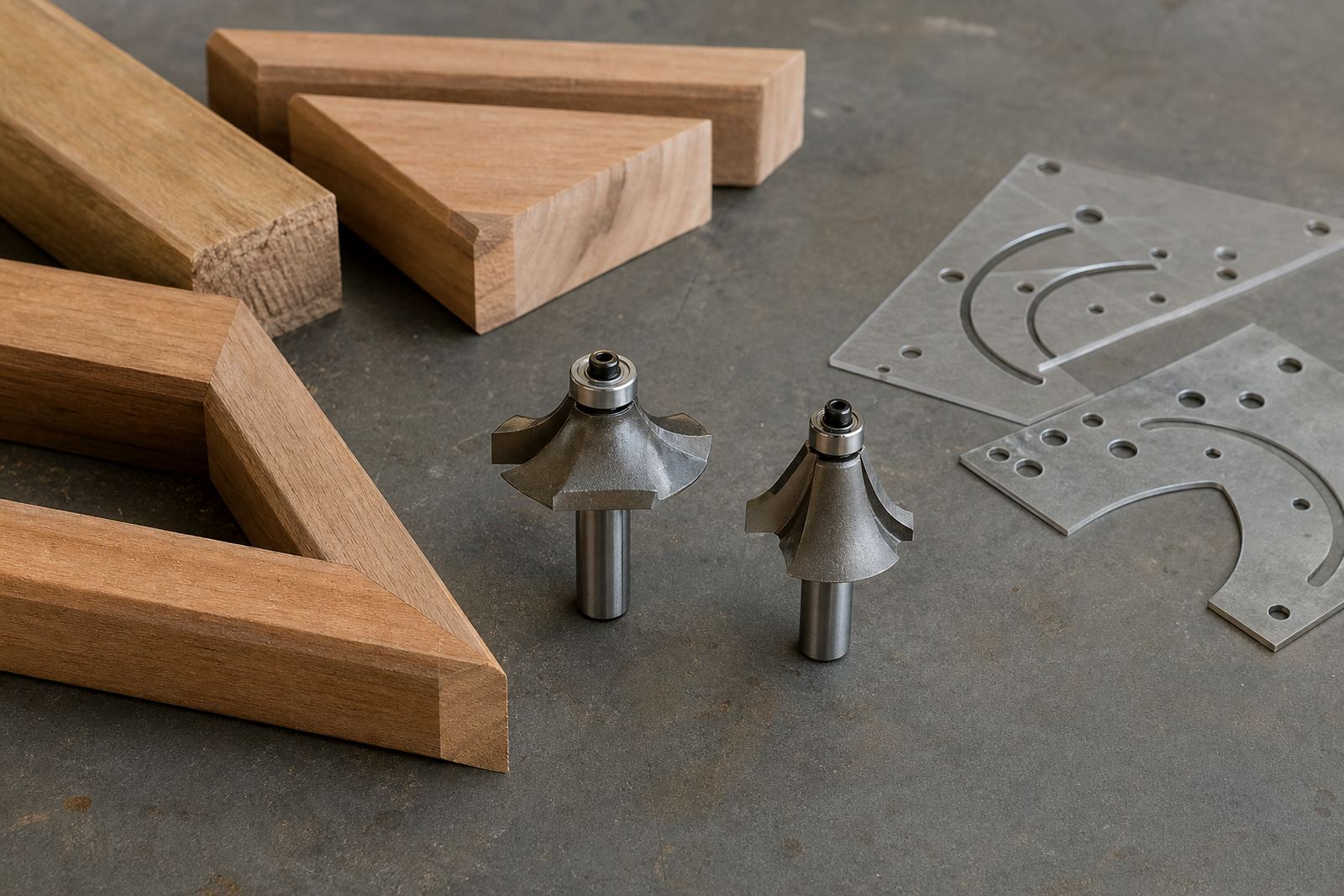
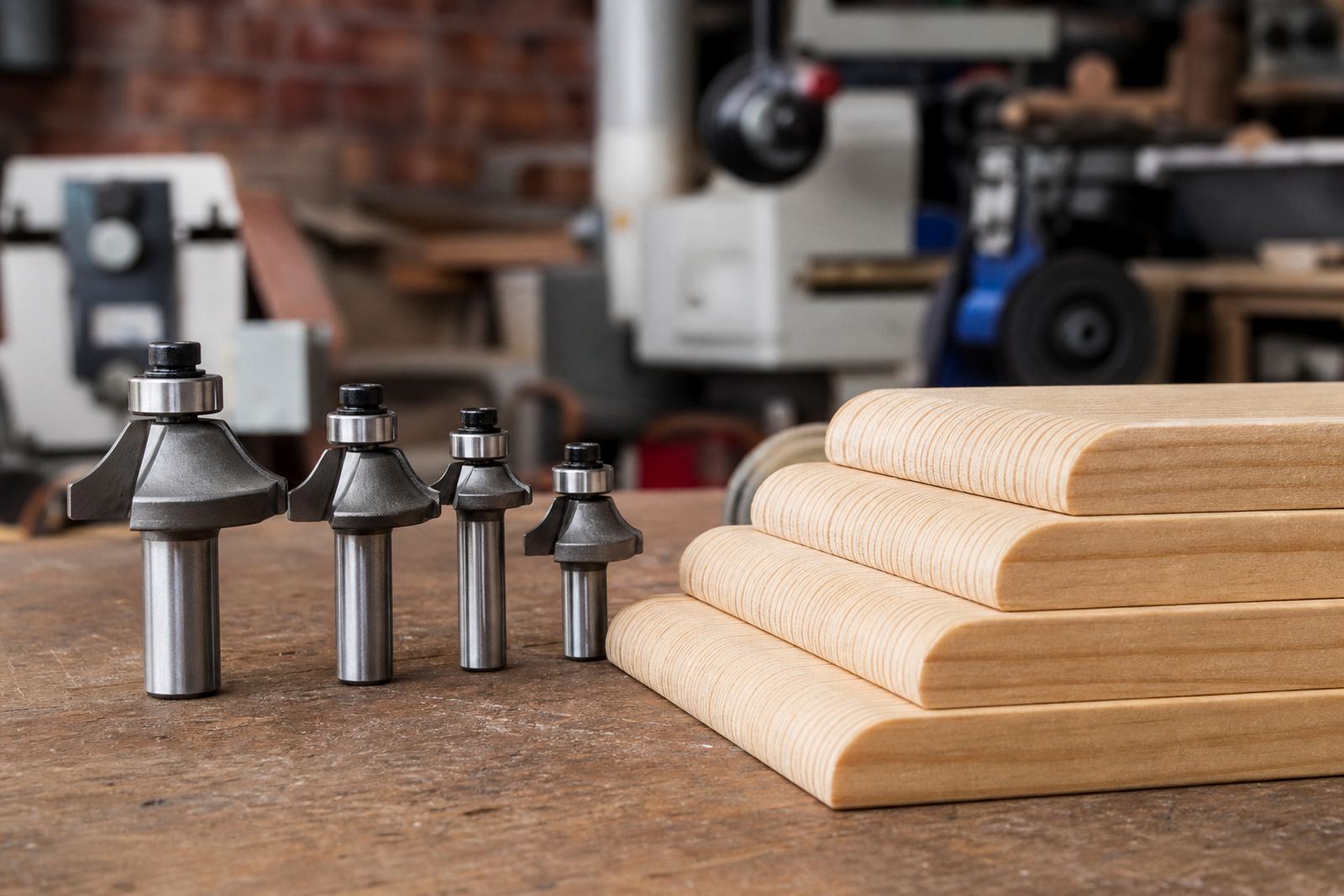
A roundover bit is used to form a smooth, curved edge on timber components, shelving, doors, frames, handrails and decorative pieces. It removes the sharp corner and leaves a consistent radius that is easier to handle and better finished for paint, stain or varnish.
These bits work hard on hardwoods, softwoods, MDF and some laminated board, so the cutting edges blunt over time. When that happens you start to see rough fibres, burn marks, extra feed pressure and a less even profile. In humid coastal areas like Durban and Pinetown, poor storage can also lead to surface oxidation and sticky resin build up.
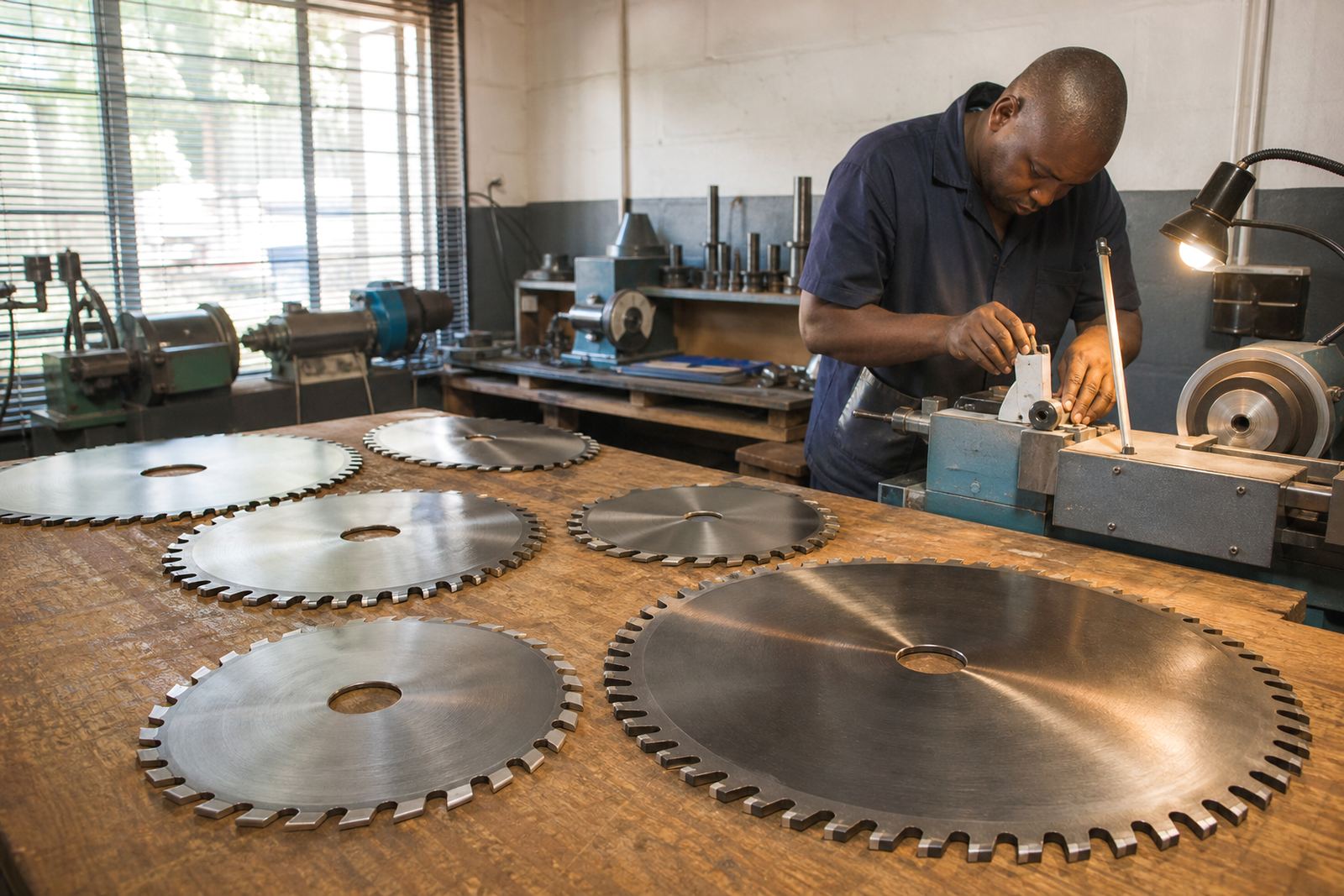
We sharpen roundover bits so the profile stays true and the edge remains clean. That includes attention to the cutting lip, relief and symmetry, not just a quick touch up.
Sizes, profiles and common options we handle
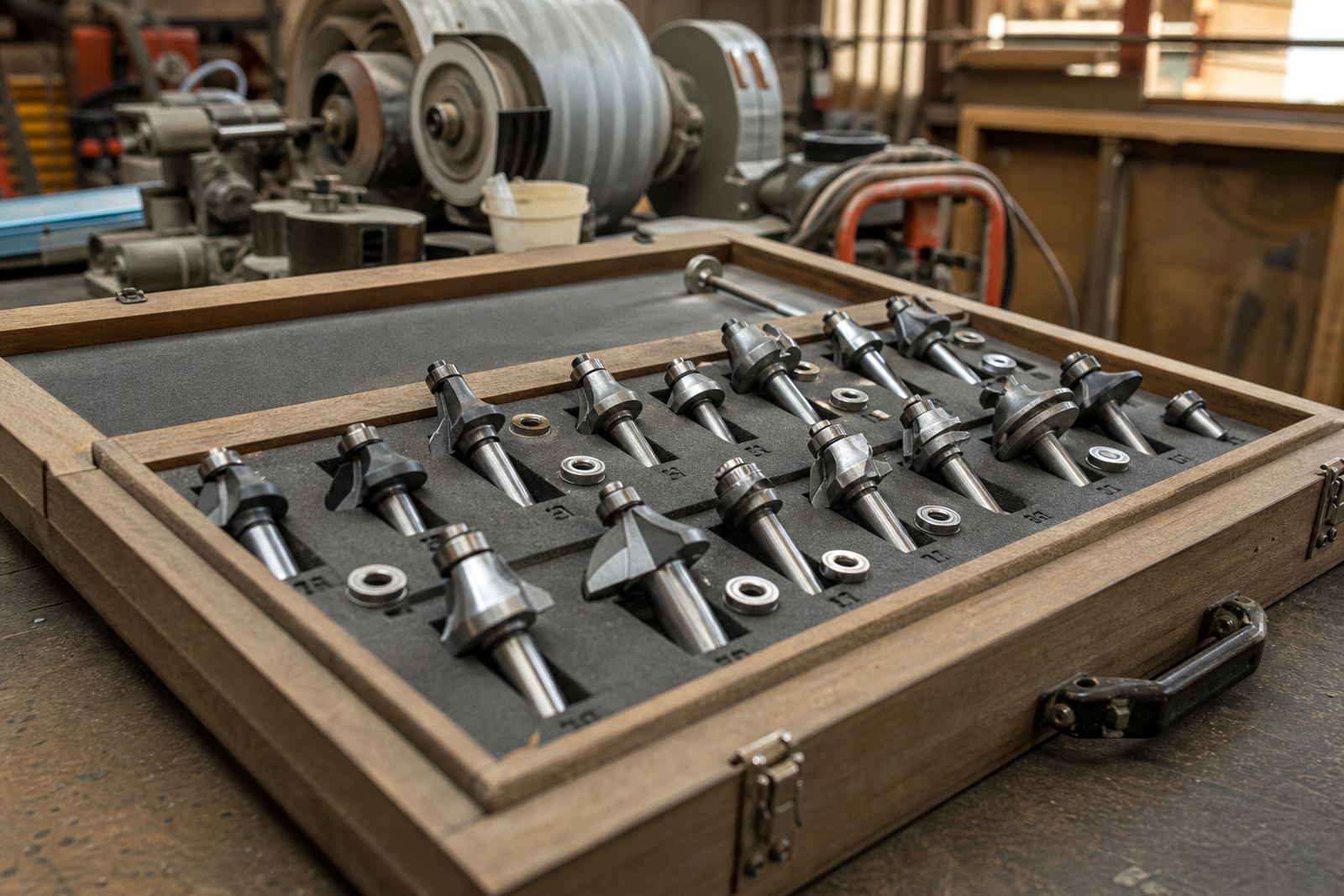
Roundover bits come in a range of diameters and radius sizes, and the right choice depends on the edge finish you want and the thickness of the material. Smaller bits suit lighter decorative work, while larger profiles are used on heavier joinery and furniture parts.
- Shank sizes commonly 6 mm, 8 mm and 12 mm
- Radius sizes from small edge softening profiles through to larger decorative rounds
- Two flute and bearing guided styles
- Solid carbide tipped and brazed carbide designs
- Single profile and matching sets for repeated production work
If you are not sure which profile you have, send it in with the matching sample or order note. We can work from the bit itself and check the cutting geometry before regrinding. That helps avoid taking too much material off and changing the final radius.
Where roundover bits suit best
These bits are used in cabinet shops, furniture workshops, site joinery, sign making and small home workshops. They suit tasks where the edge must feel comfortable in the hand and look consistent from piece to piece.
Typical applications include:
- Table tops and shelving edges
- Door rails and stiles
- Balustrade parts and handrails
- Display units and shopfitting parts
- Decorative trims, skirting ends and moulded components
For contractors working in Johannesburg, Pretoria, Cape Town or Durban, courier collection makes it easier to keep production moving instead of waiting until the tool is completely unusable. We also assist hobby users who need a few bits sorted before the weekend job. Small workshop or large batch, the same care applies.
Sharpening, regrinding and accuracy checks
Roundover bit sharpening is not only about restoring a keen edge. The profile has to stay balanced so the bit cuts evenly on both sides and does not leave a scalloped line or uneven radius. Our workshop checks the cutting edge, face, relief, runout signs and any chipped sections before grinding.
Depending on wear, we may carry out:
- Edge touch up for light dulling
- Full regrinding for blunt or damaged cutters
- Chipped edge recovery where enough carbide remains
- Balance checking on matched bits
- Diameter correction where wear has altered the profile
We work carefully with carbide tipped and other common roundover designs. If a bit has been overheated in use, it may show burn marks and resin glazing, so we clean and inspect it before grinding. Good sharpening helps the router cut cooler and reduces tearout on the workpiece.
Installation, machine fit and power needs
Roundover bits are fitted into a handheld router or a table mounted router setup depending on the job. The bit must match the collet or holder size exactly, and the cutter must sit fully seated and tightened before use. A loose fit can cause chatter, uneven cuts and unnecessary wear.
There is no gas requirement for these tools, but stable power is important for the router motor. In areas affected by load-shedding, many workshops use battery backup, inverter supply or schedule machining around power availability. If the router slows under load, the cut quality drops and the bit can heat up faster.
Before use, check that the bearing spins freely, the cutter is clean and the machine speed suits the diameter. Larger diameter bits generally need a lower safe speed, while smaller profiles can run faster. Always follow the machine guidance and avoid forcing the cut.
Care, servicing and what to check when ordering
To keep roundover bits in service for longer, clean resin off after use and store them dry. In coastal towns like Durban and Westville, moisture can encourage corrosion if bits are left in a damp box or thrown into a tool bag with dust and offcuts.
Good care habits include:
- Brush off dust and resin after each run
- Store bits in sleeves, trays or tagged containers
- Keep carbide edges from knocking against other tools
- Send bits for sharpening before they become badly chipped
- Use the correct feed rate so the edge does not burn
When placing an order or booking courier collection, check the shank size, the radius, the cutter type and whether the bearing is included. If you have multiple bits, batch tool tagging helps keep each profile matched to its job. For quotes and collection, use the enquiry form on our contact page and include the town, quantity and a short note on the wear you are seeing. That helps us assess the work quickly and get the turnround right for your workshop.
Key facts
| Service type | Roundover bit sharpening and regrinding |
|---|---|
| Tool types | Carbide tipped and other common roundover bit styles |
| Typical shank sizes | 6 mm, 8 mm and 12 mm |
| Working profile range | Small edge radius to larger decorative roundovers |
| Collection area | Pinetown, Durban, Pietermaritzburg, Johannesburg, Pretoria and Cape Town |
| Workshop location | Pinetown, KwaZulu-Natal |