What tooth face grinding does for worn cutting tools
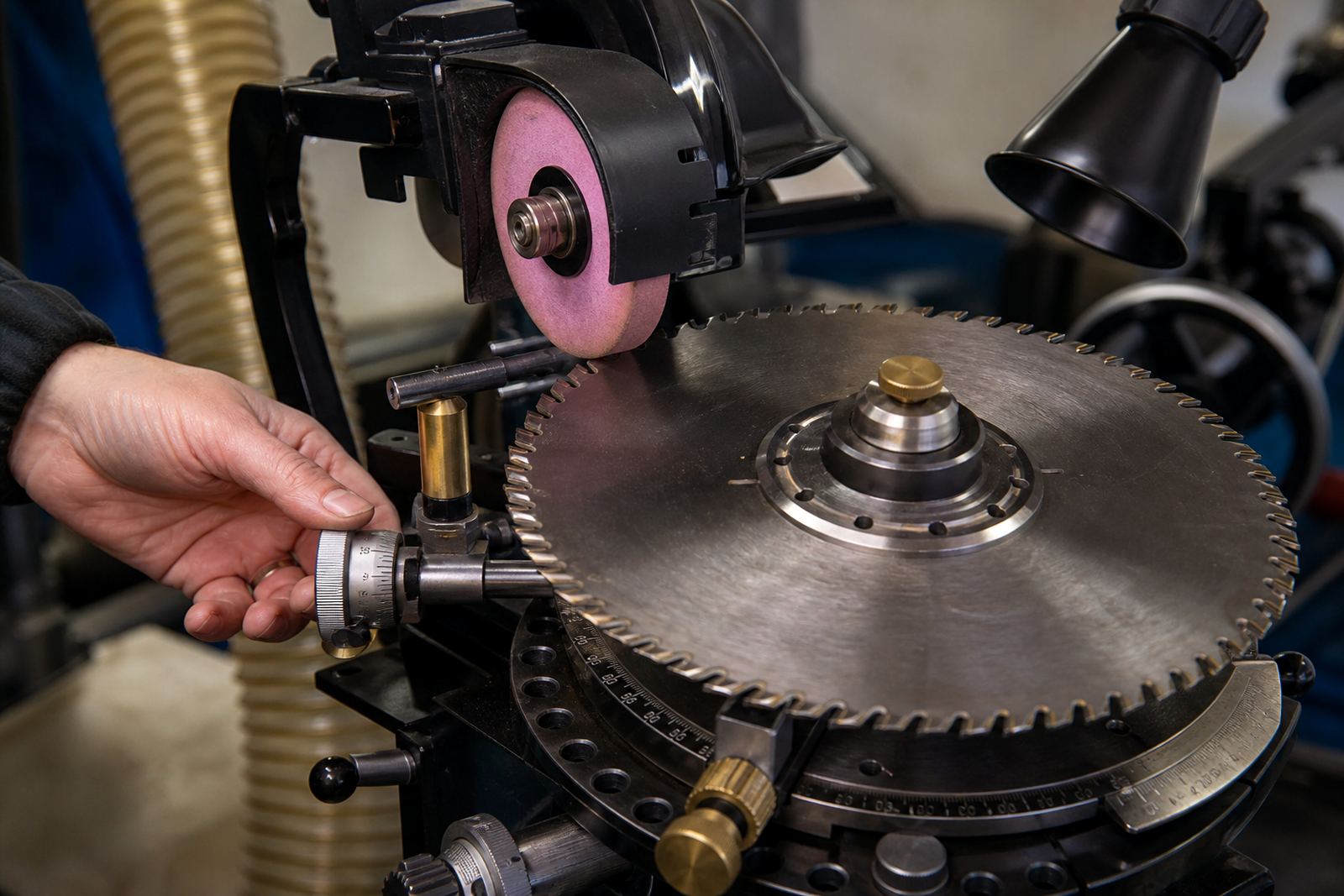
Tooth face grinding is the process of reworking the front face of each cutting tooth so the tool returns to the correct cutting angle and edge condition. When the face is out of shape, the tool can start pushing material instead of cutting it, which leads to heat build-up, rough finish and quicker edge breakdown. On saw blades, drill bits and router bits, this service helps bring back cleaner entry into the material and more predictable cutting action.
In practice, we use tooth face grinding to deal with wear from repeated use, light impact damage, resin build-up and dulling from normal workshop work. It is especially useful where a tool still has enough body left to save, but the cutting geometry has drifted. That means less waste and better value than replacing good tools too early.
For shops in coastal KwaZulu-Natal, the hotter air and humidity can also speed up corrosion on stored tools, so keeping the faces corrected and the tool surfaces clean matters. If your blades sit through load-shedding periods or long weekends, a proper inspection before the next job can save a lot of trouble.
What is included in the service
Each tooth face grinding job is checked before work begins so we can confirm whether the tool is suitable for grinding and whether any extra rework is needed. We then set the tool up for even material removal and consistent tooth geometry across the full cutting edge. For batch work, we also tag and separate tools so the same item returns to the same customer record without confusion.
- Inspection of the cutting edge and face wear
- Removal of light build-up, glazing and edge distortion
- Face grinding to restore the cutting angle
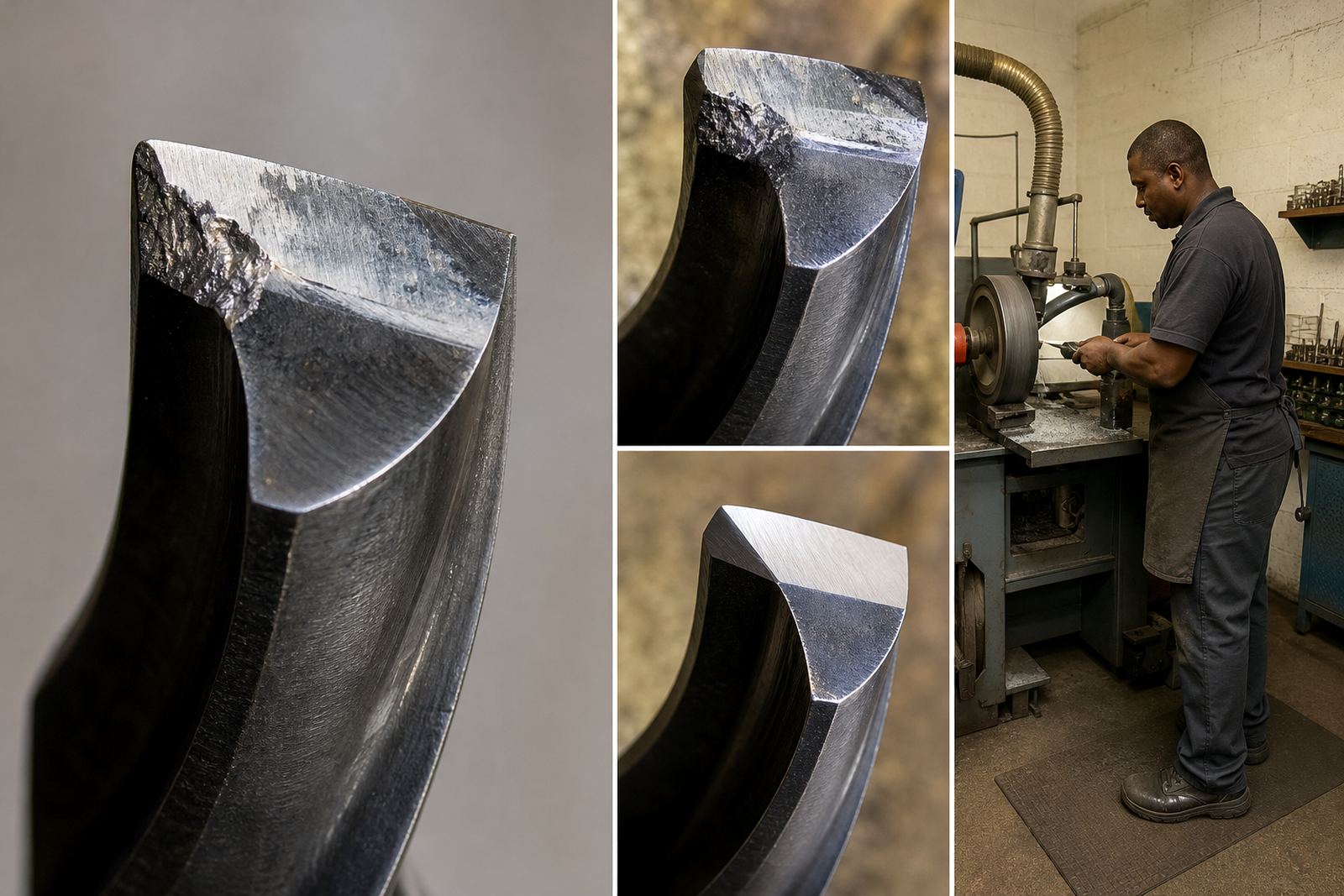
- Check for chipped areas that may need recovery first
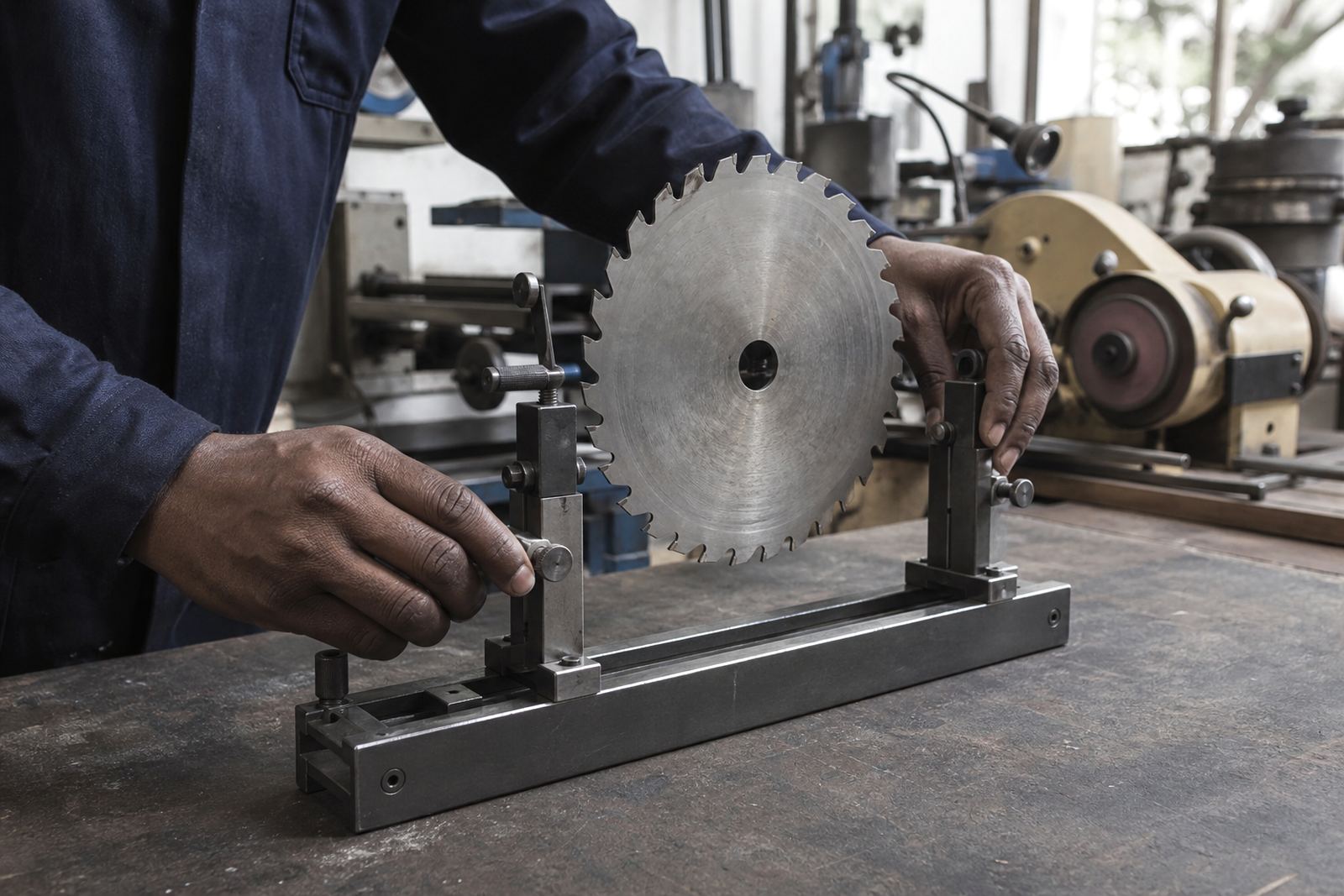
- Balance check where the tool type calls for it
- Batch tool tagging for larger workshop jobs
Where needed, we can combine tooth face grinding with top grinding, diameter correction or burn mark removal. That is common on tools used in cabinetry, joinery and site work where the cut quality has dropped off over time. The aim is simple, bring the tool back to usable condition and keep the cutting line clean.
How the grinding process is handled at our workshop
Tools arrive through courier collection or directly at our Pinetown base. Once received, we sort them by type and condition, then inspect tooth wear, face angle and any signs of damage. If the tool has chipped edges or incorrect set, we will note that before grinding starts, because face work alone is not always enough on its own.
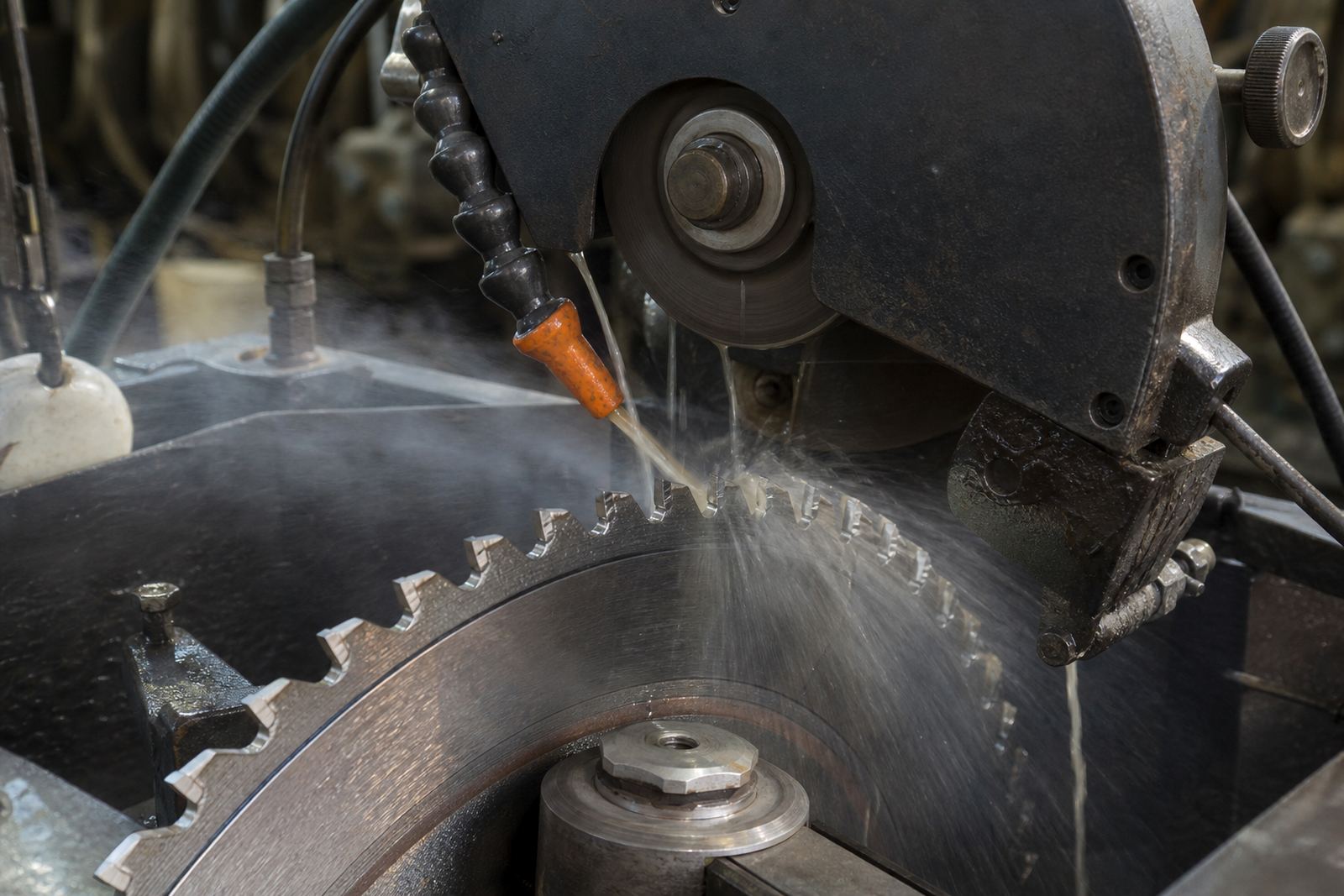
The grinding sequence is set to keep each tooth consistent from first tooth to last. That matters because uneven faces can cause chatter, wandering cuts and extra heat. After grinding, the tool is checked again for finish, geometry and whether the edge is ready for service. If the job is a multi-item batch, the same process is repeated across each tool so the workshop gets one clean standard back.
- Receive and identify the tool or batch
- Inspect wear, damage and face condition
- Set up for the correct tooth profile
- Grind each face evenly
- Check finish, alignment and cutting action
- Release for collection or courier return
Turnaround times for local drop-off and courier jobs
Turnaround depends on the tool type, the amount of wear and how many items are in the batch. Small single-tool jobs can often move faster, while larger workshop batches are planned around inspection, setup and repeat consistency. If the tools need extra work such as chipped edge recovery or diameter correction, that adds time.
For Pinetown, Durban, Westville and Hillcrest jobs, local drop-off is usually the quickest route. Courier collection is available nationwide, including Pietermaritzburg, Johannesburg, Pretoria and Cape Town, which helps when a workshop cannot spare staff time for travel. We keep the process practical, especially for trade customers who need tools back in use without long delays. In busy periods we will advise the expected return window up front so you can plan jobs properly.
If your workshop is working around power interruptions, it is worth sending in tools before they become too far gone. A dull face left too long can overheat, and that can shorten the life of the whole cutting edge. A bit of planning goes a long way here.
Pricing approach for tooth face grinding
We price tooth face grinding according to the tool type, tooth count, size, condition and whether extra correction is needed. A simple single blade with moderate wear will sit at a different price point from a large batch of router bits or mixed drill tools needing several passes. This keeps the pricing fair and tied to the actual work done.
For trade customers and repeat workshop clients, batch work can be assessed together so the quote reflects the total job rather than one item at a time. If the tool needs added services such as top grinding, burn mark removal or balance checking, these are costed separately and explained before work starts. That way there are no surprises once the tools are back on site.
- Single tool pricing for one-off jobs
- Batch pricing for workshops and regular users
- Condition-based adjustments for heavy wear
- Separate pricing for extra correction work
- Courier collection can be included on request
When to send tools in for maintenance
Tools should come in for tooth face grinding as soon as you notice slower cutting, burning, rough edges or more pressure needed to complete the same cut. In many workshops, that happens after steady daily use rather than a fixed number of weeks, because the material being cut makes a big difference. Harder timber, laminated board and repeated site work will shorten the interval.
As a practical guide, frequent users often check tools every few jobs and send them in before the wear becomes severe. Hobby users can usually stretch the interval longer, but should still inspect the face if the tool starts making dust instead of clean chips. Rust spots, resin build-up and poor storage in coastal towns can also mean earlier servicing is needed.
- Check for burning or dark cut marks
- Watch for extra feed pressure
- Look for tear-out or rough finish
- Inspect after contact with nails, grit or stone
- Send tools in before chips and cracks spread
If you are unsure whether a tool needs tooth face grinding or a fuller regrind, send it in for inspection. We will advise on the next step based on condition and use, and keep the job practical for your workshop needs.
Key facts
| Service area | Pinetown, Durban, Westville, Hillcrest, Pietermaritzburg, Johannesburg, Pretoria and Cape Town |
|---|---|
| Tool types | Saw blades, drill bits and router bits |
| Primary purpose | Restore correct cutting action and reduce edge deterioration |
| Typical input condition | Dull faces, light chips, glazed edges, heat marks and resin build-up |
| Turnaround basis | Tool type, quantity, condition and any extra correction required |
| Collection method | Walk-in at Pinetown base or courier collection nationwide |